
Hello everyone,
we are planning a prefabricated house using timber frame construction. It will have 180 sqm (1,937 sq ft) of living space with underfloor heating, and about 230 sqm (2,475 sq ft) of usable area.
So far, the offer included an air-to-water heat pump from Daikin (Altherma 3R, formerly Rotex HPSU compact Ultra).
Now it seems that this unit might not have enough capacity (?) and as an alternative (additional cost around 4,000) we have been offered a "Wolf heat pump CHC Monoblock 10/300-35".
The Daikin is available in the 4-9 kW version—would that really be insufficient for this size? And what do you think about this offer?
I have the energy-saving regulation heat protection certification and a renewable energy heat law document available, if any information from those is needed.
Thank you very much!
Best regards
we are planning a prefabricated house using timber frame construction. It will have 180 sqm (1,937 sq ft) of living space with underfloor heating, and about 230 sqm (2,475 sq ft) of usable area.
So far, the offer included an air-to-water heat pump from Daikin (Altherma 3R, formerly Rotex HPSU compact Ultra).
Now it seems that this unit might not have enough capacity (?) and as an alternative (additional cost around 4,000) we have been offered a "Wolf heat pump CHC Monoblock 10/300-35".
The Daikin is available in the 4-9 kW version—would that really be insufficient for this size? And what do you think about this offer?
I have the energy-saving regulation heat protection certification and a renewable energy heat law document available, if any information from those is needed.
Thank you very much!
Best regards
P
Pixelsurium6 Aug 2020 22:39here as JPGs
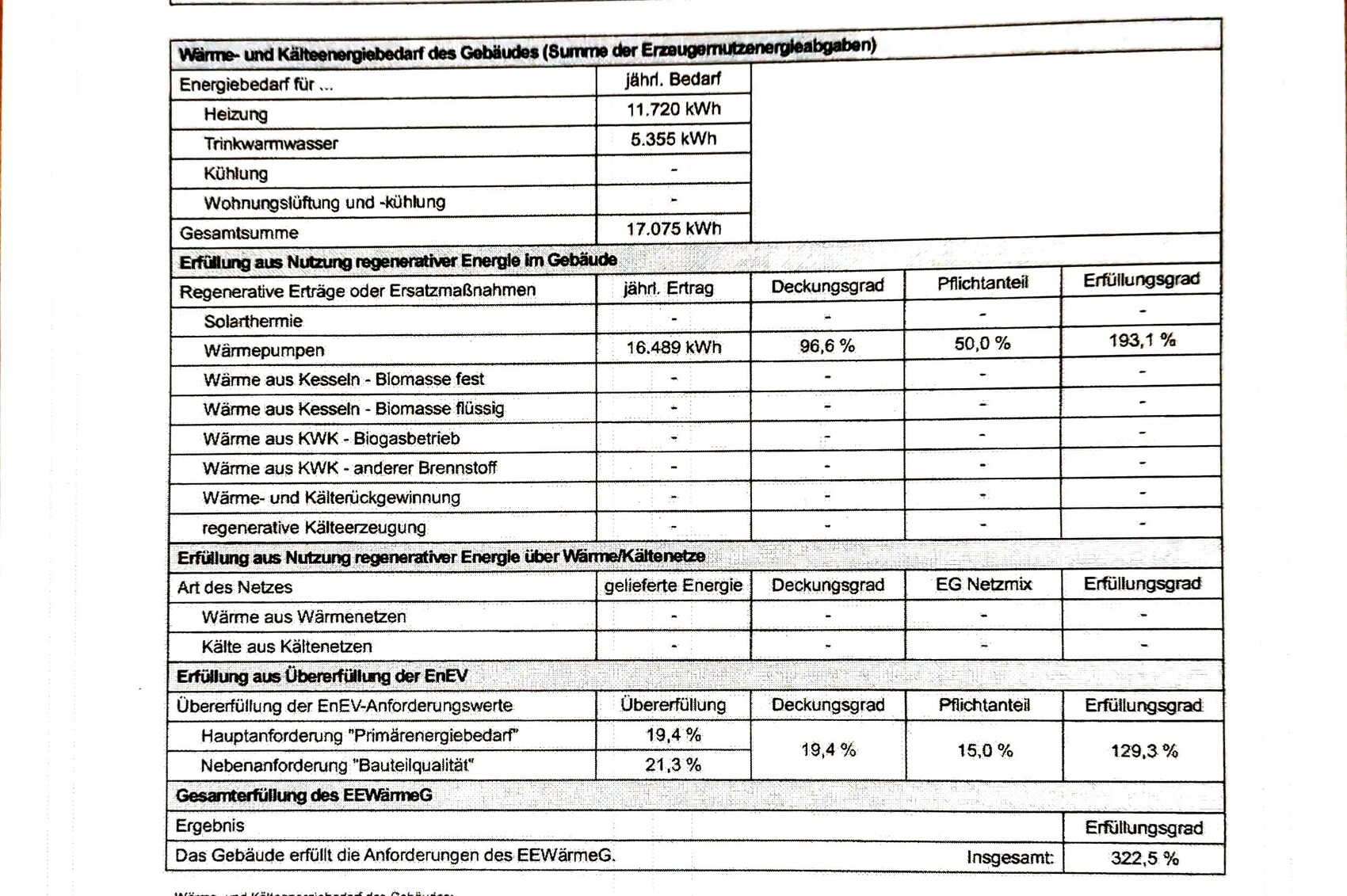
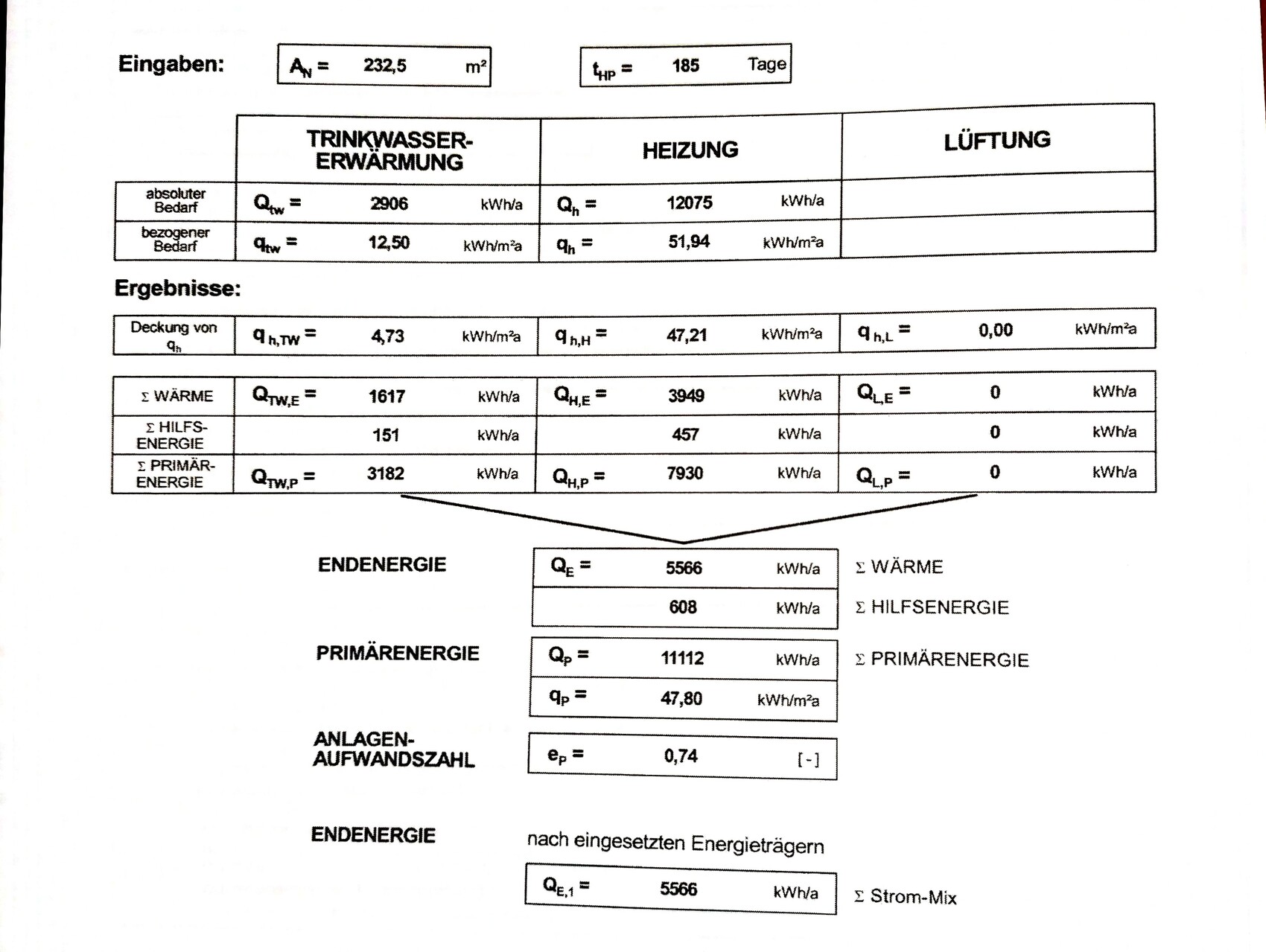
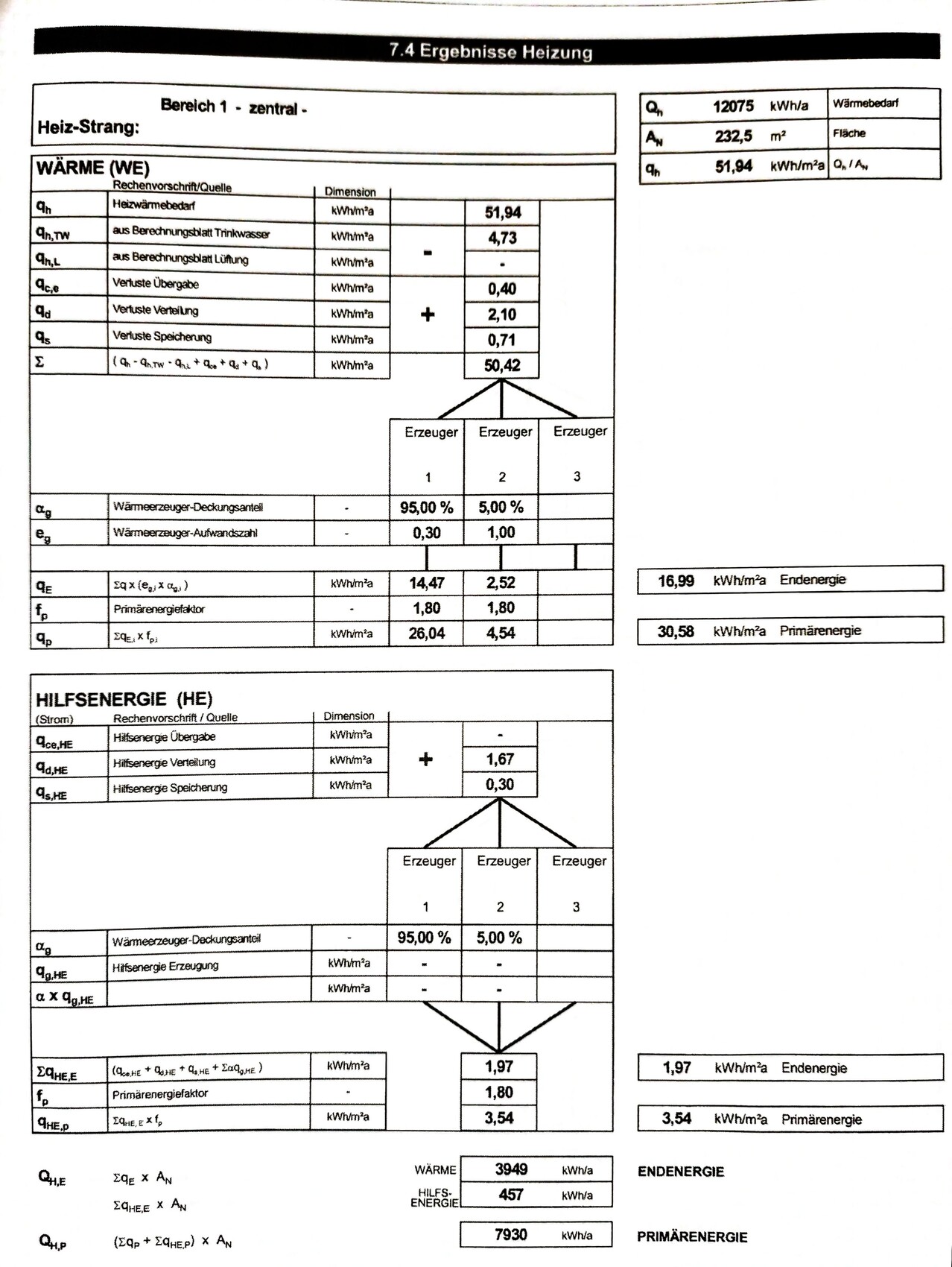
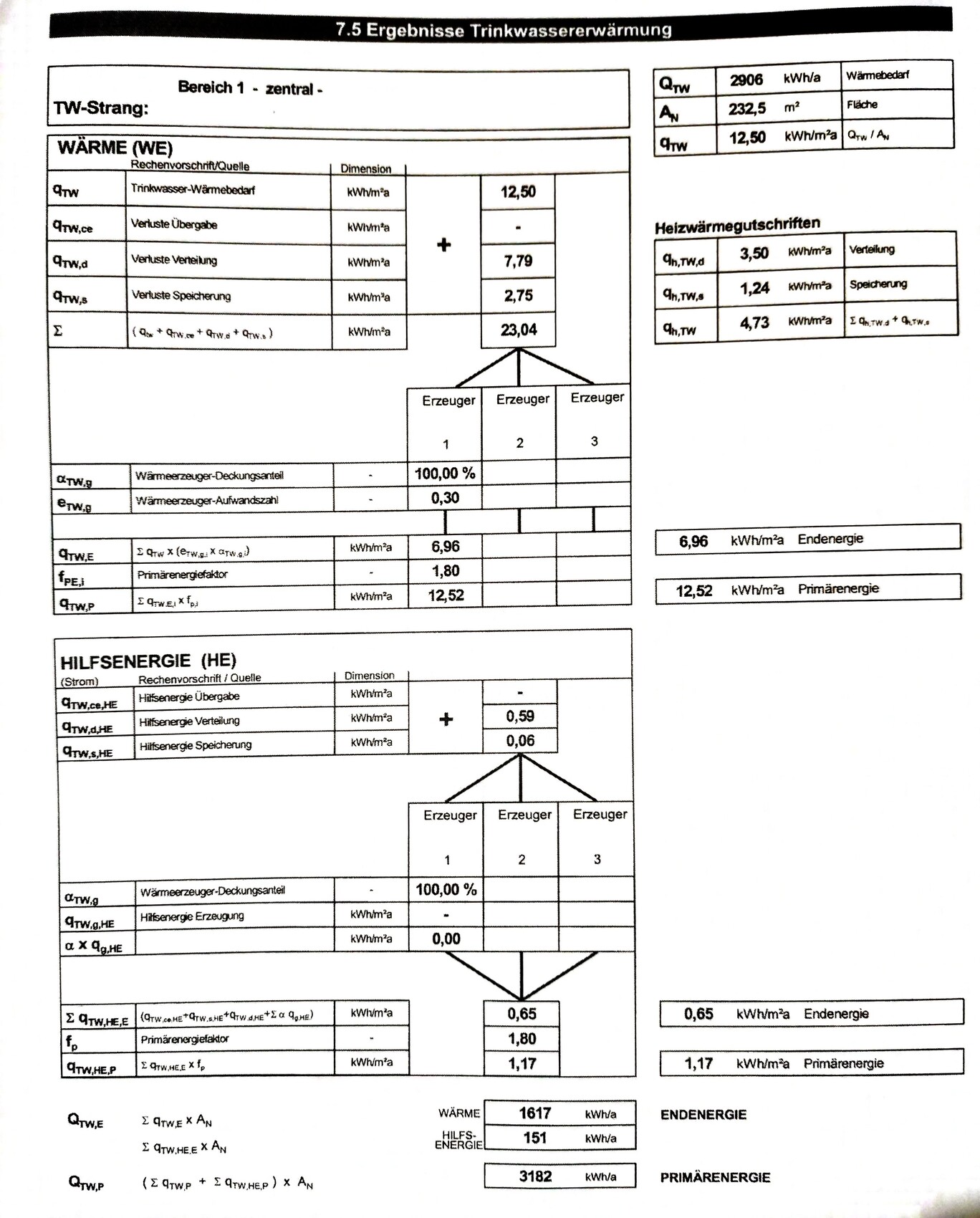
P
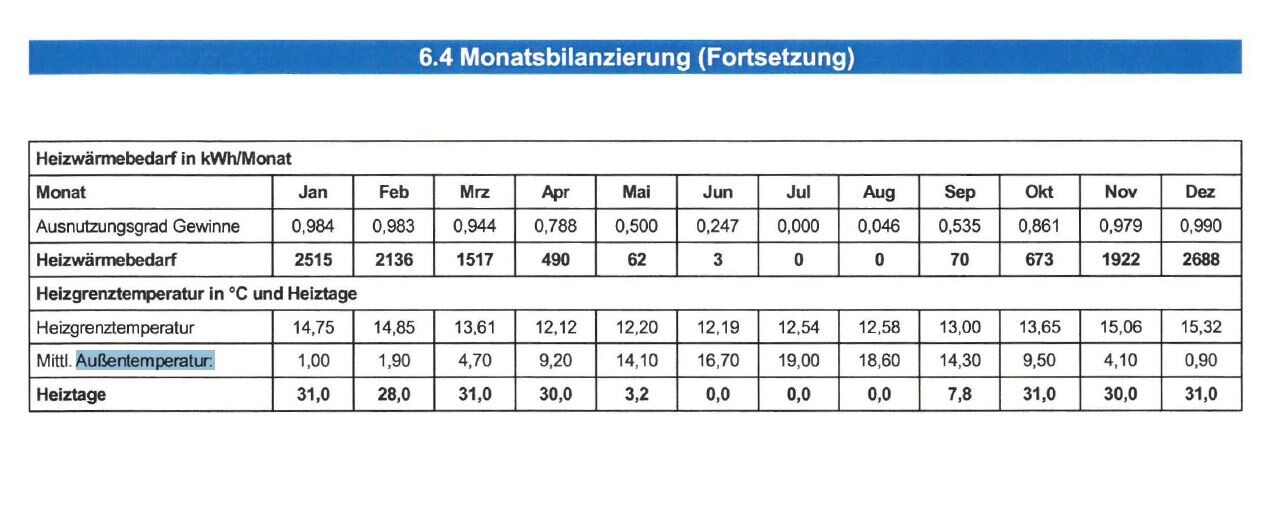
Pixelsurium6 Aug 2020 22:40The only outdoor temperature data I can find for that location is this:
What do you want to know about the house? It has no basement and is apparently "better" than KfW 55. Location: Baden-Württemberg near Heilbronn. Timber frame construction with a wooden facade.
What do you want to know about the house? It has no basement and is apparently "better" than KfW 55. Location: Baden-Württemberg near Heilbronn. Timber frame construction with a wooden facade.
D
Daniel-Sp6 Aug 2020 23:12I have never understood these Energy Saving Ordinance calculations. They won’t help you at all. What you need is the heating load calculation according to DIN 12831 or a similar standard. The heat pump capacity should be selected based on that, not on any Energy Saving Ordinance calculations.
If you know the following data, you can estimate it fairly accurately:
Thermal transmission coefficient = Ht value
Building envelope surface area
NAT
Desired indoor temperature
Heated gross volume
Number of occupants
Type of ventilation
If you know the following data, you can estimate it fairly accurately:
Thermal transmission coefficient = Ht value
Building envelope surface area
NAT
Desired indoor temperature
Heated gross volume
Number of occupants
Type of ventilation
P
Pixelsurium6 Aug 2020 23:30Daniel-Sp schrieb:
I have never understood these Energy Saving Ordinance calculations. They won’t help you. You need the heat load calculation according to DIN 12831 or a similar standard. The heat pump capacity is selected based on that, not on some Energy Saving Ordinance calculations.
If you know the following data, you can estimate it quite accurately:
Transmission heat transfer coefficient = Ht-value
Building envelope area
NAT
Desired indoor temperature
Heated gross volume
Number of occupants
Type of ventilation Building envelope area: 559.65 m2 (6027 sq ft)
Building volume: 726.44 m3 (25,636 cu ft)
Heated air volume: 552.09 m3 (19,495 cu ft)
Usable floor area: 232.46 m2 (2502 sq ft)
A/V0 ratio: 0.77 1/m
Window area: 30.41 m2 (327 sq ft)
Desired temperature: 20-21°C (68-70°F)
Occupants: Currently 2 + 1 child + potential granny flat (let’s assume max. 5-6 people)
Ventilation: None
I don’t know where to get the Ht-value and NAT from.
I will try to request the heat load calculation. A 10 kW (34,100 BTU/h) air-to-water heat pump for a new build seems quite large to me, so I got suspicious.
Best regards
D
Daniel-Sp6 Aug 2020 23:33NAT is the standard outdoor temperature.
HT was indicated in my KfW certification.
HT was indicated in my KfW certification.
P
Pixelsurium6 Aug 2020 23:36Daniel-Sp schrieb:
NAT refers to the standard outside temperature.
HT was indicated in my KfW certificate.NAT: -14°C (7°F)
Unfortunately, I do not have the KfW certificate, as we opted out of the subsidy.
Similar topics