
Hello fellow homebuilders and renovators,
My wife and I bought a house built in 1978 in the winter of 2016. Over the past winter, we made a lot of renovations, so the fireplace, located in the basement living room, has never been used.
We live in a valley with gloomy weather, and the neighborhood often smells like burning wood — and naturally, we would like to use our fireplace as well.
However, since I have only ever rented apartments without fireplaces before, I need to get familiar with the subject.
I understand that a fire requires a lot of oxygen and that combustion should be as complete as possible to avoid harmful gases.
I bought a CO detector and, after some research, lit a small fire.
It worked pretty well: the flame burned bright yellow, then turned blue, the wood burned completely, and in the end, only ash remained, falling through the grate into the ash pan.
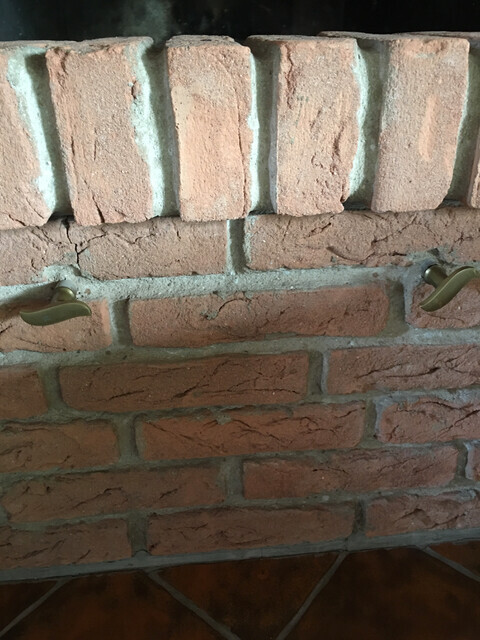
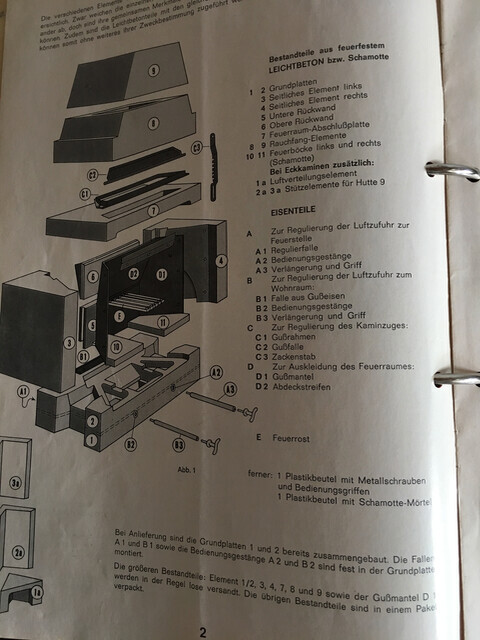
So far, so good. But I noticed that adjusting the air supply doesn’t seem to make any difference. There are three “levers” on the fireplace. One obviously opens the flue to the outside; this lever is inside the firebox. Two other controls are located below the fireplace. One supposedly opens room air, and the other “bottom” air. To explain: In the basement, directly under the fireplace, there are two holes. Through one, ash seems to fall (there is a metal ashtray here), and the other appears to draw in air (a simple hole in the ceiling, apparently leading straight to the fireplace).
On both sides of the fireplace, there are openings in the casing. Air is obviously supplied here.
For me, the following is clear: Left lever controls air from “below.” Right lever controls room air.
Now my problem is: I don’t know which lever position means “open” or “closed.” Is it like water valves? Turn left: open — turn right: closed?
No matter how I set the levers, the flame always burns the same, and the amount of smoke doesn’t change.
The second problem: The fireplace burns nicely, but it produces hardly any heat. Granted, I only loaded it with two fitting logs, but only right in front of the fireplace was any warmth noticeable. The flame was strong, but the fireplace was far from heating the living room by a few degrees.
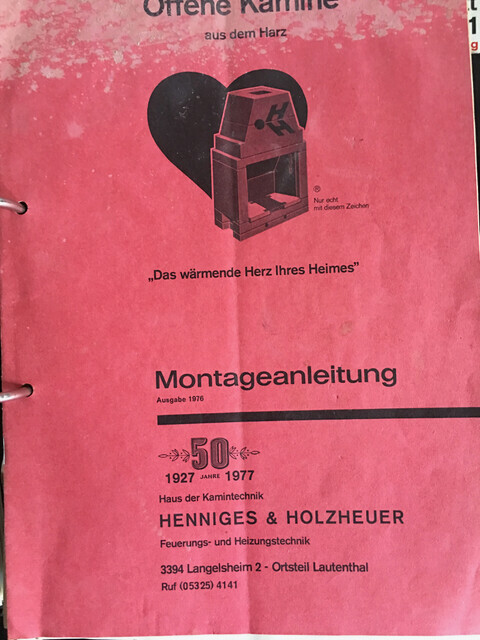
Unfortunately, I can no longer contact the fireplace manufacturer, as it no longer exists.
Maybe you can give me some advice. The chimney sweep will come in November, and I plan to ask him as well.
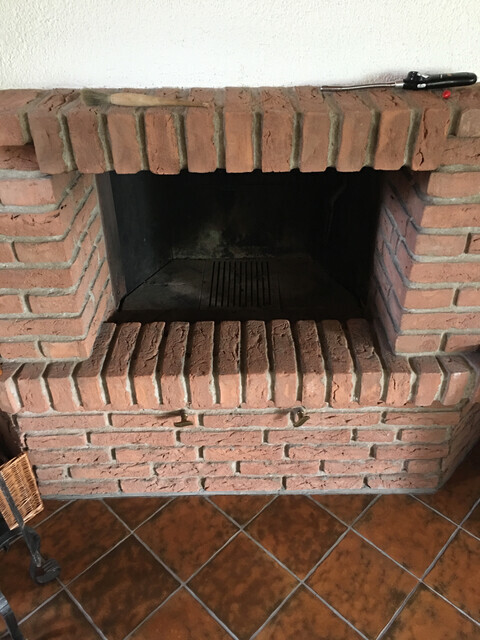
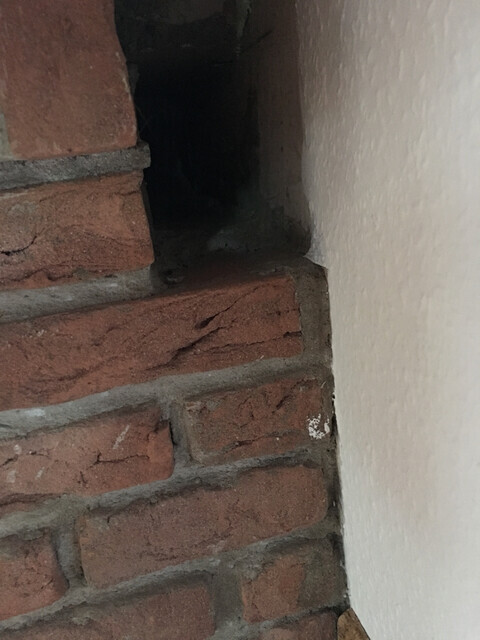
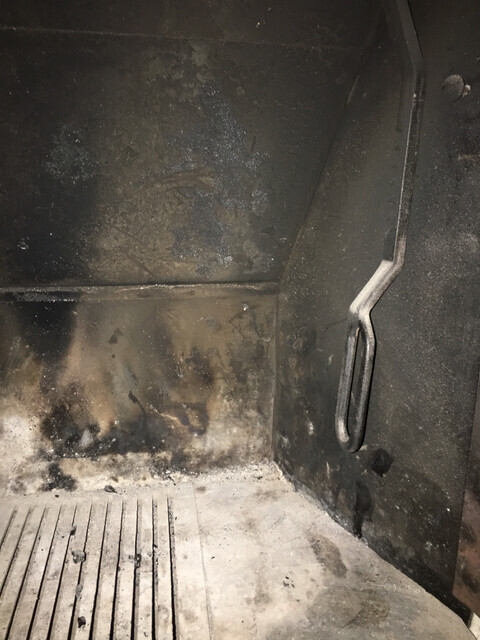
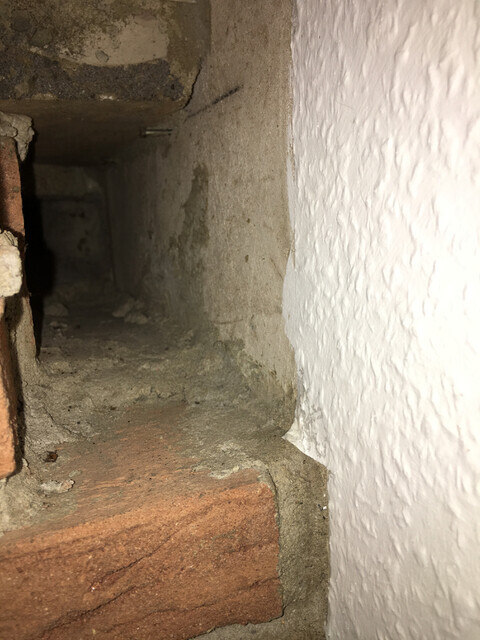
My wife and I bought a house built in 1978 in the winter of 2016. Over the past winter, we made a lot of renovations, so the fireplace, located in the basement living room, has never been used.
We live in a valley with gloomy weather, and the neighborhood often smells like burning wood — and naturally, we would like to use our fireplace as well.
However, since I have only ever rented apartments without fireplaces before, I need to get familiar with the subject.
I understand that a fire requires a lot of oxygen and that combustion should be as complete as possible to avoid harmful gases.
I bought a CO detector and, after some research, lit a small fire.
It worked pretty well: the flame burned bright yellow, then turned blue, the wood burned completely, and in the end, only ash remained, falling through the grate into the ash pan.
So far, so good. But I noticed that adjusting the air supply doesn’t seem to make any difference. There are three “levers” on the fireplace. One obviously opens the flue to the outside; this lever is inside the firebox. Two other controls are located below the fireplace. One supposedly opens room air, and the other “bottom” air. To explain: In the basement, directly under the fireplace, there are two holes. Through one, ash seems to fall (there is a metal ashtray here), and the other appears to draw in air (a simple hole in the ceiling, apparently leading straight to the fireplace).
On both sides of the fireplace, there are openings in the casing. Air is obviously supplied here.
For me, the following is clear: Left lever controls air from “below.” Right lever controls room air.
Now my problem is: I don’t know which lever position means “open” or “closed.” Is it like water valves? Turn left: open — turn right: closed?
No matter how I set the levers, the flame always burns the same, and the amount of smoke doesn’t change.
The second problem: The fireplace burns nicely, but it produces hardly any heat. Granted, I only loaded it with two fitting logs, but only right in front of the fireplace was any warmth noticeable. The flame was strong, but the fireplace was far from heating the living room by a few degrees.
Unfortunately, I can no longer contact the fireplace manufacturer, as it no longer exists.
Maybe you can give me some advice. The chimney sweep will come in November, and I plan to ask him as well.


Is your fireplace open at the front without a glass panel?
Then it always gets air. It seems you can only control where the air comes from.
So you can’t suffocate it. Such fireplaces don’t actually help generate heat. Unless they burn so strongly that the stones heat up, but that’s not efficient.
An insert like that sounds interesting.
Then it always gets air. It seems you can only control where the air comes from.
So you can’t suffocate it. Such fireplaces don’t actually help generate heat. Unless they burn so strongly that the stones heat up, but that’s not efficient.
An insert like that sounds interesting.
Similar topics