
U
Ulrike196931 Jul 2019 19:28Since I already received help here with my question about "working on the screed block," here is my next one:
My house was built in 1948. It has a timber beam construction, and the walls are made with a mix of clay, gravel, and marl, roughly put together.
My question concerns the structure where a 1 to 3 cm (0.4 to 1.2 inch) ventilation gap was left under the collar beam. In other words, this house is a "castle in the air."
Question: DOES THIS VENTILATION GAP HAVE TO REMAIN???
In 2016, I insulated the pitched roof. Back then, after consulting with the roofing membrane manufacturer about whether the membrane was vapor-permeable, I installed a 3 cm (1.2 inch) ventilation gap. Now I am working on the ceilings of the basement, and so far it has been the case that wind from north to south or vice versa could sweep through this huge gap under the collar beam and under the floorboards, or rather the ceiling of the upper floor. A proper clay sealing was only found above the living rooms. Otherwise, just a bucket of construction debris was dumped onto the so-called "clay stakes."
My consideration regarding whether the ventilation gap must remain is: WOOD MOVES. And it does so for its entire life. I see it every year at our garden shed door outside. In summer, I have to lock it twice, in winter it sticks. So I am aware that wood "works."
And the collar beams are exposed to the outside air.
My question, therefore, is: Should this gap remain when I insulate the intermediate floor?
Then the wind will just whistle against the insulation if necessary.
However, I don’t want to damage anything during the renovation of this house. LESS IS OFTEN MORE. I also don’t intend to turn this place into a "low-energy house."
Ulrike
My house was built in 1948. It has a timber beam construction, and the walls are made with a mix of clay, gravel, and marl, roughly put together.
My question concerns the structure where a 1 to 3 cm (0.4 to 1.2 inch) ventilation gap was left under the collar beam. In other words, this house is a "castle in the air."
Question: DOES THIS VENTILATION GAP HAVE TO REMAIN???
In 2016, I insulated the pitched roof. Back then, after consulting with the roofing membrane manufacturer about whether the membrane was vapor-permeable, I installed a 3 cm (1.2 inch) ventilation gap. Now I am working on the ceilings of the basement, and so far it has been the case that wind from north to south or vice versa could sweep through this huge gap under the collar beam and under the floorboards, or rather the ceiling of the upper floor. A proper clay sealing was only found above the living rooms. Otherwise, just a bucket of construction debris was dumped onto the so-called "clay stakes."
My consideration regarding whether the ventilation gap must remain is: WOOD MOVES. And it does so for its entire life. I see it every year at our garden shed door outside. In summer, I have to lock it twice, in winter it sticks. So I am aware that wood "works."
And the collar beams are exposed to the outside air.
My question, therefore, is: Should this gap remain when I insulate the intermediate floor?
Then the wind will just whistle against the insulation if necessary.
However, I don’t want to damage anything during the renovation of this house. LESS IS OFTEN MORE. I also don’t intend to turn this place into a "low-energy house."
Ulrike

Ulrike1969 schrieb:
My consideration with this question about whether the air gap must remain is this: WOOD MOVES. I agree with that. However, the gap should also be able to close—just elastically; I would advise against it being rigid.
https://www.instagram.com/11antgmxde/
https://www.linkedin.com/company/bauen-jetzt/
U
Ulrike19691 Aug 2019 19:39Yes, I need to take a closer look.
Last winter, as a temporary solution, I stuffed in some URSA insulation. It does compress, but I’m not sure if it’s a viable long-term solution.
Maybe my son will have an idea...
Last winter, as a temporary solution, I stuffed in some URSA insulation. It does compress, but I’m not sure if it’s a viable long-term solution.
Maybe my son will have an idea...

Hello everyone,
I have a question regarding the issue with the collar beams...
We chose a collar beam ceiling from the upper floor to the attic and have now noticed a few things...
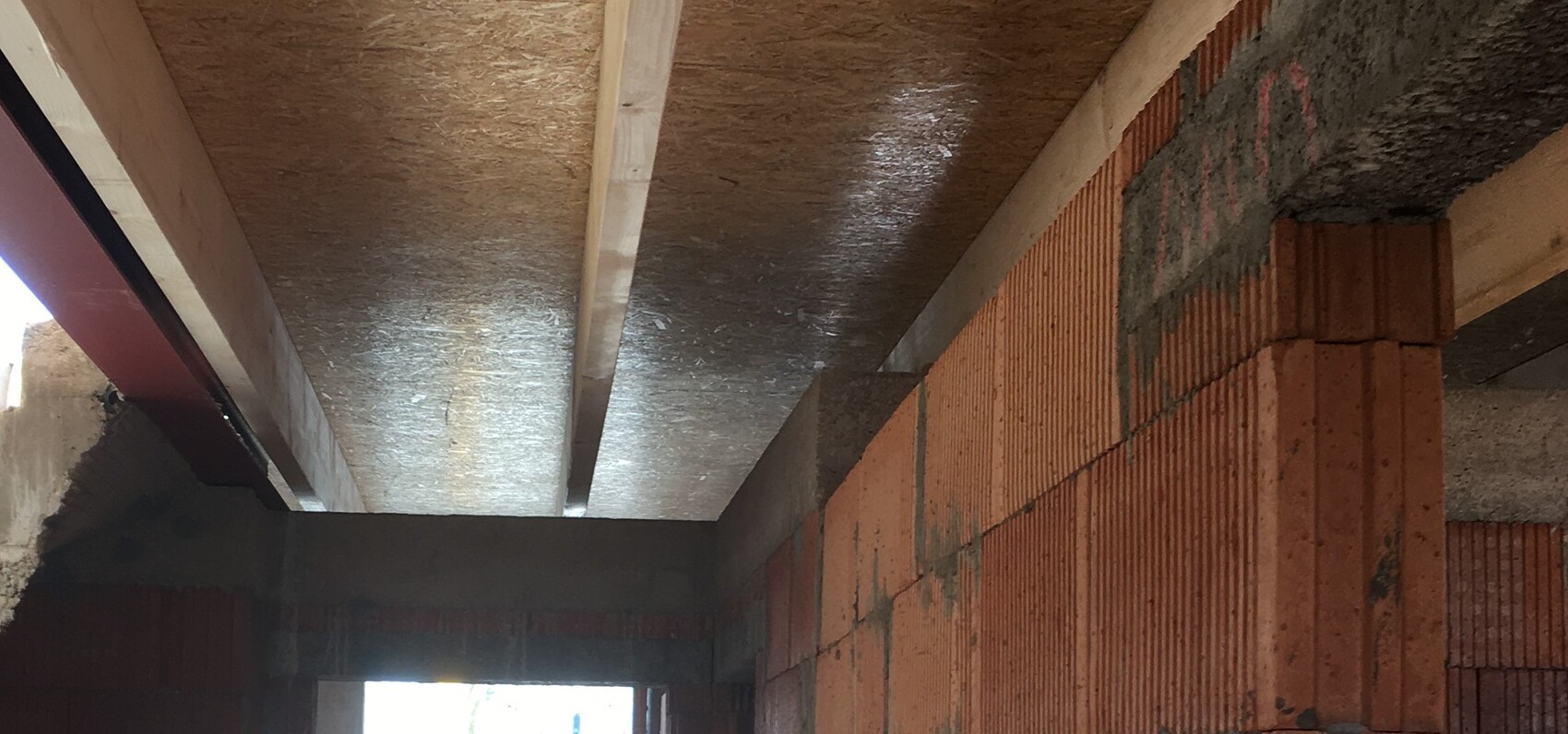
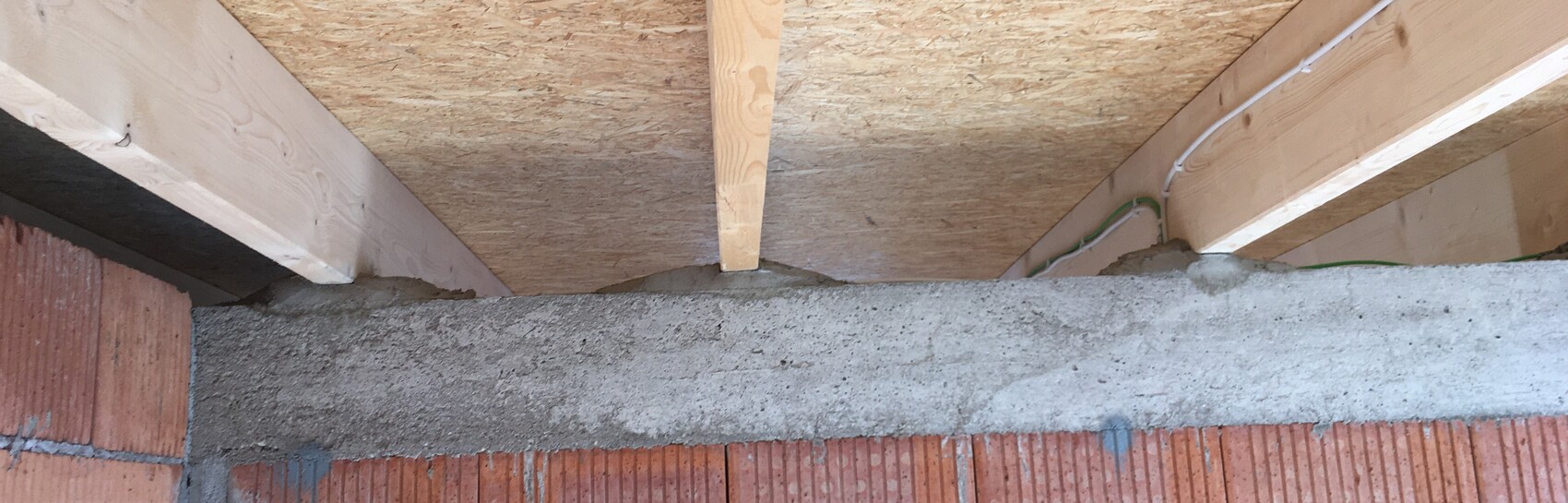
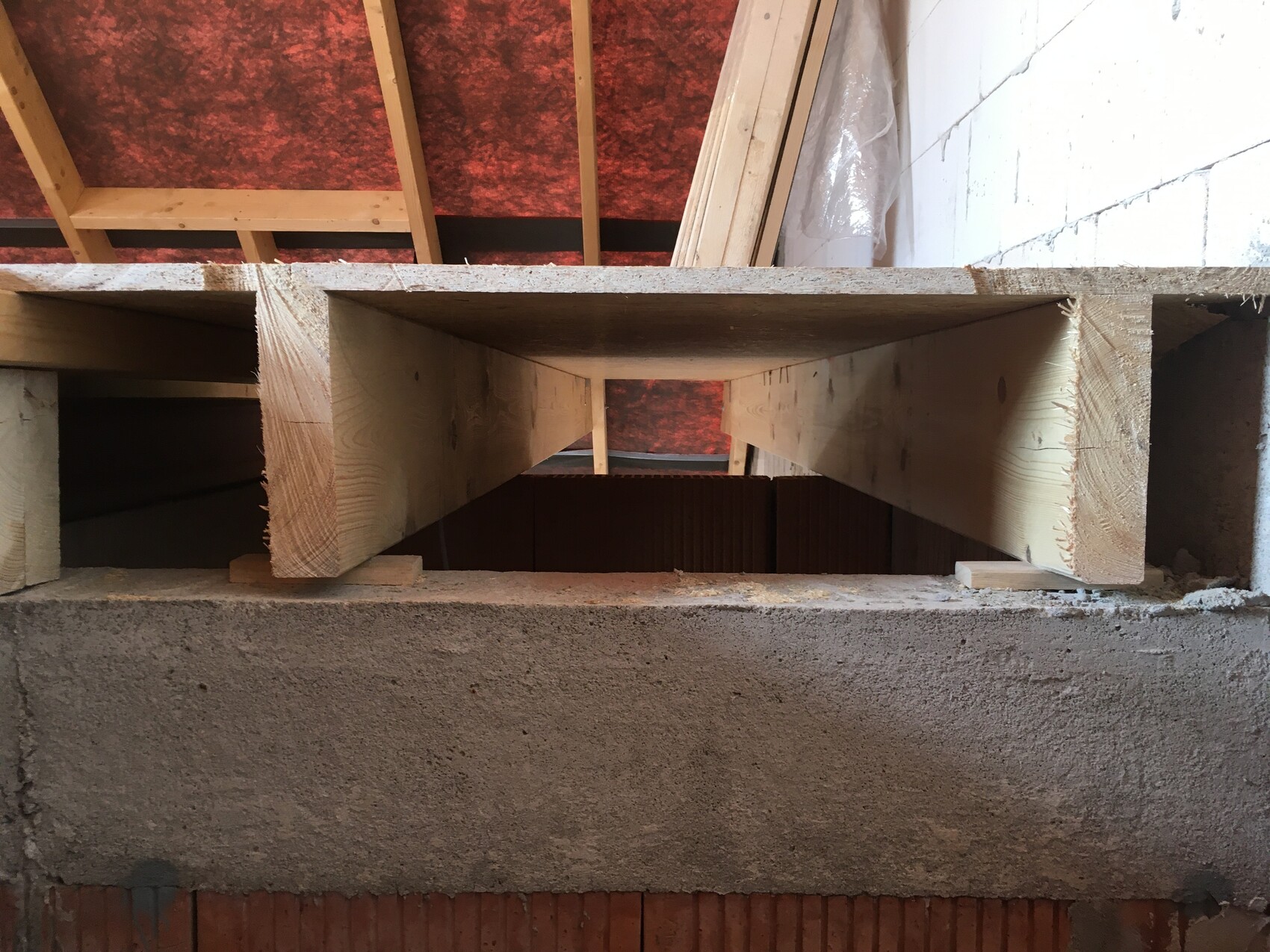
As you can see in the pictures, there is an air gap below the collar beams.
I understand that this is acceptable for non-load-bearing walls. But what about load-bearing walls?
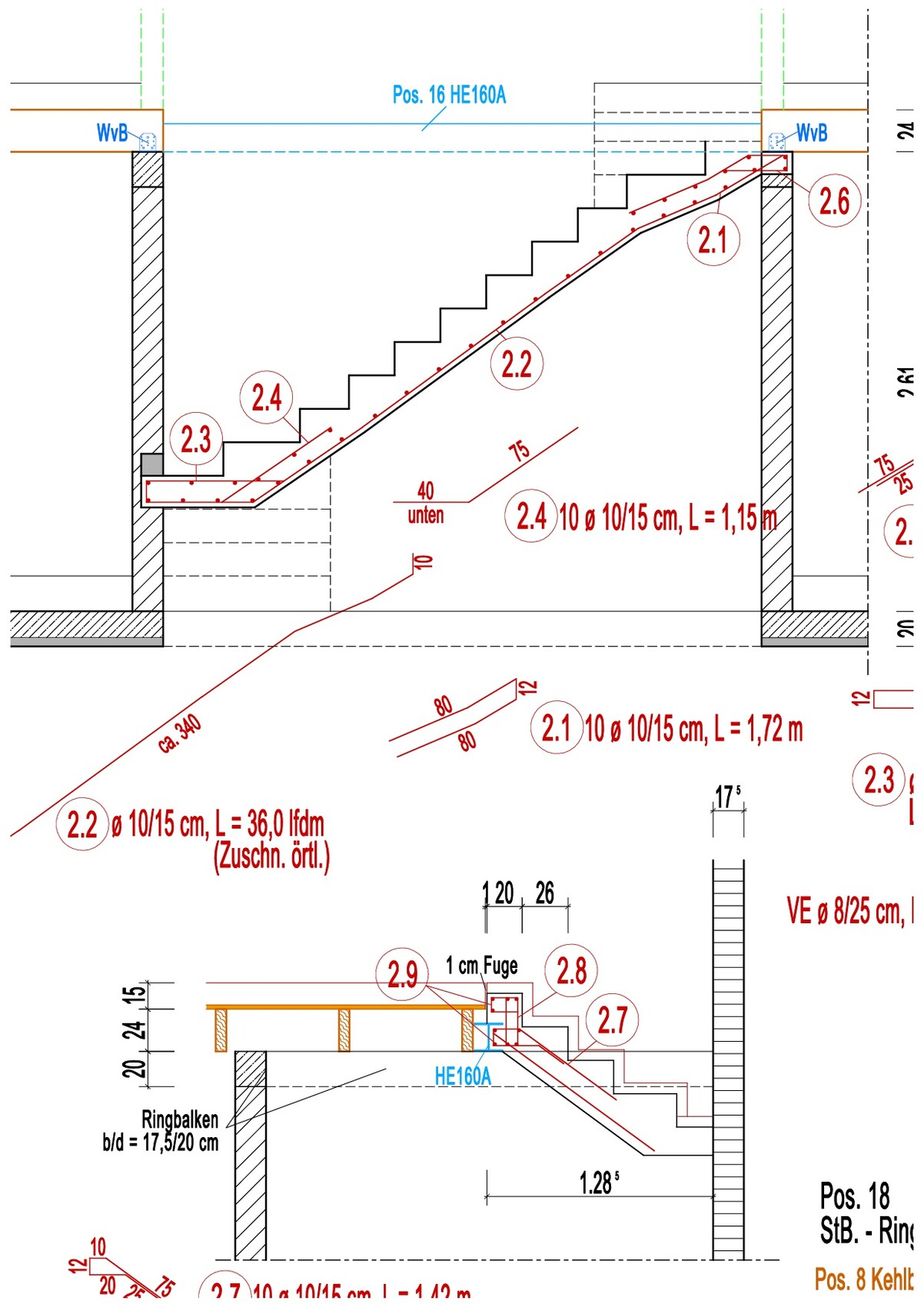
On the upper floor, we have some load-bearing walls, but none of the beams actually rest on these walls! According to the structural engineering calculations, this should be the case.
Instead, our site manager told the shell contractor the following: "Just cover the collar beams with plaster."
As a layperson, I have no idea if this is right or wrong. Now, an outsider told me this is complete nonsense. He even called it botched work.
I can remove the plastered material by hand... it simply isn’t load-bearing.
Could you please share your opinions briefly?

I have a question regarding the issue with the collar beams...
We chose a collar beam ceiling from the upper floor to the attic and have now noticed a few things...
As you can see in the pictures, there is an air gap below the collar beams.
I understand that this is acceptable for non-load-bearing walls. But what about load-bearing walls?
On the upper floor, we have some load-bearing walls, but none of the beams actually rest on these walls! According to the structural engineering calculations, this should be the case.
Instead, our site manager told the shell contractor the following: "Just cover the collar beams with plaster."
As a layperson, I have no idea if this is right or wrong. Now, an outsider told me this is complete nonsense. He even called it botched work.
I can remove the plastered material by hand... it simply isn’t load-bearing.
Could you please share your opinions briefly?
Similar topics