
Hello,
I’m not a structural engineer, but would something like this hold? The neighbor’s gardener is planning a corrosion protection layer about 4–6 cm (1.5–2.5 inches) thick, as shown in the picture.
The top of the wall leans approximately 10–15 cm (4–6 inches) onto my property. On the other side, about 160 cm (63 inches) of wall plus soil has been built up. The wall is around 15 cm (6 inches) thick, and the slope in the soil is about 1 meter (3.3 feet) wide. The green area represents my soil surface. The wall is nearly flush with my turf—or whatever the correct term is. The wall has no foundation. Now, they want to pour a concrete wall around 4–6 cm (1.5–2.5 inches) wide and up to 60 cm (24 inches) deep into the existing wall to support it.
From my point of view, the 60 cm (24 inches) depth plus 5–6 cm (2–2.5 inches) will not hold the angled top upright. If it is built straight up, at some point the wall might crack because the new concrete will not properly bond with the old wall. Am I mistaken in my reasoning?
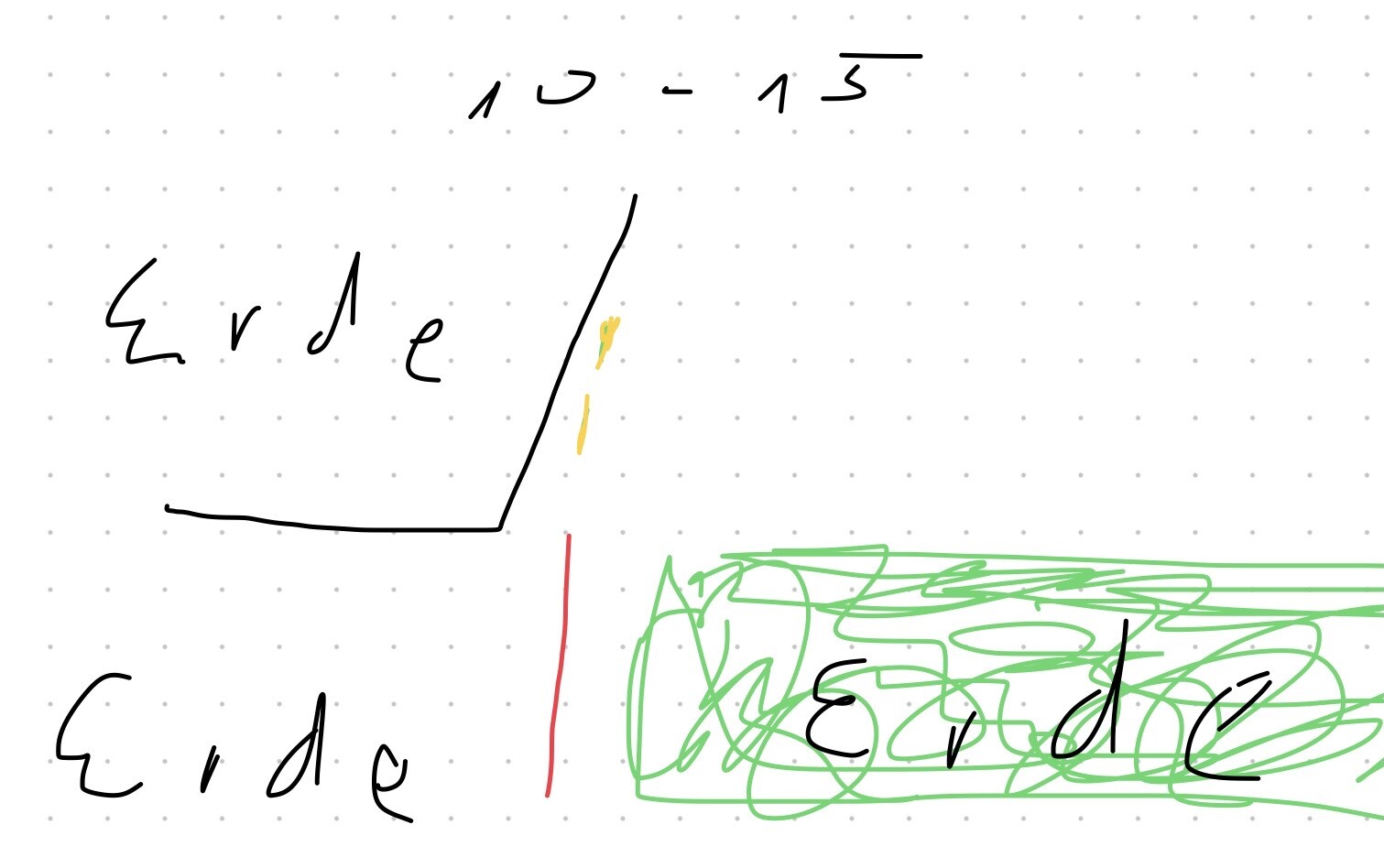
I’m not a structural engineer, but would something like this hold? The neighbor’s gardener is planning a corrosion protection layer about 4–6 cm (1.5–2.5 inches) thick, as shown in the picture.
The top of the wall leans approximately 10–15 cm (4–6 inches) onto my property. On the other side, about 160 cm (63 inches) of wall plus soil has been built up. The wall is around 15 cm (6 inches) thick, and the slope in the soil is about 1 meter (3.3 feet) wide. The green area represents my soil surface. The wall is nearly flush with my turf—or whatever the correct term is. The wall has no foundation. Now, they want to pour a concrete wall around 4–6 cm (1.5–2.5 inches) wide and up to 60 cm (24 inches) deep into the existing wall to support it.
From my point of view, the 60 cm (24 inches) depth plus 5–6 cm (2–2.5 inches) will not hold the angled top upright. If it is built straight up, at some point the wall might crack because the new concrete will not properly bond with the old wall. Am I mistaken in my reasoning?
O
Osnabruecker16 Sep 2023 18:52Michel56 schrieb:
I can only rely on a straight wall that does not collapse and is hopefully properly braced. You can demand much more dismantling if the statement from the first post is correct:
Michel56 schrieb:
about 10-15 cm (4-6 inches) onto my property W
WilderSueden17 Sep 2023 14:16Michel56 schrieb:
I totally agree with you, but what am I supposed to do as the affected party? All I can do is hope for a straight wall that doesn’t collapse and is hopefully properly secured. As far as I know, the wall has no foundation and was originally built on what was likely loose, uncompacted fill. (pusch)You are entitled to have the neighbor professionally manage any changes to the terrain on their property that affect you. You may need to hire an expert and consult a lawyer. If I understand correctly, your relationship with the neighbor is already strained?WilderSueden schrieb:
You have the right to require your neighbor to properly manage any changes to the terrain on their property. If necessary, you may need to bring in an expert and consult a lawyer. If I understand correctly, the relationship with your neighbor is already poor?What type of expert or medical specialist would you recommend for this kind of issue?N
NatureSys17 Sep 2023 16:33Which translation software do you use?
H
hanghaus202317 Sep 2023 18:38The wall has no place on your property. If it is already leaning onto your land, then the retaining wall no longer serves as a support.