
ᐅ 160 m² single-family house with timber frame construction on a north-facing slope, including a basement
Created on: 26 Aug 2018 17:03
L
Lbx
Hello,
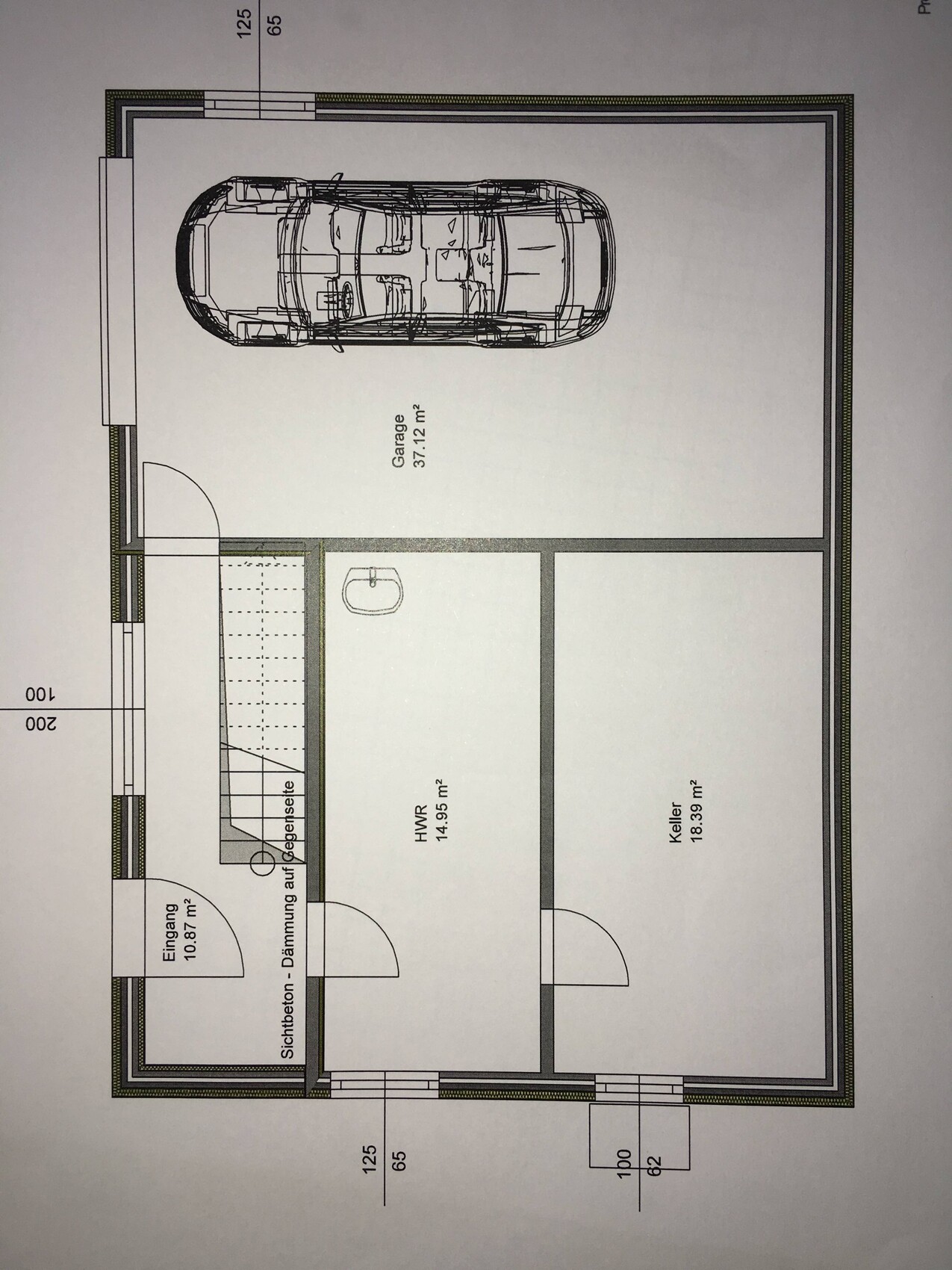
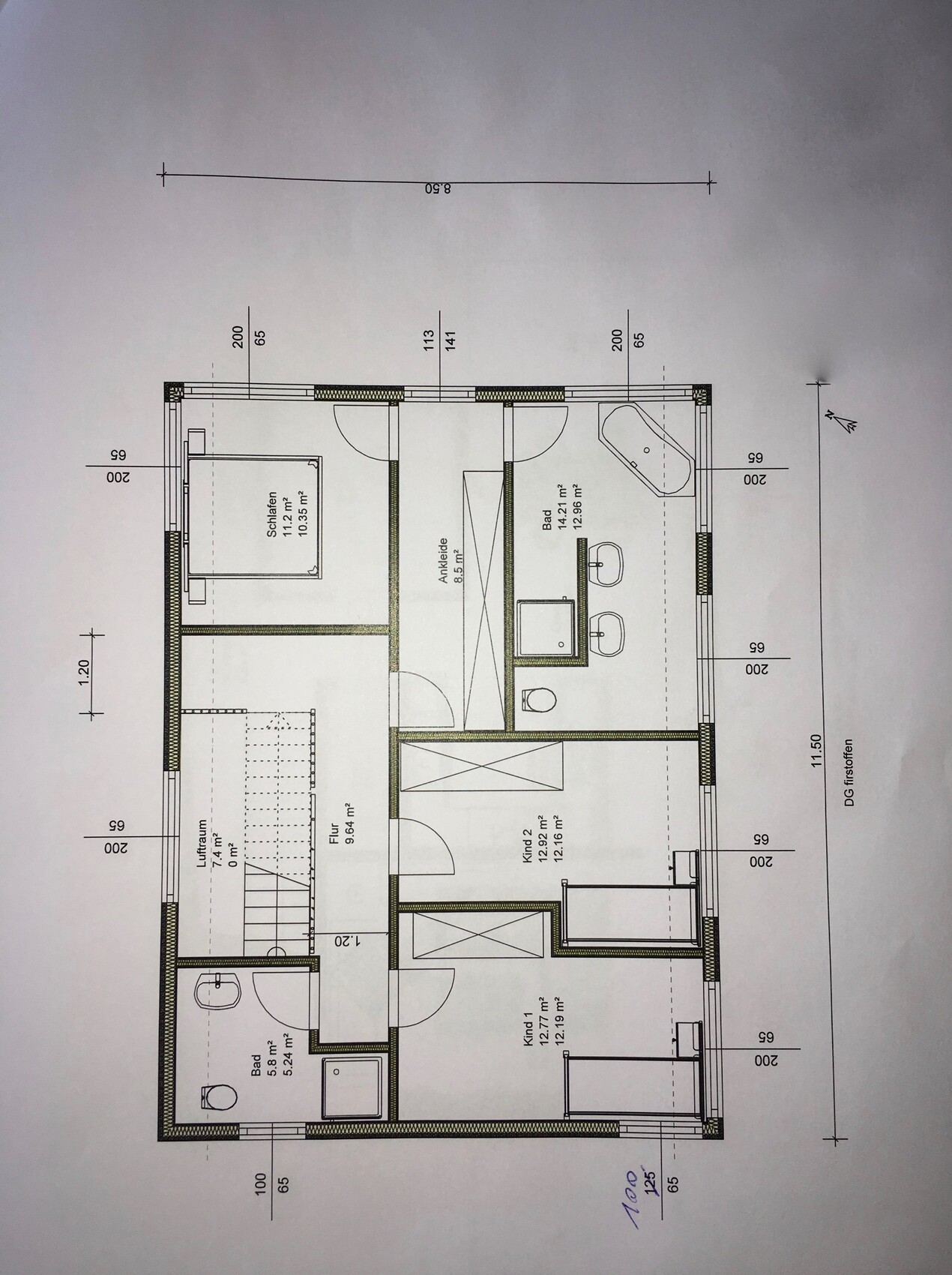
below you will find our (almost) final floor plan. Only a few adjustments and changes to the windows are still being made. We would appreciate your feedback.
Development Plan / Restrictions
Construction according to Paragraph 34 of the Building Code. Neighboring buildings are 1.5 to 2 stories with pitched roofs.
Plot Size
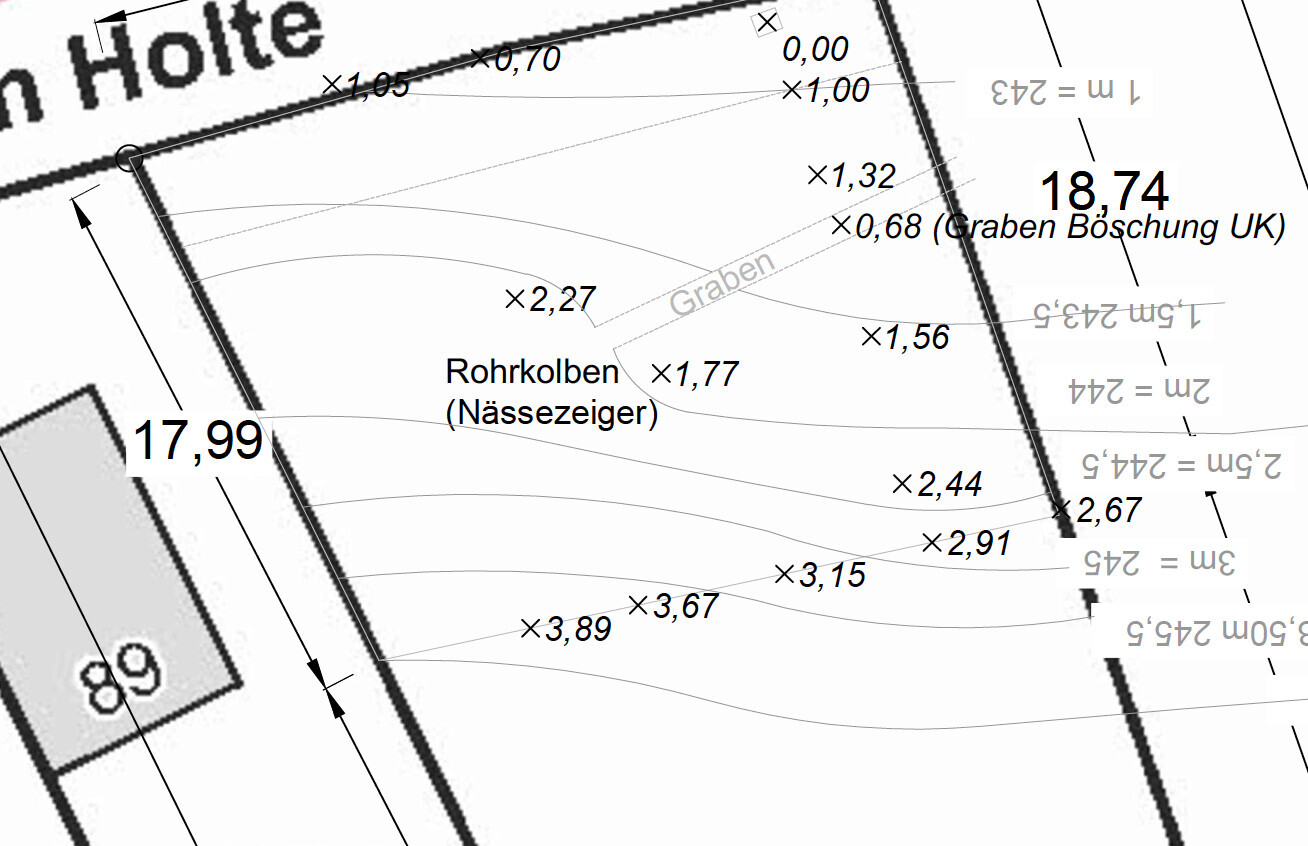
3000m2 (approximately 0.74 acres), building area around 600m2 (0.15 acres) along the street
Slope
Approximately 2m (6.6 feet) diagonal incline where the house will be located, rising from southwest to northeast
Orientation
South (uphill side)
Client Requirements: Style, Roof Type, Building Type
Single-family house, pitched roof (most cost-effective), rather open design
Basement, Floors
Full basement + 2 floors
Number of Occupants, Age
2 adults + 2 children (planned)
Room Requirements on Ground Floor and Upper Floor
Open kitchen + dining area + living room, pantry, study, guest WC, parents’ area (bedroom, walk-in closet, bathroom), children’s area (2 bedrooms + bathroom), garage, utility room, storage room
Office: Family use or home office?
Family use + emergency children’s bedroom
Overnight Guests per Year
1-2
Open or Closed Architecture
Rather open
Conservative or Modern Building Style
Rather modern
Open Kitchen, Kitchen Island
Open kitchen, island not necessary
Number of Dining Seats
6
Fireplace
No
Music / Stereo Wall
5.1 surround, approx. 3 meters (10 feet) for TV, etc.
Balcony, Roof Terrace
No
Garage, Carport
In the basement
House Design
Who Created the Plan:
Floor plan from a construction company, modified according to our wishes by the planner of a prefab house company (structural engineer)
What Do You Like Especially? Why?
- Separate parents’ area
- Open design with living room accessible from two sides
- Staircase on the north side, where the street is
- Garage inside the house
- Large windows facing south
- Living room + kitchen + dining areas facing south
- Open ridge ceiling on the upper floor
What Do You Dislike? Why?
- Low, small windows on the upper floor due to the 1.8m (5.9 feet) knee wall height – we will probably raise this to 2.10m (6.9 feet)
- Boring exterior appearance
- Small study room, but currently the best compromise for us
- Kitchen windows not floor-to-ceiling, will be changed
- Possibly too few windows
Cost Estimate from Architect / Planner:
Approximately 400,000 Euro turnkey, including photovoltaic system and natural fiber insulation (ecological) fixed-price offer including basement, electric garage door, etc.
Laminate flooring
External roller blinds in living/kitchen/dining areas
No controlled mechanical ventilation.
No waterproof concrete basement (no “white tank” system).
Personal Price Limit for the House, Including Equipment:
House including all ancillary costs 470,000 Euro
Preferred Heating Technology:
Air-to-water heat pump + photovoltaic system
If You Had to Cut Back, Which Details / Extensions Could You Forgo:
Basement, but due to the slope it does not make much economic sense. Otherwise, we have already cut back as much as we can imagine.
Why Does the Design Look Like It Does Now?
We liked the design from the start, especially the south orientation of all main rooms suits the plot very well.
What Is the Most Important / Basic Question About the Floor Plan in 130 Characters or Less?
1. From what knee wall height do windows including rolling shutters below the knee wall really make sense? At 1.8m (5.9 feet) knee wall, windows would be at hip height, which is not a solution for us. For example, in the children’s room, a desk should fit underneath.
2. According to the soil report, we have about 1m (3.3 feet) of soil class 4 and below that soil class 5-6. What costs could be expected for earthworks on a sloped site?
3. Do you think a mechanical ventilation system is essential in a timber frame house? According to two reputable prefab house providers, it is mostly unnecessary and mainly important only for allergy sufferers.
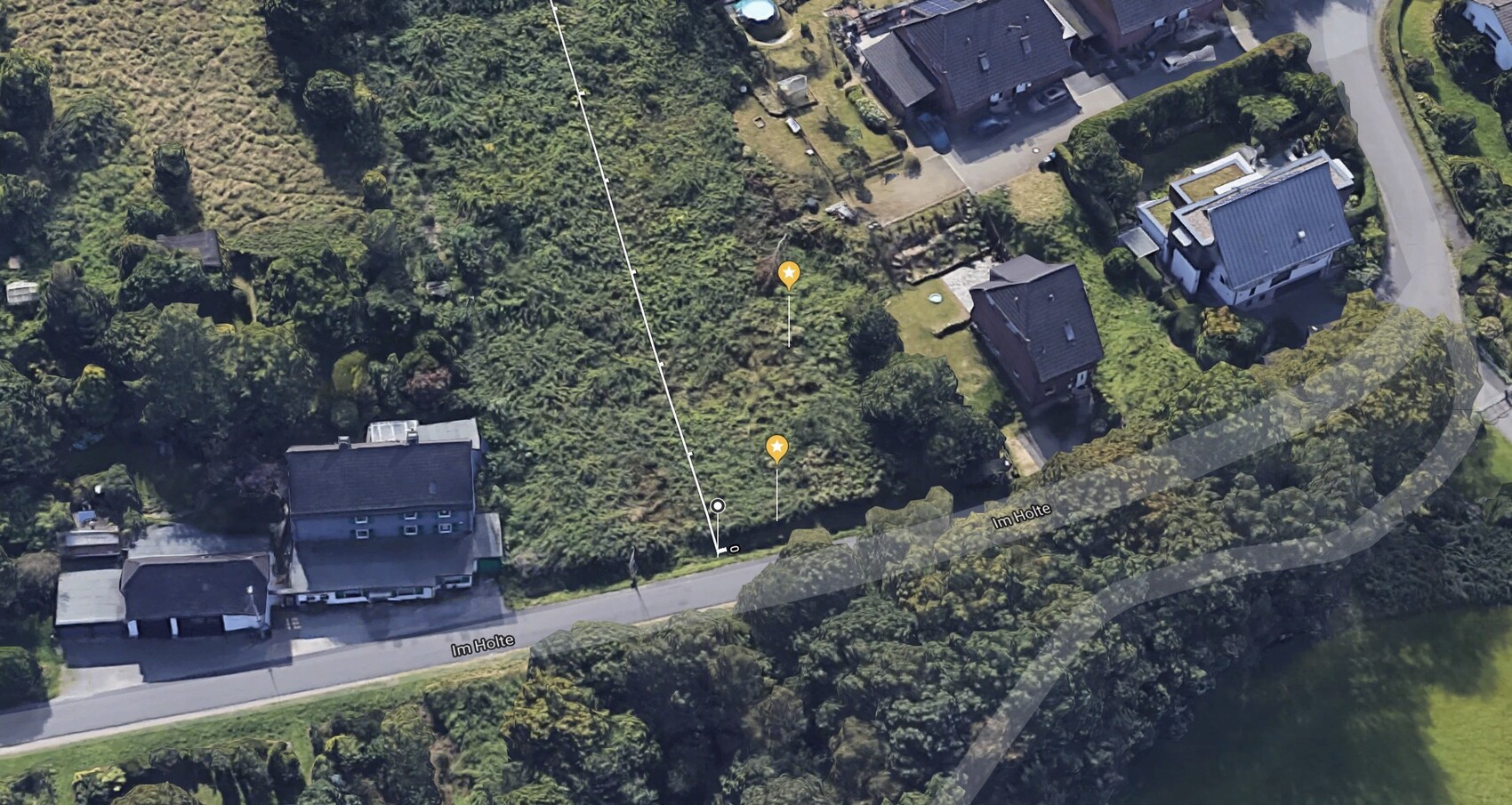
A small note on the attached files: in the Google Maps image, south is at the top and the plot is where the two yellow markers are. In the views, I sketched around a bit unfortunately.
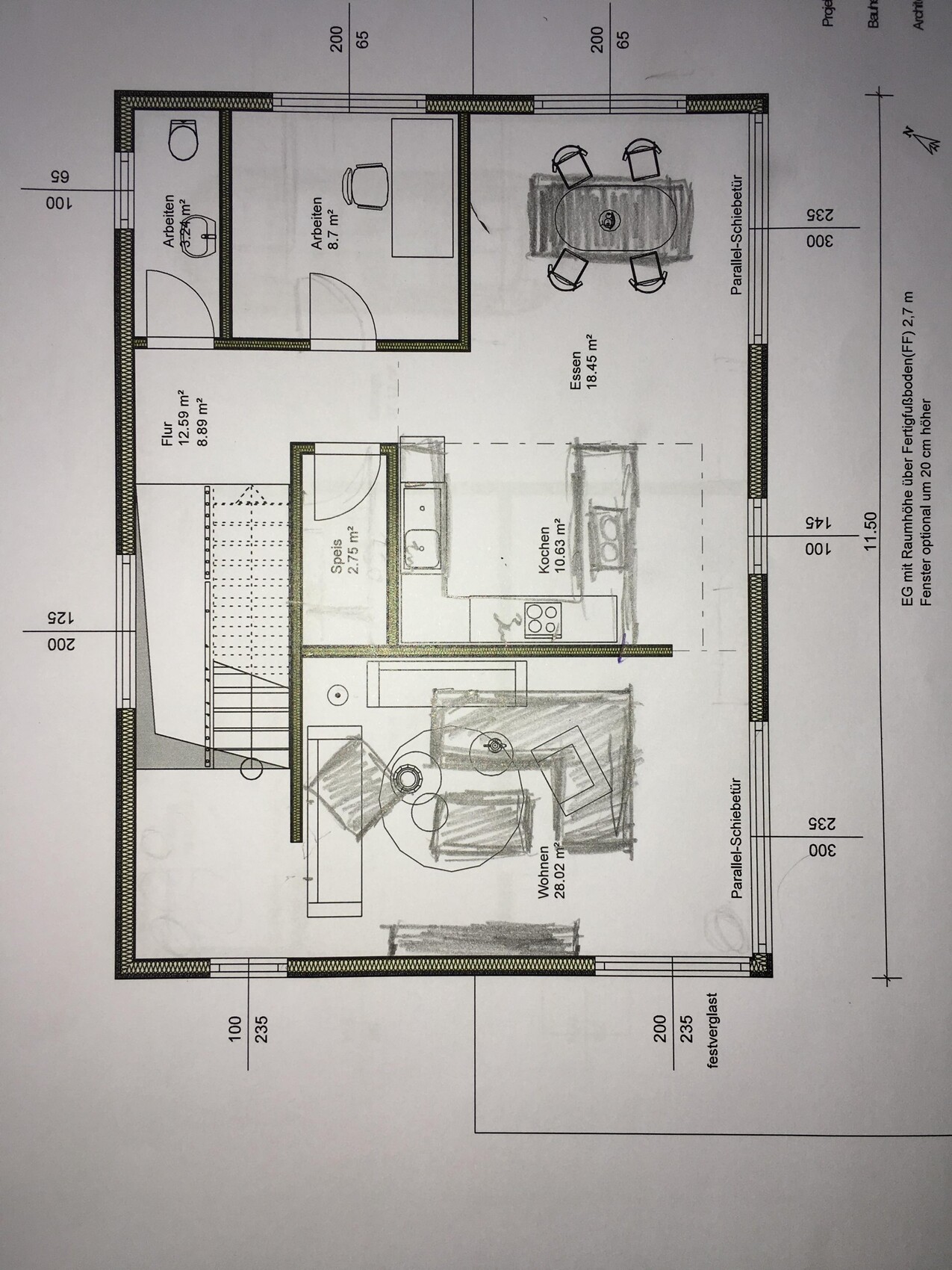
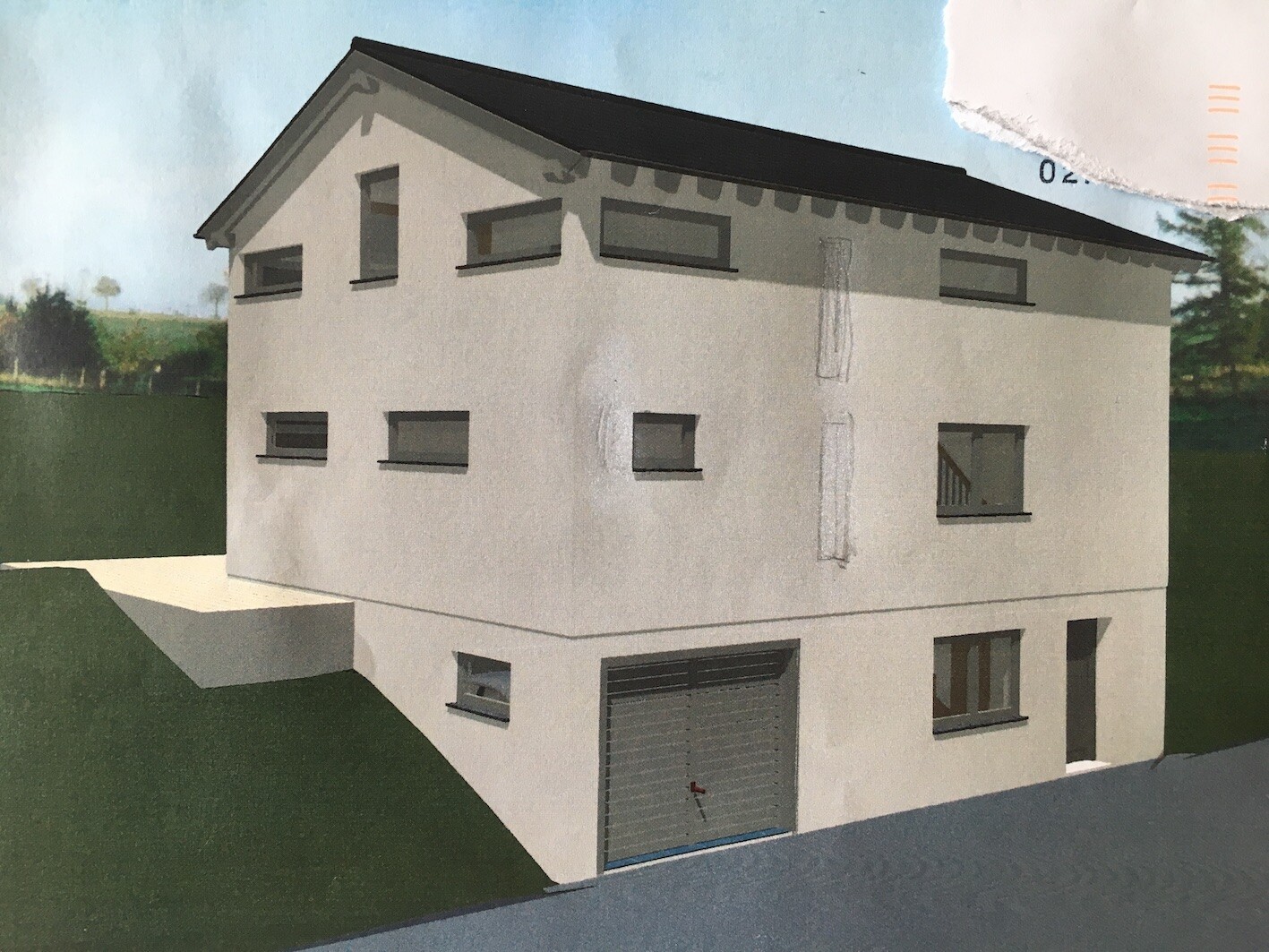
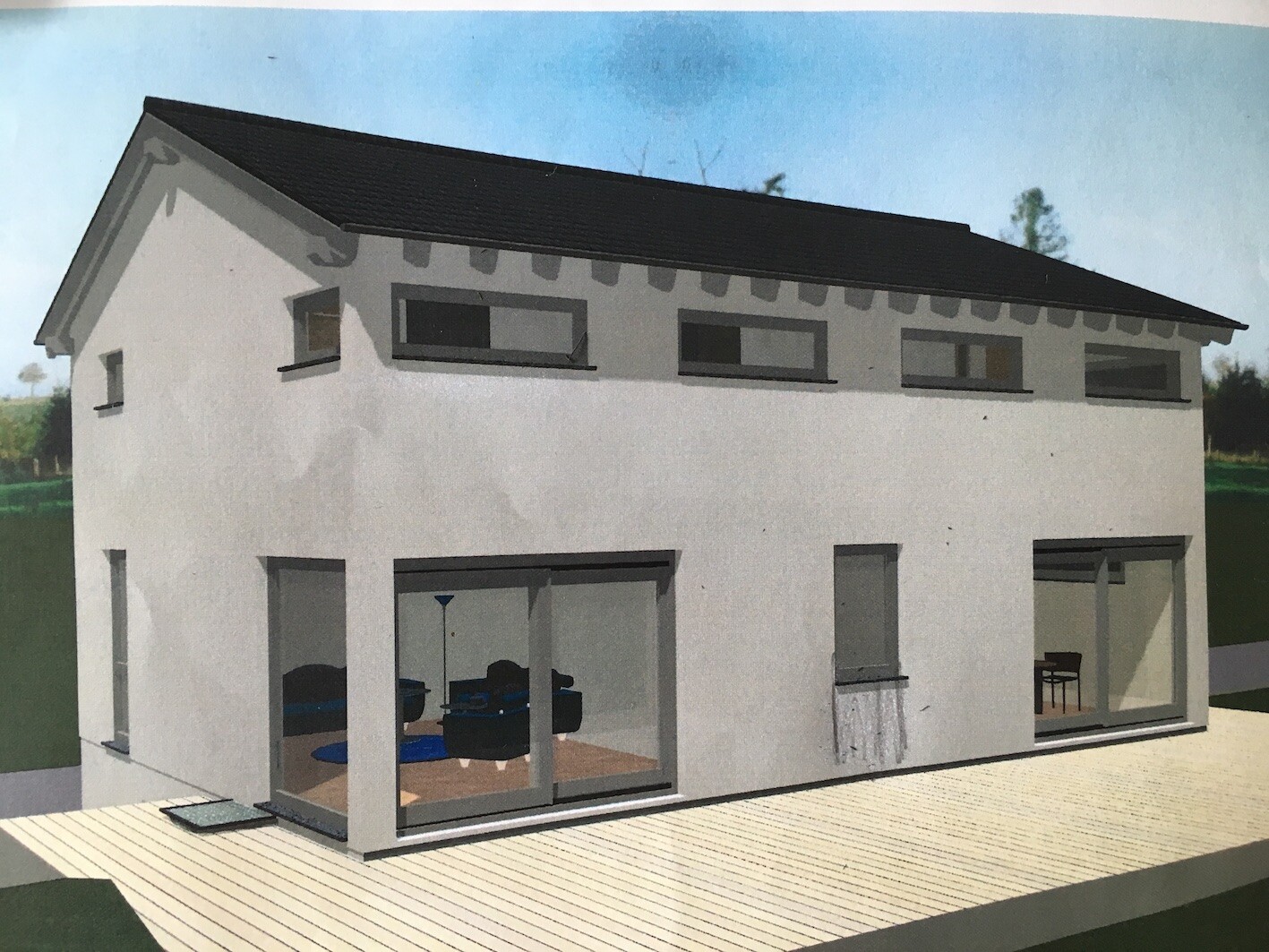
below you will find our (almost) final floor plan. Only a few adjustments and changes to the windows are still being made. We would appreciate your feedback.
Development Plan / Restrictions
Construction according to Paragraph 34 of the Building Code. Neighboring buildings are 1.5 to 2 stories with pitched roofs.
Plot Size
3000m2 (approximately 0.74 acres), building area around 600m2 (0.15 acres) along the street
Slope
Approximately 2m (6.6 feet) diagonal incline where the house will be located, rising from southwest to northeast
Orientation
South (uphill side)
Client Requirements: Style, Roof Type, Building Type
Single-family house, pitched roof (most cost-effective), rather open design
Basement, Floors
Full basement + 2 floors
Number of Occupants, Age
2 adults + 2 children (planned)
Room Requirements on Ground Floor and Upper Floor
Open kitchen + dining area + living room, pantry, study, guest WC, parents’ area (bedroom, walk-in closet, bathroom), children’s area (2 bedrooms + bathroom), garage, utility room, storage room
Office: Family use or home office?
Family use + emergency children’s bedroom
Overnight Guests per Year
1-2
Open or Closed Architecture
Rather open
Conservative or Modern Building Style
Rather modern
Open Kitchen, Kitchen Island
Open kitchen, island not necessary
Number of Dining Seats
6
Fireplace
No
Music / Stereo Wall
5.1 surround, approx. 3 meters (10 feet) for TV, etc.
Balcony, Roof Terrace
No
Garage, Carport
In the basement
House Design
Who Created the Plan:
Floor plan from a construction company, modified according to our wishes by the planner of a prefab house company (structural engineer)
What Do You Like Especially? Why?
- Separate parents’ area
- Open design with living room accessible from two sides
- Staircase on the north side, where the street is
- Garage inside the house
- Large windows facing south
- Living room + kitchen + dining areas facing south
- Open ridge ceiling on the upper floor
What Do You Dislike? Why?
- Low, small windows on the upper floor due to the 1.8m (5.9 feet) knee wall height – we will probably raise this to 2.10m (6.9 feet)
- Boring exterior appearance
- Small study room, but currently the best compromise for us
- Kitchen windows not floor-to-ceiling, will be changed
- Possibly too few windows
Cost Estimate from Architect / Planner:
Approximately 400,000 Euro turnkey, including photovoltaic system and natural fiber insulation (ecological) fixed-price offer including basement, electric garage door, etc.
Laminate flooring
External roller blinds in living/kitchen/dining areas
No controlled mechanical ventilation.
No waterproof concrete basement (no “white tank” system).
Personal Price Limit for the House, Including Equipment:
House including all ancillary costs 470,000 Euro
Preferred Heating Technology:
Air-to-water heat pump + photovoltaic system
If You Had to Cut Back, Which Details / Extensions Could You Forgo:
Basement, but due to the slope it does not make much economic sense. Otherwise, we have already cut back as much as we can imagine.
Why Does the Design Look Like It Does Now?
We liked the design from the start, especially the south orientation of all main rooms suits the plot very well.
What Is the Most Important / Basic Question About the Floor Plan in 130 Characters or Less?
1. From what knee wall height do windows including rolling shutters below the knee wall really make sense? At 1.8m (5.9 feet) knee wall, windows would be at hip height, which is not a solution for us. For example, in the children’s room, a desk should fit underneath.
2. According to the soil report, we have about 1m (3.3 feet) of soil class 4 and below that soil class 5-6. What costs could be expected for earthworks on a sloped site?
3. Do you think a mechanical ventilation system is essential in a timber frame house? According to two reputable prefab house providers, it is mostly unnecessary and mainly important only for allergy sufferers.
A small note on the attached files: in the Google Maps image, south is at the top and the plot is where the two yellow markers are. In the views, I sketched around a bit unfortunately.
montessalet schrieb:
It doesn’t surprise me that banks sometimes struggle with this—they often have little to no practical knowledge about construction (even though they regularly issue loans). However, they don’t need construction knowledge, only an understanding of the expected resale value.
Today, buyer prejudices are not such a big issue because practically everything can be sold at nearly any price, but that might not always be the case. If circumstances change so that refinancing becomes more likely to cause problems (meaning foreclosure becomes probable), a buyer’s market will return…
T
Traumfaenger28 Aug 2018 22:13Kekse schrieb:
If circumstances change like that..., a buyer’s market will prevail again…That might be true, it also somewhat resembles the strategy of telecom shareholders who bet for decades on rising stock prices (above the initial offering price). Or those who have been waiting for interest rates to increase since 2008.
But it could also be that the overall economic framework has simply changed, with a general increase in the desire for homeownership in society, the aging population increasingly moving to cities with infrastructure, and so on. If in 10 years we are still waiting for interest rates to rise, the southern European countries are still bankrupt, and ongoing crises and looming trade wars continue to prevent interest rate hikes, then we will all be wiser.
Of course, this is possible (although nothing in the economy has ever truly been permanent), but in that case, the likelihood that the property will need to be liquidated is much lower, limited to risks such as divorce or the family’s economic deterioration compared to the current situation. However, if the conditions change as many expect, the property will likely have to be liquidated within the family even if circumstances remain stable or slightly improve (and certainly if they worsen).
Put differently (correlatively, not causally): if the property does need to be liquidated, it is likely that market conditions will favor or cause a buyer’s market.
Put differently (correlatively, not causally): if the property does need to be liquidated, it is likely that market conditions will favor or cause a buyer’s market.

Kekse schrieb:
Or to put it another way (correlatively, not causally): if the property needs to be liquidated, conditions will likely favor or cause a buyer’s market. If markets were dominated by participants who can distinguish between correlation and causation, "markets" would behave rationally.
https://www.instagram.com/11antgmxde/
https://www.linkedin.com/company/bauen-jetzt/
Of course, I’m interested.
We don’t think the living room would really be a “through room.” It would always be the more inconvenient way between the hallway and the kitchen area if you went through the living room. You can enter it from both sides anyway.
The basement is included. We are considering reducing the size again.
They’re happy to install everything we want; they just think it’s not necessary. Our sales rep says that despite being “airtight,” there are three air changes per hour, and moisture is not a problem with timber framing.
As far as I understand, they guarantee no extra costs for these things. It’s probably some kind of mixed calculation. But I would have that confirmed again before signing.
Yes.
That’s actually a good idea. We will think about it more carefully. That could allow us, for example, to significantly reduce the size of the upper floor.
Thanks also for the other tips.
We will consider that as well. But I think I prefer moving the children’s rooms downstairs.
We don’t think the living room would really be a “through room.” It would always be the more inconvenient way between the hallway and the kitchen area if you went through the living room. You can enter it from both sides anyway.
11ant schrieb:
Is the basement included in the house builder’s offer?
How does that fit with a clearly limited budget – wouldn’t it be more efficient to find another way to achieve your goal?
The basement is included. We are considering reducing the size again.
haydee schrieb:
Even if you only build according to the Energy Saving Ordinance, your house is airtight. Ventilation by hand is done several times a day.
I wonder if you really are with a supplier with good equipment.
They’re happy to install everything we want; they just think it’s not necessary. Our sales rep says that despite being “airtight,” there are three air changes per hour, and moisture is not a problem with timber framing.
haydee schrieb:
I don’t mean the cost of the structural engineer, but the additional costs a structural design might cause. More reinforcement, thicker foundation slab, thicker ceiling, thicker retaining wall –
and those are not priced in, unless the builder has a good crystal ball.
As far as I understand, they guarantee no extra costs for these things. It’s probably some kind of mixed calculation. But I would have that confirmed again before signing.
haydee schrieb:
Is there a geological survey?
Yes.
haydee schrieb:
Don’t be mad at me. Change the floor plan. Remove the garage from the basement and build a carport instead. Use the basement not as storage, but as living space. Your budget doesn’t allow for dead space.
That’s actually a good idea. We will think about it more carefully. That could allow us, for example, to significantly reduce the size of the upper floor.
Thanks also for the other tips.
ypg schrieb:
The utility and storage rooms are currently somewhat oversized, because they were added without much planning.
Instead of an office on the ground floor, you could integrate a pantry/storage room there.
We will consider that as well. But I think I prefer moving the children’s rooms downstairs.