
ᐅ 160 m² single-family house with timber frame construction on a north-facing slope, including a basement
Created on: 26 Aug 2018 17:03
L
Lbx
Hello,
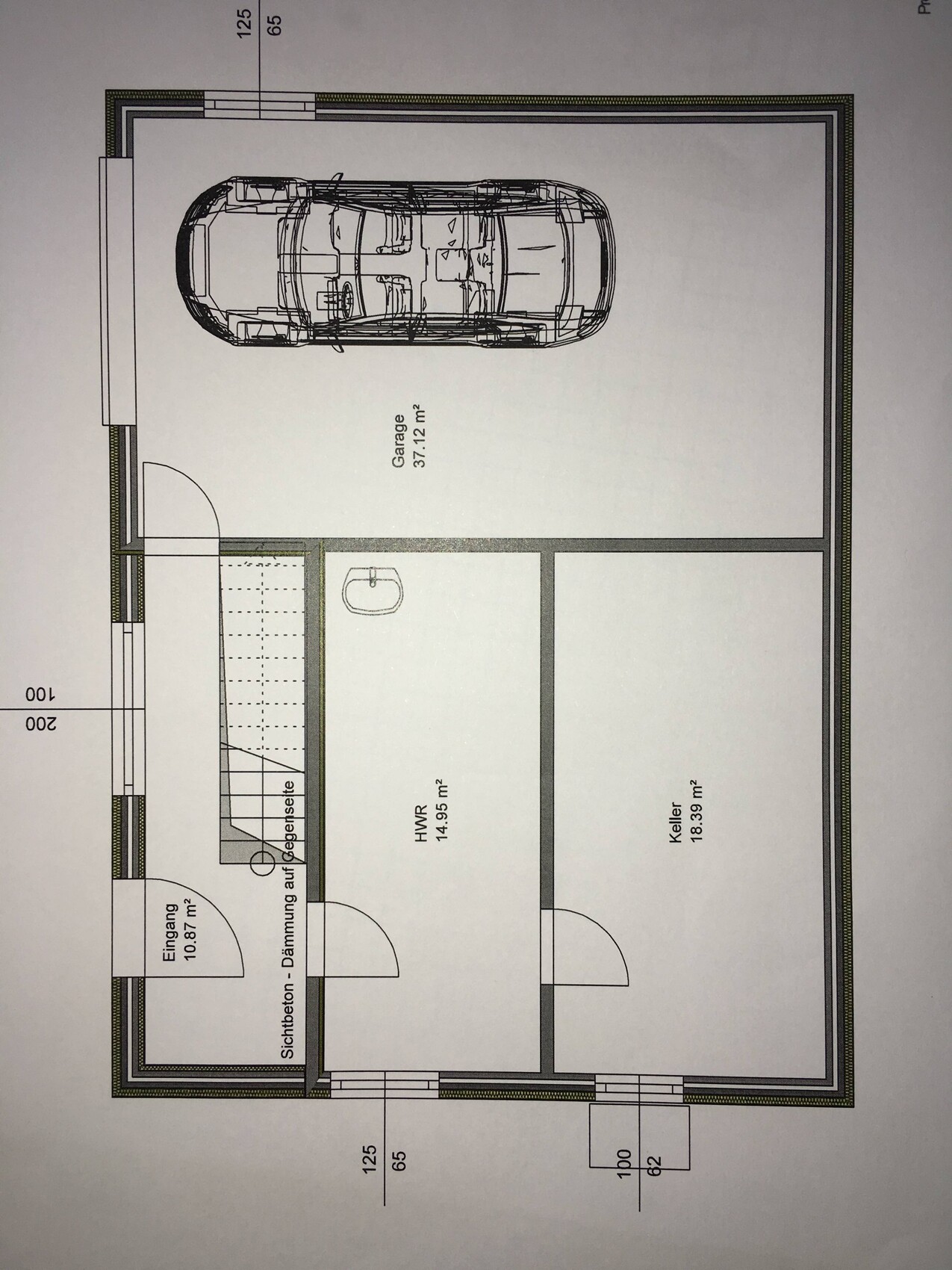
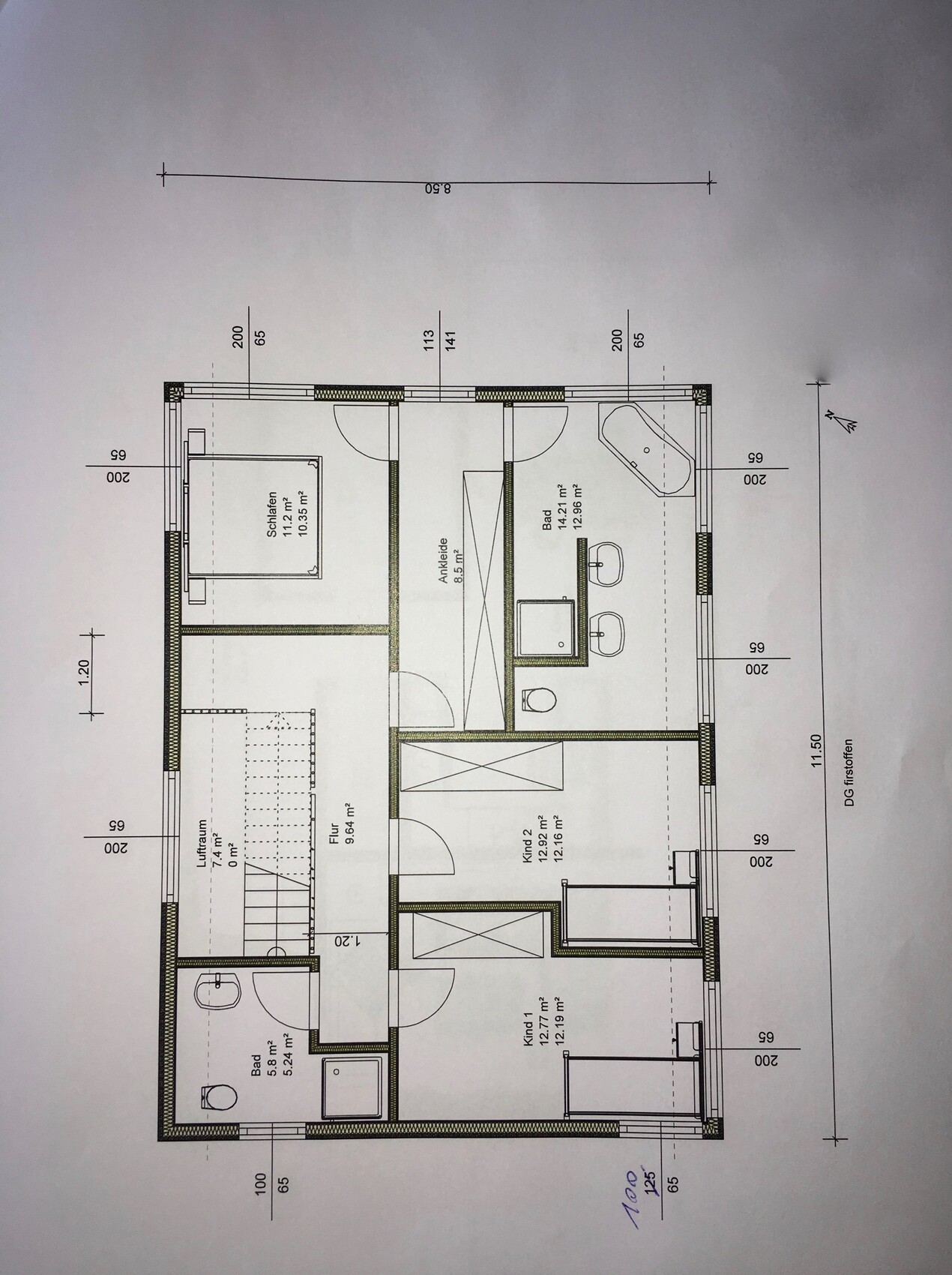
below you will find our (almost) final floor plan. Only a few adjustments and changes to the windows are still being made. We would appreciate your feedback.
Development Plan / Restrictions
Construction according to Paragraph 34 of the Building Code. Neighboring buildings are 1.5 to 2 stories with pitched roofs.
Plot Size
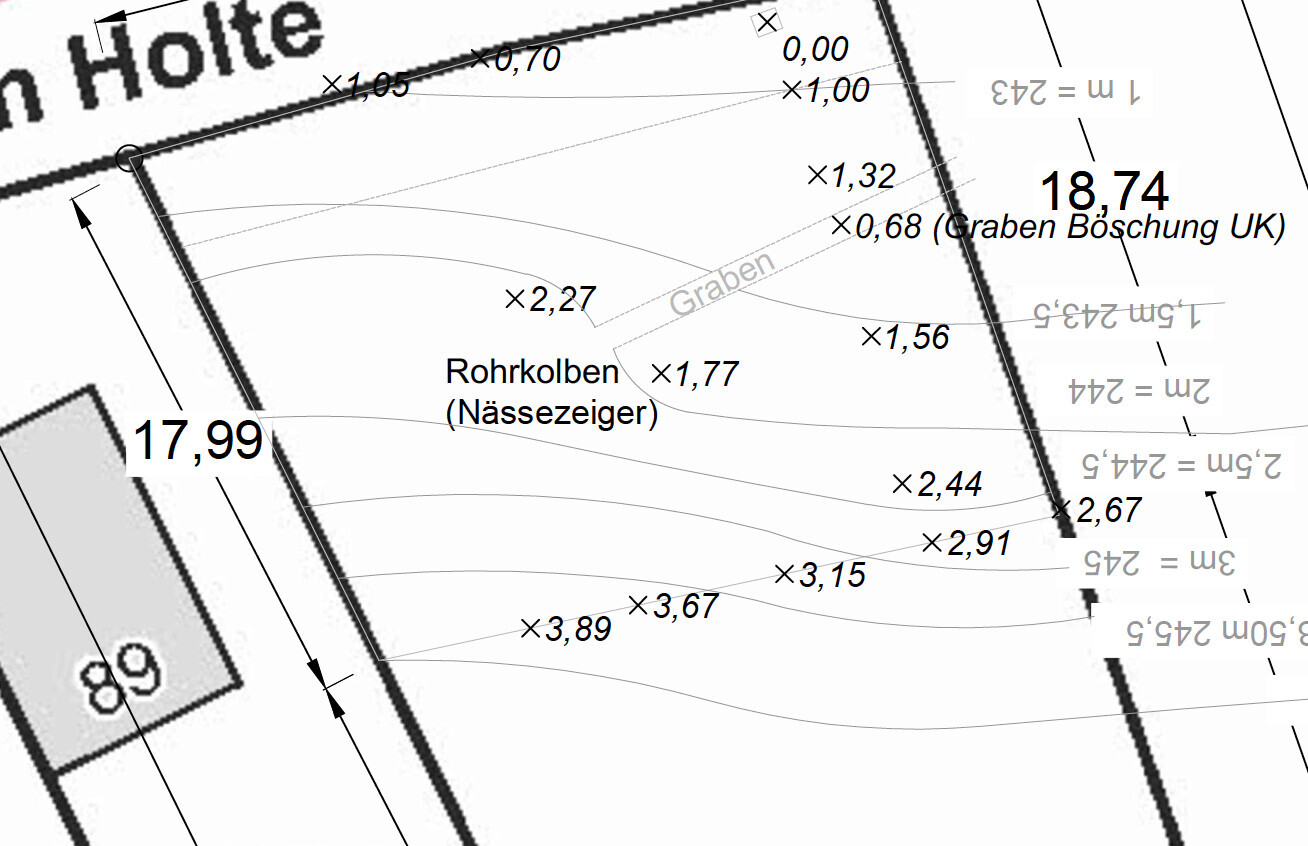
3000m2 (approximately 0.74 acres), building area around 600m2 (0.15 acres) along the street
Slope
Approximately 2m (6.6 feet) diagonal incline where the house will be located, rising from southwest to northeast
Orientation
South (uphill side)
Client Requirements: Style, Roof Type, Building Type
Single-family house, pitched roof (most cost-effective), rather open design
Basement, Floors
Full basement + 2 floors
Number of Occupants, Age
2 adults + 2 children (planned)
Room Requirements on Ground Floor and Upper Floor
Open kitchen + dining area + living room, pantry, study, guest WC, parents’ area (bedroom, walk-in closet, bathroom), children’s area (2 bedrooms + bathroom), garage, utility room, storage room
Office: Family use or home office?
Family use + emergency children’s bedroom
Overnight Guests per Year
1-2
Open or Closed Architecture
Rather open
Conservative or Modern Building Style
Rather modern
Open Kitchen, Kitchen Island
Open kitchen, island not necessary
Number of Dining Seats
6
Fireplace
No
Music / Stereo Wall
5.1 surround, approx. 3 meters (10 feet) for TV, etc.
Balcony, Roof Terrace
No
Garage, Carport
In the basement
House Design
Who Created the Plan:
Floor plan from a construction company, modified according to our wishes by the planner of a prefab house company (structural engineer)
What Do You Like Especially? Why?
- Separate parents’ area
- Open design with living room accessible from two sides
- Staircase on the north side, where the street is
- Garage inside the house
- Large windows facing south
- Living room + kitchen + dining areas facing south
- Open ridge ceiling on the upper floor
What Do You Dislike? Why?
- Low, small windows on the upper floor due to the 1.8m (5.9 feet) knee wall height – we will probably raise this to 2.10m (6.9 feet)
- Boring exterior appearance
- Small study room, but currently the best compromise for us
- Kitchen windows not floor-to-ceiling, will be changed
- Possibly too few windows
Cost Estimate from Architect / Planner:
Approximately 400,000 Euro turnkey, including photovoltaic system and natural fiber insulation (ecological) fixed-price offer including basement, electric garage door, etc.
Laminate flooring
External roller blinds in living/kitchen/dining areas
No controlled mechanical ventilation.
No waterproof concrete basement (no “white tank” system).
Personal Price Limit for the House, Including Equipment:
House including all ancillary costs 470,000 Euro
Preferred Heating Technology:
Air-to-water heat pump + photovoltaic system
If You Had to Cut Back, Which Details / Extensions Could You Forgo:
Basement, but due to the slope it does not make much economic sense. Otherwise, we have already cut back as much as we can imagine.
Why Does the Design Look Like It Does Now?
We liked the design from the start, especially the south orientation of all main rooms suits the plot very well.
What Is the Most Important / Basic Question About the Floor Plan in 130 Characters or Less?
1. From what knee wall height do windows including rolling shutters below the knee wall really make sense? At 1.8m (5.9 feet) knee wall, windows would be at hip height, which is not a solution for us. For example, in the children’s room, a desk should fit underneath.
2. According to the soil report, we have about 1m (3.3 feet) of soil class 4 and below that soil class 5-6. What costs could be expected for earthworks on a sloped site?
3. Do you think a mechanical ventilation system is essential in a timber frame house? According to two reputable prefab house providers, it is mostly unnecessary and mainly important only for allergy sufferers.
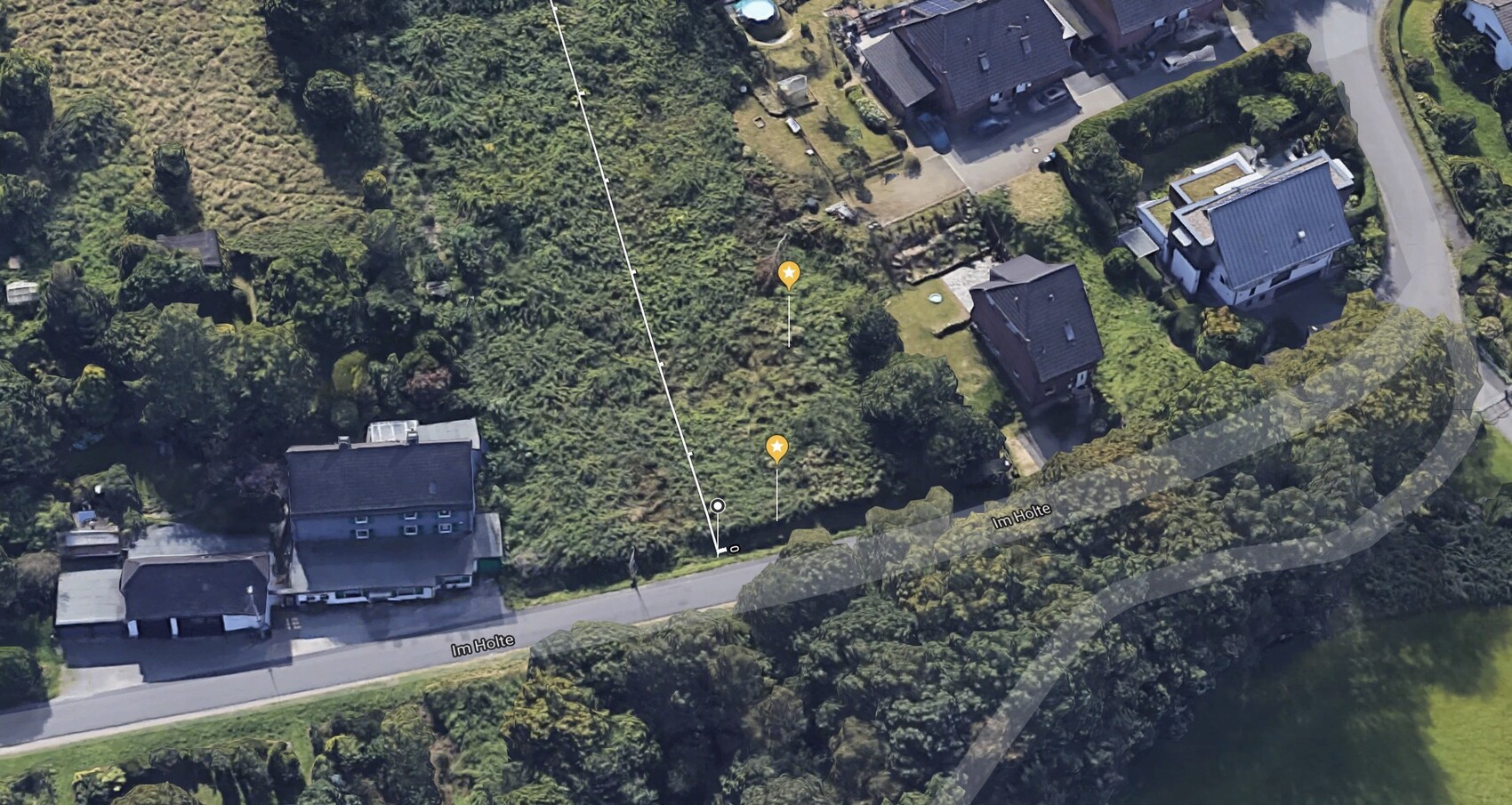
A small note on the attached files: in the Google Maps image, south is at the top and the plot is where the two yellow markers are. In the views, I sketched around a bit unfortunately.
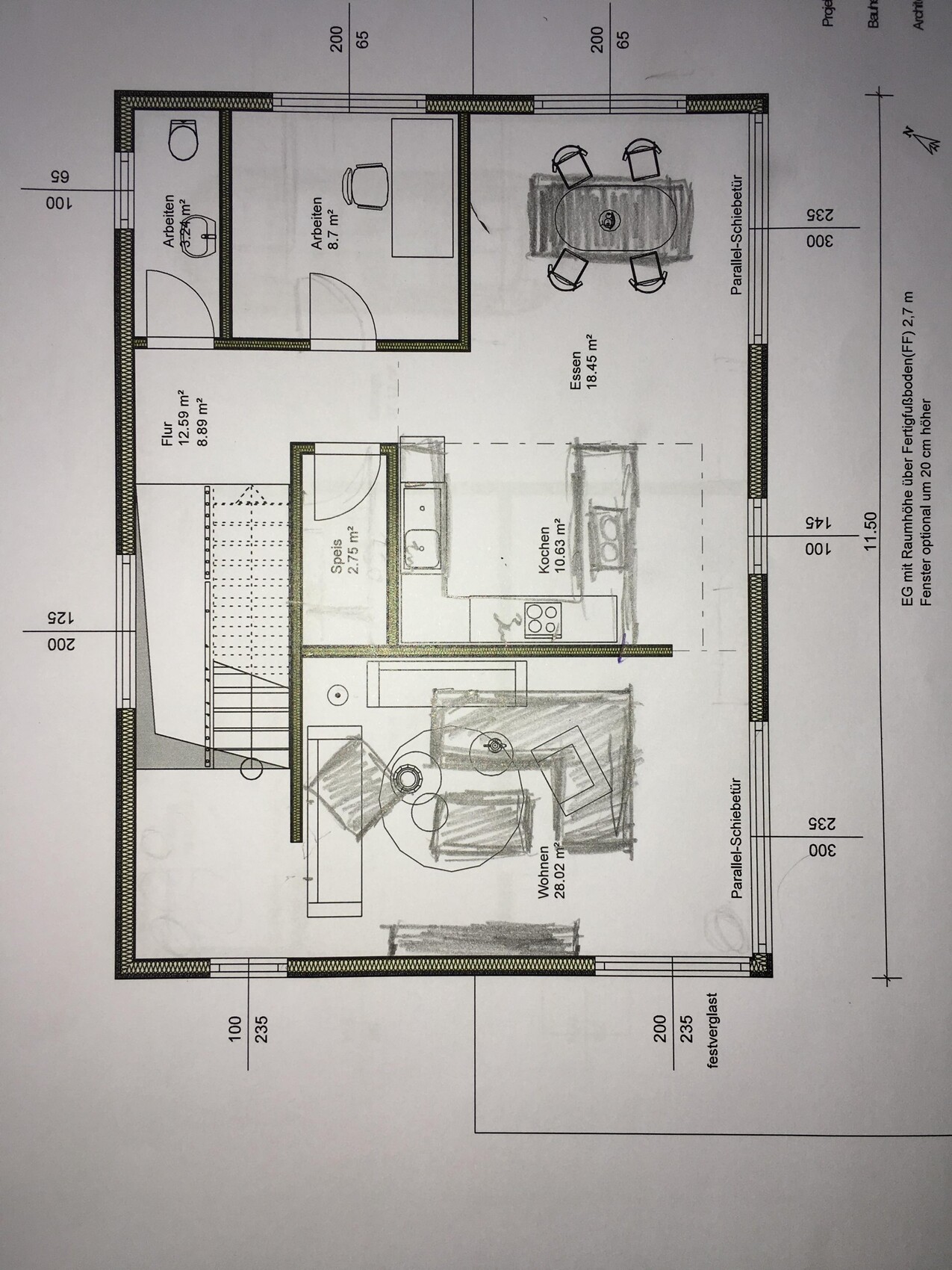
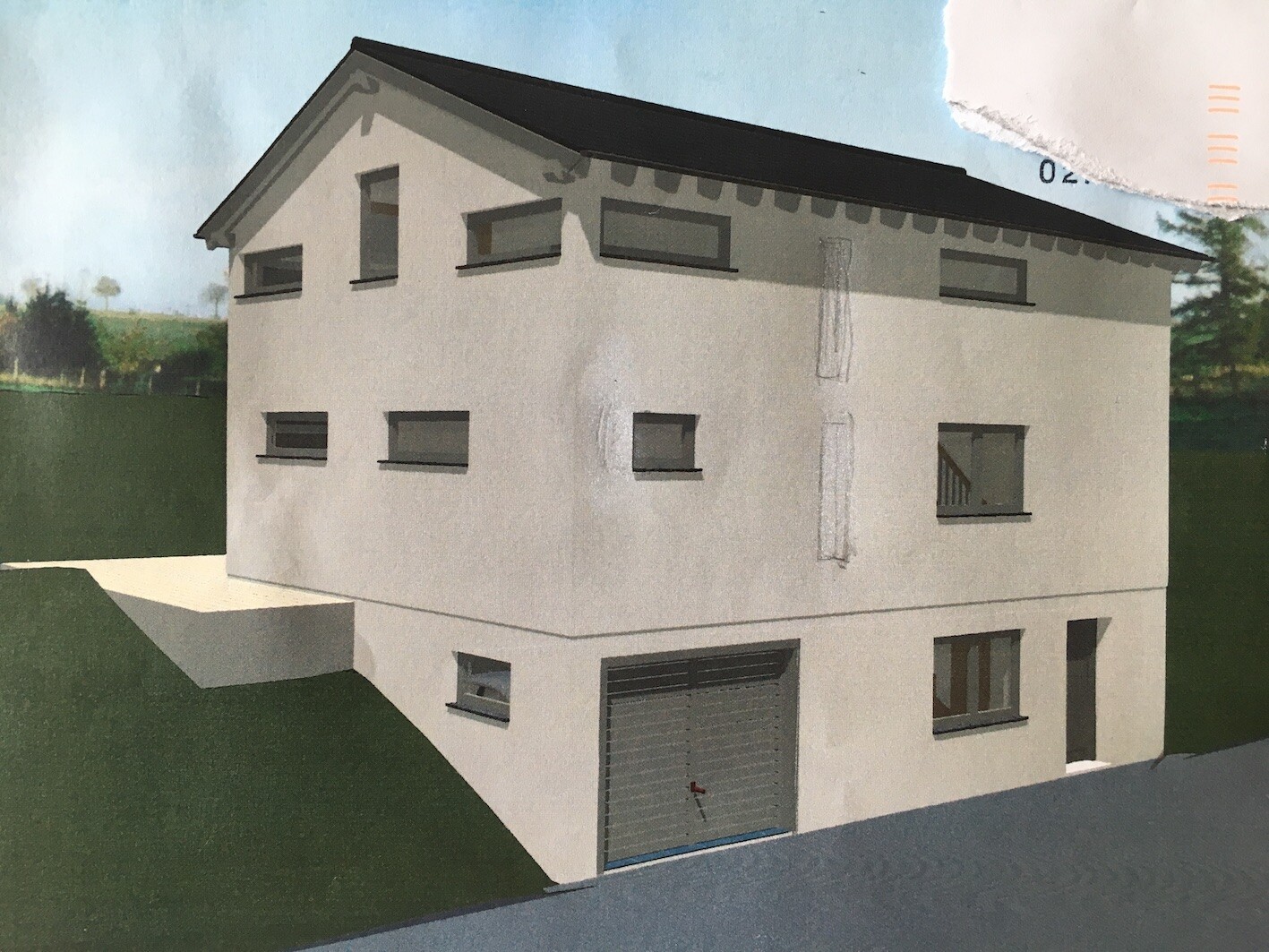
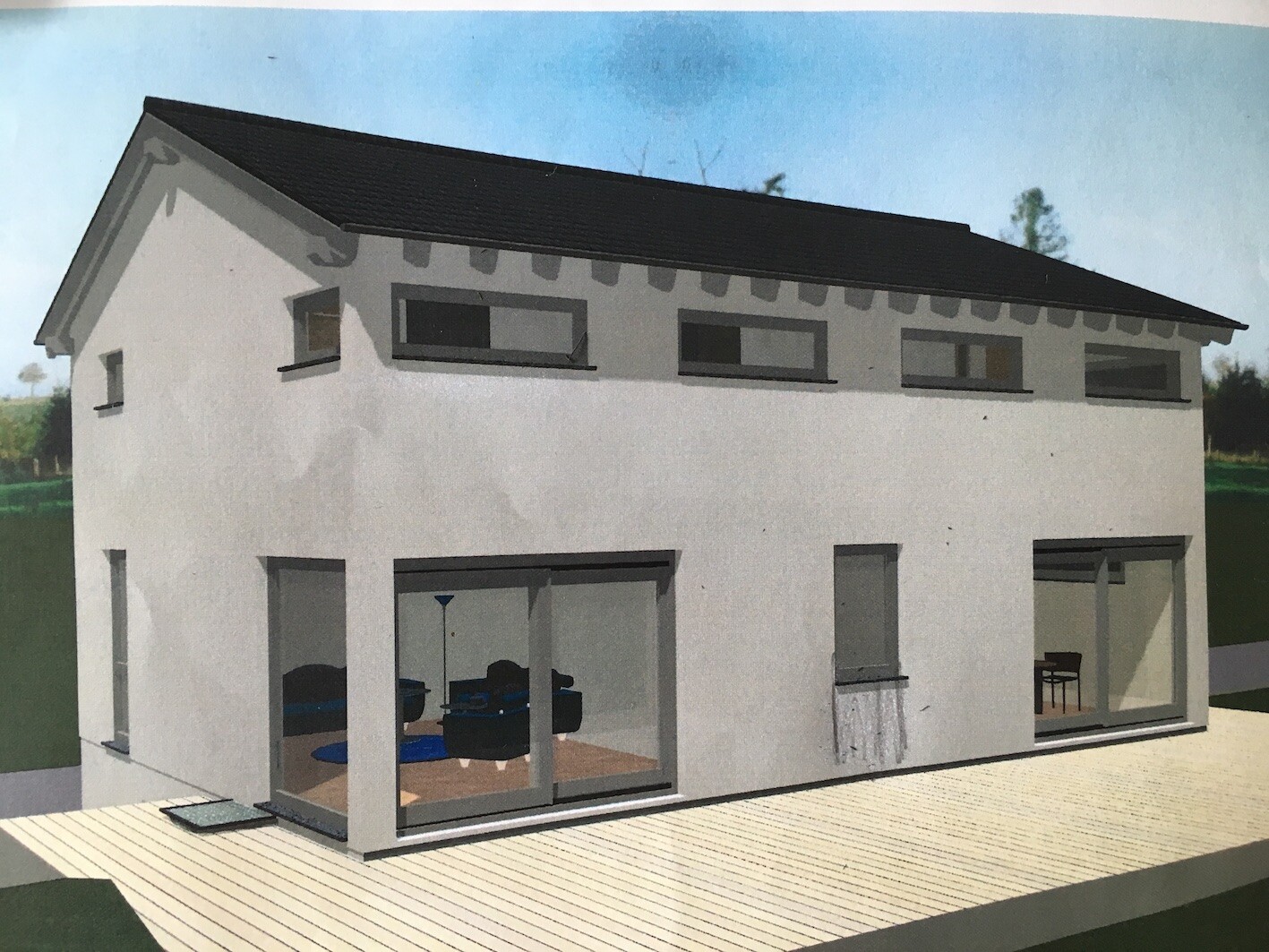
below you will find our (almost) final floor plan. Only a few adjustments and changes to the windows are still being made. We would appreciate your feedback.
Development Plan / Restrictions
Construction according to Paragraph 34 of the Building Code. Neighboring buildings are 1.5 to 2 stories with pitched roofs.
Plot Size
3000m2 (approximately 0.74 acres), building area around 600m2 (0.15 acres) along the street
Slope
Approximately 2m (6.6 feet) diagonal incline where the house will be located, rising from southwest to northeast
Orientation
South (uphill side)
Client Requirements: Style, Roof Type, Building Type
Single-family house, pitched roof (most cost-effective), rather open design
Basement, Floors
Full basement + 2 floors
Number of Occupants, Age
2 adults + 2 children (planned)
Room Requirements on Ground Floor and Upper Floor
Open kitchen + dining area + living room, pantry, study, guest WC, parents’ area (bedroom, walk-in closet, bathroom), children’s area (2 bedrooms + bathroom), garage, utility room, storage room
Office: Family use or home office?
Family use + emergency children’s bedroom
Overnight Guests per Year
1-2
Open or Closed Architecture
Rather open
Conservative or Modern Building Style
Rather modern
Open Kitchen, Kitchen Island
Open kitchen, island not necessary
Number of Dining Seats
6
Fireplace
No
Music / Stereo Wall
5.1 surround, approx. 3 meters (10 feet) for TV, etc.
Balcony, Roof Terrace
No
Garage, Carport
In the basement
House Design
Who Created the Plan:
Floor plan from a construction company, modified according to our wishes by the planner of a prefab house company (structural engineer)
What Do You Like Especially? Why?
- Separate parents’ area
- Open design with living room accessible from two sides
- Staircase on the north side, where the street is
- Garage inside the house
- Large windows facing south
- Living room + kitchen + dining areas facing south
- Open ridge ceiling on the upper floor
What Do You Dislike? Why?
- Low, small windows on the upper floor due to the 1.8m (5.9 feet) knee wall height – we will probably raise this to 2.10m (6.9 feet)
- Boring exterior appearance
- Small study room, but currently the best compromise for us
- Kitchen windows not floor-to-ceiling, will be changed
- Possibly too few windows
Cost Estimate from Architect / Planner:
Approximately 400,000 Euro turnkey, including photovoltaic system and natural fiber insulation (ecological) fixed-price offer including basement, electric garage door, etc.
Laminate flooring
External roller blinds in living/kitchen/dining areas
No controlled mechanical ventilation.
No waterproof concrete basement (no “white tank” system).
Personal Price Limit for the House, Including Equipment:
House including all ancillary costs 470,000 Euro
Preferred Heating Technology:
Air-to-water heat pump + photovoltaic system
If You Had to Cut Back, Which Details / Extensions Could You Forgo:
Basement, but due to the slope it does not make much economic sense. Otherwise, we have already cut back as much as we can imagine.
Why Does the Design Look Like It Does Now?
We liked the design from the start, especially the south orientation of all main rooms suits the plot very well.
What Is the Most Important / Basic Question About the Floor Plan in 130 Characters or Less?
1. From what knee wall height do windows including rolling shutters below the knee wall really make sense? At 1.8m (5.9 feet) knee wall, windows would be at hip height, which is not a solution for us. For example, in the children’s room, a desk should fit underneath.
2. According to the soil report, we have about 1m (3.3 feet) of soil class 4 and below that soil class 5-6. What costs could be expected for earthworks on a sloped site?
3. Do you think a mechanical ventilation system is essential in a timber frame house? According to two reputable prefab house providers, it is mostly unnecessary and mainly important only for allergy sufferers.
A small note on the attached files: in the Google Maps image, south is at the top and the plot is where the two yellow markers are. In the views, I sketched around a bit unfortunately.
kaho674 schrieb:
Quickly converting the attic into two children's bedrooms while carrying a loan is not impossible, but I would be cautious. It certainly won’t cost less in five years than it does now, and the loan probably won’t be paid off by then. So where would the money suddenly come from?Exactly, That is not an option for us.
On the north side, there is a small road and behind it a woodland area, so the view is actually quite nice.
S
Schnurrbart31 Aug 2018 12:25The later conversion of cold roofs is not straightforward, so it is better to include the attic space within the building envelope from the start and install all utility lines at the same time.
kaho674 schrieb:
Quickly converting the attic into two children’s rooms while having a loan to pay off – it’s not impossible, but I would be cautious. The costs in five years will probably not be lower than they are now, and the loan likely won’t be paid off by then. So where would the money suddenly come from?The plumbing is already being installed... this concerns the interior finishing, which can be postponed if it’s not even clear whether there will be children in the house.
If the budget is tight, there’s no need to build something that will never be used. Installing the necessary infrastructure upfront is not much more expensive. The interior finishing can also be done during a later stage of construction. The original poster won’t be the first to have to make compromises or do some of the work themselves.
Lbx schrieb:
By the way, there is a small street on the north side Oh... so that’s why the rooms don’t feel very cozy.
Schnurrbart schrieb:
Converting cold roofs afterwards is not straightforward, so it’s better to include the attic space within the building envelope from the start and install all the utilities then.Who’s talking about a cold roof? That kind of thing needs to be planned in advance. If an attic conversion is likely, the attic should be built as a warm roof. See above for more details.
But honestly, I don’t really care: you could just as well plan the garage below and have the three-year-old sleep next to it. I’m out with a plan like that.

ypg schrieb:
But I honestly don’t mind: you can also plan the garage downstairs nicely, and have the three-year-old sleep right next to it. I’m out with a plan like that. I don’t see it as such a big deal. The garage was already discussed to be outside the house. The children’s rooms can then just be on the other side.
My niece just converted the attic. Cost 50,000 (50 TE), but it’s a cold roof. Whether I decide to finish half of it sooner or later, the overall cost will probably be about the same, right?
Doing your own work while having a job and a child is definitely challenging. The man earns the money, the woman looks after the little one full-time. That only leaves night shifts and weekends for extra work. Well, maybe young people can still manage that. I barely manage to do my own laundry on weekends without a child around.
But it is true, building a house with a basement on the plot would be much better. I would personally paint the garage first rather than the basement. Of course, it depends on how much that saves in the end.
kaho674 schrieb:
The garage was already discussed to be outside of the house. The children’s rooms would then be placed on the other side. I don’t understand.
The original idea from the poster was to remove the garage, reduce the total floor area slightly, then put two children's rooms in the basement (which only has windows facing north and a bit to the east/west... so a carport would need to be placed somewhere). On the ground floor, as before, cooking/dining/living/working areas, and on the upper floor with a smaller knee wall, a dedicated parents’ area.
When it was pointed out that these rooms wouldn’t be very nice (dark), the poster responded that there are no children yet and it’s uncertain whether children will be part of the future at all.
That led to Yvonne’s suggestion to put the parents’ area in the basement, have cooking/dining/living/working on the ground floor, and keep the upper floor as a heated shell, prepared just in case children do come along.
Similar topics