
Hi dear forum,
Our tiler is almost finished with the bathrooms, and we have noticed damage to one floor tile (a piece broken off) and a small chip on the adjacent tile.
Unfortunately, the tiler is asking for €1000 (approximately $1100) to replace both tiles.
Is this price justified? We don’t know who is responsible for the damage, as several trades were working in the house at the same time. The tiler also uses this as an excuse.
Apparently, two workers and eight hours of labor are required.
Is it possible to consider a repair instead? Is there a professional method for this?
Unfortunately, the damage is located right in the entrance area.
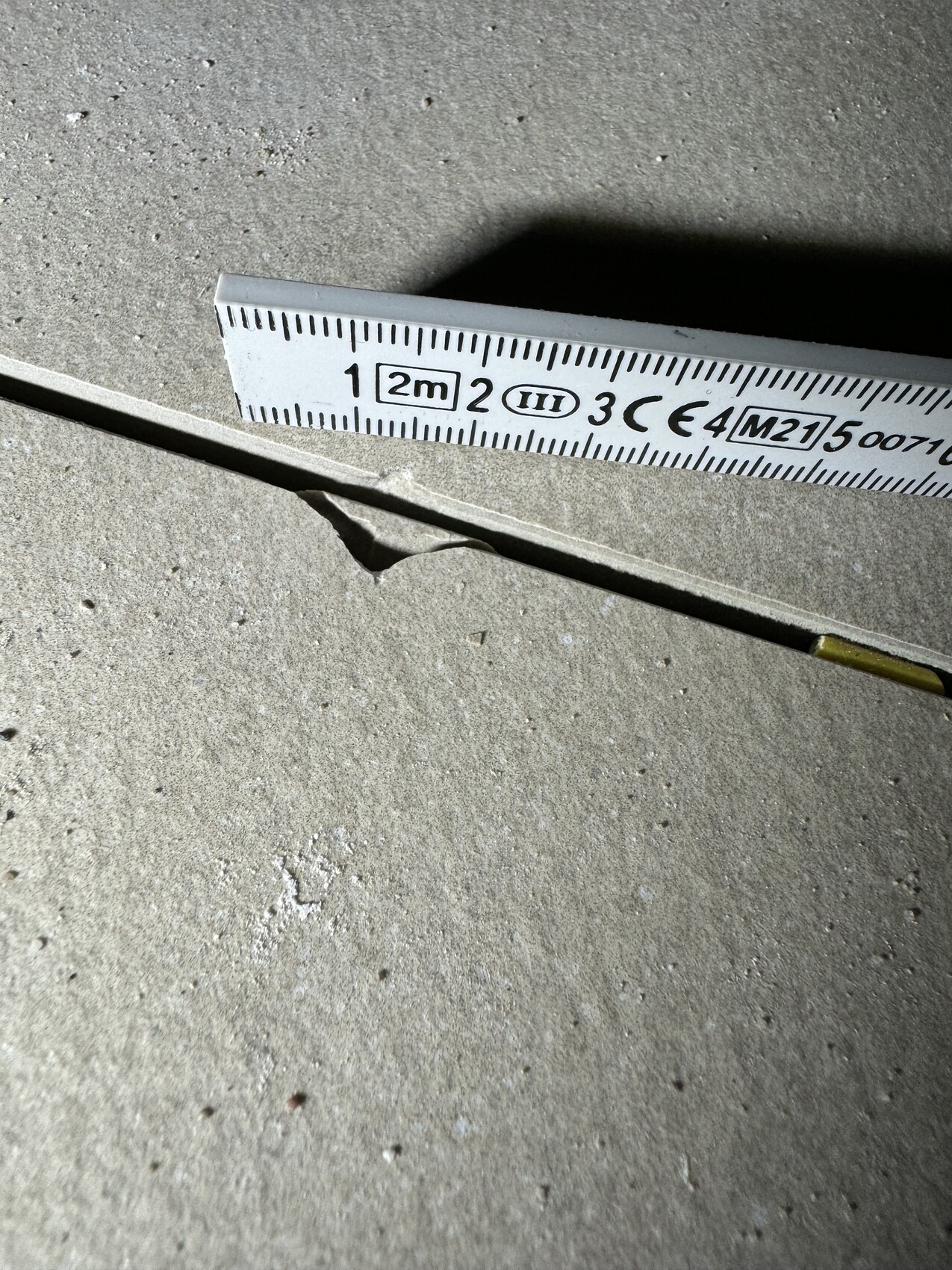
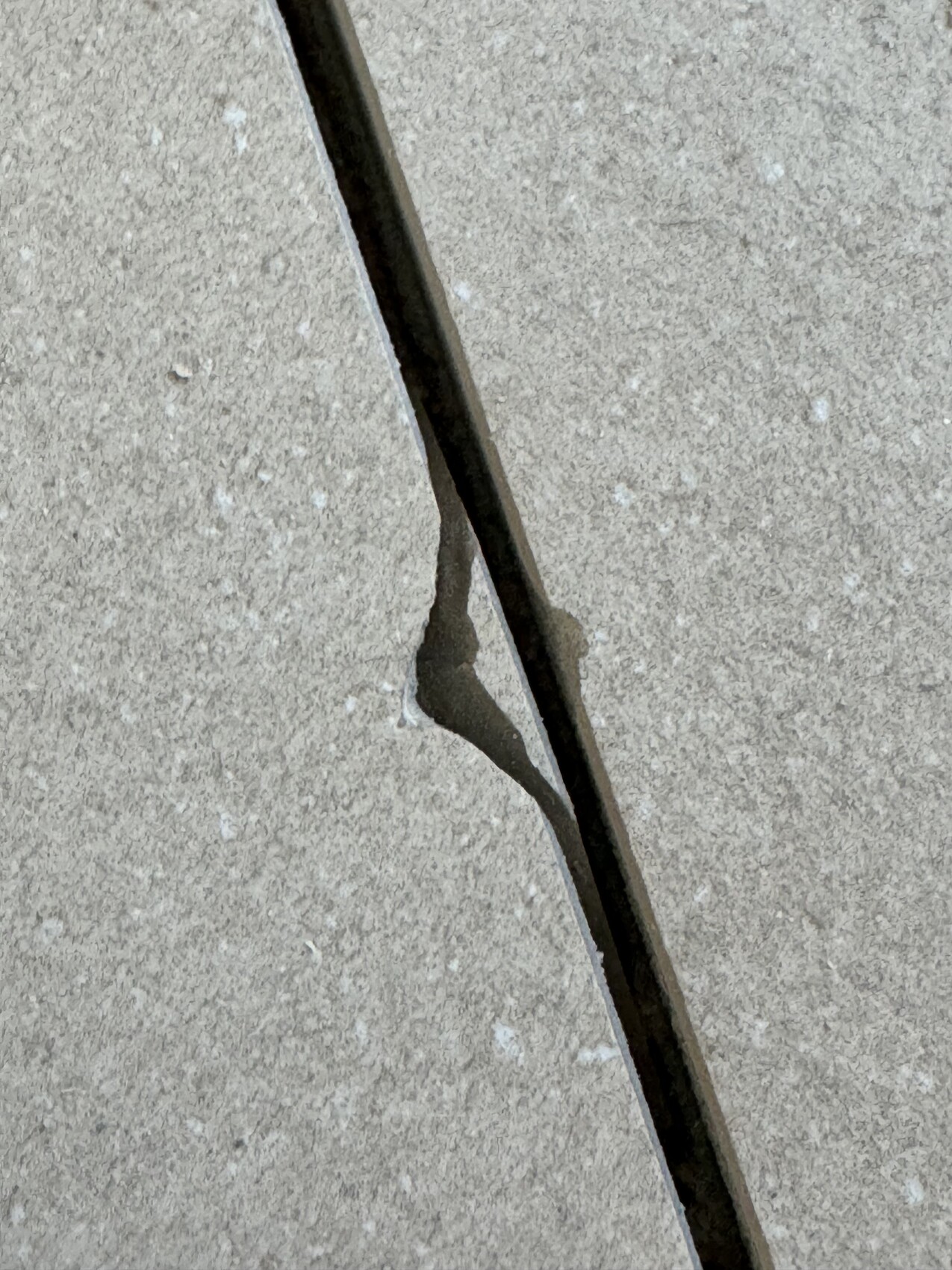
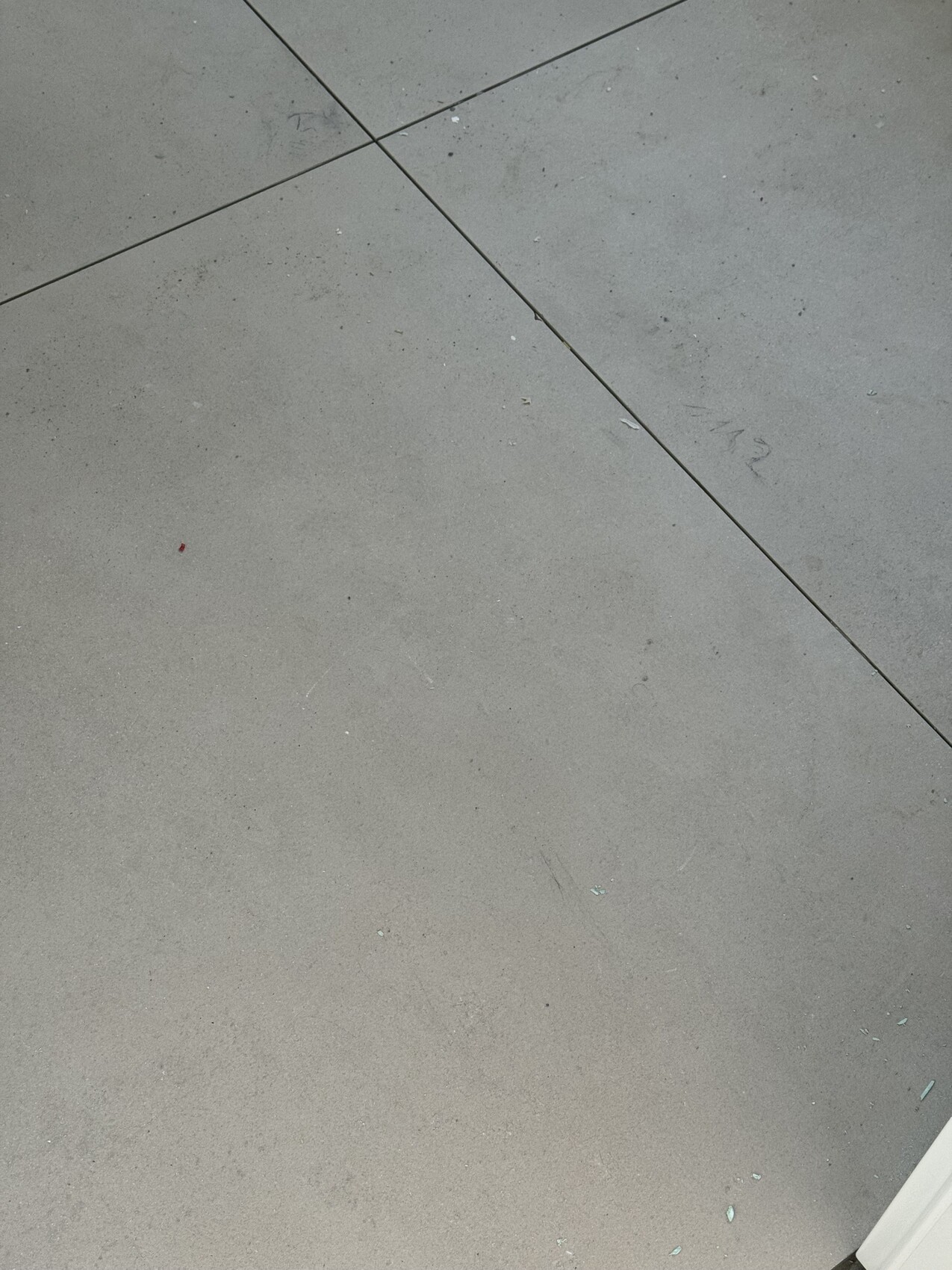
Our tiler is almost finished with the bathrooms, and we have noticed damage to one floor tile (a piece broken off) and a small chip on the adjacent tile.
Unfortunately, the tiler is asking for €1000 (approximately $1100) to replace both tiles.
Is this price justified? We don’t know who is responsible for the damage, as several trades were working in the house at the same time. The tiler also uses this as an excuse.
Apparently, two workers and eight hours of labor are required.
Is it possible to consider a repair instead? Is there a professional method for this?
Unfortunately, the damage is located right in the entrance area.
W
WilderSueden22 Nov 2023 08:04At this point, I want to refer again to the builder’s risk insurance. If no contractor responds, this insurance comes into play. After all, that’s what you pay your insurance premium for. And then you might as well have the repair done properly.
DeepRed schrieb:
I completely agree with Buchsbaum. This can be repaired very easily.
In my case, the tiler had to redo 3(!) tiles (well, only 30x80cm (12x31 inches)), but he did that alone within an hour. 1000€ is not justifiable, even at this size. If the tiles need to be replaced, that price could almost be accurate.
We
Buchsbaum schrieb:
The contractor might not even have liability insurance and is hiding the damage. No one saw it.
It wasn’t the tiler. Therefore, there is no responsible party to hold liable for the damage. That is basically correct, but in this case “one” refers to the tiler and not the original poster. As long as the work has not been accepted, it is the contractor’s problem. The original poster could document the defect in writing upon acceptance and insist on a correction. They have the right to a defect-free job.
This is very frustrating for the tiler. However, he can simply glue the tiles back and does not necessarily have to replace them. That would likely be considered acceptable.

@ "Sonneneck":
The situation is simpler than you might expect!
You are the client, and the tiler has accepted the contract.
They are not only required to deliver workmanship that complies with current professional standards but also to protect their work (in this case: tiling and paneling work according to DIN 18352) from damage until final acceptance.
Whether this is possible in every case is another question.
However, the tiler can demand the agreed payment for properly completed work.
The work is not properly done, as several tile edges are damaged.
So, if you have not yet paid the agreed payment after receiving the invoice, the risk is, as they say, with the contractor.
--------------
In brief:
Send a registered letter to the tiler stating that the work has defects in the form of chipped edges on several tiles and that, as a result, payment is not yet due.
Request remediation within a deadline of two weeks.
---------------
(This is not legal advice!)
Best regards, KlaRa
The situation is simpler than you might expect!
You are the client, and the tiler has accepted the contract.
They are not only required to deliver workmanship that complies with current professional standards but also to protect their work (in this case: tiling and paneling work according to DIN 18352) from damage until final acceptance.
Whether this is possible in every case is another question.
However, the tiler can demand the agreed payment for properly completed work.
The work is not properly done, as several tile edges are damaged.
So, if you have not yet paid the agreed payment after receiving the invoice, the risk is, as they say, with the contractor.
--------------
In brief:
Send a registered letter to the tiler stating that the work has defects in the form of chipped edges on several tiles and that, as a result, payment is not yet due.
Request remediation within a deadline of two weeks.
---------------
(This is not legal advice!)
Best regards, KlaRa
B
Buchsbaum23 Nov 2023 14:19KlaRa schrieb:
to protect against damage until final inspection.I see it a bit differently. It may be true that the worker has to protect his work. But if he finishes at 4 p.m. and other trades damage his work late in the evening, he obviously cannot protect it as thoroughly as required. The tiler must then report the damage to his work to the client.
For example, if I install a door for a client and plan the final inspection for the next day, but the homeowner accidentally dents the frame in the evening while moving furniture, they can’t just demand a new door. How far should the duty to protect really go? Should I, as a tradesperson, have to hire security or something like that?
K
KarstenausNRW23 Nov 2023 14:49Buchsbaum schrieb:
I see it a bit differently. It may be true that he needs to protect his work. But if he finishes work at 4 p.m. and later in the evening other tradesmen damage his work, then he can’t protect it as he should. The tile setter must then report the damage to his work to the client.
For example, if I install a door for a client and schedule the final inspection for the next day, but the homeowner pushes a hole into the door frame in the evening while moving furniture, they can’t just demand a new door. How far should the obligation to protect the work go? Should I, as a tradesman, hire security or what? You’re free to see it differently. But that is (unfortunately) just your personal and insignificant opinion. Your example is extreme, but the client would actually be entitled to a new door. End of discussion. No matter how unfair it seems, it is legally correct.
The statement from @KlaRa is formally correct. Until the handover, it is indeed the contractor’s responsibility. The contractor could at most have the client assign any claims against the party causing the damage (building code §255), but then must know who caused it and prove it.
Otherwise, there are insurance policies for contractors for such cases.

KlRa has already mentioned the relevant guidelines. As I said before, each trade is responsible for protection until final inspection. That’s why many floor installers already lay down thick paper or similar materials on their own initiative. Carpenters protect doors with plastic film or foam padding, etc.
Often this is not done because the effort to apply protective covering everywhere might be greater than simply replacing a door panel if needed. Or because in practice, they agree on a price reduction of around 100 to 200 EUR. Or because they know that such claims are generally not enforceable in practice.
Which private homeowner would wait up to a year to move in over damage costing 200, or even 500 EUR? Exactly: No one. That’s what I meant by a full replacement not being enforceable. Either accept a cosmetic repair or agree to a reduction of roughly 250 EUR. You won’t get much more than that.
Since the tile installer was hired separately in this case, the use of the property is not blocked. So you can certainly try to take legal action if you want, but it will likely be dismissed as a trivial matter, in my opinion.
Often this is not done because the effort to apply protective covering everywhere might be greater than simply replacing a door panel if needed. Or because in practice, they agree on a price reduction of around 100 to 200 EUR. Or because they know that such claims are generally not enforceable in practice.
Which private homeowner would wait up to a year to move in over damage costing 200, or even 500 EUR? Exactly: No one. That’s what I meant by a full replacement not being enforceable. Either accept a cosmetic repair or agree to a reduction of roughly 250 EUR. You won’t get much more than that.
Since the tile installer was hired separately in this case, the use of the property is not blocked. So you can certainly try to take legal action if you want, but it will likely be dismissed as a trivial matter, in my opinion.
Similar topics