
ᐅ Floor plan design for a single-family house including basement and double garage
Created on: 16 Mar 2026 19:52
M
Minerva121M
Minerva12116 Mar 2026 19:52Hello everyone,
I’m new here and would like to briefly introduce myself and especially the construction project in Franconia / Bavaria: We originally planned to start in 2022, but due to unexpected changes in my family situation, I put the project on hold. The plot was / is already owned by us (with an older building still standing – it still needs to be demolished), but the timing wasn’t right.
Now we are entering the second phase, and all signals are “green.”
The current floor plan was created back then; since then, we’ve had some minor change requests and questions, which I have added below. But first, some basic data about the floor plans (including basement).
Zoning plan / restrictions
Plot size: 676m² (rectangular, approx. 26m wide and 26m long (86ft by 86ft))
Slope: none, completely flat
Site occupancy ratio (floor area ratio): 0.4
Plot ratio (floor space index): 0.8
Building envelope, building line and boundary: A front garden area of 5.00m (16ft) depth is defined that must remain free of construction; the building envelope starts from this 5-meter line and extends over the rear parts of the plot. The building envelope covers most of the plot’s width, but setback distances to the side plot boundaries (usually open construction, 3m / 10ft) must be maintained.
Edge construction: As far as I can see, permitted for trash storage shed, garage, and bike shelter
Number of parking spaces: space for 2 cars planned
Number of floors allowed: 2 full storeys allowed
Roof type: Gable roof with a pitch between 20° and 35°
Design style: no specific requirements
Orientation: no specific requirements
Maximum heights / limits: Knee wall max 0.5m (1.6ft) measured from the top edge of the structural ceiling of the attic floor to where the exterior wall meets the roof covering; eaves height max 7.5m (25ft)
Additional requirements: roof extensions are allowed
Client requirements
Style, roof shape, building type: Gable roof house with relatively shallow roof slope, planned as a prefab house.
Basement, floors: basement planned; plus ground floor (GF) and upper floor (UF)
Number and age of occupants: 4 people (two adults around 45 years old, children aged 7 and 13)
Room requirements on GF, UF: GF --> living-dining area, guest toilet including small shower – ideally barrier-free, office (frequently used), small pantry (directly connected to kitchen), UF --> bathroom, 2 children's rooms, 1 bedroom with small walk-in closet, possibly small storage room, possibly small second workspace for occasional remote working by both adults (can usually be avoided).
Guest overnight stays per year: very few --> no guest room needed or could be solved with sofa bed in the office.
Open or closed architecture: GF rather open, UF rather closed
Conservative or modern construction: likely more conservative
Open kitchen, kitchen island: open kitchen with kitchen island, accessible from both sides.
Number of dining seats: dining table for 6 people
Fireplace: no (or optional)
Music / stereo system: flat-screen TV mounted on the wall in the living area
Balcony, roof terrace: no
Garage, carport: garage for two cars, with trash shed and bike shelter desired at the edge of the plot (but less urgent)
Utility garden, greenhouse: not planned
Additional wishes / special features / daily routine, also explanations why certain things should or should not be: The desire is for a classic single-family home for a family of four with a permanent home office. Designed pragmatically, not fancy or architecturally elaborate. The house should be built as a “climate-friendly new construction.”
About the house design
Who is the designer?
Initial design by an independent architect based on our sketch
What do you particularly like? Why?
What don’t you like? Why?
Price estimate from architect / planner: no estimate yet
Personal price limit for the house including fittings: 750,000€ (house incl. basement, ancillary costs, kitchen, garage, driveway/terrace; demolition of the existing building is calculated separately)
Preferred heating system: heat pump
If you have to compromise, on which details / expansions?
Why is the design as it is?
We thought about room use in this family setup including home office needs, but we are not professionals. It is not something extravagant, just pragmatic.
Final comments
We appreciate honest assessments, tips, and constructive criticism – if we’ve missed important information, we’ll happily provide it. We plan to have the construction supervised by a prefab house expert, since we are complete novices regarding building inspections.
A heartfelt thanks in advance for your time and valuable feedback on our floor plan.
Minerva121
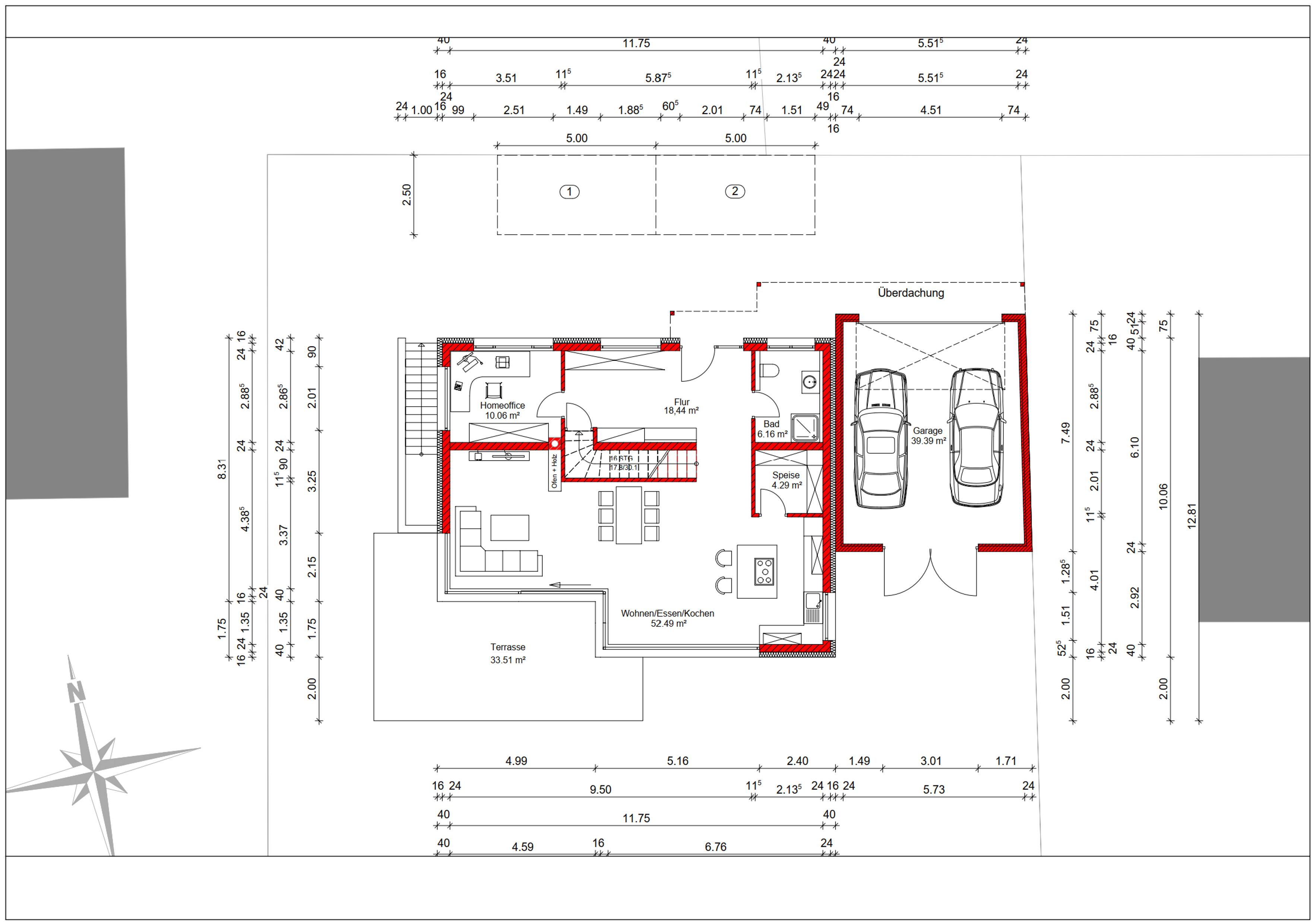
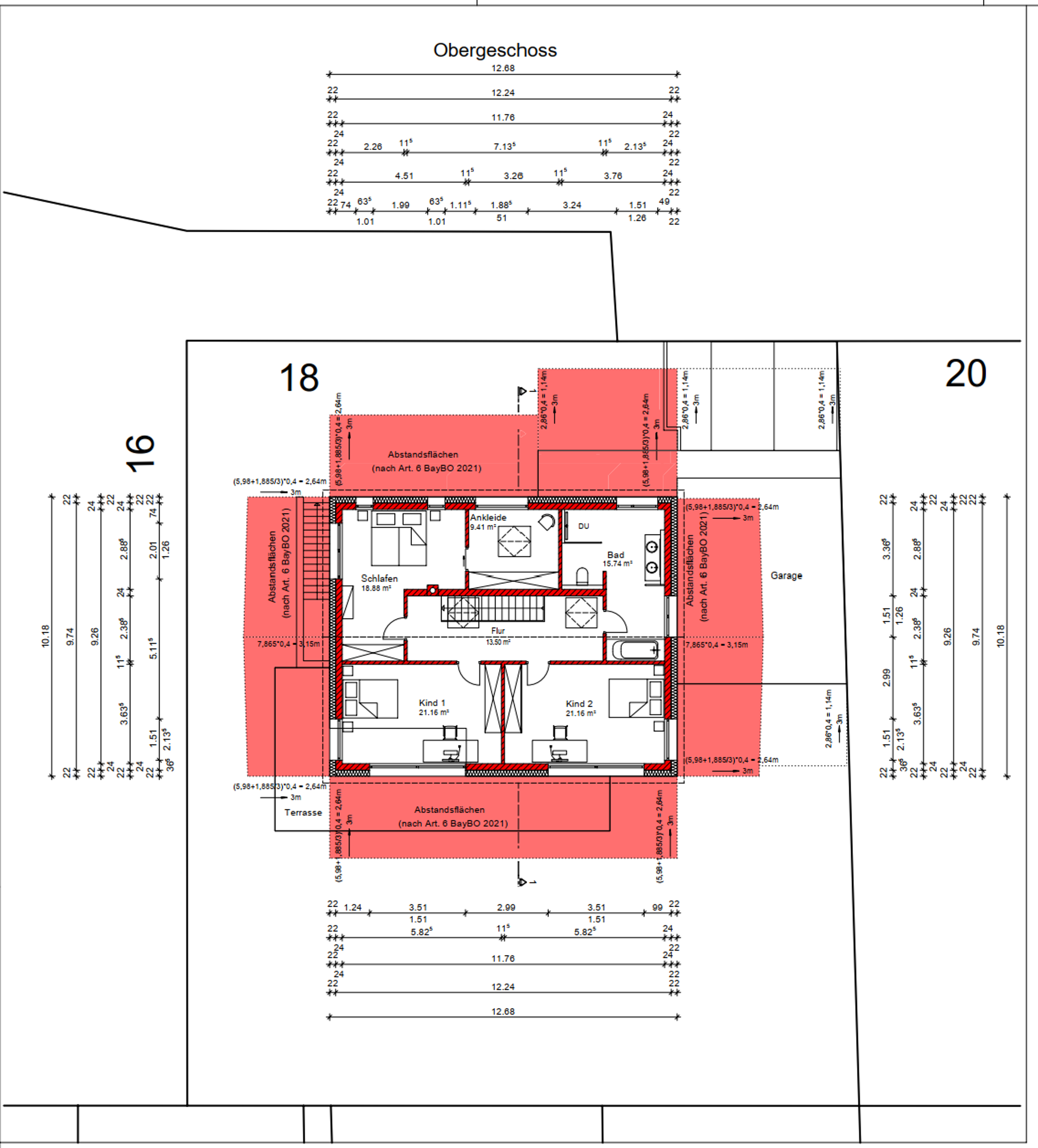
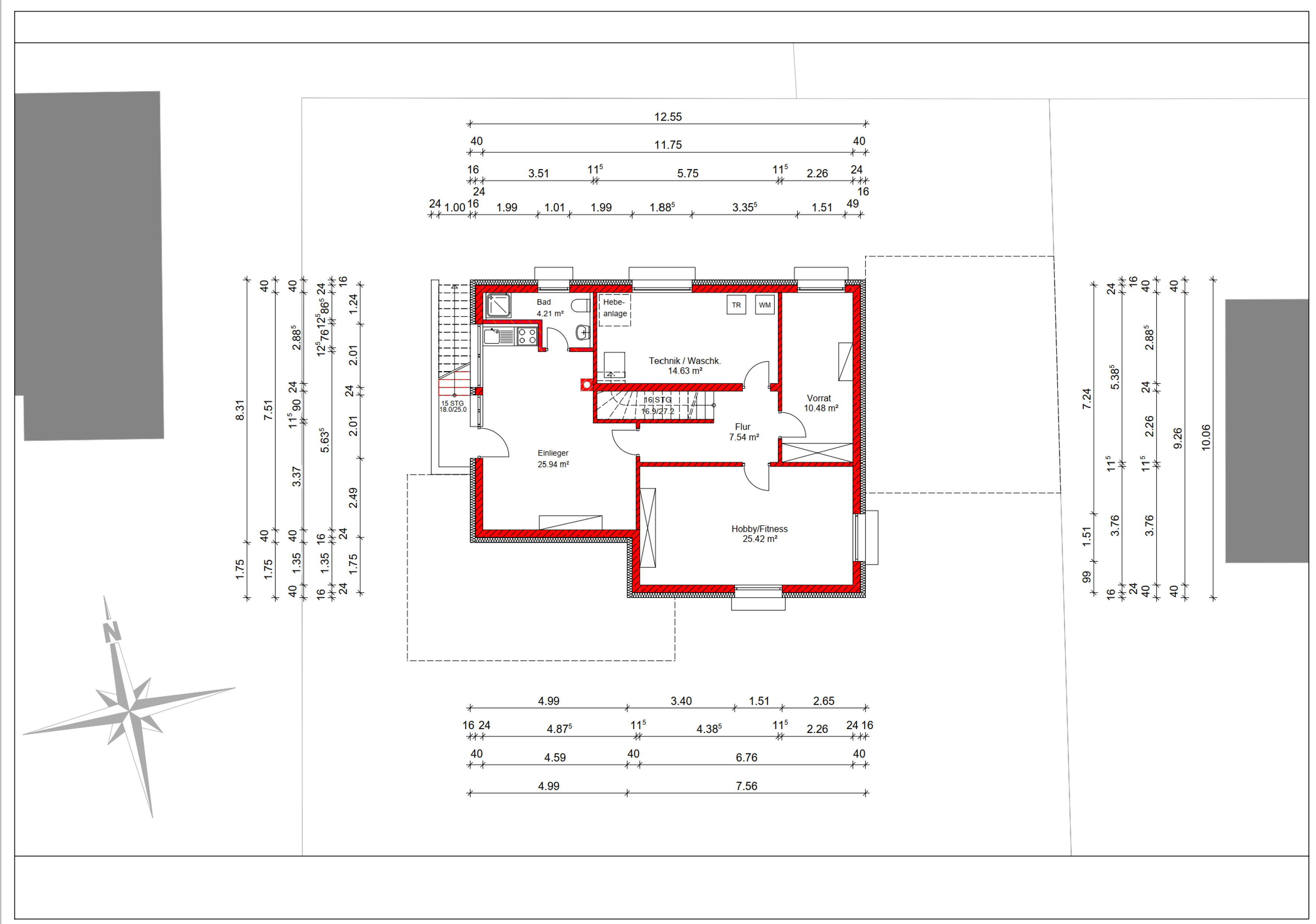
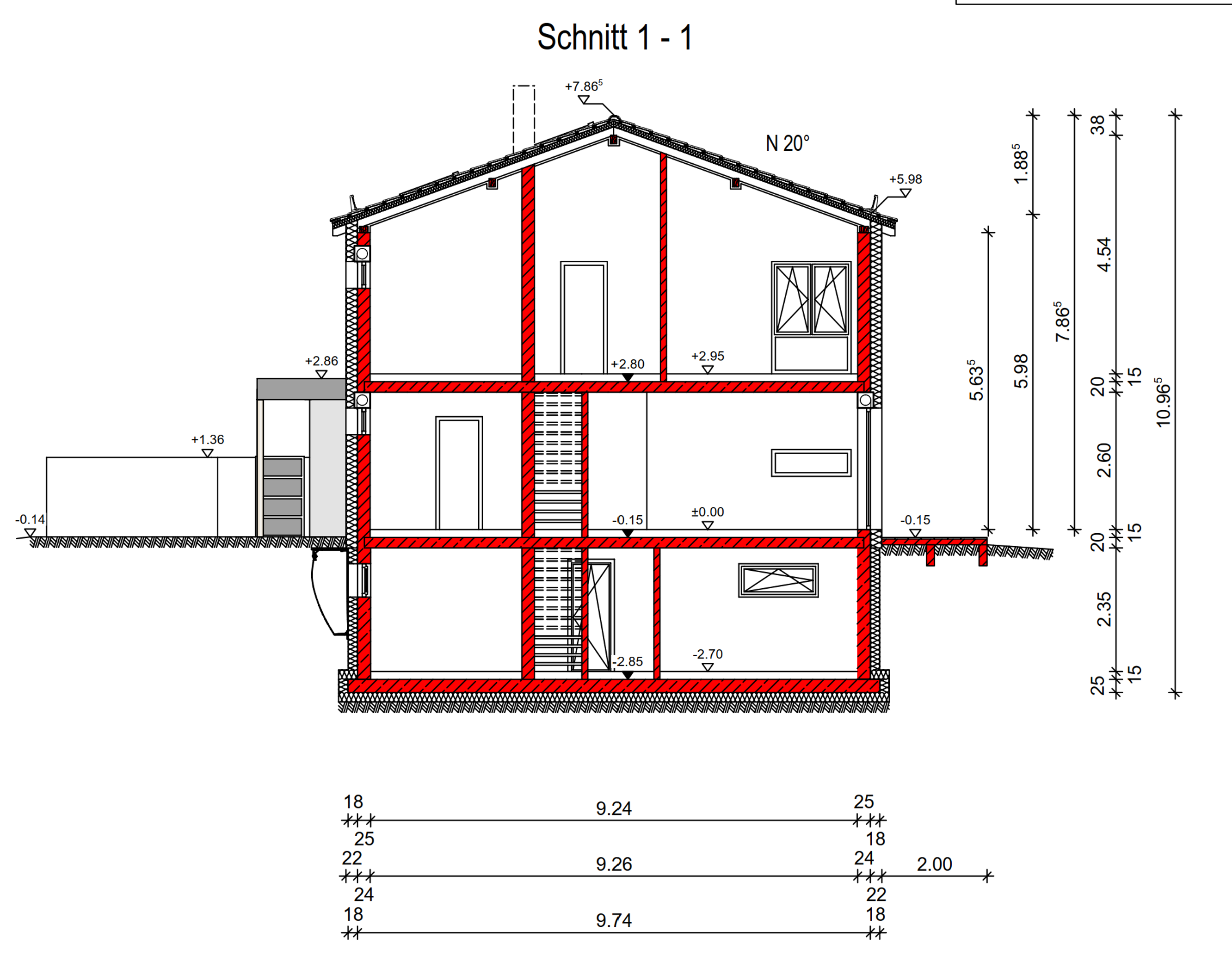
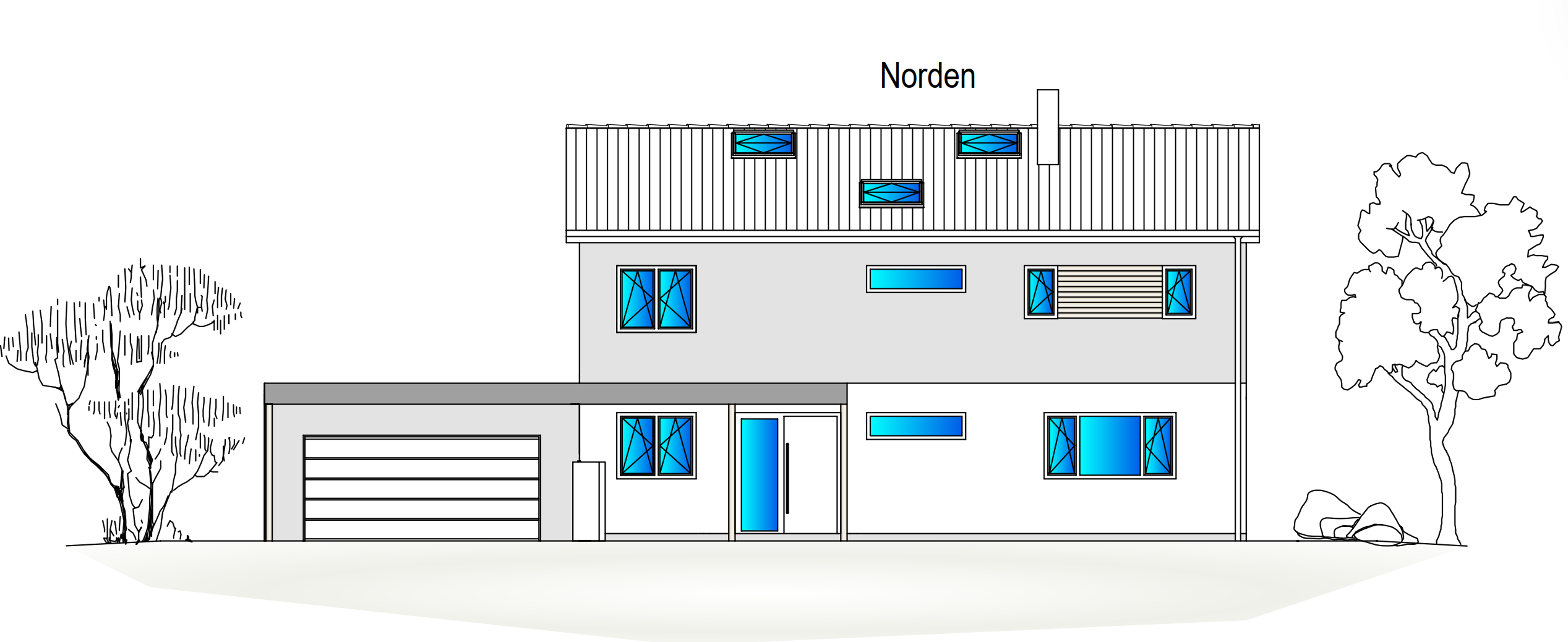
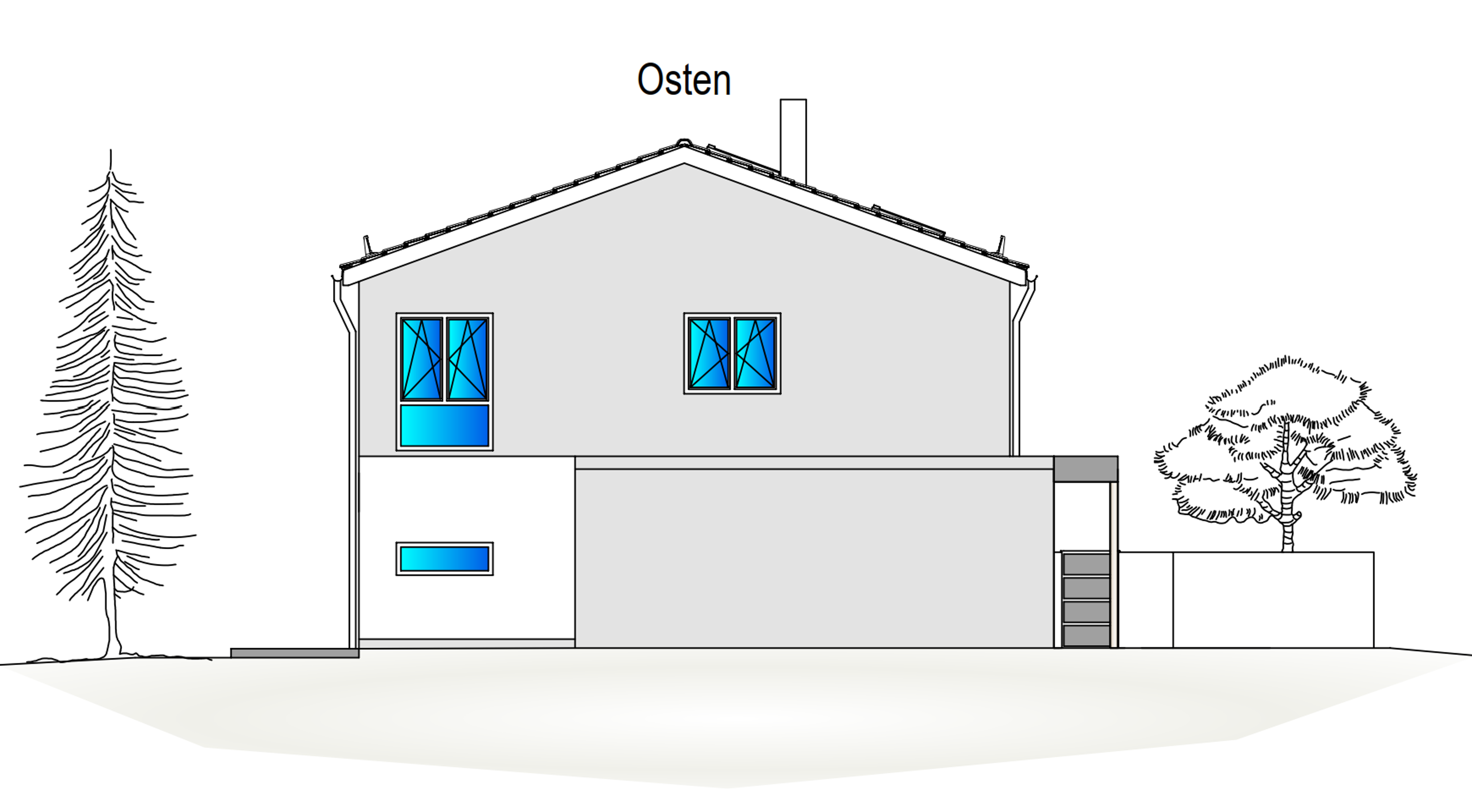
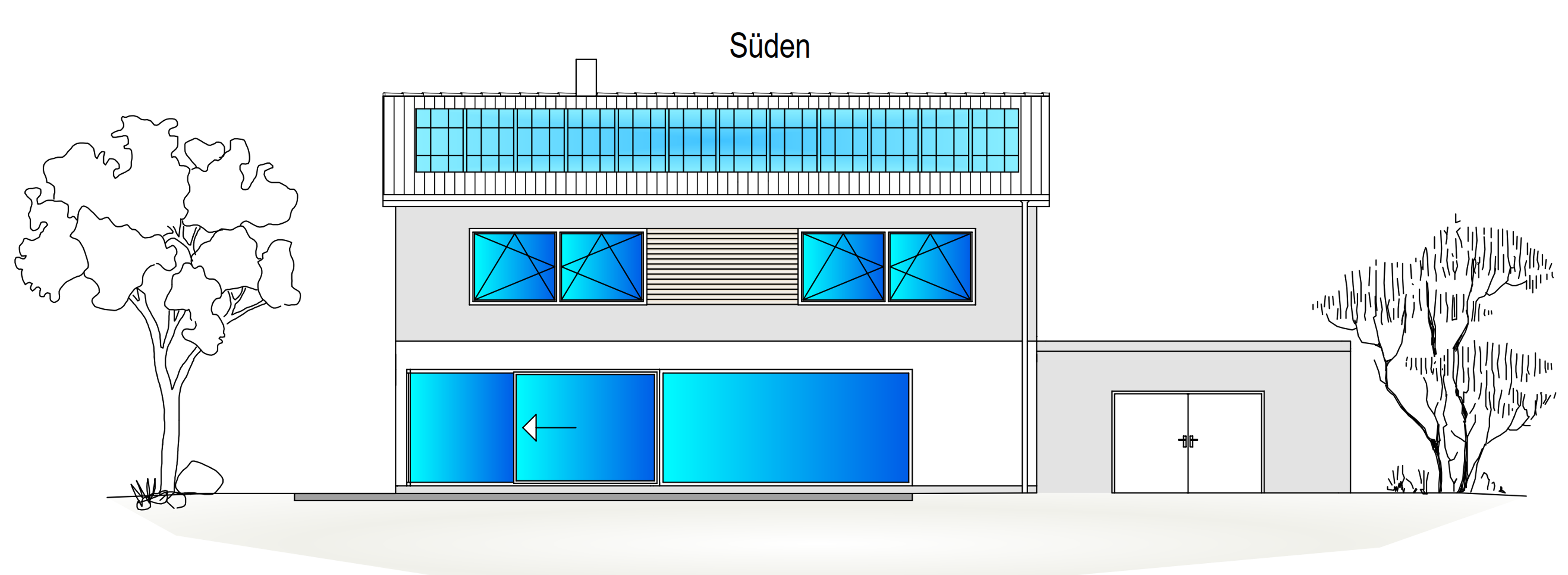
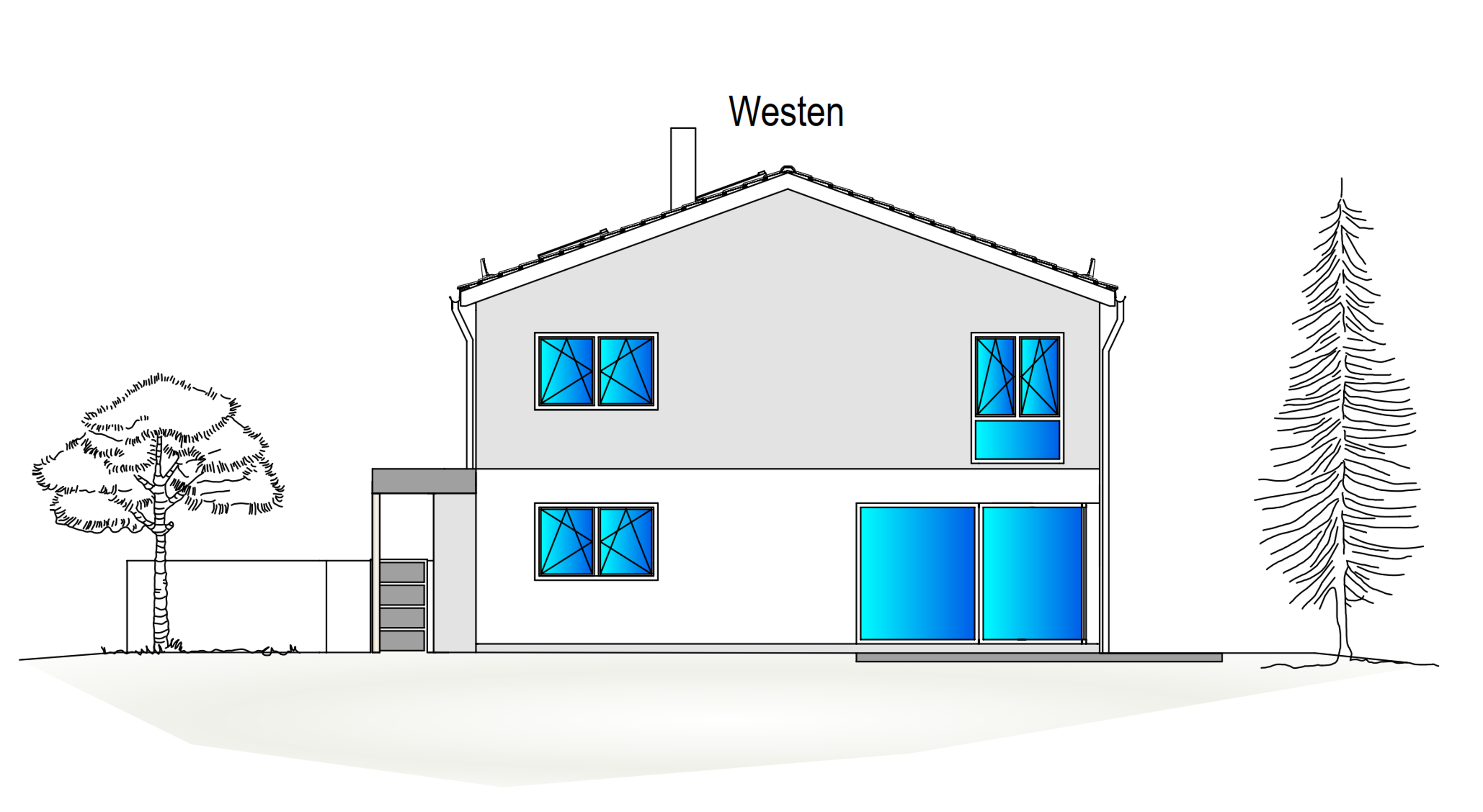
I’m new here and would like to briefly introduce myself and especially the construction project in Franconia / Bavaria: We originally planned to start in 2022, but due to unexpected changes in my family situation, I put the project on hold. The plot was / is already owned by us (with an older building still standing – it still needs to be demolished), but the timing wasn’t right.
Now we are entering the second phase, and all signals are “green.”
The current floor plan was created back then; since then, we’ve had some minor change requests and questions, which I have added below. But first, some basic data about the floor plans (including basement).
Zoning plan / restrictions
Plot size: 676m² (rectangular, approx. 26m wide and 26m long (86ft by 86ft))
Slope: none, completely flat
Site occupancy ratio (floor area ratio): 0.4
Plot ratio (floor space index): 0.8
Building envelope, building line and boundary: A front garden area of 5.00m (16ft) depth is defined that must remain free of construction; the building envelope starts from this 5-meter line and extends over the rear parts of the plot. The building envelope covers most of the plot’s width, but setback distances to the side plot boundaries (usually open construction, 3m / 10ft) must be maintained.
Edge construction: As far as I can see, permitted for trash storage shed, garage, and bike shelter
Number of parking spaces: space for 2 cars planned
Number of floors allowed: 2 full storeys allowed
Roof type: Gable roof with a pitch between 20° and 35°
Design style: no specific requirements
Orientation: no specific requirements
Maximum heights / limits: Knee wall max 0.5m (1.6ft) measured from the top edge of the structural ceiling of the attic floor to where the exterior wall meets the roof covering; eaves height max 7.5m (25ft)
Additional requirements: roof extensions are allowed
Client requirements
Style, roof shape, building type: Gable roof house with relatively shallow roof slope, planned as a prefab house.
Basement, floors: basement planned; plus ground floor (GF) and upper floor (UF)
Number and age of occupants: 4 people (two adults around 45 years old, children aged 7 and 13)
Room requirements on GF, UF: GF --> living-dining area, guest toilet including small shower – ideally barrier-free, office (frequently used), small pantry (directly connected to kitchen), UF --> bathroom, 2 children's rooms, 1 bedroom with small walk-in closet, possibly small storage room, possibly small second workspace for occasional remote working by both adults (can usually be avoided).
Guest overnight stays per year: very few --> no guest room needed or could be solved with sofa bed in the office.
Open or closed architecture: GF rather open, UF rather closed
Conservative or modern construction: likely more conservative
Open kitchen, kitchen island: open kitchen with kitchen island, accessible from both sides.
Number of dining seats: dining table for 6 people
Fireplace: no (or optional)
Music / stereo system: flat-screen TV mounted on the wall in the living area
Balcony, roof terrace: no
Garage, carport: garage for two cars, with trash shed and bike shelter desired at the edge of the plot (but less urgent)
Utility garden, greenhouse: not planned
Additional wishes / special features / daily routine, also explanations why certain things should or should not be: The desire is for a classic single-family home for a family of four with a permanent home office. Designed pragmatically, not fancy or architecturally elaborate. The house should be built as a “climate-friendly new construction.”
About the house design
Who is the designer?
Initial design by an independent architect based on our sketch
What do you particularly like? Why?
- Most of our basic concept and wishes have been implemented and, in our opinion, successfully
- Well-balanced room layout on the upper floor
What don’t you like? Why?
- For cost reasons, we might reduce to approximately 150m² (1615 sq ft) because the room sizes overall seem quite generous
- We would no longer want a granny flat; the basement should be purely utility space, not living space
- Are windows really necessary in the basement?
- The guest toilet on the ground floor should be barrier-free
- The glass façades in the living area on the ground floor are too large for us: this increases costs and limits usable space for placing the sofa – which would have to be right in front of the glass façade, not ideal from our point of view
- The section shows we originally wanted an open sloped ceiling; since this was described by many prefab house providers in early talks as a “major cost driver,” we would waive it (which would mean the roof windows would also be omitted)
Price estimate from architect / planner: no estimate yet
Personal price limit for the house including fittings: 750,000€ (house incl. basement, ancillary costs, kitchen, garage, driveway/terrace; demolition of the existing building is calculated separately)
Preferred heating system: heat pump
If you have to compromise, on which details / expansions?
- Can do without: granny flat, open sloped ceiling, large glass fronts on the ground floor, overall floor area can be smaller
- Cannot do without: basement, kitchen island
Why is the design as it is?
We thought about room use in this family setup including home office needs, but we are not professionals. It is not something extravagant, just pragmatic.
Final comments
We appreciate honest assessments, tips, and constructive criticism – if we’ve missed important information, we’ll happily provide it. We plan to have the construction supervised by a prefab house expert, since we are complete novices regarding building inspections.
A heartfelt thanks in advance for your time and valuable feedback on our floor plan.
Minerva121
Minerva121 schrieb:
Our basic concept and wishes have mostly been implemented and, in our opinion, successfully That’s not difficult when you lose sight of the budget.
Minerva121 schrieb:
Personal price limit for the house, including equipment: 750k€ (house including basement, additional costs, kitchen, garage, driveway/terrace; demolition of the old building is calculated separately) Let’s try the calculation the other way around:
+750,000 budget
- 50,000 driveway/terrace, shed, and landscaping
- 30,000 double garage, basic
- 25,000 kitchen
- 50,000 additional building costs
= 590,000 for the house
/ 3,500 = 170 sqm (1830 sq ft) house without basement (current, upscale standard)
/ 3,200 = 185 sqm (1990 sq ft) house without basement (slightly above average standard)
/ 3,000 = rounded up 200 sqm (2150 sq ft) without basement or 165 sqm (1775 sq ft) standard standard with useful basement)
Basically, you can forget about this design. It’s all excessively oversized. Why does the guest toilet have to be accessible?
Children’s rooms only need 15 sqm (160 sq ft), same with bedrooms, even less if there is a walk-in closet. The bathroom also has its free space requirements. Hallways are huge. Everything is scaled up. I’m not even looking at the basement.
Almost unnecessary, but regarding the design: a kitchen should have space for two to three tall cabinets plus sufficient work and storage areas. Usually, a built-in pantry takes up exactly that space. I’ve already mentioned the small circulation areas in every room. Nine sqm (97 sq ft) for a walk-in closet that only fits 3 meters (10 ft) of wardrobes is simply too big and poorly planned. The office only needs one window, then you also get some floor space; an emergency workspace can be at the dining table, and so on.
Think carefully about whether you really need a basement.

Ouch. A perfectly level plot, but with a basement. Independent architect, but a brought-in design. Predetermined decision for a "prefabricated" house (why?), yet a traditional masonry plan. Explain to the old guy what you were thinking with this.
https://www.instagram.com/11antgmxde/
https://www.linkedin.com/company/bauen-jetzt/
https://www.instagram.com/11antgmxde/
https://www.linkedin.com/company/bauen-jetzt/

Unfortunately, you will have to start from scratch. The budget does not fit at all. Apart from the size, there are several expensive extras included.
Simply shrinking the floor plan won’t work. Likewise, you can’t just remove the basement because then the technical room and utility room are missing.
I totally understand you, in 2022 money was still cheaper. We have also been searching for a plot since 2019 and had to reduce a lot because construction only started in 2024.
We are also building in Bavaria, similar size, similar budget, but we are doing a loooot of work ourselves. If that is not an option, I would advise against it.
Nevertheless, here are my comments:
Basement:
- If the granny flat is going to be dropped anyway, I would leave out the basement staircase, light wells, and the basement bathroom. They all drive the costs up. Depending on the sewer level, the very expensive lifting system might also be unnecessary.
Ground floor:
- I like the spacious wardrobe area.
- An accessible guest toilet is very important as well, we implemented that too.
- Is the staircase really only 90cm (35 inches) wide? With a handrail on the wall, it will feel very tight.
- The window front with a floating construction is priceless. Just install a few large windows and that’s enough. Tip: avoid lift-and-slide doors whenever possible — they are also very expensive.
- In the kitchen, I would rotate and enlarge the island. As it is now, you hardly have any workspace next to the cooktop.
- The open connection between the living/dining area and the entrance hall would bother me. I would put a (glass) door in between.
Upper floor:
- I would swap the bedroom and dressing room so that you don’t wake someone up when getting clothes. Drawback: then the shower and toilet would be next to the bedroom wall.
- What exactly makes the open attic so expensive? The roof structure? We also have an open roof structure, but over the bathroom and dressing room we closed it off because we don’t see any advantage in open rooms upstairs, and this way we gained a small storage space.
- I would reduce skylights to just one in the hallway.
Simply shrinking the floor plan won’t work. Likewise, you can’t just remove the basement because then the technical room and utility room are missing.
I totally understand you, in 2022 money was still cheaper. We have also been searching for a plot since 2019 and had to reduce a lot because construction only started in 2024.
We are also building in Bavaria, similar size, similar budget, but we are doing a loooot of work ourselves. If that is not an option, I would advise against it.
Nevertheless, here are my comments:
Basement:
- If the granny flat is going to be dropped anyway, I would leave out the basement staircase, light wells, and the basement bathroom. They all drive the costs up. Depending on the sewer level, the very expensive lifting system might also be unnecessary.
Ground floor:
- I like the spacious wardrobe area.
- An accessible guest toilet is very important as well, we implemented that too.
- Is the staircase really only 90cm (35 inches) wide? With a handrail on the wall, it will feel very tight.
- The window front with a floating construction is priceless. Just install a few large windows and that’s enough. Tip: avoid lift-and-slide doors whenever possible — they are also very expensive.
- In the kitchen, I would rotate and enlarge the island. As it is now, you hardly have any workspace next to the cooktop.
- The open connection between the living/dining area and the entrance hall would bother me. I would put a (glass) door in between.
Upper floor:
- I would swap the bedroom and dressing room so that you don’t wake someone up when getting clothes. Drawback: then the shower and toilet would be next to the bedroom wall.
- What exactly makes the open attic so expensive? The roof structure? We also have an open roof structure, but over the bathroom and dressing room we closed it off because we don’t see any advantage in open rooms upstairs, and this way we gained a small storage space.
- I would reduce skylights to just one in the hallway.
familie_s schrieb:
I would switch the bedroom and dressing room, Exactly, that way you can also get a storage room here in the upper floor, and then only a cold storage room is missing, so the basement can be reduced by another 30sqm (323 sqft).
Still, so: round storage for the 2022 draft.
H
hanghaus202317 Mar 2026 12:59Is there a specific reason for planning the house 70cm (28 inches) further back? This simply makes the porch look unattractive.
Similar topics