
ᐅ Optimizing the Floor Plan with Numerous Detailed Considerations
Created on: 12 Jan 2026 21:12
N
NMarieKH
Hello everyone,
We are currently planning the construction of our house in Lower Austria, and I would really appreciate your feedback on our floor plan. I’m 22, my partner is 26 – he is financing the house. Because of that, it’s particularly important to me that the floor plan fits perfectly and that we don’t build in any costly “mistakes.” I’m in the process of optimizing it, but the longer you look at it, the more you get blind to it.
I welcome any comments, criticism, and suggestions for improvements – whether it’s about circulation paths, storage, lighting, furnishing possibilities, or just “this feels impractical” – these are exactly the things I’m trying to fix right now.
In addition, I have a few specific questions where I’m particularly unsure (list follows):
If anyone could answer or comment on even 1 or 2 of these points, I would be extremely grateful. Many thanks in advance!
Development Plan / Restrictions
Plot size: 625 m2 (30% of this may be built on)
Site coverage ratio: 1
Floor area ratio: 2
Number of parking spaces: 2
Roof type: hipped roof
Style: modern, cozy
Orientation: terrace faces north
Client Requirements
Style, roof type, building type: modern but not too cubic, hipped roof
Levels: basement, ground floor, first floor
Number of people, age: currently W22 and M26
Space requirements ground floor, upper floor: office on ground floor possibly as a future bedroom
Office use: family use or home office? home office
Open or closed architecture: rather open
Conservative or modern construction: modern
Open kitchen, kitchen island: yes
Number of dining seats: 2, at least 6-8 guests
Fireplace: maybe for the future
Music/sound system wall: sound system at TV wall
Balcony, roof terrace: small balcony at bedroom
Garage, carport: 37 m2 (400 ft2) garage, which will be built later as an extension
Currently, we do not have children but plan to have them in the future
House Design
Who designed it: do-it-yourself
What do we like? The size of the floor plan, the distribution of living and utility areas over different floors
What don’t we like? Sizes of certain rooms, door swings, orientation of living room windows to the northeast, furnishing options in the large living room on the ground floor, integration of the pantry in the room, 2 rooms in the basement which are through-rooms to other rooms
Preferred heating system: underfloor heating
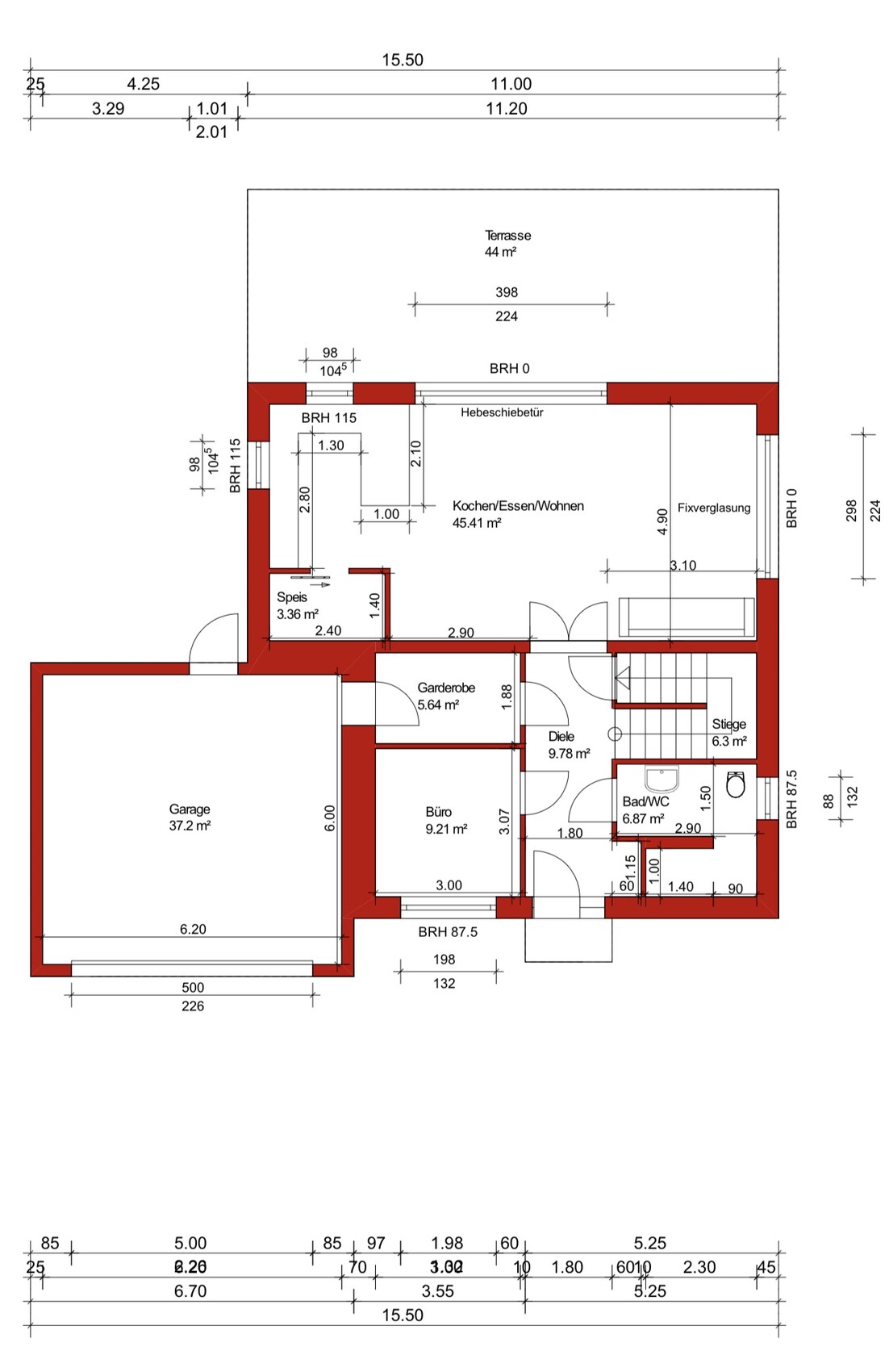
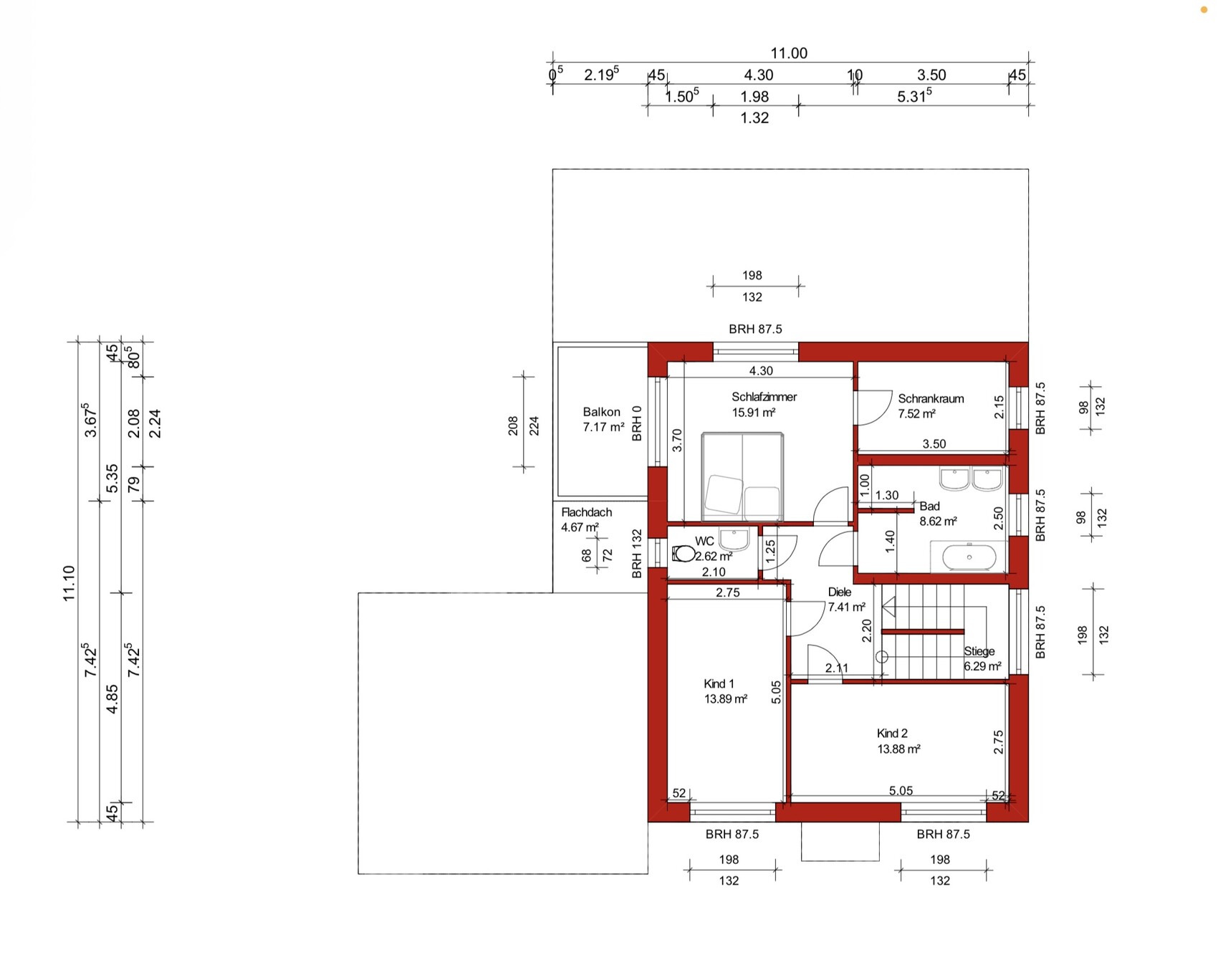
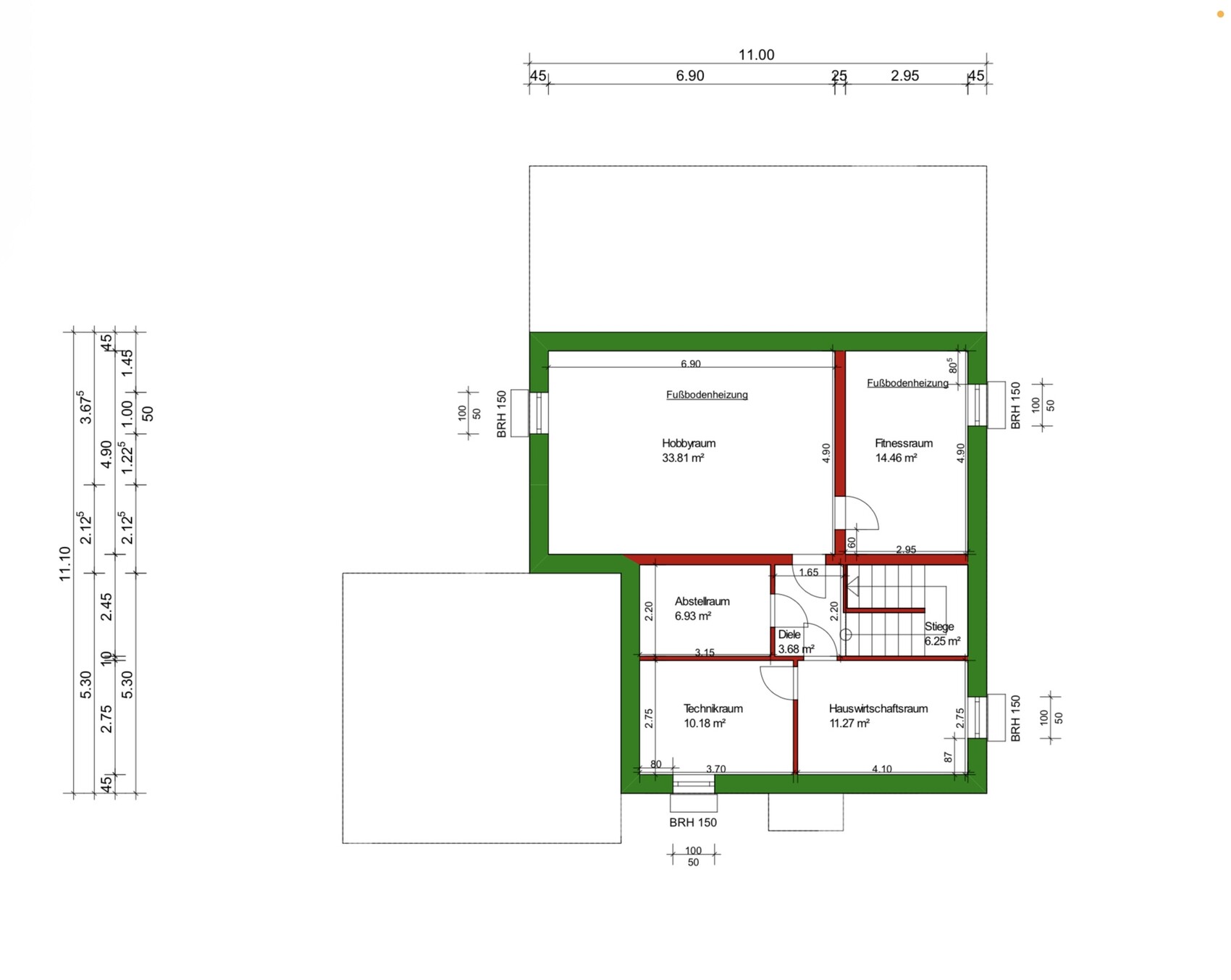
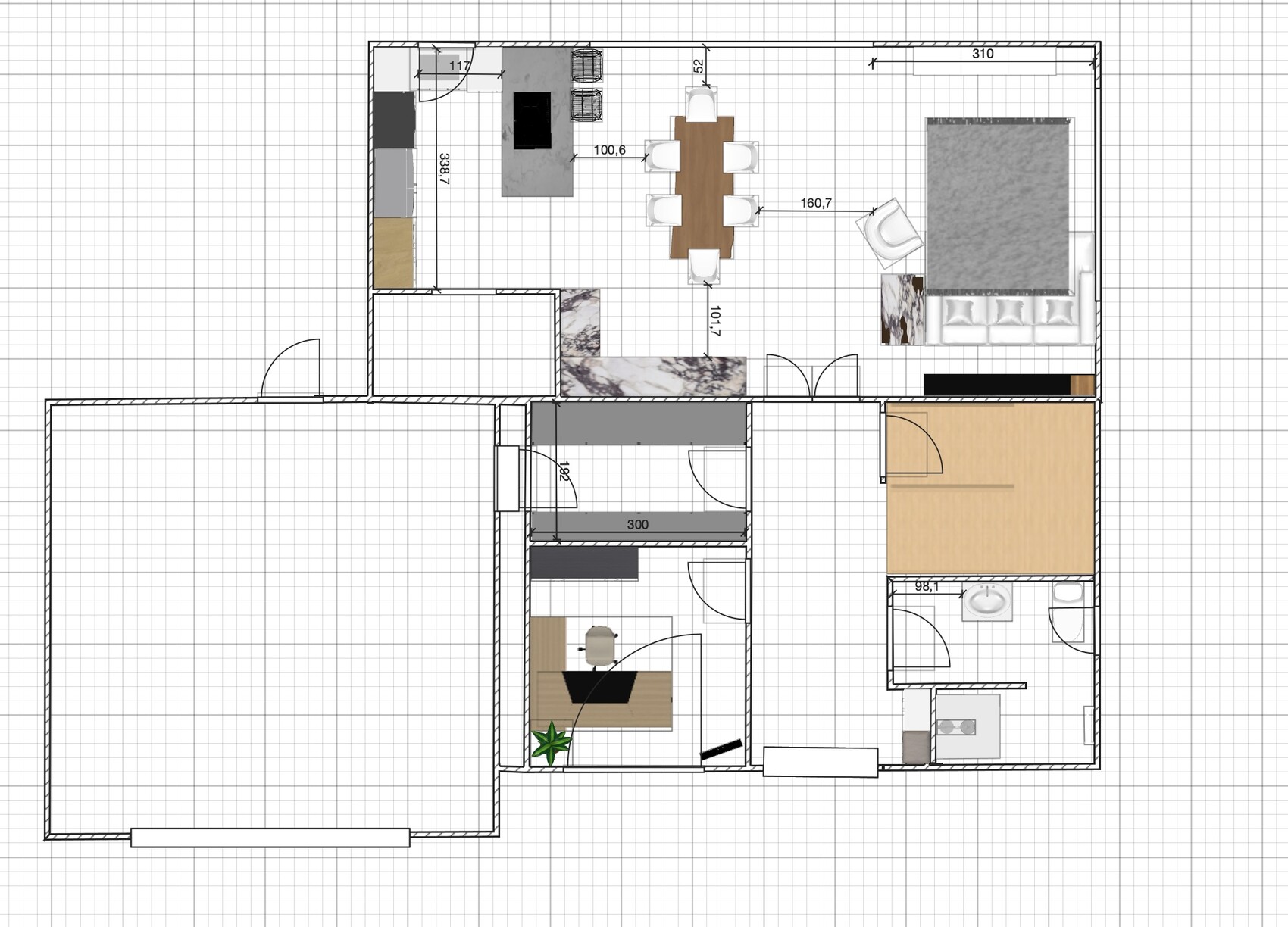
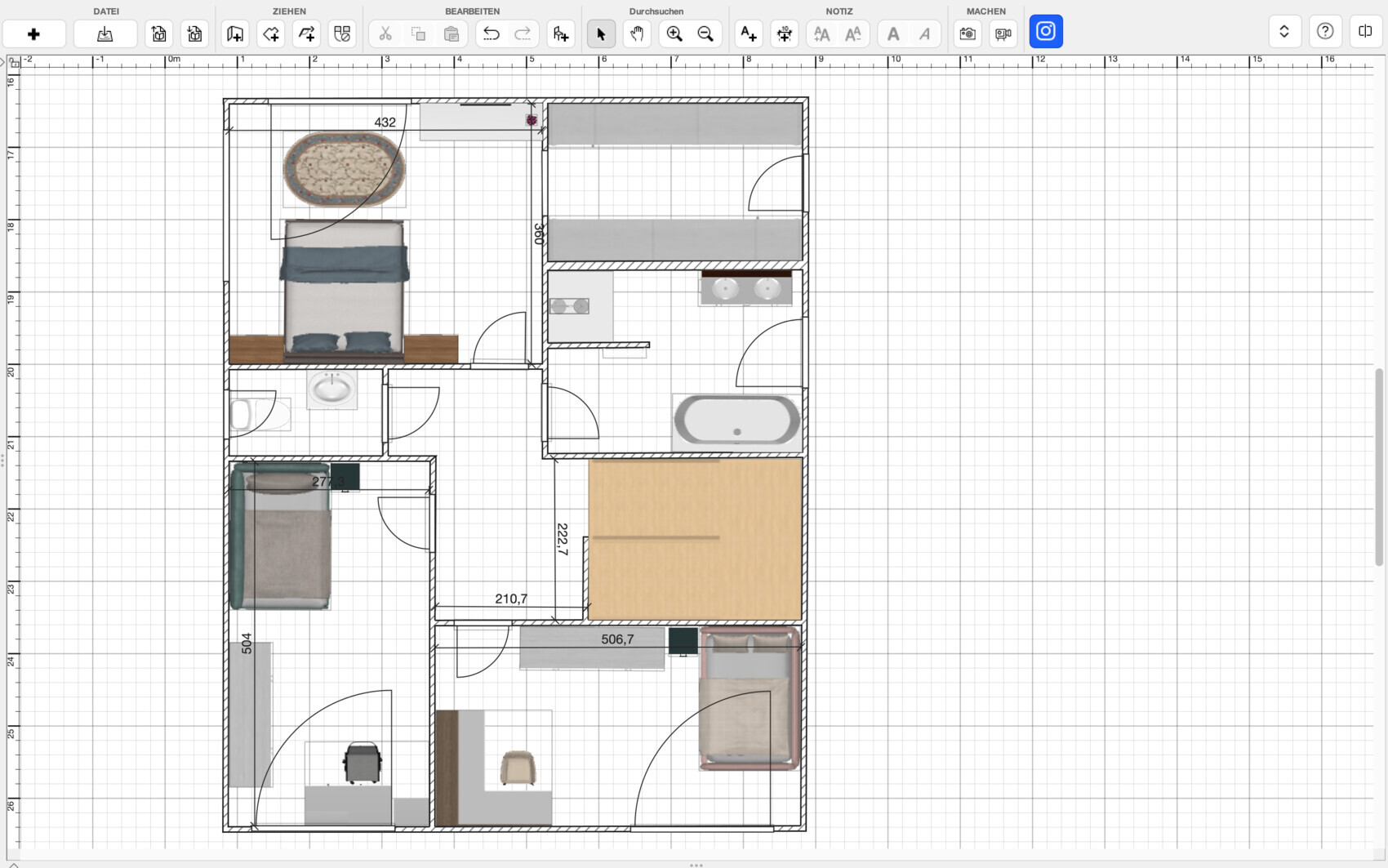
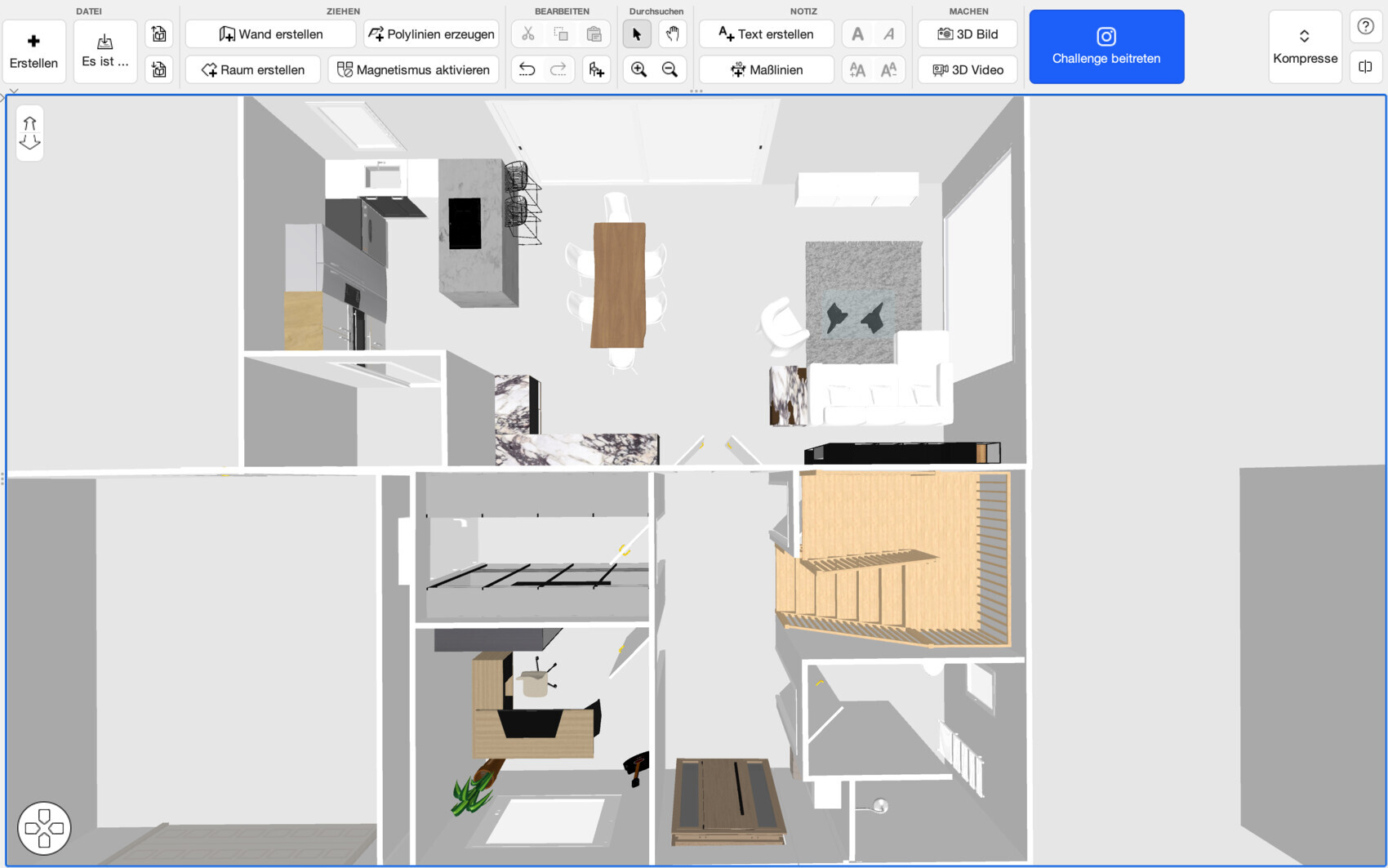
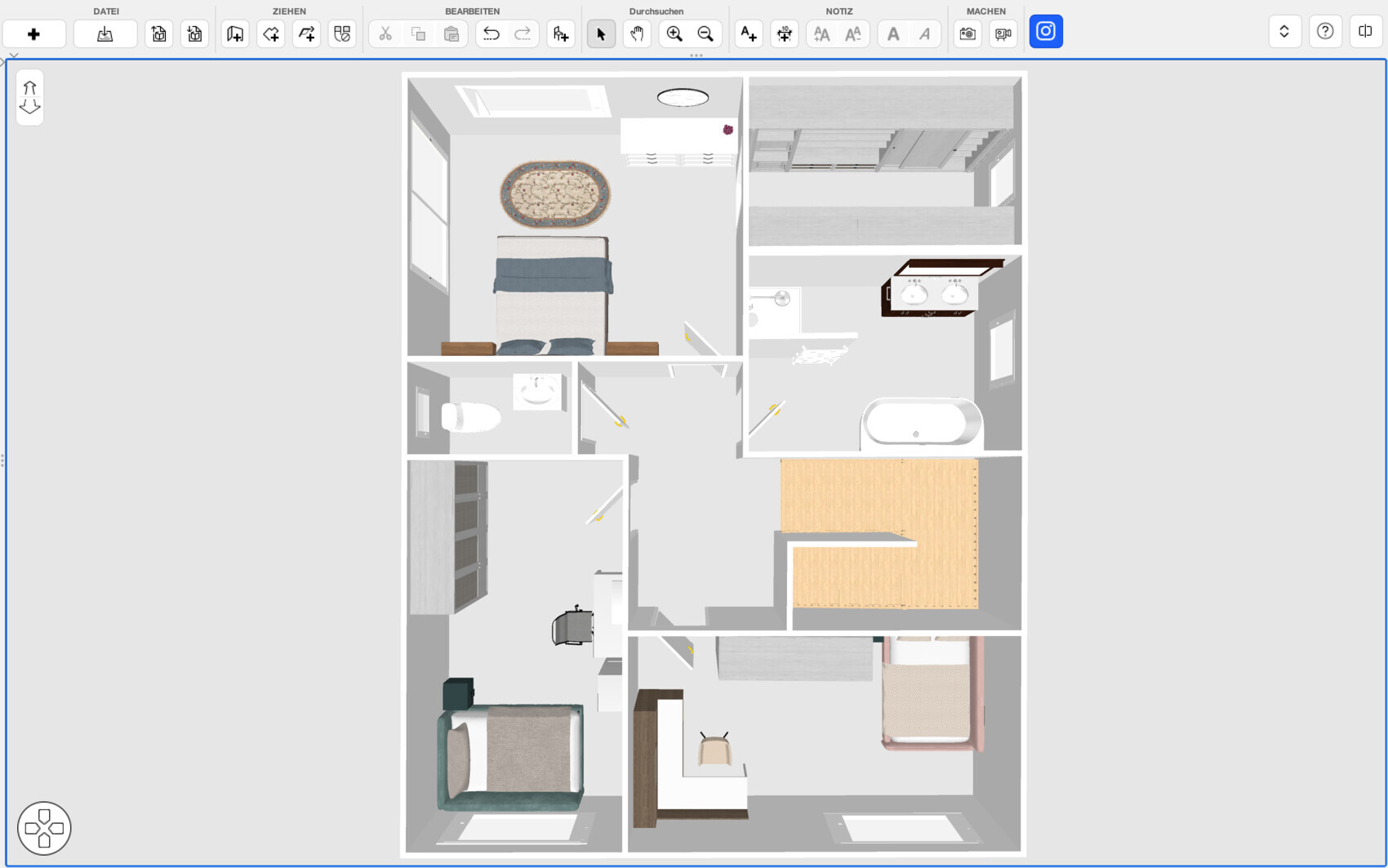
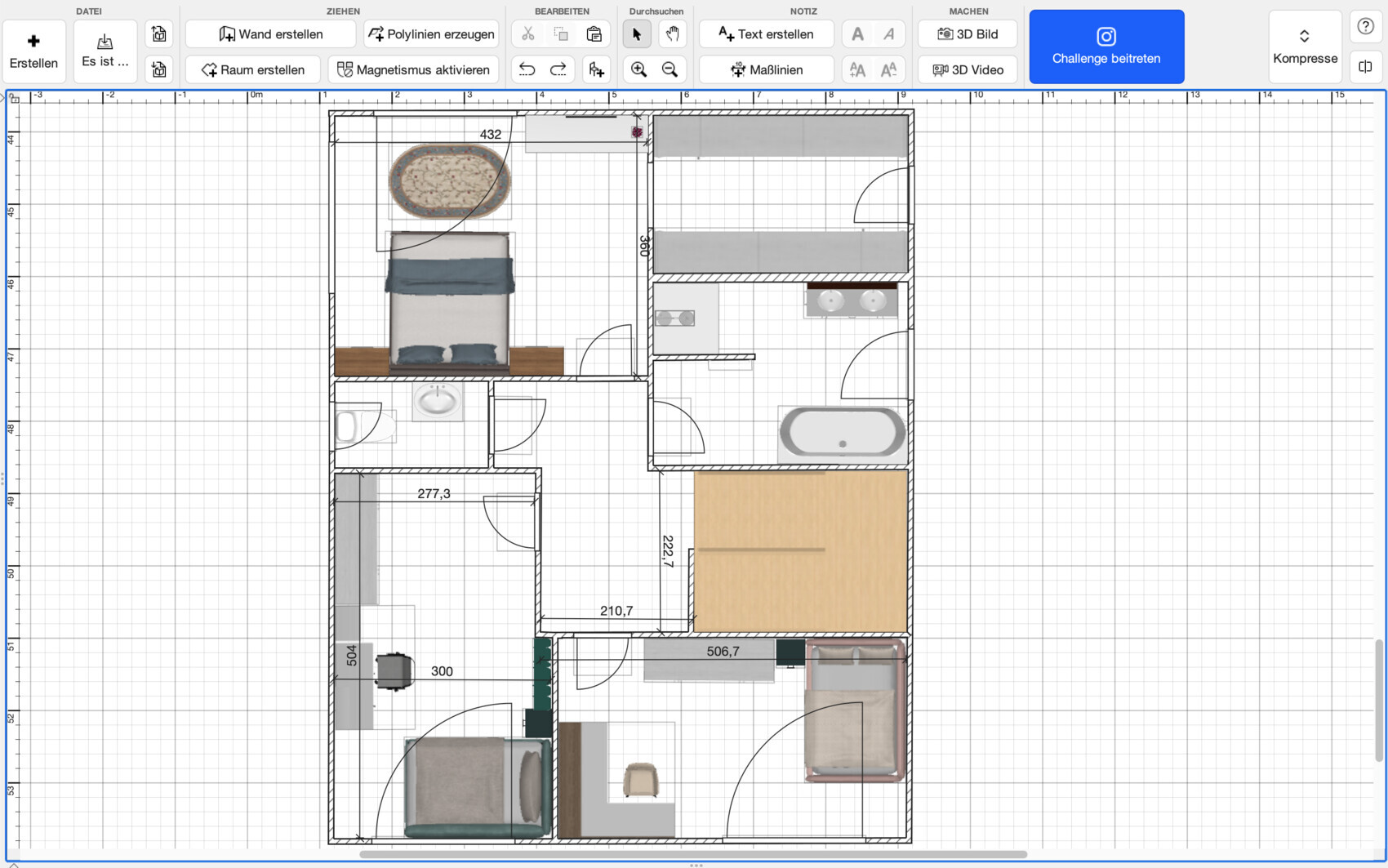
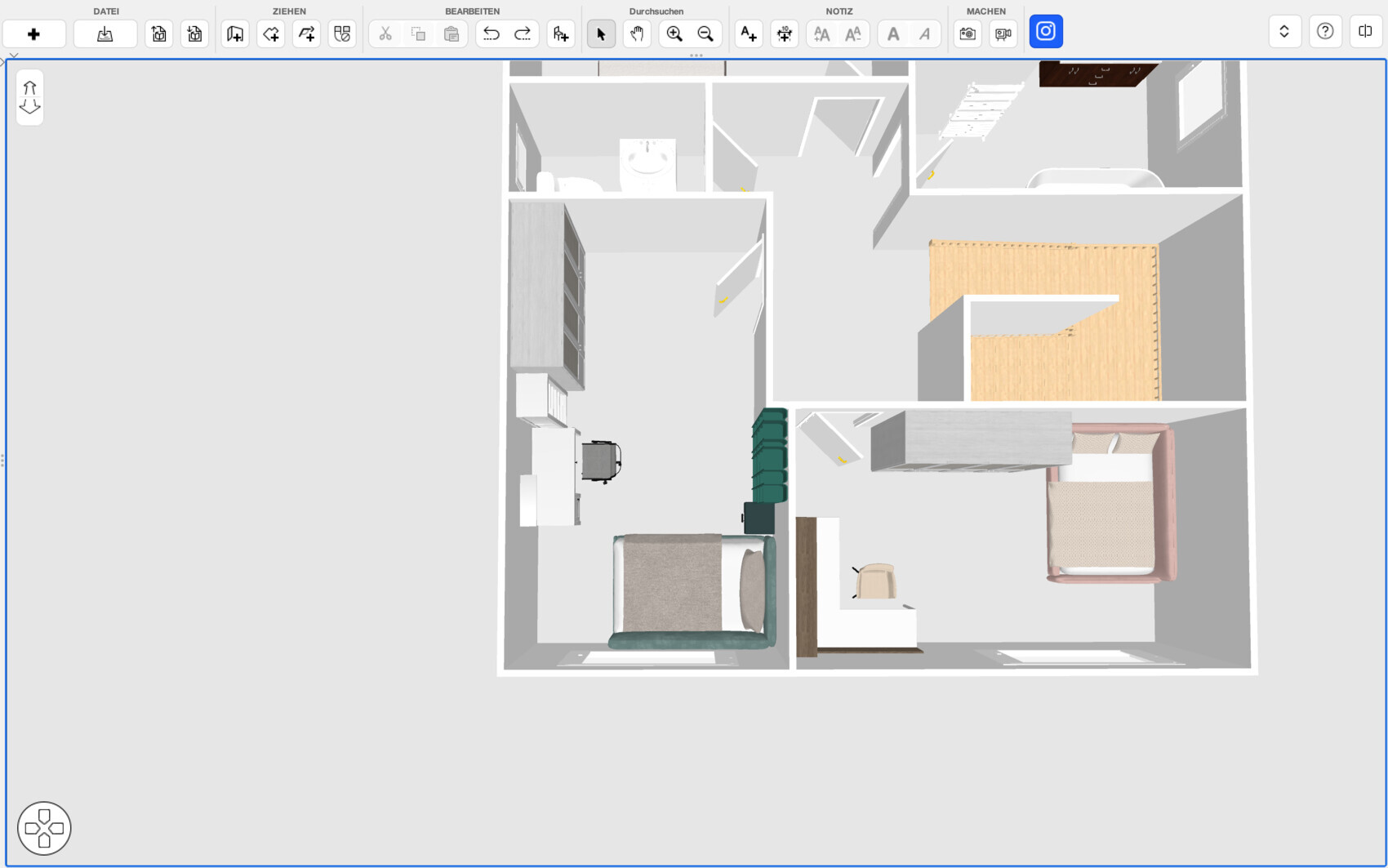
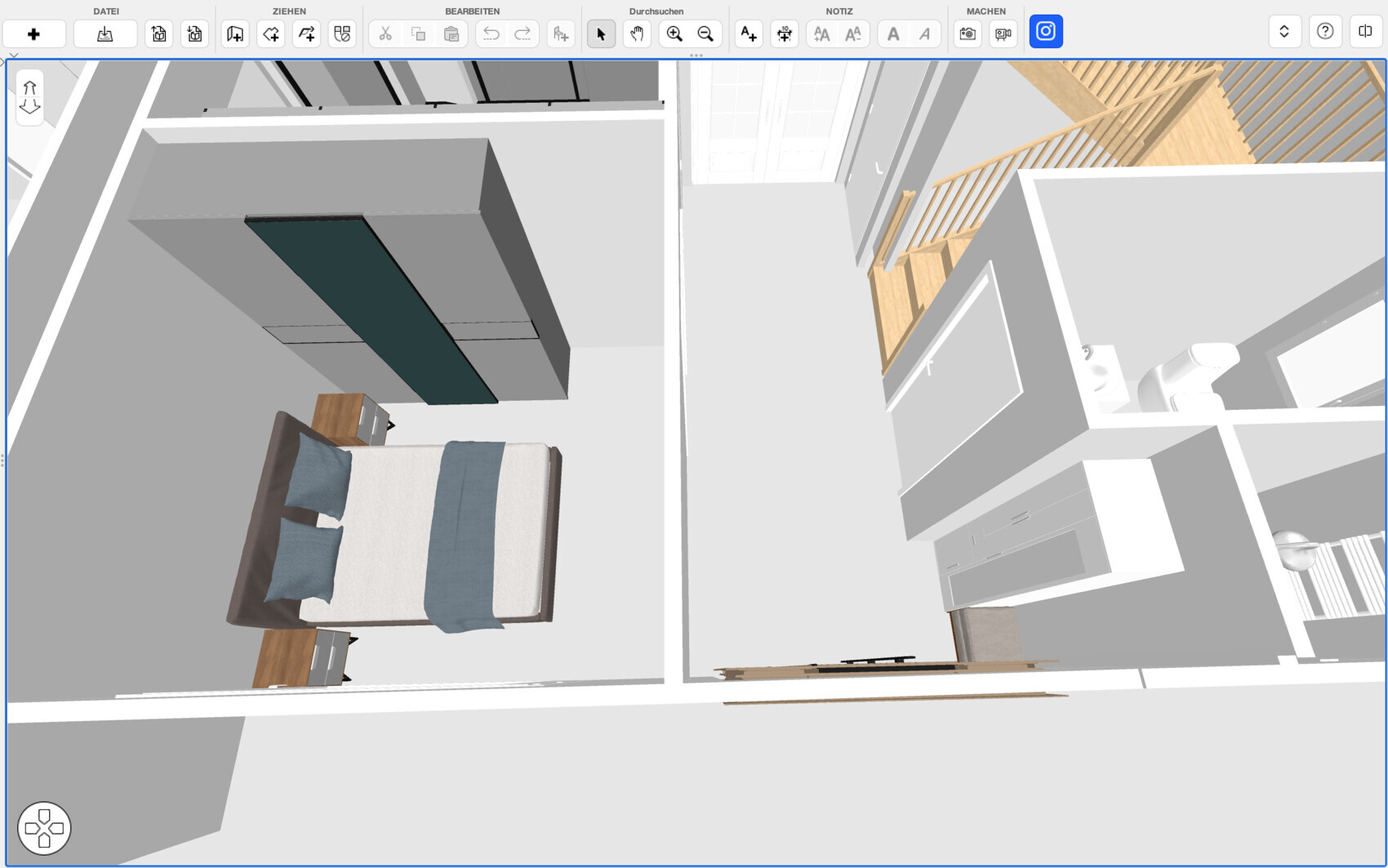
We are currently planning the construction of our house in Lower Austria, and I would really appreciate your feedback on our floor plan. I’m 22, my partner is 26 – he is financing the house. Because of that, it’s particularly important to me that the floor plan fits perfectly and that we don’t build in any costly “mistakes.” I’m in the process of optimizing it, but the longer you look at it, the more you get blind to it.
I welcome any comments, criticism, and suggestions for improvements – whether it’s about circulation paths, storage, lighting, furnishing possibilities, or just “this feels impractical” – these are exactly the things I’m trying to fix right now.
In addition, I have a few specific questions where I’m particularly unsure (list follows):
- Door swings – my partner would prefer all doors to open outward, which I don’t like at all… For which rooms would you solve this problem differently? If the doors open inward in different rooms (e.g., office, both children’s rooms), how far from the wall would you position them?
- I’m also not completely satisfied with the kitchen layout. Due to a lack of storage space on the ground floor, we’d likely keep the pantry but we’re currently unsure how. Ideally, if money were no object, I’d want a concealed pantry and as much cupboard space as possible, but that is expensive. If you have any suggestions about the kitchen layout, please share them (the furniture is only placed provisionally, but the location of the stove, sink, and dishwasher should work similarly) – would you put the window above the sink at a sill height of 1.15m (45 inches) (with a 95cm (37 inch) countertop height) or have it flush directly with the countertop?
- How would you place the door in the cloakroom? Currently, we have 60cm (24 inches) space on one side and 38cm (15 inches) on the other. I’m considering whether it would be smarter to leave at least 66cm (26 inches) at the top side for deeper cabinets and some clearance from the door (and possibly only a narrow shoe cabinet or a bench at the bottom side) – or to move both doors down to the bottom of the room and keep the rest as a more open passage (perhaps for a stroller or similar).
- The office might later be converted into a bedroom (see picture). However, both the 3m (10 ft) wide office and the 2.75m (9 ft) wide children’s bedroom 1 above currently have a window measuring 1.98m (6 ft 6 inch) wide and 1.32m (52 inches) high – would it be better to make these windows a bit narrower, since a bed might be placed underneath, and also raise the sill height of about 87.5cm (34 inches)? For more natural light, the window could maybe just be made a bit longer vertically, right?
- Upstairs, there is the option to expand children’s bedroom 1, which has a less practical layout, with a 25cm (10 inch) deep niche (making it approximately 14.6 m2 (157 ft2) instead of 12.6 m2 (136 ft2), which I think is easier to furnish). The bed could then be placed in the niche, with the headboard away from the window and the view of the door, and the width would be the same as the office below (windows could be aligned vertically).
- How would you position the windows in children’s bedroom 2? Would you prefer one wide window or two narrower ones on the left and right?
- Do you have any ideas on how the rooms in the basement could be arranged differently?
If anyone could answer or comment on even 1 or 2 of these points, I would be extremely grateful. Many thanks in advance!
Development Plan / Restrictions
Plot size: 625 m2 (30% of this may be built on)
Site coverage ratio: 1
Floor area ratio: 2
Number of parking spaces: 2
Roof type: hipped roof
Style: modern, cozy
Orientation: terrace faces north
Client Requirements
Style, roof type, building type: modern but not too cubic, hipped roof
Levels: basement, ground floor, first floor
Number of people, age: currently W22 and M26
Space requirements ground floor, upper floor: office on ground floor possibly as a future bedroom
Office use: family use or home office? home office
Open or closed architecture: rather open
Conservative or modern construction: modern
Open kitchen, kitchen island: yes
Number of dining seats: 2, at least 6-8 guests
Fireplace: maybe for the future
Music/sound system wall: sound system at TV wall
Balcony, roof terrace: small balcony at bedroom
Garage, carport: 37 m2 (400 ft2) garage, which will be built later as an extension
Currently, we do not have children but plan to have them in the future
House Design
Who designed it: do-it-yourself
What do we like? The size of the floor plan, the distribution of living and utility areas over different floors
What don’t we like? Sizes of certain rooms, door swings, orientation of living room windows to the northeast, furnishing options in the large living room on the ground floor, integration of the pantry in the room, 2 rooms in the basement which are through-rooms to other rooms
Preferred heating system: underfloor heating

You continue to engage in dialogue on only very few suggestions and do not address all the questions raised :-(
If you want to continue planning by yourself on the computer, you should at least increase the default wall thickness to 25 cm (10 inches) (whether room-dividing / load-bearing / exterior wall, initially irrelevant, but overall this roughly matches the wall thicknesses deducted from the exterior dimensions).
I seem to have suggested in the previous thread that the brothers might distill a "best of" from their three designs. It appears that there has been no reflection between the old and this thread, and the design in the opening post still seems to be one of the three old ones.
Also, the discussion participants are apparently expected to form an idea of the building mass solely from the floor plans, instead of planning the overall shape in context from the start. This is somehow a common (but incorrect) layperson’s assumption that floor plans in house design are “already half the battle” or even more. No, it starts with the concept, which comes before any drawing.
https://www.instagram.com/11antgmxde/
https://www.linkedin.com/company/bauen-jetzt/
If you want to continue planning by yourself on the computer, you should at least increase the default wall thickness to 25 cm (10 inches) (whether room-dividing / load-bearing / exterior wall, initially irrelevant, but overall this roughly matches the wall thicknesses deducted from the exterior dimensions).
I seem to have suggested in the previous thread that the brothers might distill a "best of" from their three designs. It appears that there has been no reflection between the old and this thread, and the design in the opening post still seems to be one of the three old ones.
Also, the discussion participants are apparently expected to form an idea of the building mass solely from the floor plans, instead of planning the overall shape in context from the start. This is somehow a common (but incorrect) layperson’s assumption that floor plans in house design are “already half the battle” or even more. No, it starts with the concept, which comes before any drawing.
NMarieKH schrieb:
He justifies the doors with more living space.
haydee schrieb:Hotels have also moved away from this, even in hospitals by now. I agree with the suggestion of about 60+ cm (24 inches).
Doors that open into the hallway only cause injuries. No one builds like that, and for good reason. If that were the smartest solution, it would be standard practice.
https://www.instagram.com/11antgmxde/
https://www.linkedin.com/company/bauen-jetzt/
11ant schrieb:
You still only engage in dialogue on very few suggestions and don’t address all the follow-up questions :-(
If you want to continue planning the design yourself on the computer, you should at least increase the default wall thickness to 25 cm (10 inches) — whether it’s internal partition, load-bearing, or exterior wall doesn’t matter at first, but overall this roughly aligns the wall thicknesses with the external dimensions.
I seem to recall suggesting in the previous thread that the brothers might distill a “best of” from their three designs. It seems there has been no reflection between the old and this thread, and the design in the original post still appears to be one of the three older ones.
Also, discussion participants seem to be left to imagine the building volume themselves based on the floor plans, instead of the overall form having once been planned in context. This is a popular (but incorrect) amateur assumption that floor plans are “half the battle” or even more when designing a house. No, it starts with the concept, which comes before drawing anything.
Even hospitals have moved away from this approach, not just hotels. I agree with the suggestion of around 60+ cm (24 inches) wall thickness. Believe me, I would love to completely rethink and turn the planning on its head… but the offer has now been made for THIS house and this design, so the windows, walls, etc. shown in THIS plan are included as is… I’m just trying to change things that I imagine would bother me if I had to live in this house.
Luckily, he has now approved the interior doors for me (except for the basement and cloakroom) — so one more question: I would definitely keep 60 cm (24 inches) of space on the long side of the office, but would that really make sense for the two children’s rooms, especially the left one, where in my opinion the wider side is much harder to use?
I really try to work more or less precisely in the program, but I am not experienced at all in this and have only been dealing with it for exactly one week.
Unfortunately, I cannot design multi-storey buildings or generate a 3D exterior view in that program, but I’ll see if that might be possible with another program.
I will try out your suggestion regarding the walls, thanks for the tip!
 Papierturm13 Jan 2026 14:36
I’m wondering how many options there are to address the planning difficulties here, especially since social factors play a significant role. (The whole somewhat complex family situation, which others have already mentioned.)
Putting those aside for now.
I’m quoting myself from the old thread [URL='https://www.hausbau-forum.de/threads/grundrissvergleich-einfamilienhaus-3-entwuerfe-familienplanung-ehrliche-meinung-gesucht.49936/page-2#post-700047']:
- Cloakroom area still fragmented.
- Space for a stroller and the like only by filling up the last bit of the cloakroom at the front door.
- Doors remain a constant safety hazard.
- Toilet practically right next to the head of the parents’ bed (soundproofing wall highly recommended…).
- Window planning still problematic.
- Basement still included.
Which brings me back to my original question: How much can actually be changed here?
As I said, I would start from zero. If that’s not possible, I would redesign within the existing building volume. Also, because I’m from Austria, I can’t estimate whether the basement (especially the finished basement rooms) fits into the budget.
If starting from zero is not an option, I would consider the following:
Ground floor:
If no basement is possible:
- Move the entrance slightly left by about 50cm (20 inches).
- Remove the garage entrance and second door. Put a guest WC there instead. (Strong recommendation: relocate the garage elsewhere.)
- Convert the office into a utility room.
- Expand the cloakroom area. Convert the current guest bathroom into a small (!) office. (To fit this all, the front door needs to be moved.)
- Remove the pantry. Plan a small pantry under the staircase.
If a basement is possible:
- Remove the cloakroom and replace it with a pantry. Access preferably not through the kitchen (too much circulation area); alternatively, access only through the kitchen (I would not recommend this). Remove the small pantry in the kitchen as well (which is really more like a hidden cabinet with limited accessibility).
- Reduce the size of the office and create a larger cloakroom area at the entrance.
Upper floor:
- Convert the toilet to a storage room.
- Redesign the bathroom so that the toilet can be included. Space will be tight. However, I would rather adjust this by saving cabinet space in the walk-in closet than leave the toilet in its current place. The trick would be to place the shower towards the top-right on the plan (as a recess into the current closet).
- Completely revise the window planning.
Upper and ground floors:
- Mostly have doors open into the rooms rather than into the circulation areas.
In general, living spaces in the northeast mean they are in the darkest corner of the house. So again, my vote is for “start over rather than try to improve,” with this guiding idea: Unless there are clear site-specific reasons against it, put utility rooms in the darker areas. Plan the entrance accordingly (so the tail doesn’t wag the dog) and place the living areas in the brighter parts of the house. The difference between a living room facing northwest versus northeast is huge in the afternoon and evening—and there’s still north involved. Southwest would be even brighter, for example. You might not need so much sunlight in the living room, but a dining or kitchen area would benefit from it.
I mean this absolutely without offense. I’m just imagining how much money could be invested here in planning that, in the medium and long term, would bring significant daily drawbacks. (Especially the injury risk resulting from the door planning shouldn’t be underestimated—it is really, REALLY bad!)
Putting those aside for now.
I’m quoting myself from the old thread [URL='https://www.hausbau-forum.de/threads/grundrissvergleich-einfamilienhaus-3-entwuerfe-familienplanung-ehrliche-meinung-gesucht.49936/page-2#post-700047']:
In general, here are my observations:Quick follow-up check:
- The budget unfortunately doesn’t seem realistic; I don’t believe a basement will be possible. That means the technical room has to be on the ground floor.
- Plan 187: no cloakroom area at the main entrance, but instead near the garage entrance. Hallway area is very tight (e.g., door of the WC conflicts with the entrance door), so where is space for a stroller? This plan could be improved by changing the WC layout (combining it, making the shower smaller) to create more space for storage and a cloakroom. Still, it has a very dark and long corridor. The bedroom upstairs is a walk-through room beside the toilet—something to avoid if possible. The north arrow is missing, so orientation can’t be assessed.
[there was some text about the other houses, removed]
- Overall: the window planning is really not successful. The circulation planning (as @haydee mentioned) isn’t good either.
Oof. I would start completely from scratch here with the following idea: exclude the garage and second entrance entirely, so the tail doesn’t wag the dog. Plan without a basement. Make sure doors open into the rooms. Furnish to scale.
Sorry to be so blunt: as it stands, these are houses where I would go crazy—and probably get smacked by a door at least once a week.
- Cloakroom area still fragmented.
- Space for a stroller and the like only by filling up the last bit of the cloakroom at the front door.
- Doors remain a constant safety hazard.
- Toilet practically right next to the head of the parents’ bed (soundproofing wall highly recommended…).
- Window planning still problematic.
- Basement still included.
Which brings me back to my original question: How much can actually be changed here?
As I said, I would start from zero. If that’s not possible, I would redesign within the existing building volume. Also, because I’m from Austria, I can’t estimate whether the basement (especially the finished basement rooms) fits into the budget.
If starting from zero is not an option, I would consider the following:
Ground floor:
If no basement is possible:
- Move the entrance slightly left by about 50cm (20 inches).
- Remove the garage entrance and second door. Put a guest WC there instead. (Strong recommendation: relocate the garage elsewhere.)
- Convert the office into a utility room.
- Expand the cloakroom area. Convert the current guest bathroom into a small (!) office. (To fit this all, the front door needs to be moved.)
- Remove the pantry. Plan a small pantry under the staircase.
If a basement is possible:
- Remove the cloakroom and replace it with a pantry. Access preferably not through the kitchen (too much circulation area); alternatively, access only through the kitchen (I would not recommend this). Remove the small pantry in the kitchen as well (which is really more like a hidden cabinet with limited accessibility).
- Reduce the size of the office and create a larger cloakroom area at the entrance.
Upper floor:
- Convert the toilet to a storage room.
- Redesign the bathroom so that the toilet can be included. Space will be tight. However, I would rather adjust this by saving cabinet space in the walk-in closet than leave the toilet in its current place. The trick would be to place the shower towards the top-right on the plan (as a recess into the current closet).
- Completely revise the window planning.
Upper and ground floors:
- Mostly have doors open into the rooms rather than into the circulation areas.
In general, living spaces in the northeast mean they are in the darkest corner of the house. So again, my vote is for “start over rather than try to improve,” with this guiding idea: Unless there are clear site-specific reasons against it, put utility rooms in the darker areas. Plan the entrance accordingly (so the tail doesn’t wag the dog) and place the living areas in the brighter parts of the house. The difference between a living room facing northwest versus northeast is huge in the afternoon and evening—and there’s still north involved. Southwest would be even brighter, for example. You might not need so much sunlight in the living room, but a dining or kitchen area would benefit from it.
I mean this absolutely without offense. I’m just imagining how much money could be invested here in planning that, in the medium and long term, would bring significant daily drawbacks. (Especially the injury risk resulting from the door planning shouldn’t be underestimated—it is really, REALLY bad!)
NMarieKH schrieb:
Unfortunately, I can’t design multi-story buildings or generate a 3D exterior view with this program, but I can see if it might work with another software. You’re also welcome to share hand sketches in the discussion.
NMarieKH schrieb:
But the offer he gave is for THIS particular house and design, so the window, the wall, etc., as shown in THIS plan, are included… I’m just trying to change things that might bother me if I were to live in this house. Papierturm schrieb:
This brings me back to my original question: How much can actually be changed here? Hmm… well… it looks like basically only shifting wall openings (and possibly also non-load-bearing walls) is up for discussion and consideration. In that case, I would approach it very differently: Import the floor plans as a background image into the planning software and then draw only the furniture on top, marking windows and doors as frames that can be moved. Having a discussion that goes beyond the available options just doesn’t make much sense.
As part of my “floor plan review” service, I use a trick when preparing reports for clients: I cut out the exterior wall layouts of the opposing floors and place them over the floor plans. This helps create an overview during planning to see which sections align. In the example, the client liked a ground floor plan from provider X (red/orange) and an upper floor from provider Y (red), which he had moved and edited with a painting program. The yellow in the upper floor plan shows the misaligned staircase position relative to the ground floor plan:
https://www.instagram.com/11antgmxde/
https://www.linkedin.com/company/bauen-jetzt/
M
MachsSelbst13 Jan 2026 17:13What I’m actually wondering is... what do you want to store in a wardrobe that is only 35cm (14 inches) deep? That might work for T-shirts, bed linens, etc. but not for clothes, dresses, or suits. For those, you need a wardrobe that is 65cm (26 inches) deep.
NMarieKH schrieb:
Fortunately, he has approved the interior doors by now (except for the basement and the cloakroom) That’s very kind of him.
So in the basement, you have to walk around the door panels in the narrow hallway.
I don’t want to discourage you from trying to turn something difficult into something good by wanting to "position" or "center" windows, but have you considered that your partner is building HIS house?
From what I read, your level of influence or say in a shared house doesn’t seem very high yet.
Similar topics