
ᐅ Connecting a Range Hood: Efficient and Quiet Venting to the Air Duct
Created on: 6 Dec 2025 18:21
G
geraldo85
Hello, I would like someone knowledgeable to explain to me exactly how and with which pipes I should connect my range hood to the air duct (vent stack). The goal is maximum efficiency and as low noise as possible. The apartment is located in a multi-family building. The range hood is installed inside a cabinet (with a free height of about 50 cm (20 inches) above the hood, cabinet width 60 cm (24 inches)). The hood is located right next to the air duct. As far as I know, the air duct is made of concrete hollow blocks.
From what I have understood, the optimal solution would be a rigid PVC pipe with a diameter of 150 mm (6 inches) and 45-degree elbows. However, I believe I cannot fit two of these elbows inside the cabinet. If I install only one 90-degree elbow, the space inside the cabinet would be sufficient, but I have read that such an elbow reduces efficiency and increases noise levels.
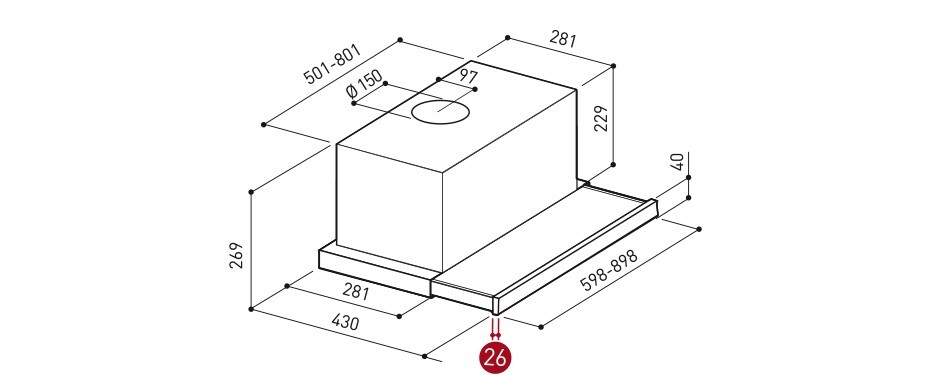
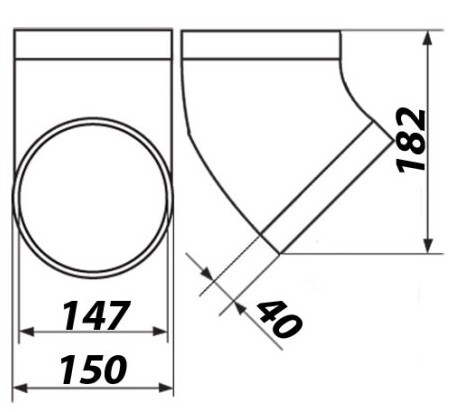
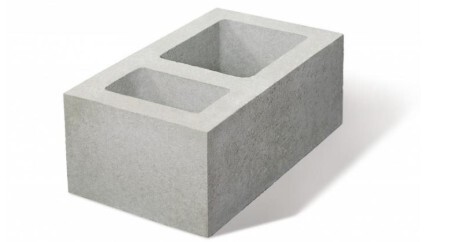

From what I have understood, the optimal solution would be a rigid PVC pipe with a diameter of 150 mm (6 inches) and 45-degree elbows. However, I believe I cannot fit two of these elbows inside the cabinet. If I install only one 90-degree elbow, the space inside the cabinet would be sufficient, but I have read that such an elbow reduces efficiency and increases noise levels.
N
nordanney6 Dec 2025 22:02geraldo85 schrieb:
The pipes should be connected to the specially designated air outlet (chimney) in the residential building. That already answers many questions.Regarding the pipe: I stick to my first answer. Flexible hose
I find it hard to imagine that during construction, a shaft made of porous or rough stone was built specifically to vent greasy exhaust air from multiple apartments up and out over the roof. In any case, a hood, for example on the ground floor, would not be capable of transporting this type of exhaust air several meters upwards. At the outlet (essentially a type of chimney) on the roof, it would likely become a greasy mess quite quickly with so many users. In my opinion, such an exhaust duct should be routed horizontally out of the building as quickly as possible.
G
geraldo856 Dec 2025 22:06nordanney schrieb:
That already answers many questions.
Regarding the pipe: I stick to my first answer. Flexible hoseMany people have told me that flexible hoses are not the best choice. That’s why I wanted to read some opinions on this topic.
geraldo85 schrieb:
I don’t think that matters in this case. Believe that in church. Everything matters if it is NOT YOUR PROPERTY.
Even if it’s true that this shaft is supposed to be a ventilation duct for range hoods.
Which I actually don’t believe! I know houses where each kitchen has its own direct exhaust outlet through the exterior wall. There are no bends or long routes. From the outside, you can clearly see the location of the kitchens. There is no shaft involved.
Maybe, due to your lack of German skills, you missed a small word or didn’t hear it properly?
G
geraldo856 Dec 2025 22:24ypg schrieb:
You can believe that in church. Everything matters as long as it is NOT YOUR PROPERTY.
Even if it is true that this shaft is supposed to be an exhaust duct for kitchen extractor hoods.
Which I do not believe, though! I know houses where each kitchen has its own direct outlet through the exterior wall. There is no bend or long route. From the outside, you can clearly see where the kitchens are. There is no duct shaft.
Maybe you missed or misunderstood a small word due to limited German skills? I really don’t understand what this has to do with the topic and why you comment on unrelated issues in several posts. The chimney is specifically for kitchen extractor hoods. The question concerns the connection pipes.
Sure. You don’t want honest opinions, but rather people who just agree with you and confirm your own view.
Here is at least a quote worth checking: "In apartment buildings, installing an exhaust hood with external ventilation is often complicated or prohibited due to building regulations, fire safety rules..." This often involves the issue of fire dampers as well, and preventing the return of odors — after all, no one on the third floor wants to smell your baked cod at night.
If it is even possible at all, you would need to install a separate exhaust duct for each apartment going upwards through the building. Just a little bit of googling will also make you more informed; for example, there is a guideline called LüAR.
But honestly, assuming you want to carry out your project properly, why not simply ask the property management or the owners? It doesn’t cost anything, and they can certainly tell you how it is regulated and done correctly, since there are likely several other users in the building.
I know that in some apartment buildings only recirculation systems are allowed, and if it’s different, the property management knows, and also how to do it properly.
What is wrong with this proper solution?
Here is at least a quote worth checking: "In apartment buildings, installing an exhaust hood with external ventilation is often complicated or prohibited due to building regulations, fire safety rules..." This often involves the issue of fire dampers as well, and preventing the return of odors — after all, no one on the third floor wants to smell your baked cod at night.
If it is even possible at all, you would need to install a separate exhaust duct for each apartment going upwards through the building. Just a little bit of googling will also make you more informed; for example, there is a guideline called LüAR.
But honestly, assuming you want to carry out your project properly, why not simply ask the property management or the owners? It doesn’t cost anything, and they can certainly tell you how it is regulated and done correctly, since there are likely several other users in the building.
I know that in some apartment buildings only recirculation systems are allowed, and if it’s different, the property management knows, and also how to do it properly.
What is wrong with this proper solution?
Similar topics