
ᐅ Connecting a Range Hood: Efficient and Quiet Venting to the Air Duct
Created on: 6 Dec 2025 18:21
G
geraldo85
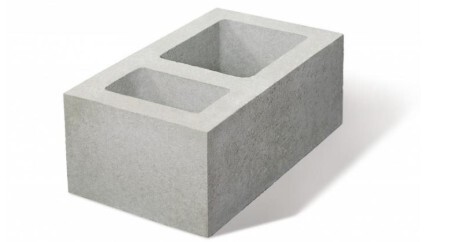
Hello, I would like someone knowledgeable to explain to me exactly how and with which pipes I should connect my range hood to the air duct (vent stack). The goal is maximum efficiency and as low noise as possible. The apartment is located in a multi-family building. The range hood is installed inside a cabinet (with a free height of about 50 cm (20 inches) above the hood, cabinet width 60 cm (24 inches)). The hood is located right next to the air duct. As far as I know, the air duct is made of concrete hollow blocks.
From what I have understood, the optimal solution would be a rigid PVC pipe with a diameter of 150 mm (6 inches) and 45-degree elbows. However, I believe I cannot fit two of these elbows inside the cabinet. If I install only one 90-degree elbow, the space inside the cabinet would be sufficient, but I have read that such an elbow reduces efficiency and increases noise levels.
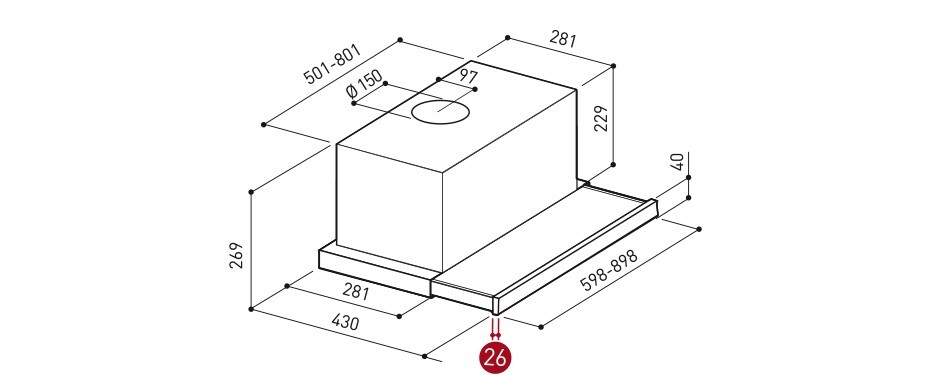
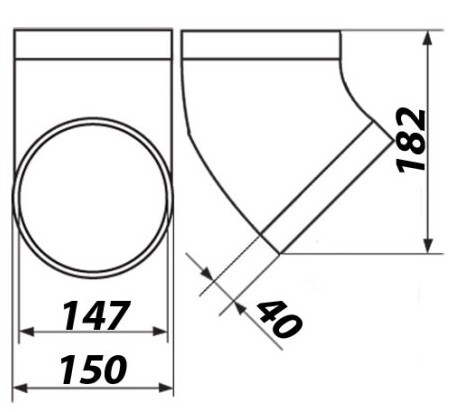

From what I have understood, the optimal solution would be a rigid PVC pipe with a diameter of 150 mm (6 inches) and 45-degree elbows. However, I believe I cannot fit two of these elbows inside the cabinet. If I install only one 90-degree elbow, the space inside the cabinet would be sufficient, but I have read that such an elbow reduces efficiency and increases noise levels.
G
geraldo856 Dec 2025 21:49Dear everyone, I have received some comments, but none of them relate to my topic. Maybe it is due to my limited German skills. The pipes are supposed to be connected to the specially designed air outlet (chimney) in the residential building. My question is how to best route the pipes to that point.
Hands off! This is illegal!
Let me be more specific!
Whatever kind of shaft this is, I rule out a chimney due to the multi-family building. Let’s assume it is a standard air duct/ventilation shaft. This shaft and also the exterior walls are strictly off limits for you. The ventilation system is operational and shared by everyone—basically for every apartment. You do not have any ownership rights to this shaft, just as you have none to the exterior wall. If you want changes, you need to address the issue either with the property owner (if you’re a tenant) or with the homeowner association (owners’ corporation).
In older buildings, external upgrades are often allowed. But if the building was constructed according to renewable energy regulations (EEG), definitely not. And keep your hands off the common property. Nobody wants to smell your kitchen fumes drifting into their unit.
geraldo85 schrieb:
how and with which pipes
Let me be more specific!
Whatever kind of shaft this is, I rule out a chimney due to the multi-family building. Let’s assume it is a standard air duct/ventilation shaft. This shaft and also the exterior walls are strictly off limits for you. The ventilation system is operational and shared by everyone—basically for every apartment. You do not have any ownership rights to this shaft, just as you have none to the exterior wall. If you want changes, you need to address the issue either with the property owner (if you’re a tenant) or with the homeowner association (owners’ corporation).
In older buildings, external upgrades are often allowed. But if the building was constructed according to renewable energy regulations (EEG), definitely not. And keep your hands off the common property. Nobody wants to smell your kitchen fumes drifting into their unit.
G
geraldo856 Dec 2025 21:52ypg schrieb:
May I ask what you mean by air shaft? Is there a chimney connected to it? You mention an apartment.
Who owns the shaft, whatever its purpose may be.
For now, I am ruling out that possibility for you. My German is not very good. I am not sure which term is correct, but I believe it does not really matter in this case. It is a column that runs from the first to the top floor. It is built of concrete blocks and is designed to house a kitchen exhaust duct.
G
geraldo856 Dec 2025 21:57ypg schrieb:
..and if that really is a chimney for a heating or combustion system: once again, hands off! That can be very dangerous.The mentioned chimney (shaft) is used exclusively to connect the residents’ kitchen extractor hoods to it.
Similar topics