
ᐅ Floor plan of a new country house in a large garden under Section 34 (including demolition)
Created on: 19 Jan 2025 18:39
M
marcoblu
Hello dear community,
Last year, we purchased a house in Brandenburg. Initially, we planned to renovate and remodel the existing building. After receiving initial quotes exceeding 500,000€ (approximately 500,000 USD), we decided to change course and are now planning a new build.
We first contacted a few prefabricated house providers, but were not satisfied with the proposed plans. So, we downloaded the app Home Design 3D and kept designing until we achieved a result we were really happy with.
We would appreciate any feedback, ideas, and criticism. Our next step is to find a suitable contractor based on the floor plan. Attached are the questionnaire and some additional thoughts behind the planning.
Zoning plan / Restrictions
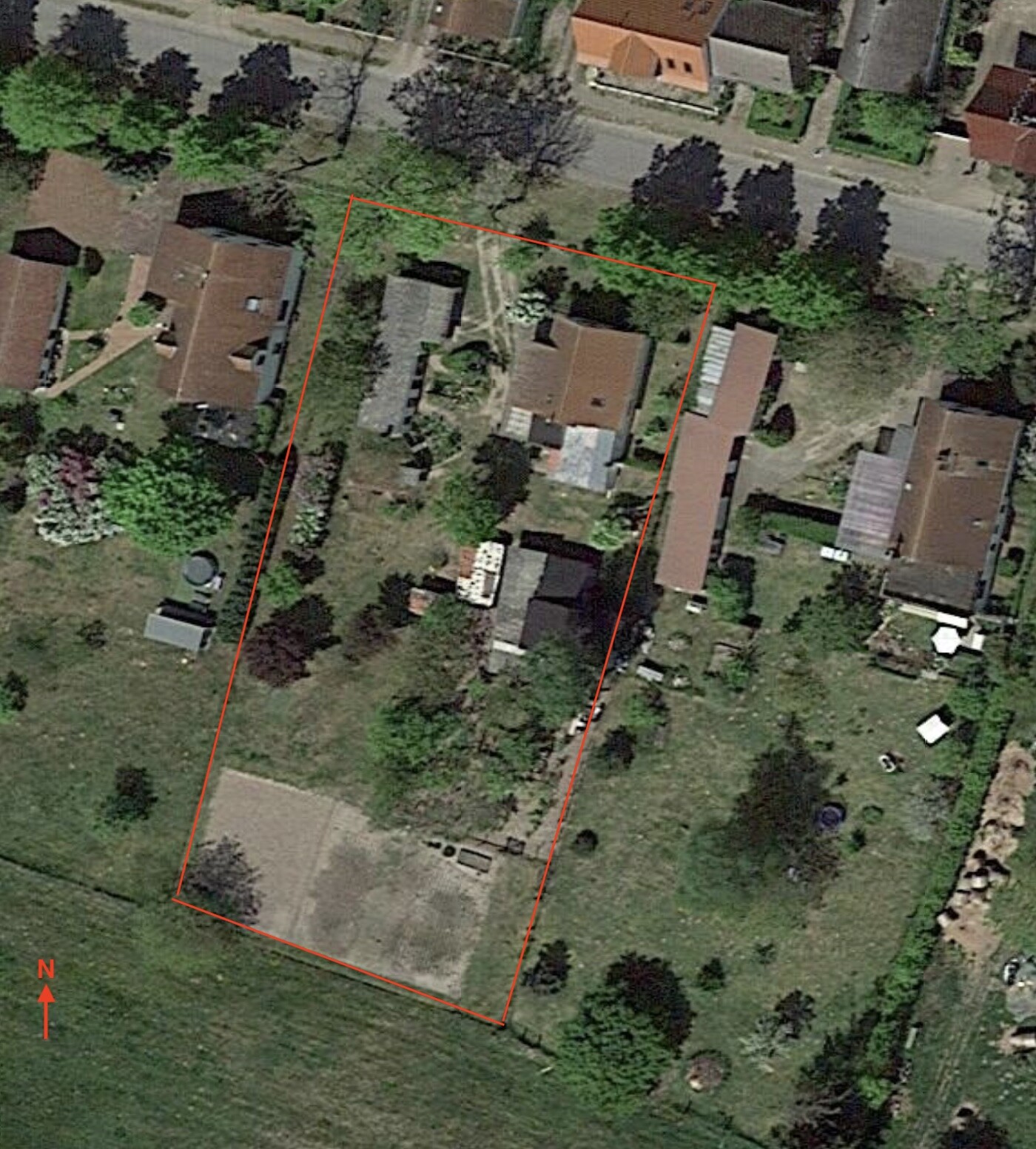
Plot size: 3000 sqm (approximately 32,000 sq ft)
Further requirements: §34, details not yet known
Client requirements
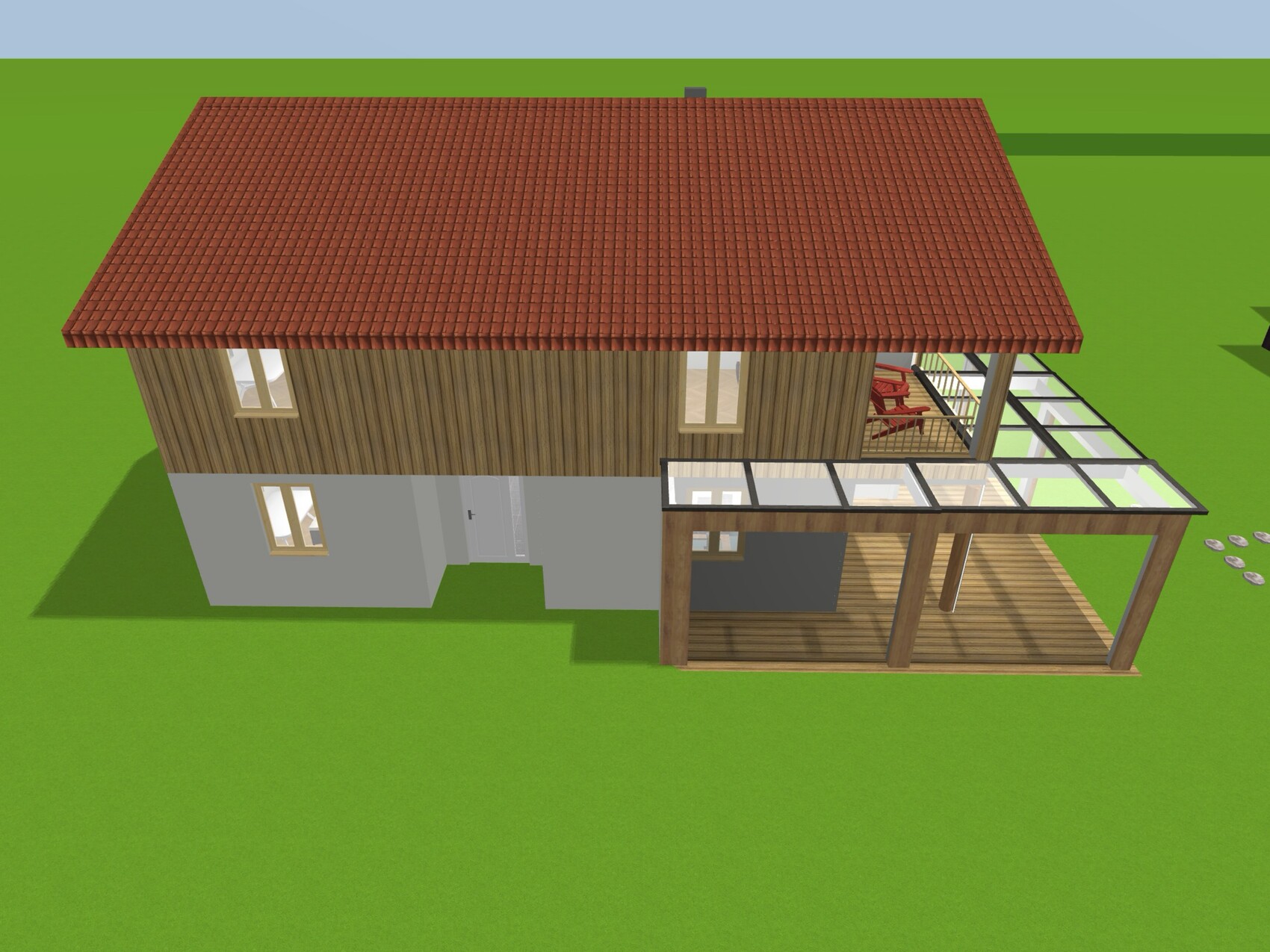
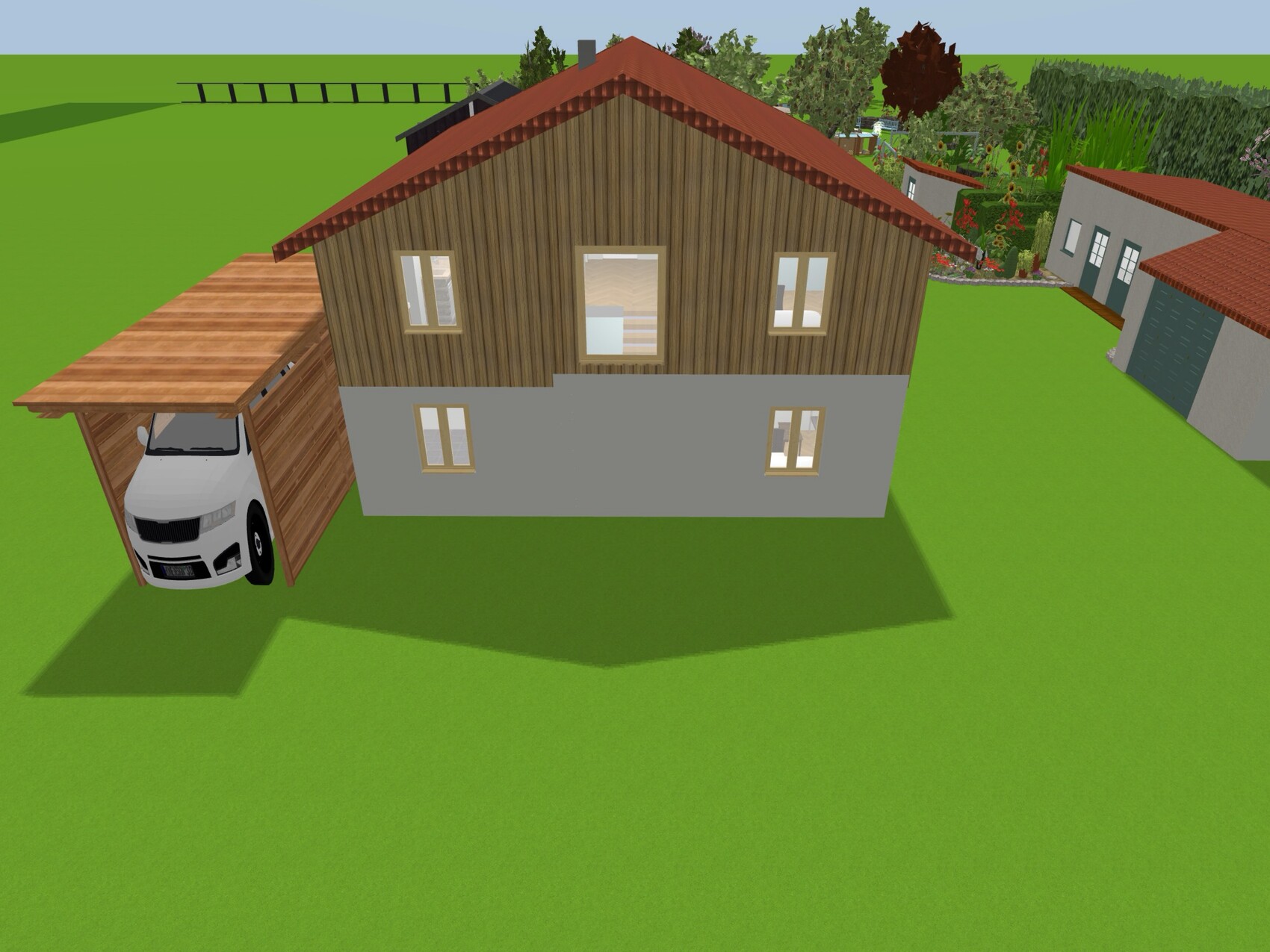
Style, roof shape, building type: rather country house style, gable roof
Basement, floors: No basement, 1.5 floors
Number of people, ages: 2 adults, 1 child, possibly +1 child
Space needs on ground and upper floors: –
Office: family use or home office? Home office
Guests per year: occasional
Open or closed layout: rather closed
Conservative or modern design: rather conservative
Open kitchen, kitchen island: closed kitchen
Number of dining seats: 6
Fireplace: yes
Music/sound wall: no
Balcony, roof terrace: balcony
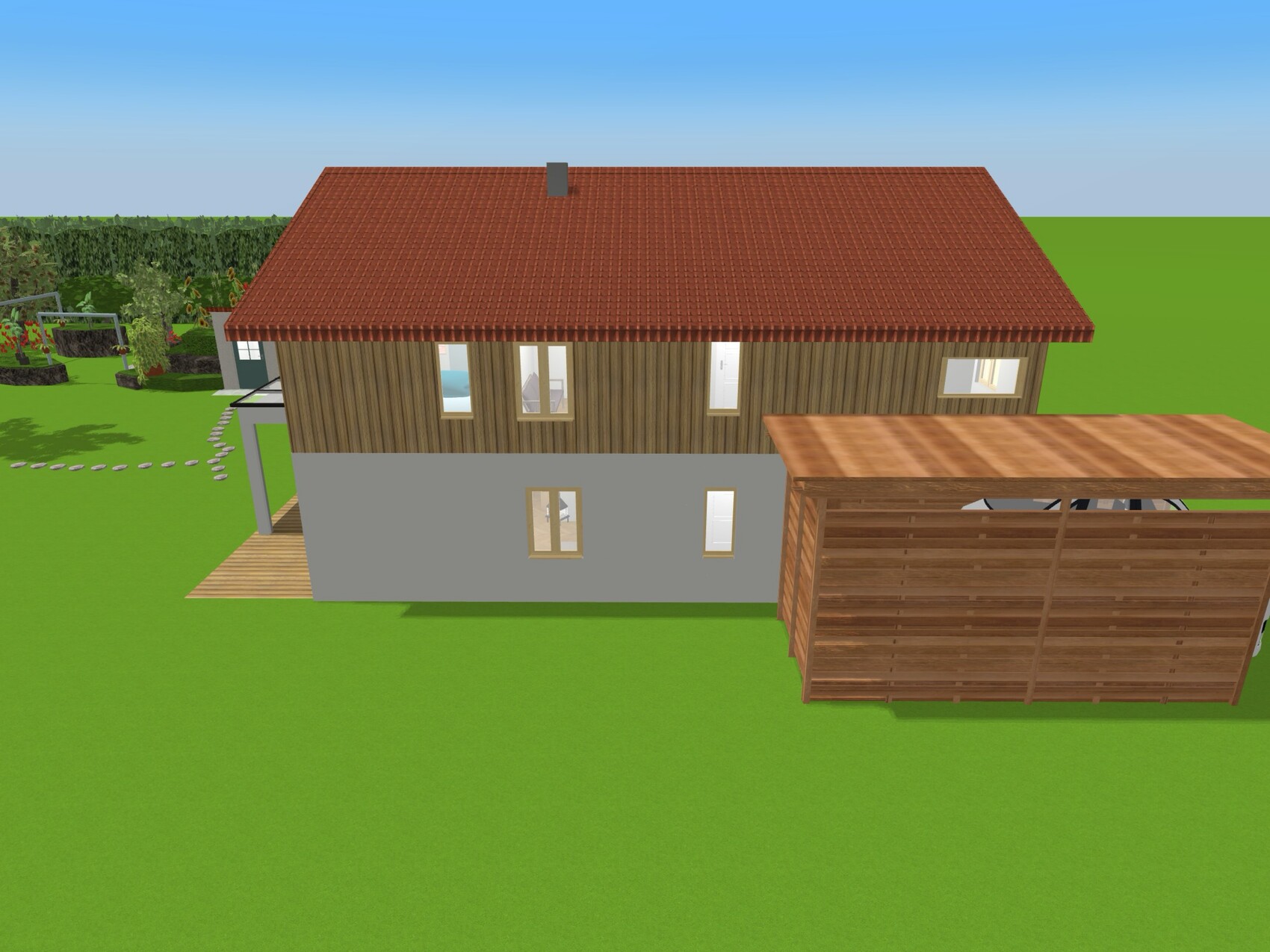
Garage, carport: existing garage stays, carport for camper
Vegetable garden, greenhouse: large garden
House design
Who created the plan: Self-designed using iPad app
- Planner from a construction company
- Architect
- Do-it-yourself
What do you like most? Why? Orientation of all main rooms to the south
What don’t you like? Why? Bedroom entrance from hallway
Estimated cost according to architect/planner: in progress
Personal price limit for the house including fixtures: 500,000€ (approximately 500,000 USD)
Preferred heating technology: heat pump
If you have to give up something, which details/features could you do without? Balcony
Which are essential? Terrace, easy access to the garden
Why is the design the way it is now?
For example, standard design from planner? We refined it until we really liked it.
Which of your wishes were realized by the architect?
A mixture of many examples from various magazines...
What makes this design particularly good or bad in your opinion?
Maximum space optimization
Additional notes from us:
General
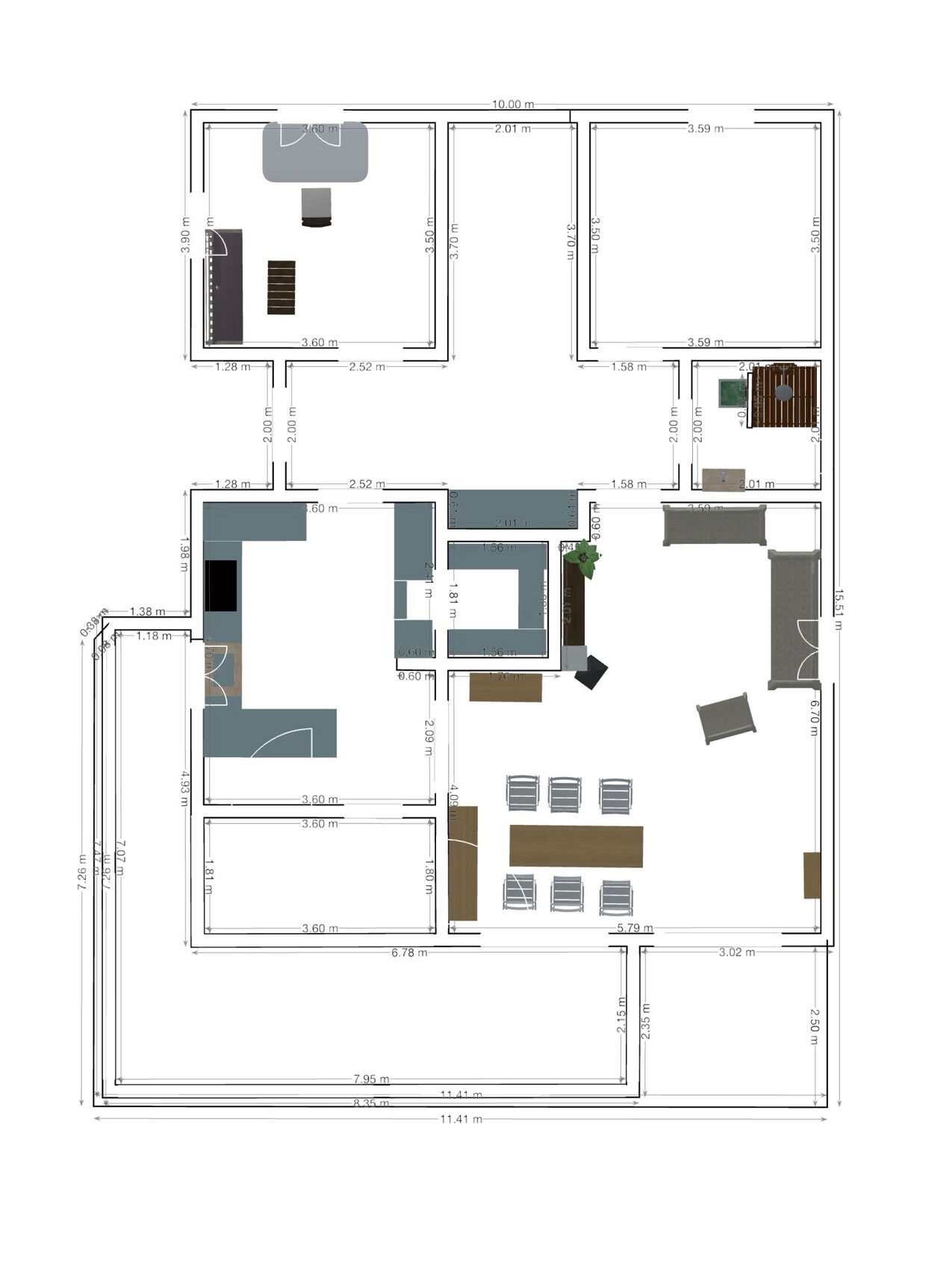
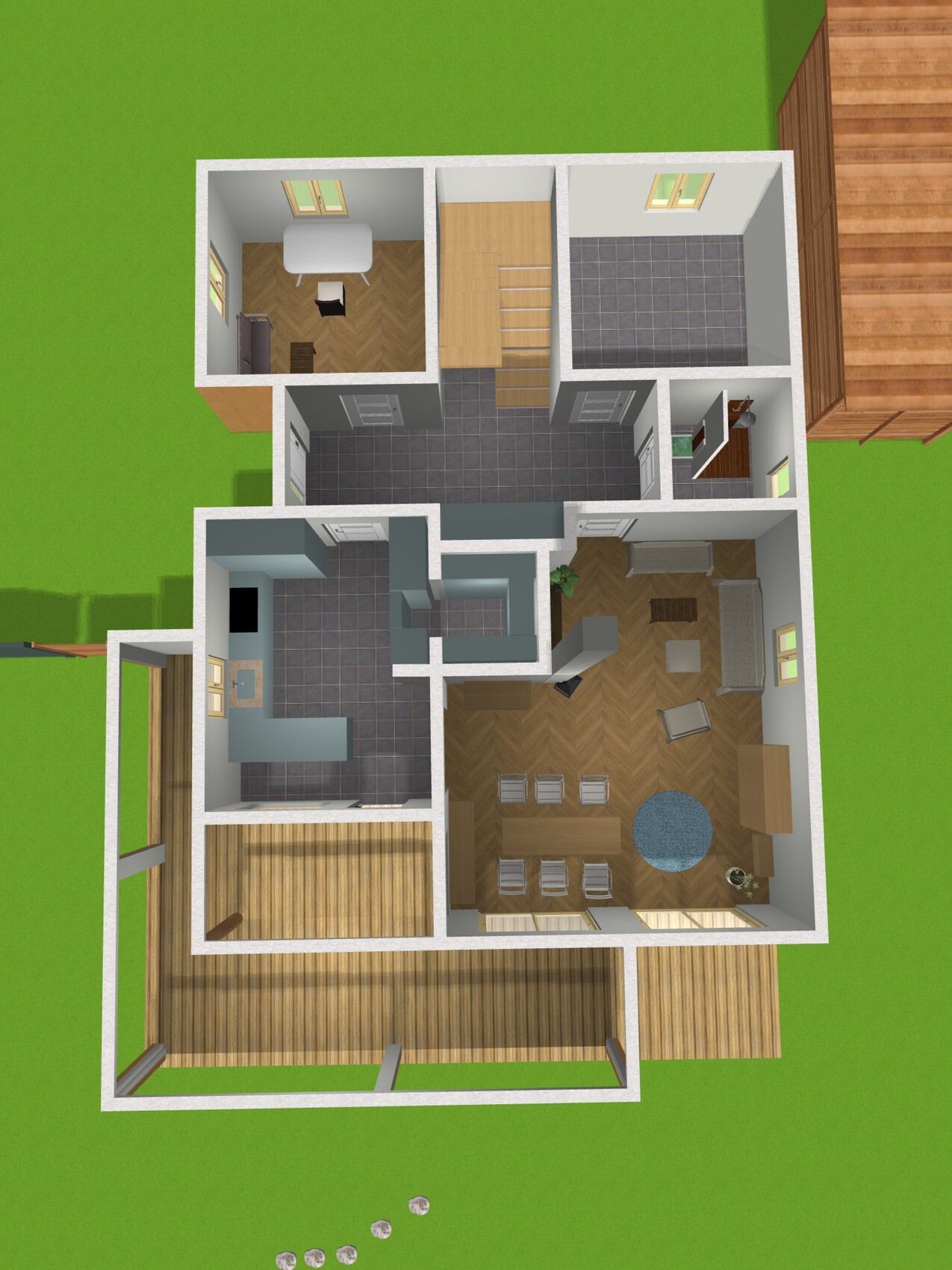
Ground Floor
General
Hallway
Utility Room
Bathroom
Kitchen
Living Room
Guest Room
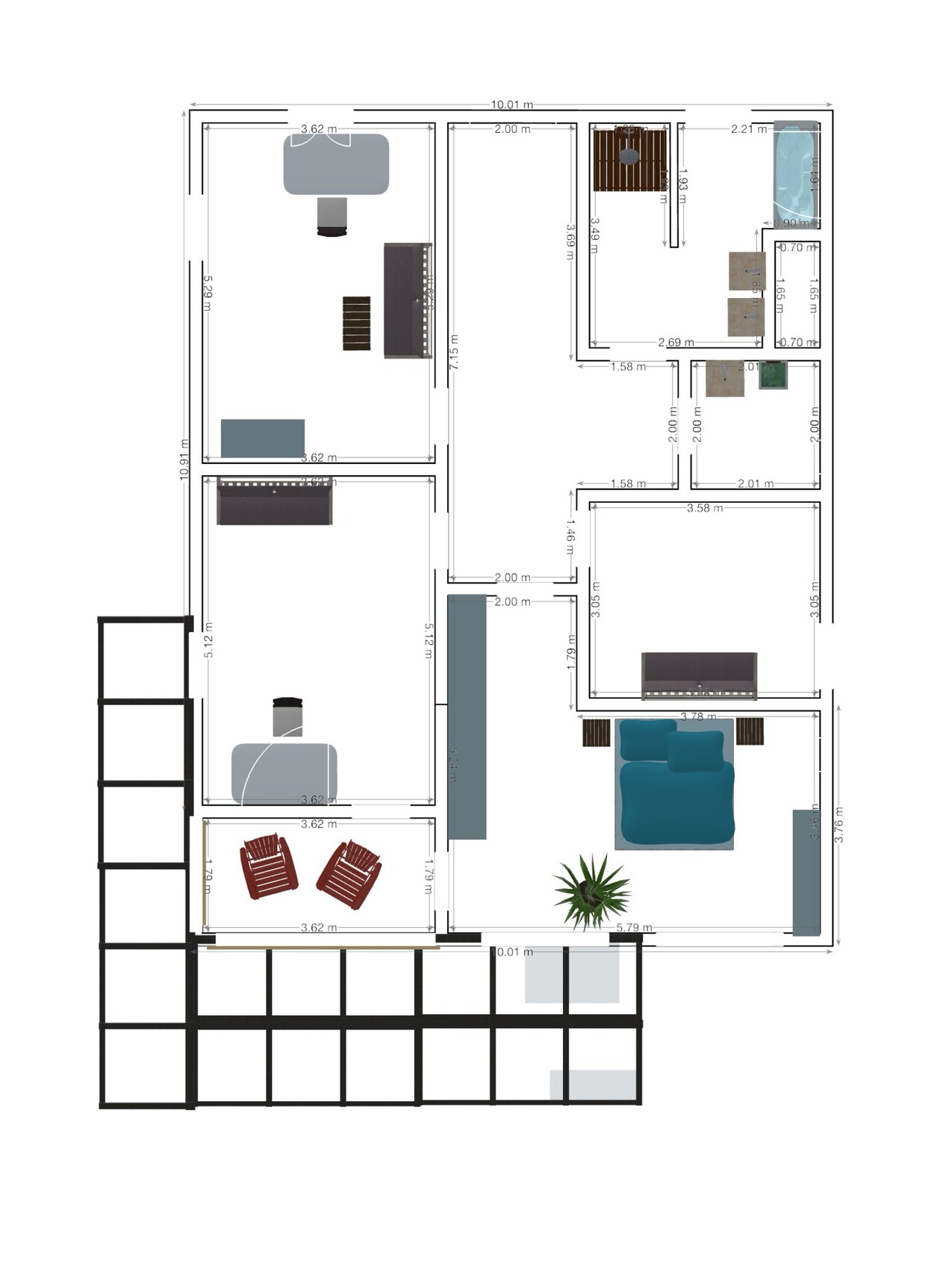
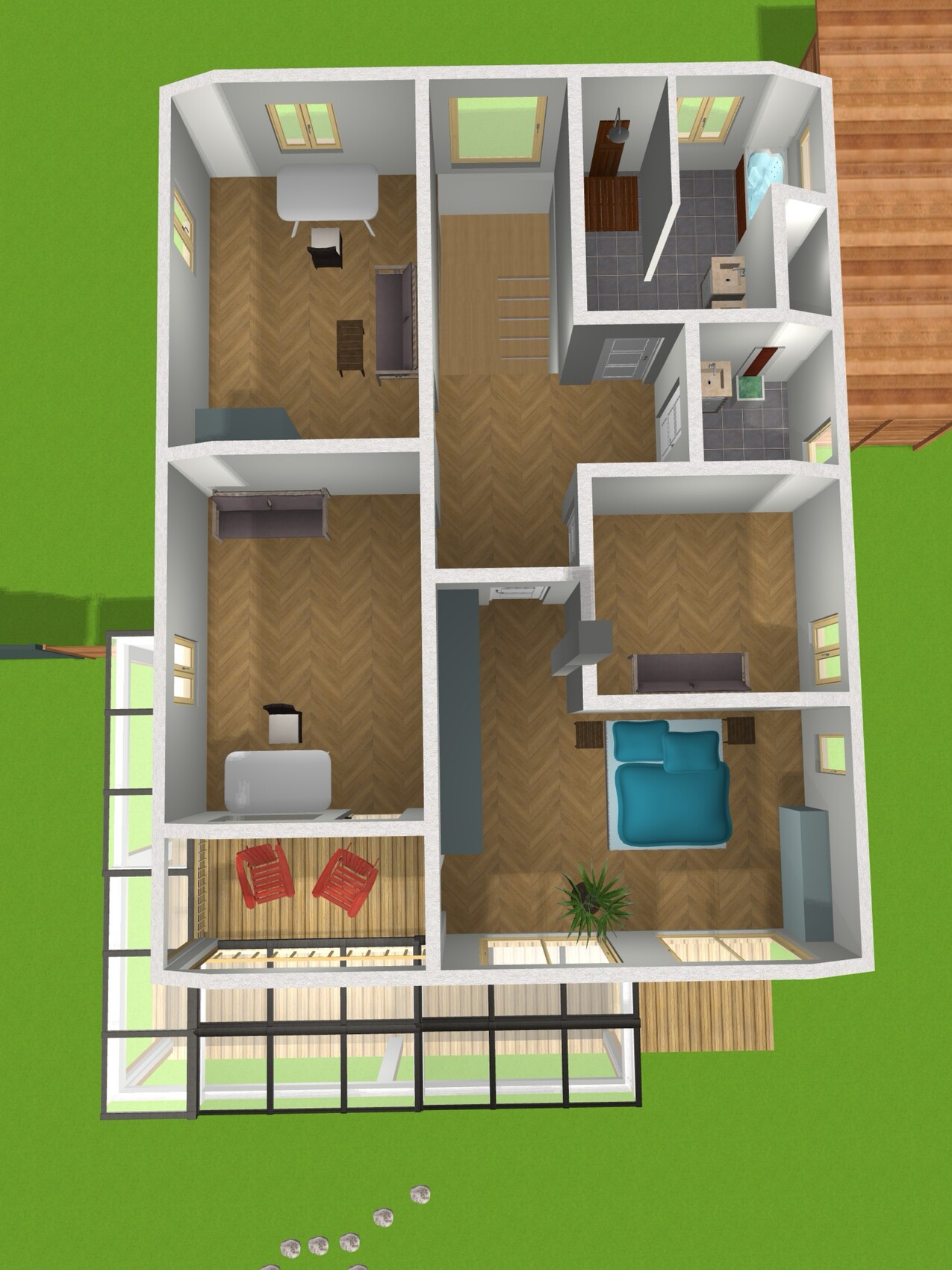
Upper Floor:
General
Bathroom
Bedroom
Study
Guest Room
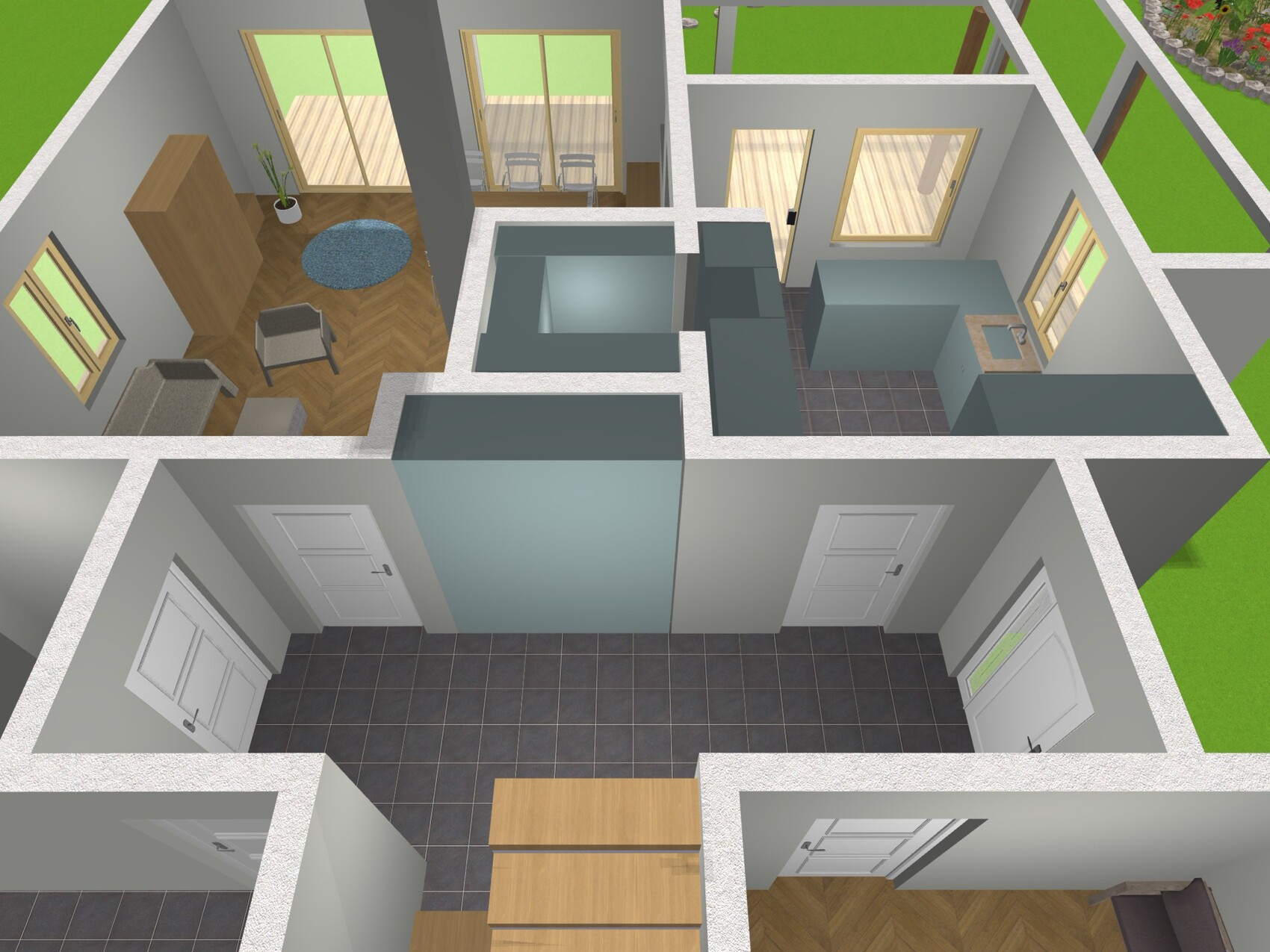
Last year, we purchased a house in Brandenburg. Initially, we planned to renovate and remodel the existing building. After receiving initial quotes exceeding 500,000€ (approximately 500,000 USD), we decided to change course and are now planning a new build.
We first contacted a few prefabricated house providers, but were not satisfied with the proposed plans. So, we downloaded the app Home Design 3D and kept designing until we achieved a result we were really happy with.
We would appreciate any feedback, ideas, and criticism. Our next step is to find a suitable contractor based on the floor plan. Attached are the questionnaire and some additional thoughts behind the planning.
Zoning plan / Restrictions
Plot size: 3000 sqm (approximately 32,000 sq ft)
Further requirements: §34, details not yet known
Client requirements
Style, roof shape, building type: rather country house style, gable roof
Basement, floors: No basement, 1.5 floors
Number of people, ages: 2 adults, 1 child, possibly +1 child
Space needs on ground and upper floors: –
Office: family use or home office? Home office
Guests per year: occasional
Open or closed layout: rather closed
Conservative or modern design: rather conservative
Open kitchen, kitchen island: closed kitchen
Number of dining seats: 6
Fireplace: yes
Music/sound wall: no
Balcony, roof terrace: balcony
Garage, carport: existing garage stays, carport for camper
Vegetable garden, greenhouse: large garden
House design
Who created the plan: Self-designed using iPad app
- Planner from a construction company
- Architect
- Do-it-yourself
What do you like most? Why? Orientation of all main rooms to the south
What don’t you like? Why? Bedroom entrance from hallway
Estimated cost according to architect/planner: in progress
Personal price limit for the house including fixtures: 500,000€ (approximately 500,000 USD)
Preferred heating technology: heat pump
If you have to give up something, which details/features could you do without? Balcony
Which are essential? Terrace, easy access to the garden
Why is the design the way it is now?
For example, standard design from planner? We refined it until we really liked it.
Which of your wishes were realized by the architect?
A mixture of many examples from various magazines...
What makes this design particularly good or bad in your opinion?
Maximum space optimization
Additional notes from us:
General
- Gable roof with east-west solar panels
- Similar to neighboring buildings
Ground Floor
General
- Wide doors on the ground floor, at least 1 m (3.3 ft) wide
- The ground floor is wheelchair accessible
- Patio roof in front of kitchen and half of the living room
Hallway
- Entrance area offers a niche for coats and shoes
- Space under the stairs usable as storage
- Stairwell and hallway on the first floor receive natural light
Utility Room
- Large utility room planned with at least 12 m² (130 sq ft)
- Northeast orientation, so the heat pump can be placed behind the carport
Bathroom
- Adjacent to the utility room
- Outdoor water tap
Kitchen
- Short walking distances:
- Kitchen accessible from entrance and dining room
- Pantry accessible through a cupboard in the kitchen
- Patio door leading from kitchen to garden
- Sliding door to separate kitchen acoustically and for odors from living room
- Small seating area in kitchen with enough space for quick meals (possible with a window seat?)
- Outdoor water tap
Living Room
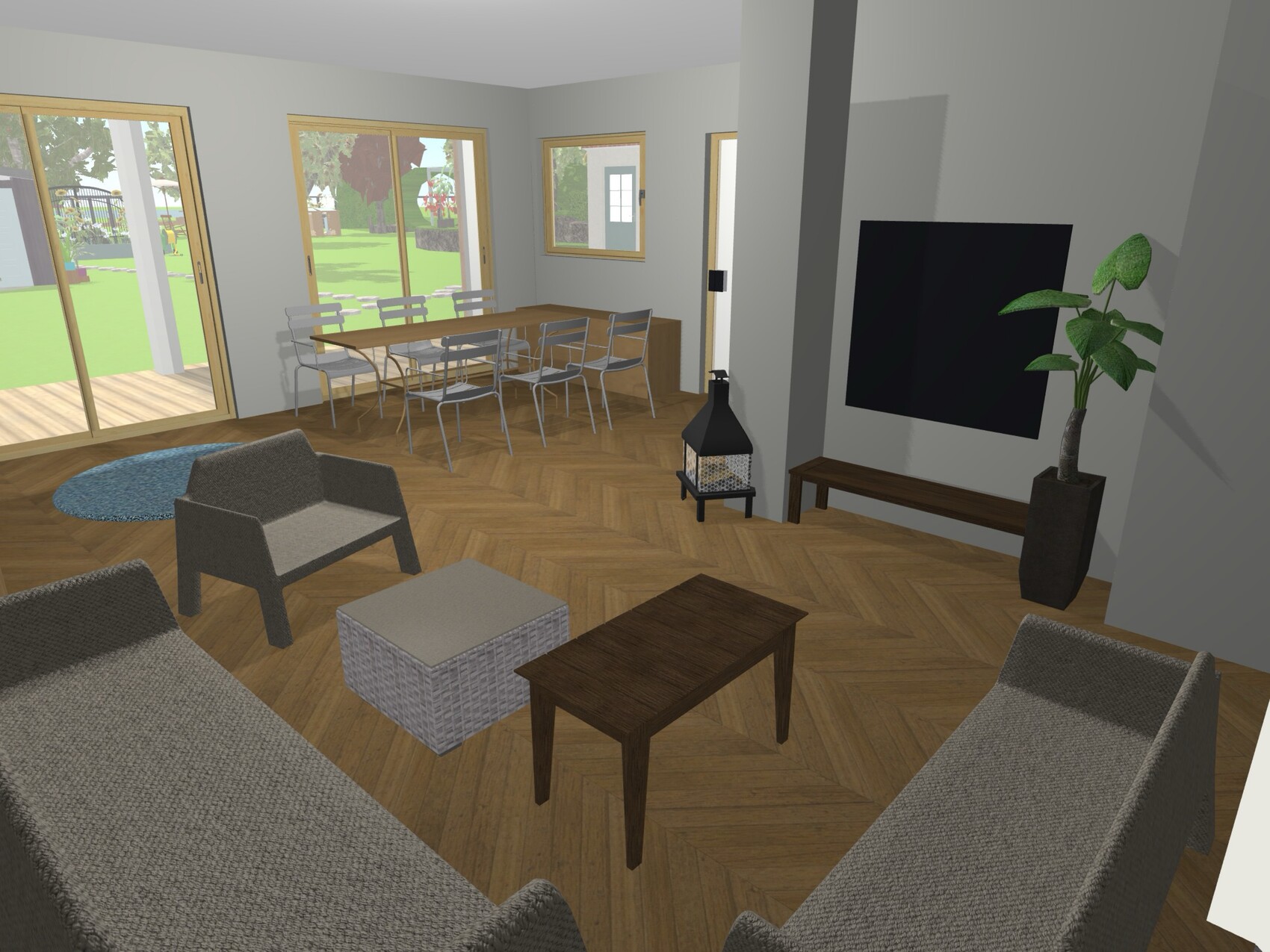
- Floor-to-ceiling windows in living and dining area
- Fireplace planned
- Space for TV in a niche
- Area for cabinets
- One lift-and-slide door
Guest Room
- Option to use as bedroom
- At least 12 m² (130 sq ft)
Upper Floor:
General
- Balcony on the first floor facing south
- Accessible from two rooms
Bathroom
- Separate toilet and bathroom
- Bathroom has a bathtub
- Built-in cabinet behind the sink
Bedroom
- Floor-to-ceiling windows in living and sleeping areas, i.e., all south-facing rooms
- Does not border directly on the toilet or bathroom
Study
- Two almost equally sized rooms on the first floor serve as studies
Guest Room
- Another room on the upper floor can be used as a guest or hobby room
Hmm, the south is probably at the bottom of the plan.
What I find problematic
What I find problematic
- Access to the terrace is either blocked by the stools at the kitchen counter or the dining table is placed in front of it.
- Guest bedroom at the top left of the plan: I would position the entrance door as far up as possible so that the wall at the bottom of the plan can be fully used for cabinets. The closet in the hallway to the left can be relocated elsewhere.
- Bathroom upstairs: when entering, you immediately face the shower wall; there is a narrow space between the shower wall and the washbasin.
- Bedroom rough construction depth is 276 cm (109 inches), so approximately 270 cm (106 inches). I usually plan 220 cm (87 inches) for a bed including the headboard. Fifty centimeters (20 inches) of space at the foot of the bed seems quite tight to me. Also, I don’t understand why there are two floor-to-ceiling windows there.
- Children’s room at the bottom left: position the entrance door as far down as possible to allow cabinets on the wall next to the staircase.
W
wiltshire10 Feb 2025 11:28@kbt09: Sometimes it’s the reminder of simple things that makes this forum so helpful. In this case, it’s your tip about closet-friendly door positioning, which helps homeowners for years without adding extra costs.
We have 60 cm (24 in) between the foot of the bed and the wall, and that’s tight. It’s okay for walking through, but cleaning with a vacuum cleaner is awkward. The floor-to-ceiling windows create the feeling of waking up more outdoors. It’s definitely something you can forgo if you’re on a very tight budget, but I think it adds a very nice personal touch to the house.
kbt09 schrieb:
Bedroom rough construction depth is 276 cm (9 ft), so roughly 270 cm (8 ft 10 in). I always factor in 220 cm (7 ft 3 in) for a bed with headboard, etc. For me, 50 cm (20 in) of space at the foot end is a bit tight. Also, I don’t quite understand why there are two floor-to-ceiling windows there.
We have 60 cm (24 in) between the foot of the bed and the wall, and that’s tight. It’s okay for walking through, but cleaning with a vacuum cleaner is awkward. The floor-to-ceiling windows create the feeling of waking up more outdoors. It’s definitely something you can forgo if you’re on a very tight budget, but I think it adds a very nice personal touch to the house.

marcoblu schrieb:
Overnight guests are indeed a very important topic for us, but in our opinion, they can be well combined with the home office requirements and the two possible children's rooms (one is definitely necessary). Could you please always label the rooms? I see two children's rooms, one bedroom, a bathroom, a walk-in closet, and an ambiguous room on the upper floor. What is the latter?
marcoblu schrieb:
We continue to work directly with the floor plan and not with a vague description of our situation because we already have a very clear idea of how large parts of the layout should be designed. I find this "we know exactly what we want" statement together with this amateur draft quite presumptuous. For example, the living/dining area is tiny. Unfortunately, the many guests expected to stay overnight with you will never be able to sit at the table with you. The bathroom is a narrow corridor that is annoying right from the entrance. The bedroom is also too narrow. On the other hand, the staircase takes up too much space.
The builders and general contractors who see this design, or have already seen it, will not advise you but will just build this mess exactly as it is. They don’t care at all that you’ll have to squeeze past the bed your whole life. Why would they? If the client orders it like this, they avoid any discussion and don’t need to hire a professional with detailed plans.
wiltshire schrieb:
We have 60cm (24 inches) between the foot of the bed and the wall, which is tight. It’s okay for just walking through, After moving in, we had boxes next to the bed for a few weeks, and only then did we realize we had just 50cm (20 inches) of space. The result was a painful broken little toe.
K a t j a schrieb:
I find this "we know exactly what we want" statement quite presumptuous when paired with this amateur design. For example, the living/dining area is tiny. Unfortunately, the many guests who are supposed to stay with you will never be able to sit at one table together. The bathroom is a narrow corridor that is annoying as soon as you enter. The bedroom is also too narrow. On the other hand, the staircase takes up too much space. But if that’s truly what they want, then it’s fine. That’s also how construction companies think.
ypg schrieb:
But if they really want it that way, that’s fine. That’s also how many construction companies think. I would recommend finding a trusted person with experience to advise you during the build. It should not be someone who makes money from you, but maybe a friend or relative.
ypg schrieb:
...if you only have €500,000 available. Have the costs for demolition and disposal of the existing structure been calculated yet? What’s the plan regarding that? Did I miss something?

K a t j a schrieb:
Have the costs for demolition and disposal of the existing structure already been calculated? What is the plan for that? Did I miss something? The basement or foundation of an existing building has a condition that should be examined. That way, you at least get a preview of the cover sheet of a geotechnical report. The worst-case scenario is that the foundation turns out to be very expensive—or the basement might at least serve as a storage and utility room. Demolition is never free, and deep demolition even less so.
K a t j a schrieb:
I would recommend finding a trusted person with experience to advise you during construction. It shouldn’t be someone who profits from you, but perhaps a friend or relative. Gaining and maintaining expertise costs money and time. Do you expect me to drive a taxi on the side just to offer my services as a freelance construction advisor free of charge? Beyond my open consultations in forums, I cannot provide that, and I don’t know any colleagues who work pro bono. The myths come mainly from family, friends, and fools—claims that solid masonry houses are more durable, prefab houses are faster, general contractors pass on mixed calculations and volume discounts, heavier structures provide the best sound insulation, and other persistent nonsense. Do these myths really help anyone seeking advice?
Should the original poster then try to solve one problem with another worse one (e.g., buying L-shaped blocks at the price of a basement) or build a bungalow just to avoid the costs of a staircase?
https://www.instagram.com/11antgmxde/
https://www.linkedin.com/company/bauen-jetzt/
Similar topics