
Hello,
I have purchased an older house (built in 1984) and am currently renovating it. The attic is being converted into living space and will be insulated.
The current roof structure is:
- Roof tiles
- Roofing felt
- Profiled wood boards
- Rafters (16cm) (6.3 inches)
My plan is to use Isover ZKF 1-032 insulation, 16 cm (6.3 inches) thick, fitted between the rafters, then install a vapor retarder, followed by counter battens to fix the drywall panels.
Is this approach feasible?
It is a bungalow with a hipped roof (45°) and roughly 180 m² (1,938 sq ft) of roof area.
No work will be done on the exterior of the roof except for new roof windows.
I am open to any ideas or suggestions.
Thank you
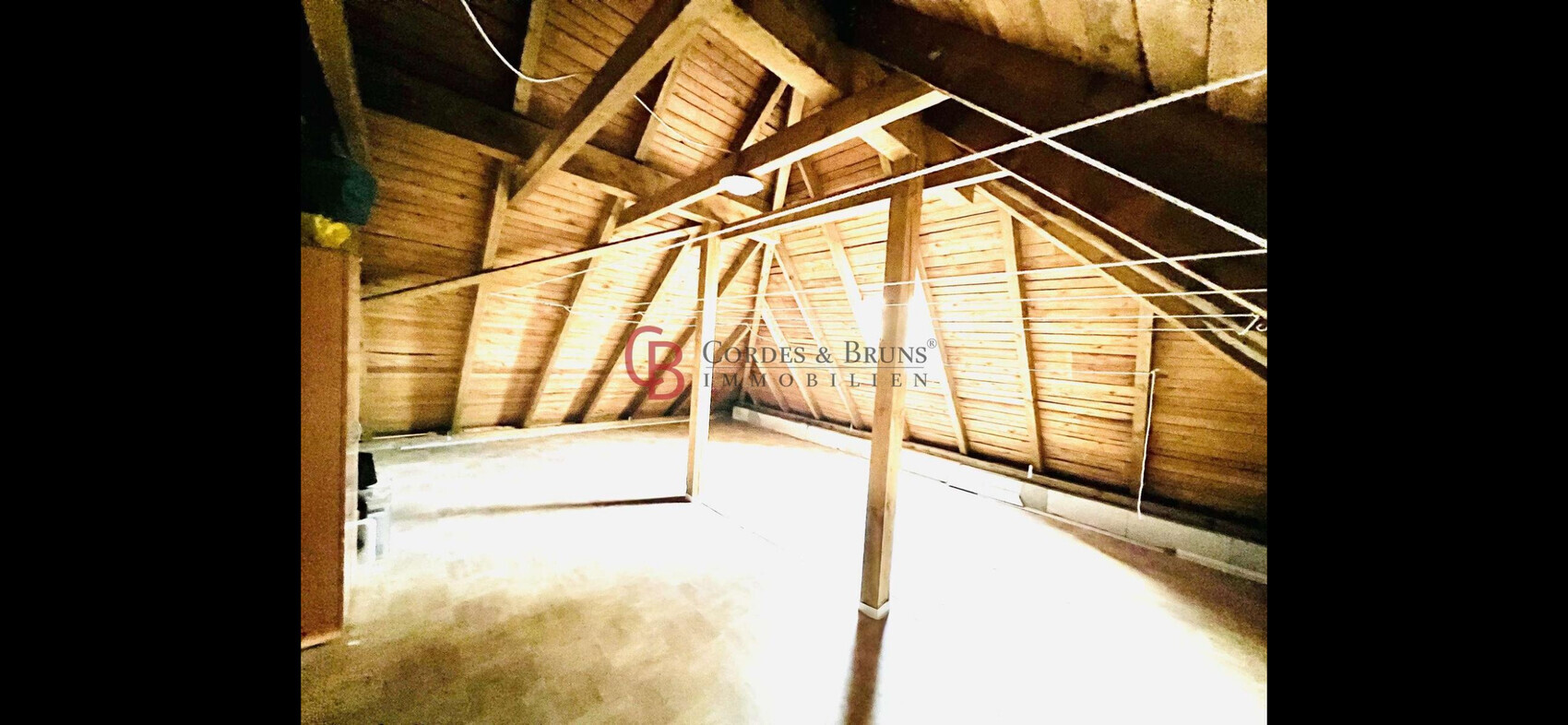
I have purchased an older house (built in 1984) and am currently renovating it. The attic is being converted into living space and will be insulated.
The current roof structure is:
- Roof tiles
- Roofing felt
- Profiled wood boards
- Rafters (16cm) (6.3 inches)
My plan is to use Isover ZKF 1-032 insulation, 16 cm (6.3 inches) thick, fitted between the rafters, then install a vapor retarder, followed by counter battens to fix the drywall panels.
Is this approach feasible?
It is a bungalow with a hipped roof (45°) and roughly 180 m² (1,938 sq ft) of roof area.
No work will be done on the exterior of the roof except for new roof windows.
I am open to any ideas or suggestions.
Thank you
nordanney schrieb:
Nevertheless, you have to assume that water will accumulate on the outside and eventually cause rot...Does that mean I shouldn’t insulate from the inside?
Or what would be the alternative to this construction? The roof tiles are still in good condition.
N
nordanney2 Jan 2025 13:41Celo318 schrieb:
Does that mean I’m not allowed to insulate from the inside?
Or what would be the alternative to this setup? The roof tiles are still fine. I would suggest consulting a professional for the configuration. A ventilated cavity might be a good option. At least that way, moisture won’t be detected anywhere anymore.
nordanney schrieb:
I would have a professional configure it. A ventilated cavity might be useful. At least this way, no moisture will accumulate anywhere anymore. I’m now wondering how the ventilated cavity is supposed to be implemented.
Thanks for your answers.