
ᐅ Parquet flooring installed with numerous small holes (woodworm)
Created on: 11 Dec 2024 10:51
H
haeusle-in-bw
Hello everyone,
We bought a house and had 120 sqm (1,292 sq ft) of new hardwood flooring (Joka country-style oak planks with knots) professionally installed by a flooring specialist. The flooring looks really beautiful and was expertly glued down, but over the past few weeks, on closer inspection, we noticed that a large portion of the planks have small holes in the wood, similar to those caused by woodworm damage. Some of the holes are filled with putty, while others are not.
I assume that some of the holes are too small to have been detected and filled during the machine-based puttying process. So: I don’t believe there is any active woodworm present (we haven’t seen any beetles, frass, and the planks were treated by the supplier anyway). However, it seems likely that woodworm was once present, and I’m quite bothered by the number of holes. Dirt can get in everywhere. Of course, we paid a significant amount of money for these 120 sqm (1,292 sq ft) of new hardwood flooring! About half of the planks are affected.
Therefore, my question is: is this considered a defect that we are justified in complaining about? Or is this within the acceptable range of “tolerances” or “natural imperfections”?
If yes, should we address this with the flooring installer or directly with Joka?
I look forward to hearing your opinions.
Best regards
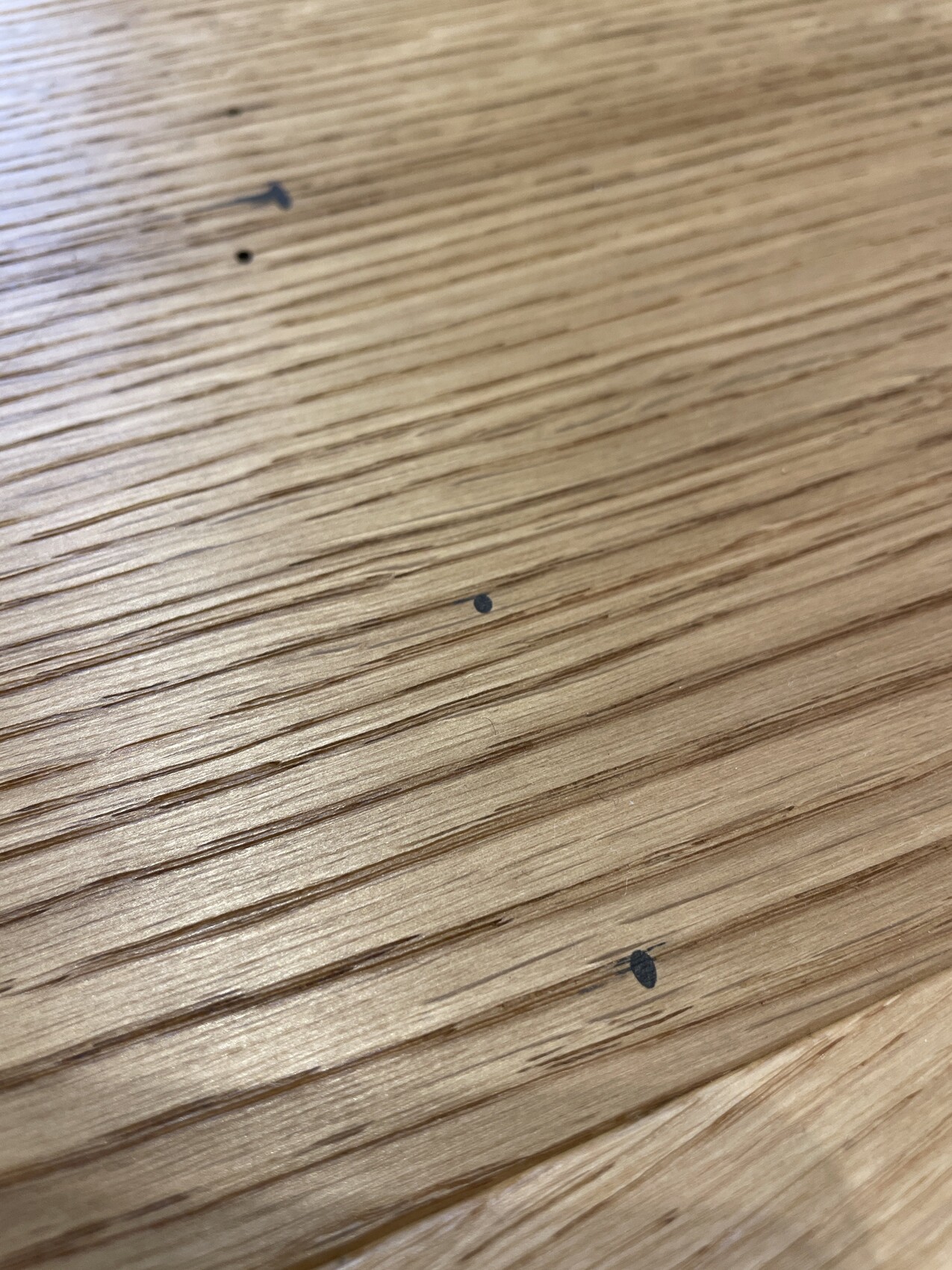
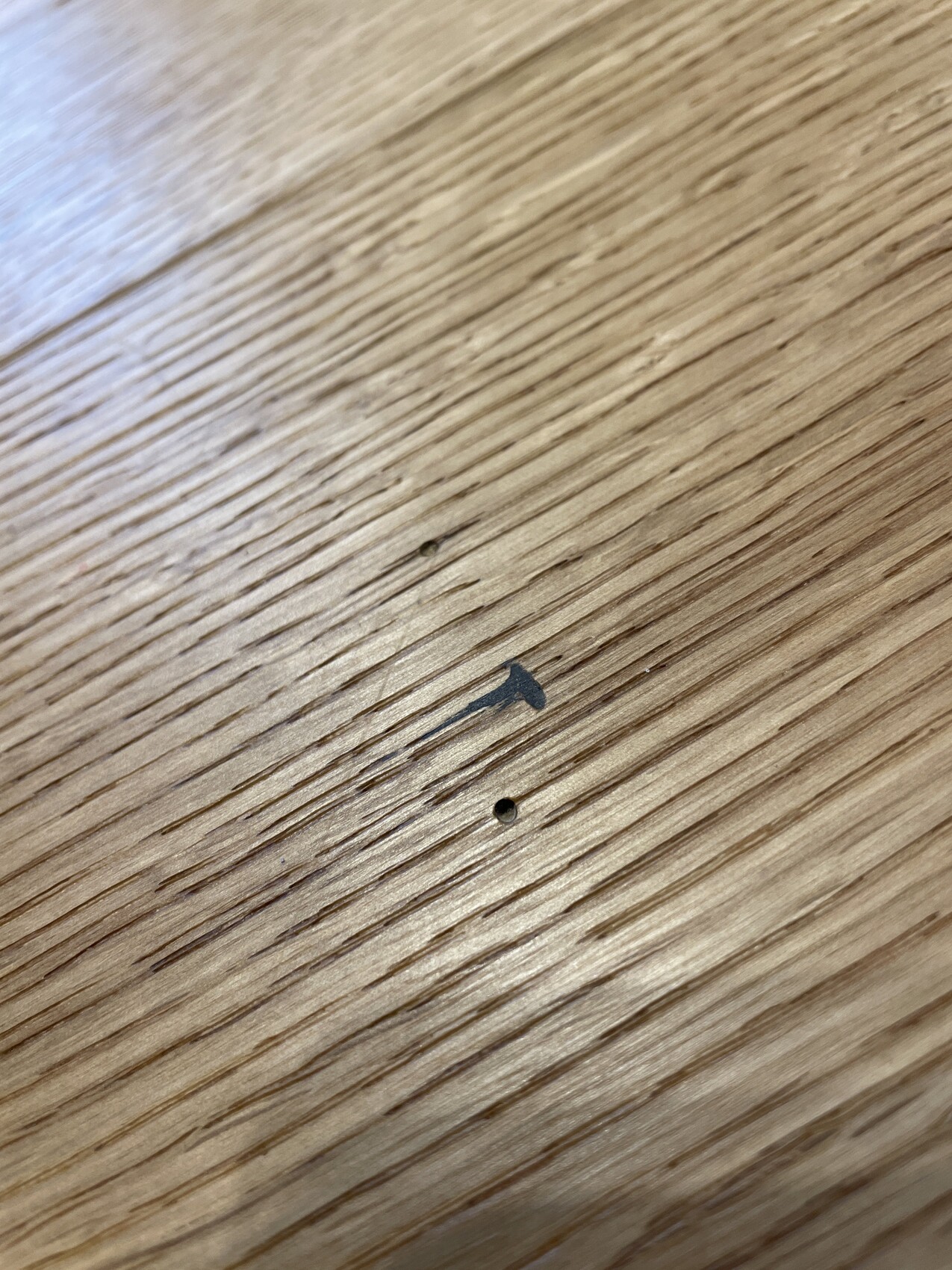

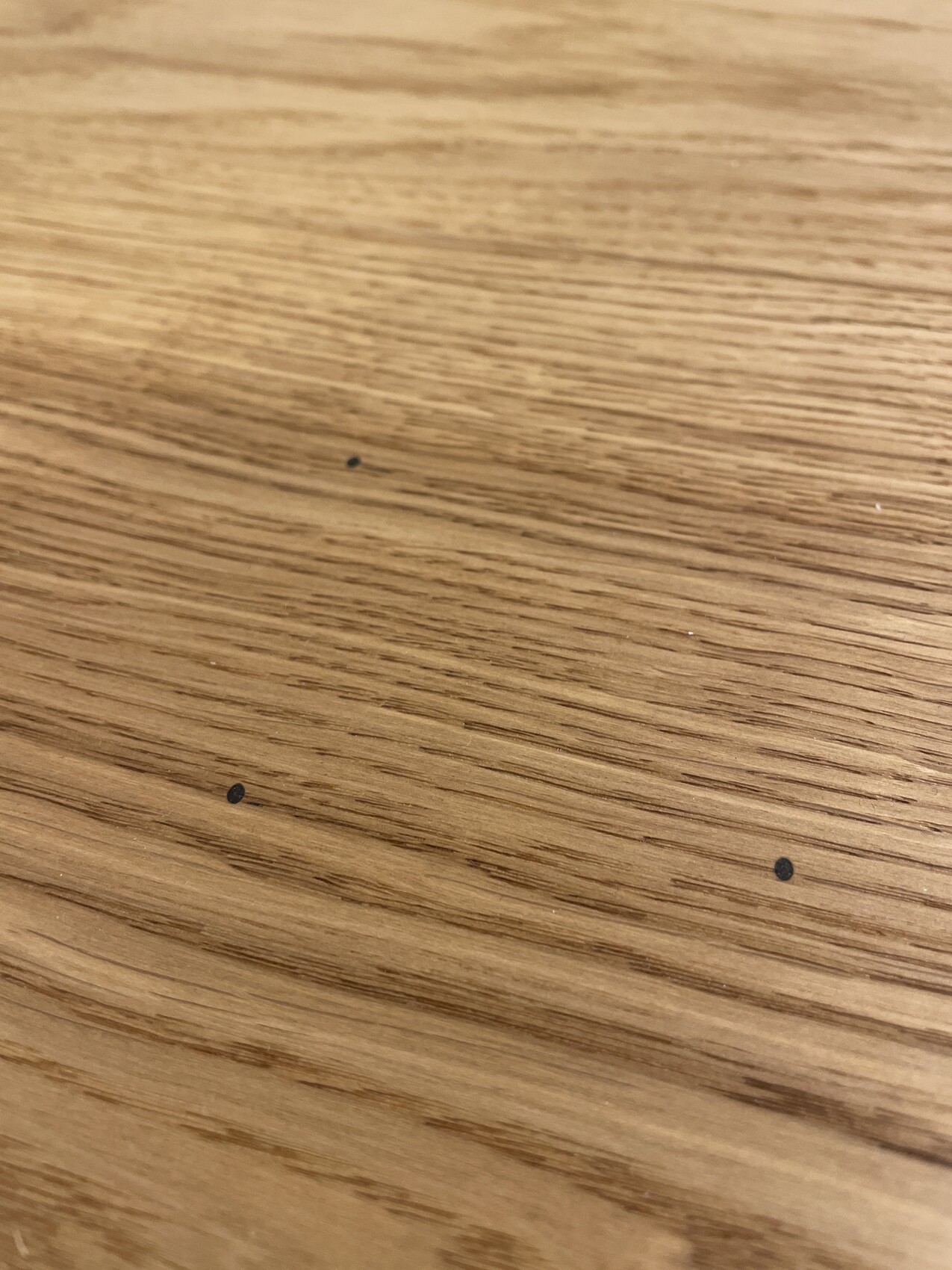
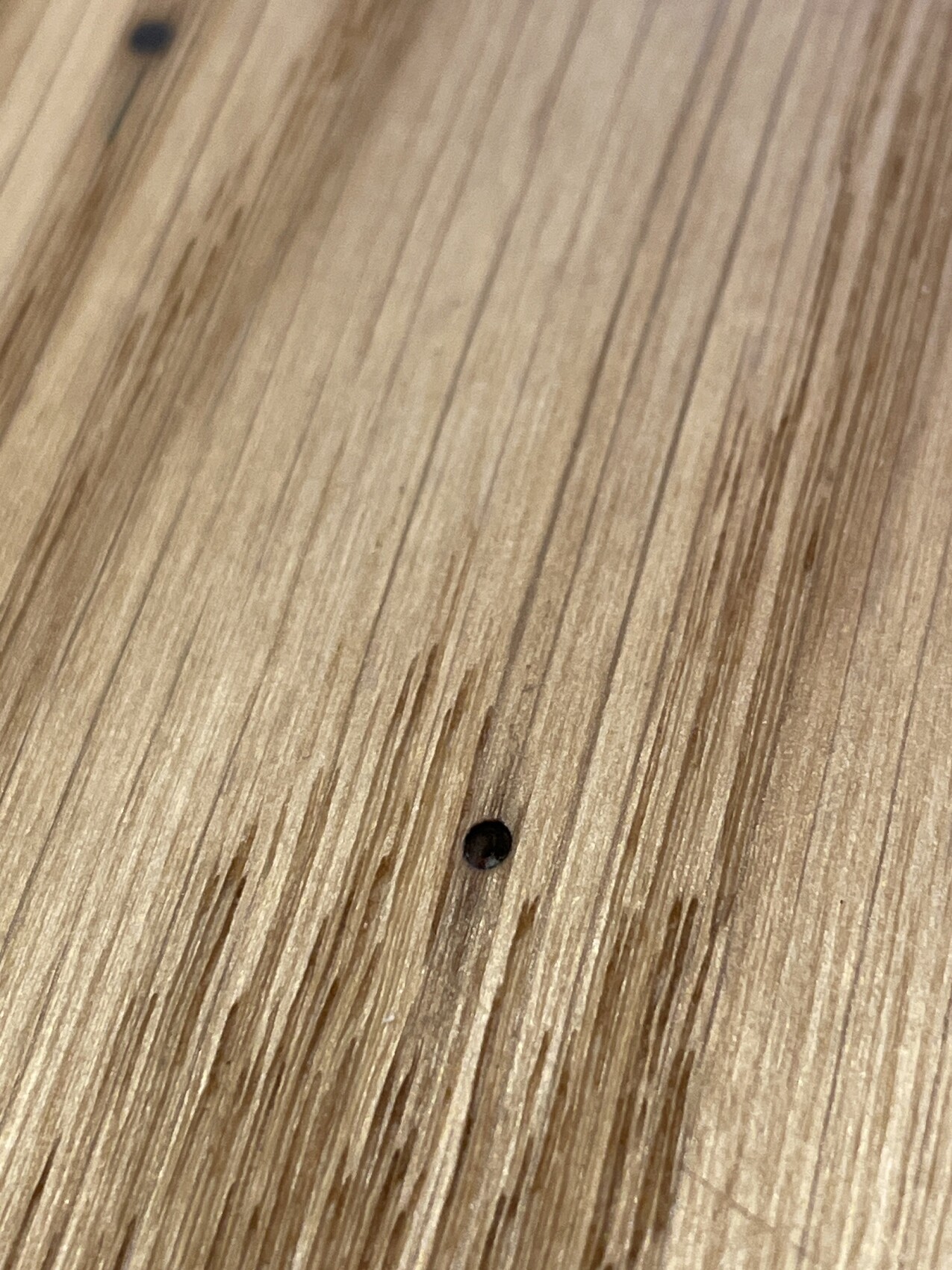
We bought a house and had 120 sqm (1,292 sq ft) of new hardwood flooring (Joka country-style oak planks with knots) professionally installed by a flooring specialist. The flooring looks really beautiful and was expertly glued down, but over the past few weeks, on closer inspection, we noticed that a large portion of the planks have small holes in the wood, similar to those caused by woodworm damage. Some of the holes are filled with putty, while others are not.
I assume that some of the holes are too small to have been detected and filled during the machine-based puttying process. So: I don’t believe there is any active woodworm present (we haven’t seen any beetles, frass, and the planks were treated by the supplier anyway). However, it seems likely that woodworm was once present, and I’m quite bothered by the number of holes. Dirt can get in everywhere. Of course, we paid a significant amount of money for these 120 sqm (1,292 sq ft) of new hardwood flooring! About half of the planks are affected.
Therefore, my question is: is this considered a defect that we are justified in complaining about? Or is this within the acceptable range of “tolerances” or “natural imperfections”?
If yes, should we address this with the flooring installer or directly with Joka?
I look forward to hearing your opinions.
Best regards

KlaRa schrieb:
Such hole-like appearances are neither considered acceptable in the regulations nor acceptable for aesthetic reasons. So, you believe that the datasheet, in terms of its function as an agreement on quality, is invalid / ineffective, and although customers have implicitly accepted it by “purchasing despite reading,” they could still claim this as a defect because it does not comply with standards?
https://www.instagram.com/11antgmxde/
https://www.linkedin.com/company/bauen-jetzt/

Whether an agreement is valid or invalid should be decided by legal experts, as this is a legal matter. However, it is correct that – as long as a product data sheet was provided before the purchase – these hole-like appearances characterize the product. This also means that the end consumer accepted these conditions. Consequently, any intended complaint regarding defects will be unsuccessful and must fail. Therefore, my advice is to save your energy and focus it where success is likely. In the case of self-commissioning, this means removing the features by using a hard wax that is color-matched to the parquet surface. This should answer the question from "11ant."
M
MachsSelbst20 Dec 2024 13:40Singelküche schrieb:
An untrained buyer basically has no chance of noticing this in the showroom. The salesperson doesn’t mention a word, and the buyer has completely different concerns—wife complaining, child crying, prices, and so on. They only display sample surfaces without woodworm holes. Most people probably don’t even know something like this exists.
The original poster still likes it anyway Yes, but it’s not the salesperson’s problem if the children fuss or the wife is annoyed.
It is more a sign of a certain naivety. Sometimes it feels like choosing a razor or toothbrush involves more research from the buyer than selecting parquet flooring for several thousand euros.
And I don’t want to exclude myself here. In my shower, the floor tiles could easily have a wear rating one class higher. I only became aware of this after I tiled the utility room with R10-rated tiles. In the shower, the tiles are rated R9...
MachsSelbst schrieb:
In my shower, there are floor tiles that could definitely have a higher slip resistance rating.Please forgive me: Tiles with a specified R-rating are not suitable for wet areas. R-ratings apply to work areas where there is a risk of floors becoming slippery due to contaminants. In these cases, the test surface is walked on with work shoes (which is unusual in showers).
For showers and swimming pools, the requirements for "wet barefoot areas" apply.
These are regulated by the relevant guideline of the statutory accident insurance.
Under section 2.1 Slip Resistance, rating groups A to C are specified.
In showers, ceramic tiles and slabs fall under rating group A (not R9 or others).
Sorry, just wanted to share this information as a side note.
M
MachsSelbst20 Dec 2024 14:14Good to know, because both tile installers, tile consultants, and a good friend who is a tile installer always talk about R-ratings.
But it doesn’t change the result. I didn’t do my own research, relied on their advice, and now the shower floor is quite slippery.
But that's my problem—I had the tiles in my hands myself.
But it doesn’t change the result. I didn’t do my own research, relied on their advice, and now the shower floor is quite slippery.
But that's my problem—I had the tiles in my hands myself.

11ant schrieb:
So, you consider the data sheet invalid or ineffective as an agreement on quality, and although customers have implicitly accepted this by “buying despite having read it,” they could still claim it as a defect because it does not comply with standards?KlaRa schrieb:
Whether an agreement is valid or invalid is for lawyers to decide. After all, that is a legal question!I have to admit, looking at the data sheet, I wonder how far we have already declined. Wormholes in the parquet flooring—did these even exist 20 years ago? In my family, we work a lot with wood, and I was brought up with the understanding that wormwood is considered waste. Professional repair of such holes was at most an issue with existing furniture (or roofs) where a little creature had recently settled in. But the fact that this is now offered from the outset shows me that quality no longer matters to many. Somehow, I also see this as a disregard for the craftsmen’s work. No matter how perfectly they work, it still amounts to shoddy work.Whether this is legally acceptable would probably come down to the price in the end. However, I find it hard to imagine that anything beyond professional repairs could be demanded. What would someone sue for here? Poor advice? No one was deceived, nothing was deliberately concealed, and presumably this is still within the range of common practice and reasonable expectations. I can’t think of anything else.
Similar topics