
ᐅ Renovation and Floor Plan Design – Existing Building Constructed in 1986
Created on: 13 May 2024 11:10
J
jaeppi9xHello everyone,
we are currently about to purchase a detached single-family house in a quiet, family-friendly residential area. Additionally, the renovation and remodeling is a special challenge to create an open family living concept, which temporarily allows renting out the upper floor or using it as a holiday apartment for about 5 years.
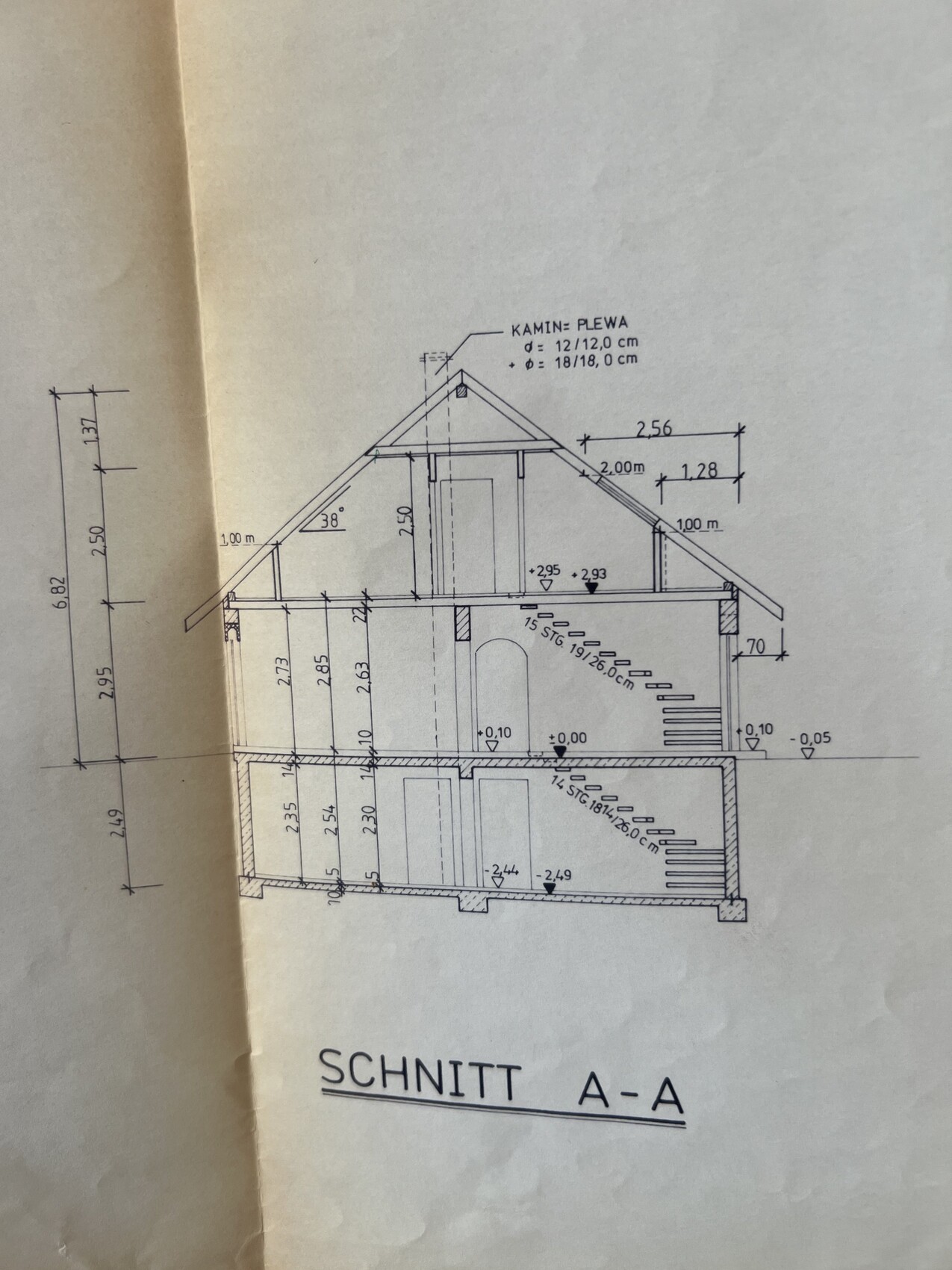
The most important aspect here is the balance between practical and modern open design on the ground floor as well as the upper floor. On the ground floor, this is already partially achieved through the open extension. In contrast, the attic presents major challenges, which should be solved by installing dormers (would raising the roof be an option?) to gain more living space here as well. Unfortunately, no knee wall was built at the time of construction, and the sloping ceilings strongly restrict the rooms.
Currently, there is underfloor heating in the extension, which should be extended to the entire living area except for the bathroom that was renovated in 2015.
The basement is intended for functional use, and no modifications are initially planned. The oil heating system from 1986 installed there is to be replaced by a heat pump in the future.
We look forward to your feedback and valuable ideas for the design, as we are concerned about overlooking something important that could have been done much better.
Attached:
- Floor plans: basement, ground floor, attic
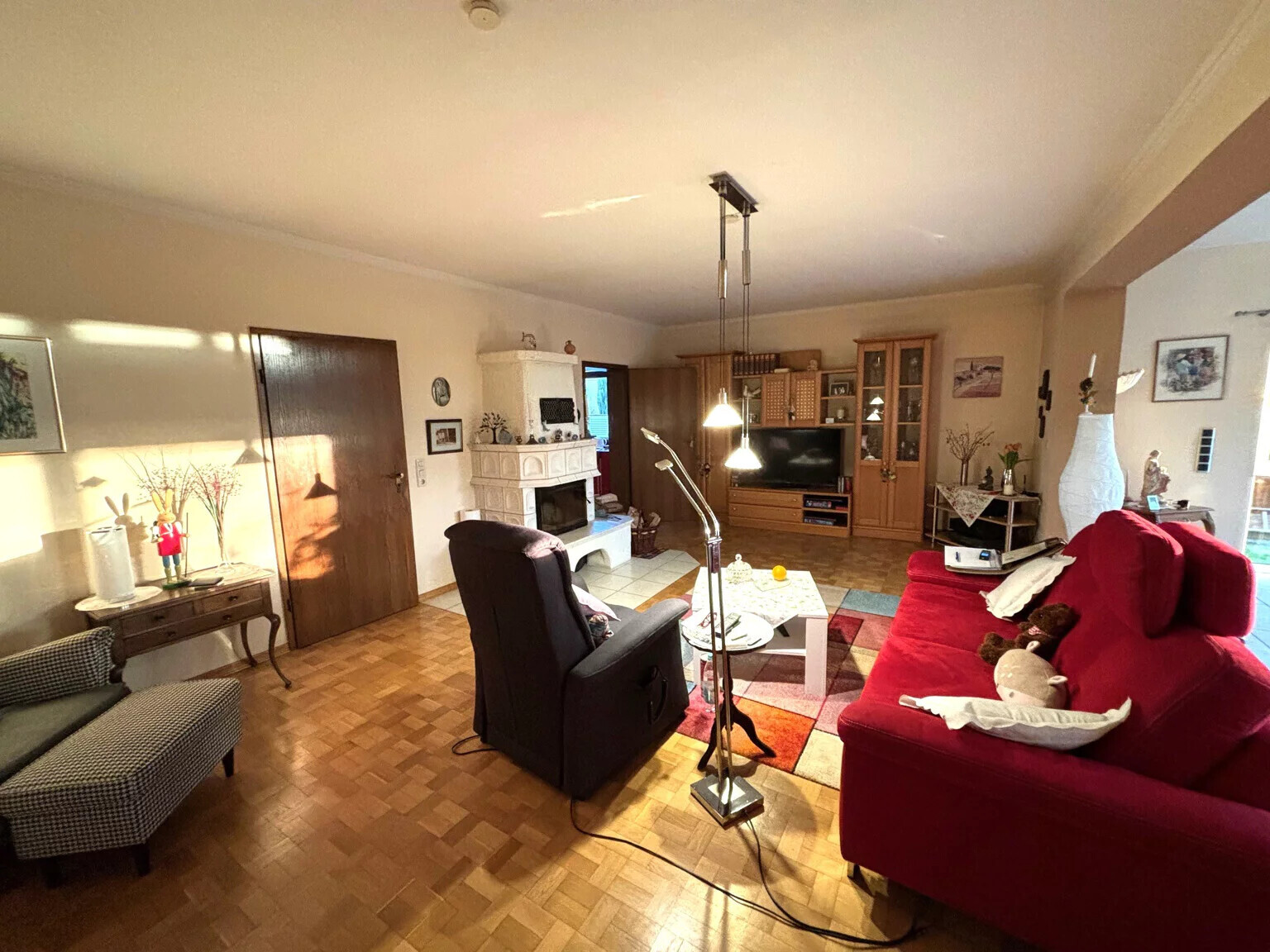
- Photos ground floor
- Photos attic
- Next post: front and rear view as well as planning.
Best regards
------------------------
Detached single-family house built in 1986; extension built in 2003.
Year built / completion: approx. 1986
Infrastructure: fully connected
Basement: fully cellar-equipped
Condition: partially in need of renovation.
Construction type: solid construction, 30cm (12 inches) lightweight concrete thermal block
Roof type: gable roof; 18cm (7 inches) insulation between rafters; large roof overhang
Roof: fully converted attic
Window type: double-glazed plastic frames
Final energy demand: approx. 100.0 kWh/(m²a); 67,000 kWh over 5 years according to consumption certificate
Energy certificate class: C
Heating: oil heating, fireplace
Total living area: approx. 177 m² (1,905 sq ft)
Plot size: 630 m² (6,781 sq ft)
Development plan / restrictions
Plot size: 630 m² (6,781 sq ft)
Number of parking spaces: as required, currently 2 (parking space and garage)
Number of floors: 1.5; knee wall height 0 cm (0 inches)
Roof type: gable roof, pitch between 20-40 degrees, currently 37 degrees.
Maximum heights / limits:
- Eaves height max 6 m (20 ft)
Other regulations:
- Dormers max 1.4 m (55 inches) above roof
- Dormers max 2/3 of eaves length
=> According to the owner, only 1.5 stories were allowed at the time of construction.
=> Architect is currently checking feasibility of dormers exceeding 2/3 and 1.4 m limits.
=> Aim to obtain exemption from development plan, similar to neighbor who added a second floor.
Client requirements
Style: modern
Basement: utility room, storage, laundry, hobby room
Number of occupants: 2 persons, 31 & 30; children planned in about 2 years
Ground floor: open, bright, and friendly communal areas
Attic floor: rental and later personal use, sleeping
1 office for home office work
Open kitchen with cooking island
Seating for 4-6 people
Fireplace: yes
Garage, carport: 1 existing
- Conversion of the house into 2 housing units for rental purposes for about 5 years.
House design
Planning: remodeling as a draft design together with architect.
What we like: large living area and extension.
What we don’t like: sloping ceilings on the upper floor; size of the hallway; no double garage.
Cost estimate according to architect/planner: no offer yet.
Personal budget limit for renovation: approx. 150,000 €
Preferred heating technology: future heat pump
If you had to give up on which details/extensions
- Could give up: attic
- Cannot give up: plenty of light, underfloor heating
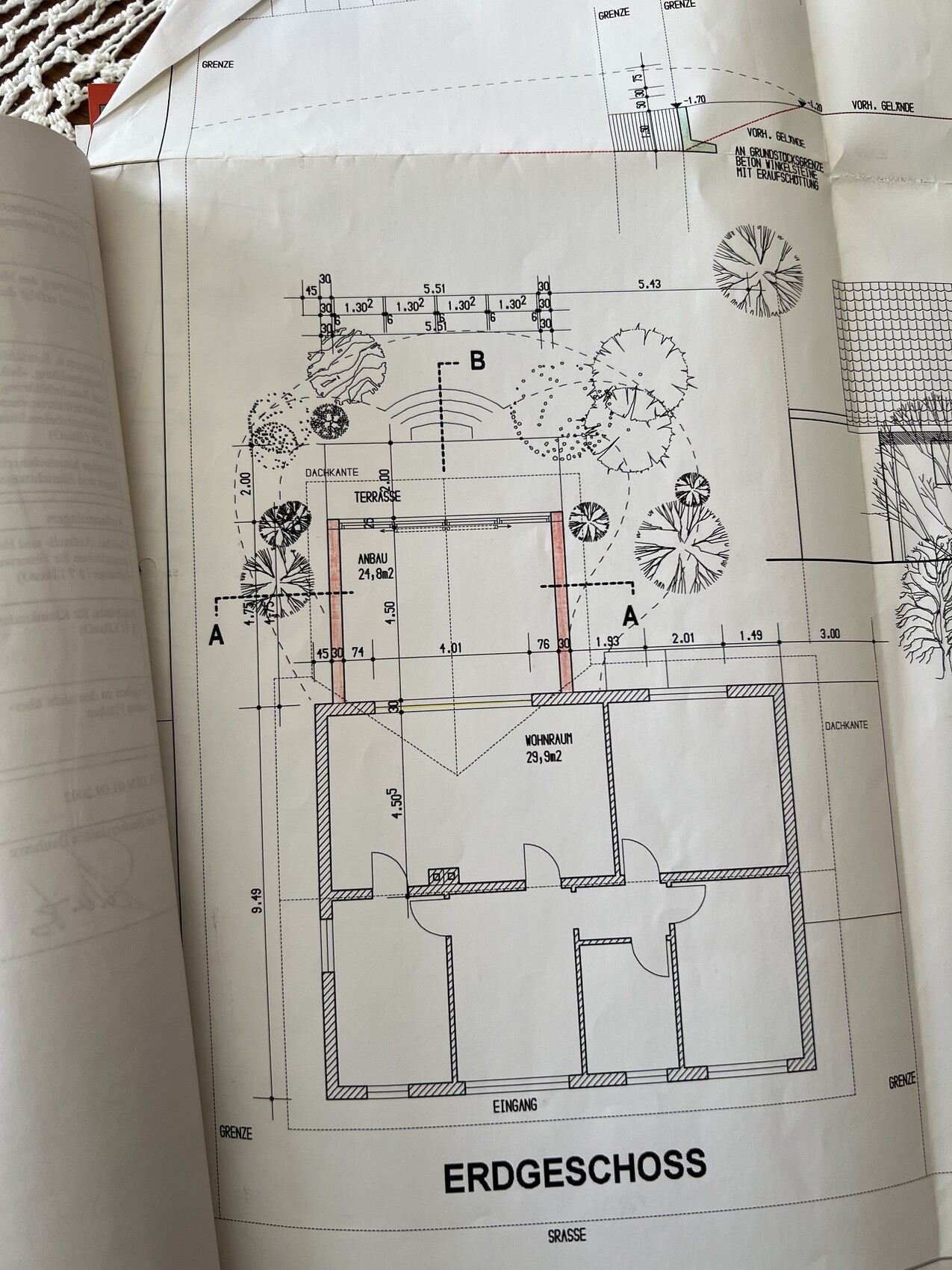
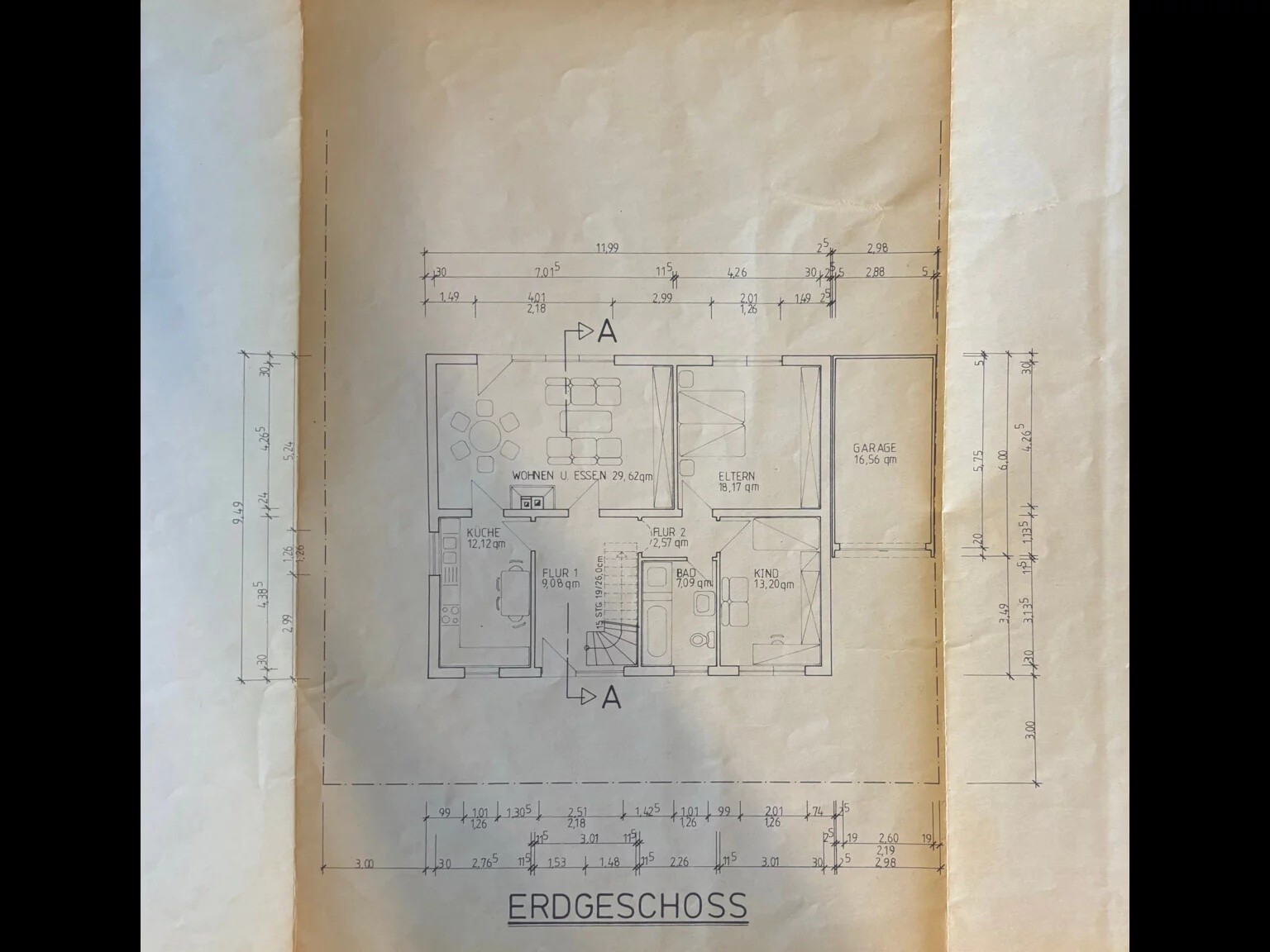
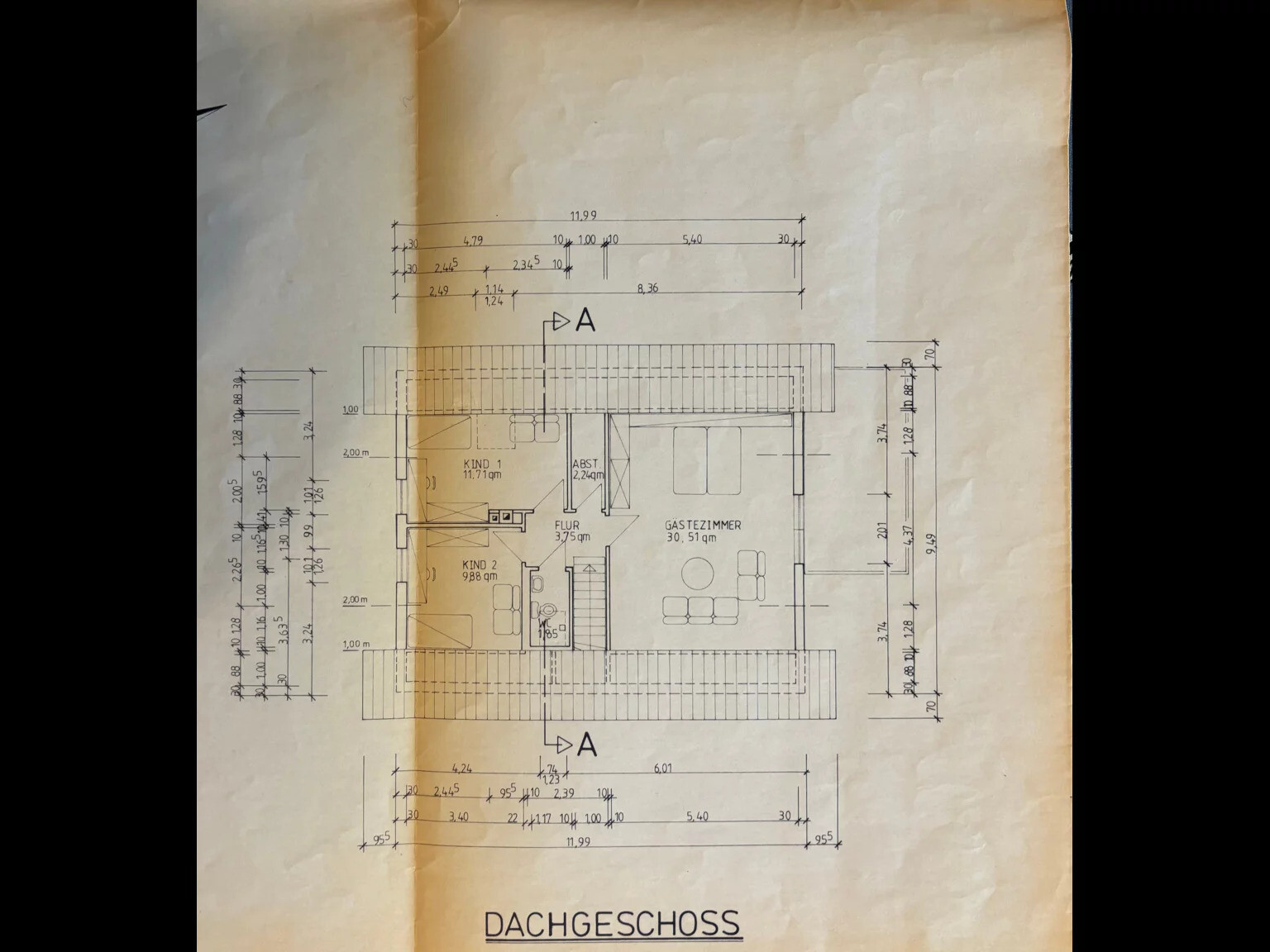
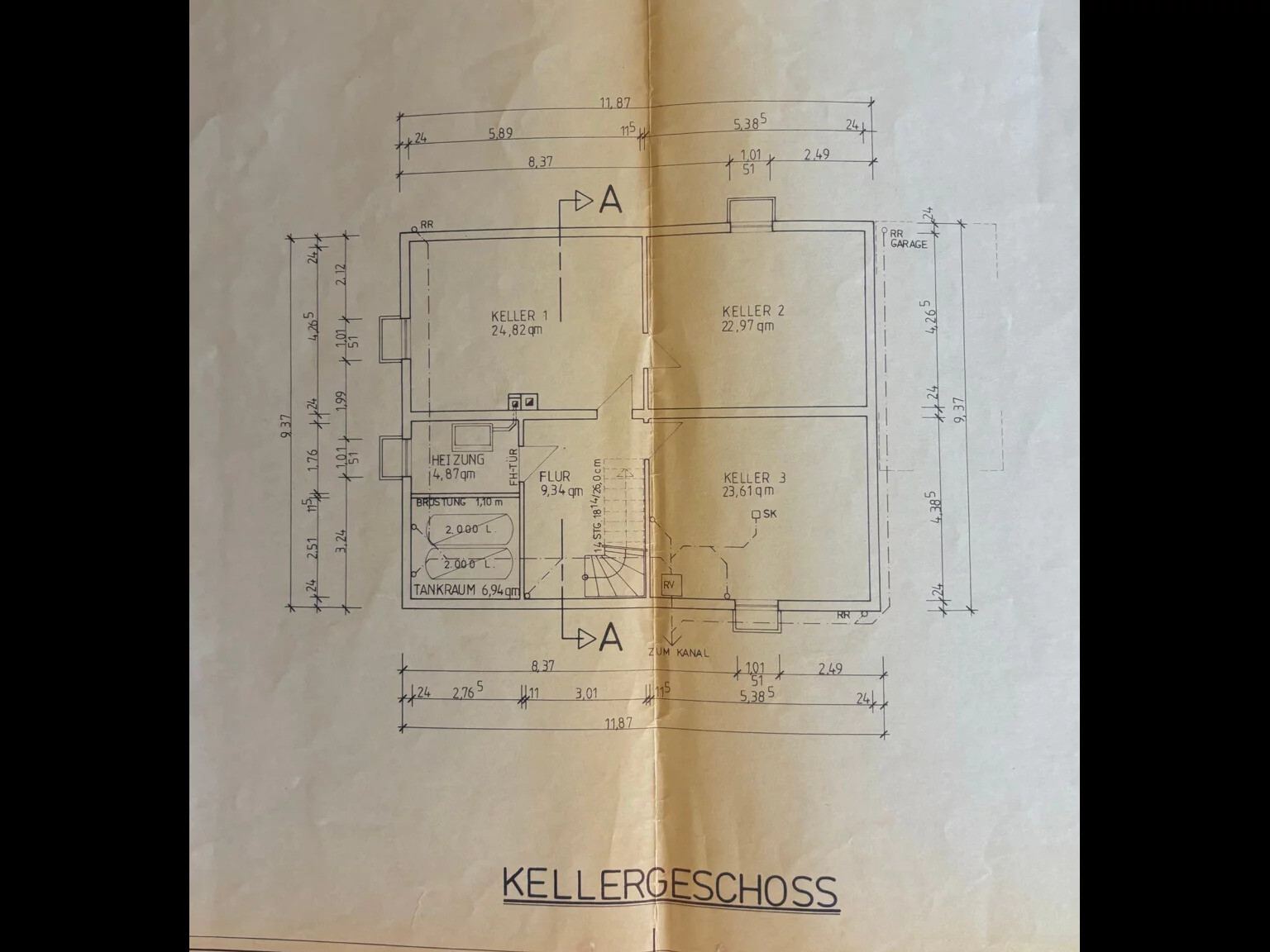
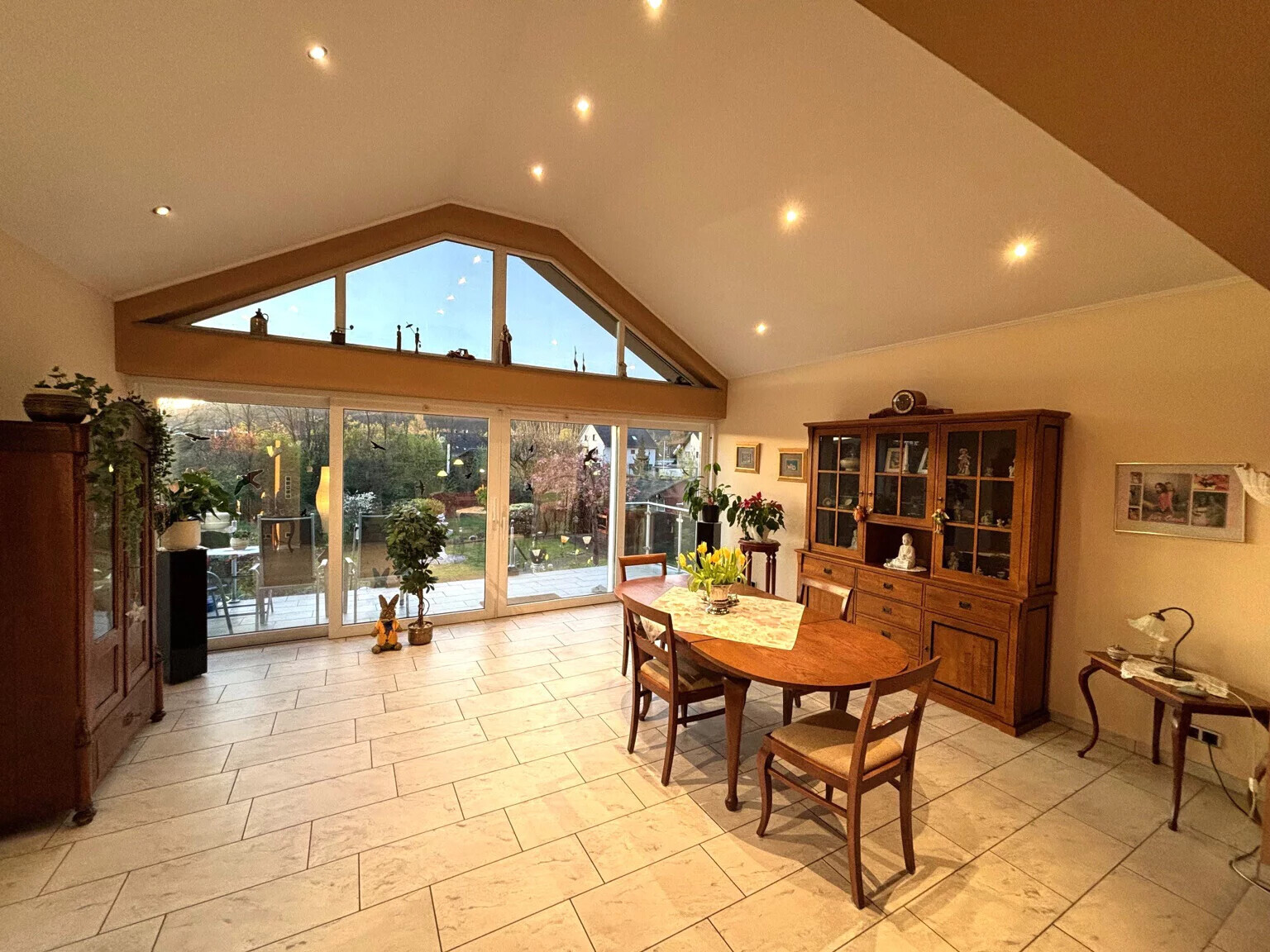
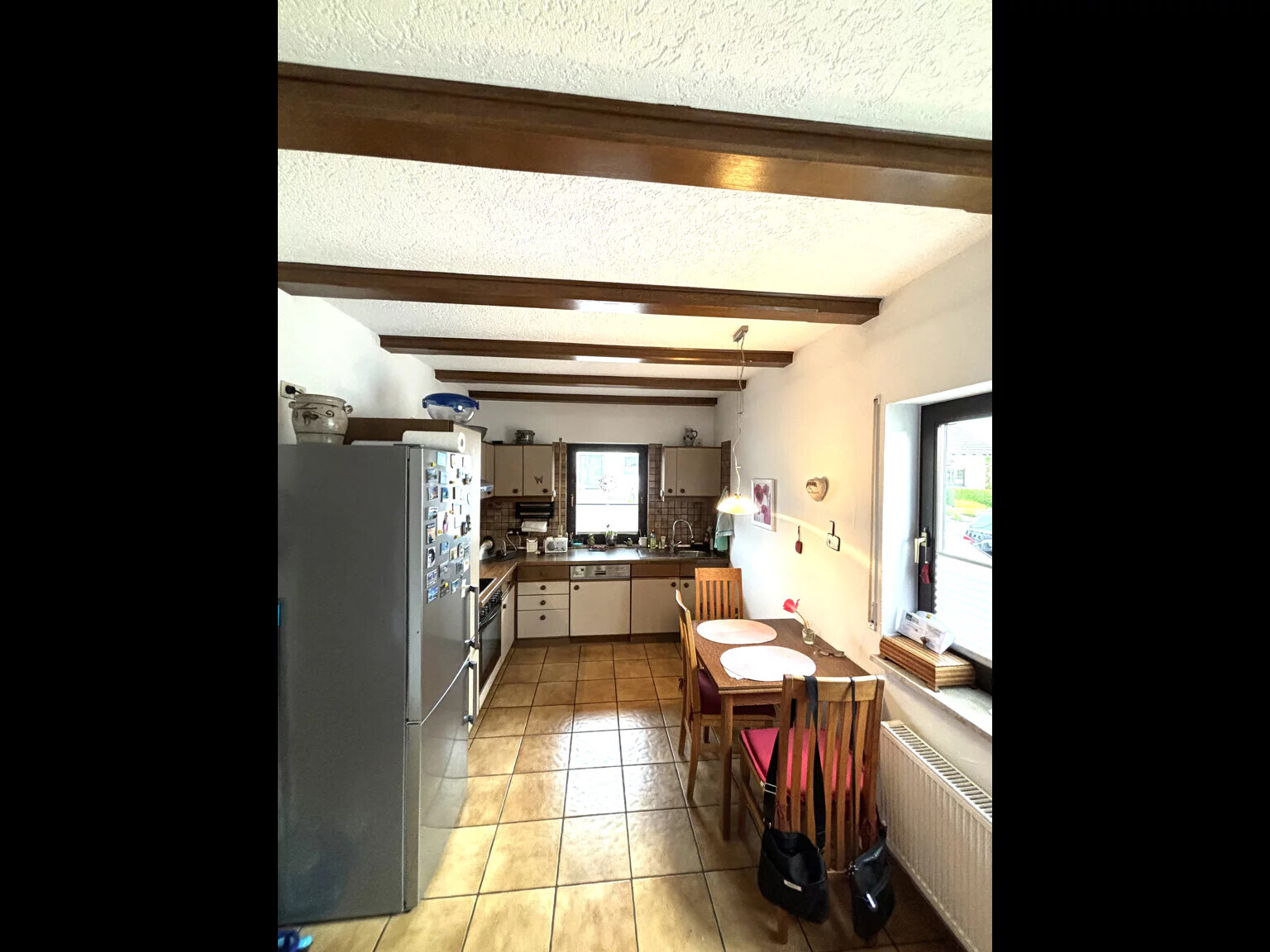
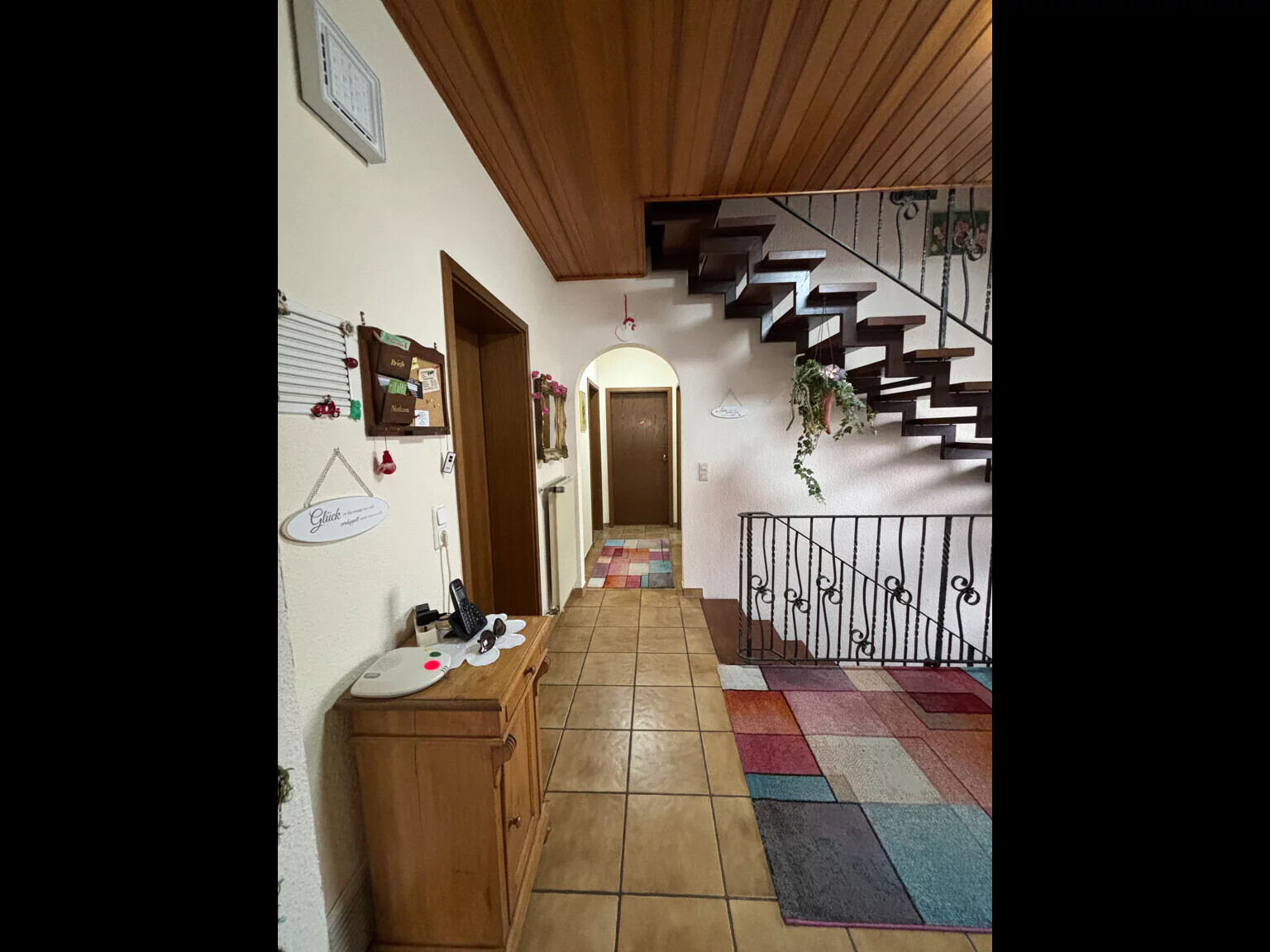
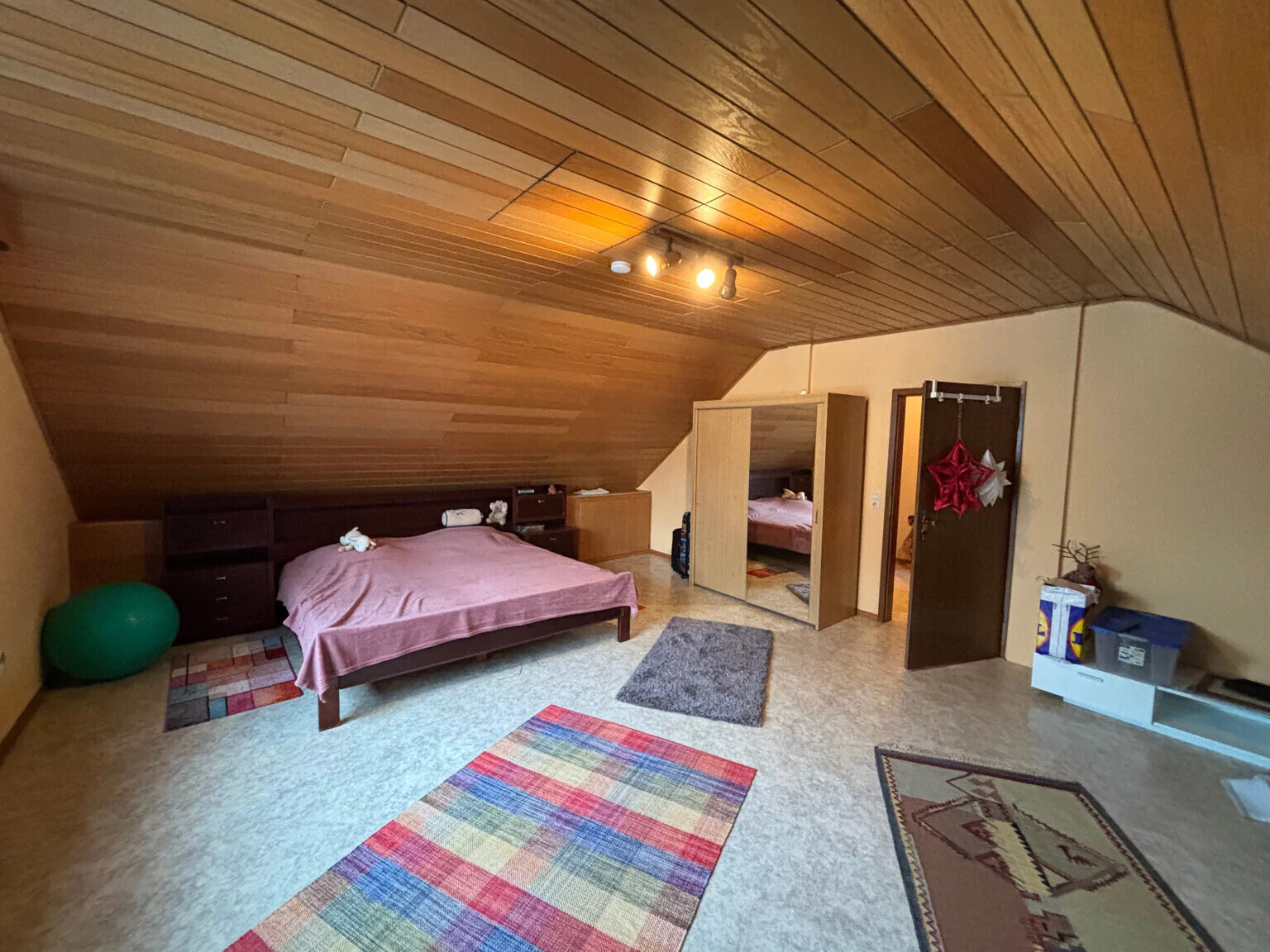
we are currently about to purchase a detached single-family house in a quiet, family-friendly residential area. Additionally, the renovation and remodeling is a special challenge to create an open family living concept, which temporarily allows renting out the upper floor or using it as a holiday apartment for about 5 years.
The most important aspect here is the balance between practical and modern open design on the ground floor as well as the upper floor. On the ground floor, this is already partially achieved through the open extension. In contrast, the attic presents major challenges, which should be solved by installing dormers (would raising the roof be an option?) to gain more living space here as well. Unfortunately, no knee wall was built at the time of construction, and the sloping ceilings strongly restrict the rooms.
Currently, there is underfloor heating in the extension, which should be extended to the entire living area except for the bathroom that was renovated in 2015.
The basement is intended for functional use, and no modifications are initially planned. The oil heating system from 1986 installed there is to be replaced by a heat pump in the future.
We look forward to your feedback and valuable ideas for the design, as we are concerned about overlooking something important that could have been done much better.
Attached:
- Floor plans: basement, ground floor, attic
- Photos ground floor
- Photos attic
- Next post: front and rear view as well as planning.
Best regards
------------------------
Detached single-family house built in 1986; extension built in 2003.
Year built / completion: approx. 1986
Infrastructure: fully connected
Basement: fully cellar-equipped
Condition: partially in need of renovation.
Construction type: solid construction, 30cm (12 inches) lightweight concrete thermal block
Roof type: gable roof; 18cm (7 inches) insulation between rafters; large roof overhang
Roof: fully converted attic
Window type: double-glazed plastic frames
Final energy demand: approx. 100.0 kWh/(m²a); 67,000 kWh over 5 years according to consumption certificate
Energy certificate class: C
Heating: oil heating, fireplace
Total living area: approx. 177 m² (1,905 sq ft)
Plot size: 630 m² (6,781 sq ft)
Development plan / restrictions
Plot size: 630 m² (6,781 sq ft)
Number of parking spaces: as required, currently 2 (parking space and garage)
Number of floors: 1.5; knee wall height 0 cm (0 inches)
Roof type: gable roof, pitch between 20-40 degrees, currently 37 degrees.
Maximum heights / limits:
- Eaves height max 6 m (20 ft)
Other regulations:
- Dormers max 1.4 m (55 inches) above roof
- Dormers max 2/3 of eaves length
=> According to the owner, only 1.5 stories were allowed at the time of construction.
=> Architect is currently checking feasibility of dormers exceeding 2/3 and 1.4 m limits.
=> Aim to obtain exemption from development plan, similar to neighbor who added a second floor.
Client requirements
Style: modern
Basement: utility room, storage, laundry, hobby room
Number of occupants: 2 persons, 31 & 30; children planned in about 2 years
Ground floor: open, bright, and friendly communal areas
Attic floor: rental and later personal use, sleeping
1 office for home office work
Open kitchen with cooking island
Seating for 4-6 people
Fireplace: yes
Garage, carport: 1 existing
- Conversion of the house into 2 housing units for rental purposes for about 5 years.
House design
Planning: remodeling as a draft design together with architect.
What we like: large living area and extension.
What we don’t like: sloping ceilings on the upper floor; size of the hallway; no double garage.
Cost estimate according to architect/planner: no offer yet.
Personal budget limit for renovation: approx. 150,000 €
Preferred heating technology: future heat pump
If you had to give up on which details/extensions
- Could give up: attic
- Cannot give up: plenty of light, underfloor heating
N
nordanney13 May 2024 12:30Using the upper floor temporarily for rental and planning to live there yourself in five years excludes a suitable renovation that would allow you to use it solely as a single-family house (in a reasonable and practical way) after those five years.
Move in, live there for five years, then renovate properly.
Move in, live there for five years, then renovate properly.
nordanney schrieb:
Temporarily renting out the upper floor and planning to use it personally in 5 years rules out a suitable conversion. Could you please elaborate on what exactly concerns you about this? Do you see fundamental changes needed in the floor plan if it were going to be used solely by you right away?
Perhaps a few additional details about our current situation:
We currently live in my 95 sqm (1,023 sq ft) condominium, with monthly loan payments of 800€ (approx. $870). Therefore, moving would be quite flexible, and the double financial burden would remain manageable.
The property costs 510,000€ (approx. $555,000), with a land value of around 400€/sqm (37$/sq ft).
Also, some of our considerations regarding renting:
- The rent for such an apartment would be about 600€ (approx. $650) per month excluding utilities, resulting in roughly 36,000€ (approx. $39,000) gross rental income and savings on additional living costs over 5 years.
- The partitioning will be done as a DIY drywall construction, allowing for easy reversal later.
- We are aware that this transitional phase will involve some compromise in terms of living comfort.
Looking at the renovation measures:
a) Those that must be done for personal reasons:
- Installation of underfloor heating plus floor coverings
- New kitchen in the open living area
- General renovations: interior walls, door replacements, etc.
b) Additionally, nice-to-have items:
- Window replacement plus front door
- Dormer extension or other options
- Insulation of roof slopes
- Thermal insulation composite system (ETICS)
- Basement ceiling insulation
Some of the essential (a) and nice-to-have (b) measures will overlap to avoid redundant work.
I would greatly appreciate any further advice, especially on how you would plan the attic conversion or the overall floor plan. Every idea is very valuable as an alternative perspective.
N
nordanney13 May 2024 13:14Two fully equipped bathrooms upstairs and downstairs, including water supply and drainage.
Electrical systems duplicated
Completely separate entrances
Kitchens upstairs and downstairs with electricity and water connections
Plan heating for two apartments (including dual hot water systems)
Building permit / planning permission for a two-family house
Parking spaces for two apartments
And so on.
And then, after five years, you renovate everything back to look and function like a single-family home?
You won’t be able to charge enough rent to cover all these costs.
That’s why you should either rent it out long-term as is or renovate it right away into a proper single-family home.
Electrical systems duplicated
Completely separate entrances
Kitchens upstairs and downstairs with electricity and water connections
Plan heating for two apartments (including dual hot water systems)
Building permit / planning permission for a two-family house
Parking spaces for two apartments
And so on.
And then, after five years, you renovate everything back to look and function like a single-family home?
You won’t be able to charge enough rent to cover all these costs.
That’s why you should either rent it out long-term as is or renovate it right away into a proper single-family home.
nordanney schrieb:
And then, after five years, you would remodel everything again so that it looks and functions like a single-family home?
You won’t get enough rent to cover all those costs. I understand the concerns about additional costs, but are they really that much higher?
Most of the work, in both versions, I would probably carry out exactly as you described regarding the separation of electrical and water installations on the ground floor and upper floor.
Later, we plan to move upstairs with the parents and children’s bedrooms, and we would like to have a nice bathroom there with a bathtub, etc. A full bathroom for us wouldn’t be a luxury but more of a standard. Currently, without a child, an office downstairs and a small master bedroom is sufficient — something like a walk-in closet is not a must for us.
Building permit / planning permission and parking spaces are topics with open questions, I agree.
__
Setting aside the practicality for a moment.
How would you plan the ground floor living area, especially where would the kitchen go? And would you possibly remove the wall between the living room and the master bedroom to create a larger space?
Without breaking through the wall, it’s 53 m² (570 sq ft), and with the wall removed, about 70 m² (750 sq ft). The option without breaking through the wall seems difficult for placing the kitchen, since a large kitchen island is desired by the lady. The grey area on the wall indicates the central fireplace.
Only the horizontal wall is load-bearing; all other walls are 11.5 cm (4.5 inches) thick.
Similar topics