
ᐅ Basement odors can transfer to items such as leather, cardboard boxes, and fabrics. Could it be mold?
Created on: 10 Nov 2023 15:55
J
jenshieHello,
we live in a multi-unit residential building. The basement contains eight privately used rooms and a few technical/common rooms, all connected by a corridor. Over the past 3 to 9 months, two basement rooms have developed a moisture issue (we have been living here for several years). About the rooms:
- the rooms have one or two exterior walls (corner rooms)
- the rooms have no windows, no light wells, or similar
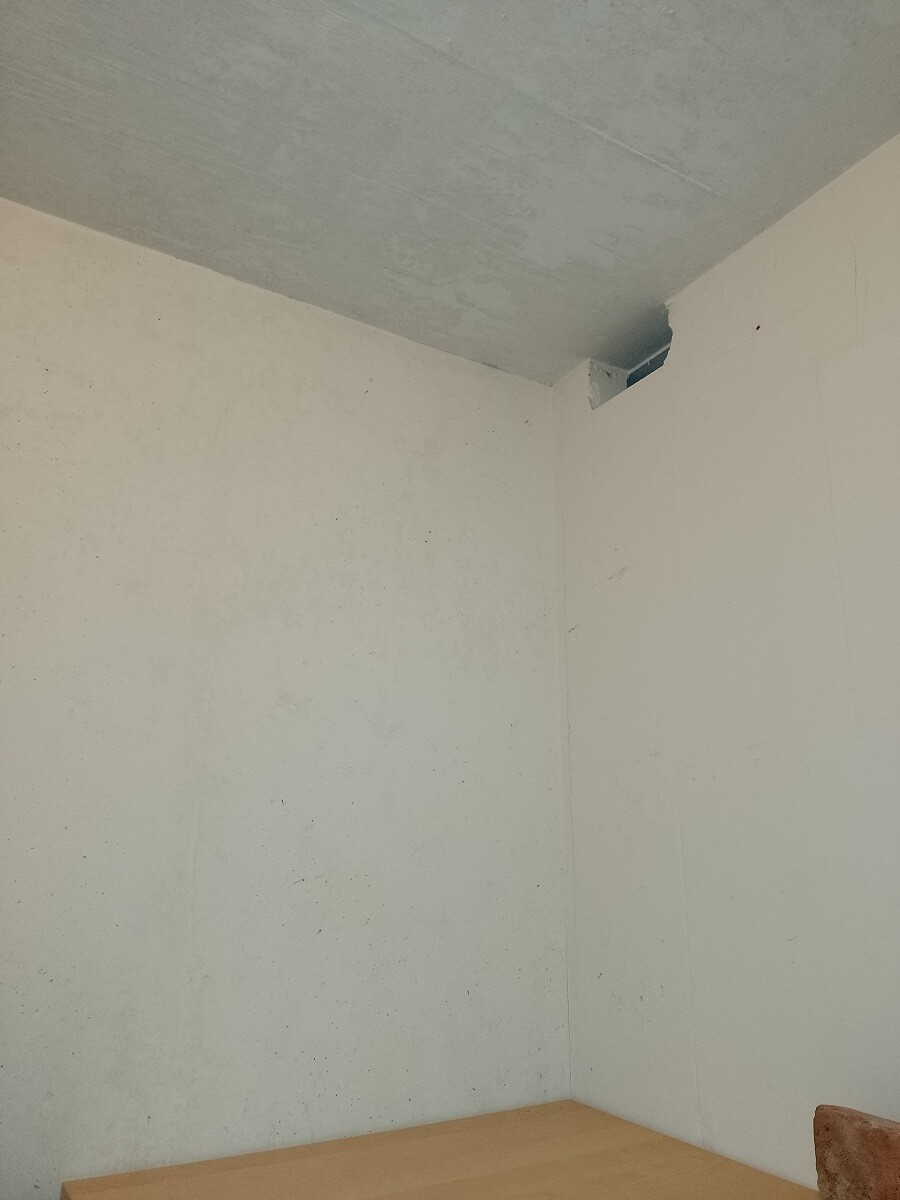
- the rooms are connected through openings in the masonry (2 times one brick-sized hole at the corners leading to the next room, see photos)
- current outside temperature is 5 - 10 degrees Celsius (41 - 50°F), basement room 12 degrees Celsius (54°F)
- the temperature in the shared corridor connecting all rooms is higher, 15 - 16 degrees Celsius (59 - 61°F)
- humidity is 75 - 80%, in the shared corridor less than 60%
- a bowl of salt absorbs moisture (slightly sticky)
- the rooms have a musty smell
- the walls are not obstructed by furniture or items
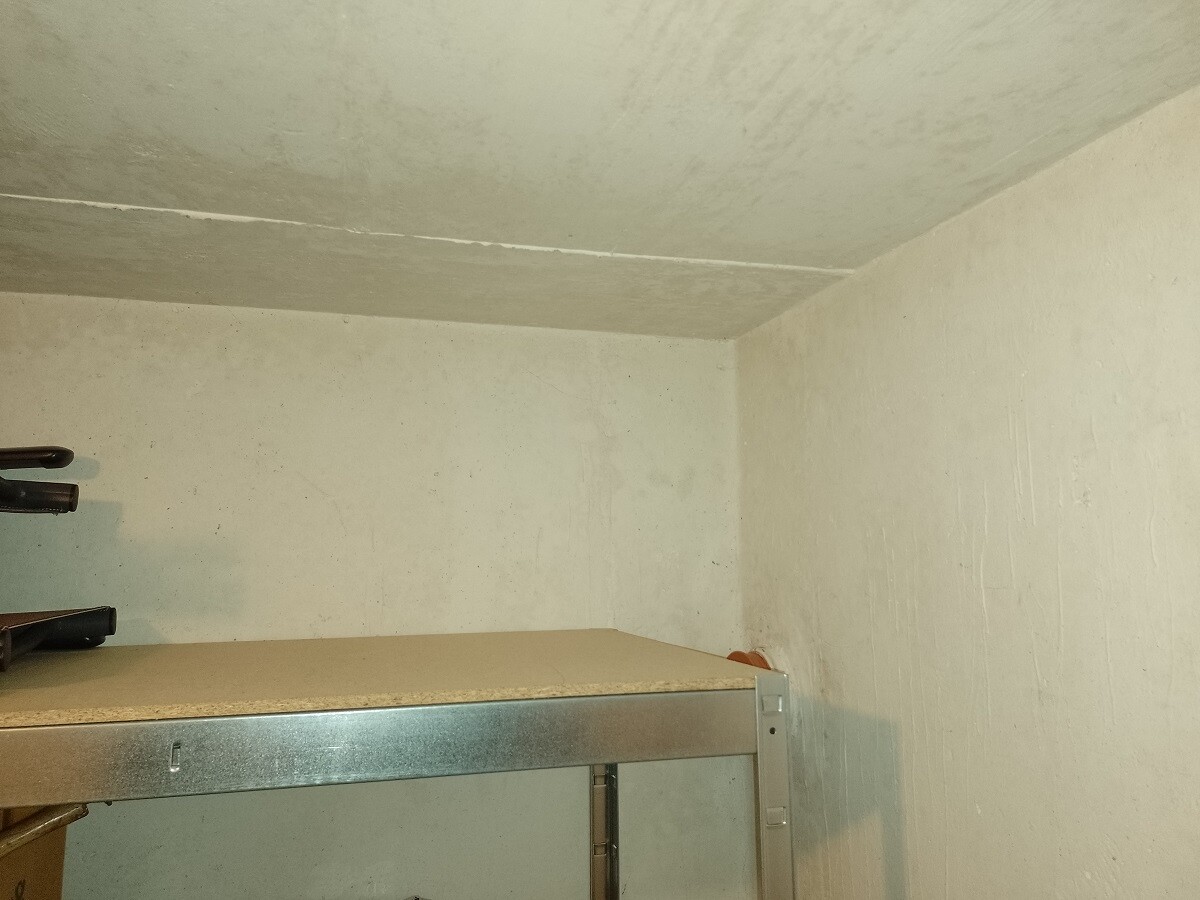
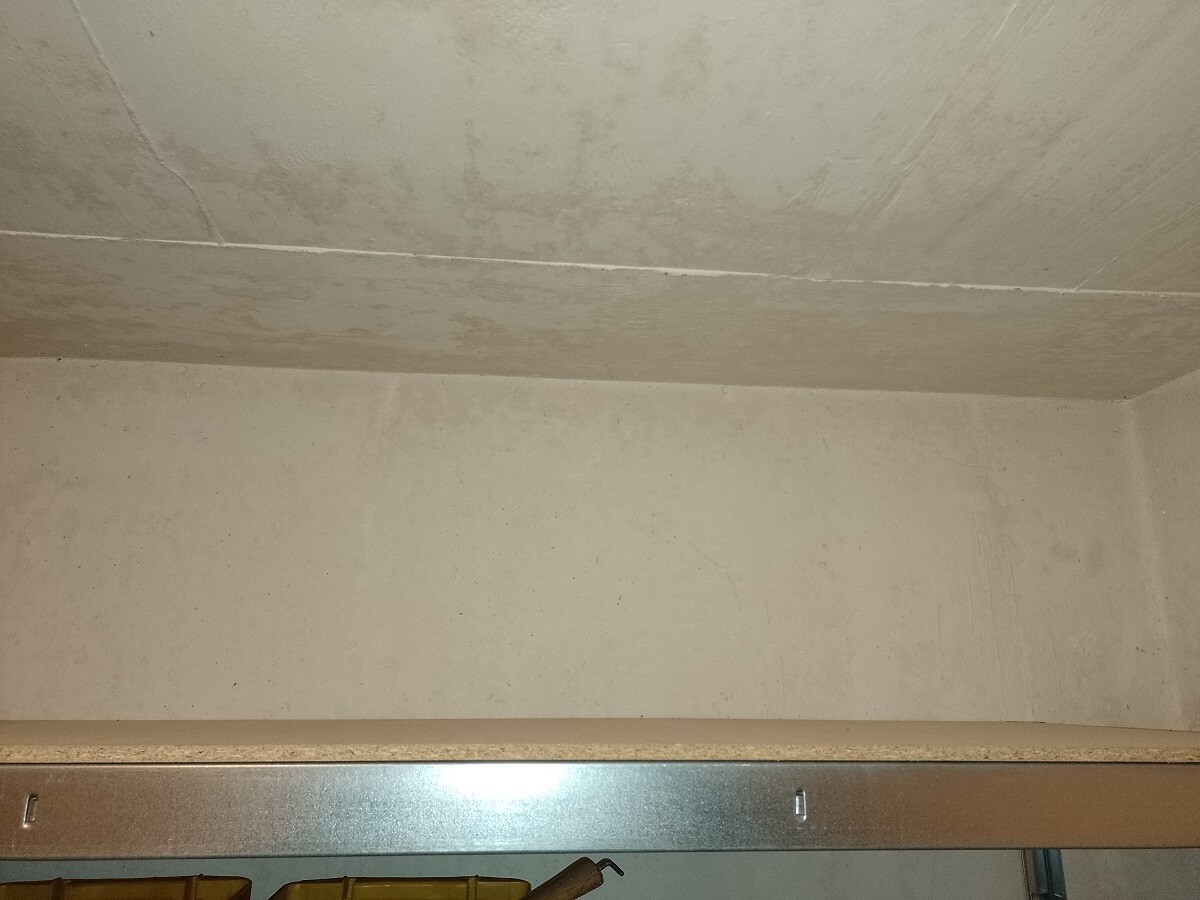
The photos show shading on the exterior walls. The walls are not wet or damp. When you run your hand over them, it remains clean (possibly dust, paint or stone particles).
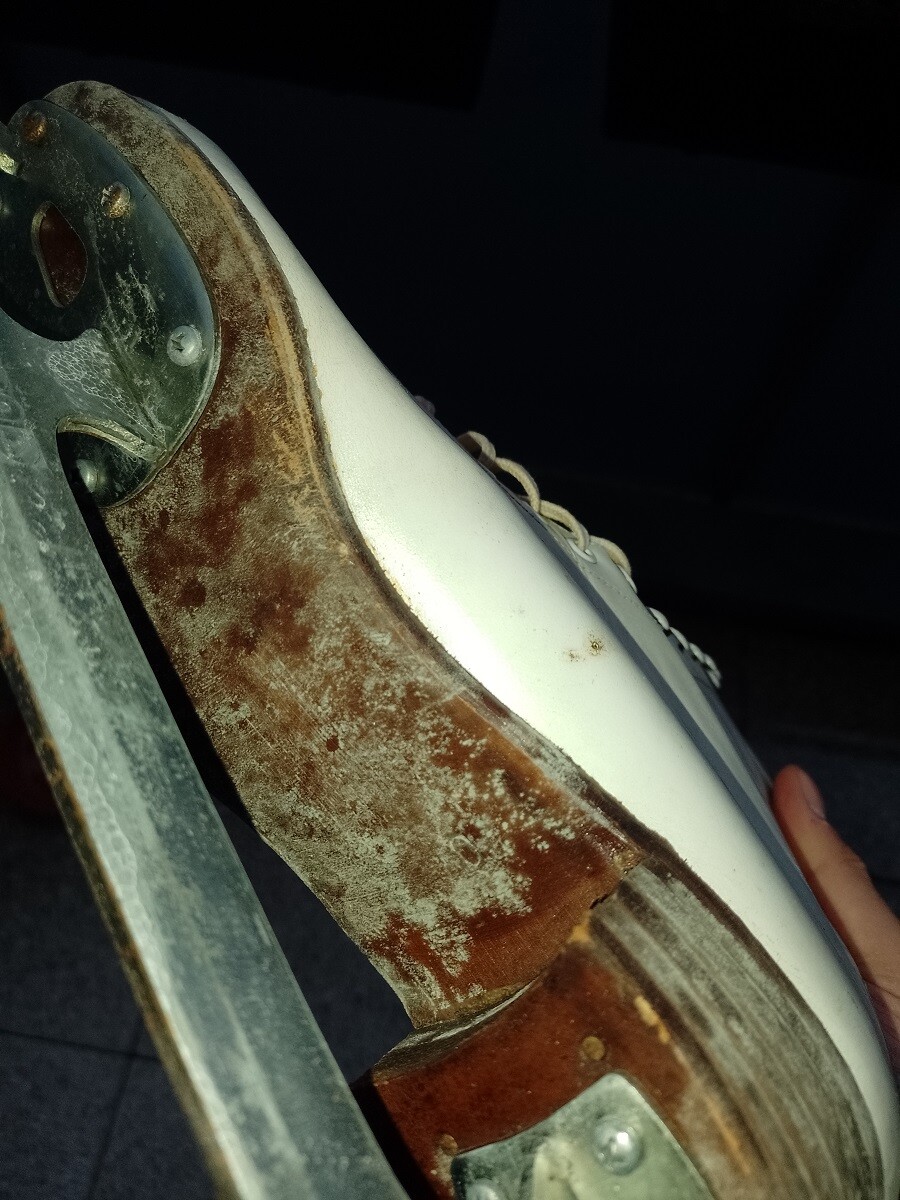
Our problem is that some items cannot be used anymore. Two leather chairs, leather goods, and suitcases have absorbed the odor and it cannot be removed. However, this is not the main issue here. Still, we believe something is not quite right.
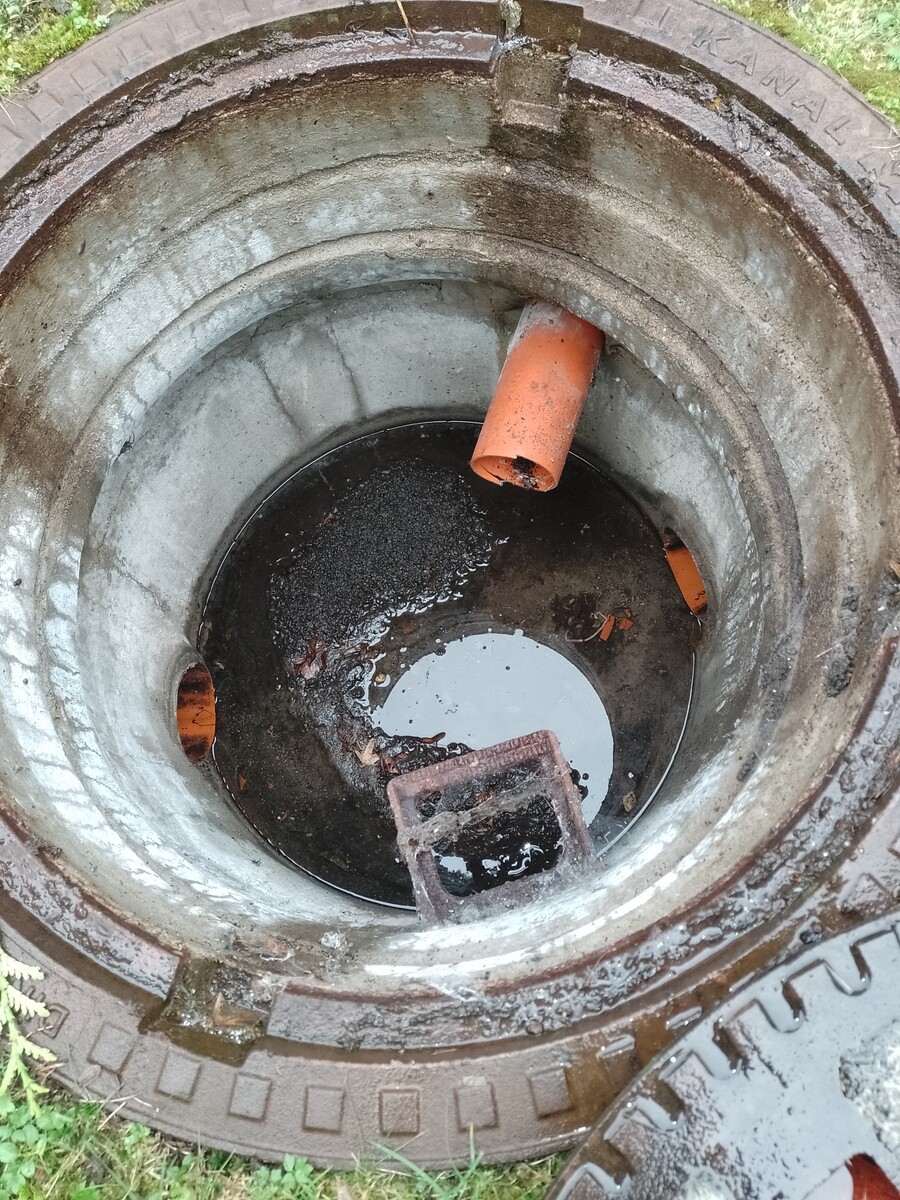
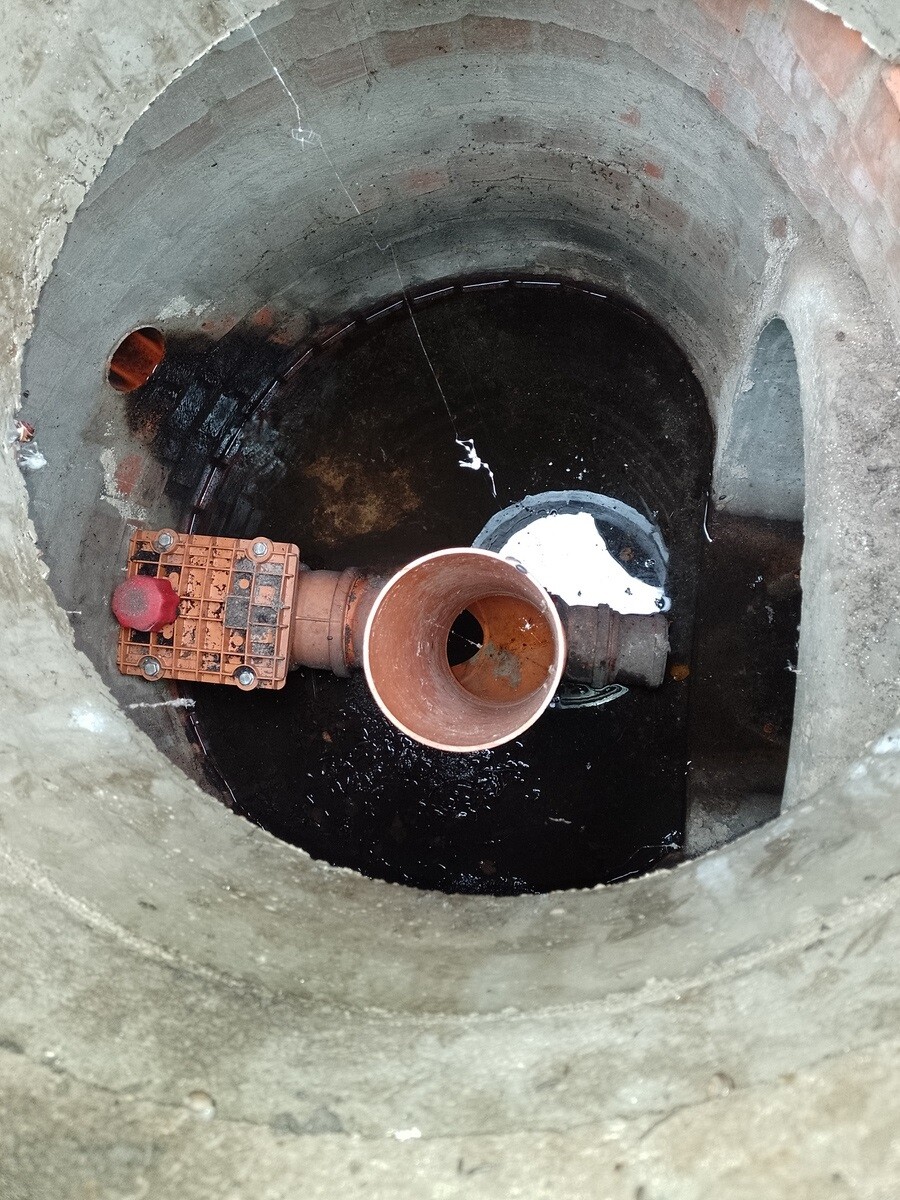
The building is surrounded by a drainage system (40cm (16 inches) wide around the house). Inspection shafts on the property are full. The ground area feels wet even when it hasn't rained. Could it be caused by a faulty drainage system? Are the shafts not properly draining the water?
Or is it simply condensation moisture (the property manager’s opinion)?
If anyone can share experiences, has expertise, or advice, please feel free to comment. We appreciate any suggestions before we cause unnecessary concern here ;-) Is there anything we can do ourselves? Would a heating device resolve the problem?
we live in a multi-unit residential building. The basement contains eight privately used rooms and a few technical/common rooms, all connected by a corridor. Over the past 3 to 9 months, two basement rooms have developed a moisture issue (we have been living here for several years). About the rooms:
- the rooms have one or two exterior walls (corner rooms)
- the rooms have no windows, no light wells, or similar
- the rooms are connected through openings in the masonry (2 times one brick-sized hole at the corners leading to the next room, see photos)
- current outside temperature is 5 - 10 degrees Celsius (41 - 50°F), basement room 12 degrees Celsius (54°F)
- the temperature in the shared corridor connecting all rooms is higher, 15 - 16 degrees Celsius (59 - 61°F)
- humidity is 75 - 80%, in the shared corridor less than 60%
- a bowl of salt absorbs moisture (slightly sticky)
- the rooms have a musty smell
- the walls are not obstructed by furniture or items
The photos show shading on the exterior walls. The walls are not wet or damp. When you run your hand over them, it remains clean (possibly dust, paint or stone particles).
Our problem is that some items cannot be used anymore. Two leather chairs, leather goods, and suitcases have absorbed the odor and it cannot be removed. However, this is not the main issue here. Still, we believe something is not quite right.
The building is surrounded by a drainage system (40cm (16 inches) wide around the house). Inspection shafts on the property are full. The ground area feels wet even when it hasn't rained. Could it be caused by a faulty drainage system? Are the shafts not properly draining the water?
Or is it simply condensation moisture (the property manager’s opinion)?
If anyone can share experiences, has expertise, or advice, please feel free to comment. We appreciate any suggestions before we cause unnecessary concern here ;-) Is there anything we can do ourselves? Would a heating device resolve the problem?
A
Allthewayup10 Nov 2023 22:07Your problem could have several causes. What year was the house built? Is the basement made of masonry or concrete? How are the basement walls sealed from the outside? Having a drainage system is already a good start. Are the collection shafts connected to the sewer system, or where do they drain? The described issue in the basement could be caused by backwater in the drainage system, but likely several factors would need to be involved.
Assuming the basement uses a “black tank” waterproofing system and when the protective filling was installed, the dimpled membrane was placed with the dimples facing the house without a nonwoven fabric, and the soil around it was mechanically compacted. This could damage the bituminous thick coating, and in case of backflow in the drainage system, water could stand against the basement wall for an extended period and diffuse through the wall.
This is just a hypothesis. You need to identify the cause and possibly alert the property management. The electric heater only treats the symptoms, and at your expense.
Assuming the basement uses a “black tank” waterproofing system and when the protective filling was installed, the dimpled membrane was placed with the dimples facing the house without a nonwoven fabric, and the soil around it was mechanically compacted. This could damage the bituminous thick coating, and in case of backflow in the drainage system, water could stand against the basement wall for an extended period and diffuse through the wall.
This is just a hypothesis. You need to identify the cause and possibly alert the property management. The electric heater only treats the symptoms, and at your expense.
 HausiKlausi10 Nov 2023 22:18
80% relative humidity at 12 degrees Celsius (54°F) — that’s a clear invitation for mold! Speculating from the outside about the exact cause is not really reliable. However, based on personal experience in my own basement and those of acquaintances over the past few years, I can say that most of the time it’s moisture coming from inside the house that is not being properly ventilated. This fits well with:
So simple, yet so complex: naturally, you only ventilate when the outside temperature and humidity conditions allow it (dew point). Otherwise, you risk bringing in even more problems. But it is definitely unpleasant for any stored items; sooner or later they will be ruined by mold. I would first discuss a reasonable ventilation concept with the property management—or maybe even suggest installing a dew point-controlled ventilation system with heat recovery. However, under the circumstances you described, just enduring it is not an option.
jenshie schrieb:
- the rooms have no windows, no light wells, or anything similar
So simple, yet so complex: naturally, you only ventilate when the outside temperature and humidity conditions allow it (dew point). Otherwise, you risk bringing in even more problems. But it is definitely unpleasant for any stored items; sooner or later they will be ruined by mold. I would first discuss a reasonable ventilation concept with the property management—or maybe even suggest installing a dew point-controlled ventilation system with heat recovery. However, under the circumstances you described, just enduring it is not an option.
Thank you all for your feedback(!).
- The house was built around 2000
- Basement exterior walls and ceiling are made of concrete
- I cannot comment on the house's waterproofing. (Wasn’t a bituminous tank waterproofing standard at that time?)
- The shaft with the rungs might be connected to the sewer network. I cannot say for sure.
- (!) Above the basement there is a terrace
- The house hallway is drier, and the odor does not occur there. This is only the case in our room and a neighboring room. At least three other rooms do not have the problem (though they are on a different side of the house).
Additional information:
The property management will send someone to clean/flush the shafts.
For now, we have relocated all items that quickly absorb the odor to another place. However, storage space is "limited." My plan is to document everything first and request the property management to inspect the issue—not through an office staff visit, but by a qualified professional. If nothing happens, I would consider involving my landlord. I am also not familiar with our rights or what we can expect. I will research this and possibly seek assistance from the tenants’ association.
Is it possible to determine from the "stains" whether it is just moisture or already mold?
There are more shafts. The property has an area of 1500 m2 (0.37 acres) with two multi-family houses. Due to the decreasing invert depth of the shafts towards the street, it is conceivable that they are connected. The shaft with the rungs is the one farthest away and also the shallowest.
Allthewayup schrieb:
What is the year of construction? Is the basement made of masonry or concrete? How were the exterior basement walls waterproofed? Are these collection shafts connected to the sewer system, or where do they drain?
- The house was built around 2000
- Basement exterior walls and ceiling are made of concrete
- I cannot comment on the house's waterproofing. (Wasn’t a bituminous tank waterproofing standard at that time?)
- The shaft with the rungs might be connected to the sewer network. I cannot say for sure.
- (!) Above the basement there is a terrace
HausiKlausi schrieb:
From experience over the last few years with my own basement and those of acquaintances, I can say it is usually moisture originating inside the house that is not adequately ventilated. I would first discuss a proper ventilation concept with the property management, or perhaps even suggest installing a dew point–controlled ventilation system with heat recovery. But under the conditions you described, simply tolerating the situation is not an option.
- The house hallway is drier, and the odor does not occur there. This is only the case in our room and a neighboring room. At least three other rooms do not have the problem (though they are on a different side of the house).
Additional information:
The property management will send someone to clean/flush the shafts.
For now, we have relocated all items that quickly absorb the odor to another place. However, storage space is "limited." My plan is to document everything first and request the property management to inspect the issue—not through an office staff visit, but by a qualified professional. If nothing happens, I would consider involving my landlord. I am also not familiar with our rights or what we can expect. I will research this and possibly seek assistance from the tenants’ association.
Is it possible to determine from the "stains" whether it is just moisture or already mold?
jenshie schrieb:
- The shaft with the rungs might be connected to the sewer network. I cannot say for sure.
There are more shafts. The property has an area of 1500 m2 (0.37 acres) with two multi-family houses. Due to the decreasing invert depth of the shafts towards the street, it is conceivable that they are connected. The shaft with the rungs is the one farthest away and also the shallowest.
B
Benutzer 100111 Nov 2023 08:38Are you a tenant? Then contact your landlord, as you have no legal right to commission anything yourself.
And honestly, basements without windows should have a mechanical ventilation system installed.
And honestly, basements without windows should have a mechanical ventilation system installed.
Similar topics