
B
Benutzer20729 Oct 2023 21:09Hello everyone,
we have a problem with the roof. It is a metal roof that was installed by the previous owner. Since the last rain, the walls of the house have been damp. The house is not yet occupied but is currently undergoing renovation (on hold). However, in recent months it has generally been quite dry.
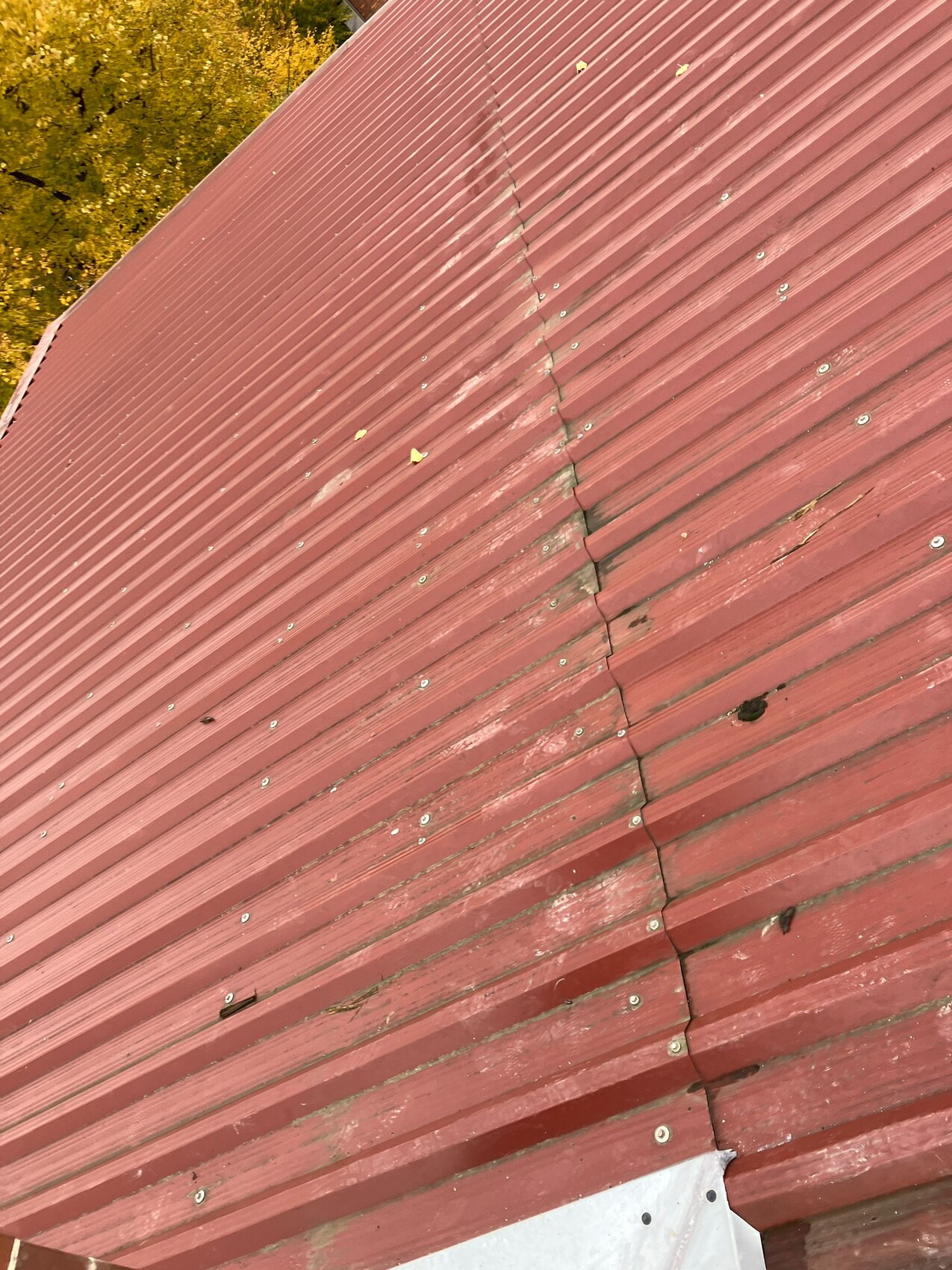
We don’t know exactly where the water is coming in. We suspect that it seeps through the gaps between the overlapping metal sheets, even though they are supposed to be sloped downward.
Do you know the best way to seal these metal sheets? We bought bitumen sealant and planned to use it to close the screws and gaps.
We might still hire a roofer. The last one left it in a condition that causes moisture inside the house.
Thanks in advance for your replies!
Best regards
Benutzer207
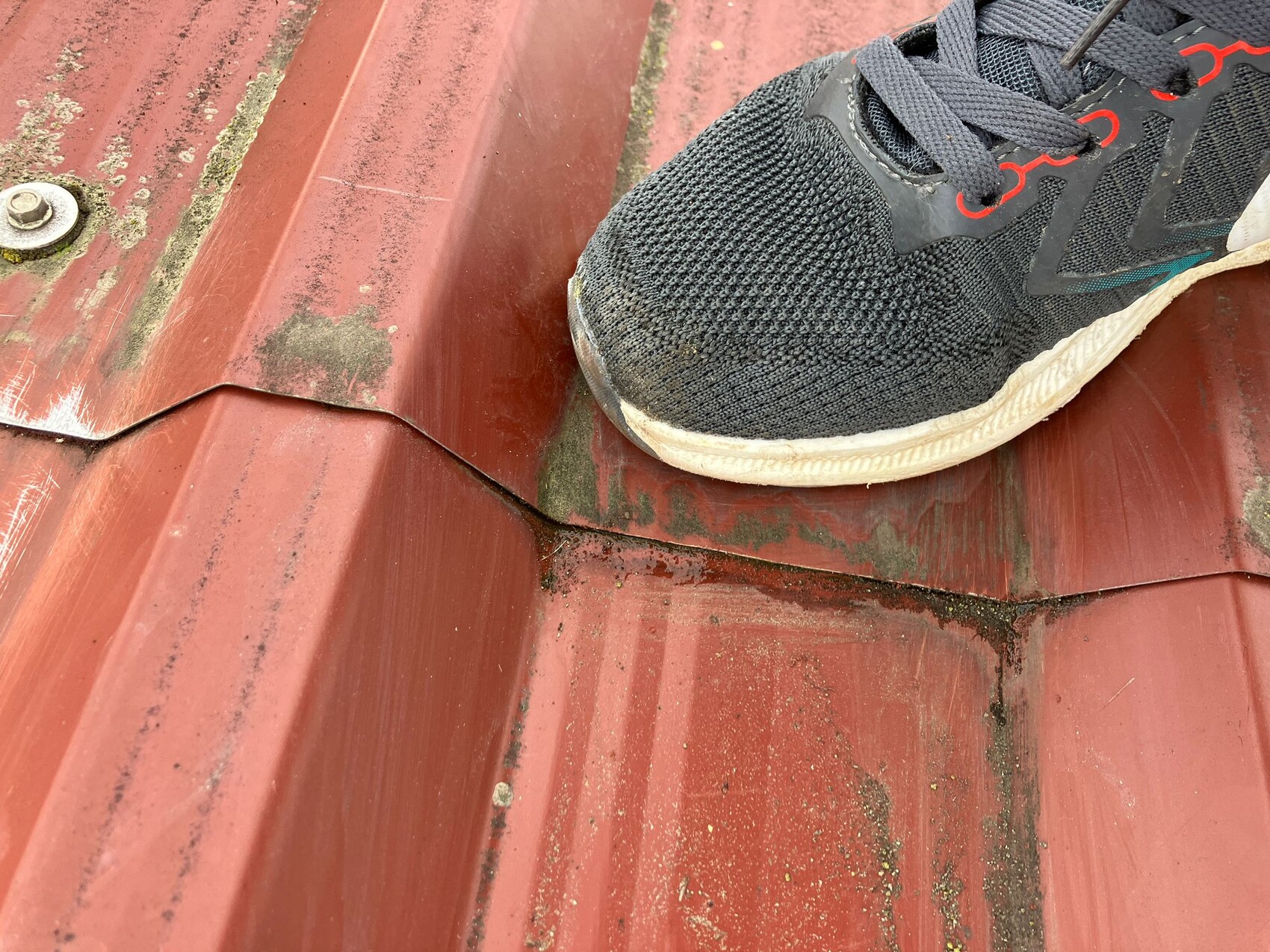
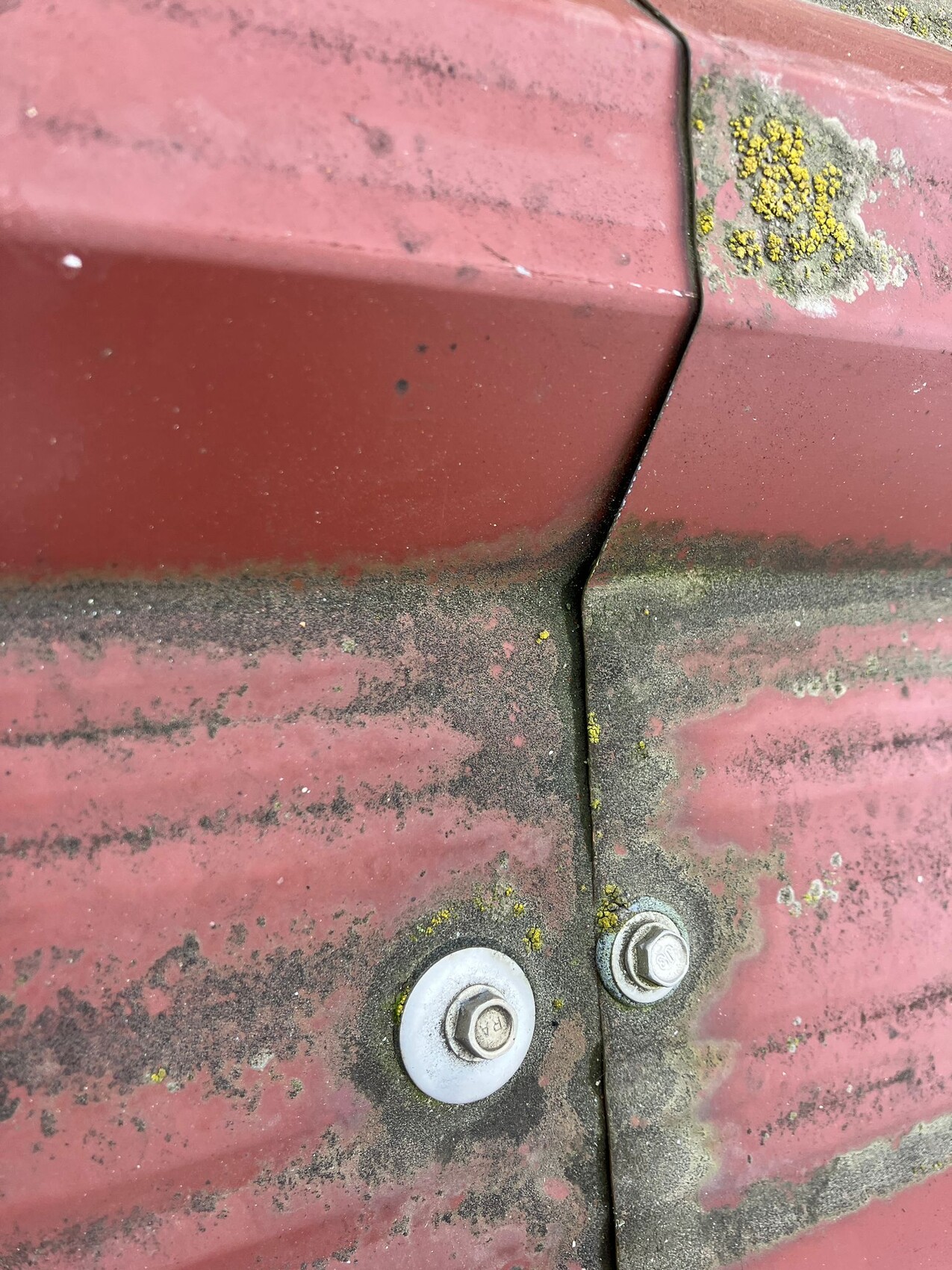
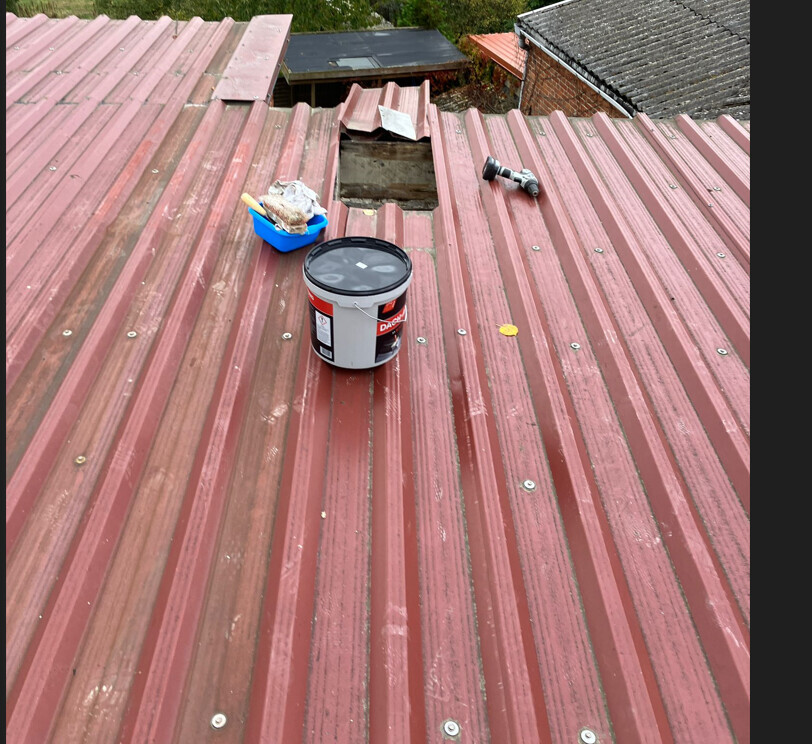
we have a problem with the roof. It is a metal roof that was installed by the previous owner. Since the last rain, the walls of the house have been damp. The house is not yet occupied but is currently undergoing renovation (on hold). However, in recent months it has generally been quite dry.
We don’t know exactly where the water is coming in. We suspect that it seeps through the gaps between the overlapping metal sheets, even though they are supposed to be sloped downward.
Do you know the best way to seal these metal sheets? We bought bitumen sealant and planned to use it to close the screws and gaps.
We might still hire a roofer. The last one left it in a condition that causes moisture inside the house.
Thanks in advance for your replies!
Best regards
Benutzer207
B
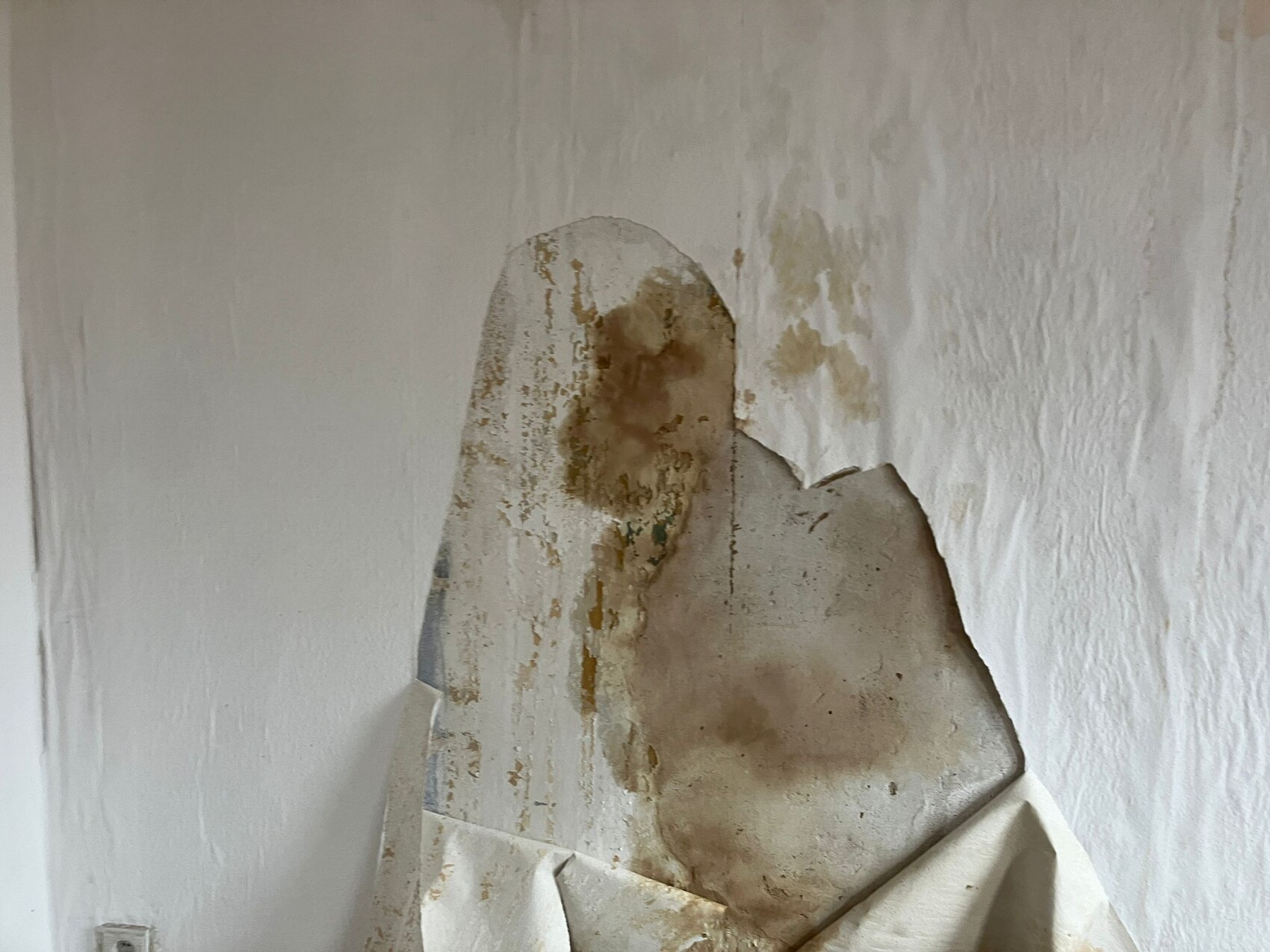
Benutzer20729 Oct 2023 21:15Here is a damp wall. We removed the wallpaper to take a closer look underneath. The house is about 100 years old.
 KingJulien30 Oct 2023 07:58
The sheets are not seriously overlapped the wrong way?!?
B
Buchsbaum30 Oct 2023 08:58The photo was taken only from below. The overlap is actually correct. The image is misleading here.
It will be difficult to determine where the water is entering. This could now also be due to increased rainfall. Often, the screws are responsible for water infiltration. There are small rubber washers underneath that become brittle over time. Water can then get in there. However, if it happens, it probably wouldn’t be as much as in your case.
Maybe just replace the screws. That would be the simplest and most cost-effective solution for now.
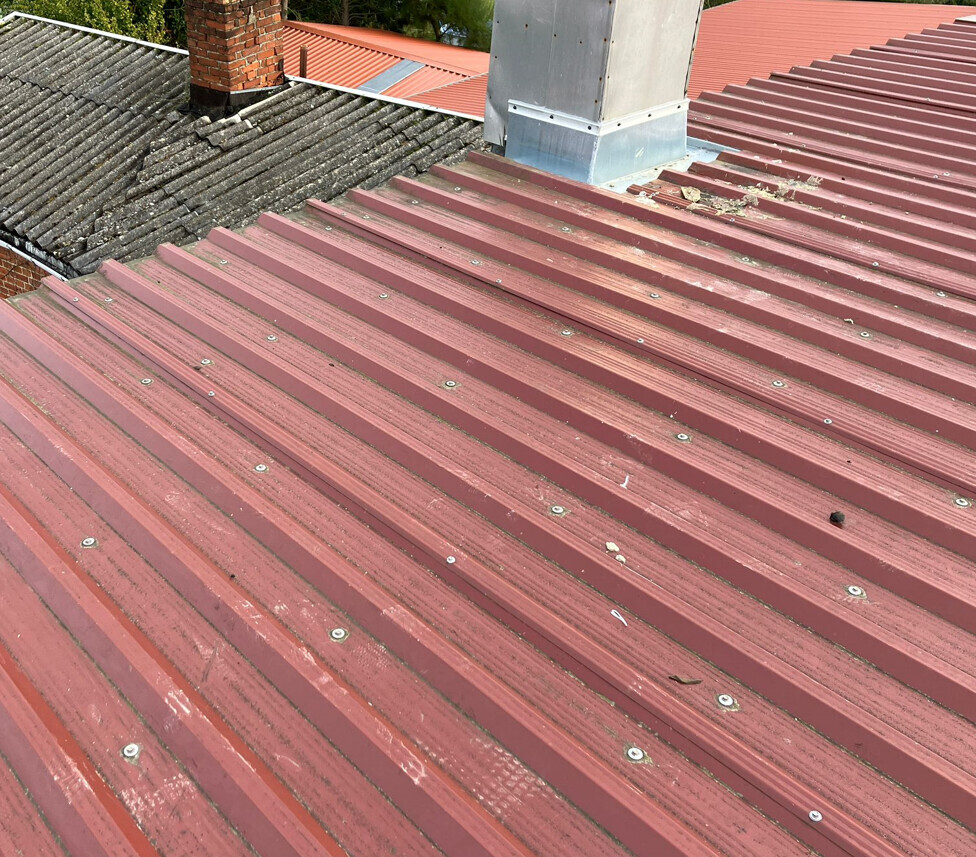
Otherwise, the obviously renewed sealing around the chimney comes to mind as the possible cause. I would check the overlap on the aluminum flashing there. If water hits the chimney during heavy rain, it might accumulate there and be pushed under the red corrugated metal roofing. In any case, that area doesn’t look very good to me.
Did the roofer work on that corner?
Water always finds its way, and the hardest part of dealing with a leaking roof is figuring out where the leak actually is. So you have to look carefully. But, as I said, check the chimney sealing. That is always a weak point.
It will be difficult to determine where the water is entering. This could now also be due to increased rainfall. Often, the screws are responsible for water infiltration. There are small rubber washers underneath that become brittle over time. Water can then get in there. However, if it happens, it probably wouldn’t be as much as in your case.
Maybe just replace the screws. That would be the simplest and most cost-effective solution for now.
Otherwise, the obviously renewed sealing around the chimney comes to mind as the possible cause. I would check the overlap on the aluminum flashing there. If water hits the chimney during heavy rain, it might accumulate there and be pushed under the red corrugated metal roofing. In any case, that area doesn’t look very good to me.
Did the roofer work on that corner?
Water always finds its way, and the hardest part of dealing with a leaking roof is figuring out where the leak actually is. So you have to look carefully. But, as I said, check the chimney sealing. That is always a weak point.
C
chand198630 Oct 2023 09:09Buchsbaum schrieb:
The photo was taken only from below. The overlap is actually correct. The photo is misleading here.Photo No. 3 was taken from above, as you can see from the tree in the background. Here, the first overlap towards the top (!) is open.
Similar topics