
Hello,
I’m not a structural engineer, but would something like this hold? The neighbor’s gardener is planning a corrosion protection layer about 4–6 cm (1.5–2.5 inches) thick, as shown in the picture.
The top of the wall leans approximately 10–15 cm (4–6 inches) onto my property. On the other side, about 160 cm (63 inches) of wall plus soil has been built up. The wall is around 15 cm (6 inches) thick, and the slope in the soil is about 1 meter (3.3 feet) wide. The green area represents my soil surface. The wall is nearly flush with my turf—or whatever the correct term is. The wall has no foundation. Now, they want to pour a concrete wall around 4–6 cm (1.5–2.5 inches) wide and up to 60 cm (24 inches) deep into the existing wall to support it.
From my point of view, the 60 cm (24 inches) depth plus 5–6 cm (2–2.5 inches) will not hold the angled top upright. If it is built straight up, at some point the wall might crack because the new concrete will not properly bond with the old wall. Am I mistaken in my reasoning?
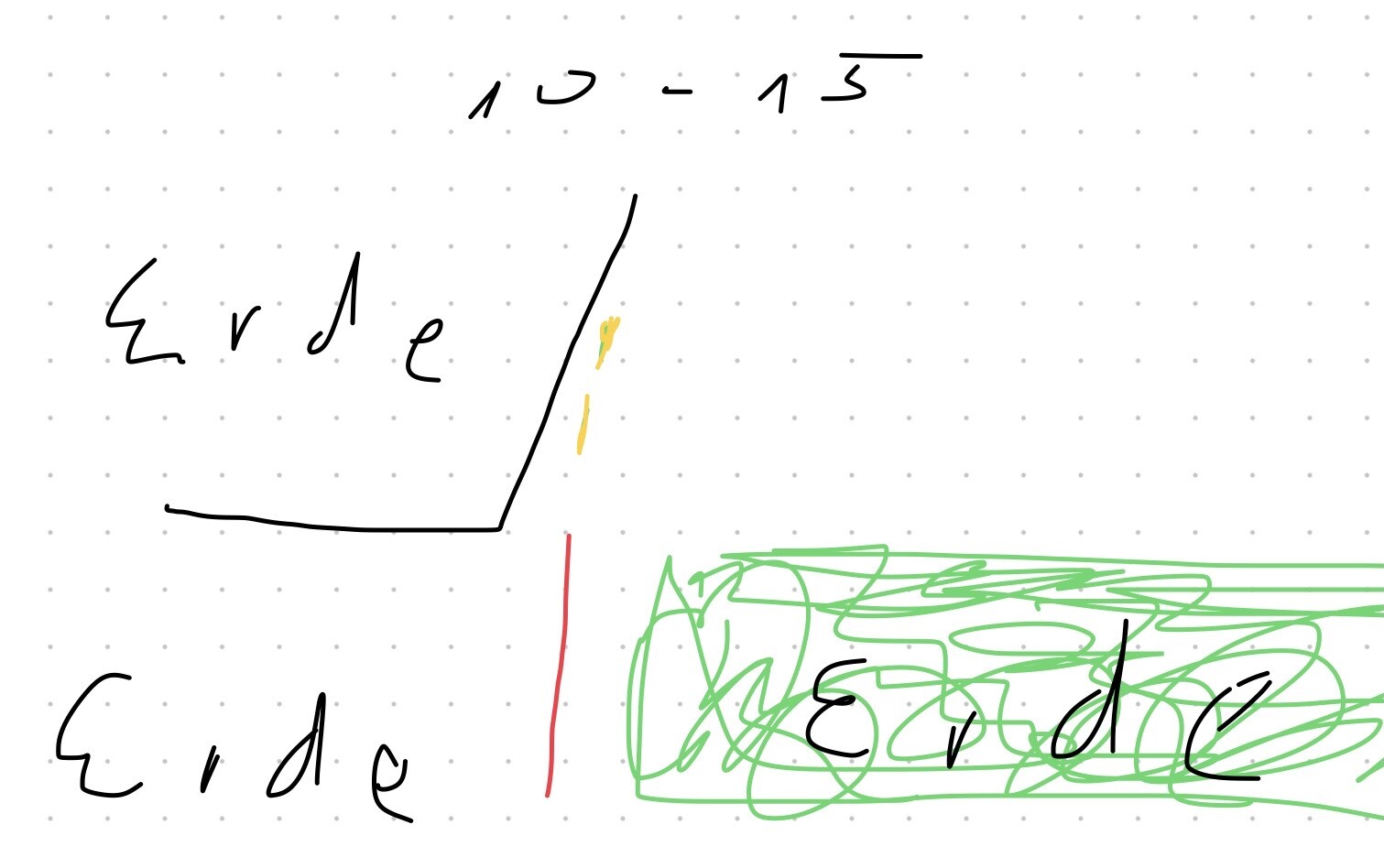
I’m not a structural engineer, but would something like this hold? The neighbor’s gardener is planning a corrosion protection layer about 4–6 cm (1.5–2.5 inches) thick, as shown in the picture.
The top of the wall leans approximately 10–15 cm (4–6 inches) onto my property. On the other side, about 160 cm (63 inches) of wall plus soil has been built up. The wall is around 15 cm (6 inches) thick, and the slope in the soil is about 1 meter (3.3 feet) wide. The green area represents my soil surface. The wall is nearly flush with my turf—or whatever the correct term is. The wall has no foundation. Now, they want to pour a concrete wall around 4–6 cm (1.5–2.5 inches) wide and up to 60 cm (24 inches) deep into the existing wall to support it.
From my point of view, the 60 cm (24 inches) depth plus 5–6 cm (2–2.5 inches) will not hold the angled top upright. If it is built straight up, at some point the wall might crack because the new concrete will not properly bond with the old wall. Am I mistaken in my reasoning?
H
hanghaus202317 Sep 2023 18:46Whether it tips over or not is irrelevant. The neighbor is responsible for removing the intrusion on your property.
W
WilderSueden17 Sep 2023 20:57Michel56 schrieb:
I see it the same way. However, the neighbor doubts that the wall will lean any further. A written expert report has already been requested, but nothing has been received as of today. I think you need to take a two-pronged approach here. First, have the neighbor formally requested through a lawyer to remove the wall from your property and install proper support. Second, have an expert inspect the situation to ensure that the work is done properly in the end. I’m not exactly sure what kind of specialist you would need—maybe a geotechnical engineer? Or an expert in civil engineering or landscaping?
H
hanghaus202318 Sep 2023 08:25WilderSueden schrieb:
I'm not exactly sure what you're looking for there. Perhaps a geotechnical engineer? Or a specialist in civil engineering or landscaping?A structural engineer can also perform the calculations.hanghaus2023 schrieb:
A structural engineer can also verify this by recalculating.For finished L-shaped blocks, a structural engineer is not necessary. These have been available for many years and are reliable as long as the ground conditions are suitable.hanghaus2023 schrieb:
Whether it is tipping or not is irrelevant. The neighbor is responsible for removing the intrusion on your property.As I understand it, the bend/base of the L-shaped concrete block is set back from the boundary, and only the upper part is now at the boundary because it has tilted or was installed incorrectly.@Grundaus is right. The wall is off by a few centimeters and is leaning over. The most stressed area of the L-shaped steel likely is the vertical wall and the angle (corner). The wall is about 50 years old. If I now want to attach a concrete block (vertically down) there, I suspect that the soil beneath the vertical wall will be loosened. But that would also mean the wall could become even more unstable. Is there a flaw in my theory?
The part of the wall in the ground probably only resists moisture from the soil for 5–7 cm (2–3 inches). Frost probably passes through, right? How should the wall theoretically be constructed in the ground? Everything seems a bit odd to me.
The part of the wall in the ground probably only resists moisture from the soil for 5–7 cm (2–3 inches). Frost probably passes through, right? How should the wall theoretically be constructed in the ground? Everything seems a bit odd to me.
Similar topics