
ᐅ Converting an old septic tank into a rainwater harvesting cistern
Created on: 17 Apr 2023 10:00
T
tzippy84Hello!
Our single-family house from 1966 still has an old septic tank of 7.5sqm (80.7 sq ft). It is divided into 4 chambers inside.
It was only used for 3 years (because then the sewer connection was made) and afterwards cleaned and filled with soil. This soil was partially removed by the previous owners.
I would like to use this septic tank now as a rainwater cistern for garden irrigation.
Do you think the effort is worth it? I would probably have to remove the chamber partitions somehow, so that in the end I don’t need a pump for each chamber.
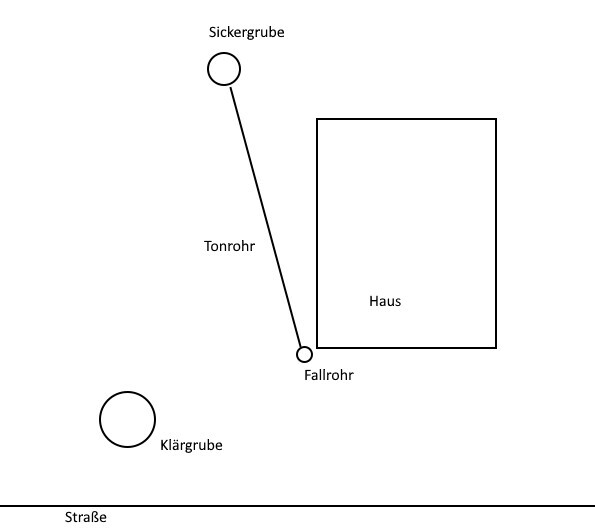
I have also attached a site plan. I would like to lay a pipe directly from the downspout into the tank. Then an overflow that goes back towards the downspout but connects to the pipe leading to the soakaway. That way, water that does not fit into the cistern flows back into the soakaway, where all the water from the downspout currently infiltrates.
I would probably also have to check everything for watertightness and possibly reseal it.
All in all, it is quite a big project. Do you think it’s worth it?
Thanks for your thoughts on this.
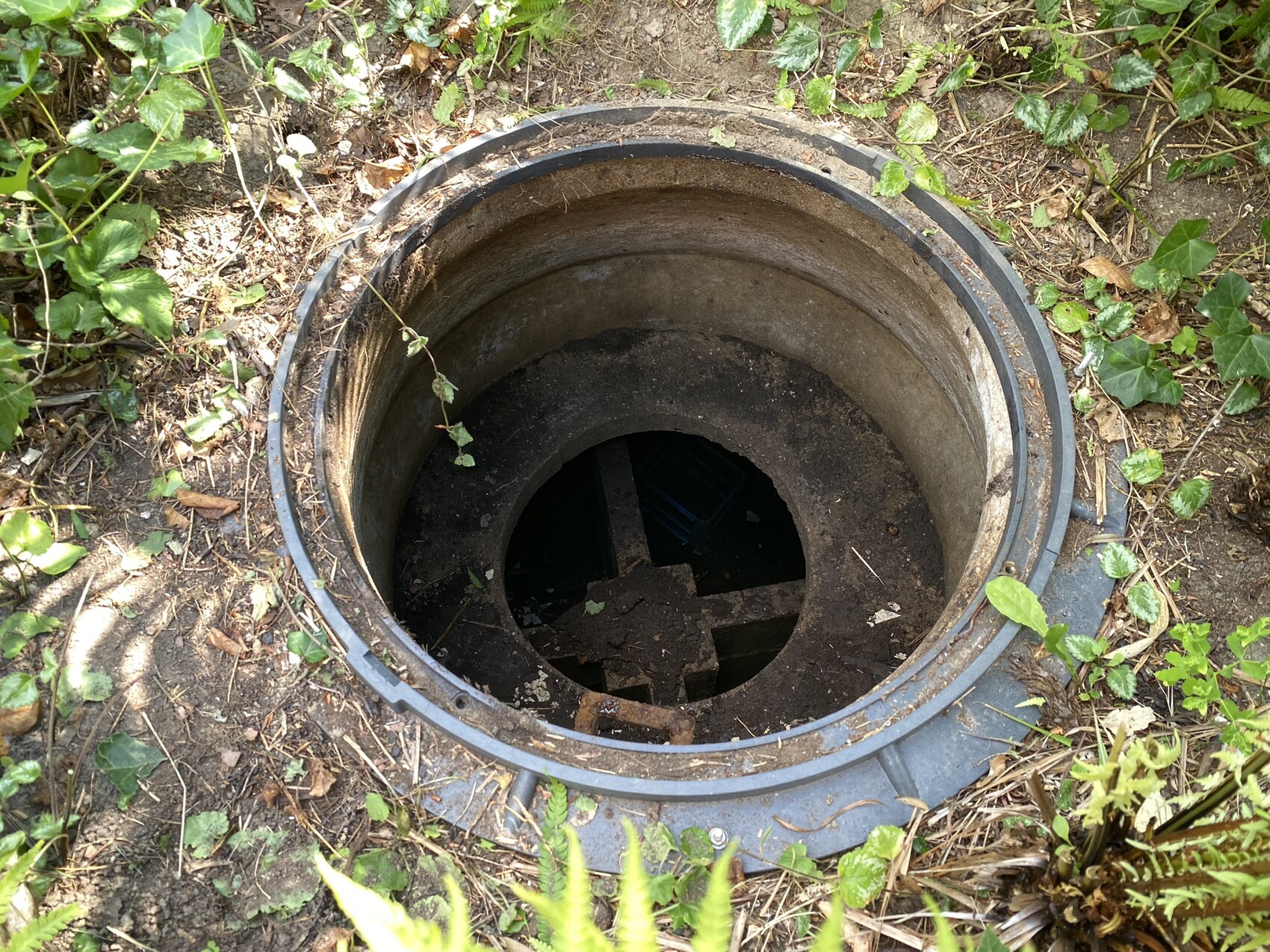
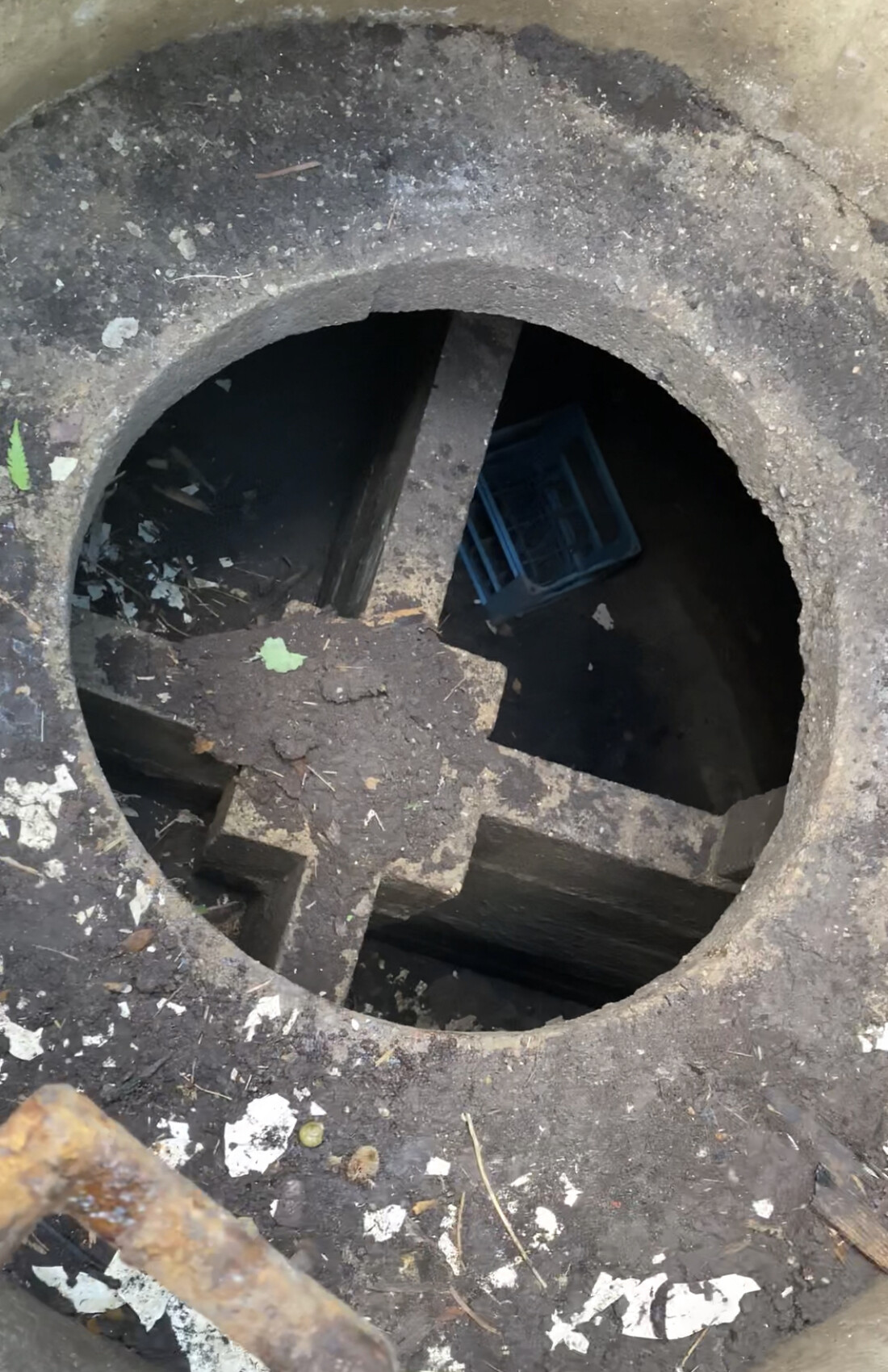
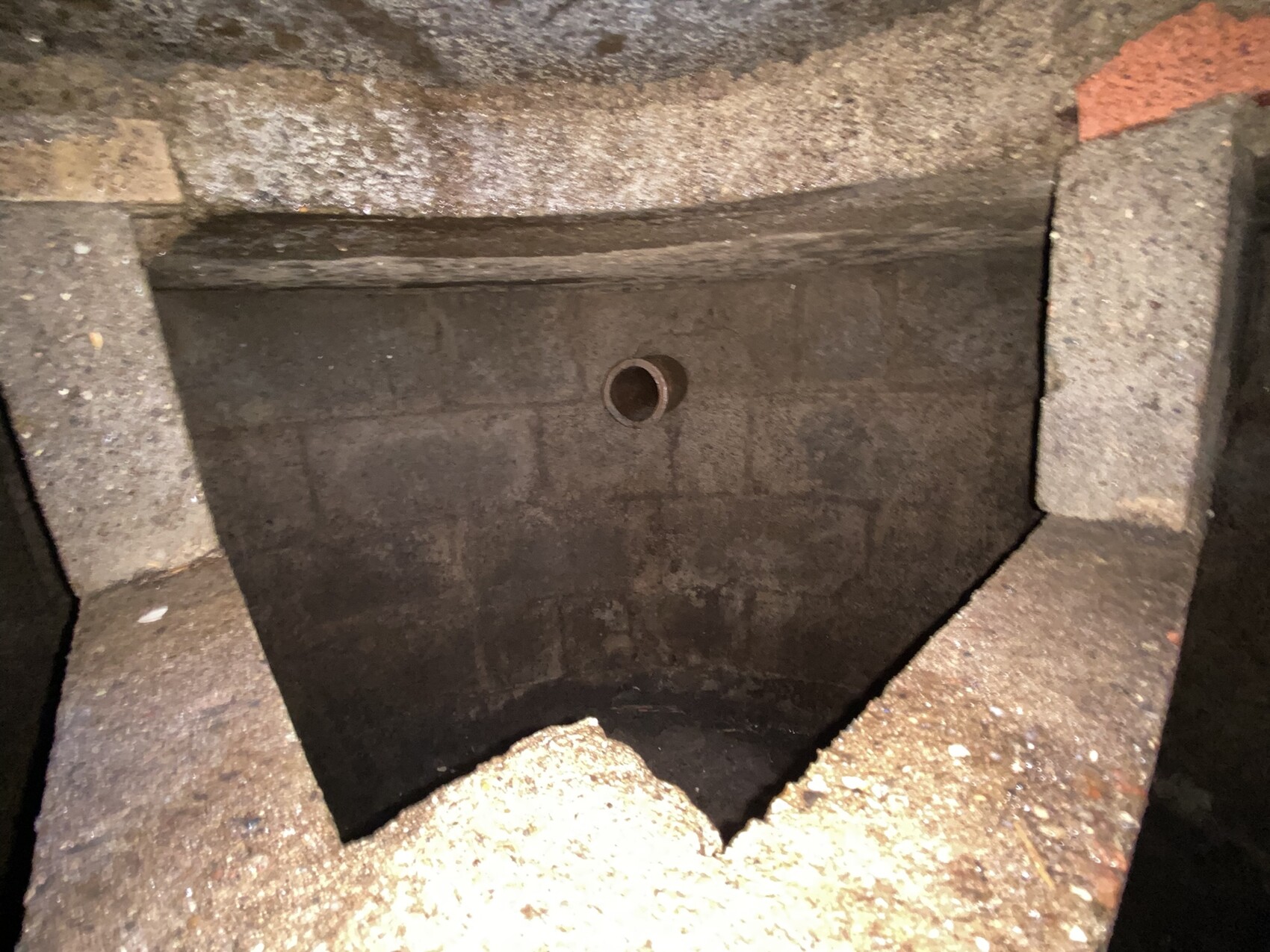
Our single-family house from 1966 still has an old septic tank of 7.5sqm (80.7 sq ft). It is divided into 4 chambers inside.
It was only used for 3 years (because then the sewer connection was made) and afterwards cleaned and filled with soil. This soil was partially removed by the previous owners.
I would like to use this septic tank now as a rainwater cistern for garden irrigation.
Do you think the effort is worth it? I would probably have to remove the chamber partitions somehow, so that in the end I don’t need a pump for each chamber.
I have also attached a site plan. I would like to lay a pipe directly from the downspout into the tank. Then an overflow that goes back towards the downspout but connects to the pipe leading to the soakaway. That way, water that does not fit into the cistern flows back into the soakaway, where all the water from the downspout currently infiltrates.
I would probably also have to check everything for watertightness and possibly reseal it.
All in all, it is quite a big project. Do you think it’s worth it?
Thanks for your thoughts on this.

tzippy84 schrieb:
In your opinion, is the effort worth it? I would probably have to demolish the chamber partitions somehow, so that I don’t end up needing a pump for each chamber. If it’s worth it to you for your garden water, then it is.
Rainwater is a completely different type of irrigation water.
It’s enough if the chambers are connected near the bottom with a link about 20mm (3/4 inch) in diameter.
The waterproofing should already be in place since it’s designed as a septic tank.
tzippy84 schrieb:
I would like to run a pipe directly from the downspout into the pit. Then an overflow that leads back toward the downspout but connects into the pipe heading to the soakaway.One pipe is enough: a downspout with a T-joint and a bend below leading to the cistern. To the side of the T-joint, the pipe goes to the soakaway.
When the cistern fills up, the water level rises, and the remaining water flows into the soakaway.
We have been doing it this way for 4 years now, by the way with all 4 downspouts (it’s faster).
D
Daniel_9317 Apr 2023 10:25I would keep the chamber partition and simply connect the chambers by drilling with a core drilling machine. This is the easiest approach and prevents everything from collapsing on you. 😉
Nida35a schrieb:
One pipe is enough: a downpipe with a T-joint and a bend below it leading to the cistern.
From the side of the T-joint, the pipe goes to the soakaway.
When the cistern fills up, the water level rises and the remaining water flows into the soakaway.
We have been doing it this way for 4 years now, by the way with all four downpipes (works faster). Wow, that simple. I feel a bit silly now :-) Thanks for the tip, that makes perfect sense and just saved me a lot of work.
Daniel_93 schrieb:
I would keep the chamber partition in place and simply connect the chambers by drilling with a core drill; that’s the least effort and won’t cause everything to collapse 😉 Yes, I just hope the chambers are big enough for me to get far enough inside to make the core drilling as low as possible. But the point about the structural stability is a good tip 🙂
Similar topics