
Hello everyone
First of all:
We have the inspector's permission to install the cables, and that was the question that concerns us and is currently unresolved!
I am an electrician/electronics technician, but I come from the industrial sector. Therefore, I am not familiar with the relevant residential building regulations. The inspector is sick and unreachable, but time is pressing...
House wiring (new construction / prefabricated construction / timber frame).
What is currently considered the "state of the art"? We plan to separate the outlets and lighting circuits.
Supply line for outlets: NYM 2.5mm² (5 AWG). For larger rooms, is it more practical to have two branch circuits, for example in a living room with about 10 outlets?
And generally, is it allowed to connect all 10 outlets in parallel on one supply line, or is a distribution box required on site? We want to avoid a distribution box if possible.
Background: we want to install the cables over Christmas and the days following. The inspector is currently sick and unreachable...
We have the inspector's permission to lay the cables, and this is the question that worries us and is still open!
As mentioned, I am an electrician/electronics technician from the industrial sector, so the applicable standards in house wiring are unfamiliar to me.
Good luck
dettec61
First of all:
We have the inspector's permission to install the cables, and that was the question that concerns us and is currently unresolved!
I am an electrician/electronics technician, but I come from the industrial sector. Therefore, I am not familiar with the relevant residential building regulations. The inspector is sick and unreachable, but time is pressing...
House wiring (new construction / prefabricated construction / timber frame).
What is currently considered the "state of the art"? We plan to separate the outlets and lighting circuits.
Supply line for outlets: NYM 2.5mm² (5 AWG). For larger rooms, is it more practical to have two branch circuits, for example in a living room with about 10 outlets?
And generally, is it allowed to connect all 10 outlets in parallel on one supply line, or is a distribution box required on site? We want to avoid a distribution box if possible.
Background: we want to install the cables over Christmas and the days following. The inspector is currently sick and unreachable...
We have the inspector's permission to lay the cables, and this is the question that worries us and is still open!
As mentioned, I am an electrician/electronics technician from the industrial sector, so the applicable standards in house wiring are unfamiliar to me.
Good luck
dettec61
hanse987 schrieb:
My opinion on the whole thing.
Wait for the electrician to tell you how he wants it! That won’t help much. We’re already behind schedule. We can’t close the walls until the cables are installed. And it looks like he’ll be out for at least 3-4 weeks. It’s even possible that we’ll need a new electrician. He might not recover. Therefore, according to current standards and general regulations, we at least have to complete the main power supply and the wiring between the outlets.
It was already clear and agreed with him that we can do without junction boxes for the lighting.
dettec61 schrieb:
Therefore, according to current industry standards and general regulations, we at least need to complete the main supply line and wiring between the power outlets.Then find someone who knows the current standards and can plan everything with you on site.
With the statements here, you have to consider that, for example, even a baker could suggest something to you. Then you close everything up, and if it goes wrong, you might have to open all the walls again at the end.

Well, without being an electrician, you can say there’s quite a bit to do yourself. As long as it’s clear beforehand that you’ll find someone to carry out the electrical inspection and connect everything in the distribution board or main panel, everything should be fine. You really can’t go too wrong using common sense (well, actually you can ;-)
I would reconsider the 2.5mm² (about 14 AWG) cable, unless you mean three times 2.5mm². With 5x 2.5mm² cables, the junction boxes will get cramped. You’ll probably realize that as soon as you get to the first room. All appliances in the kitchen should be connected separately with 2.5mm² cable—that should be obvious.
Are you planning to get smart home features later? Then consider running separate cables to every light or similar. But of course, it’s tight timing to ask these questions NOW.
Installation zones can be found on Google.
Of course, no guarantees, but this is based on my own experience wiring a 300m² (about 3,230 sq ft) living area with very good results (after one year everything is still working). And by the way, I’m not a baker but an IT systems sales specialist.
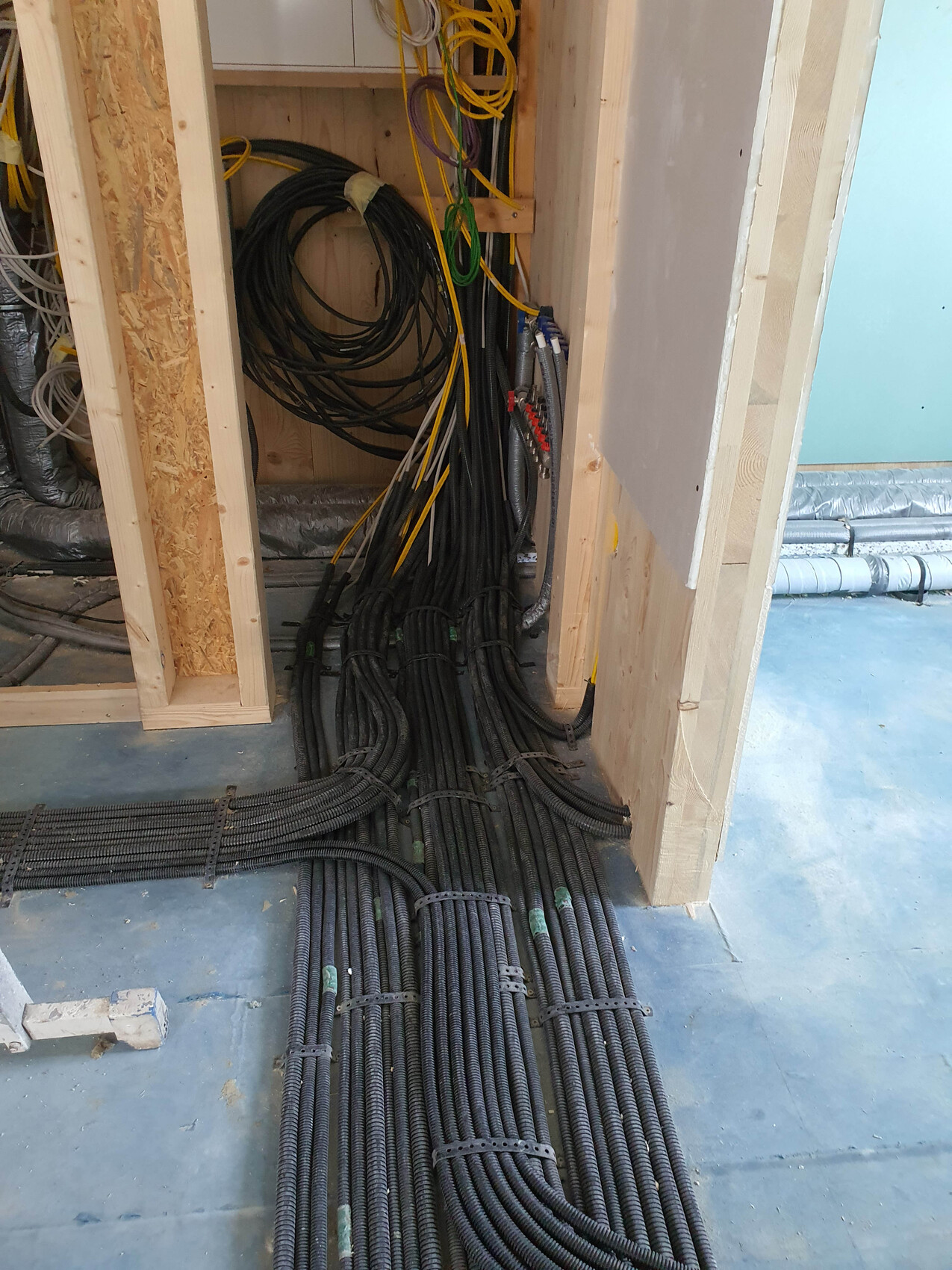
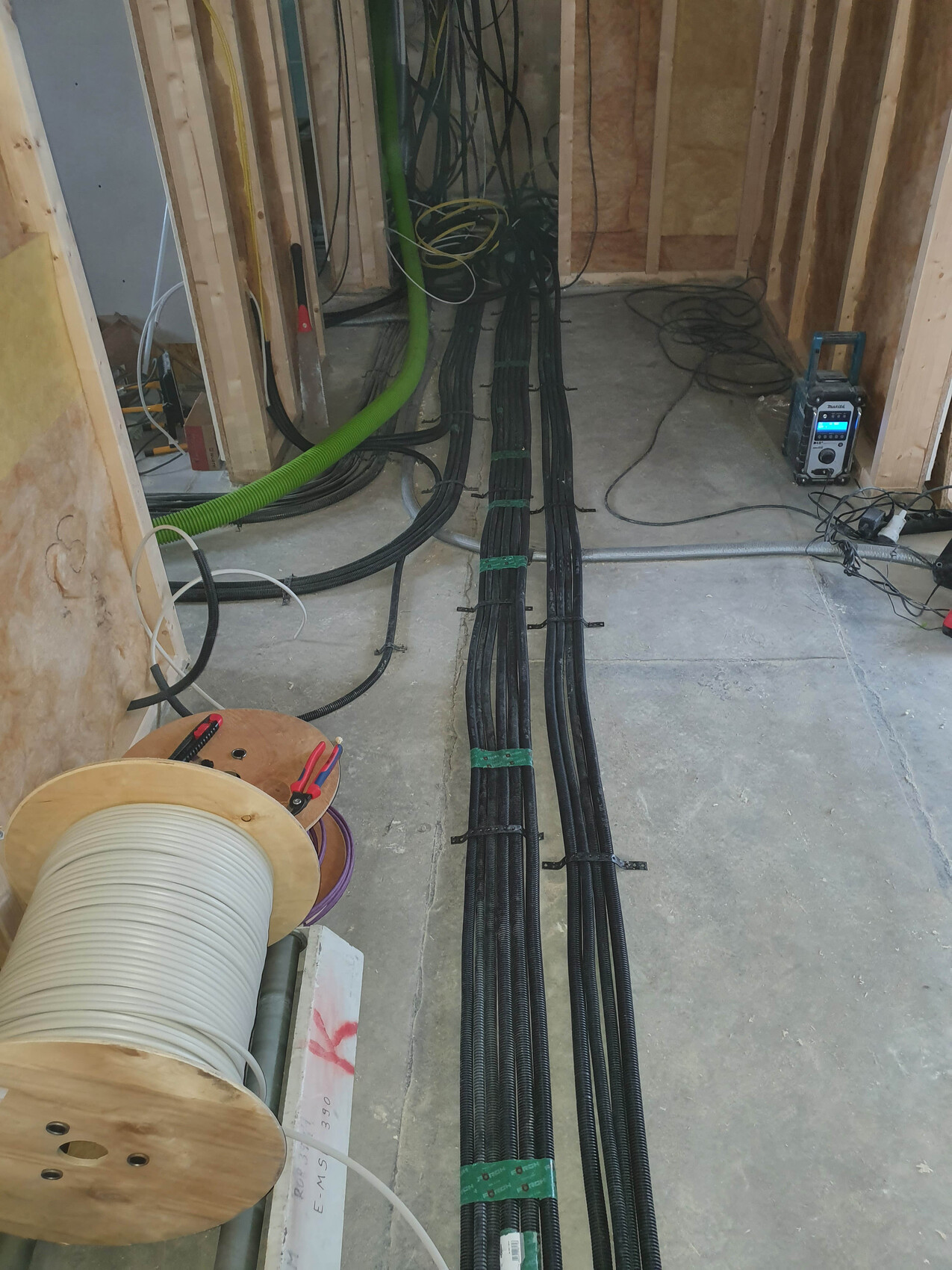
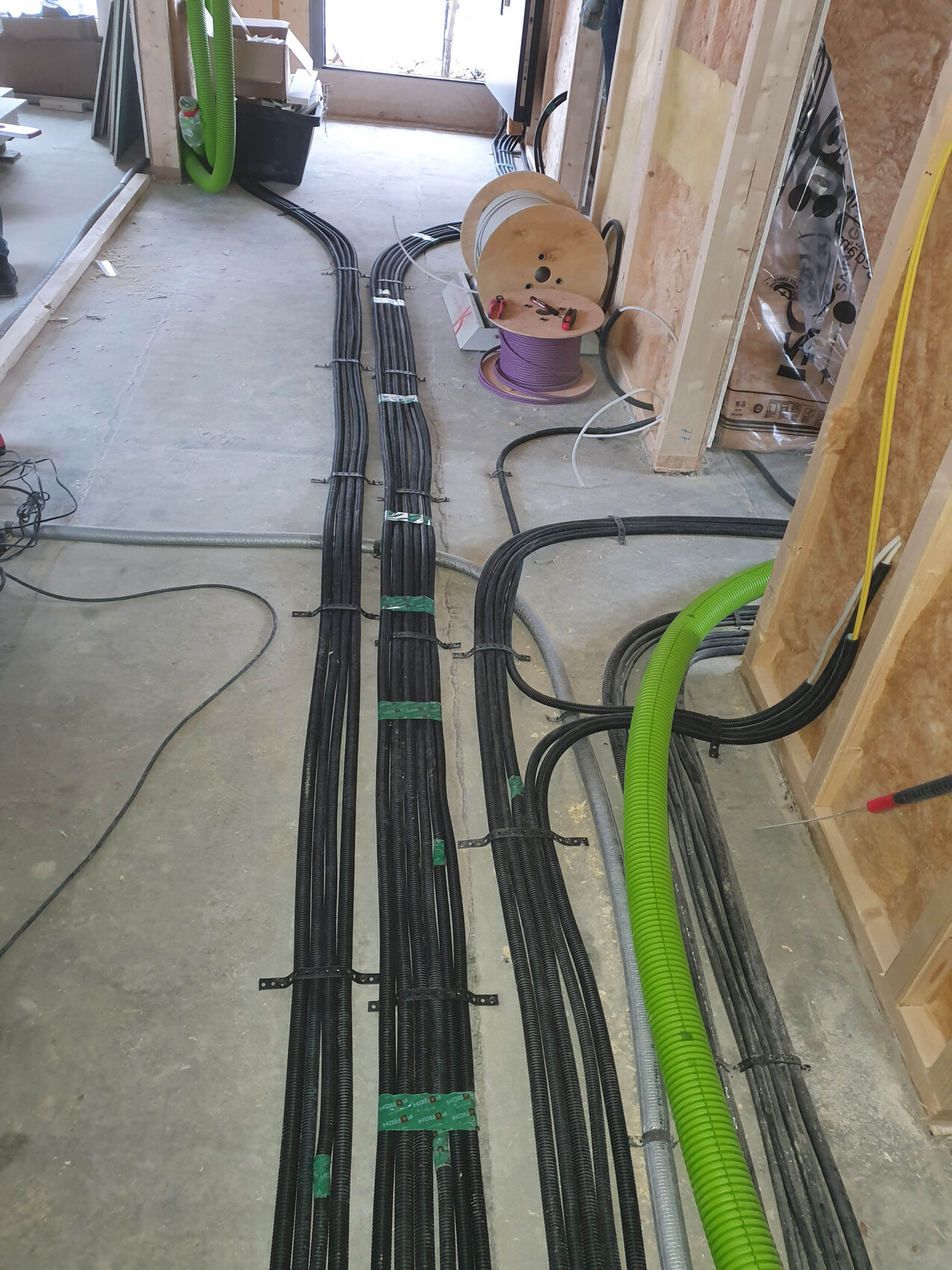
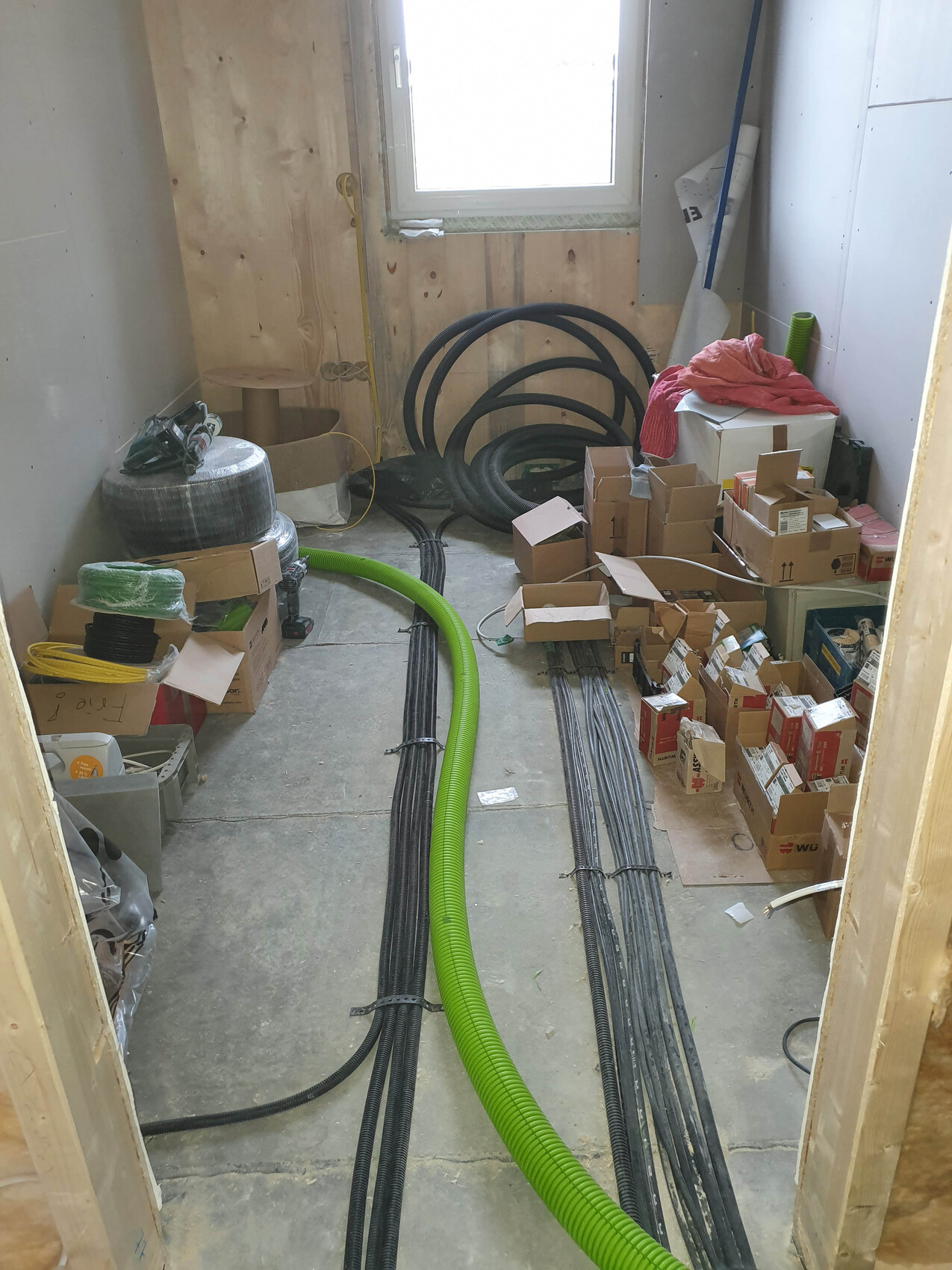
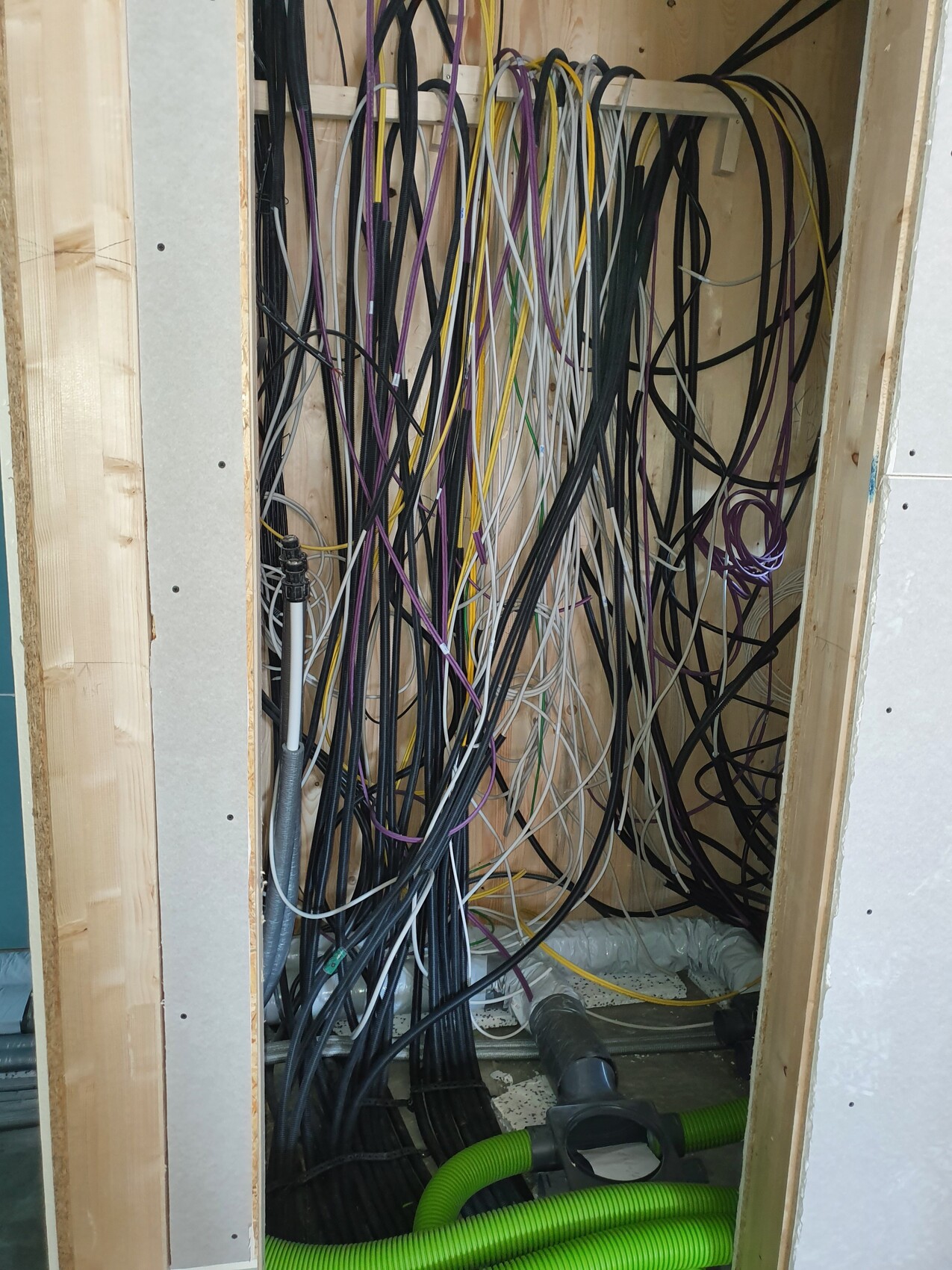
I would reconsider the 2.5mm² (about 14 AWG) cable, unless you mean three times 2.5mm². With 5x 2.5mm² cables, the junction boxes will get cramped. You’ll probably realize that as soon as you get to the first room. All appliances in the kitchen should be connected separately with 2.5mm² cable—that should be obvious.
Are you planning to get smart home features later? Then consider running separate cables to every light or similar. But of course, it’s tight timing to ask these questions NOW.
Installation zones can be found on Google.
Of course, no guarantees, but this is based on my own experience wiring a 300m² (about 3,230 sq ft) living area with very good results (after one year everything is still working). And by the way, I’m not a baker but an IT systems sales specialist.
Similar topics