
ᐅ Single-family house floor plan approximately 165 m² plus basement
Created on: 30 Aug 2022 21:16
G
Gregor_K
Hello everyone,
My wife and I purchased a plot of land last year and are now ready to start the construction project. Over the past few weeks, I have spoken with four general contractors and gathered quotes. In the coming weeks, I plan to choose one general contractor; at the moment, two are in the final running. Several floor plans have been developed, and I have posted the one we like best here. The floor plan currently does not include furniture, but once we decide on a contractor, I will finalize it with the contractor/architect unless a better plan comes up.
Of the two general contractors we are considering, one offers a planning contract for service phases HOAI 1-4. The other does not provide this, so we will need to hire a separate architect (HOAI 1-3).
Having followed various discussions in this forum for a while, I would appreciate your feedback on the floor plan. This is our first build; my knowledge so far comes from seminars by the Builders’ Protection Association and this housebuilding forum.
Development Plan/Restrictions
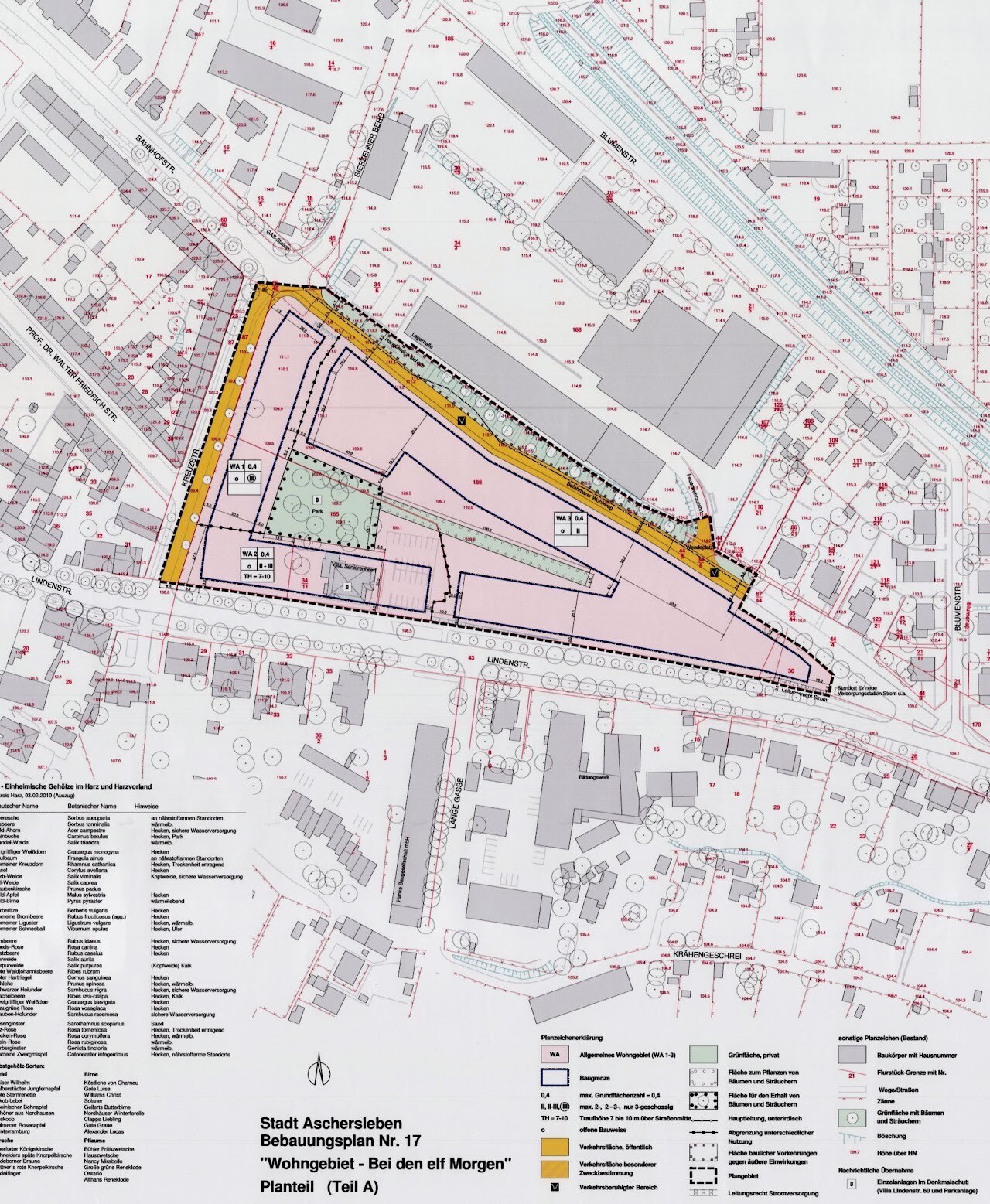
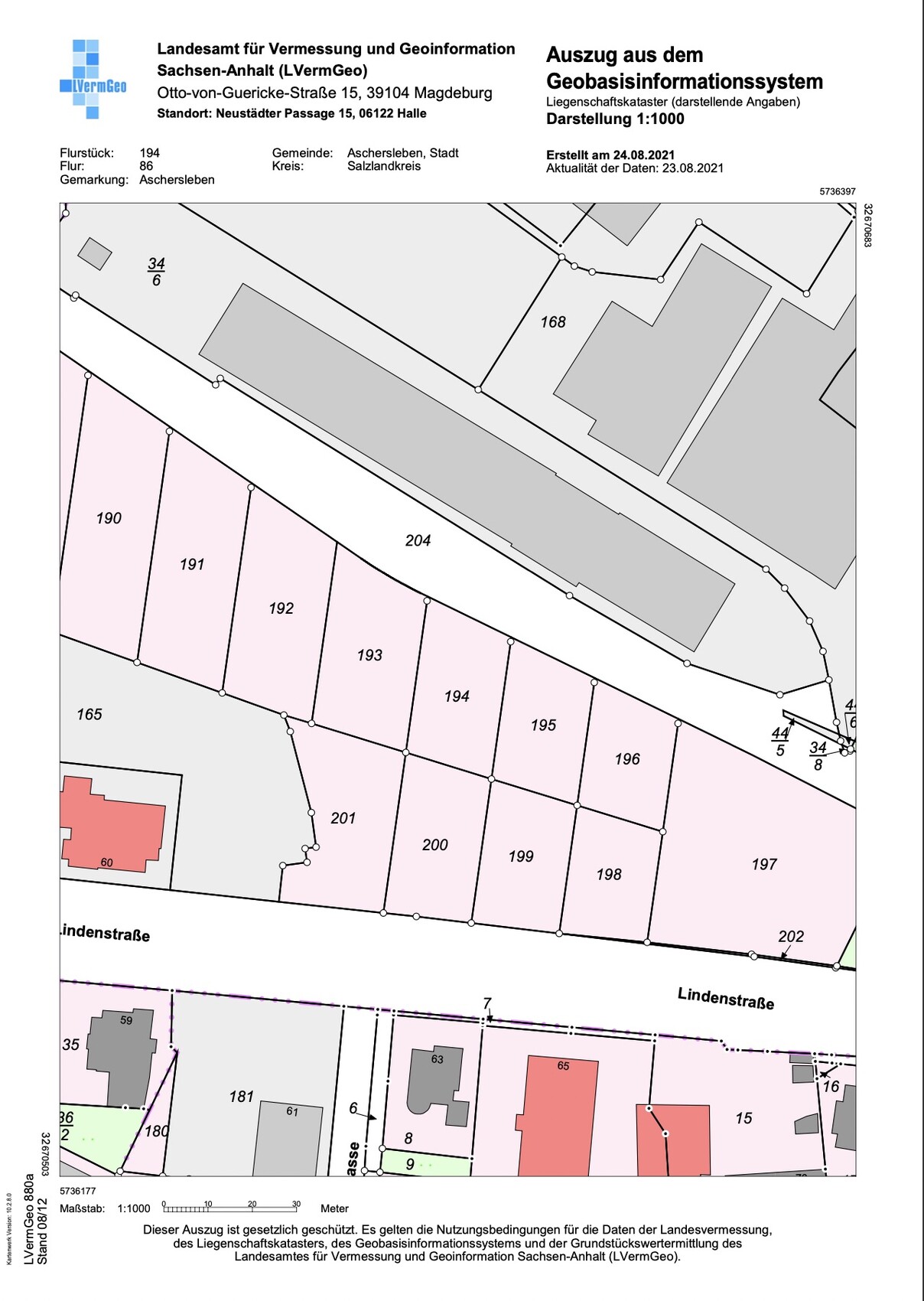
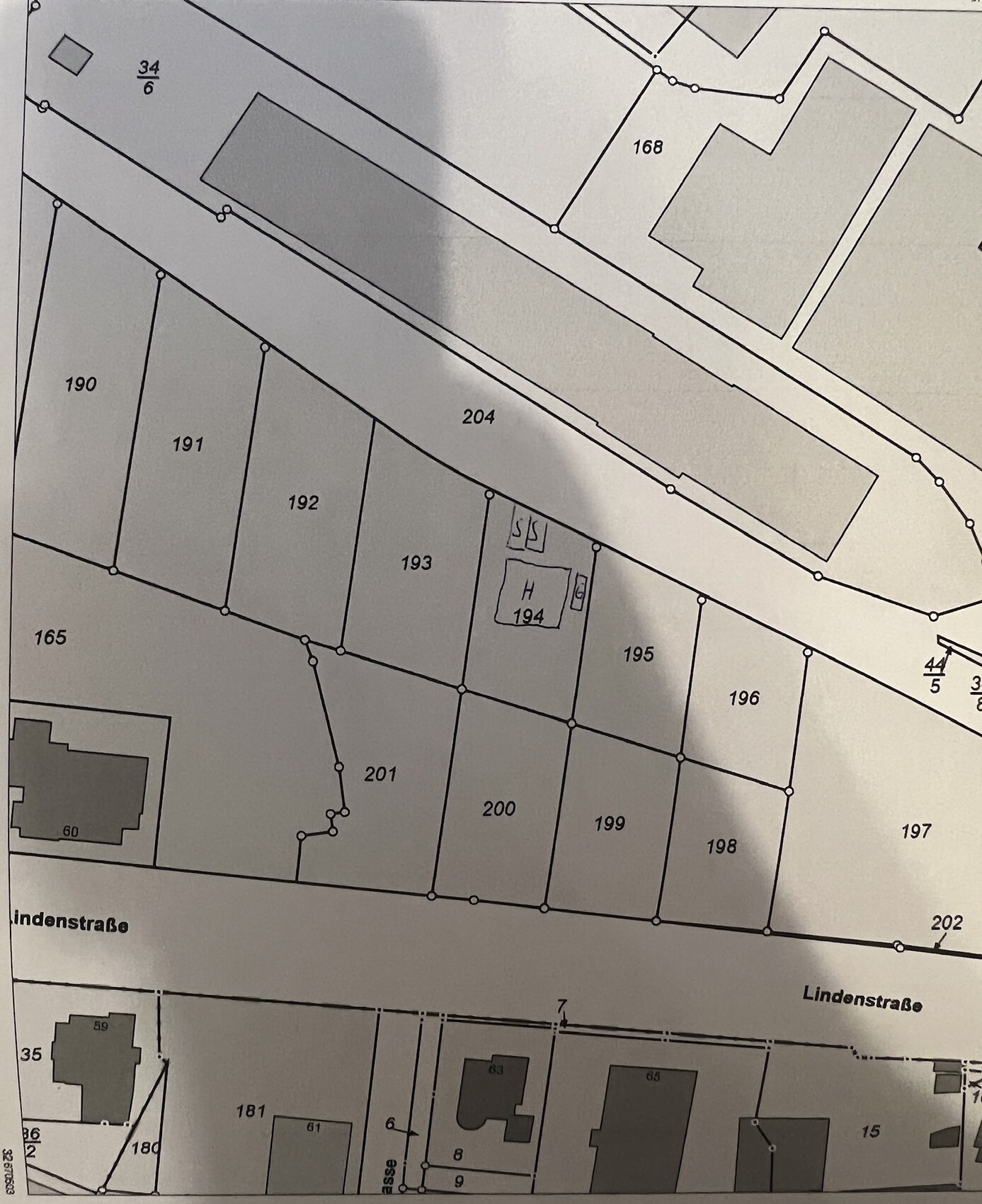
Plot No. 194
Plot size: 680m² (7,300 sq ft)
Slope: yes, descending about 1 to 1.5m (3 to 5 feet) from the access road
Site coverage ratio: 0.4
Floor area ratio: N/A
Building envelope, building line and boundary: see blue line on the development plan; approximately 12.95m x 20m (42.5 ft x 66 ft)
Setback from boundary: 3m (10 feet)
Parking spaces: 1 to 2
Maximum building height: 2 full floors
Roof style: no specification in the development plan
Homeowners’ Requirements
Style, roof type, building type: Single-family house, gabled roof with purlins if possible
Basement, floors: 2 full floors plus basement
Number of occupants: 5 people, 2 adults and 3 children
Office: Home office room
Occasional guests: none or at most 1 to 2 per year
Open kitchen, kitchen island: Yes, open kitchen, but kitchen island not absolutely necessary
Number of dining seats: 6
Fireplace: no
Balcony, roof terrace: not required
Garage, carport: Single garage to be located on the east side, plus at least 2 additional parking spaces on the northwest side of the property
House Design
Designer:
- Design by a prefabricated house supplier
What do you particularly like? Why?
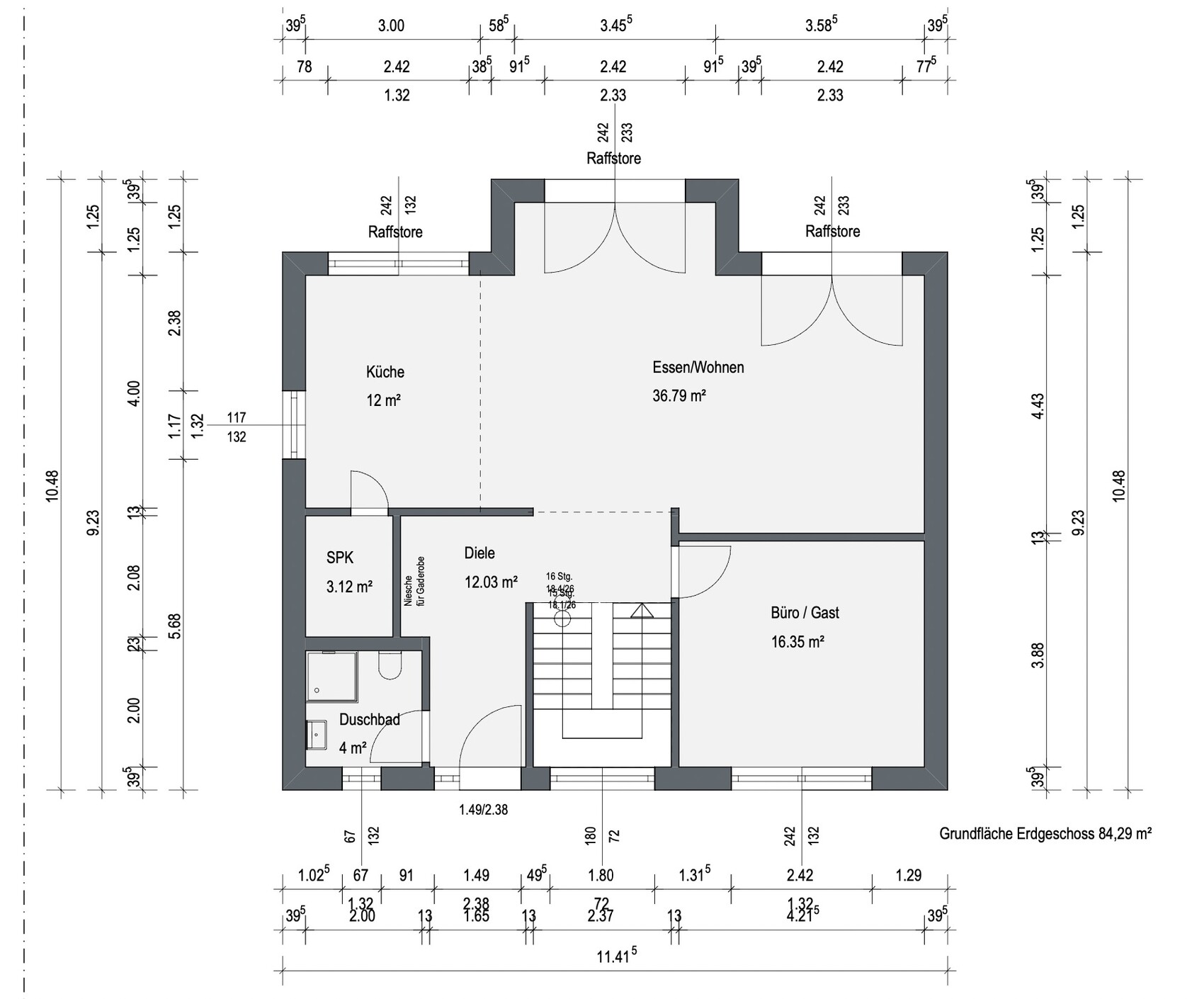
We like the appearance of the house with the bay window; it looks stylish to us. Overall, it includes everything we need, such as a pantry, a relatively spacious dining area combined with the living room, 3 children’s rooms, and an office.
What do you dislike? Why?
The staircase could be positioned further from the entrance, but this is acceptable. The bathroom design still looks unfinished.
Price estimate according to architect/designer: €620,000 without ancillary building costs (no price negotiation)
Personal price limit for the house, including fittings: €650,000 without ancillary building costs
If you had to give up certain details/extra features,
- what you could do without: Items we can omit have already been removed, e.g., walk-in closet and storage room
- what you cannot do without: 3 children’s rooms, pantry, office, landing staircase, basement
Why is the design as it is now? For example:
Design from the planner following these specifications:
- 2 full floors or 1.5 floors with a high knee wall (e.g., 180cm (70.9 inches))
- Flexible roof type; we like a gabled roof with purlins or alternatively a hip roof or flat roof
- Ground floor plus upper floor should be between 165m² and 175m² (1,776 to 1,884 sq ft)
- open kitchen + living room + dining area
- guest bathroom with shower
- entrance area should be usable for 5 people (space for shoe cabinets)
- pantry
- office room that can later be used as a bedroom in older age
- dining area close to the kitchen
- kitchen and dining area should be near the terrace
- 3 children’s rooms (2 rooms at least 15m² (161 sq ft), 1 room at least 12m² (129 sq ft))
- master bedroom with or without walk-in closet, depending on what fits better into the floor plan
- optional laundry chute would be great but not essential
- preferably no separate children’s bathroom
- bathroom at least 10m² (108 sq ft), better if 12 to 14m² (129 to 151 sq ft), depending on the layout
- staircase should not be located in the entrance’s dirt zone. A comfortable staircase would be great; ideally a landing staircase
- space for a single garage on the plot, i.e., no double garage
- access from the garage to the pantry would be nice but not essential
- no gallery
- no conservatory/glass extension
- covered access from garage to front door is not absolutely necessary
What is the most important/basic question about the floor plan in 130 characters?
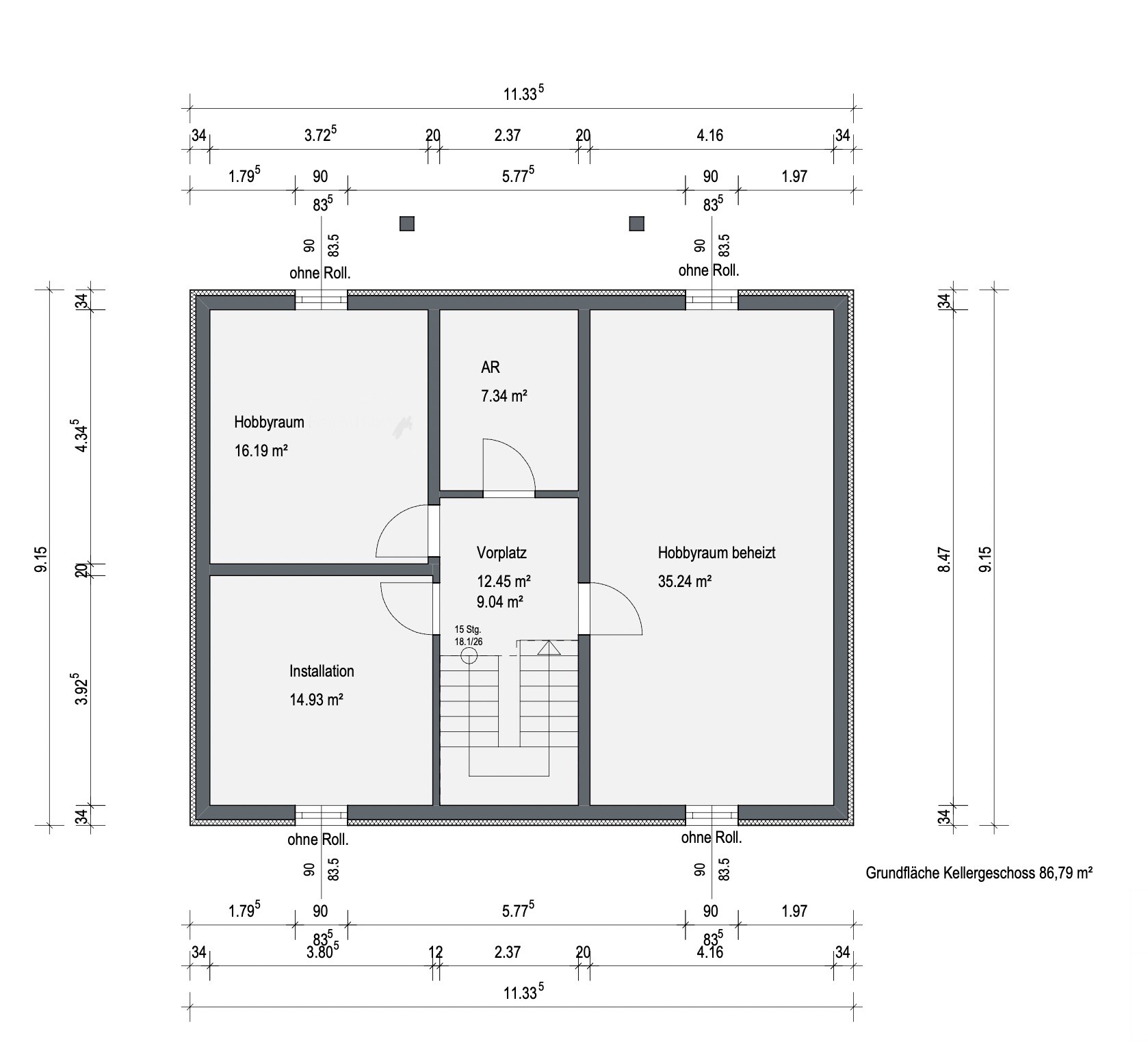
Can the staircase be placed further away from the entrance? What do you think about making windows in the bathroom, master bedroom, and office narrower (window sill height)? Are the basement windows well positioned, especially those near the terrace?
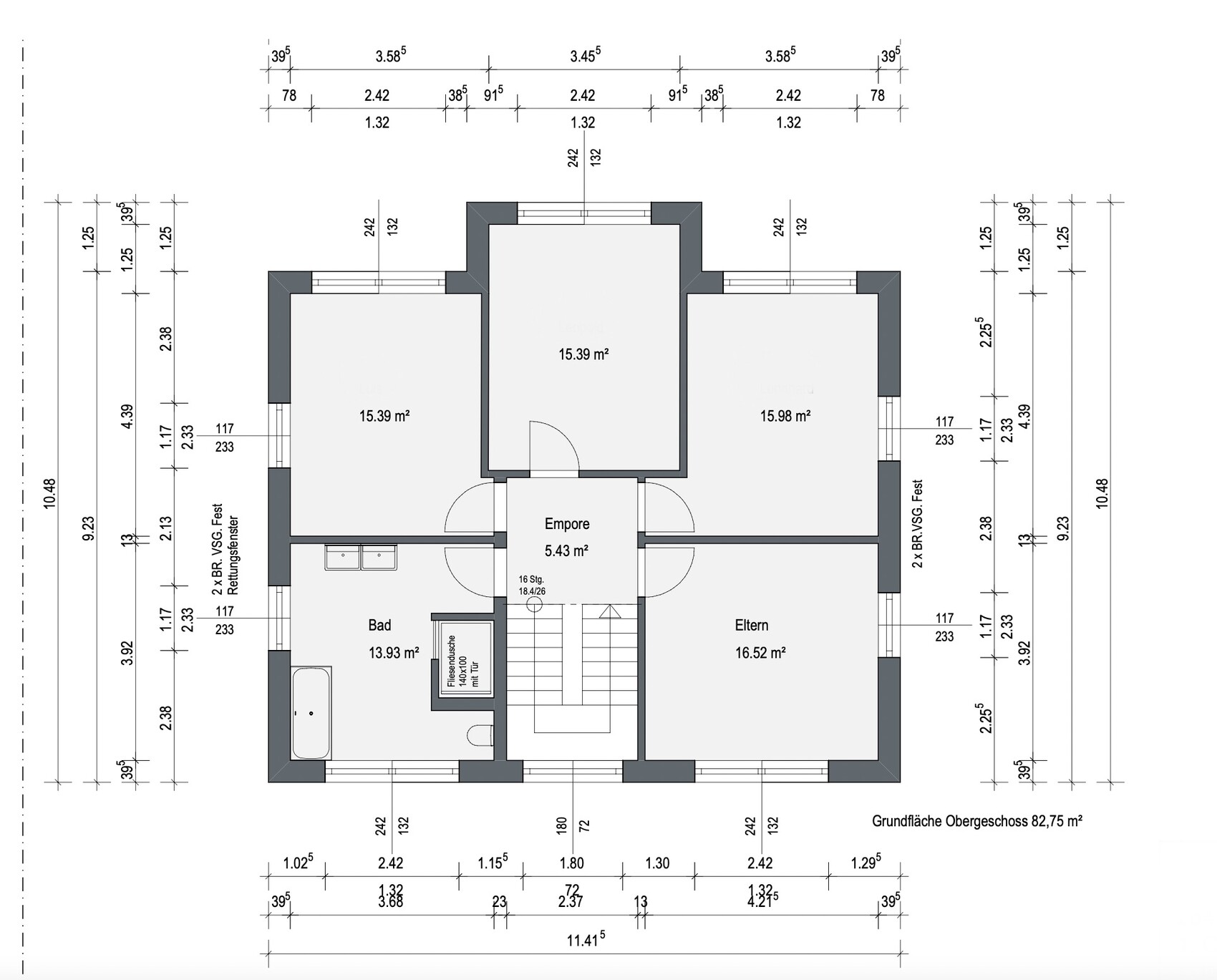
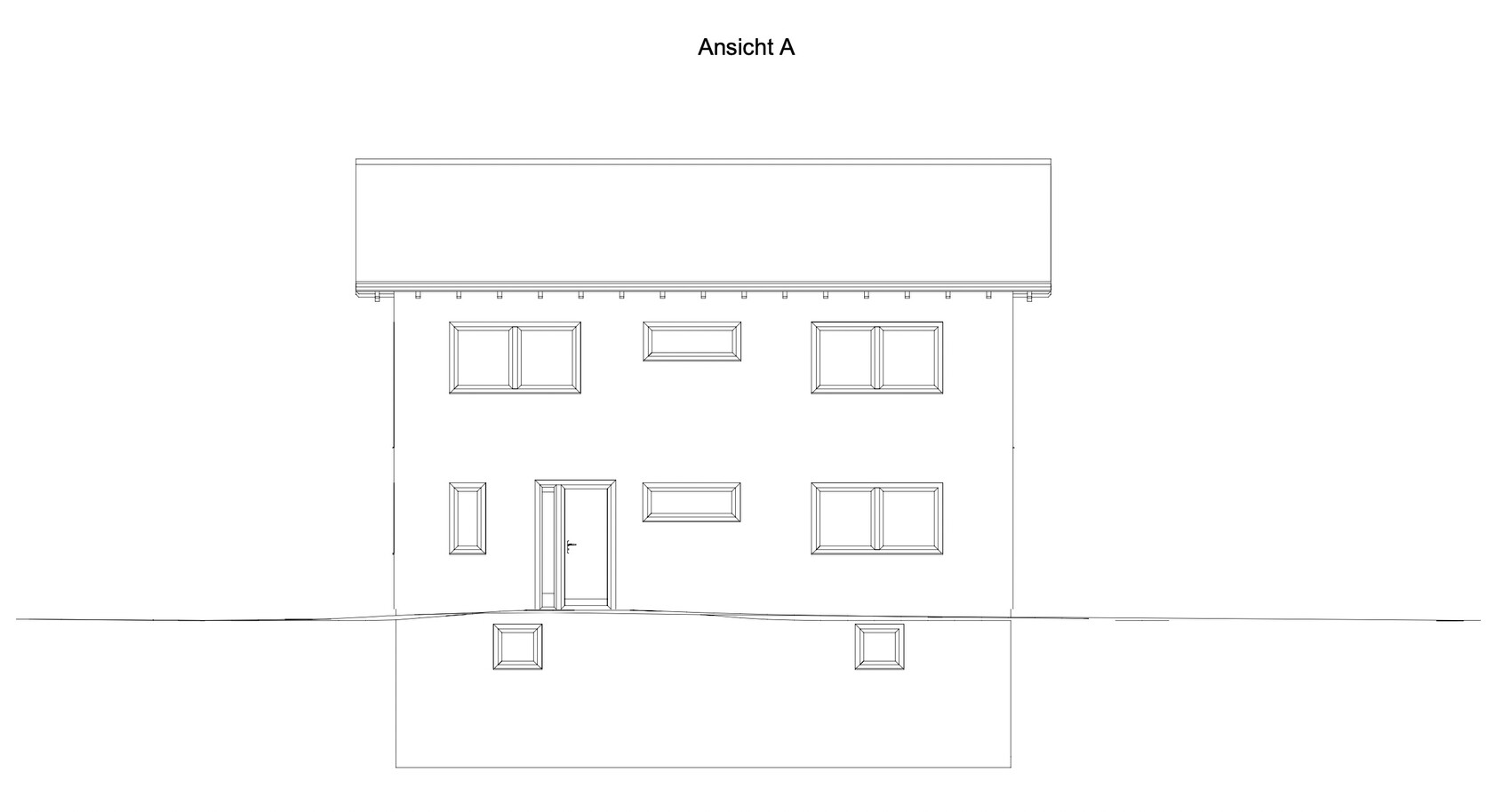
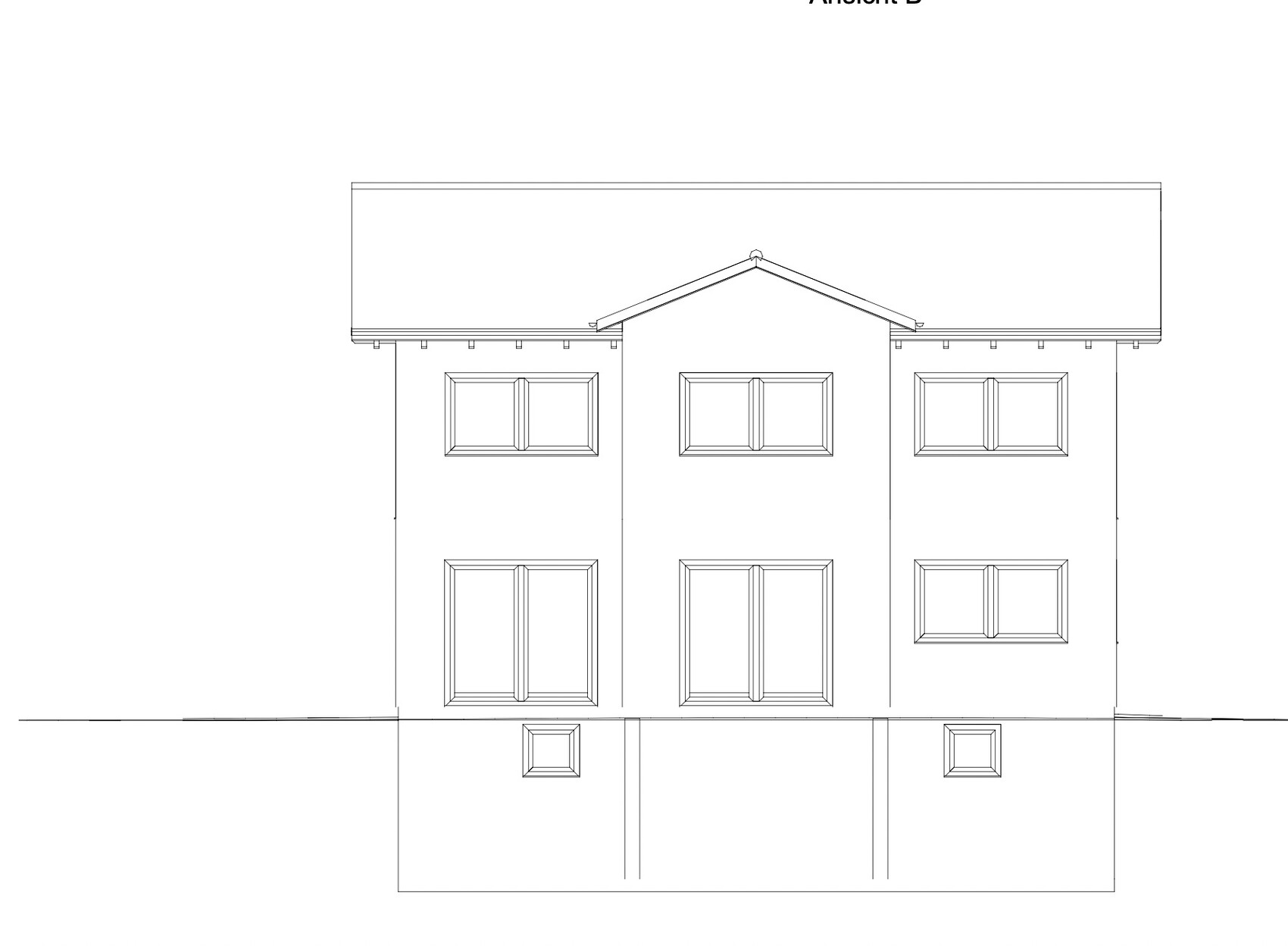
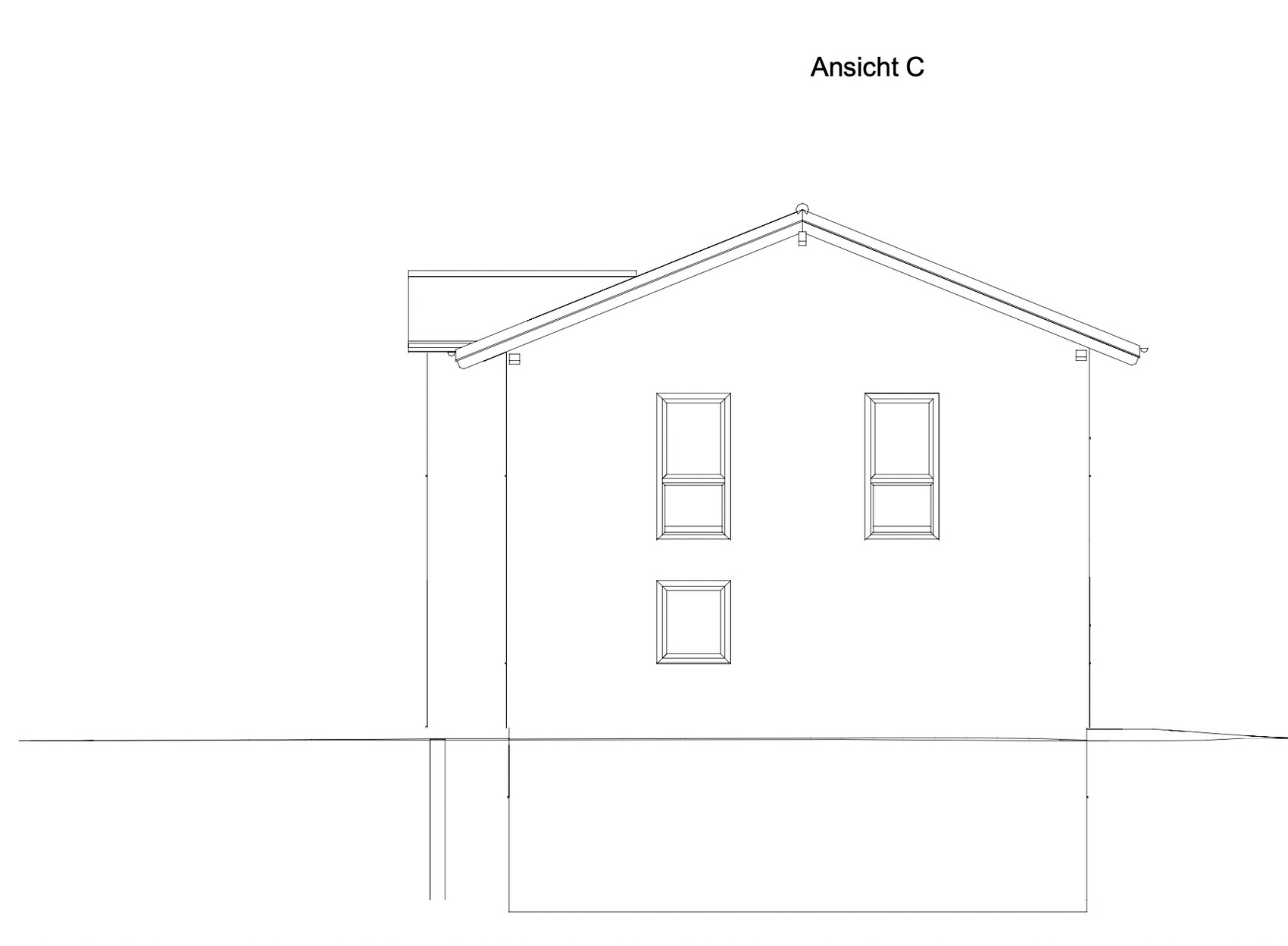
My wife and I purchased a plot of land last year and are now ready to start the construction project. Over the past few weeks, I have spoken with four general contractors and gathered quotes. In the coming weeks, I plan to choose one general contractor; at the moment, two are in the final running. Several floor plans have been developed, and I have posted the one we like best here. The floor plan currently does not include furniture, but once we decide on a contractor, I will finalize it with the contractor/architect unless a better plan comes up.
Of the two general contractors we are considering, one offers a planning contract for service phases HOAI 1-4. The other does not provide this, so we will need to hire a separate architect (HOAI 1-3).
Having followed various discussions in this forum for a while, I would appreciate your feedback on the floor plan. This is our first build; my knowledge so far comes from seminars by the Builders’ Protection Association and this housebuilding forum.
Development Plan/Restrictions
Plot No. 194
Plot size: 680m² (7,300 sq ft)
Slope: yes, descending about 1 to 1.5m (3 to 5 feet) from the access road
Site coverage ratio: 0.4
Floor area ratio: N/A
Building envelope, building line and boundary: see blue line on the development plan; approximately 12.95m x 20m (42.5 ft x 66 ft)
Setback from boundary: 3m (10 feet)
Parking spaces: 1 to 2
Maximum building height: 2 full floors
Roof style: no specification in the development plan
Homeowners’ Requirements
Style, roof type, building type: Single-family house, gabled roof with purlins if possible
Basement, floors: 2 full floors plus basement
Number of occupants: 5 people, 2 adults and 3 children
Office: Home office room
Occasional guests: none or at most 1 to 2 per year
Open kitchen, kitchen island: Yes, open kitchen, but kitchen island not absolutely necessary
Number of dining seats: 6
Fireplace: no
Balcony, roof terrace: not required
Garage, carport: Single garage to be located on the east side, plus at least 2 additional parking spaces on the northwest side of the property
House Design
Designer:
- Design by a prefabricated house supplier
What do you particularly like? Why?
We like the appearance of the house with the bay window; it looks stylish to us. Overall, it includes everything we need, such as a pantry, a relatively spacious dining area combined with the living room, 3 children’s rooms, and an office.
What do you dislike? Why?
The staircase could be positioned further from the entrance, but this is acceptable. The bathroom design still looks unfinished.
Price estimate according to architect/designer: €620,000 without ancillary building costs (no price negotiation)
Personal price limit for the house, including fittings: €650,000 without ancillary building costs
If you had to give up certain details/extra features,
- what you could do without: Items we can omit have already been removed, e.g., walk-in closet and storage room
- what you cannot do without: 3 children’s rooms, pantry, office, landing staircase, basement
Why is the design as it is now? For example:
Design from the planner following these specifications:
- House with basement:
- 2 full floors or 1.5 floors with a high knee wall (e.g., 180cm (70.9 inches))
- Flexible roof type; we like a gabled roof with purlins or alternatively a hip roof or flat roof
- Ground floor plus upper floor should be between 165m² and 175m² (1,776 to 1,884 sq ft)
- Ground floor:
- open kitchen + living room + dining area
- guest bathroom with shower
- entrance area should be usable for 5 people (space for shoe cabinets)
- pantry
- office room that can later be used as a bedroom in older age
- dining area close to the kitchen
- kitchen and dining area should be near the terrace
- Upper floor:
- 3 children’s rooms (2 rooms at least 15m² (161 sq ft), 1 room at least 12m² (129 sq ft))
- master bedroom with or without walk-in closet, depending on what fits better into the floor plan
- optional laundry chute would be great but not essential
- preferably no separate children’s bathroom
- bathroom at least 10m² (108 sq ft), better if 12 to 14m² (129 to 151 sq ft), depending on the layout
- General:
- staircase should not be located in the entrance’s dirt zone. A comfortable staircase would be great; ideally a landing staircase
- space for a single garage on the plot, i.e., no double garage
- access from the garage to the pantry would be nice but not essential
- no gallery
- no conservatory/glass extension
- covered access from garage to front door is not absolutely necessary
What is the most important/basic question about the floor plan in 130 characters?
Can the staircase be placed further away from the entrance? What do you think about making windows in the bathroom, master bedroom, and office narrower (window sill height)? Are the basement windows well positioned, especially those near the terrace?
11ant schrieb:
The reason the general contractor (GC) does not offer the planning contract separately is, to put it simply, due to "commercial law" reasons, and this also implies that they would hire an independent architect just as you can do yourself (which, in my opinion, is the best approach). I would only consider using the GC if your trust in them is shared by your architect. If you haven’t read my Phase 5 mantra yet, I’m happy to repeat it here: with the drawing annexes from the building permit application of service phase 4 you are allowed to build the house, but you cannot really do so yet. Waiving service phase 5 often leads to serious regrets, visible as compromises like drywall boxes for various concealed installations, and also results in additional effort during service phase 8.
I really don’t like the cantilever of the bay window: if executed as shown in the plan, you will have little joy with it, and if done properly, you at best save a few hundred here compared to including the bay window already in the basement. The seemingly cheaper option is actually more complex in this specific case.
Where did the floor plan shown here come from? (it’s full of dimensions that suggest very specific building materials or a non-masonry construction). The best buildings with what I call a “planning-involved GC” (particularly when considering skipping service phases 6 and 7) are achieved by making minimal variations to one of their standard building proposals; the second best are consistent custom designs; and changing a GC’s standard building proposal significantly (including its dimensions) is almost guaranteed to cause problems: in such cases, the “we’ve always done it this way” method leads to the greatest discrepancies between planned and actual results.I read your "House Construction Roadmap." I never wanted to waive service phase 5, at least not deliberately. Thanks for the tip that the architect can be an independent architect—I will try to look into that.
The floor plan was created by a sales representative of a prefab house company. So it’s not perfect, and we have already declined the company for various reasons.

Gregor_K schrieb:
The floor plan was created by a sales representative from a prefabricated house company. Therefore, it is not perfect. I just wanted to understand how this floor plan came to your mind and why it does not have typical solid house dimensions. In terms of quality, it is on a passable draftsman level, which is quite impressive for a sales rep (some of them were still selling savings plans or Aloe Vera last year, but this one apparently has been in the housing business for a while).
Gregor_K schrieb:
I had read "The House Building Roadmap" from you. I never wanted to skip performance phase 5, at least not knowingly. Thanks for the tip that the architect can be an independent one; I will try to check that. I’m glad you read it—by the way, the last part was published recently. My informational offers have moved (to bauen-jetzt). General contractors often hold the "small planning approval authorization" as master bricklayers or carpenters, which is not sufficient for all of their construction projects. Employing their own architect is usually not economical for them, so there are often ongoing deals with architects on parental leave or retired architects. The performance phases beyond the planning permission stamp typically cover only reinforcement plans in general contracting. These phases build on each other like floors in a building; without detailed planning, site management is partly built on shaky ground.
https://www.instagram.com/11antgmxde/
https://www.linkedin.com/company/bauen-jetzt/
Christian 65 schrieb:
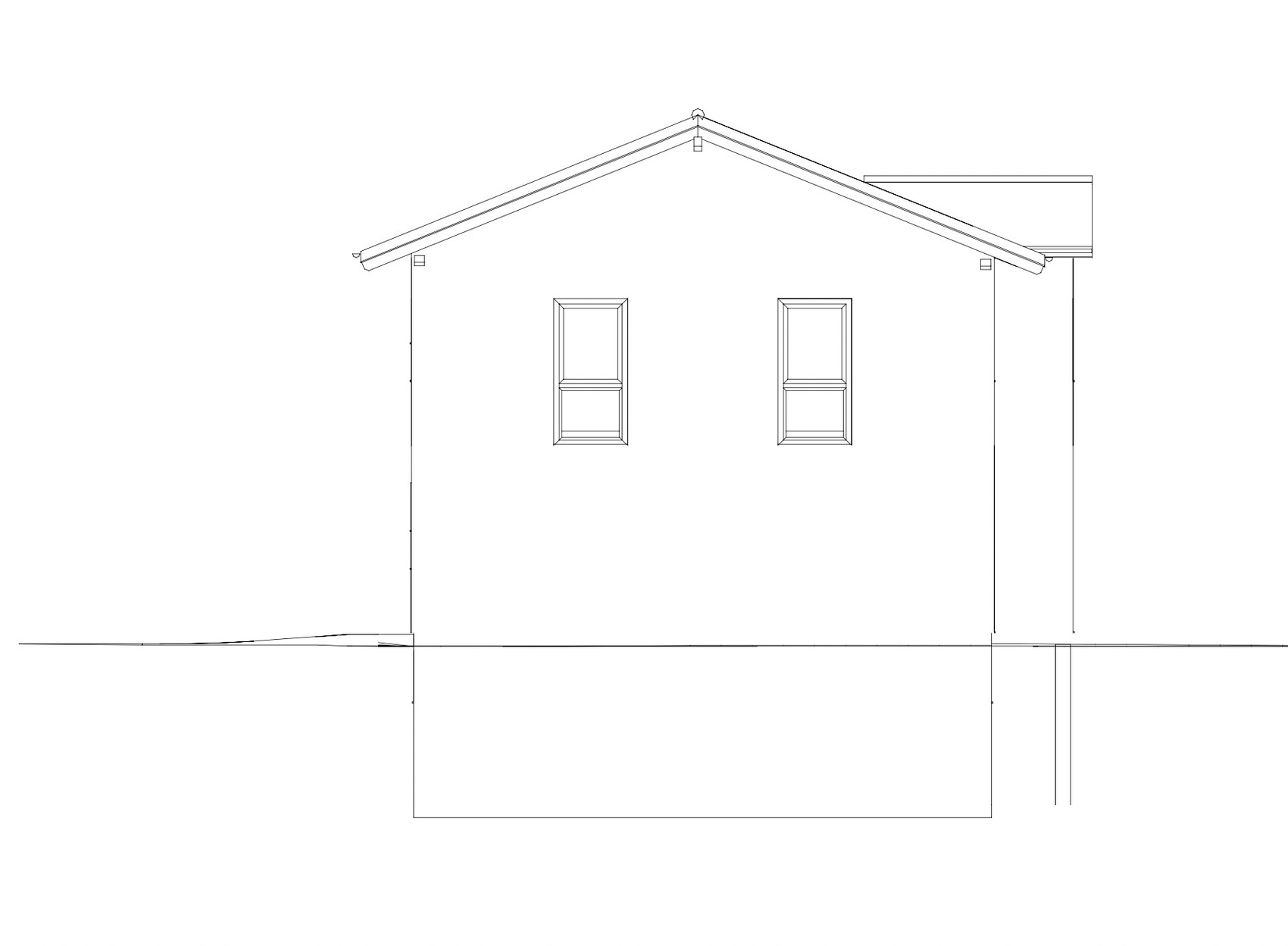
Well, is that stairwell window really practical there? You stand on the landing at about 1.65m (5 ft 5 in).
At that height, there’s nothing left above it. Or is the elevation simply drawn incorrectly?
And in the bedroom, try placing your bed first, then a wardrobe.
Maybe the gable window in that room will have to be removed.
Just my opinion Do you mean the stairwell window that you can’t reach (at the very top) or the one at landing height? The elevation should be fine.
Yvonne already mentioned the bed issue. I have drawn in the bed, nightstands, wardrobe, and dresser. Would that be acceptable from your perspective or not really?
My thinking is as follows: 2m (6 ft 7 in) bed, plus 80cm (31 in) on each side next to the bed, plus a dresser 50cm (20 in) deep.
C
Christian 6513 Oct 2022 14:02Both stairwell windows.
If the alignment is correct, the top edges of all windows are at the same height.
If your clear height is 2.50m (8.2 ft) and the roller shutter box is assumed to be 25cm (10 inches), the bottom of the window would be at 2.25m (7.4 ft), which would be fine.
On the stair landing, after 8 risers, you stand at about 1.48m (4.9 ft). With a recommended railing height of 90cm (35 inches), the bottom edge of the window would be at 2.38m (7.8 ft). You can see that this doesn’t add up.
Overall, this massive landing staircase takes up a lot of space. What actually happens in the attic? Is it just storage space, or will it also be developed? You won’t be able to extend this staircase with sufficient headroom all the way to the top considering the roof pitch.
However, if a loft ladder is planned in the upper floor hallway, it might be possible to rotate the staircase and then build over the first part of the bedroom-side stair entry on the ground floor—certainly about 26cm (10 inches), maybe more once the cross-section is designed.
This would make the hallway space to the right of the bedroom door wider. If you can build over 2.5 steps, the door could be moved all the way down, and behind the door leaf, a wardrobe could be placed along the full width of the wall. This would also prevent bumping into a wardrobe corner. But for this, the staircase would need to be drawn in section and headroom would have to be checked.
And lastly, if someone wants to, a step (= two risers) could be added in the middle of the stair landing.
This would allow the staircase flight to be shortened.
Everyone as they wish.
If the alignment is correct, the top edges of all windows are at the same height.
If your clear height is 2.50m (8.2 ft) and the roller shutter box is assumed to be 25cm (10 inches), the bottom of the window would be at 2.25m (7.4 ft), which would be fine.
On the stair landing, after 8 risers, you stand at about 1.48m (4.9 ft). With a recommended railing height of 90cm (35 inches), the bottom edge of the window would be at 2.38m (7.8 ft). You can see that this doesn’t add up.
Overall, this massive landing staircase takes up a lot of space. What actually happens in the attic? Is it just storage space, or will it also be developed? You won’t be able to extend this staircase with sufficient headroom all the way to the top considering the roof pitch.
However, if a loft ladder is planned in the upper floor hallway, it might be possible to rotate the staircase and then build over the first part of the bedroom-side stair entry on the ground floor—certainly about 26cm (10 inches), maybe more once the cross-section is designed.
This would make the hallway space to the right of the bedroom door wider. If you can build over 2.5 steps, the door could be moved all the way down, and behind the door leaf, a wardrobe could be placed along the full width of the wall. This would also prevent bumping into a wardrobe corner. But for this, the staircase would need to be drawn in section and headroom would have to be checked.
And lastly, if someone wants to, a step (= two risers) could be added in the middle of the stair landing.
This would allow the staircase flight to be shortened.
Everyone as they wish.
11ant schrieb:
I just wanted to understand how this floor plan came to your mind and why it doesn’t have typical measurements for a solidly built house. In terms of quality, it’s acceptable for a draftsman level, which is quite impressive for a salesperson (some of whom were still selling savings plans or aloe vera products last year; this one seems to have been involved in houses for a while).
I’m glad you read it – by the way, the last part was published recently. My information offers have moved (to bauen-jetzt). General contractors (GCs) often have the “small planning authorization” as master masons or carpenters, which is not sufficient for all their building projects. Hiring an in-house architect doesn’t pay off for them, so they often have ongoing arrangements with architects who are on parental leave or retired. The service phases beyond the building permit stamp typically include only reinforcement plans for GCs. The service phases build one on top of the other, so without detailed planning, site management can partly be built on shaky ground. The salesperson was also the only one who managed, based on my requirements, to draw almost exactly the same floor plan I had previously sketched on paper. One GC had a ready-made standard floor plan that I really liked, but the base price was already over 720,000, which is simply too much for my budget. The other two GCs couldn’t manage it; they are regional contractors using solid construction methods and are priced significantly below the “salesperson.” Also, I feel more comfortable with the regional providers.
Thanks for explaining why the GCs don’t have their own architect.
Christian 65 schrieb:
Both stairwell windows.
If the view is correct, all window top edges are at the same height.
If your clear height is 2.50 m (8 ft 2 in) and you assume a roller shutter box of 25 cm (10 in), the window would be okay at 2.25 m (7 ft 5 in).
At the landing, after 8 steps, you stand at about 1.48 m (4 ft 10 in). With a sill height sensibly at 90 cm (35 in), the bottom edge of the window would be at 2.38 m (7 ft 10 in). You can see that this can’t be right. [...]
However, if a loft ladder is planned in the upper floor hallway, A folding ladder was probably forgotten to be drawn in, and the stairwell windows seem to be calculated to be almost "floor-to-ceiling" at the landing (see also the section in post #2). But it’s good that you are thinking along.
Gregor_K schrieb:
A general contractor (GC) had a ready-made standard floor plan that I liked very much, [...] Also, I feel more comfortable with local suppliers. Proven standard building proposals are invaluable. There are thousands of ways to customize a catalog house so that you hardly notice the similarity to its "twin" three streets away. The loss of individuality can thus be convincingly minimized, but in return, even with a typical single-family home’s nearly 3,800 (three thousand eight hundred) component connection points, you get the chance that your own version won’t be a guinea pig for the skills of the trades involved. Many homeowners underestimate that a GC usually does not have a constant team. That is where it pays off to lay the foundation for smooth progress at least on the shell construction level. A building proposal from another GC also brings a certain degree of maturity—mostly in terms of avoiding bottlenecks; by nature, the hardest to "transplant" are plans that one tries to transfer "genetically" from a timber frame builder to a masonry builder (or vice versa). The best approach—if you don’t want an individual design, and your plot at least does not require one—is to take a catalog design from the GC exactly as is. If none fit (with at most minor shifts of non-load-bearing interior walls), it’s better to take a smaller one and extend it (in the "wheelbase" = along the ridge axis) rather than shrink a larger one.
https://www.instagram.com/11antgmxde/
https://www.linkedin.com/company/bauen-jetzt/
Similar topics