
ᐅ Newly built apartment (KfW-55 standard) cannot be cooled below at least 25 °C.
Created on: 21 Aug 2022 08:52
F
Forsberg21
Hello,
I have rented out a new apartment (built in 2021, KfW-55 standard). The tenant recently informed me that since spring, the indoor temperatures have consistently been at least 25°C (77°F) or higher. On warm days, it even reaches up to 28°C (82°F), although she keeps all the aluminum shutters closed during the day (no home office). Cross-ventilation at night doesn’t bring the temperature below 25°C (77°F). She is asking for advice on how to cool the apartment down a bit during the summer.
What could be causing this?
The apartment has a decentralized ventilation system and underfloor heating, which is naturally turned off in summer.
The apartment faces southwest and has large window areas.
Could it be that the ventilation system continuously brings in warm outside air on hot days, causing the temperature to rise so much?
Should the ventilation system be turned off during the day?
But why doesn’t the apartment cool down at night, even though there seems to be cross-ventilation and the nights are cooler?
Do you have any tips? I am a bit overwhelmed.
Best regards,
Robert
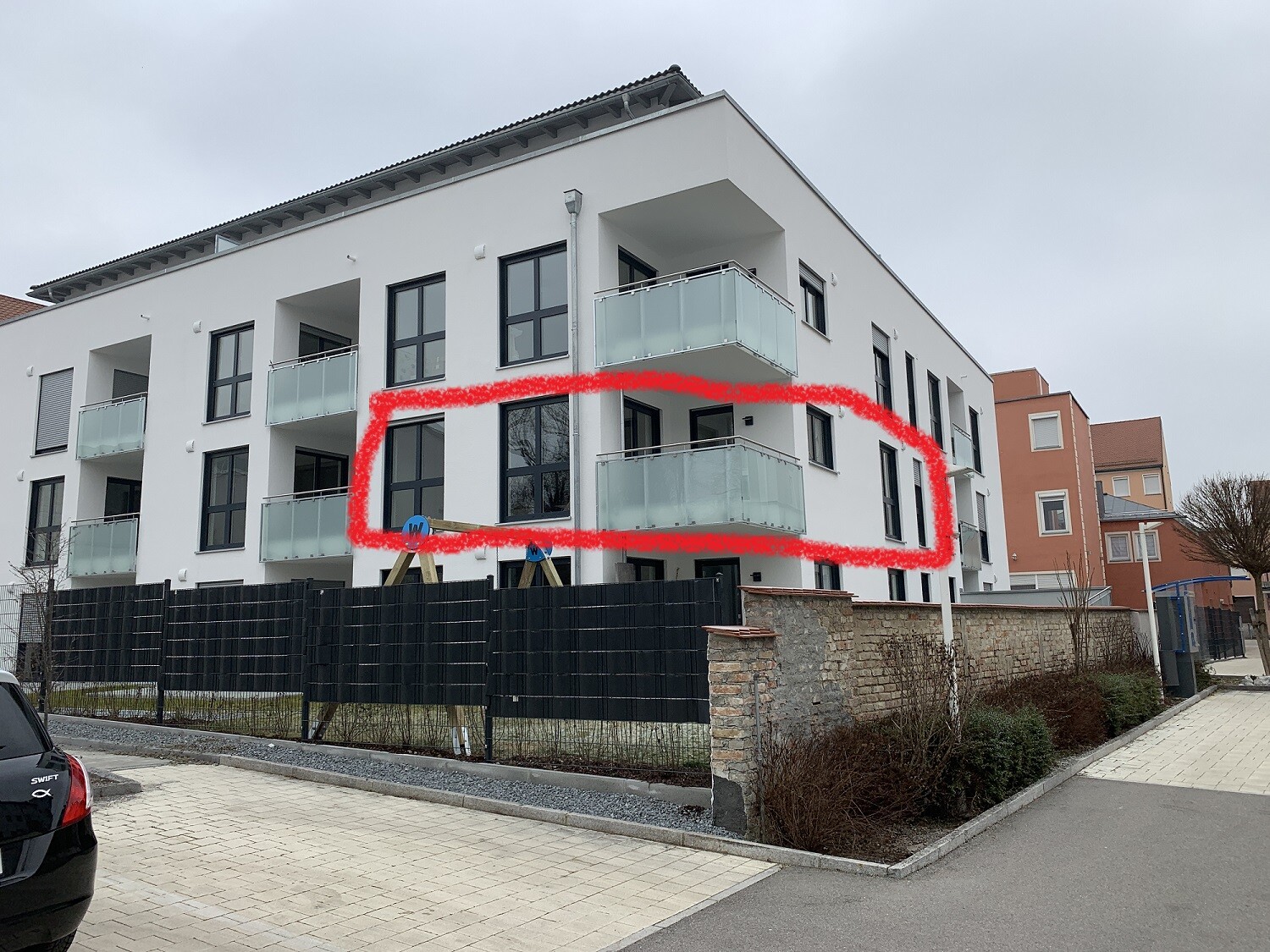

I have rented out a new apartment (built in 2021, KfW-55 standard). The tenant recently informed me that since spring, the indoor temperatures have consistently been at least 25°C (77°F) or higher. On warm days, it even reaches up to 28°C (82°F), although she keeps all the aluminum shutters closed during the day (no home office). Cross-ventilation at night doesn’t bring the temperature below 25°C (77°F). She is asking for advice on how to cool the apartment down a bit during the summer.
What could be causing this?
The apartment has a decentralized ventilation system and underfloor heating, which is naturally turned off in summer.
The apartment faces southwest and has large window areas.
Could it be that the ventilation system continuously brings in warm outside air on hot days, causing the temperature to rise so much?
Should the ventilation system be turned off during the day?
But why doesn’t the apartment cool down at night, even though there seems to be cross-ventilation and the nights are cooler?
Do you have any tips? I am a bit overwhelmed.
Best regards,
Robert
What helps us with cross-ventilation: in the early morning hours, we open both sides of the open-plan living area and place a fairly large fan/wind machine with a 50 cm (20 inch) diameter on the windowsill, blowing air outside. It has a high airflow rate and pulls air through the ground floor from the opposite side.
As soon as the outside temperature reaches the indoor temperature, we close the windows and shut the roller shutters on the south side about 90%. On the hottest days, 25°C (77°F) was the maximum indoor temperature.
Only in the bedroom on the upper floor is this a problem: my wife and child usually sleep until around 8 a.m., so by then it was generally no longer possible to ventilate. And since the child goes to bed around 7:30 p.m., ventilation or keeping the roller shutters open during the day (due to the large south-facing windows) is also not possible. Therefore, 25°C (77°F) is the standard temperature there most of the time... If anything, we would like to have an air conditioning system in that room.
As soon as the outside temperature reaches the indoor temperature, we close the windows and shut the roller shutters on the south side about 90%. On the hottest days, 25°C (77°F) was the maximum indoor temperature.
Only in the bedroom on the upper floor is this a problem: my wife and child usually sleep until around 8 a.m., so by then it was generally no longer possible to ventilate. And since the child goes to bed around 7:30 p.m., ventilation or keeping the roller shutters open during the day (due to the large south-facing windows) is also not possible. Therefore, 25°C (77°F) is the standard temperature there most of the time... If anything, we would like to have an air conditioning system in that room.
B
Bertram10022 Aug 2022 11:05Haha, when I hear the word wind machine, I think of those huge devices from movies or something like that. 😀
Snowy36 schrieb:
You might as well drive straight through to the Czech Republic …with the unfortunately still empty car 🙂
F
Forsberg2122 Aug 2022 21:30A brief interim report, as I just spoke with the technician who installed the ventilation system.
He mentioned that the mechanical ventilation with heat recovery should be turned off on hot days (above 29°C [84°F] outdoor temperature), because the intake air is then about 24°C (75°F) (a loss of about 5°C [9°F]) and no longer contributes to cooling. At 34°C (93°F) outdoor temperature, for example, the system would draw in air at around 29°C (84°F). He said this is likely one of the main reasons for higher indoor temperatures.
He also suggests the following: the ventilation system can be set so that in the evening and at night only fresh, cool air is drawn into the bedroom, while in the living room the warm, used air is only extracted and expelled outside (i.e., cross ventilation). For this, two doors would need to remain open, which my tenant already does. This type of cross ventilation using the ventilation system has the advantage that even on warm summer nights with no wind (when the air basically "stands still"), a gentle, continuous airflow is created, which would otherwise not be possible or would require a fan—as has also been suggested here.
In addition, he said it is a misconception to think that manual ventilation is no longer allowed once a mechanical ventilation system is installed. The system is intended only as support. In my opinion, during winter it might well be the case that you no longer open the windows and receive fresh air exclusively through the ventilation system.
He mentioned that the mechanical ventilation with heat recovery should be turned off on hot days (above 29°C [84°F] outdoor temperature), because the intake air is then about 24°C (75°F) (a loss of about 5°C [9°F]) and no longer contributes to cooling. At 34°C (93°F) outdoor temperature, for example, the system would draw in air at around 29°C (84°F). He said this is likely one of the main reasons for higher indoor temperatures.
He also suggests the following: the ventilation system can be set so that in the evening and at night only fresh, cool air is drawn into the bedroom, while in the living room the warm, used air is only extracted and expelled outside (i.e., cross ventilation). For this, two doors would need to remain open, which my tenant already does. This type of cross ventilation using the ventilation system has the advantage that even on warm summer nights with no wind (when the air basically "stands still"), a gentle, continuous airflow is created, which would otherwise not be possible or would require a fan—as has also been suggested here.
In addition, he said it is a misconception to think that manual ventilation is no longer allowed once a mechanical ventilation system is installed. The system is intended only as support. In my opinion, during winter it might well be the case that you no longer open the windows and receive fresh air exclusively through the ventilation system.
Hello,
I haven't read everything, but a temporary solution is using a fan with a cloth soaked in cold water hanging in front of it. Alternatively, you can place a bowl of ice cubes in front of the fan. Personally, I would prefer not to use the energy required to make the ice cubes just to cool the apartment afterward.
By the way, we live in an older building (built around 1910 or so), and in our south-facing living room, the temperature only drops below 25-28°C (77-82°F) if we leave the balcony door fully open all night. However, in the evenings, if any lights are still on inside, hornets immediately come in.
At my workplace, the office temperature has also been staying below 25°C (77°F) only until about 7:30 a.m., often rising above 30°C (86°F) in the afternoon.
With these temperatures, it is hardly possible to avoid it without using some kind of technology.
I haven't read everything, but a temporary solution is using a fan with a cloth soaked in cold water hanging in front of it. Alternatively, you can place a bowl of ice cubes in front of the fan. Personally, I would prefer not to use the energy required to make the ice cubes just to cool the apartment afterward.
By the way, we live in an older building (built around 1910 or so), and in our south-facing living room, the temperature only drops below 25-28°C (77-82°F) if we leave the balcony door fully open all night. However, in the evenings, if any lights are still on inside, hornets immediately come in.
At my workplace, the office temperature has also been staying below 25°C (77°F) only until about 7:30 a.m., often rising above 30°C (86°F) in the afternoon.
With these temperatures, it is hardly possible to avoid it without using some kind of technology.
 KingJulien23 Aug 2022 10:07
Yosan schrieb:
A quick fix is a fan with a cloth soaked in cold water hanging in front of it. Or a bowl of ice cubes in front of the fan.But that’s a Pyrrhic victory. To get even a minimal amount of evaporative cooling, you increase the humidity, which makes it feel muggy. A fan alone is completely sufficient.By the way, I do the opposite in summer. I run a dehumidifier and accept the slight heat it produces for pleasantly dry air. 😉
Similar topics