
ᐅ Interior wall wallpaper is coming loose—what can be done?
Created on: 4 Jun 2022 20:41
A
Application
Hello,
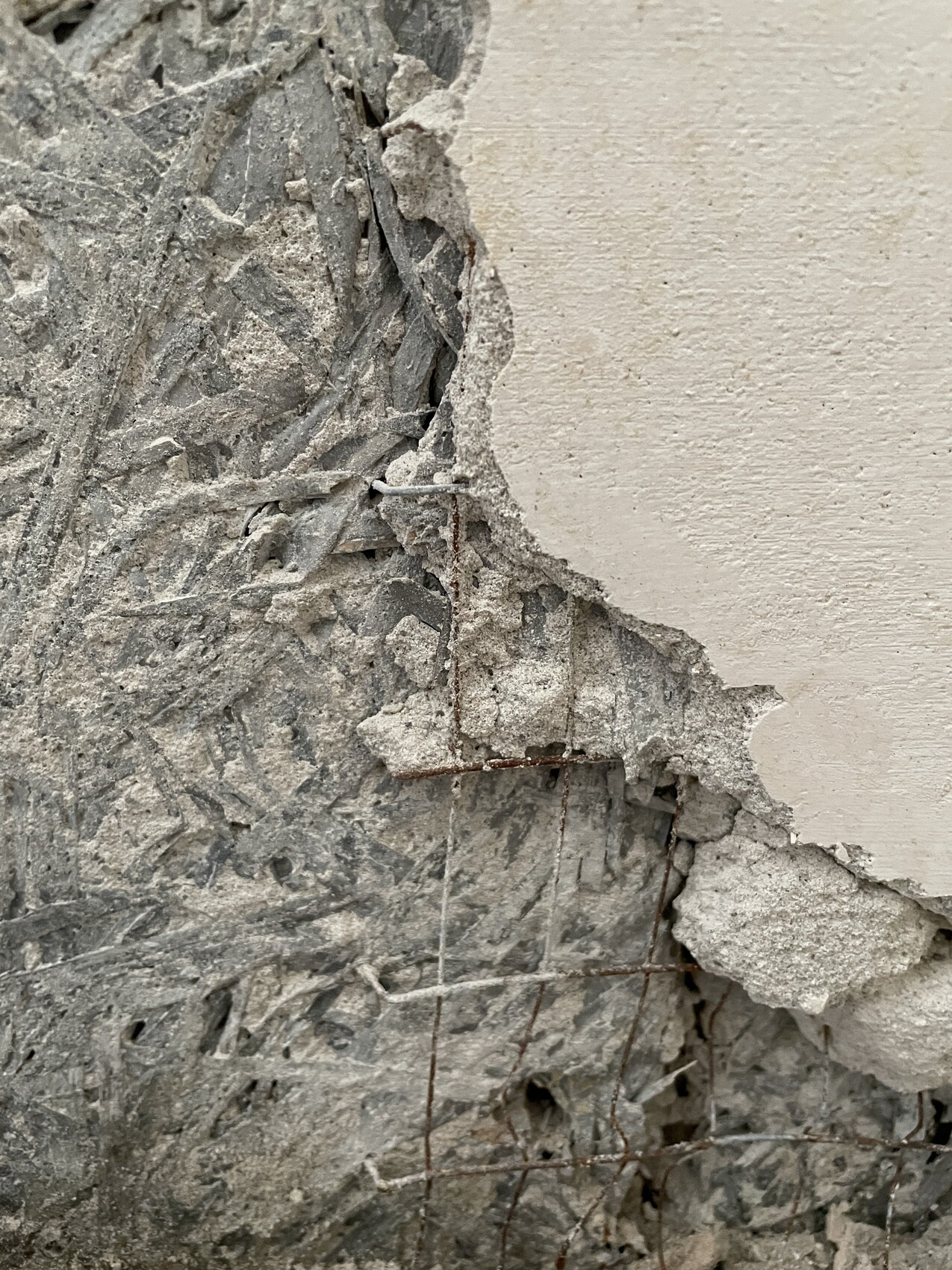
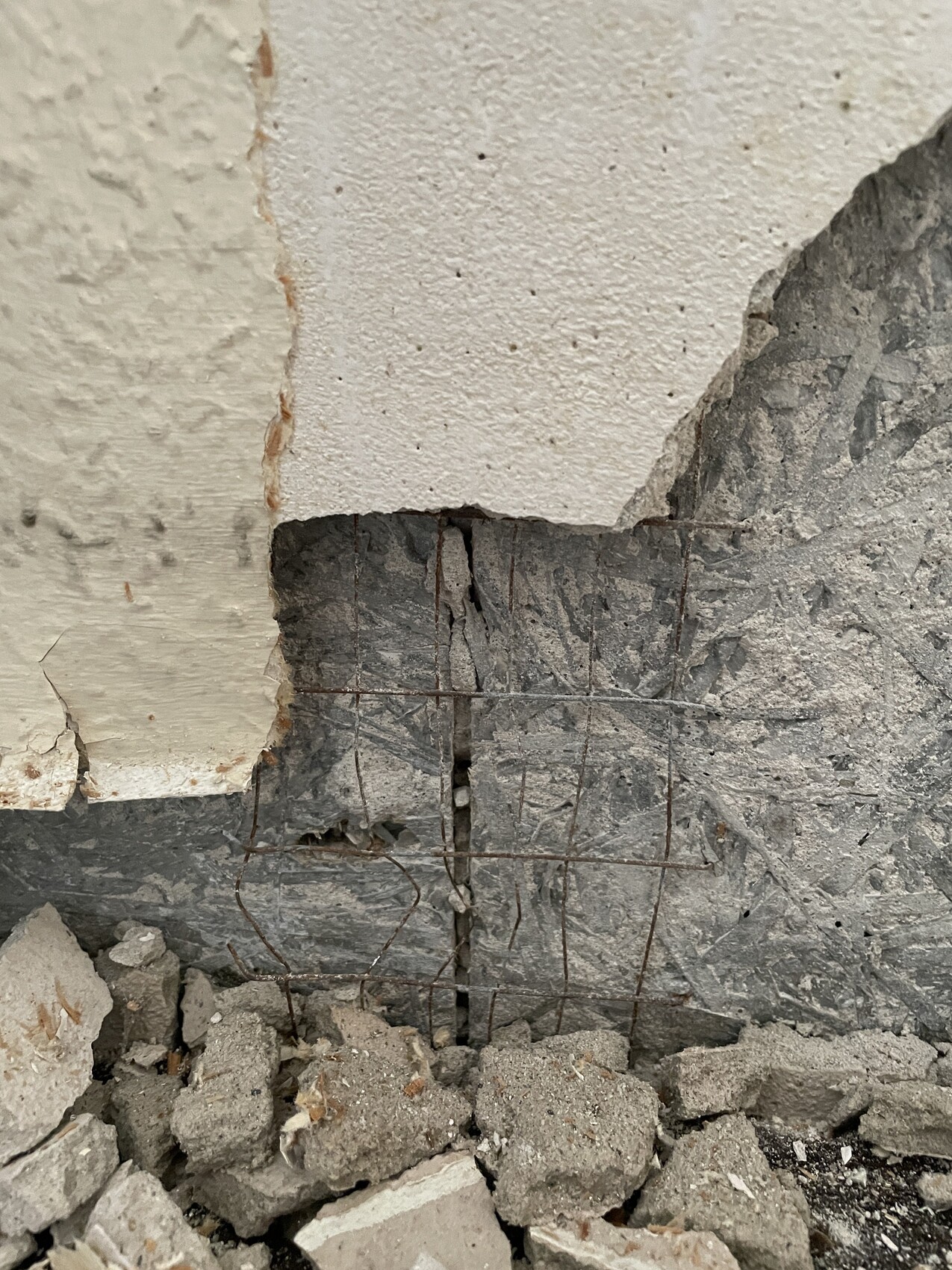
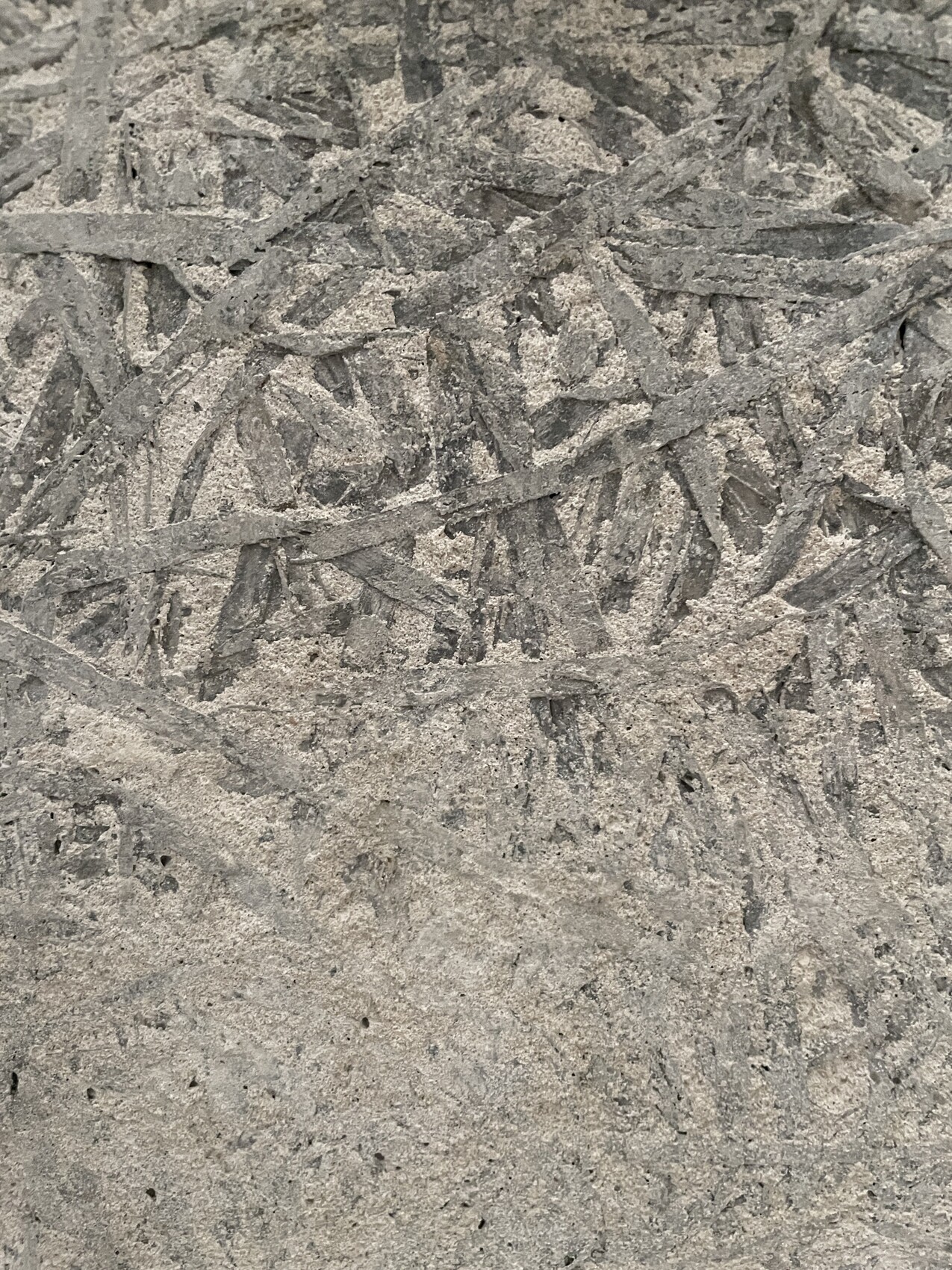
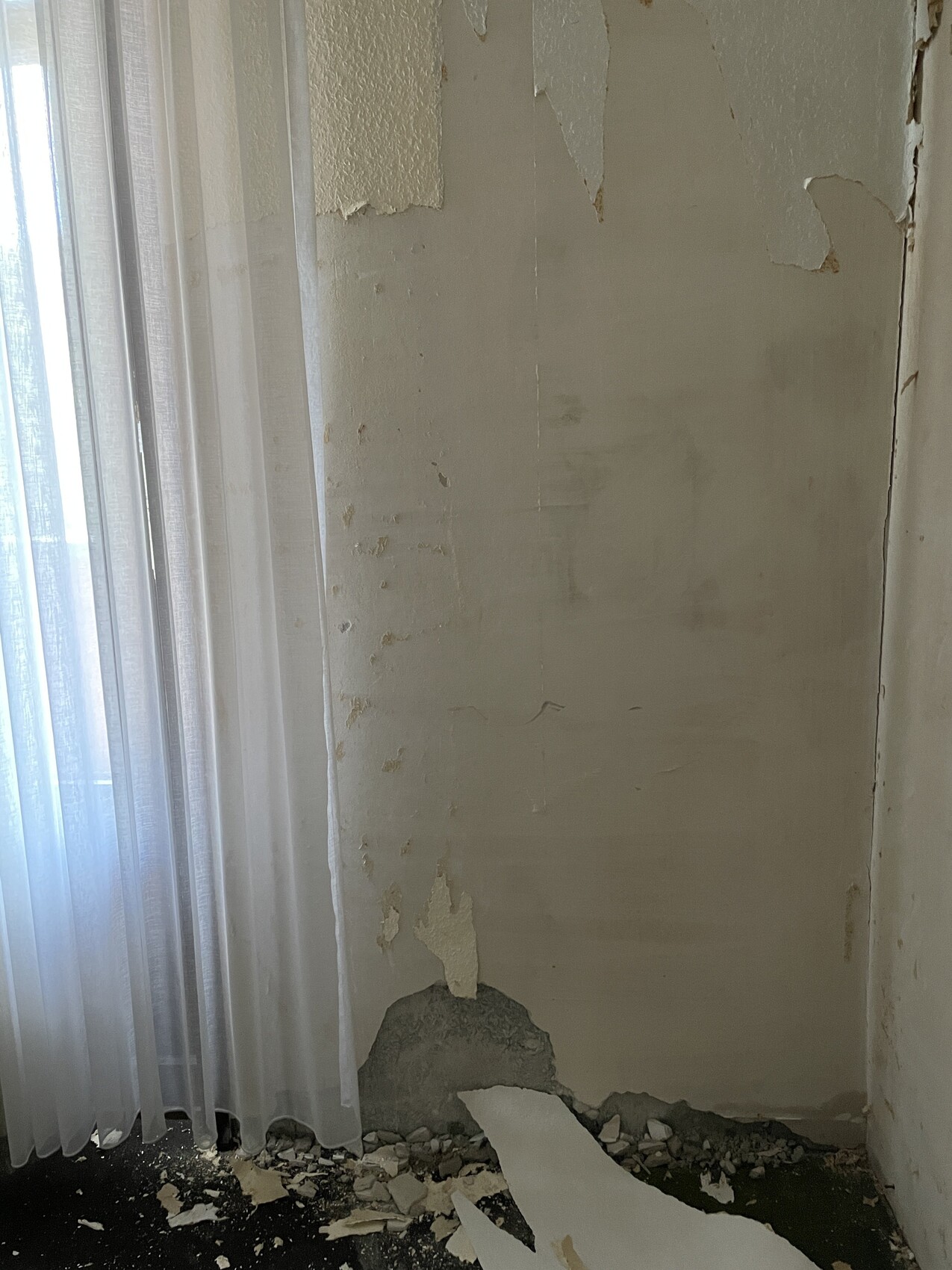
I bought a house built in 1970 and originally planned to wallpaper the bedroom. Then I noticed that this wall is very unstable and is actually breaking apart, see photos:
On the outside, there are wood boards:

Now the entire interior wall is gone. What should I do next? Install drywall panels (plasterboards) and then plaster and wallpaper? Or plaster directly onto the surface?
I bought a house built in 1970 and originally planned to wallpaper the bedroom. Then I noticed that this wall is very unstable and is actually breaking apart, see photos:
On the outside, there are wood boards:
Now the entire interior wall is gone. What should I do next? Install drywall panels (plasterboards) and then plaster and wallpaper? Or plaster directly onto the surface?
To be honest, I am cautious about making a clear statement here, as timber framing becomes more complex the more insulation is added on the inside. For one project, we used a double layer of Heraklith panels. The infill panels were completely historically constructed, with wattle and clay. Everything was rebuilt from the inside out.
However, I don’t want to generalize this for your specific case. Since it apparently works with the one panel, it should continue to work. But for anything beyond that, you should consult someone who can inspect the site and has experience with interior insulation in timber-framed buildings.
However, I don’t want to generalize this for your specific case. Since it apparently works with the one panel, it should continue to work. But for anything beyond that, you should consult someone who can inspect the site and has experience with interior insulation in timber-framed buildings.
A
Application5 Jun 2022 18:38jcan schrieb:
To be honest, I’m cautious about making a clear statement here because it gets more complex with timber framing when you add more insulation on the inside. For one project, we used double-layer Heraklith boards. The infill panels were historically constructed with wattle and daub. Everything was rebuilt from the inside out.
BUT I don’t want to generalize this for your building. Since it apparently works with a single board, it should continue to work. For more advice, you should consult someone who can inspect the site and has experience with interior insulation of timber-framed walls. Okay. But if I simply plaster it, then there’s no problem, right?
How thick should the plaster layer be? How many centimeters?
It’s not possible to say for sure from here whether there will be any problems, but it’s very unlikely since you are only replacing the plaster.
For gypsum plaster, about 1cm (0.4 inches) is sufficient. I would fully embed mesh reinforcement and then avoid applying wallpaper, opting instead for a breathable finish. Ideally, use a silicate dispersion paint, for example.
For gypsum plaster, about 1cm (0.4 inches) is sufficient. I would fully embed mesh reinforcement and then avoid applying wallpaper, opting instead for a breathable finish. Ideally, use a silicate dispersion paint, for example.
A
Application7 Jun 2022 11:44jcan schrieb:
It’s hard to say from here whether there will be any problems, but it’s very unlikely since you’re only replacing the plaster.
For gypsum plaster, about 1cm (0.4 inches) is enough. I would fully embed fiber mesh and then avoid applying wallpaper, keeping the surface vapor-permeable instead. Ideally, use a silicate dispersion paint, for example. Okay, thanks. I’m planning to use Rotband plaster now. Is that alright?
Application schrieb:
Ok thanks. I wanted to use Rotband plaster for the render now. Is that alright?Yes, you can use that as well.
Similar topics