
ᐅ House from the 1970s – Assessment of Mold Issues Indoors?
Created on: 1 May 2022 13:17
B
Besenkammer84B
Besenkammer841 May 2022 13:17Hello everyone,
I have the opportunity to take over a house (2 floors + attic - small vaulted cellar) that is built partially (1/6) into a hillside.
Renovation has already been partly started (floor, including screed, removed), and new double-glazed "good quality" windows were installed in the 2000s. The house itself dates from the 1970s and the foundation walls are built with 24cm (9.5 inches) clinker bricks. Furthermore, the entire interior was insulated with approximately 3.5cm (1.4 inches) of polystyrene foam, finished with drywall.
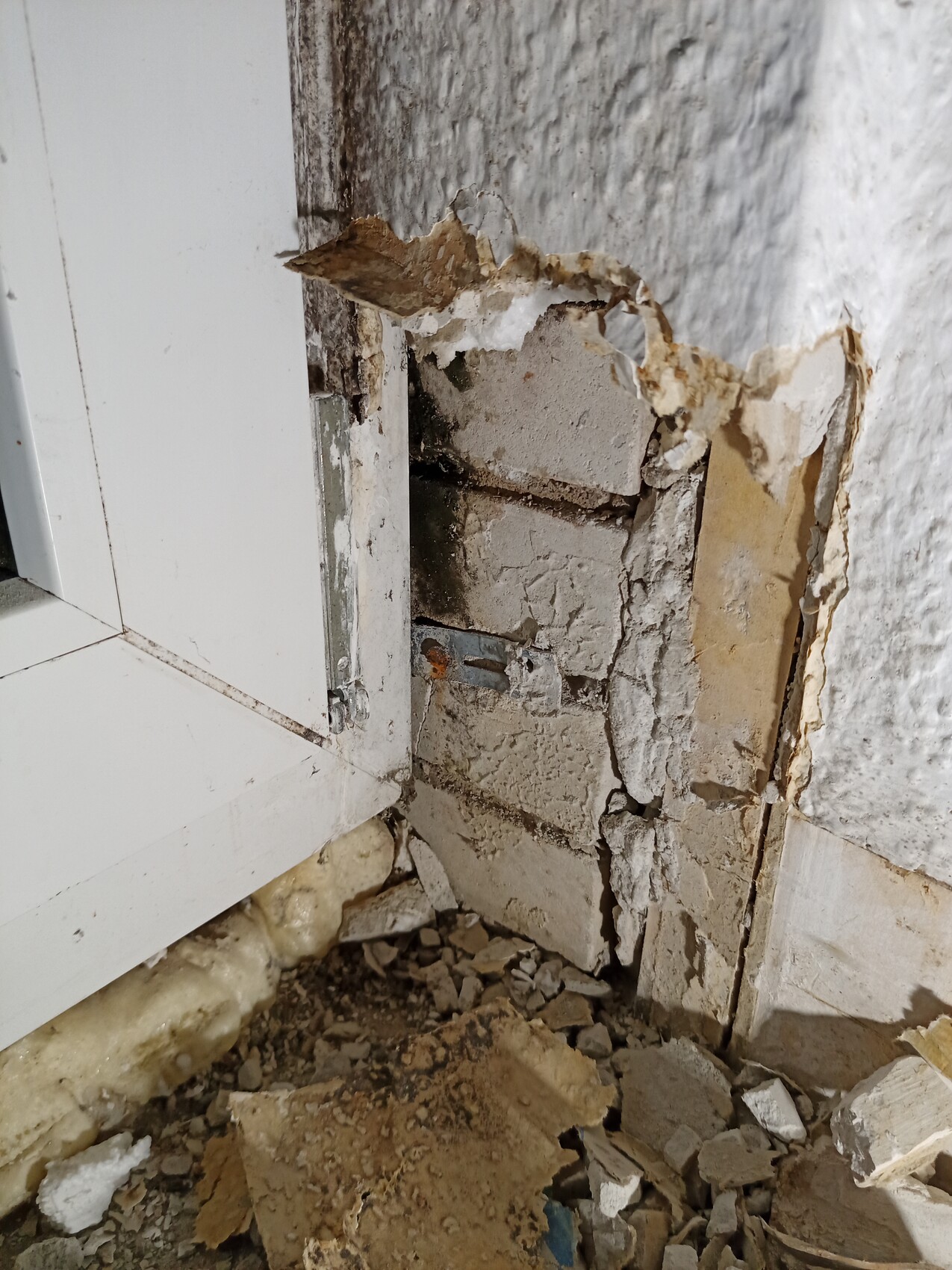
In some places where cupboards were located, as well as in the areas between the windows and the foundation bricks on the inside, mold is present. This is certainly partly due to insufficient ventilation by the previous owners.
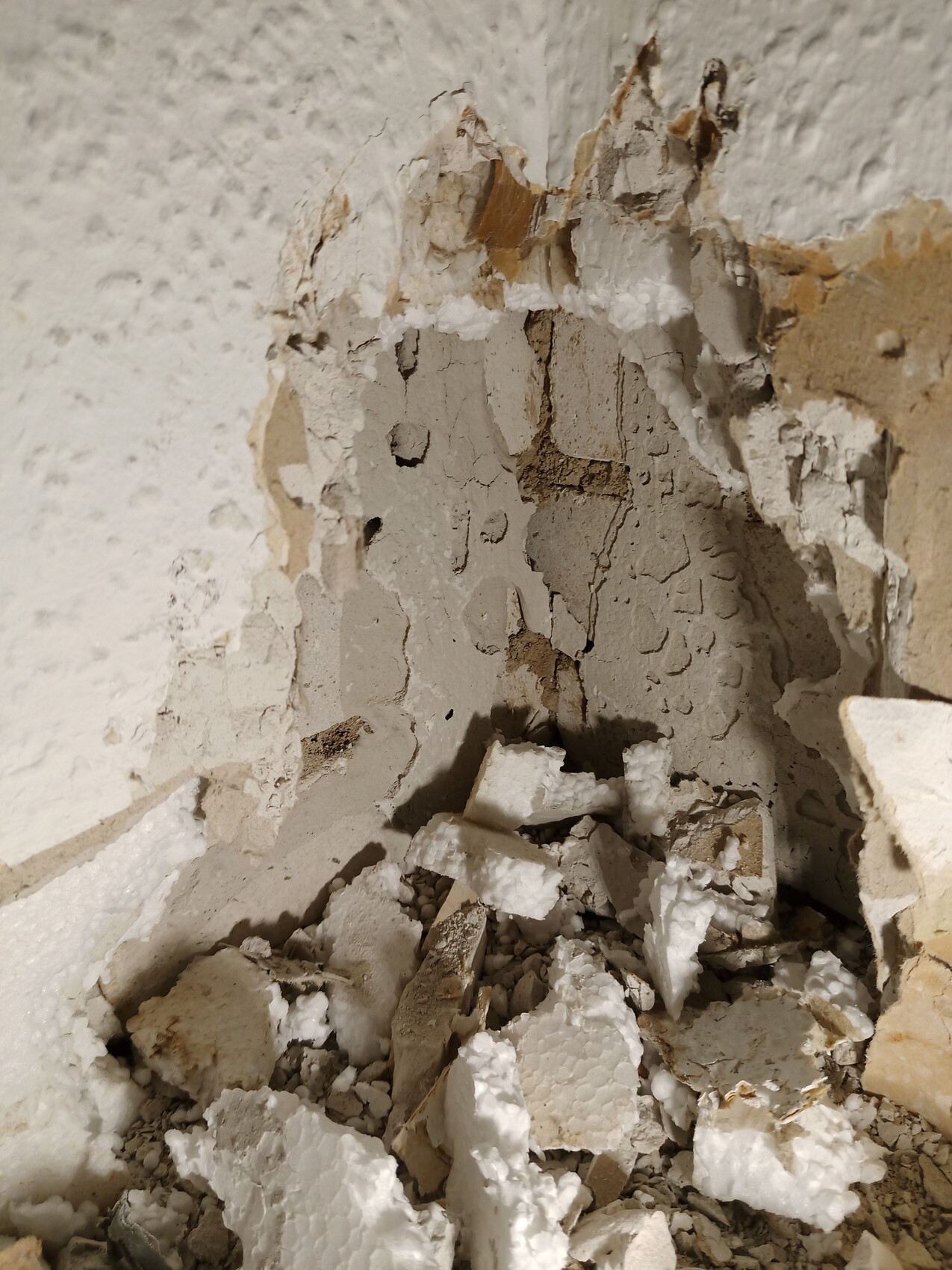
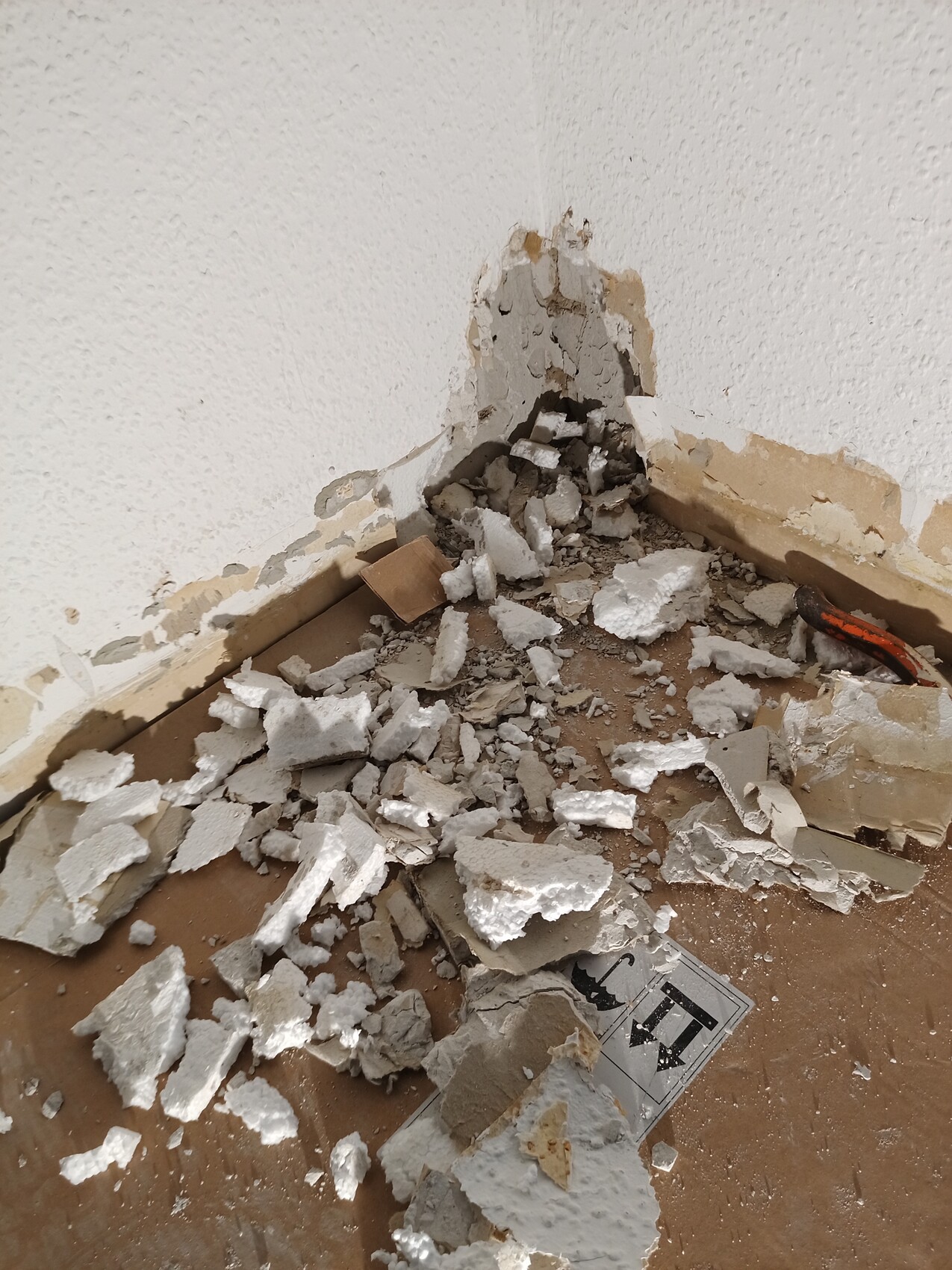
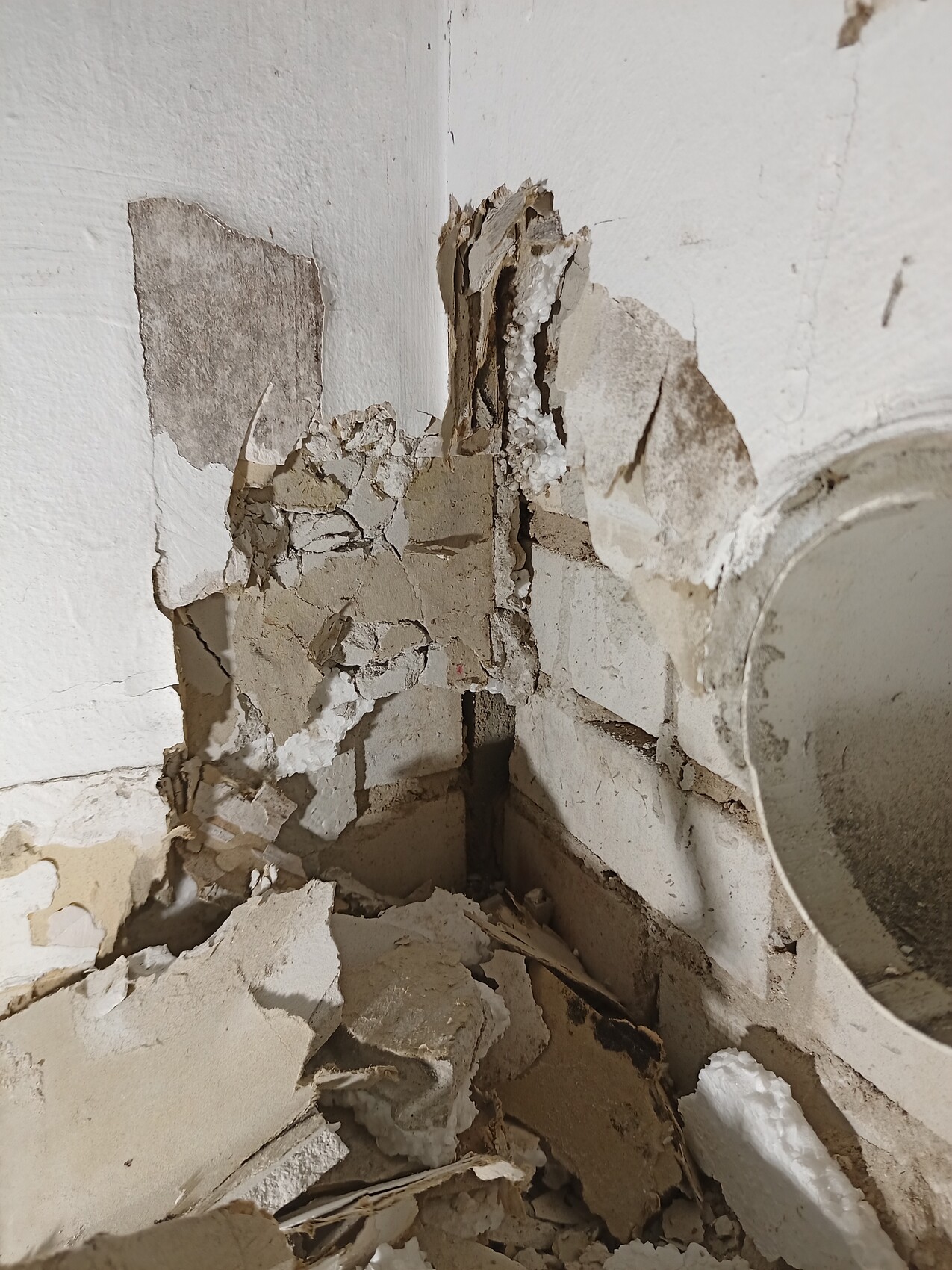
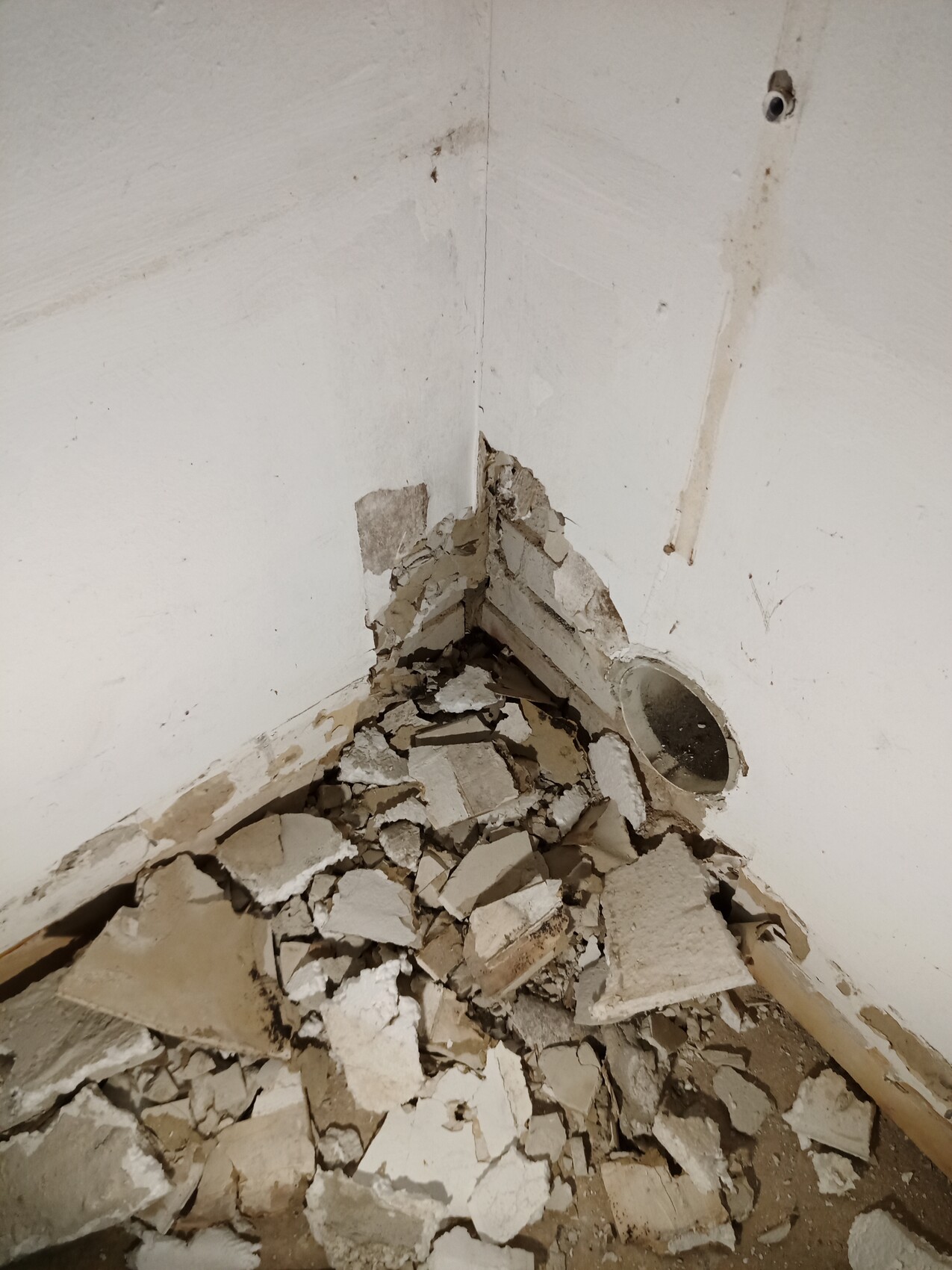
To check how the insulation behaves against the masonry, I have exposed the insulation at about 10 spots in the house (finding slight mold in 2 locations) in the corners where exterior walls are located, near the lower parts of the rooms. It mostly appears that the mold is limited to the visible interior surfaces and has not spread further outward.
Still, I am not entirely sure whether this is really "harmless" and whether it is okay to leave the drywall etc. in place and just remove or treat the wallpaper.
That is why I took some photos, hoping to get advice on how to assess the mold situation.
CORNER 1 - without mold
CORNER 2 - with mold
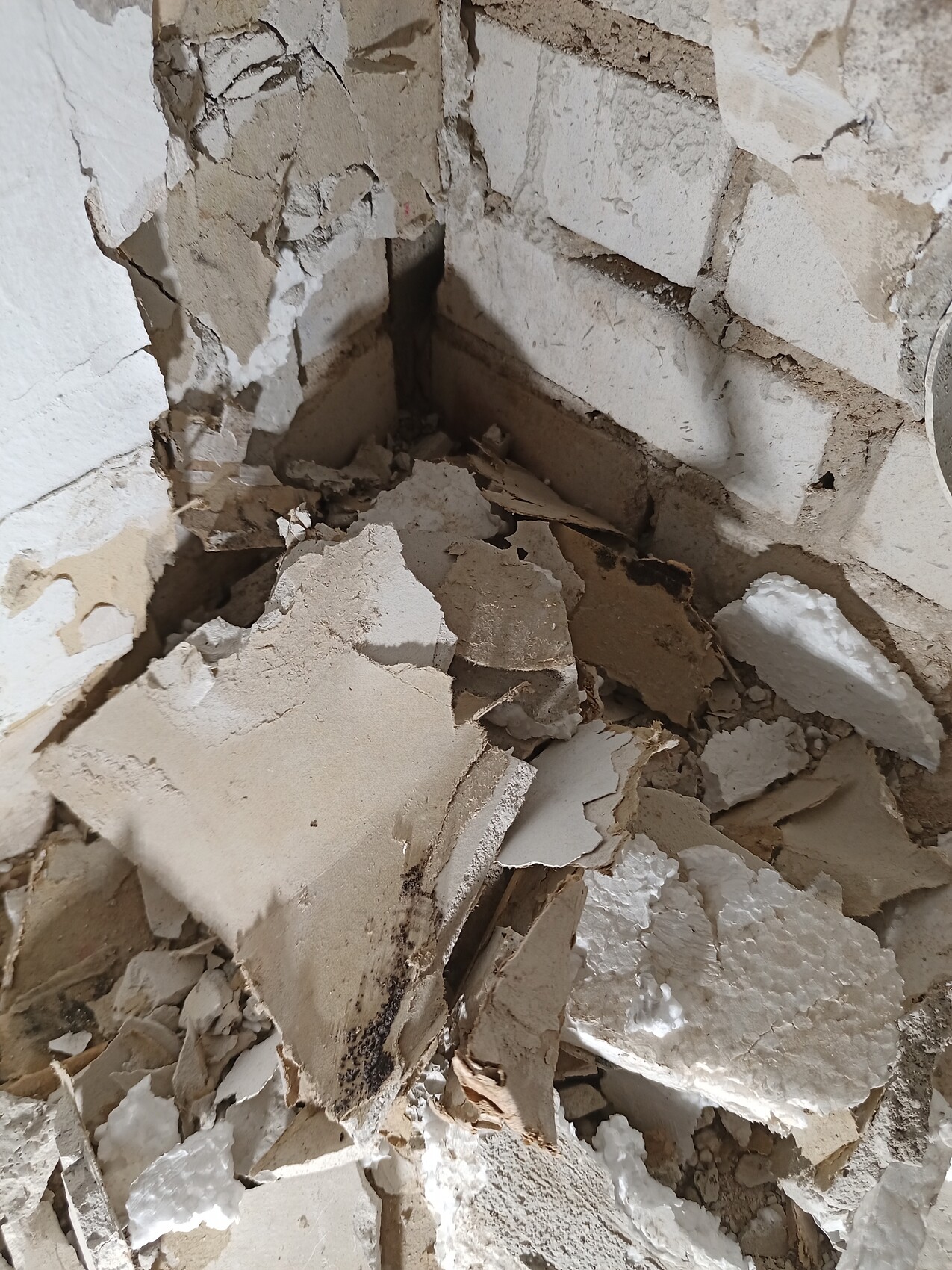
CORNER 3 - with mold
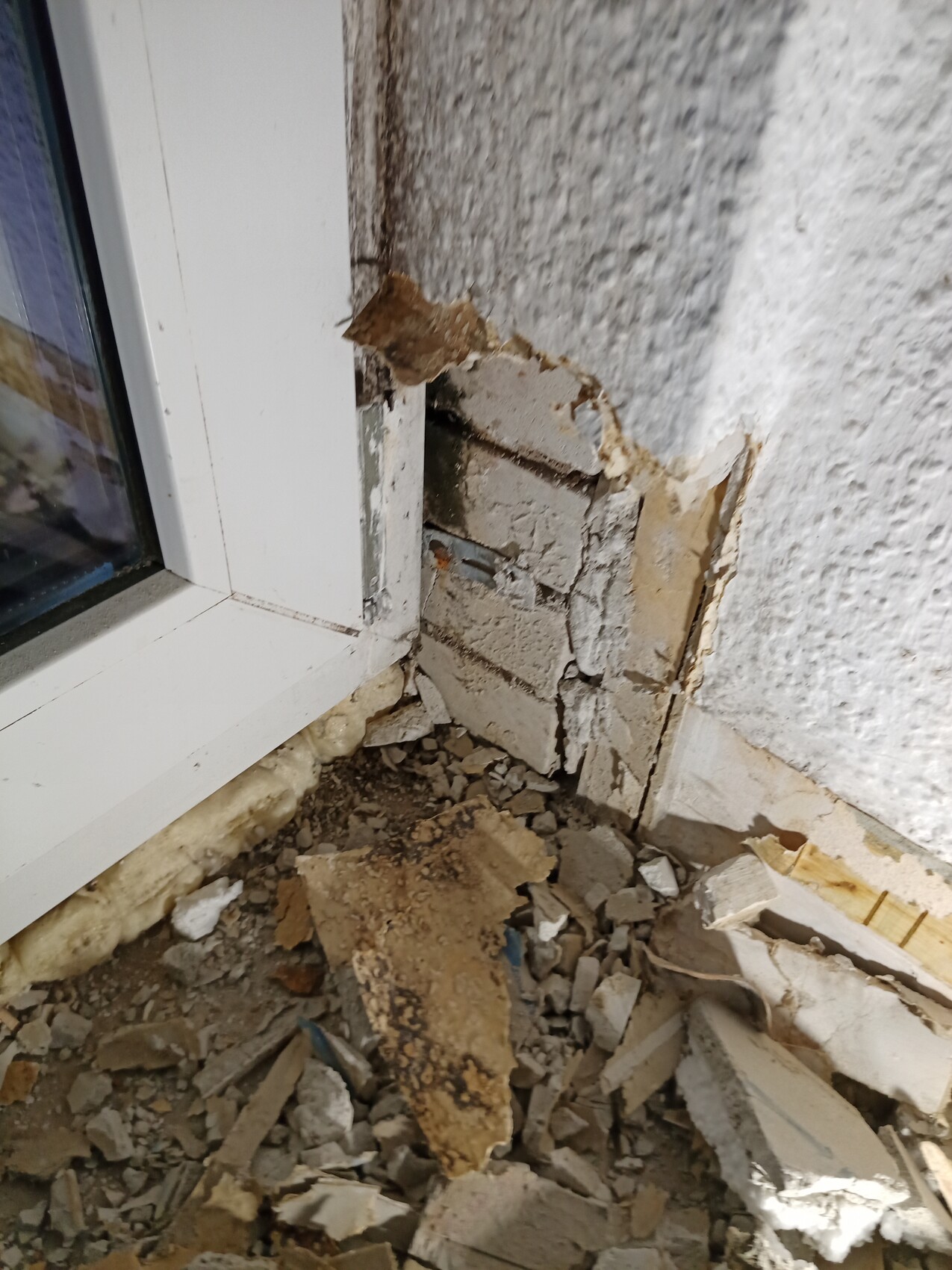
____________
Is it possible to give an assessment from a distance or based on the pictures?
Best regards and thanks for your support
I have the opportunity to take over a house (2 floors + attic - small vaulted cellar) that is built partially (1/6) into a hillside.
Renovation has already been partly started (floor, including screed, removed), and new double-glazed "good quality" windows were installed in the 2000s. The house itself dates from the 1970s and the foundation walls are built with 24cm (9.5 inches) clinker bricks. Furthermore, the entire interior was insulated with approximately 3.5cm (1.4 inches) of polystyrene foam, finished with drywall.
In some places where cupboards were located, as well as in the areas between the windows and the foundation bricks on the inside, mold is present. This is certainly partly due to insufficient ventilation by the previous owners.
To check how the insulation behaves against the masonry, I have exposed the insulation at about 10 spots in the house (finding slight mold in 2 locations) in the corners where exterior walls are located, near the lower parts of the rooms. It mostly appears that the mold is limited to the visible interior surfaces and has not spread further outward.
Still, I am not entirely sure whether this is really "harmless" and whether it is okay to leave the drywall etc. in place and just remove or treat the wallpaper.
That is why I took some photos, hoping to get advice on how to assess the mold situation.
CORNER 1 - without mold
CORNER 2 - with mold
CORNER 3 - with mold
____________
Is it possible to give an assessment from a distance or based on the pictures?
Best regards and thanks for your support
 HausiKlausi2 May 2022 22:09
Besenkammer84 schrieb:
Is it possible to make a judgment from a distance or based on the pictures?No.
.
.
.
.
Crystal ball assessment: The pantry does not appear very damp in the photos, nor does the structure seem significantly damaged. I would agree with your assessment that it is more likely due to insufficient ventilation. However, the window connections seem poorly executed and may have caused thermal bridges. (This could also be related to the interior insulation if, as I suspect, it does not form a continuous envelope. If you are planning a major renovation, I would recommend removing it and considering external insulation instead.)
Overall, I believe that fear of mold should not be a reason to reject a house purchase. If mold appears only in small areas, it is something that can be addressed with appropriate professional measures.
B
Besenkammer842 May 2022 22:26HausiKlausi schrieb:
If it only occurs in small areas, it’s nothing that can’t be fixed with proper measures.Thank you for your clear-sighted assessment.
What would proper measures be, for example? What kind of actions could that include? Painting over? Mold remover? Or what is usually meant by that?
I just want to avoid going through an extensive interior renovation only to discover afterwards that it’s mold which is harmful to health. I don’t want to fully insulate the exterior façade because of the authentic exposed brick. That would also mean replacing the windows, which would be beyond the planned scope.
Regards & thanks in advance
HausiKlausi3 May 2022 07:25Besenkammer84 schrieb:
What would be proper professional measures, for example? What kind of measures could these be? Repainting? Mold remover?Exactly those would not be proper professional measures, because you are only covering up the symptoms and possibly leaving the causes untreated. Proper measures require a specialist to assess the situation first to address the right issues. There are engineering firms that specialize in assessing this kind of mold infestation for a few hundred euros. After that, it will likely involve repairing or more likely replacing affected windows, reconsidering the insulation strategy (preferably on the exterior), and identifying and eliminating thermal bridges. PROVIDED that, as you suspect, there is no water intrusion from the outside. You need to clarify that beforehand as well.
HausiKlausi schrieb:
. After that, it will probably be necessary to rework the affected windows (most likely replace them)Windows are never the cause of mold. Poor-quality windows are more likely to help prevent mold by allowing air exchange.
HausiKlausi4 May 2022 22:22Grundaus schrieb:
Windows are never the cause of mold. Poor-quality windows actually help reduce mold by allowing air exchange. Incorrect window installation, however, can be a problem. The issue discussed was the junction between the window and the wall (see post #2). If certain areas of the wall become so cold that moisture from the indoor air condenses when the dew point is reached, then action needs to be taken.
Similar topics