
ᐅ Sloped Plot; Earthworks, Retaining Walls, and Associated Costs?
Created on: 12 Jan 2014 20:53
J
JonibiHello everyone,
We have visited a plot that we like. It is 380m² (4,086 ft²) and is located on a (gentle) slope. (Unfortunately, attaching pictures does not work.)
The plot is designated for building a semi-detached house, with the first half already constructed.
This first half has already fully utilized the permitted ridge height.
"Our" house would be located a bit closer to the street than the existing one.
We would like to raise the ground floor as much as possible.
Since the street slopes up from the neighbor’s property to "our" plot by about 60cm (24 inches) and we would build the knee wall lower, we would gain about 1m (39 inches) in height and thus be about 1m (39 inches) higher than the neighbors.
However, we would need to add fill at the back of the plot since we also want a level garden. The land itself is not very steep, I estimate about 10°.
At the rear of the plot, however, the land drops again towards the neighbor’s property behind. Unfortunately, this is not visible in the photos. Here, we would need some type of retaining structure, which I estimate to be around 2m (79 inches) high. Regular L-shaped retaining blocks are probably not sufficient, so we would need reinforced cantilever retaining walls on a concrete foundation (correct?).
L-shaped retaining blocks would also have to be installed along the neighbors on the left and right sides.
A (partial) basement is planned, of course.
I hope I have explained everything clearly enough.
Now my questions:
What would be the approximate cost of the earthworks including excavation for the basement, the fill at the back, and the surrounding reinforcement?
Because of the slope, we will need drainage. But what happens to the groundwater when it hits the retaining walls? Does it drain through the joints? Then some kind of geotextile fabric would be needed on the front to prevent soil from washing away, right? What else should be considered regarding water on a slope?
What else should we keep in mind? What additional costs might arise?
Do you have any ideas on how to solve this cost-effectively? Is there a cheaper alternative to the cantilever retaining walls (it doesn’t have to look nice since this side is not visible from our property)?
Thank you in advance for many opinions!
If I forgot anything, please ask!
Jonibi


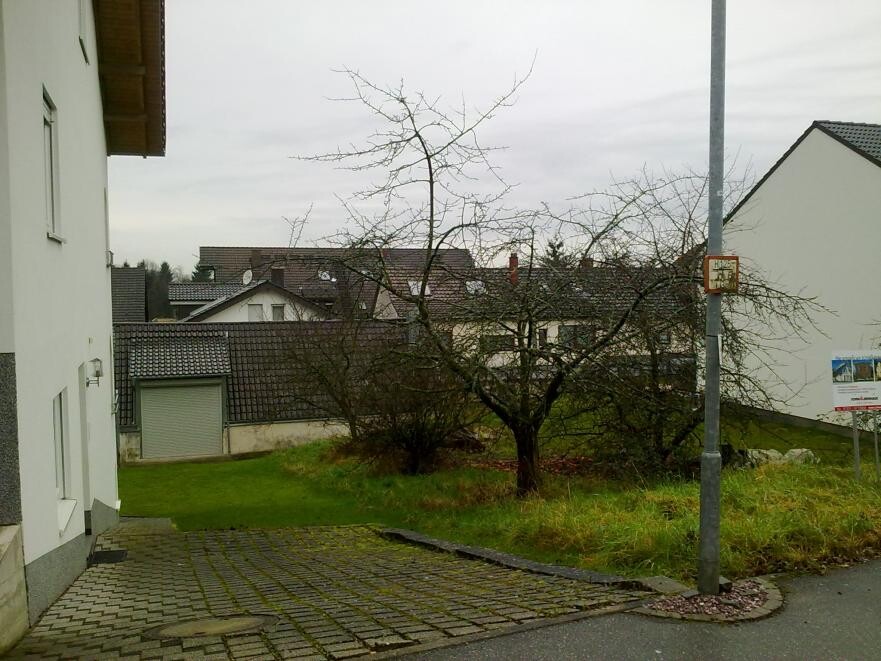
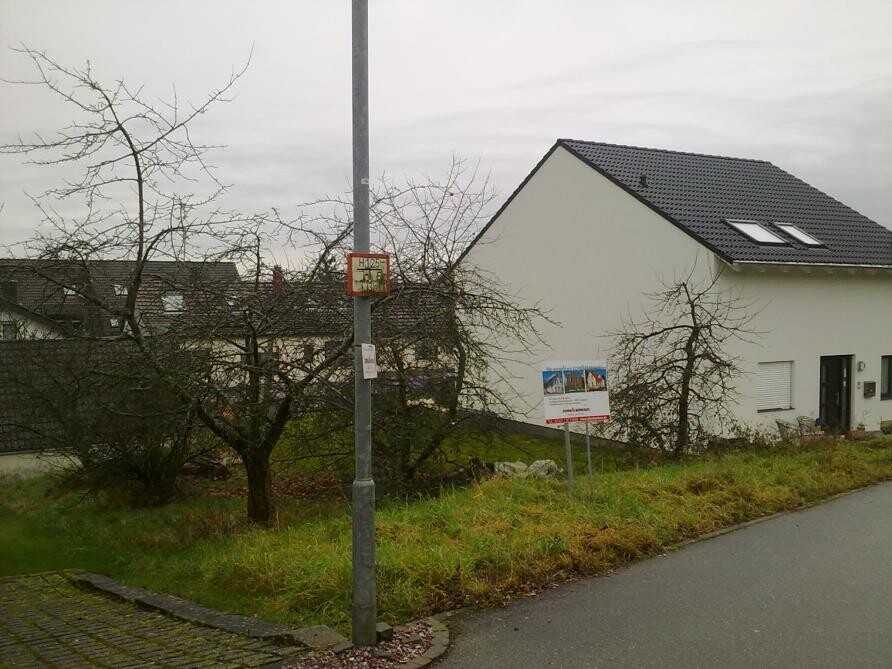
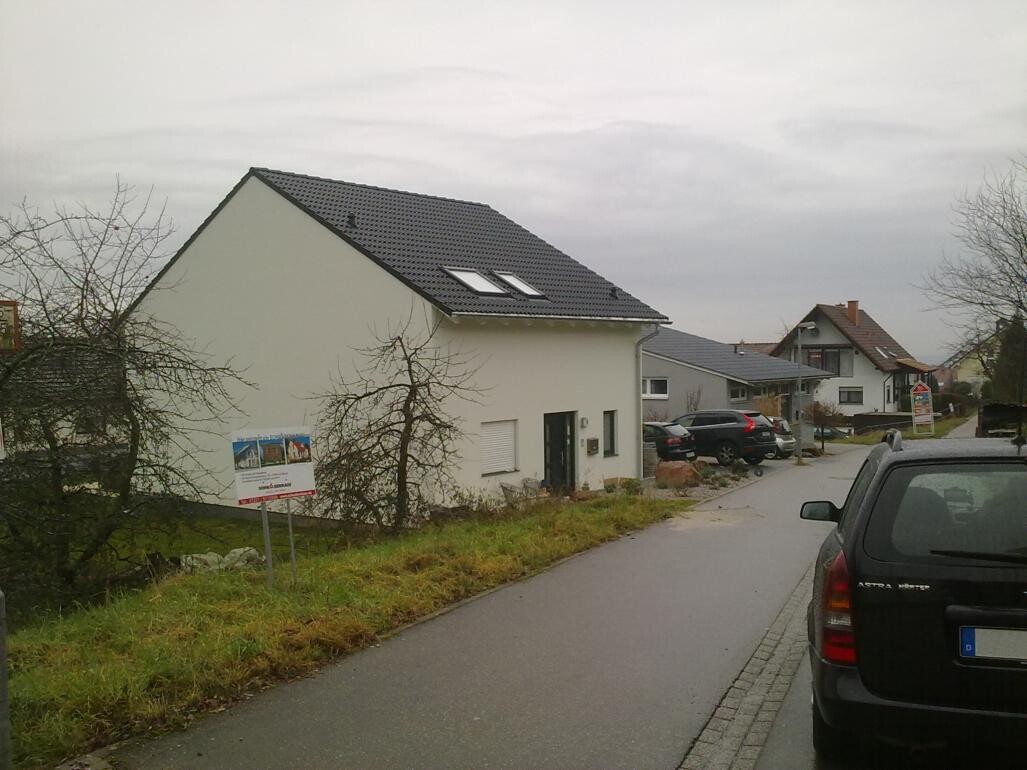
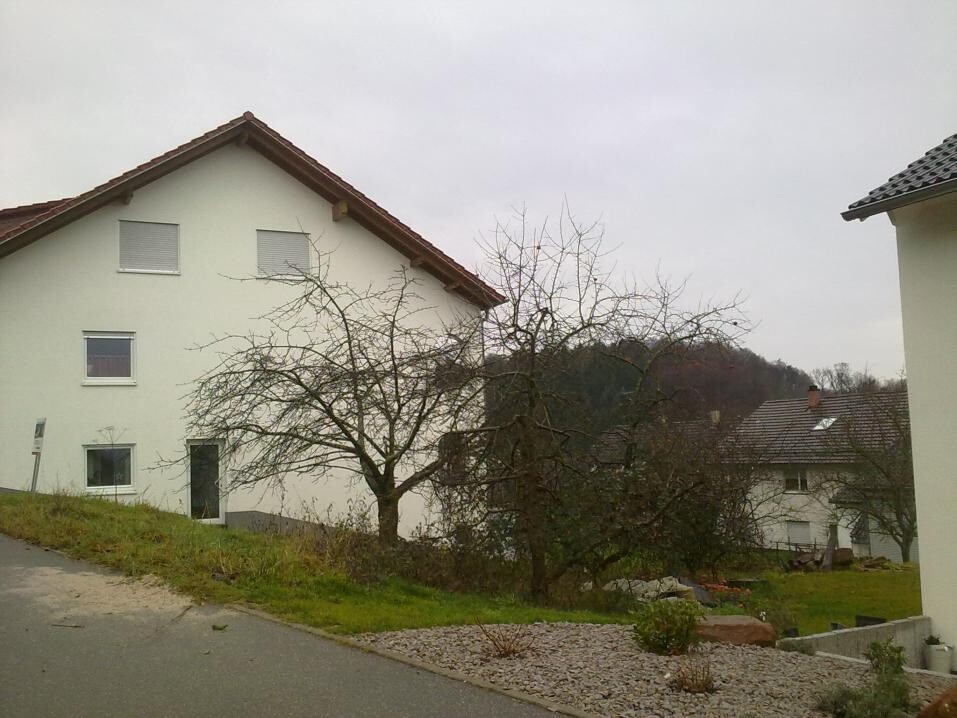
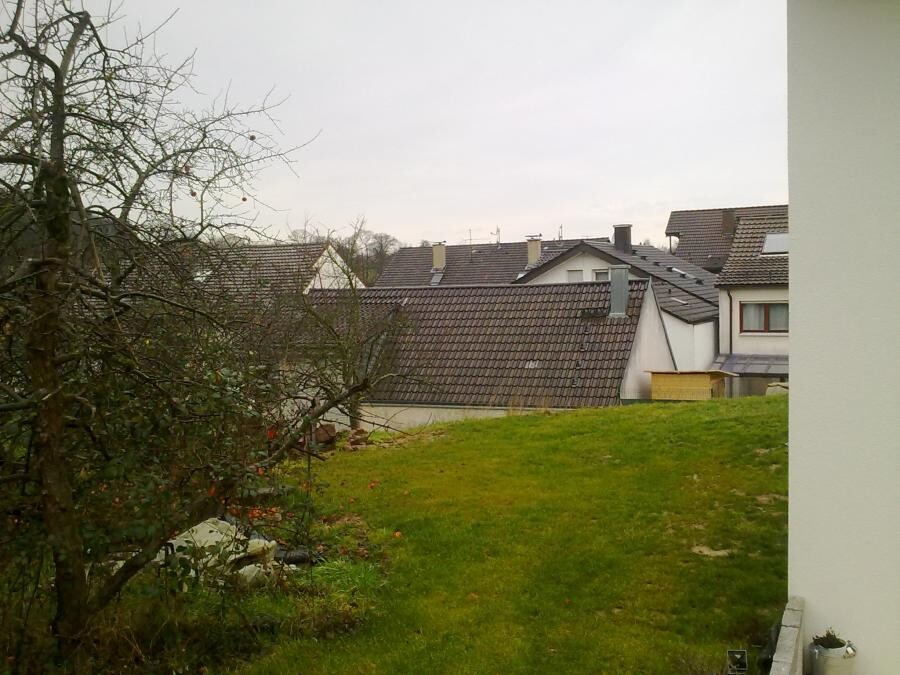
We have visited a plot that we like. It is 380m² (4,086 ft²) and is located on a (gentle) slope. (Unfortunately, attaching pictures does not work.)
The plot is designated for building a semi-detached house, with the first half already constructed.
This first half has already fully utilized the permitted ridge height.
"Our" house would be located a bit closer to the street than the existing one.
We would like to raise the ground floor as much as possible.
Since the street slopes up from the neighbor’s property to "our" plot by about 60cm (24 inches) and we would build the knee wall lower, we would gain about 1m (39 inches) in height and thus be about 1m (39 inches) higher than the neighbors.
However, we would need to add fill at the back of the plot since we also want a level garden. The land itself is not very steep, I estimate about 10°.
At the rear of the plot, however, the land drops again towards the neighbor’s property behind. Unfortunately, this is not visible in the photos. Here, we would need some type of retaining structure, which I estimate to be around 2m (79 inches) high. Regular L-shaped retaining blocks are probably not sufficient, so we would need reinforced cantilever retaining walls on a concrete foundation (correct?).
L-shaped retaining blocks would also have to be installed along the neighbors on the left and right sides.
A (partial) basement is planned, of course.
I hope I have explained everything clearly enough.
Now my questions:
What would be the approximate cost of the earthworks including excavation for the basement, the fill at the back, and the surrounding reinforcement?
Because of the slope, we will need drainage. But what happens to the groundwater when it hits the retaining walls? Does it drain through the joints? Then some kind of geotextile fabric would be needed on the front to prevent soil from washing away, right? What else should be considered regarding water on a slope?
What else should we keep in mind? What additional costs might arise?
Do you have any ideas on how to solve this cost-effectively? Is there a cheaper alternative to the cantilever retaining walls (it doesn’t have to look nice since this side is not visible from our property)?
Thank you in advance for many opinions!
If I forgot anything, please ask!
Jonibi
Profile matching in semi-detached houses? So you have to build exactly like your neighbor? Have you checked the regulations in the development plan? That’s what I would look into first. Often, development plans also set height restrictions, so your consideration might be unnecessary anyway.
The development plan specifies a maximum ridge height of 7.70 m (25 ft 3 in) but does not require a matching roof profile. So, we are allowed to build further forward and higher.
I assume that the 7.70 m (25 ft 3 in) is measured from the finished road level at the lowest point in front of the house. At least, that is how it is shown in the section drawing for the neighboring building. The road slopes upward toward our site by about 60 cm (24 inches).
Does anyone have an idea of the costs for the earthworks and the retaining structures?
I assume that the 7.70 m (25 ft 3 in) is measured from the finished road level at the lowest point in front of the house. At least, that is how it is shown in the section drawing for the neighboring building. The road slopes upward toward our site by about 60 cm (24 inches).
Does anyone have an idea of the costs for the earthworks and the retaining structures?

I believe the costs for earthworks and underpinning vary greatly depending on the region.
We requested quotes from several civil engineering contractors and received quite different offers. The quote we ultimately accepted was also almost met in the end.
It’s definitely best to get multiple quotes.
We requested quotes from several civil engineering contractors and received quite different offers. The quote we ultimately accepted was also almost met in the end.
It’s definitely best to get multiple quotes.

No one here can really tell you the final cost of the earthworks.
How do you arrive at 2 meters? Is that the current height, or does it already include the removal of topsoil?
If not, you will likely need to add between 1.50m and 1.80m (5 to 6 feet) on average over 380 square meters (4,090 square feet).
That would mean at least 1,000 tons of gravel (almost 600 cubic meters (780 cubic yards)).
Just for the fill material, you can expect to pay somewhere between €10,000 and €20,000. On top of that, there are delivery costs, compaction, and disposal of the remaining topsoil.
Your lot is too small to temporarily store the material, so you might also face landfill or storage fees for interim storage.
Do you have a soil report? If not, there could still be some surprises waiting.
If I had to estimate, your earthworks will cost at least €30,000. I wouldn’t expect it to be any less.
We paid €22,000 for our earthworks: 300 square meters (3,230 square feet) filled and compacted to an average height of about 1.10m (3.6 feet).
Other questions you should ask yourselves: Where is the sewer connection? If it’s at the street level, you’ll probably need a lift system.
Also, calling your slope “gentle” might be an understatement.
Check whether building with a basement might be financially more reasonable in the long run.
Do you already have someone knowledgeable about construction? An architect?
I consider the plot quite challenging, and I’m skeptical about your plans when I see the neighboring buildings.
How do you arrive at 2 meters? Is that the current height, or does it already include the removal of topsoil?
If not, you will likely need to add between 1.50m and 1.80m (5 to 6 feet) on average over 380 square meters (4,090 square feet).
That would mean at least 1,000 tons of gravel (almost 600 cubic meters (780 cubic yards)).
Just for the fill material, you can expect to pay somewhere between €10,000 and €20,000. On top of that, there are delivery costs, compaction, and disposal of the remaining topsoil.
Your lot is too small to temporarily store the material, so you might also face landfill or storage fees for interim storage.
Do you have a soil report? If not, there could still be some surprises waiting.
If I had to estimate, your earthworks will cost at least €30,000. I wouldn’t expect it to be any less.
We paid €22,000 for our earthworks: 300 square meters (3,230 square feet) filled and compacted to an average height of about 1.10m (3.6 feet).
Other questions you should ask yourselves: Where is the sewer connection? If it’s at the street level, you’ll probably need a lift system.
Also, calling your slope “gentle” might be an understatement.
Check whether building with a basement might be financially more reasonable in the long run.
Do you already have someone knowledgeable about construction? An architect?
I consider the plot quite challenging, and I’m skeptical about your plans when I see the neighboring buildings.
Similar topics