
Hello,
I spend a lot of time in a small weekend house (30 m2 (323 sq ft)) located in a natural setting. The house was built 30 years ago and is made of wood with mineral wool insulation. Recently, I installed new triple-glazed windows. Floor construction: concrete foundation – wooden battens – OSB boards – blue linoleum. I heat with a Rowi gas stove, but only when I am there. The roof is not insulated. Now I have a mold problem due to condensation around the corners and on the walls. How can I insulate the house to eliminate the mold issue? I can redo the insulation and floor covering, but I don’t know how to solve the overall problem.
Thank you for any help.
Luis
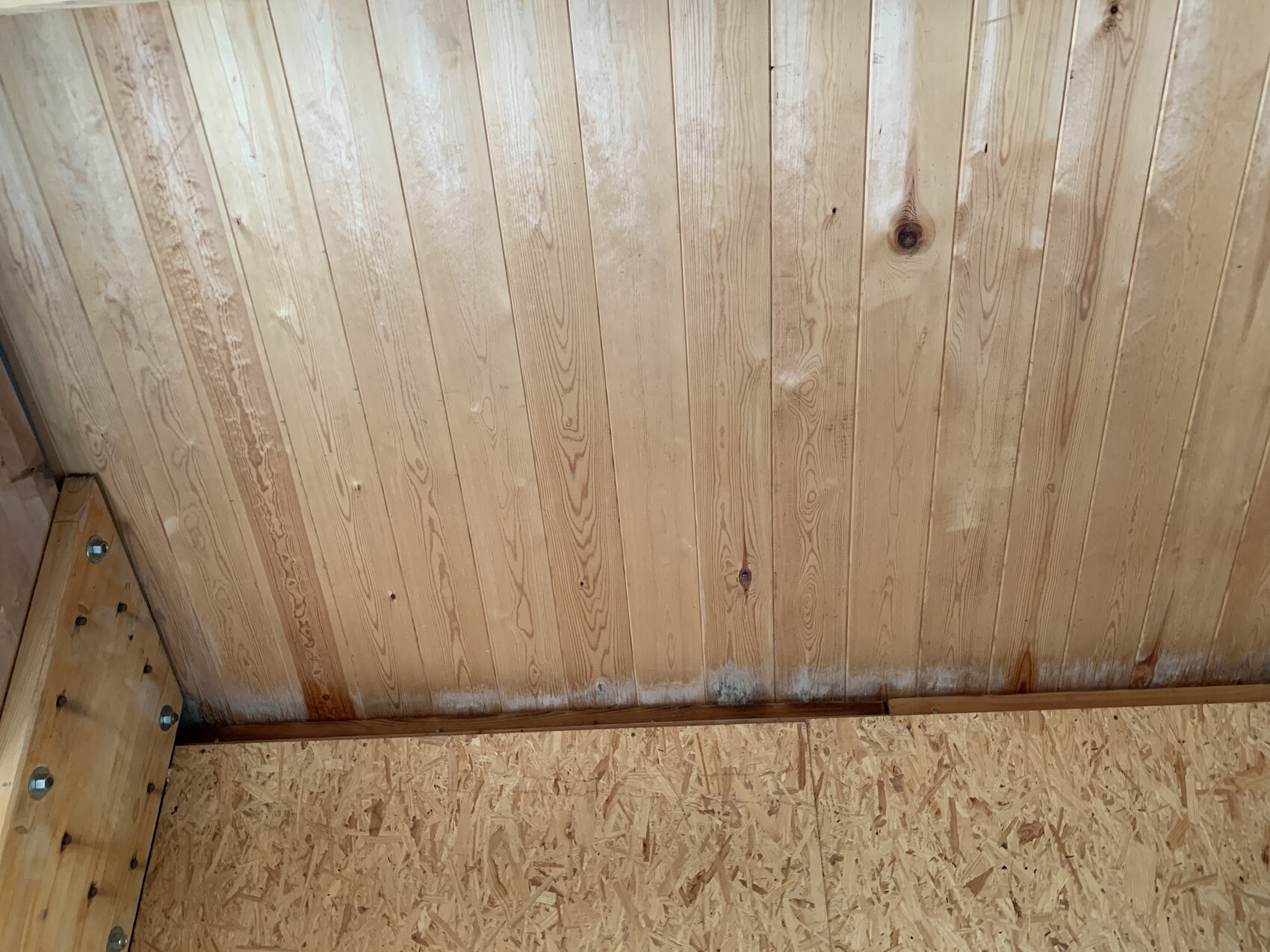
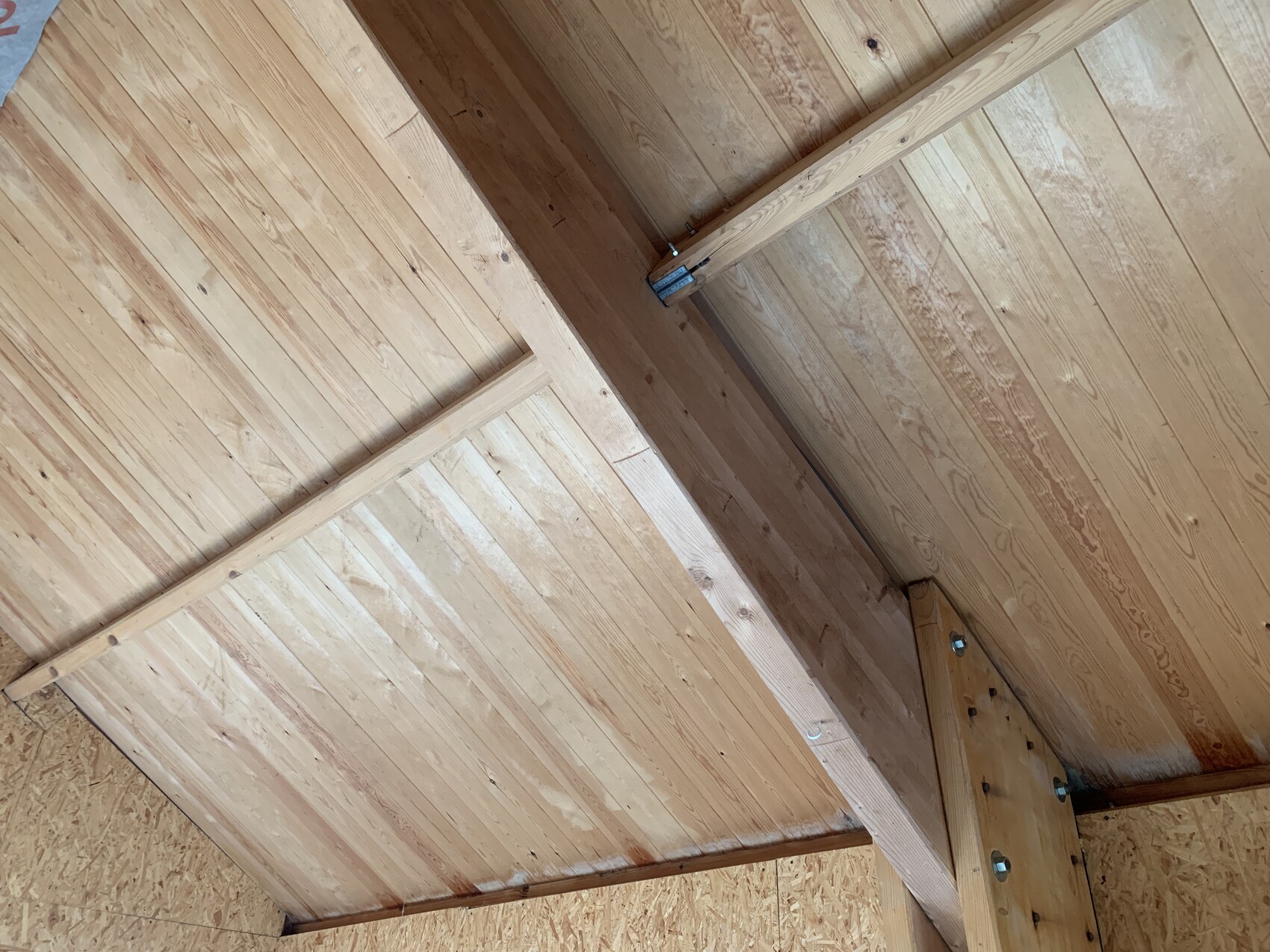
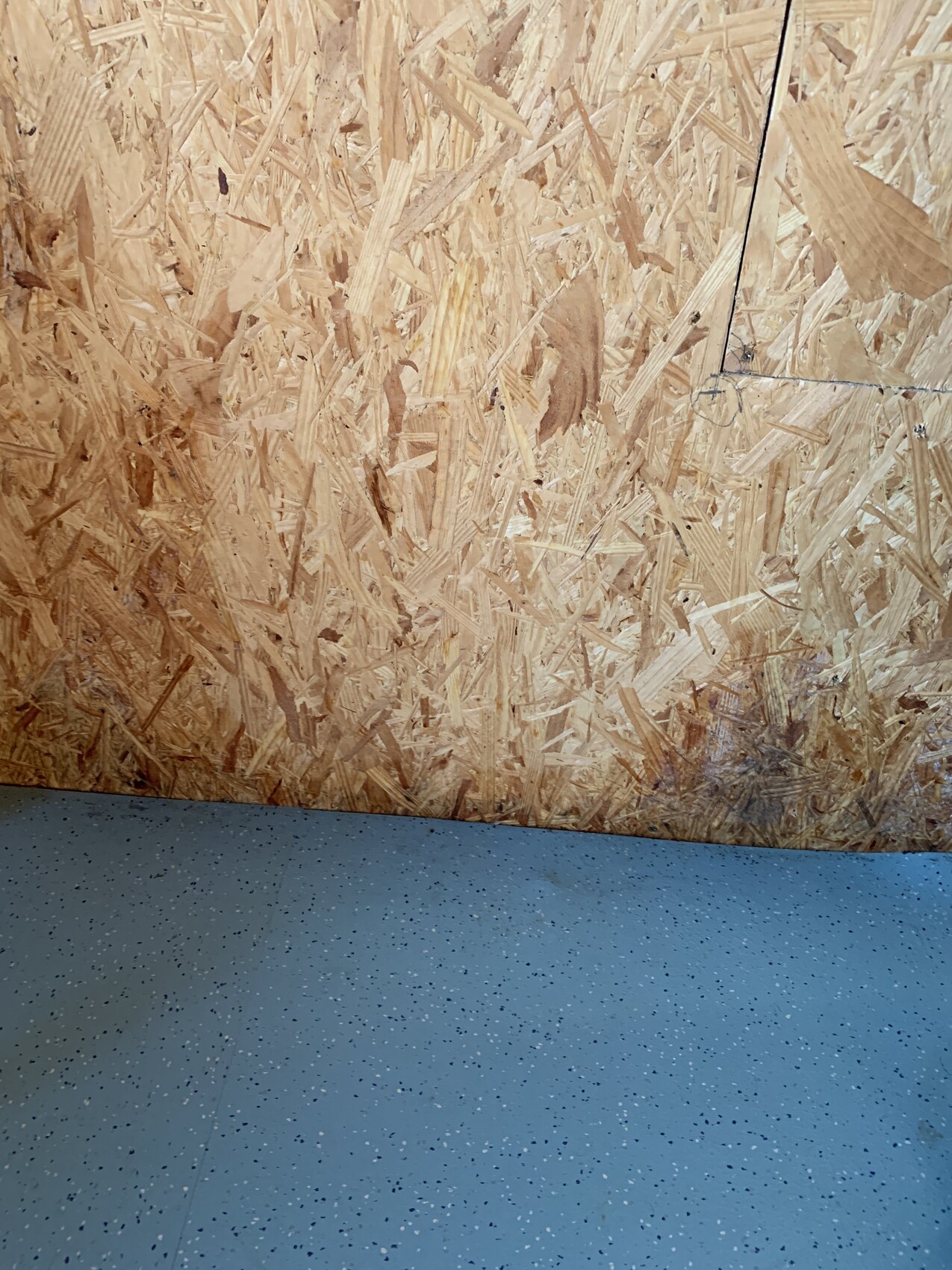
I spend a lot of time in a small weekend house (30 m2 (323 sq ft)) located in a natural setting. The house was built 30 years ago and is made of wood with mineral wool insulation. Recently, I installed new triple-glazed windows. Floor construction: concrete foundation – wooden battens – OSB boards – blue linoleum. I heat with a Rowi gas stove, but only when I am there. The roof is not insulated. Now I have a mold problem due to condensation around the corners and on the walls. How can I insulate the house to eliminate the mold issue? I can redo the insulation and floor covering, but I don’t know how to solve the overall problem.
Thank you for any help.
Luis


I believe the most practical solution would be to run a dehumidifier with a hose connection and built-in hygrometer when no one is home. It should only operate if the indoor humidity is above 50%. The condensate drain hose can be directed to a sink or discharged outside, and that’s it.
Alternatively, you can keep two opposite windows open all the time, secured with grilles to prevent break-ins.
Alternatively, you can keep two opposite windows open all the time, secured with grilles to prevent break-ins.
W
WilderSueden9 Feb 2022 14:46lastdrop schrieb:
A gas heating system causes significant moisture input. This moisture will then also penetrate into the wood, furniture, and walls. You won’t be able to get rid of it by just briefly airing out before you leave.Exactly. In the past, this probably wasn’t a problem because the windows allowed continuous air exchange. The new windows are much more airtight, so the moisture stays inside.I don’t want to scare you, but it doesn’t look like mold to me. And I don’t think it is mold. Mold wouldn’t only be at the bottom but also in corners and other places.
This isn’t caused by insufficient heating either; it’s penetrating moisture. That’s a type of fungus. If you’re unlucky, it might be dry rot. In that case, demolition would be necessary. The boards are absorbing moisture from below, behind, or wherever it is coming from. You can clearly see this.
If the boards have contact with the ground or if there is a missing or defective moisture barrier, the boards will draw the water upward. This is just starting. Then, with poor ventilation, the problem develops quickly.
You will need to open up the wall and get air circulating as soon as possible. Otherwise, the fungus will grow and you might have to tear down the entire building. The spores of this fungus are spread throughout the wood. Wherever there is no direct airflow, the fungus will grow. It’s possible that the back side is even worse.
This usually happens only between 10°C and 25°C (50°F and 77°F). So heating combined with moisture supply from below may actually accelerate this process. The colder, the better.
Wait until spring when conditions will be ideal for it. That’s very dangerous.
This isn’t caused by insufficient heating either; it’s penetrating moisture. That’s a type of fungus. If you’re unlucky, it might be dry rot. In that case, demolition would be necessary. The boards are absorbing moisture from below, behind, or wherever it is coming from. You can clearly see this.
If the boards have contact with the ground or if there is a missing or defective moisture barrier, the boards will draw the water upward. This is just starting. Then, with poor ventilation, the problem develops quickly.
You will need to open up the wall and get air circulating as soon as possible. Otherwise, the fungus will grow and you might have to tear down the entire building. The spores of this fungus are spread throughout the wood. Wherever there is no direct airflow, the fungus will grow. It’s possible that the back side is even worse.
This usually happens only between 10°C and 25°C (50°F and 77°F). So heating combined with moisture supply from below may actually accelerate this process. The colder, the better.
Wait until spring when conditions will be ideal for it. That’s very dangerous.
Similar topics