
ᐅ Excess Moisture in a Single-Family Home After Installing the Screed? Risk of Mold?
Created on: 1 Jan 2022 18:33
D
Der_Hansi1968
Hello dear forum members,
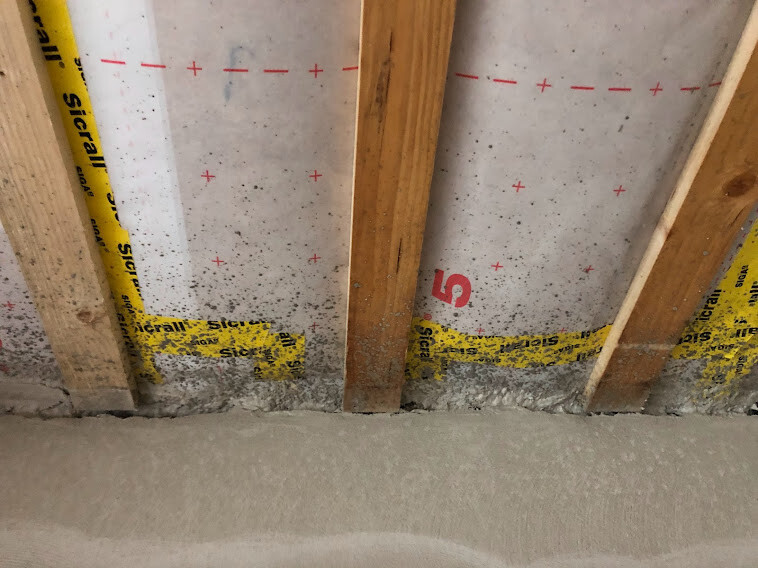
On December 13th/14th, the screed was installed in our detached house/KfW55/controlled ventilation/gas heating/1.5 stories/185sqm (1990 sqft). We have been ventilating as instructed until today. When I took a closer look today, I unfortunately noticed that
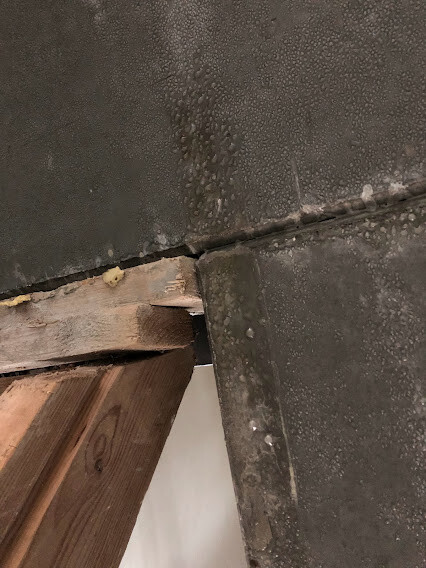
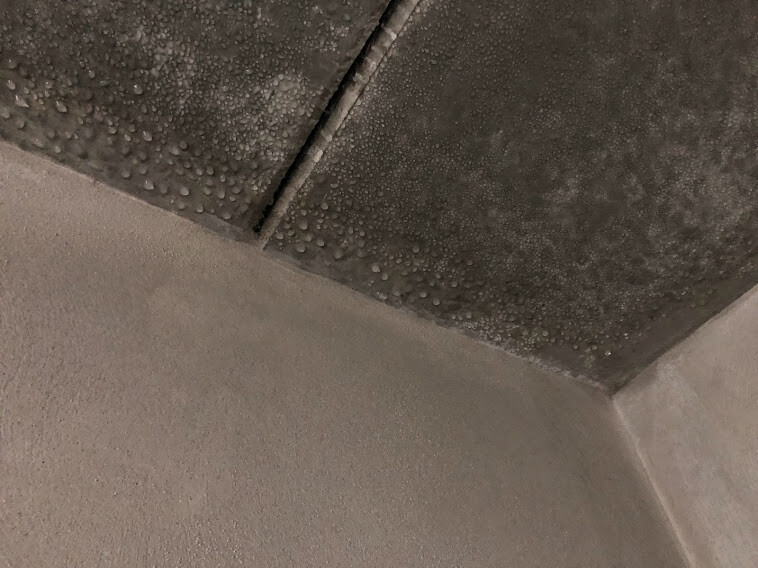
- there are water droplets on the ceiling of the ground floor at some spots,
- some wooden rafters are slowly absorbing moisture again,
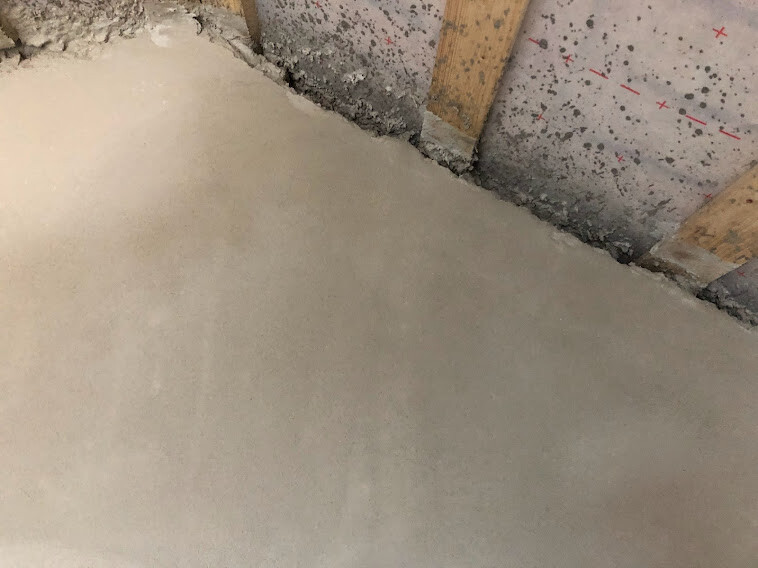
- quite a few already dry wall surfaces appear wet or damp again, and
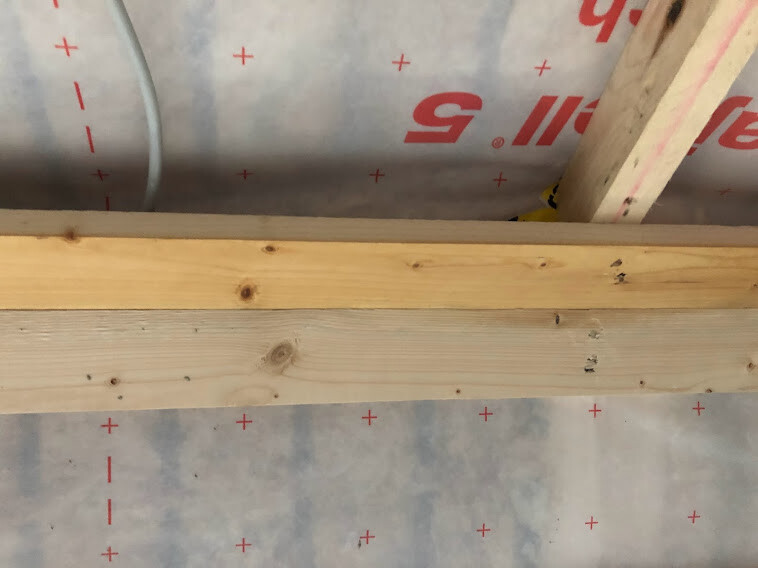
- the foil in the upper floor/attic is damp in most places.
The hygrometer has shown humidity levels between 85-95% in recent days, especially higher in the attic, of course.
On January 10th, the gas heating will be connected to start drying the screed. So far, we have not used any construction dryers or similar equipment.
Questions:
1.) Is this amount of moisture in the house normal at this stage of construction and at this time of year?
2.) If not, in your opinion, is there already a risk of mold? Or is it more likely that after the heating phase by the end of January everything will dry out and be resolved?
3.) Would you recommend setting up construction dryers temporarily as an additional measure?
I am a layperson and have no idea if this is "normal" or if we are heading toward a serious mold problem. My builder won’t be back from vacation until next week, and I want to be prepared with your assessments/comments. Otherwise, all the moisture might be sealed behind drywall quickly, and we could face big problems later. Attached are some photos. By the way, my builder is really great and very cooperative, but as mentioned not currently available.
Thank you for your input and Happy New Year 2022!

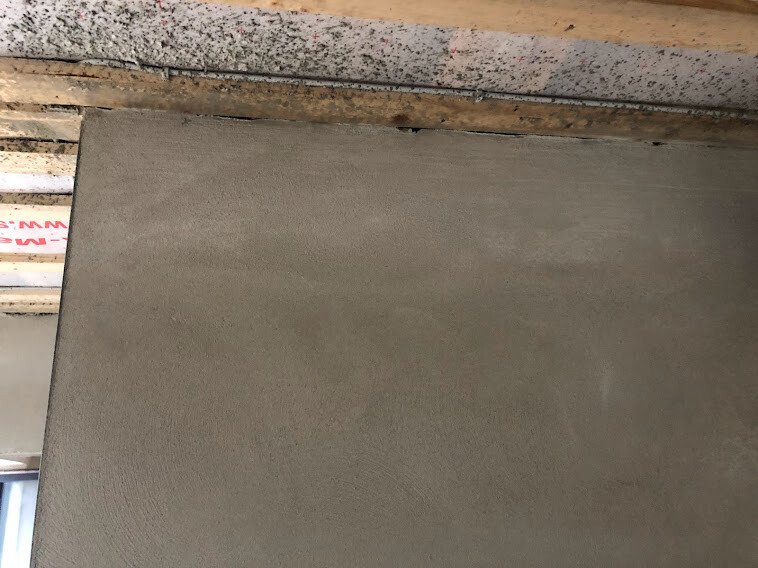
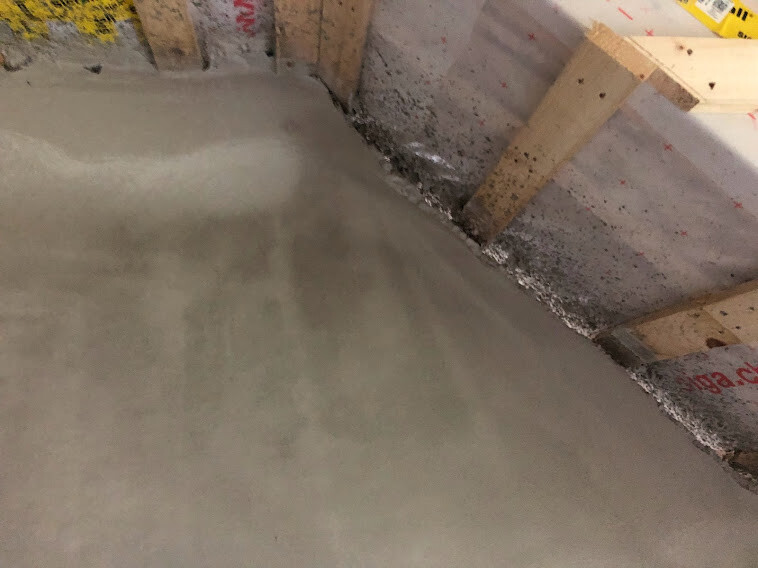
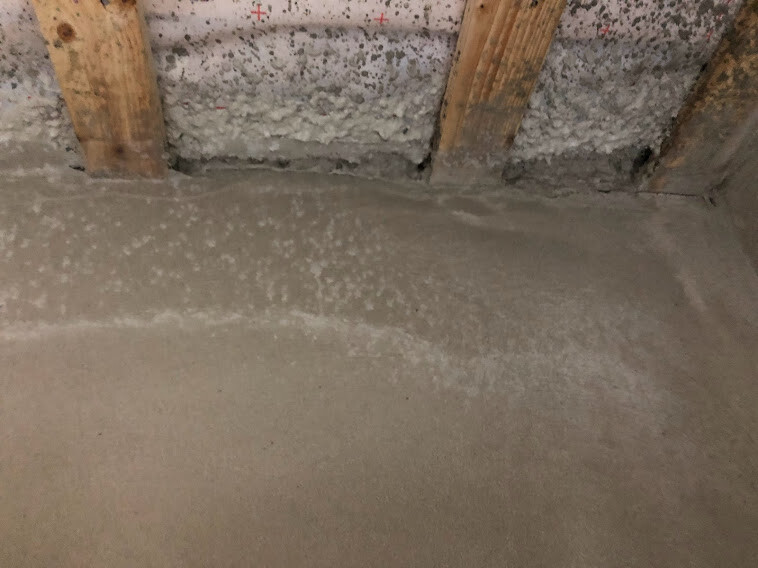
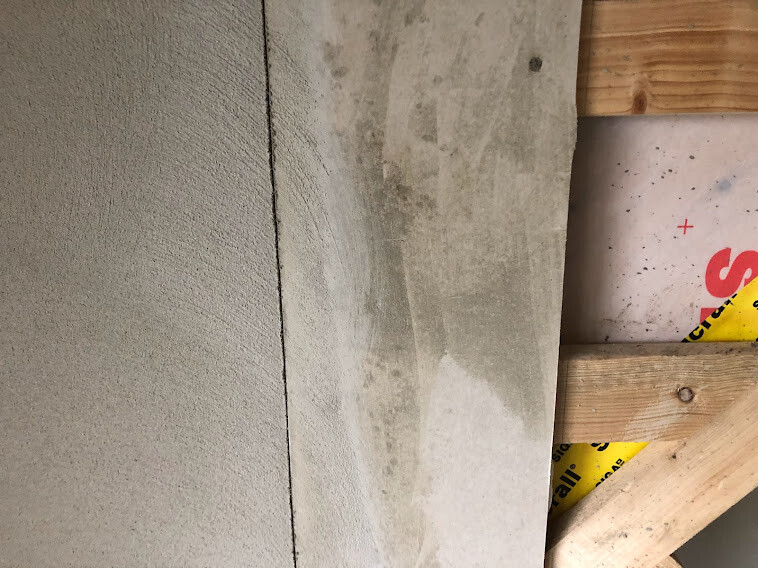
On December 13th/14th, the screed was installed in our detached house/KfW55/controlled ventilation/gas heating/1.5 stories/185sqm (1990 sqft). We have been ventilating as instructed until today. When I took a closer look today, I unfortunately noticed that
- there are water droplets on the ceiling of the ground floor at some spots,
- some wooden rafters are slowly absorbing moisture again,
- quite a few already dry wall surfaces appear wet or damp again, and
- the foil in the upper floor/attic is damp in most places.
The hygrometer has shown humidity levels between 85-95% in recent days, especially higher in the attic, of course.
On January 10th, the gas heating will be connected to start drying the screed. So far, we have not used any construction dryers or similar equipment.
Questions:
1.) Is this amount of moisture in the house normal at this stage of construction and at this time of year?
2.) If not, in your opinion, is there already a risk of mold? Or is it more likely that after the heating phase by the end of January everything will dry out and be resolved?
3.) Would you recommend setting up construction dryers temporarily as an additional measure?
I am a layperson and have no idea if this is "normal" or if we are heading toward a serious mold problem. My builder won’t be back from vacation until next week, and I want to be prepared with your assessments/comments. Otherwise, all the moisture might be sealed behind drywall quickly, and we could face big problems later. Attached are some photos. By the way, my builder is really great and very cooperative, but as mentioned not currently available.
Thank you for your input and Happy New Year 2022!
Prager91 schrieb:
Does anyone have tips or tricks for the "tropical screed ventilation time"For the ceiling:
Affordable window vacuum cleaner with telescopic handle for the ceiling – worked excellently on concrete ceilings.
For windows, simply use a different one or thoroughly clean the rubber squeegee – otherwise, the risk of material from the ceiling sticking to the rubber lip and scratching the glass would be too high for me.
Alternatively, if available: wet/dry vacuum cleaner. Very effective. But remove the bag beforehand 😉
Just a question: Do you have any idea how many liters of water are brought into the house just with the screed?
And where is the water supposed to go in your airtight, insulated, and sealed homes with that KfW55 nonsense?
And what about all the drywall sheets, which really absorb the moisture? Because these houses can no longer breathe naturally.
It’s even worse with anhydrite screed, which contains even more water.
Of course, I wonder if the moisture can ever truly leave the house. After all, the tiler still comes in even though there’s moisture in the screed. I know someone who had moisture under the tiles even after 10 years.
Certainly, the past few weeks might have been unusually humid. Yes. A few frosty nights with very low humidity will probably still come. Then you turn on the heating, open all the windows, and let everything dry.
Actually, you don’t really need heating. But since you’ve already filled the heating system, it would freeze. So add antifreeze and let the frost come into the house. That way, it will dry quickly and naturally – without mold.
And where is the water supposed to go in your airtight, insulated, and sealed homes with that KfW55 nonsense?
And what about all the drywall sheets, which really absorb the moisture? Because these houses can no longer breathe naturally.
It’s even worse with anhydrite screed, which contains even more water.
Of course, I wonder if the moisture can ever truly leave the house. After all, the tiler still comes in even though there’s moisture in the screed. I know someone who had moisture under the tiles even after 10 years.
Certainly, the past few weeks might have been unusually humid. Yes. A few frosty nights with very low humidity will probably still come. Then you turn on the heating, open all the windows, and let everything dry.
Actually, you don’t really need heating. But since you’ve already filled the heating system, it would freeze. So add antifreeze and let the frost come into the house. That way, it will dry quickly and naturally – without mold.
Durran schrieb:
Just a question. Do you have any idea how many liters of water are brought into a house just with the screed?
And where is that water supposed to go in your hermetically airtight insulated and sealed houses with that KfW55 nonsense?
And all those drywall boards, which really absorb the moisture. Because these houses can no longer breathe naturally.
It’s even worse with anhydrite screed. Even more water in it.
I naturally wonder whether you can ever really get the moisture out of the house again. Because the tiler still comes while there is moisture in the screed. I know someone who still had moisture under the tiles after 10 years.
Surely the last few weeks were unusually humid. Yes. There will likely be a few frosty nights with very low humidity. Then turn on the heating, open all the windows, and let it dry.
Actually, no heating is needed. But since you’ve already filled the heating system, it’d freeze anyway. So add antifreeze and let the frost into the house. Then it dries quickly and naturally. Without mold. You are basically right about the “residual moisture” that will certainly remain. There are certain values that tilers and others refer to. Once these percentages are met, tiling is allowed. Those values exist for a reason.
Try drying your screed at these temperatures this time of year WITHOUT heating… then you’ll still be drying in May. The trades need to continue, planning goes on, and the client wants or needs to move in. The option of using underfloor heating and construction dryers is also available. Especially regarding mold, proper ventilation means the mold issue is no better or worse than if you work without underfloor heating. On the contrary... it has nothing to do with it. You can get mold just as easily if you ventilate the screed poorly WITHOUT underfloor heating.
The way it works for us and surely many other construction projects is standard... I’ve never heard anything negative about it except that the electricity costs are quite high.

Tolentino schrieb:
The temperatures are still fine, as long as you have heating. The moisture outside is currently the problem. Actually, it works well here in Baden-Württemberg, I have to say. Of course, in the morning there is still relatively high humidity outside, but around midday the temperatures are quite ideal for the screed. 10°C (50°F) with sunshine—you can leave it open nicely. I would almost say that the current temperatures are very, very good for drying—significantly better than in late spring or summer. When combined with the warming from underfloor heating, it’s really great.
Similar topics