
ᐅ Floor Plan: Building on a Slight Slope – Is Excavation Insufficient for a Basement?
Created on: 8 Feb 2022 13:12
W
Welcome2ChaosW
Welcome2Chaos8 Feb 2022 13:12Hello everyone,
My partner and I visited our dream plot yesterday. The price is unbeatable, the location is excellent, and there are a few minor issues here and there, but nothing we couldn’t live with—except for one thing. And that’s the “slope,” if you can call it that.
We’re talking about a plot with a 20m (65.6 ft) street frontage on the south side (valley) and a length of about 70m (230 ft). The upper area is flat but not designated as building land, and it borders another road. The elevation difference is, in my estimation, a maximum of 2m (6.6 ft), spread over roughly 50m (164 ft). I’ve tried to attach some photos.
We are building with a prefabricated house provider to KfW 40 standard, with a wastewater pit; otherwise, access is from the street side (south side). My concern is that planning for a plot “on a slope” might lead to unexpected costs, which is why I want to find out what options for construction we have before signing the contract.
My idea would be to cut away soil in the lower half, as the house would essentially have to be built in the lower half. I’m not sure how this would affect rainwater drainage. Would simple retaining walls be enough? How much would something like that cost? Do you have any other ideas?
It’s just too little of a slope to build a basement (which would also be very expensive), but too much to simply ignore it.
Best regards
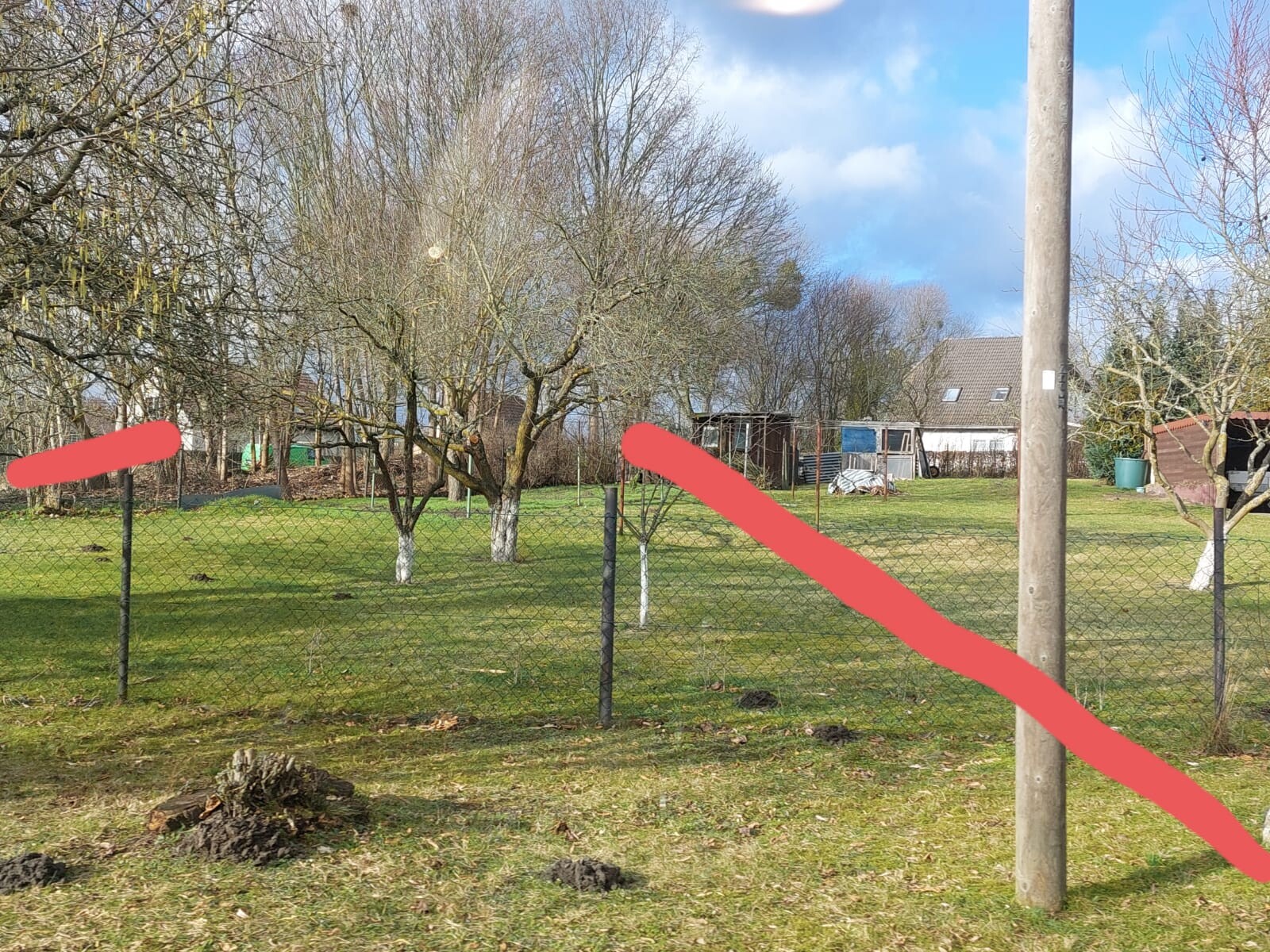
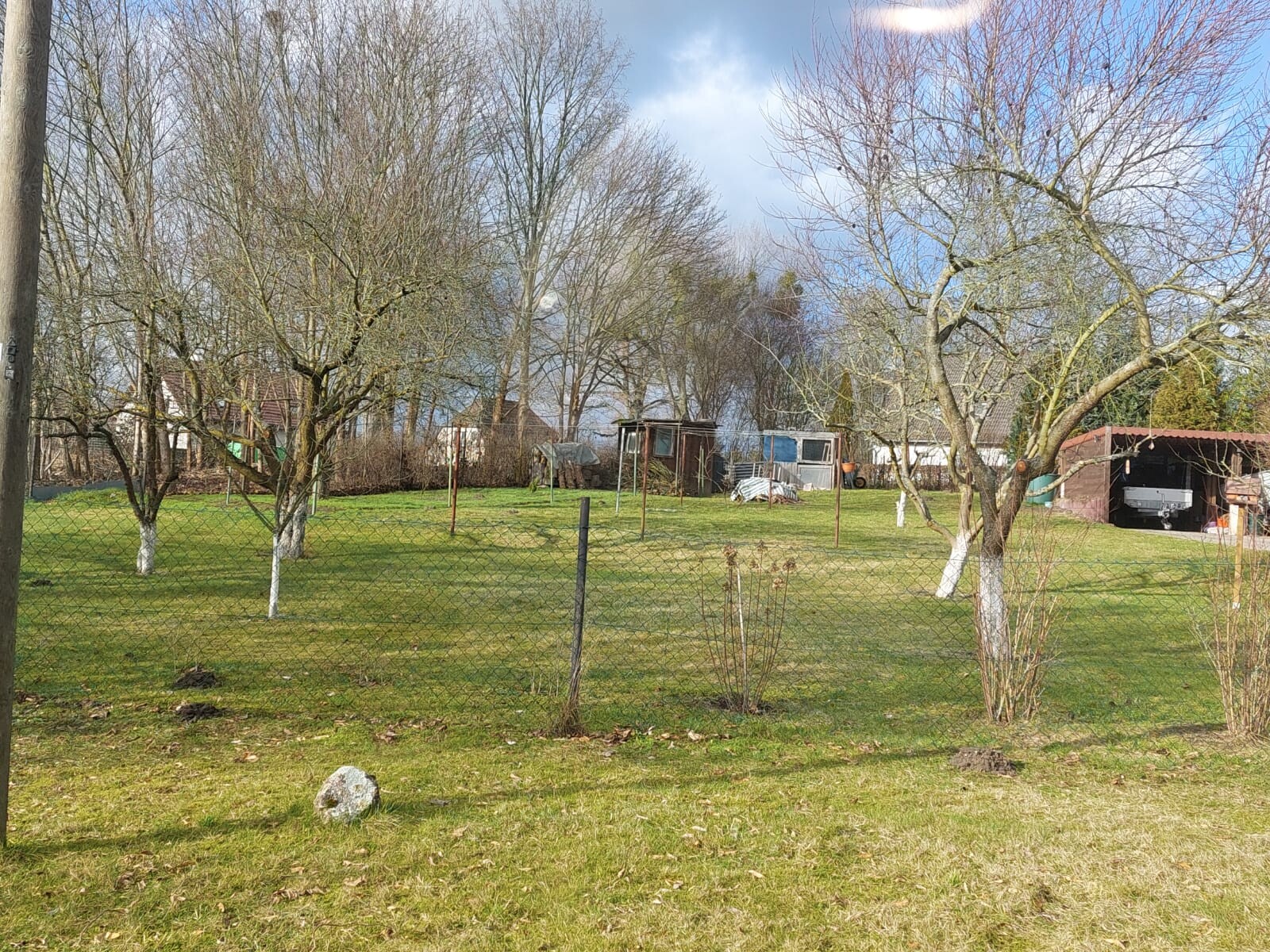
My partner and I visited our dream plot yesterday. The price is unbeatable, the location is excellent, and there are a few minor issues here and there, but nothing we couldn’t live with—except for one thing. And that’s the “slope,” if you can call it that.
We’re talking about a plot with a 20m (65.6 ft) street frontage on the south side (valley) and a length of about 70m (230 ft). The upper area is flat but not designated as building land, and it borders another road. The elevation difference is, in my estimation, a maximum of 2m (6.6 ft), spread over roughly 50m (164 ft). I’ve tried to attach some photos.
We are building with a prefabricated house provider to KfW 40 standard, with a wastewater pit; otherwise, access is from the street side (south side). My concern is that planning for a plot “on a slope” might lead to unexpected costs, which is why I want to find out what options for construction we have before signing the contract.
My idea would be to cut away soil in the lower half, as the house would essentially have to be built in the lower half. I’m not sure how this would affect rainwater drainage. Would simple retaining walls be enough? How much would something like that cost? Do you have any other ideas?
It’s just too little of a slope to build a basement (which would also be very expensive), but too much to simply ignore it.
Best regards
W
WilderSueden8 Feb 2022 14:52Do you want to manage the water with retaining walls, or am I misunderstanding something?
The most important cost factor is how much slope you have within the building plot. It’s best to measure this accurately with a water level or something similar, as estimating by eye is unreliable. Just looking at the numbers, I don’t see any reason for a basement at this point.
For water running downhill, a lot can probably be done with smart landscaping. Cross slopes, possibly a small berm of about 20-30cm (8-12 inches) with a hedge or a raised bed. The house itself can be built slightly elevated, and you also have the drainage strip. If necessary, a channel can be added in front of the house.
The most important cost factor is how much slope you have within the building plot. It’s best to measure this accurately with a water level or something similar, as estimating by eye is unreliable. Just looking at the numbers, I don’t see any reason for a basement at this point.
For water running downhill, a lot can probably be done with smart landscaping. Cross slopes, possibly a small berm of about 20-30cm (8-12 inches) with a hedge or a raised bed. The house itself can be built slightly elevated, and you also have the drainage strip. If necessary, a channel can be added in front of the house.
W
Welcome2Chaos8 Feb 2022 15:07@WilderSueden,
Thank you for your response! Well, I thought that a small retaining wall could help divert some water. That was probably a wrong assumption, but in my defense, I have absolutely no knowledge of house construction (more about heating systems, but that doesn’t really matter here).
I think the slope across the house area would be about 70-80cm (28-31 inches) over the width of the house, which should be around a 7% gradient, if my math still works?
What confused me was the statement from the sales representative of the home builder that we have to set the ground floor, or rather the top edge of the slab, exactly level with the highest point of the terrain, otherwise we would have problems with surface water or groundwater from the slope.
Otherwise, I would have thought to level the ground up to about halfway across the plot (or a bit more), place the house on that, and then install some kind of drainage or runoff system behind the house, in front of the rest of the slope, to prevent water from reaching the building.
I’m not sure how to interpret the builder’s statement that the slab has to be flush with the terrain to prevent water damage to the house.
Thank you for your response! Well, I thought that a small retaining wall could help divert some water. That was probably a wrong assumption, but in my defense, I have absolutely no knowledge of house construction (more about heating systems, but that doesn’t really matter here).
I think the slope across the house area would be about 70-80cm (28-31 inches) over the width of the house, which should be around a 7% gradient, if my math still works?
What confused me was the statement from the sales representative of the home builder that we have to set the ground floor, or rather the top edge of the slab, exactly level with the highest point of the terrain, otherwise we would have problems with surface water or groundwater from the slope.
Otherwise, I would have thought to level the ground up to about halfway across the plot (or a bit more), place the house on that, and then install some kind of drainage or runoff system behind the house, in front of the rest of the slope, to prevent water from reaching the building.
I’m not sure how to interpret the builder’s statement that the slab has to be flush with the terrain to prevent water damage to the house.
W
WilderSueden8 Feb 2022 15:26That sounds quite similar to my situation. We also have about a 70cm (28 inches) slope in the area of the foundation slab and even lowered it slightly to avoid unnecessary backfilling. You can find a site plan here: https://www.hausbau-forum.de/threads/wasserdurchlaessiges-pflaster-lehmboden-wassermanagement-allgemein.41779/post-538878
Currently, the foundation slab is in place, and I have to say the house extends much less at the bottom than I had expected. At the top, it doesn’t dig in either, though the absence of topsoil right now probably makes it seem that way. My plan is to direct the water around the house sideways using a cross slope, with a slight rise again in front of the entrance. As a precaution, I will also install a channel drain in front of the door to prevent water from pushing inside during a heavy rainstorm.
Currently, the foundation slab is in place, and I have to say the house extends much less at the bottom than I had expected. At the top, it doesn’t dig in either, though the absence of topsoil right now probably makes it seem that way. My plan is to direct the water around the house sideways using a cross slope, with a slight rise again in front of the entrance. As a precaution, I will also install a channel drain in front of the door to prevent water from pushing inside during a heavy rainstorm.

I find the slope cute... if your estimate of 2m over 50m is correct and the house is 10m deep, that would only be about 40cm (16 inches). It could also be an inaccurate estimate or uneven, so it might be a bit more. But it’s really nothing to worry about.
What the salesperson means is wood protection. On the foundation slab, there is a (wood) exterior wall with a (wood) sill at the bottom. This wood sill must be at least 15cm (6 inches) above the ground level to prevent water from constantly soaking into the wood. Whether you achieve these 15cm by placing the house at the higher ("slope") level or by slightly excavating this area is, of course, up to you. If you excavate (which is probably the better option), the land behind might technically be steeper. In practice, though, you still have 40-50m (130-165 feet) to shape the terrain as you wish and need. I really see no problem here.
What you should consider from the beginning is access—driveway, access to the garden, terrace, etc. On top of the 15cm (6 inches) mentioned, there is the interior floor construction, so overall you have about 30-35cm (12-14 inches) difference between the floor height and the ground level. If that doesn’t bother you, you can simply have two steps to enter the house, garden, or terrace. To achieve a threshold-free entrance requires some effort (raising the terrace, ventilated drainage channel, or similar).
In summary: the “slope” you describe is not an issue and should not deter you from buying the plot. If you move forward with construction, you should plan the outdoor area directly adjacent to the house at the same time (either here or with a landscape gardener or similar).
What the salesperson means is wood protection. On the foundation slab, there is a (wood) exterior wall with a (wood) sill at the bottom. This wood sill must be at least 15cm (6 inches) above the ground level to prevent water from constantly soaking into the wood. Whether you achieve these 15cm by placing the house at the higher ("slope") level or by slightly excavating this area is, of course, up to you. If you excavate (which is probably the better option), the land behind might technically be steeper. In practice, though, you still have 40-50m (130-165 feet) to shape the terrain as you wish and need. I really see no problem here.
What you should consider from the beginning is access—driveway, access to the garden, terrace, etc. On top of the 15cm (6 inches) mentioned, there is the interior floor construction, so overall you have about 30-35cm (12-14 inches) difference between the floor height and the ground level. If that doesn’t bother you, you can simply have two steps to enter the house, garden, or terrace. To achieve a threshold-free entrance requires some effort (raising the terrace, ventilated drainage channel, or similar).
In summary: the “slope” you describe is not an issue and should not deter you from buying the plot. If you move forward with construction, you should plan the outdoor area directly adjacent to the house at the same time (either here or with a landscape gardener or similar).

Welcome2Chaos schrieb:
We are building with a prefabricated house manufacturer to KfW40 standard, including a sewage pit, otherwise connected to the street side (south side). Now, my concern is that planning for a sloped lot could lead to unexpected costs, so I would like to find out what options we have for implementation before signing the contract.At least you are asking before signing the contract; we’ve seen different situations here before. Show the lot plan (what do the red lines mean?), also from an aerial view, or check a geoportal to find information about elevation points / contour lines of the property. You should also look at the zoning plan (if there isn’t one, there may be other local regulations) to see what it says about terrain modifications and so on. I see there is still quite a bit of information you need before signing. By the way, KfW40 and a sewage pit is a pretty unusual combination, like samba in Mettmann 🙂https://www.instagram.com/11antgmxde/
https://www.linkedin.com/company/bauen-jetzt/
Similar topics