
ᐅ Floor Plan Design for New Single-Family Home – 610 sqm Plot – Feedback Welcome
Created on: 3 Jan 2022 00:26
H
house4family
Unfortunately, I was no longer able to edit my previous post, so here it is again, including the floor plans and with better image quality.
Good day.
We plan to build a single-family house on a 610 sqm (6566 sq ft) plot in a new development area. We have already made some considerations. By now, we have been able to refine and clarify our wishes. At this point, we are wondering whether we might have overlooked something or if there are any suggestions for improvement.
Development Plan
Client Requirements / Wishes
We would like to thank you in advance for your active participation and support.
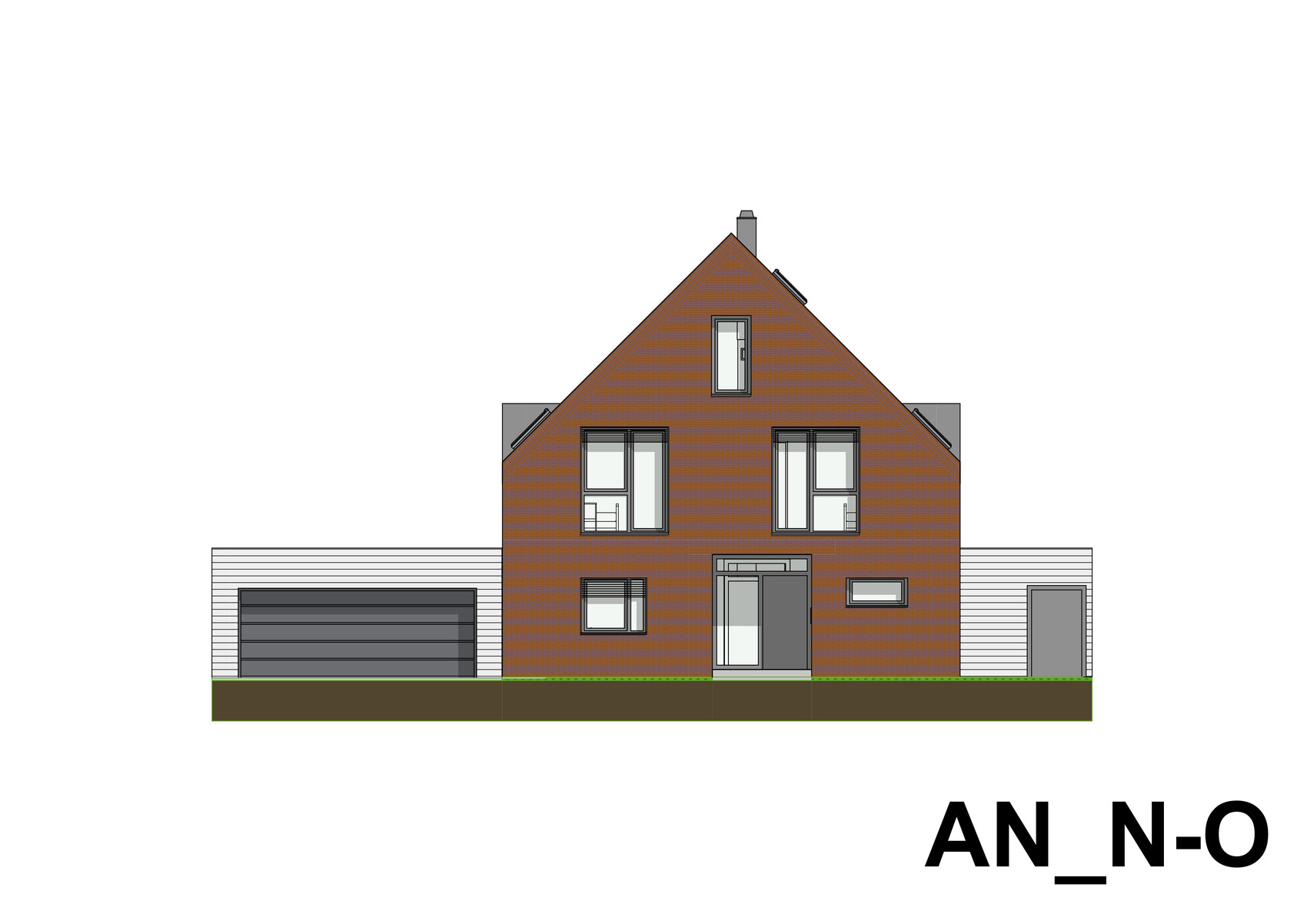
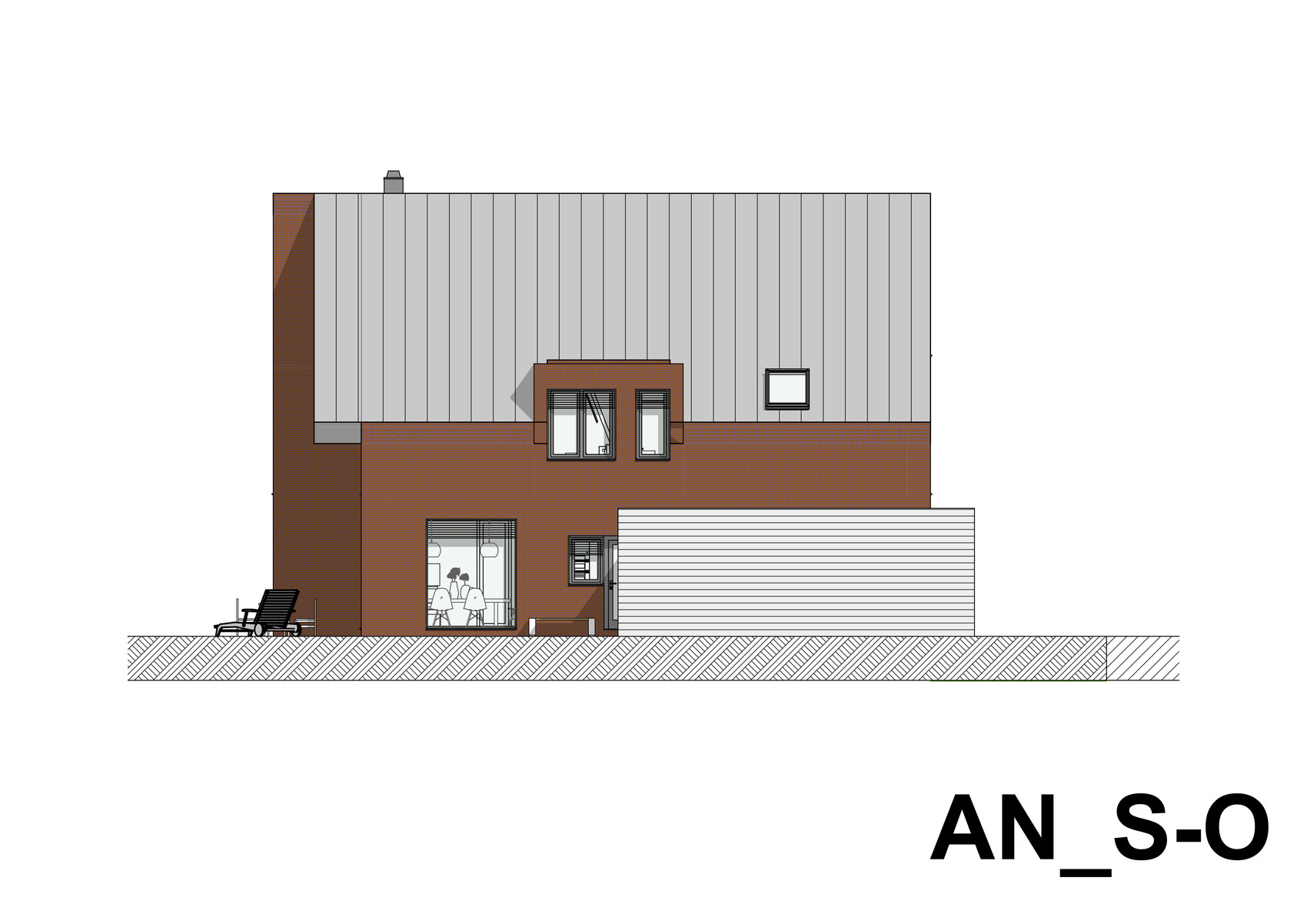
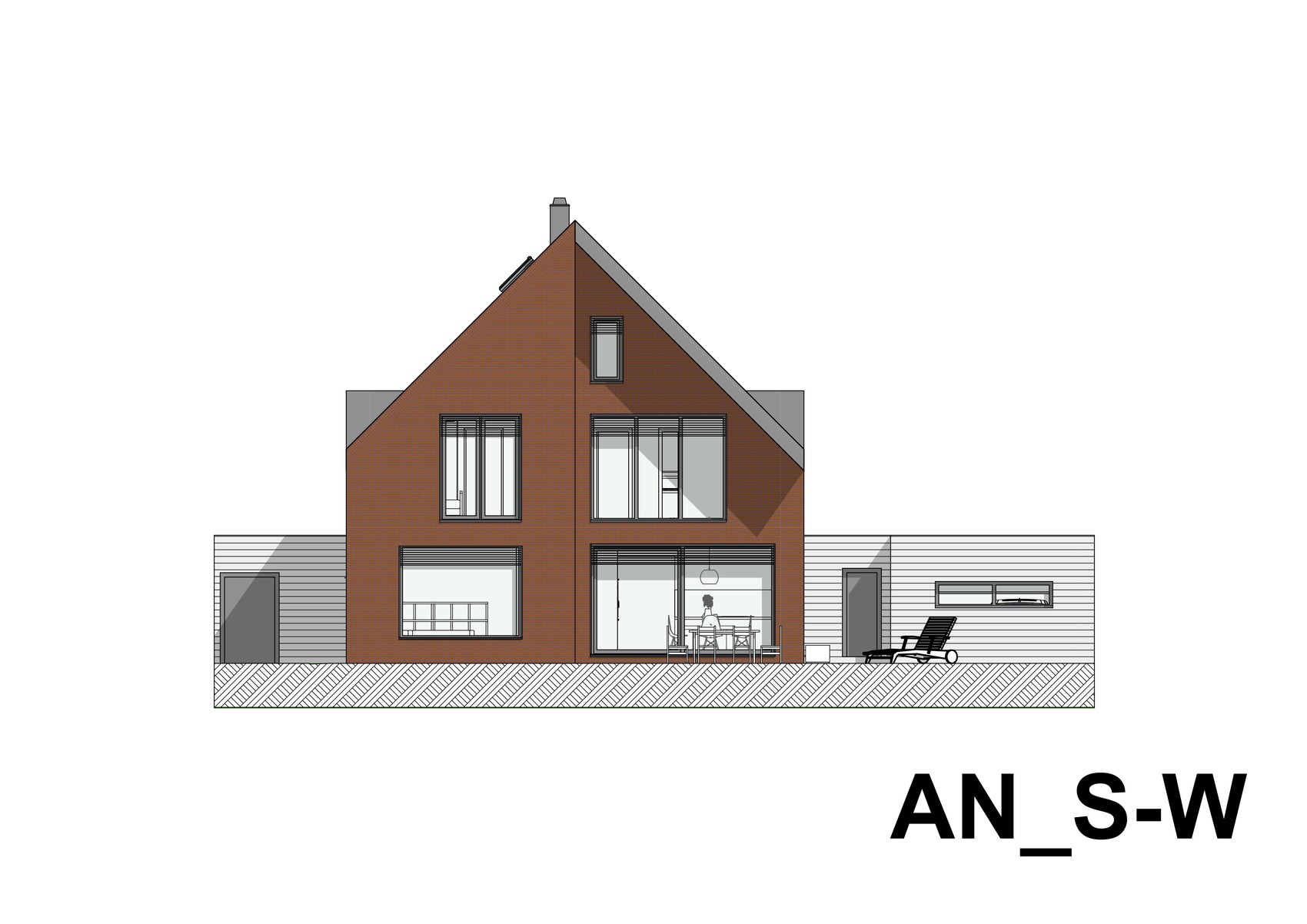

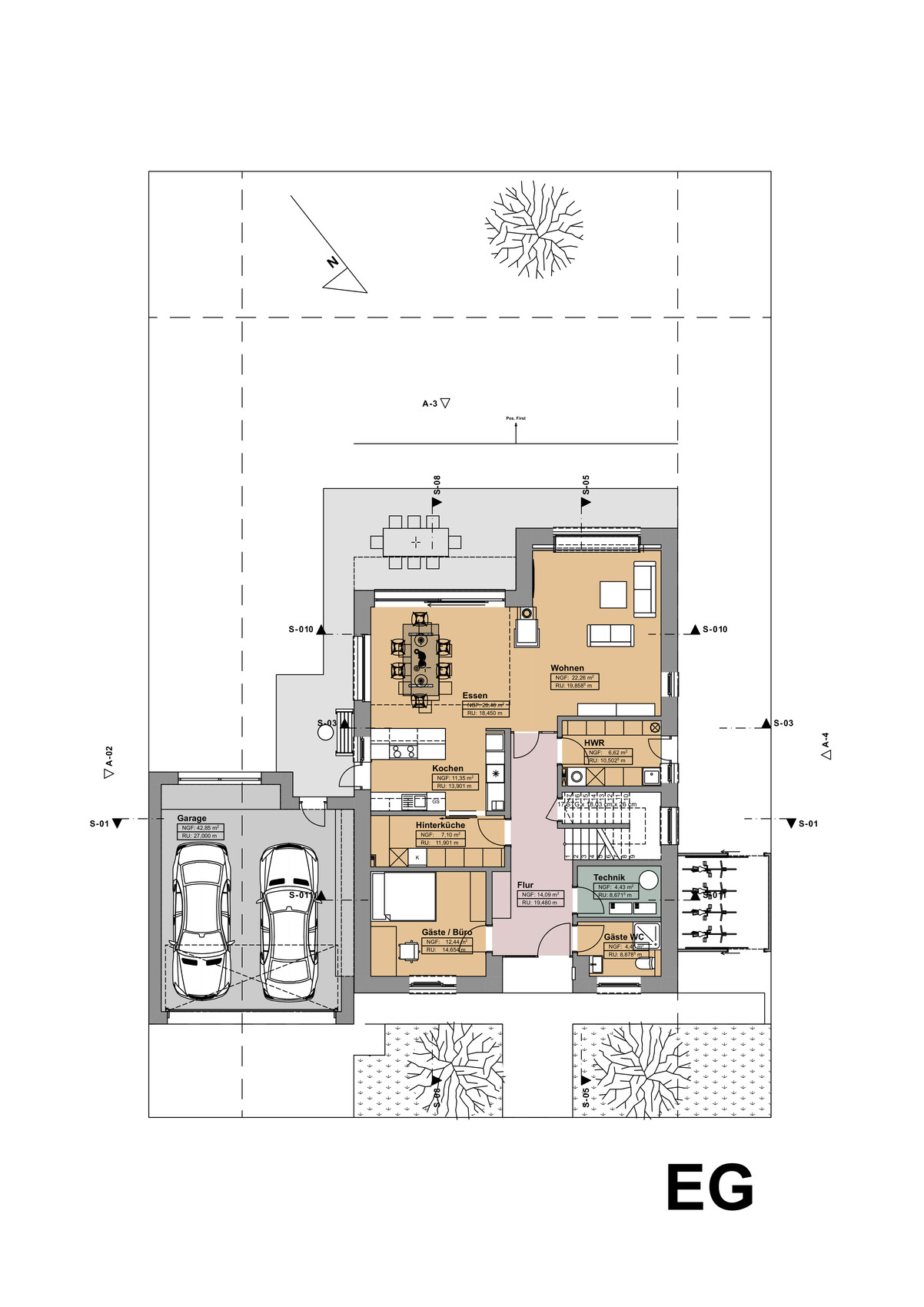
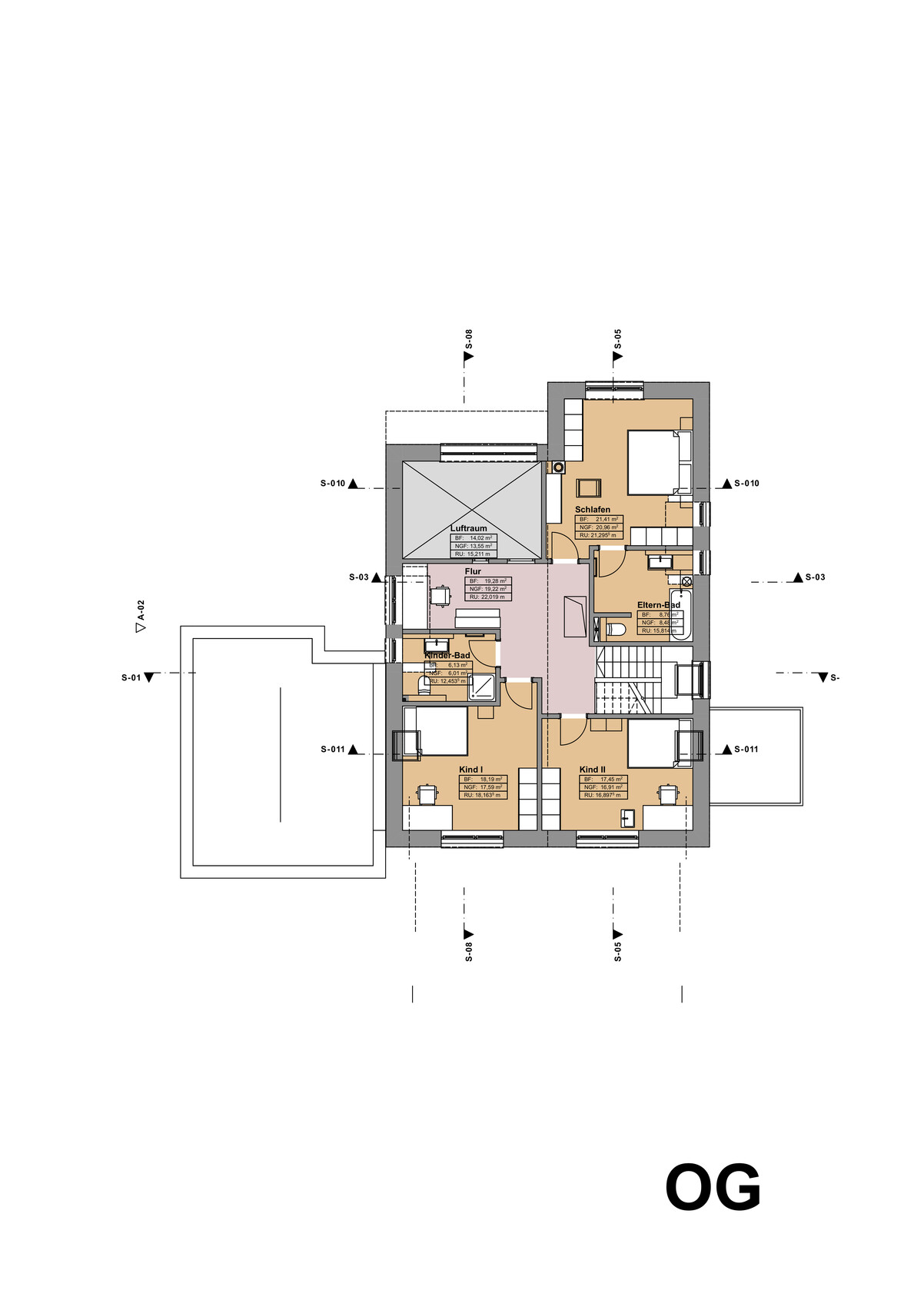
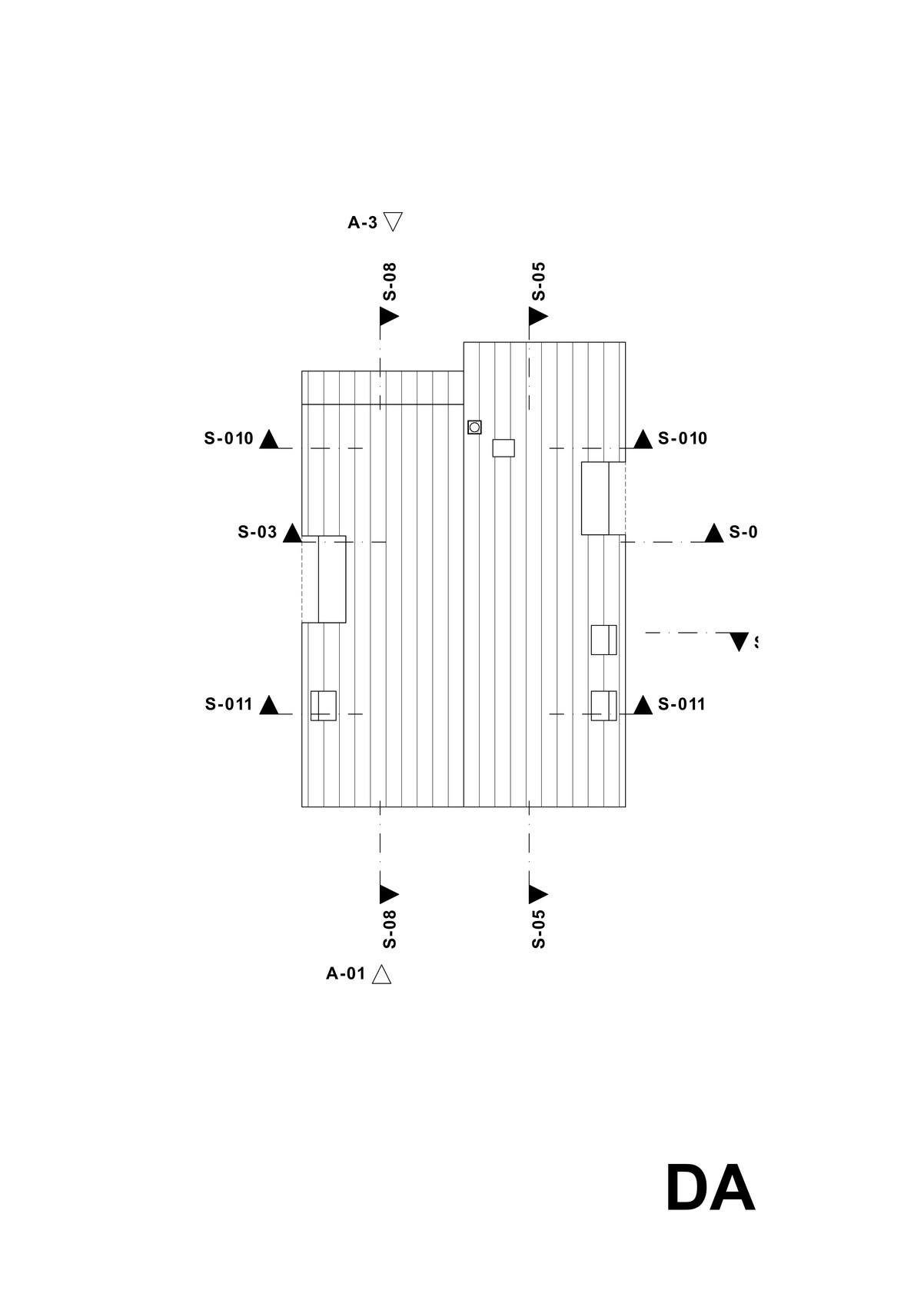
Good day.
We plan to build a single-family house on a 610 sqm (6566 sq ft) plot in a new development area. We have already made some considerations. By now, we have been able to refine and clarify our wishes. At this point, we are wondering whether we might have overlooked something or if there are any suggestions for improvement.
Development Plan
- Site coverage ratio 0.3
- Floor area ratio 0.8
- Number of parking spaces: 2
- Number of storeys: 1
- Brick masonry
- Roof style: gable roof with 45-degree pitch
Client Requirements / Wishes
- Family with two children
- Living space around 200 sqm (2153 sq ft)
- Target energy efficiency class KfW-40 EE (hence the thick exterior walls)
- Room requirements on the ground floor: kitchen + pantry, open-plan living and dining area, guest toilet, utility room with garden access, study/guest room
- Room requirements on the upper floor: 3 bedrooms, 2 bathrooms
- Two children's rooms approximately the same size, each at least 16 sqm (172 sq ft)
- Fireplace, preferably U-shaped, serving as a room divider between dining and living areas
- Technical room for heating system, heat pump with hot water storage, photovoltaic system with battery storage, and ventilation system with heat recovery
- Double garage including a workbench
- No basement due to a high groundwater level
- Void space to improve lighting in the ground floor and for the central corridor on the upper floor, preferably a closed void (to increase privacy in the living area and avoid cooking smells in the upper floor sleeping areas)
- Laundry chute from the master bathroom leading to the utility room Current Challenge
- Feasibility of the ceiling construction in the living and dining area with the walls above on the upper floor (question for the structural engineers)
We would like to thank you in advance for your active participation and support.
H
house4family6 Jan 2022 00:43kati1337 schrieb:
What would someone typically charge for something like this if you just ask them to make a draft? It’s hard to give a fixed answer. According to HOAI (the official fee structure for architects in Germany), this would cover the first three phases of service. This means up to about 24% of the total fee based on the eligible construction costs could be due. It’s different if you commission work billed by the hour, which is usually what I recommend.
If you approach a suitable professional with a good example and clear, well-organized ideas, it can be significantly cheaper.
Of course, some effort and therefore costs are always involved.
Feel free to use our floor plan as a starting point if it helps.

11ant schrieb:
Oh, are you really a Douglette? I thought you earned your living as a nerd? I had to look that up first. No, not really, but I do have a small child and we also buy a lot of groceries at a very well-known drugstore chain. So it does add up.
11ant schrieb:
What is it in your particular case that speaks against building the current house again, more or less? In our current house, many things aren’t as shown in the floor plan here. We built significantly smaller, and for example, on the ground floor I barely have space for a Christmas tree. Our pantry is much too small, and because of this half-wall in the corner—which wasn’t visible in the construction plans—I can’t even fit the two shelves I wanted in there.
The coat closet in the hallway is not walled in and it bothers me visually. The office is L-shaped (because we squeezed the pantry in there), and I wouldn’t want that layout again. And in general, the very long and narrow shape of the kitchen/dining/living area doesn’t bother me directly, but it’s not something I would choose to build again.
kati1337 schrieb:
I just don’t know a solution that saves a lot of square meters, The solution is to leave out something that isn’t really necessary or can be accommodated elsewhere.
kati1337 schrieb:
I have looked at many floor plans, both for my last house and now again, and I never find enough space for everything on smaller square meter sizes. Building a house has to fit the budget, though. As far as I remember, we still don’t know your budget here in the thread. For you, this house would be a fantasy. Meanwhile, I also opened the floor plans because you piqued my curiosity @kati1337: they really aren’t that inventive. It’s a typical layout (just a completely different concept than the Friesen- or Captain’s house from T&M, and I have a similar one 😉 ). Also, with this concept, the building envelope, floor area ratio, etc. often play a role. It’s clear here that the house was stretched out, for example by separating the technical room, utility room, and pantry until everything fit. At first glance, it looks great and impressive, but it makes the hallway quite long and can be impractical.
Investing in size always works well in a design, but most people can’t afford that. So why aim for oversized space if it doesn’t fit your lifestyle (budget + lot)? That’s why the budget is usually set at the start, then comes the room program, and that is adjusted to the possible square meters. For that reason, storage rooms are integrated into the technical room and clever but often costly solutions are avoided.
Your list of what this house has can be found in other houses too—not all, but many (except our separate pantry 😉). I don’t see your hidden cloakroom, for example. Here, about 80% of us have already discussed smarter solutions that weren’t even expensive. I don’t recall if you shared your floor plan for discussion here, but surely the topic of cloakrooms came up?!
On a far-off platform, a house/floor plan was asked about the day before yesterday: “What do you think of this?” And it actually had everything listed as a must-have or desirable item over the past 10 years, including a basement. So it was huge (island kitchen, roof terrace, kids’ bathroom, tunnel fireplace, etc.), but the routes to the basement were not really practical. The floor plan was very similar to this one (a bit shorter because all the utility rooms were in the basement), only it was one of those Bauhaus-style designs. (Not related here, but it did have everything you can name as “mainstream stuff” (except an atrium). And honestly, it was terribly boring to look at, lacking any charm—I hope this encourages you 😉 )
house4family schrieb:
At the current stage, we wonder if we have overlooked something or if there are still suggestions for improvement. house4family schrieb:
Feasibility of the ceiling structure in the living and dining area with the walls above on the upper floor (question for the structural engineers) These two questions are connected. Although I’m not a structural engineer, on a closer look the many offsets stand out, which don’t exactly simplify the structural design and are actually disadvantageous: for example, in the hallway there are two visible offsets that funnel the over-7-meter-long (over 23 feet) hallway. On the left at the corner of the cloakroom cabinet near the stairs, there is no straight line to install a proper ceiling beam, followed by the stairs narrowing the hallway to only 150cm (about 5 feet) wide.
In a simple gable house, from my perspective you need a load-bearing wall parallel to the ridge. You marked one, which seems to be on the left side of the hallway. The vertical wall in the living room’s recess also serves as a ceiling beam. But these two walls are not aligned but offset from each other, so they cannot serve as bearing points.
The chimney’s location adds to the difficulty, so nothing here can be load-bearing.
One solution could be to shift the small exterior wall of the living room to align with the hallway wall. The same problem repeats on the upper floor.
It also stands out that there is no wall assigned to the entrance door. If it is there, the entrance area either becomes narrower or the WC door won’t fit anymore.
The technical room (TK) might be too small. About 1 x 1 meter (3 x 3 feet) is needed for the domestic hot water tank alone. There is only space for that at the back. There isn’t room on the side either because the plumber needs access. If you have a smaller system with newer technology, please let me know for later discussion 🙂
Just found:
house4family schrieb:
Technical room for the heating system, heat pump with hot water tank, photovoltaic system with battery storage, and ventilation system with heat recovery That won’t fit in that room.
If you’re planning such a big house, I would also design a concealed cloakroom at the entrance. A 150cm (5 feet) wide cabinet can only accommodate a fraction of four people’s coats. So (@kati1337) coat hooks and shoe cabinets will likely be lining the walls, making the hallway lose any spaciousness.
Separating utility room, pantry, and technical room can make sense. Whether a laundry chute in the master bathroom is the right place is debatable—at a certain age, kids won’t want you collecting their laundry anymore. And then having the chute in the master bathroom means the kids have to cross the bedroom to drop off laundry, which is inconvenient. I would rather consider a utility room upstairs if you’re building on a large footprint.
Personally, I keep criticizing that the chill room is used as a passage room. So that applies here as well.
The upper floor looks almost like Tetris: the walls have been shifted so that corners and edges appear everywhere. Surely it could look similar but with fewer corners. Then theoretically you could even separate the stairwell as a parent zone if the piano gets too loud over time—without creating new offsets.
The 9sqm (97 sq ft) bathroom might be sufficient in theory, but with a 50cm (20 inch) deep washbasin and a 180cm (71 inch) bathtub, the movement space is very limited. The 90 x 90cm (35 x 35 inch) shower (without fancy features like separation or tiles) is almost a joke in a house over 200sqm (2,150 sq ft). I gave the toilet the necessary space. I think a more conservative setup offers more benefit. With two people, a modest privacy screen isn’t needed—you can just talk to each other 🙂
(Bathtub: 80 x 180cm (31 x 71 inches), shower 90 x 90cm (35 x 35 inches))
But with changes required by the technical room and a centrally located load-bearing wall, many things will be reshuffled anyway.
Regarding the children’s rooms that serve as work, sleep, and living spaces and therefore should get the brightest parts of the house, I believe @Myrna_Loy already mentioned this?! Otherwise, you can also find this on Google. Bedrooms facing south or southwest generally make little sense and may even be counterproductive.
I don’t think you need over 50cm (20 inches) thick exterior walls!
11ant schrieb:
Do you really need more advice than you could get from @kbt09 or @Würfel*? … I could tell you the way to @kaho674 … Why do you always forget me when listing people? This is already the third time… 🙁
ypg schrieb:
In the meantime, I also looked at the floor plans because you got me curious, @kati1337: they’re not really very creative. It’s a standard layout (just a completely different concept than the Frisian or captain’s house from T&M, and I have a similar one 😉 ). We had the G164 model from T&M slightly redesigned.
The office on the ground floor had to be included along with a few minor changes. The coat closet is right in the middle of the hallway, which isn’t very practical. For us, it ended up under the stairs. The original plan was: we only hang our three currently used jackets there. How well did that work? Well... 🤨
ypg schrieb:
With this concept, building envelope restrictions, site coverage ratio, etc. often play a role. It’s clear here that the house was stretched out, partly by separating the technical room, utility room, and pantry until everything fit. At first, it looks impressive, but for example, it makes the hallway quite long and can also be impractical. Yes, the hallway is long and narrow and takes up almost 16m² (about 172 sq ft) on the ground floor in my sketch, which is hardly usable.
ypg schrieb:
Your list of features that this house has, another house would have as well—not all, but many (except for the separate pantry, which ours also has 😉). I don’t see your hidden coat closet at all. Here, about 80% of the time, we’ve already discussed smarter solutions that weren’t even expensive. And I don’t remember if you ever posted your floor plan here for discussion, but surely the coat closet was a topic? Unfortunately, I didn’t at that time. Back then, I wasn’t really active in the forum or maybe not posting much. I never uploaded the floor plan here; you probably would have torn it apart. ^^ But now it is what it is.
ypg schrieb:
On a completely unrelated platform a few days ago, someone asked about a house/floor plan: “what do you think?” It actually had everything that had been noted as must-haves or “want to have” over the last ten years, including a basement. So yes, everything was massive (island, roof terrace, kids’ bathroom, tunnel fireplace, etc.), but the routes to the basement weren’t very practical. The floor plan was very similar to this one (a bit shorter because all the ancillary rooms were in the basement), but it was one of those Bauhaus-style cubes. (This has nothing to do with our discussion here, but it really included everything you could list as “mainstream stuff” except for an open void. And honestly, it was terribly boring to look at, without any charm—I hope this encourages you 😉 ) I don’t like those Bauhaus blocks at all. I have a construction company in the south that I find very likeable so far, but all the houses they sent me brochures for somehow look modern and boxy. Those black corner windows and so on—I really don’t like any of it (no offense to people who build like that—I know my taste is quite old-fashioned). I also don’t care for open voids. But the pantry, that’s different. I even love my small, built-in pantry that turned out totally not as I had wanted. 😀
ypg schrieb:
If you’re planning on a large scale, I would also include a concealed coat closet near the entrance. A 150cm (59 inches) wide closet only takes up a fraction of space for four people. So (@kati1337) coat hooks and shoe cabinets will probably end up lining the walls here too, which will then take away any sense of spaciousness in the hallway.
Separating the utility room, pantry, and freezer makes a lot of sense. Whether a laundry chute in the master bathroom is the best solution is debatable—after all, from a certain age, you don’t chase after your kids to pick up their laundry. The chute in the master bathroom won’t be appreciated when the kids have to go through the bedroom to dispose of their laundry. If you’re building on a large footprint, I’d think about a utility room located on the upper floor. Generally, I’m not a fan of laundry chutes. For the new house, I’d much rather consider having a laundry room somewhere on the upper floor. So if you separate the freezer and utility room, it would make sense for the utility room to be upstairs. I usually only carry laundry downstairs to wash it, then carry it back up clean.
ypg schrieb:
I think a conservative interior layout offers more benefits. With two people, a privacy screen isn’t necessary—you can just talk to each other 🙂 Or you do it like us: no shame left. :p My husband saw me give birth, so since then I’ve saved myself all that shame nonsense. 🙂
The rest via private message, @kati1337 ...
In my case, it’s roughly 14m² (150 sq ft) without the stairs... but you don’t have to exclude spaces just based on square meters. It’s not a telescope either, but the length is what matters.
That’s what I mean as well.
kati1337 schrieb:
Yes, the hallway is long, narrow, and takes up almost 16m² (172 sq ft) on the ground floor (in my drawing), which is hardly usable.
In my case, it’s roughly 14m² (150 sq ft) without the stairs... but you don’t have to exclude spaces just based on square meters. It’s not a telescope either, but the length is what matters.
kati1337 schrieb:
Or you do it like us: just stop being ashamed.
That’s what I mean as well.
H
house4family6 Jan 2022 20:15@ypg, respect! Many thanks for this thorough and in-depth analysis of the design!
Your suggestions for improvement are especially great.
You’ve identified the problematic areas well; now I just need to see if I can fix them...
Could you send me the link sometime, preferably via private message if that’s more appropriate here...
Oh yes, I would have liked the wardrobe to be better integrated as well. In my view, an ideal solution would have been an internal connection between the garage and the hallway. That would also have created enough storage space. Unfortunately, that wasn’t possible due to space constraints.
At least the current design offers the opportunity to use the space beneath the second flight of stairs. Here I see enough room for a large shoe collection and perhaps a few jackets that are not in season.
Do you mean the upper study, which is open to the hallway? That could easily be separated off (even later on).
Probably too much. I’ll wait for the building energy code calculation first and would rather be happy about every centimeter than have the design compromised later on because of that.
Your suggestions for improvement are especially great.
You’ve identified the problematic areas well; now I just need to see if I can fix them...
ypg schrieb:
On a completely different platform, the day before yesterday someone also asked about a house/floor plan: “What do you think of it?”
Could you send me the link sometime, preferably via private message if that’s more appropriate here...
ypg schrieb:
Here too, coat hooks and shoe cabinets will decorate the walls, which will then really take away any sense of spaciousness from the hallway.
Oh yes, I would have liked the wardrobe to be better integrated as well. In my view, an ideal solution would have been an internal connection between the garage and the hallway. That would also have created enough storage space. Unfortunately, that wasn’t possible due to space constraints.
At least the current design offers the opportunity to use the space beneath the second flight of stairs. Here I see enough room for a large shoe collection and perhaps a few jackets that are not in season.
ypg schrieb:
The chill room acts as a passage room. So, here too.
Do you mean the upper study, which is open to the hallway? That could easily be separated off (even later on).
ypg schrieb:
over 50cm (20 inches) on exterior walls
Probably too much. I’ll wait for the building energy code calculation first and would rather be happy about every centimeter than have the design compromised later on because of that.
Similar topics