
ᐅ Evaluation of floor plan for approximately 145 sqm single-family house with basement, ground floor, and upper floor
Created on: 14 Oct 2021 12:44
A
Arango18
Hello everyone,
Zoning plan/restrictions: Zoning plan and restrictions considered by the architect
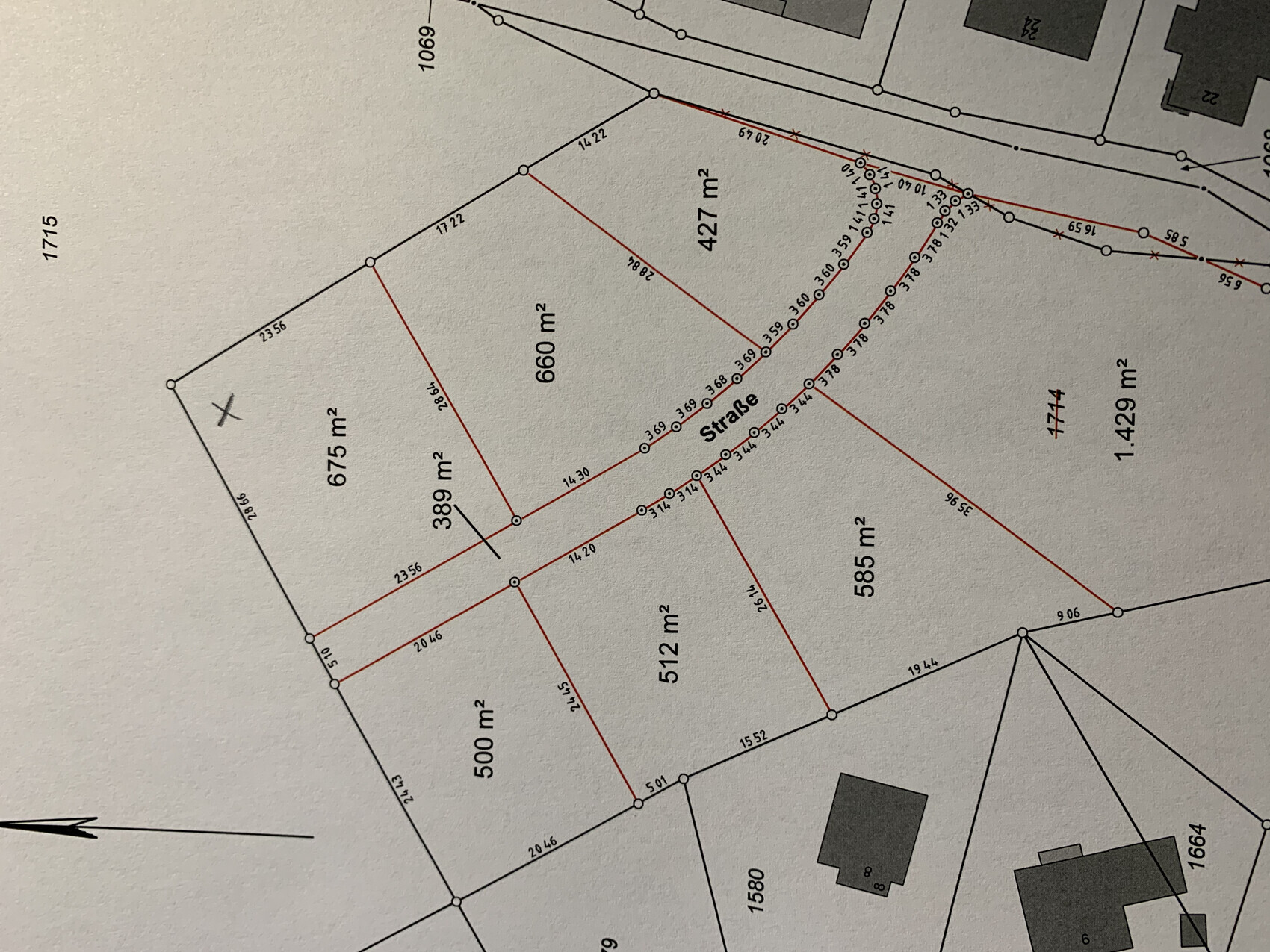
Plot size: 675m² (7260 sq ft)
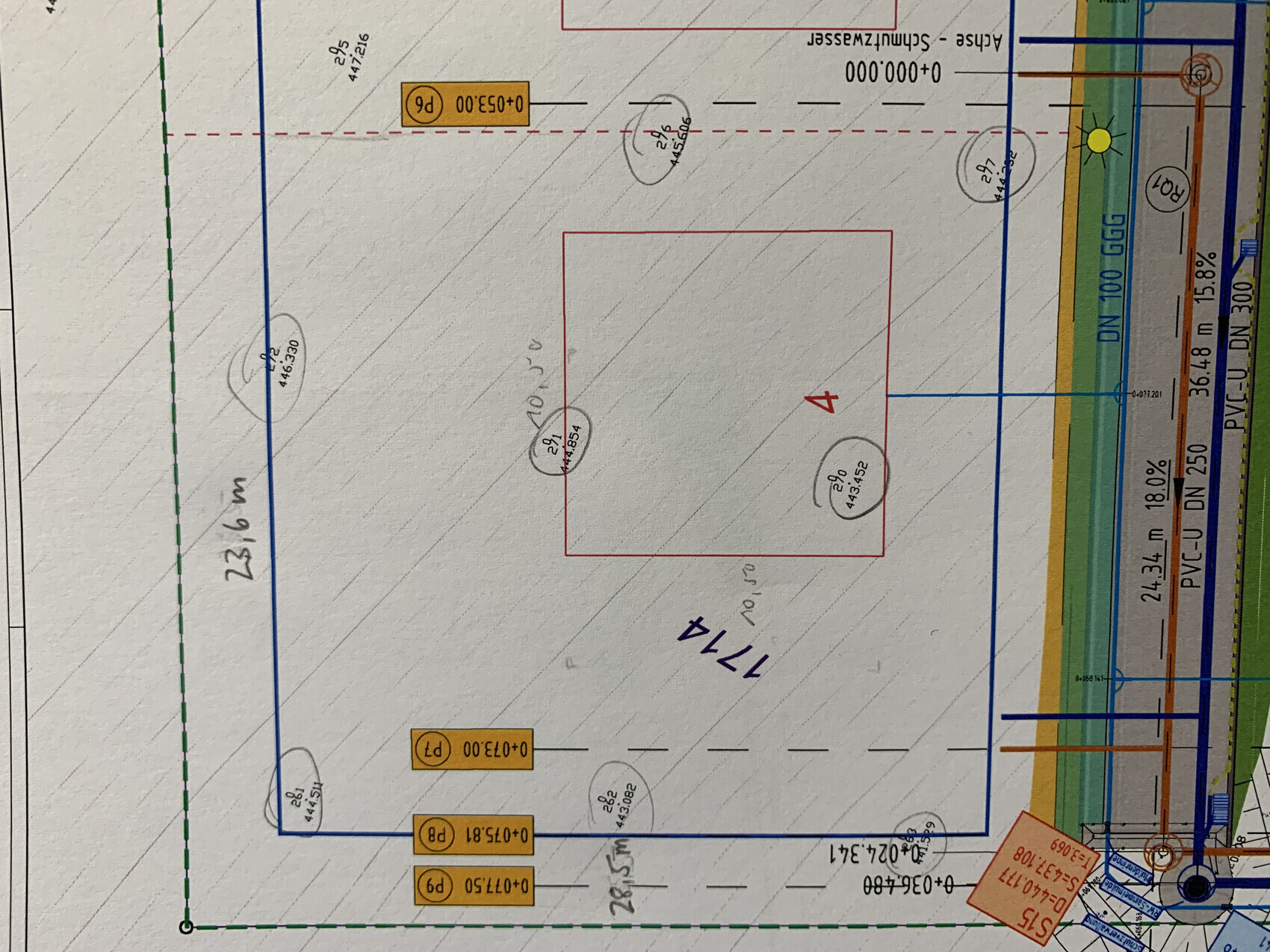
Slope: yes, running diagonally across the plot (see elevation plan)
Building window, building line and boundary: 3 m (10 feet) on all sides
Edge development: yes, neighbor to the southeast
Number of parking spaces: 2 in garage and 2 in front of garage
Number of floors: 2.5
Roof type: gable roof, 36 degrees
Architectural style: simple
Orientation: southwest
Maximum heights/limits: same as neighboring buildings, sufficiently high
Other requirements: none
Street: cul-de-sac; our house is at the end, with neighbors on one side and open view of forest, meadow, and valley on the other
Owners’ requirements
Style, roof type, building type: interior as open and straightforward as possible, exterior simple
Basement, floors: basement, ground floor (GF) and upper floor (UF)
Number and age of occupants: currently 2 (both 28 years old), planning 1-2 children
Space requirements for GF, UF: approx. 140 m² (1507 sq ft) of living space
Office: absolutely necessary due to 80% remote work
Guest bedrooms: very rare use
Open or closed layout: open
Conservative or modern construction: conservative (mostly because it’s usually more affordable)
Open kitchen, cooking island: open kitchen with bar or island (due to space and layout, more likely a bar)
Dining seats: 4-6
Fireplace: planned but not mandatory
Music/stereo wall: standard TV wall
Balcony, roof terrace: small terrace on the slightly extended garage towards southwest, terrace towards southeast
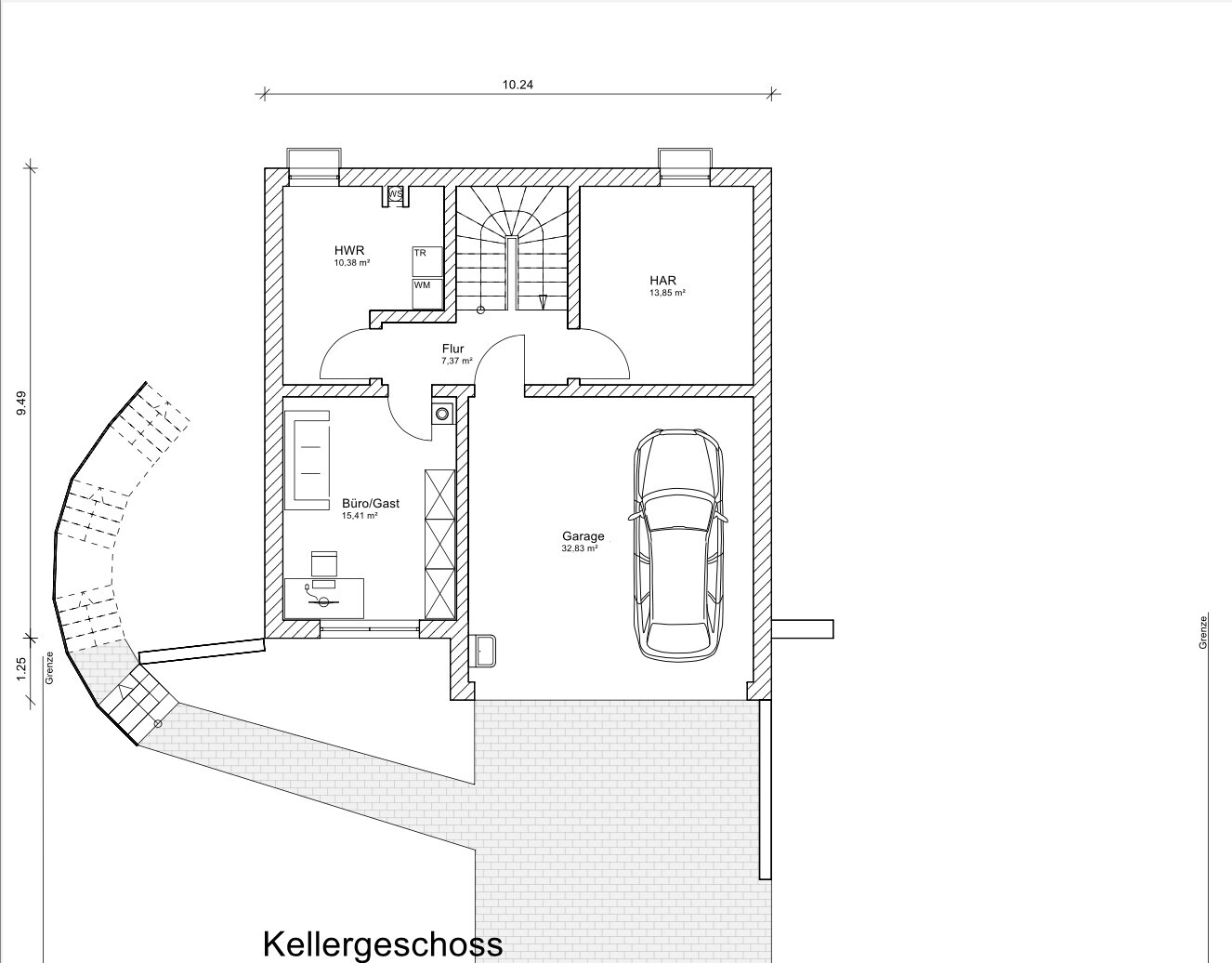
Garage, carport: double garage with a single door
Utility garden, greenhouse: standard
Other wishes/notes/daily routine, including reasons why some things are wanted or not: a small shower in the guest WC is very important to us, as well as a small room for the home office. Since I work from home 80% of the time, this is essential. Also, a small storage room for vacuum cleaner etc.
House design
Who designed it: architect
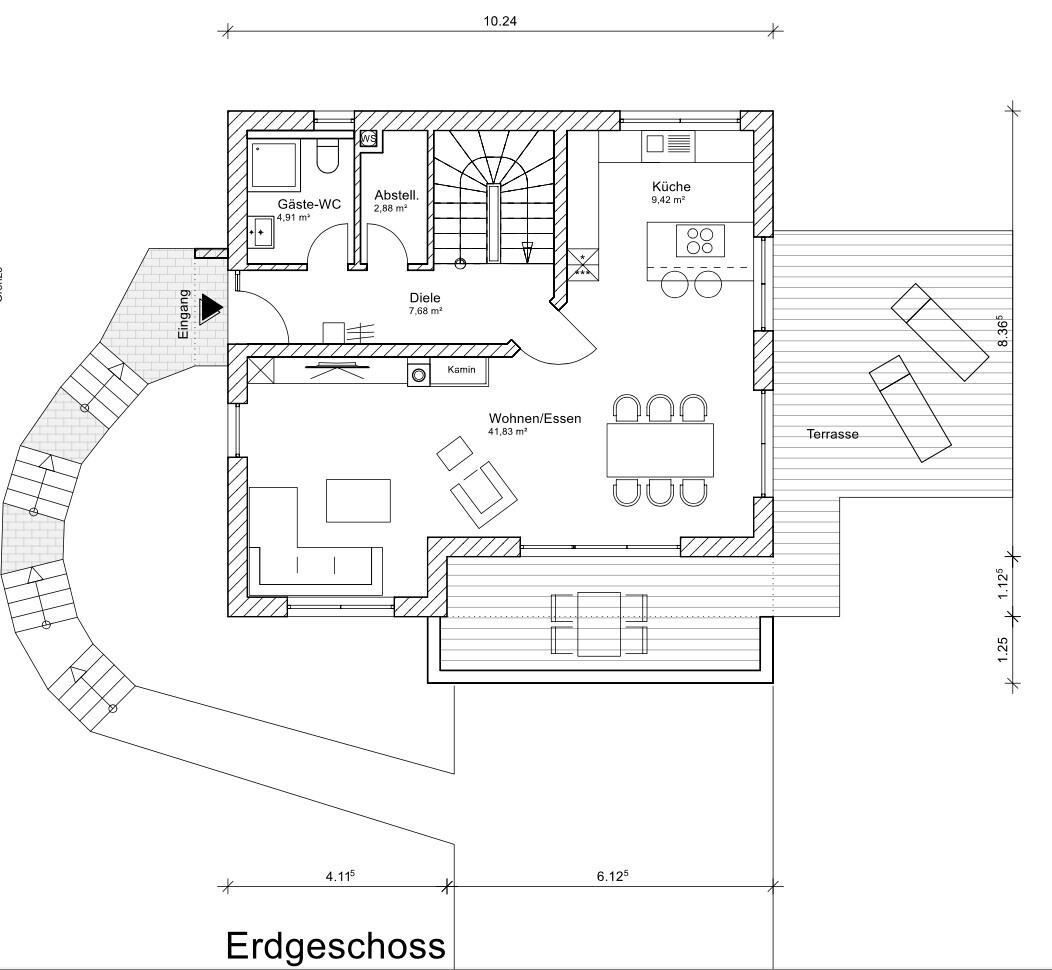
What do you particularly like? The dining and living area looks bright and cozy in our opinion. Not too big and not too small with a great view.
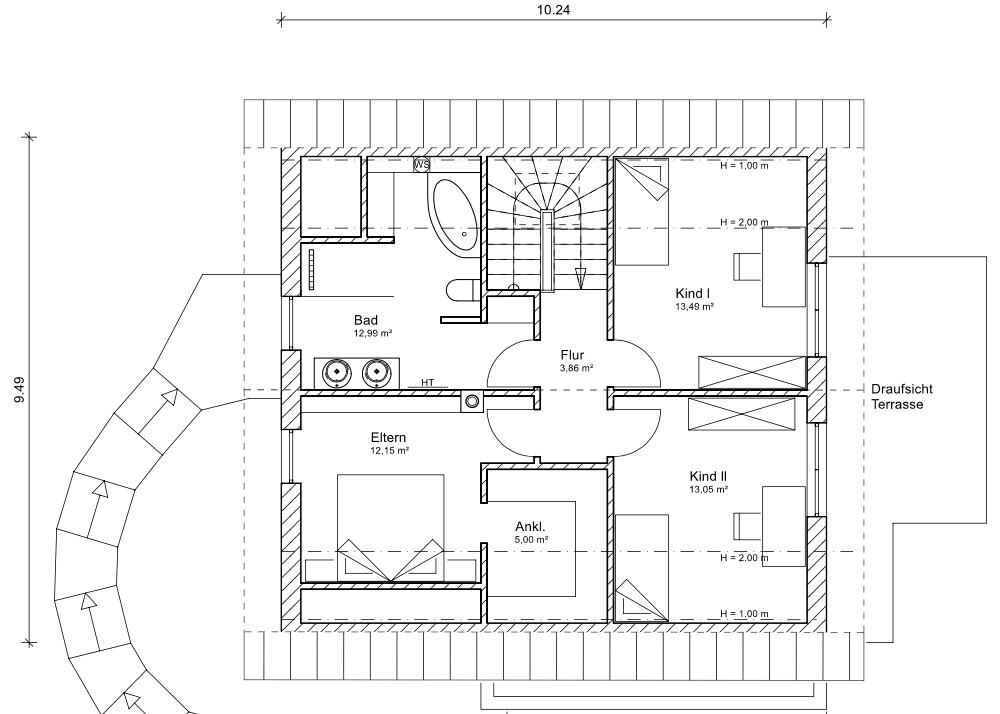
What don’t you like? Why? Bathroom layout feels too tight and awkward, hallway in the upper floor too narrow?
Preferred heating system: air source heat pump
If you had to give up some features, which ones?
Fireplace
Why did the design end up like it is now?
The original design was larger and included more details such as corner and roof windows, but it was optimized for cost.
However, the room layout and overall room concept basically remained unchanged.
What is the most important/basic question about the floor plan summarized in 130 characters?
I would appreciate further suggestions, especially regarding the aspects we don’t like. Overall, we are quite happy with it. Do you see any major “no-gos”?
If any information is incomplete or unclear, I’m happy to check it again.
Zoning plan/restrictions: Zoning plan and restrictions considered by the architect
Plot size: 675m² (7260 sq ft)
Slope: yes, running diagonally across the plot (see elevation plan)
Building window, building line and boundary: 3 m (10 feet) on all sides
Edge development: yes, neighbor to the southeast
Number of parking spaces: 2 in garage and 2 in front of garage
Number of floors: 2.5
Roof type: gable roof, 36 degrees
Architectural style: simple
Orientation: southwest
Maximum heights/limits: same as neighboring buildings, sufficiently high
Other requirements: none
Street: cul-de-sac; our house is at the end, with neighbors on one side and open view of forest, meadow, and valley on the other
Owners’ requirements
Style, roof type, building type: interior as open and straightforward as possible, exterior simple
Basement, floors: basement, ground floor (GF) and upper floor (UF)
Number and age of occupants: currently 2 (both 28 years old), planning 1-2 children
Space requirements for GF, UF: approx. 140 m² (1507 sq ft) of living space
Office: absolutely necessary due to 80% remote work
Guest bedrooms: very rare use
Open or closed layout: open
Conservative or modern construction: conservative (mostly because it’s usually more affordable)
Open kitchen, cooking island: open kitchen with bar or island (due to space and layout, more likely a bar)
Dining seats: 4-6
Fireplace: planned but not mandatory
Music/stereo wall: standard TV wall
Balcony, roof terrace: small terrace on the slightly extended garage towards southwest, terrace towards southeast
Garage, carport: double garage with a single door
Utility garden, greenhouse: standard
Other wishes/notes/daily routine, including reasons why some things are wanted or not: a small shower in the guest WC is very important to us, as well as a small room for the home office. Since I work from home 80% of the time, this is essential. Also, a small storage room for vacuum cleaner etc.
House design
Who designed it: architect
What do you particularly like? The dining and living area looks bright and cozy in our opinion. Not too big and not too small with a great view.
What don’t you like? Why? Bathroom layout feels too tight and awkward, hallway in the upper floor too narrow?
Preferred heating system: air source heat pump
If you had to give up some features, which ones?
Fireplace
Why did the design end up like it is now?
The original design was larger and included more details such as corner and roof windows, but it was optimized for cost.
However, the room layout and overall room concept basically remained unchanged.
What is the most important/basic question about the floor plan summarized in 130 characters?
I would appreciate further suggestions, especially regarding the aspects we don’t like. Overall, we are quite happy with it. Do you see any major “no-gos”?
If any information is incomplete or unclear, I’m happy to check it again.
With a budget of 400,000, I would honestly plan without a basement.
Instead, build about 160 sqm (1,722 sq ft) with two full stories, placing the lower living floor partially into the slope, and the ground floor above exposed.
Put the bedrooms, utility, and storage rooms in the cooler lower level. Then have the living areas on the upper floor facing the nice west side.
Position the garage or carport to the east side next to the house to partially retain the slope and save on expensive earthworks.
Plan the main entrance there as well.
Instead, build about 160 sqm (1,722 sq ft) with two full stories, placing the lower living floor partially into the slope, and the ground floor above exposed.
Put the bedrooms, utility, and storage rooms in the cooler lower level. Then have the living areas on the upper floor facing the nice west side.
Position the garage or carport to the east side next to the house to partially retain the slope and save on expensive earthworks.
Plan the main entrance there as well.
Georgie schrieb:
With a budget of 400,000, I would honestly plan without a basement.
Build about 160 sqm (1,722 sq ft) with two full floors, the lower living floor partially built into the slope, with the ground floor above fully exposed.
In the cooler basement level, place the bedrooms, utility, and storage rooms. On the upper floor, design living areas facing the nice west side.
Place the garage or carport to the east next to the house; this way you partially retain the slope and save on expensive embankments.
Plan the main entrance there as well. This topic has come up before, thanks again for the suggestion.
The question I’ve often wondered about: Is the cost advantage really that significant if I put living space in the basement but then add a garage (also with additional slope support) next to the house? As a layperson, that’s hard for me to imagine, but as I said, I’m no expert. ;-)
I am also more in the size range of @hampshire.
Can you reuse the material, or do you have to dispose of it at a high cost because it is in poor condition?
What does the structural engineer say? Reinforcement, wall thickness, ceiling thickness.
A basement apartment can be cheaper. For a cube-shaped building, it is easier and less expensive to create a thermal envelope. The garden next to it can be retained—of course, that doesn’t make sense if you want it sloped.
In old age, you save yourself a staircase (okay, there are stairlifts for that).
The path around the house must be kept free of snow and ice.
We have the garage next to it.
Can you reuse the material, or do you have to dispose of it at a high cost because it is in poor condition?
What does the structural engineer say? Reinforcement, wall thickness, ceiling thickness.
A basement apartment can be cheaper. For a cube-shaped building, it is easier and less expensive to create a thermal envelope. The garden next to it can be retained—of course, that doesn’t make sense if you want it sloped.
In old age, you save yourself a staircase (okay, there are stairlifts for that).
The path around the house must be kept free of snow and ice.
We have the garage next to it.
Arango18 schrieb:
The question I have often wondered about is: Is the cost advantage really that significant if I place living space in the basement and, in return, add a garage (which would then also require additional slope stabilization) next to the house? As a layperson, it’s hard for me to imagine, but as I said, I’m no expert ;-) Let’s say it like this: Having living spaces on fewer levels and spreading utility and storage rooms over two levels instead of just one lower level usually provides more living comfort for a family. It also reduces costs related to hallway space and stairs.
In the case of the cloakroom issue, you wouldn’t have that problem anymore.
But to really assess what makes the most sense regarding the slope, I would ask an architect—an online forum can only suggest this as a brainstorming option.
haydee schrieb:
I am also more in the range of @hampshire
Can you use the material or do you have to dispose of it expensively because it is so poor?
What does the structural engineer say? Reinforcement, wall thickness, ceiling thickness The structural calculations are done by the architect. He is also building the neighbor’s house, so he should know what the costs will be.
750k is completely out of the question; for that amount, not a single person could build in this new development (I know each one individually, including their income and family situations).
The architect’s initial cost estimate at the end of last year was 440k (without personal labor, including all additional construction costs, just for the house). However, back then we were still dealing with a more complex floor plan and 160m (1750 sq ft) of living space / 220m (2370 sq ft) total area. Of course, this is offset by the significant price increase since then.
Similar topics