
ᐅ Mold in the bathroom: the general contractor refuses to take action
Created on: 21 Sep 2021 22:48
M
MP12345Good evening, we have the following problem:
After the screed dried, we noticed mold. We are building with a general contractor (GC), and we do not have a key (the GC builds many houses on the street and has a key for all of them, so no homeowner receives a key). Now we have mold growing especially in the bathroom and on some drywall panels throughout the house. The GC claims this is normal, not a big deal, and says he has been doing this for 30 years; the mold can be removed with mold remover. We have repeatedly asked him, both verbally and in writing, to replace the affected panels. Verbally, he always downplays the issue, and he does not respond to written requests. What do you think about the photos / how can we proceed further?
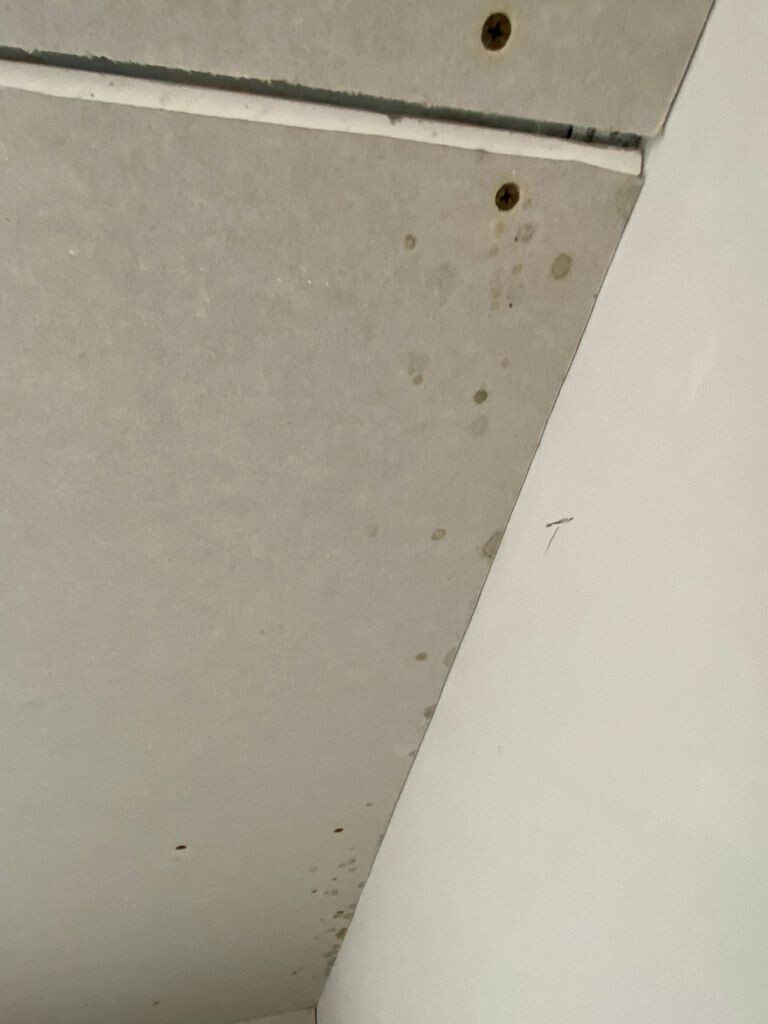
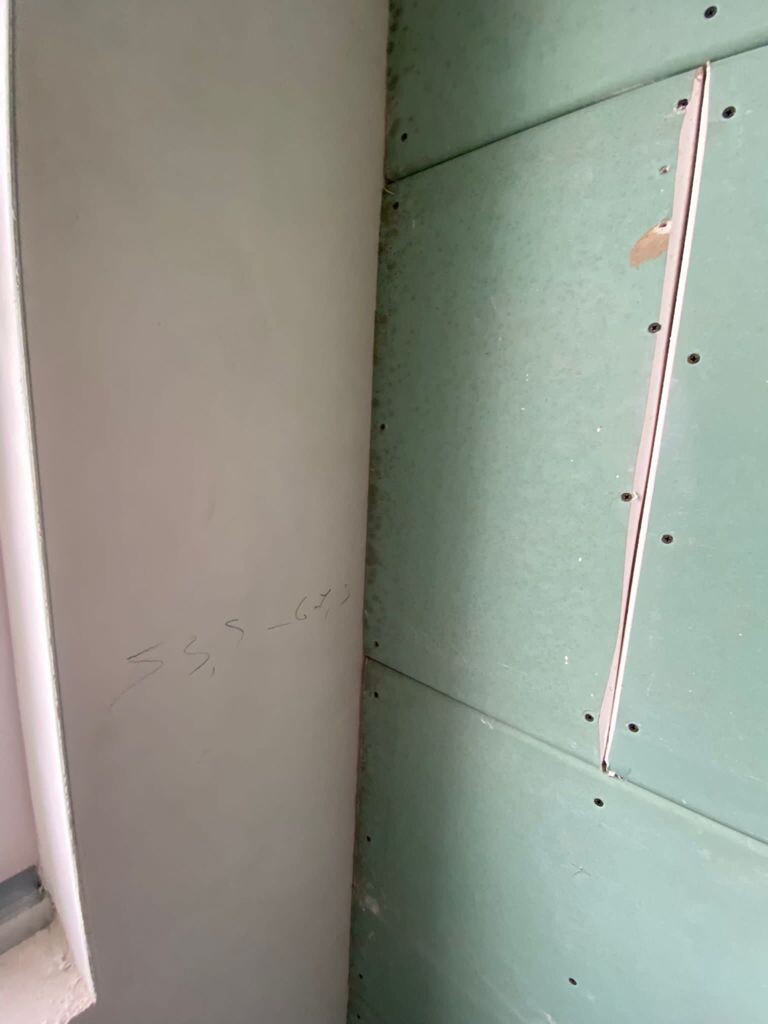
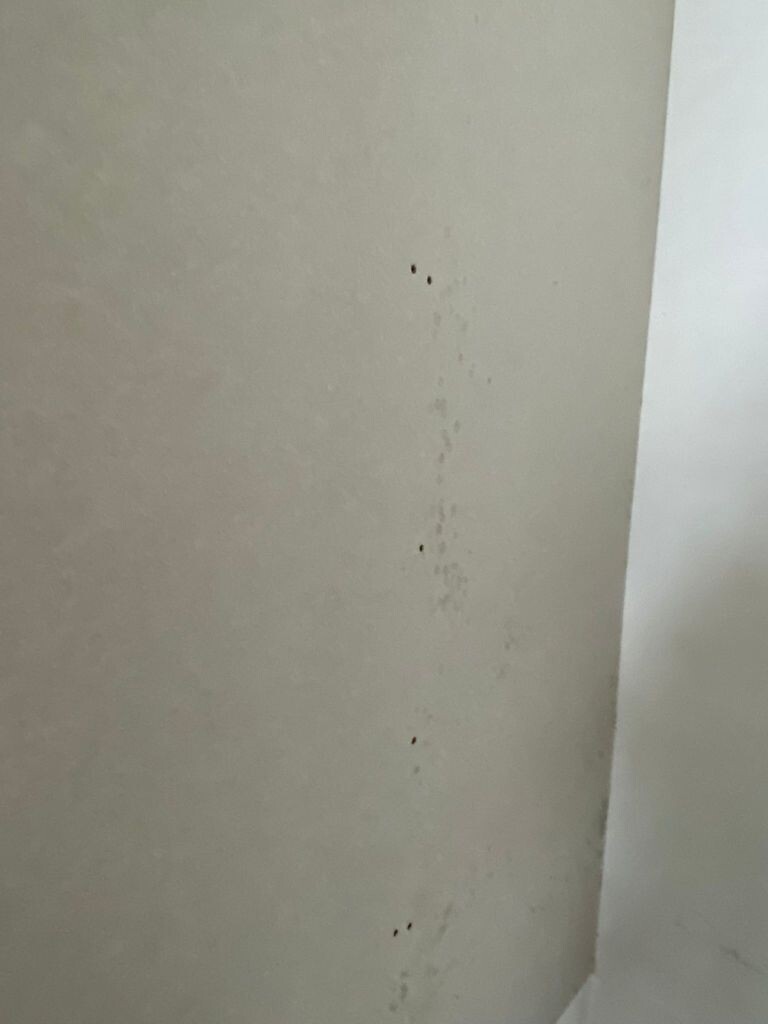
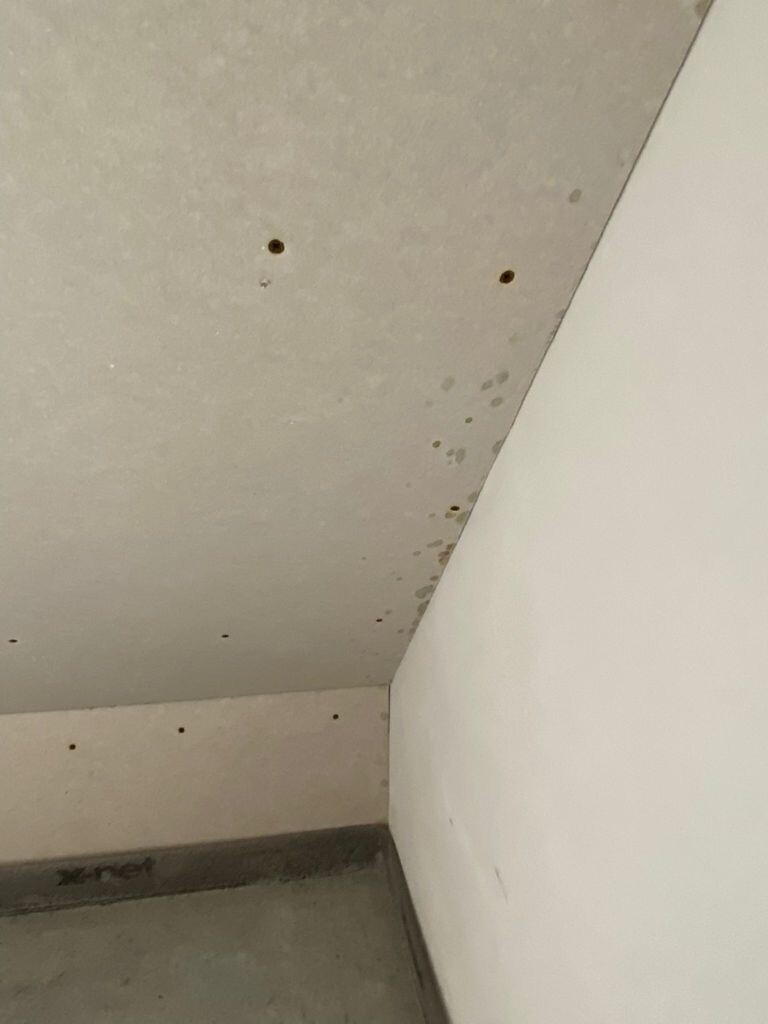
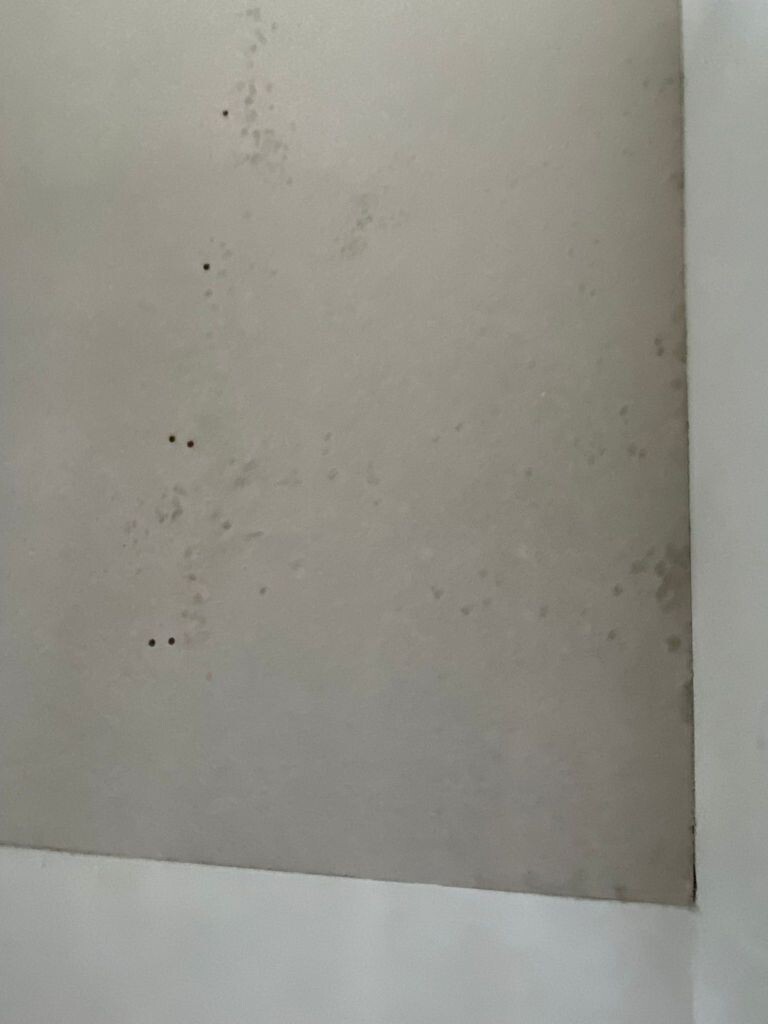
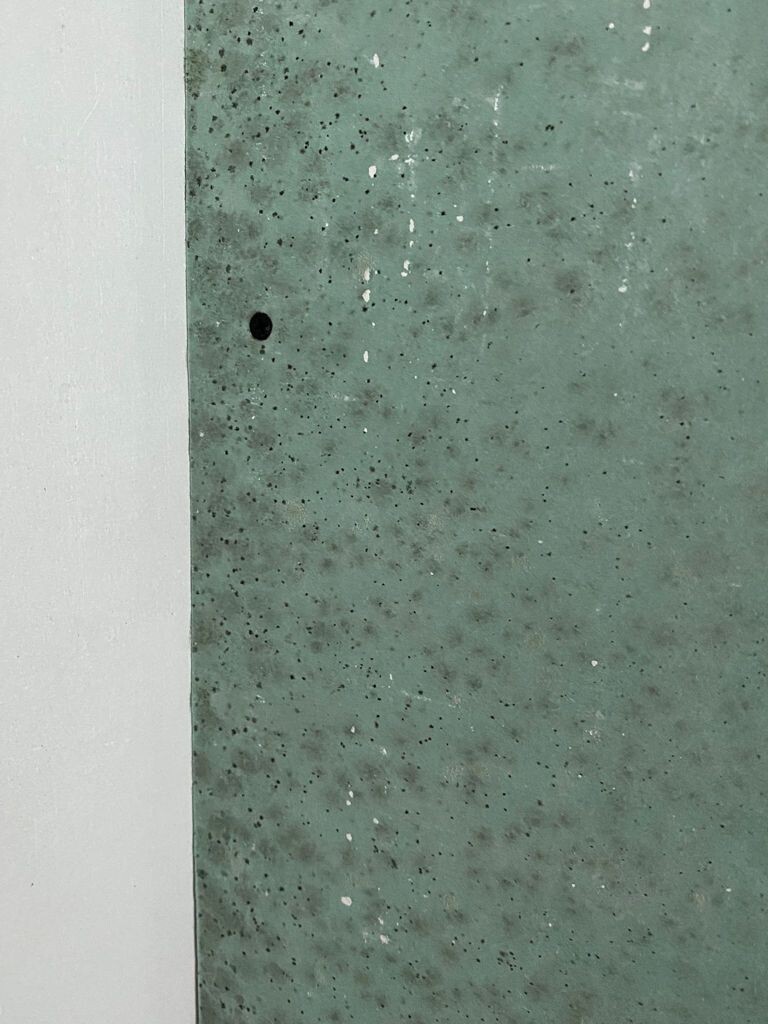
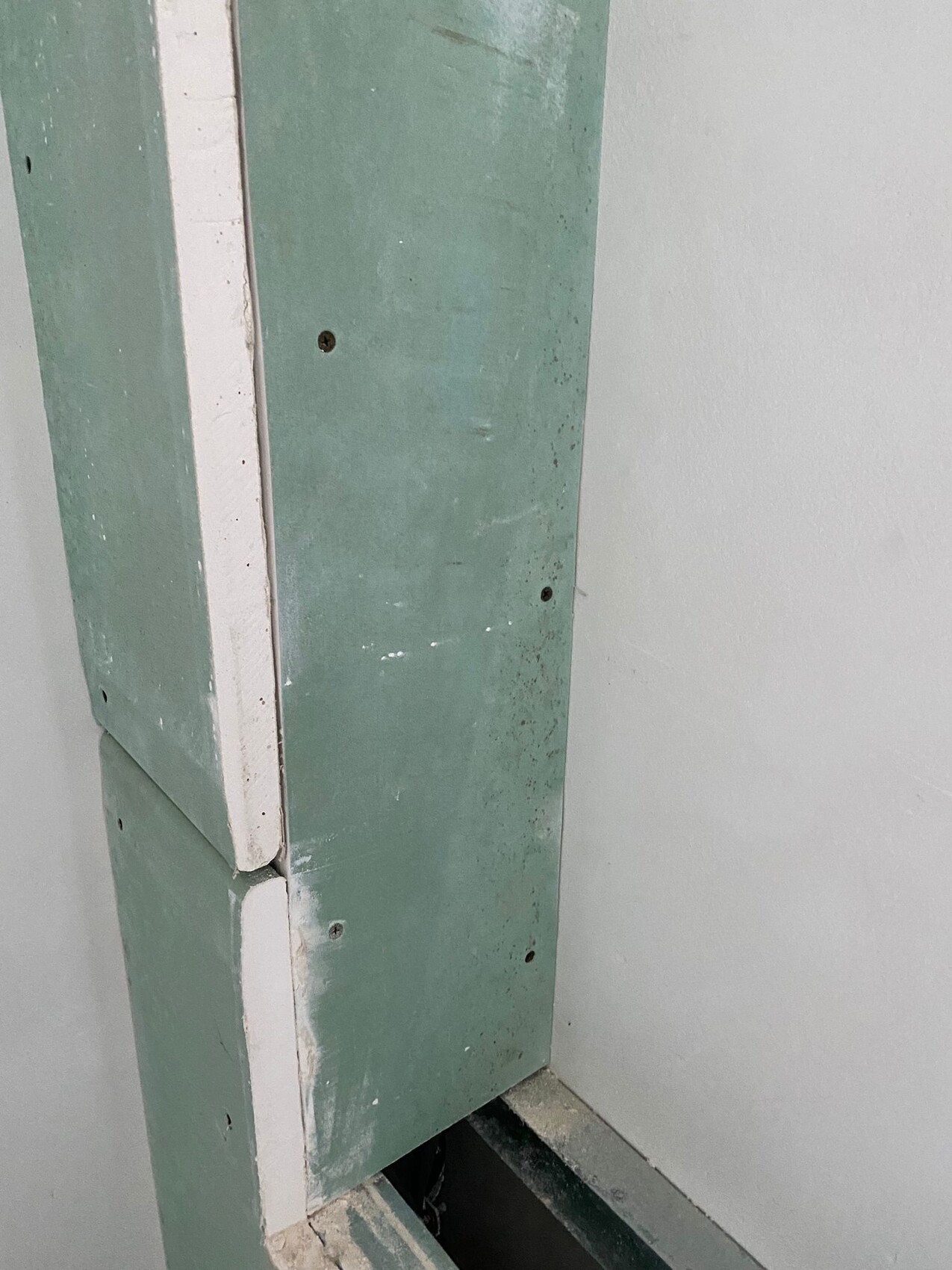
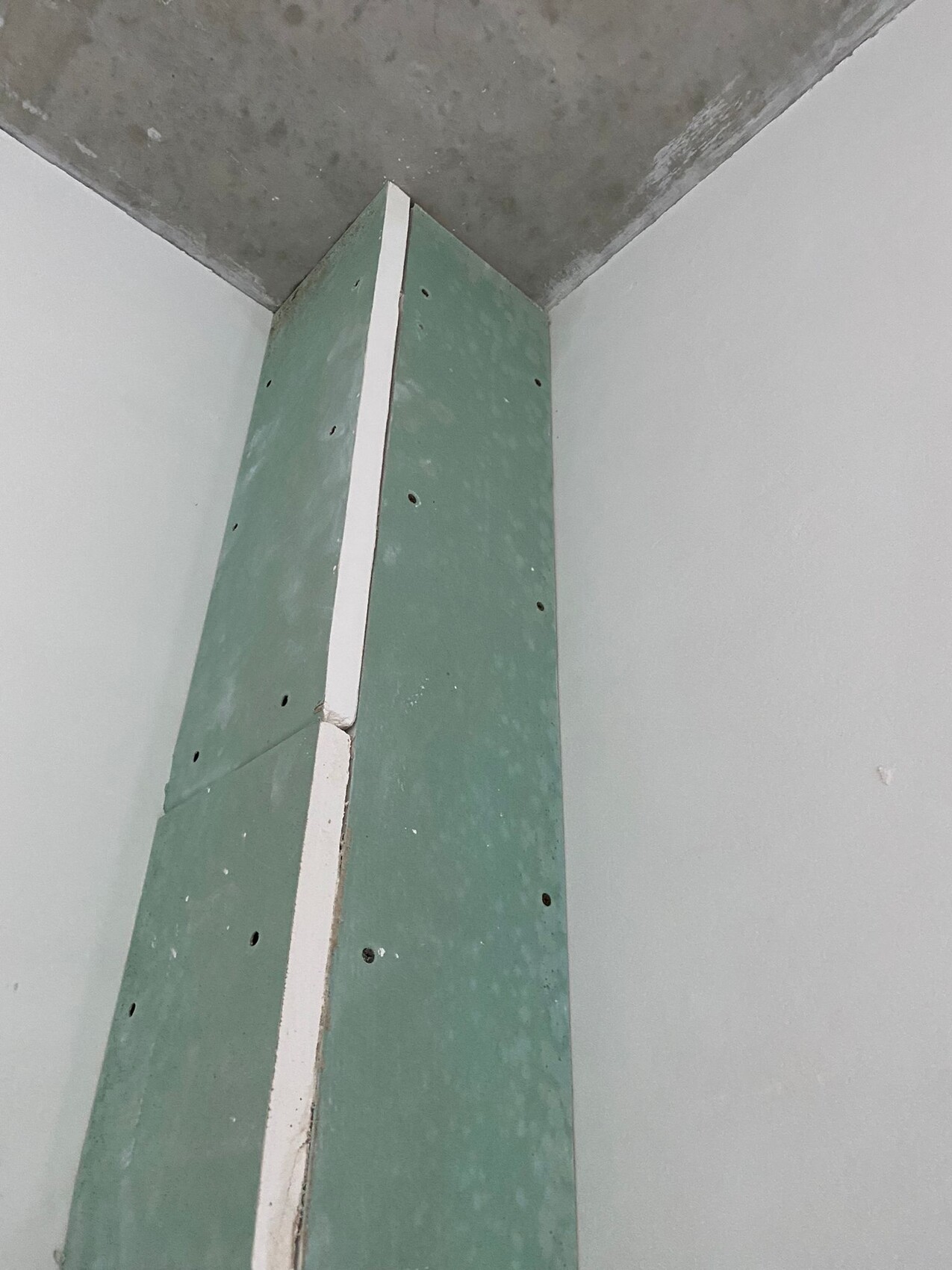
After the screed dried, we noticed mold. We are building with a general contractor (GC), and we do not have a key (the GC builds many houses on the street and has a key for all of them, so no homeowner receives a key). Now we have mold growing especially in the bathroom and on some drywall panels throughout the house. The GC claims this is normal, not a big deal, and says he has been doing this for 30 years; the mold can be removed with mold remover. We have repeatedly asked him, both verbally and in writing, to replace the affected panels. Verbally, he always downplays the issue, and he does not respond to written requests. What do you think about the photos / how can we proceed further?
H
hampshire22 Sep 2021 00:14You can insist that the mold be removed, but not on the specific method used to do so. The panels do not have to be replaced, even if you are uncomfortable with that.
H
HilfeHilfe22 Sep 2021 06:34Interesting topic, I would also say that replacing it is not proportionate.
MP12345 schrieb:
... Verbally, he always brushes everything off and does not respond in writing. .../ how can one proceed further?In any case, you should send a formal notice of defects (by registered mail with return receipt) to protect your interests. You can still decide to waive it later.

Hello,
it’s really not that big of a deal, since replacing everything now would be using a sledgehammer to crack a nut. But why, as the homeowner, don’t you have a key to your property? I’m always surprised that people accept that. If you’re really working with a general contractor and you are truly the owner, in the end you are responsible for everything that happens on your land, on your construction site.
There’s a reason the term is general con_tract_or.....
You should definitely have a key to check that there aren’t any skeletons in the closet...
Best regards,
Andreas
it’s really not that big of a deal, since replacing everything now would be using a sledgehammer to crack a nut. But why, as the homeowner, don’t you have a key to your property? I’m always surprised that people accept that. If you’re really working with a general contractor and you are truly the owner, in the end you are responsible for everything that happens on your land, on your construction site.
There’s a reason the term is general con_tract_or.....
You should definitely have a key to check that there aren’t any skeletons in the closet...
Best regards,
Andreas
andimann schrieb:
Hello,
it’s really not a big deal, replacing everything now would be like using a cannon to shoot sparrows. But why as the property owner don’t you have a key to your own property? I’m always surprised that people accept that. If you are truly building with a general contractor and are indeed the property owner, you are ultimately responsible for everything that happens on your land, on your construction site.
That’s why it’s called property O_W_N_E_R.....
You should definitely have a key to check whether there are any skeletons in the closet...
Best regards,
Andreas Perhaps there is a confusion here between a property developer and a construction company/general contractor? A property developer is not obligated to let anyone in, since the property remains theirs until full payment is made. With a construction company/general contractor, the situation is different.
Similar topics