
Hello forum,
After the plastering (2 weeks drying time with tilted windows) and without any problems, mold or, according to the site manager, mildew stains appeared very suddenly after the screed was applied. However, I am quite surprised by the large black spots (see photos) and would prefer to consult a mold expert. Does anyone have experience with this? I would rather have the material replaced. Although the spots have decreased after increasing ventilation, in my experience mold can also hide.
Thanks and regards
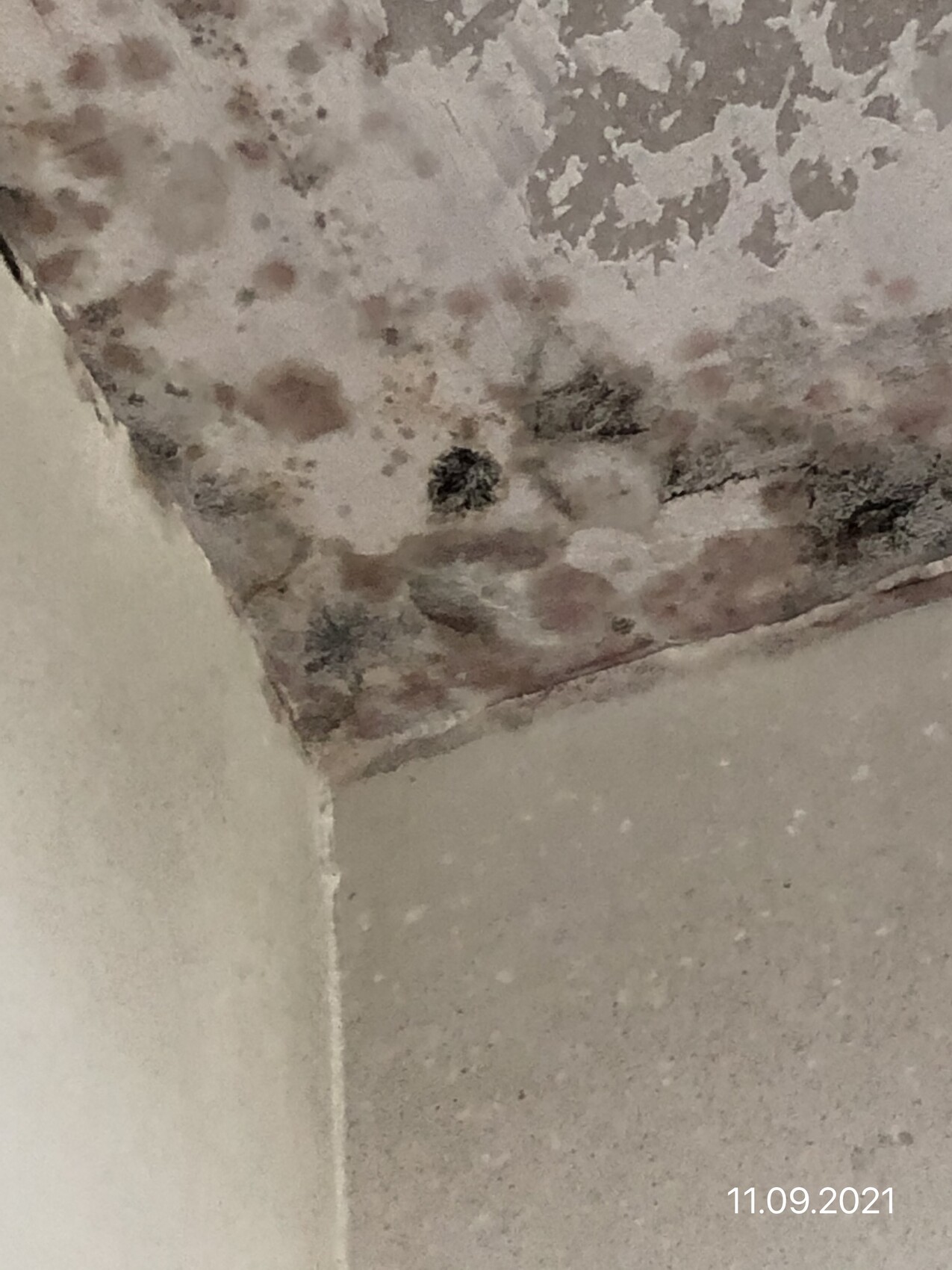
After the plastering (2 weeks drying time with tilted windows) and without any problems, mold or, according to the site manager, mildew stains appeared very suddenly after the screed was applied. However, I am quite surprised by the large black spots (see photos) and would prefer to consult a mold expert. Does anyone have experience with this? I would rather have the material replaced. Although the spots have decreased after increasing ventilation, in my experience mold can also hide.
Thanks and regards
Heikolademm schrieb:
According to the instructions, you should ventilate by fully opening the windows at least once from the second day onward.And the windows were fogged up and then dried?In our case (anhydrite screed), they were dripping wet several times a day. 🙁

 Schimi179114 Sep 2021 08:48
tomtom79 schrieb:
I also think that once is not enough, especially in summer, because warm air does not absorb moisture as well.
...Actually, warm air absorbs moisture quite well. However, this should not be confused with relative humidity.For example:
10°C (50°F) air temperature, 60% relative humidity: 5.6 g of water per cubic meter of air
20°C (68°F) air temperature, 60% relative humidity: 10.4 g of water per cubic meter of air
Schimi1791 schrieb:
Warm air can hold moisture well. However, this should not be confused with relative humidity.
For example:
10°C (50°F) air temperature, 60% relative humidity: 5.6 g of water per cubic meter of air
20°C (68°F) air temperature, 60% relative humidity: 10.4 g of water per cubic meter of air Actually, warm moist air cannot absorb any more water at these temperatures.

tomtom79 schrieb:
Not at all, because warm moist air cannot hold more water at those temperatures. However, you only talked about warm air, not warm moist (or even saturated) air, so @Schimi1791 is absolutely right. And in our regions, you rarely have naturally saturated air. Of course, if the house is located in the tropics, that’s a different matter. 😉
I
Interrupt14 Sep 2021 09:50I usually just read quietly, but I have a good handle on the drying process. My advice to @Heikolademm: Do what @tomtom79 already suggested and get a construction dehumidifier to help with ventilation. At least three times a day, preferably four or five times. If for some reason you can’t visit the site that often, rent several dehumidifiers and fans from a rental service. The number of devices should be adjusted to the size of the house. Mold and mildew spots should be removed as quickly as possible using cleaning alcohol.
I have had excellent experiences with these devices and can only recommend them. Yes, it costs money, but it is well invested. It’s better than ventilating manually.
I have had excellent experiences with these devices and can only recommend them. Yes, it costs money, but it is well invested. It’s better than ventilating manually.
Similar topics