
 In der Ruine4 Sep 2021 11:53
Hello everyone,
briefly outlining the situation. It’s a single-family house from 1948, so it was built quite simply. The wall is 36cm (14 inches) thick with a cavity. According to the neighbor, the house was supposed to be replastered in the 1970s, but when the plaster was removed, the bricks became loose, so the walls were opened up, filled with concrete, and then insulated with “sauerkraut boards.” Unfortunately, this was not done in the basement. When I drill here, individual bricks move.
Now, a detached extension is planned.
My concern is that the old building might be damaged.
1. Increased load on the basement walls due to concrete in the upper walls.
2. Lack of earth pressure when excavating the strip foundation.
3. Vibrations during compaction.
I want to reinforce the old basement wall. My idea would also be to open the wall and fill it with concrete. However, in the timber-frame forum, someone advised against fully filling a cavity wall with concrete. What are the reasons against this? If the concrete pressure is too high, I could also pour it in layers. Partially digging out the wall and gradually building the strip foundation in front of it seems much more complicated to me.
Thanks for your advice.
briefly outlining the situation. It’s a single-family house from 1948, so it was built quite simply. The wall is 36cm (14 inches) thick with a cavity. According to the neighbor, the house was supposed to be replastered in the 1970s, but when the plaster was removed, the bricks became loose, so the walls were opened up, filled with concrete, and then insulated with “sauerkraut boards.” Unfortunately, this was not done in the basement. When I drill here, individual bricks move.
Now, a detached extension is planned.
My concern is that the old building might be damaged.
1. Increased load on the basement walls due to concrete in the upper walls.
2. Lack of earth pressure when excavating the strip foundation.
3. Vibrations during compaction.
I want to reinforce the old basement wall. My idea would also be to open the wall and fill it with concrete. However, in the timber-frame forum, someone advised against fully filling a cavity wall with concrete. What are the reasons against this? If the concrete pressure is too high, I could also pour it in layers. Partially digging out the wall and gradually building the strip foundation in front of it seems much more complicated to me.
Thanks for your advice.

I don't think there was a cavity wall in the basement; at that time, a solid 38cm (15 inches) brick wall was more common. From the ground floor upwards, they probably used a cavity wall with an air gap. I can't link to it right now while I'm away, but we had this type of wall construction here a few years ago from 1954, although without a basement.
https://www.instagram.com/11antgmxde/
https://www.linkedin.com/company/bauen-jetzt/
https://www.instagram.com/11antgmxde/
https://www.linkedin.com/company/bauen-jetzt/
11ant schrieb:
I can’t link it right now while I’m on the go, https://www.hausbau-forum.de/threads/siedlungshaus-1954-sanieren-zum-Effizienzhaus-möglich-wie.27425/
The post should have a minimum of 5 words.
https://www.instagram.com/11antgmxde/
https://www.linkedin.com/company/bauen-jetzt/
In der Ruine8 Sep 2021 20:57So, I opened up the wall now and yes, the wall is not hollow but worryingly "crumbly."
If you tap a brick too hard, it’s loose and can be pulled out of the wall.
So filling it with concrete is out of the question.
Now, without consulting a structural engineer yet (I will ask one), does anyone know of a case where a house collapsed because a basement wall was dug out or is that an urban legend?
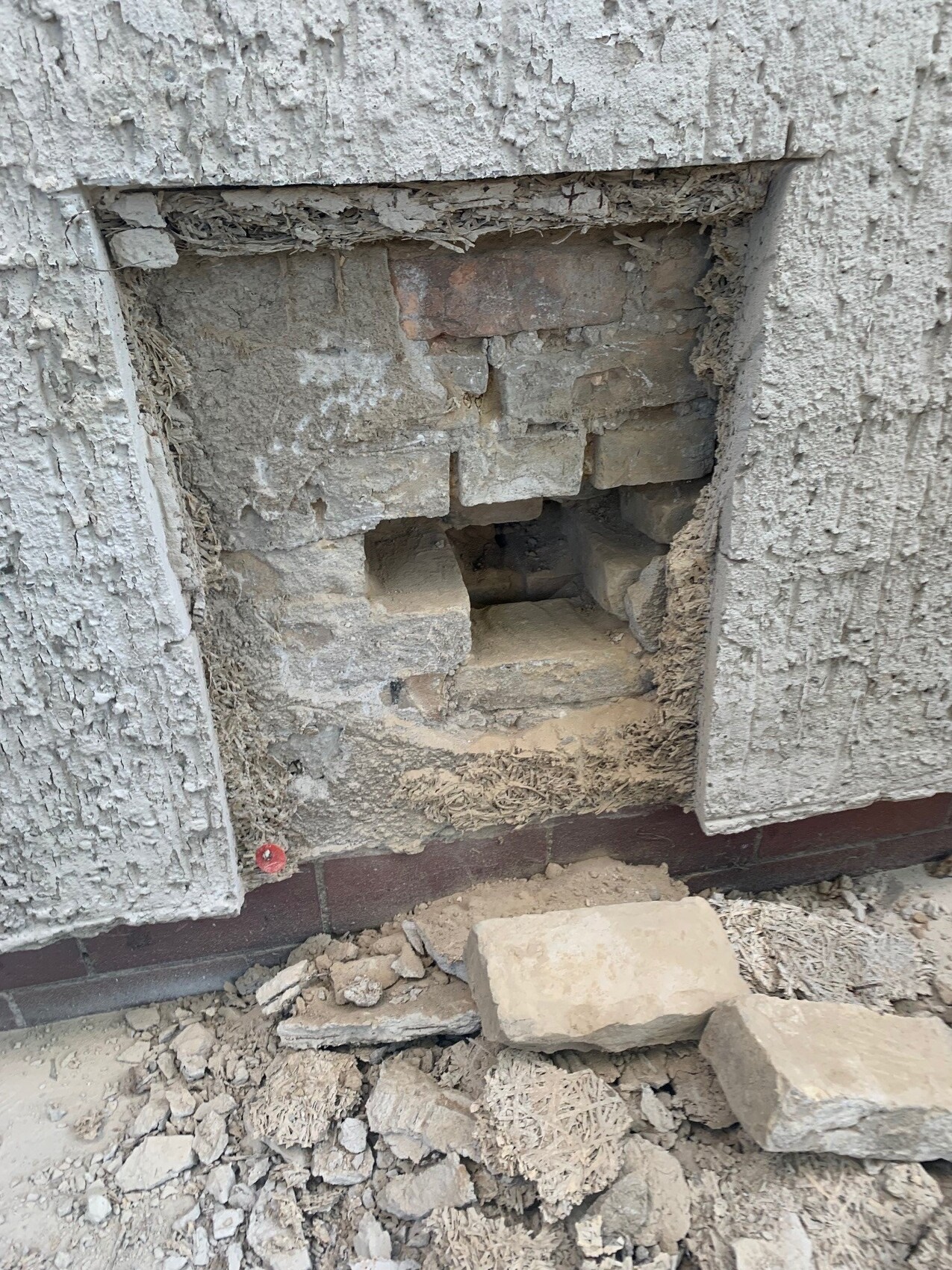
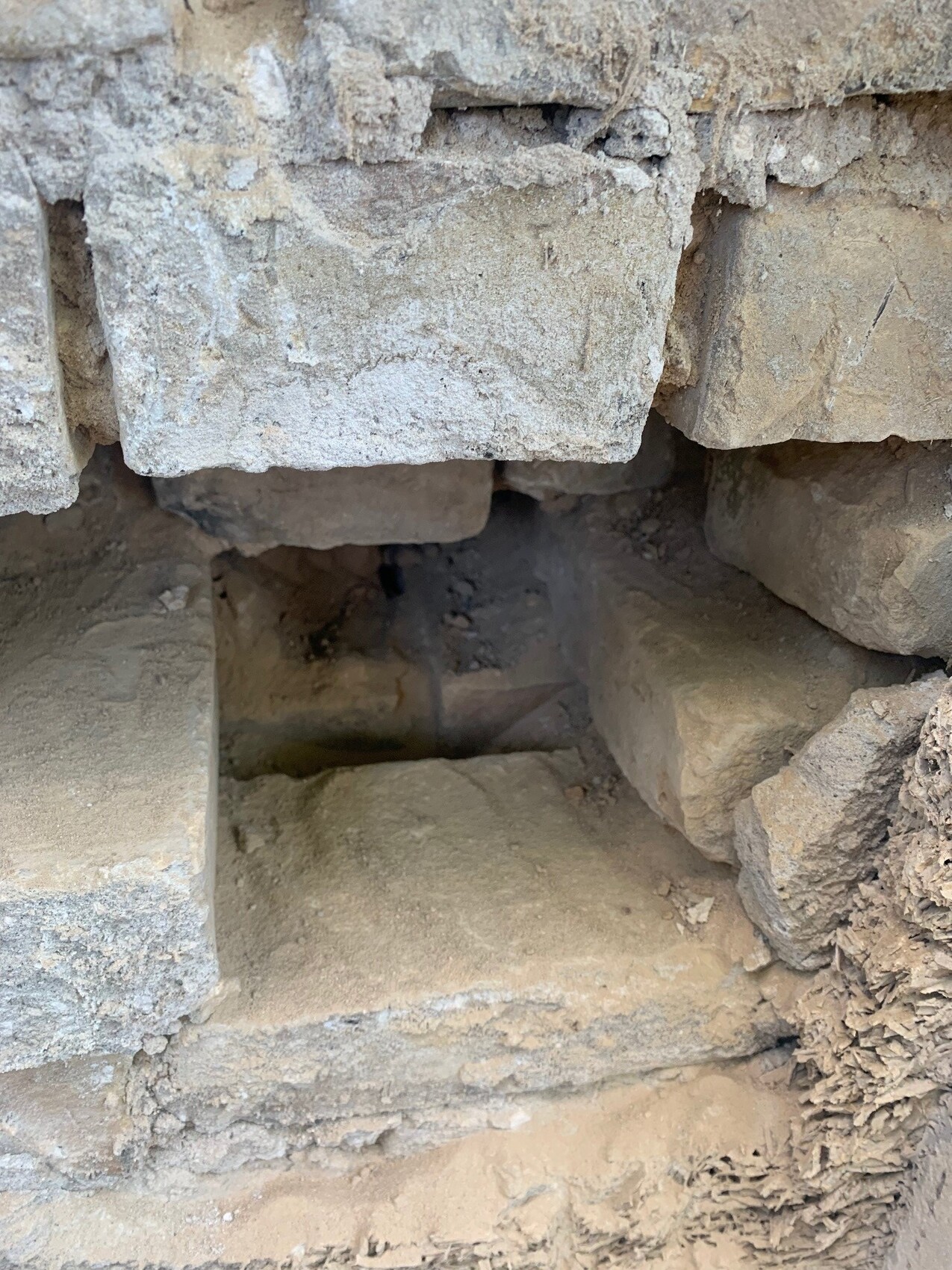
If you tap a brick too hard, it’s loose and can be pulled out of the wall.
So filling it with concrete is out of the question.
Now, without consulting a structural engineer yet (I will ask one), does anyone know of a case where a house collapsed because a basement wall was dug out or is that an urban legend?
The exposed part looks like the foundation / ground floor. Get the building file; otherwise, you can't compare such spot checks with the plan.
https://www.instagram.com/11antgmxde/
https://www.linkedin.com/company/bauen-jetzt/
https://www.instagram.com/11antgmxde/
https://www.linkedin.com/company/bauen-jetzt/
Similar topics