
ᐅ Cooling Concept for New Construction – Split Air Conditioning / Air-to-Water Heat Pump Cooling Function / Combination
Created on: 20 Jun 2021 11:49
S
Samantheus
Hello everyone,
I am currently planning the construction of a single-family house and am still undecided about the cooling concept. I have attached the current floor plan. Regarding the layouts, I also started a thread in the floor planning forum (https://www.hausbau-forum.de/threads/grundrissplanung-und-platzierung-efh-ca-200qm-auf-900qm-Grundstück.39104/page-4#post-505270).
This is a KfW 55 new build (Poroton brick, reinforced concrete ceiling) with an air-to-water heat pump, controlled ventilation system, and blinds/shutters on all windows. The garden side with the large windows faces southwest, the entrance side faces northeast. The office facing the garden definitely needs air conditioning, as it is in constant use with many technical devices generating significant heat. Otherwise, I personally prefer it quite cool; I usually vacation in Scandinavia but definitely not in Greece, Egypt, or similar. In other words, my comfort temperature is significantly lower than most other people’s.
Now I am considering the best way to cool the house (aside from shading, etc.).
Option 1:
Split air conditioning unit in the office
Option 2:
Split air conditioning unit in the office + cooling function of the air-to-water heat pump (about 5,000 EUR extra)
Option 3:
Split air conditioning unit in the office + living/dining/kitchen area
Option 4:
Split air conditioning unit in the office + living/dining/kitchen area + upper floor hallway (probably only above the stairs, supply temperature— not ideal because cool air might directly sink to the ground floor)
Option 5:
Split air conditioning unit in the office + living/dining/kitchen area + child’s room + child’s room + bedroom
Furthermore, I wonder how big the difference is between installing this as part of the new build or retrofitting it later (significantly more expensive if done afterward? Potential issues with KfW 55 standards?).
Also, I am unsure whether to use one split unit per room or a multi-split system. Currently, I have no concrete offers with prices.
Thank you in advance!
Best regards,
Sam
Views:
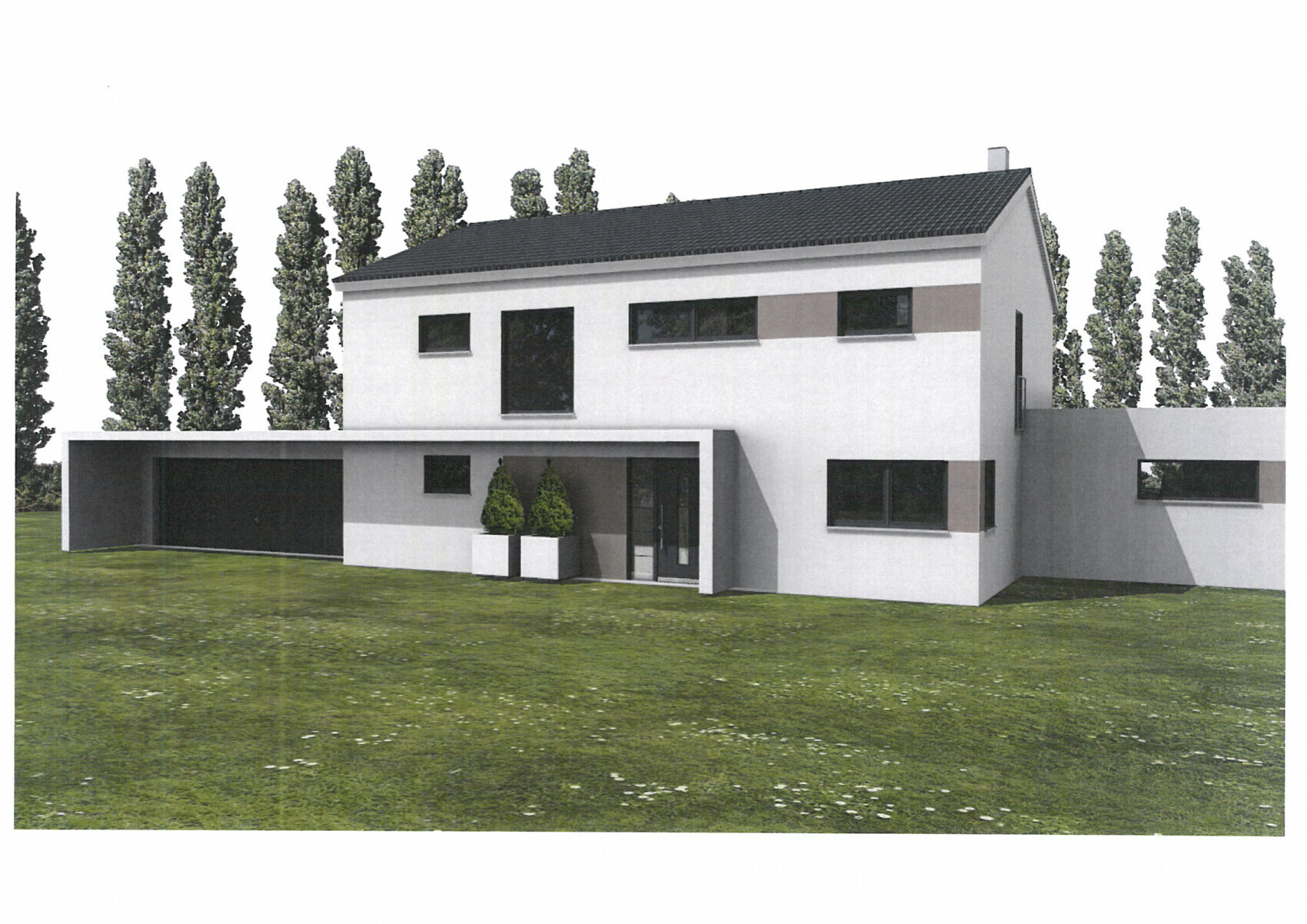
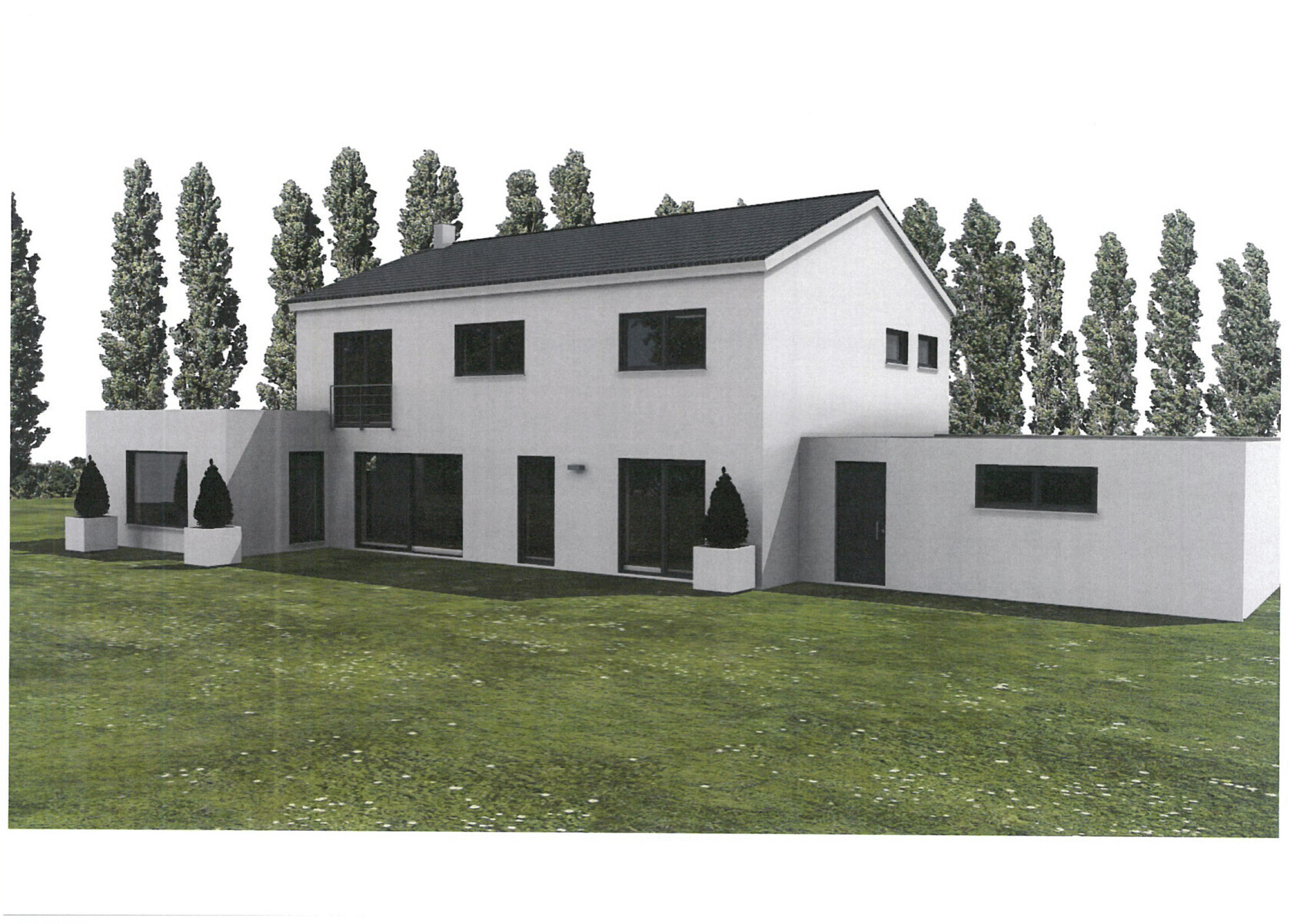
Floor plans:
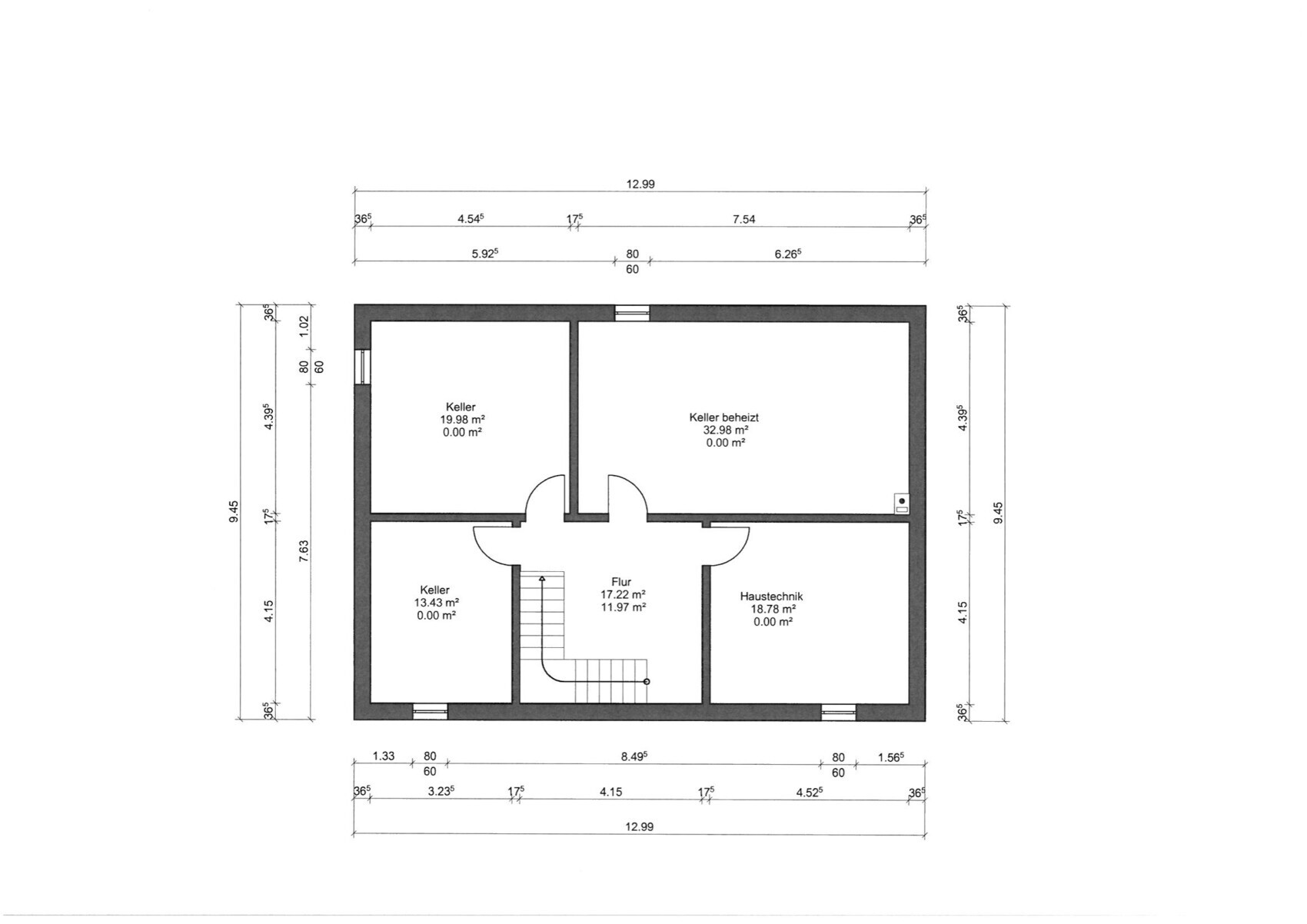
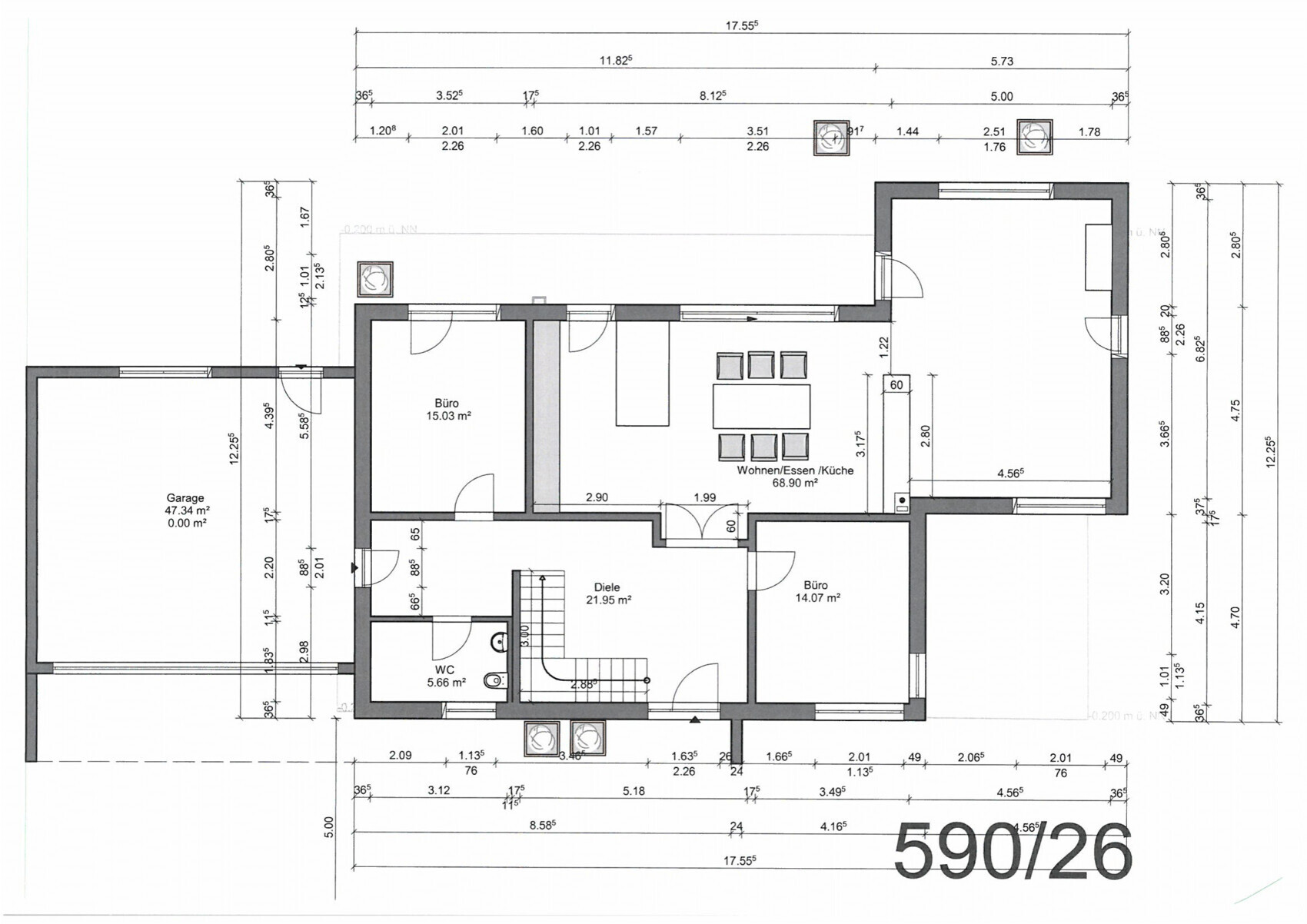
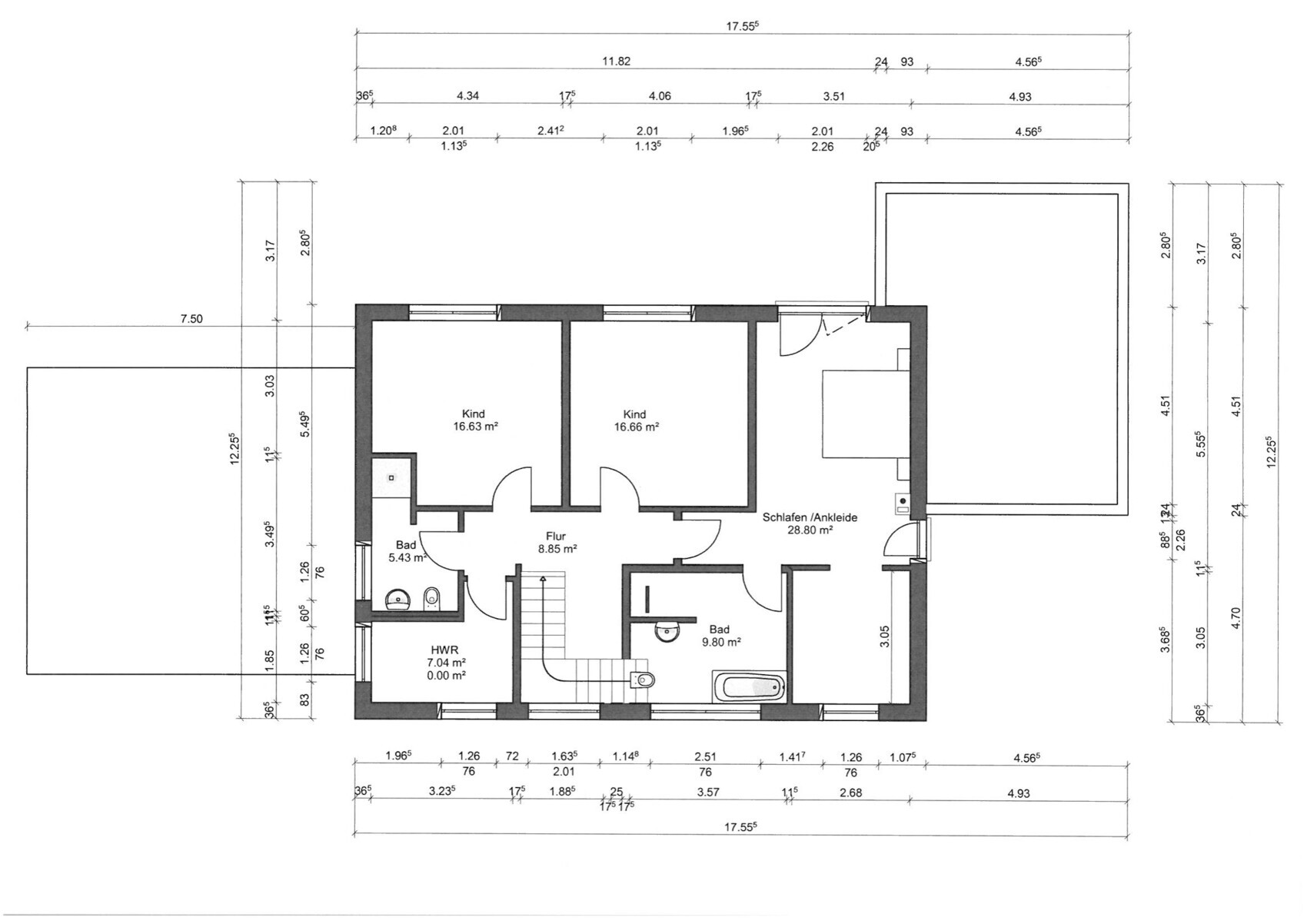
I am currently planning the construction of a single-family house and am still undecided about the cooling concept. I have attached the current floor plan. Regarding the layouts, I also started a thread in the floor planning forum (https://www.hausbau-forum.de/threads/grundrissplanung-und-platzierung-efh-ca-200qm-auf-900qm-Grundstück.39104/page-4#post-505270).
This is a KfW 55 new build (Poroton brick, reinforced concrete ceiling) with an air-to-water heat pump, controlled ventilation system, and blinds/shutters on all windows. The garden side with the large windows faces southwest, the entrance side faces northeast. The office facing the garden definitely needs air conditioning, as it is in constant use with many technical devices generating significant heat. Otherwise, I personally prefer it quite cool; I usually vacation in Scandinavia but definitely not in Greece, Egypt, or similar. In other words, my comfort temperature is significantly lower than most other people’s.
Now I am considering the best way to cool the house (aside from shading, etc.).
Option 1:
Split air conditioning unit in the office
Option 2:
Split air conditioning unit in the office + cooling function of the air-to-water heat pump (about 5,000 EUR extra)
Option 3:
Split air conditioning unit in the office + living/dining/kitchen area
Option 4:
Split air conditioning unit in the office + living/dining/kitchen area + upper floor hallway (probably only above the stairs, supply temperature— not ideal because cool air might directly sink to the ground floor)
Option 5:
Split air conditioning unit in the office + living/dining/kitchen area + child’s room + child’s room + bedroom
Furthermore, I wonder how big the difference is between installing this as part of the new build or retrofitting it later (significantly more expensive if done afterward? Potential issues with KfW 55 standards?).
Also, I am unsure whether to use one split unit per room or a multi-split system. Currently, I have no concrete offers with prices.
Thank you in advance!
Best regards,
Sam
Views:
Floor plans:
S
Samantheus26 Jun 2021 15:10The main reasons for me were a lack of time for personal work (stressful job + small child + the construction project is already enough), the large distance between the construction site and current residence (about 300m (980 ft)), the heating installer’s lack of experience with this, and if something goes wrong, you would have to dig up the garden again...
No, not yet. Thanks for the tip.
I would bring up the topic of cooling coil (BKA) again with the builder. Even though, to be honest, I still have doubts whether it pays off. I pay an extra 5,000 EUR for the heat pump cooling function (5k) + BKA materials (1k) + BKA installation (1.5k) + split system in the office (7k) [Apart from the cooling function, all estimates of course]. Am I really well below 19k in the end? I feel like I might save a little, but I will have significantly less cooling capacity?
One idea my father-in-law suggested, but I have some doubts about it and would be interested in your opinion. They live on the neighboring plot and still have a very old oil heating system that will probably fail soon. His idea was whether boreholes for a groundwater heat pump could be made and the wells shared.
Advantages would be:
- Passive cooling
- Groundwater at about 6 m (20 ft) depth, so not too complicated
- Shared costs for drilling
Disadvantages/risks:
- Is it even possible to operate two heat pumps from one well?
- Houses are quite far apart (about 20 m (65 ft)); is this distance even feasible?
- Legal situation with cross-property installations?
- What happens if their house is sold or rented out?
That’s why I’m currently a bit skeptical... but if cooling coil (BKA) is potentially an option, such a groundwater heat pump would probably be a good choice if it is reasonably affordable.
bauenmitschaf schrieb:
It really depends on the setup: for example, with an 18°C (64°F) supply temperature, 23°C (73°F) return temperature, and a flow rate of 20 l / min (5.3 gallons per minute): (20*60)/1000 * 1.16 * (23-1) = 6.96 kW. However, you first need to determine the required cooling load (usually significantly less than the heating load). Are there any results on this yet? For me, that would generally be the very first step before selecting the technology.
No, not yet. Thanks for the tip.
I would bring up the topic of cooling coil (BKA) again with the builder. Even though, to be honest, I still have doubts whether it pays off. I pay an extra 5,000 EUR for the heat pump cooling function (5k) + BKA materials (1k) + BKA installation (1.5k) + split system in the office (7k) [Apart from the cooling function, all estimates of course]. Am I really well below 19k in the end? I feel like I might save a little, but I will have significantly less cooling capacity?
One idea my father-in-law suggested, but I have some doubts about it and would be interested in your opinion. They live on the neighboring plot and still have a very old oil heating system that will probably fail soon. His idea was whether boreholes for a groundwater heat pump could be made and the wells shared.
Advantages would be:
- Passive cooling
- Groundwater at about 6 m (20 ft) depth, so not too complicated
- Shared costs for drilling
Disadvantages/risks:
- Is it even possible to operate two heat pumps from one well?
- Houses are quite far apart (about 20 m (65 ft)); is this distance even feasible?
- Legal situation with cross-property installations?
- What happens if their house is sold or rented out?
That’s why I’m currently a bit skeptical... but if cooling coil (BKA) is potentially an option, such a groundwater heat pump would probably be a good choice if it is reasonably affordable.

The well water must meet certain specifications for the manufacturer to reliably guarantee the operation. Then the flow rate is important. In addition, the water may only be heated by a few degrees and then returned.
Whether you are even allowed to do this must be urgently clarified with the building authority / planning permission office and water protection agency.
The simplest solution, also regarding performance and dehumidification, remains an air conditioning unit.
Whether you are even allowed to do this must be urgently clarified with the building authority / planning permission office and water protection agency.
The simplest solution, also regarding performance and dehumidification, remains an air conditioning unit.

This might be an "extreme" example compared to the solutions usually posted here, but we managed to implement it quite affordably. 😉
In our case, the kids' rooms and bedroom are located directly next to the garage side. In each room, we installed one indoor unit, each connected to a separate outdoor unit. Both outdoor units are placed on the garage roof. Thanks to Comfee devices and quick connectors, the total cost was about 1,600€ (around $1,700), and it works perfectly 😀 It may not be "state-of-the-art," but it functions very well. Even if the units fail after five years (which I don't expect), I can simply buy new ones.
In terms of performance, this setup cools the entire house. With the room doors open, you can quickly feel the cool air flowing down into the living room through the open stairwell. We don’t need the living room to be 19°C (66°F) during the height of summer anyway.
It’s certainly not comparable to professionally designed cooling systems, but it’s about one-tenth of the price. For us, it works well for the two to three months when air conditioning is really needed.
In our case, the kids' rooms and bedroom are located directly next to the garage side. In each room, we installed one indoor unit, each connected to a separate outdoor unit. Both outdoor units are placed on the garage roof. Thanks to Comfee devices and quick connectors, the total cost was about 1,600€ (around $1,700), and it works perfectly 😀 It may not be "state-of-the-art," but it functions very well. Even if the units fail after five years (which I don't expect), I can simply buy new ones.
In terms of performance, this setup cools the entire house. With the room doors open, you can quickly feel the cool air flowing down into the living room through the open stairwell. We don’t need the living room to be 19°C (66°F) during the height of summer anyway.
It’s certainly not comparable to professionally designed cooling systems, but it’s about one-tenth of the price. For us, it works well for the two to three months when air conditioning is really needed.
S
Samantheus26 Jun 2021 22:28rick2018 schrieb:
Whether you’re allowed to do this at all must be urgently clarified with the building authority and water protection agency.In principle, we are allowed to do it, that has been clarified. However, we are not permitted to do it ourselves (specialized company) and it should be supervised by an expert.
@Mbk84
It really comes down to personal preference. Multi-split systems are more visually appealing because there is only one outdoor unit. However, they are not exactly cheap. Self-installation units like those from Comfee or any other brand mainly differ in having multiple outdoor units, which not everyone likes.
The main point is that nowadays you need to consider cooling options. Whether you choose a multi-split, single-split, ceiling cooling, chilled water systems, or something else is a secondary matter.
It really comes down to personal preference. Multi-split systems are more visually appealing because there is only one outdoor unit. However, they are not exactly cheap. Self-installation units like those from Comfee or any other brand mainly differ in having multiple outdoor units, which not everyone likes.
The main point is that nowadays you need to consider cooling options. Whether you choose a multi-split, single-split, ceiling cooling, chilled water systems, or something else is a secondary matter.
Similar topics