
B
Brainstorming18 Feb 2021 16:57Hello everyone,
We plan to install the insulation between the rafters in our new build starting this weekend, now that the screed and plaster have dried for some time. However, I have noticed stains on the underlay membrane and the roof beams. Almost the entire attic is affected. Can anyone tell me what this might be and how to remove it?
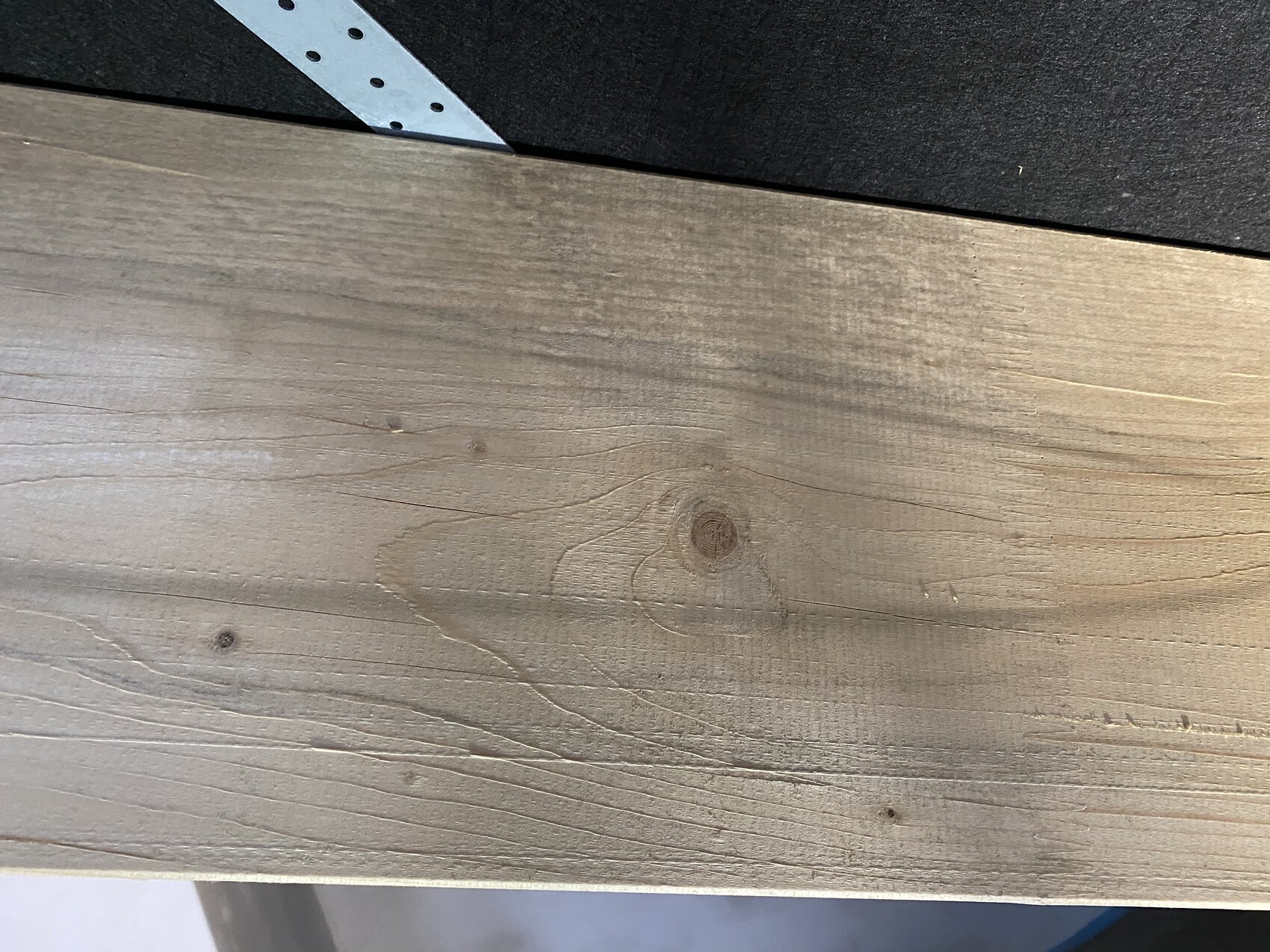
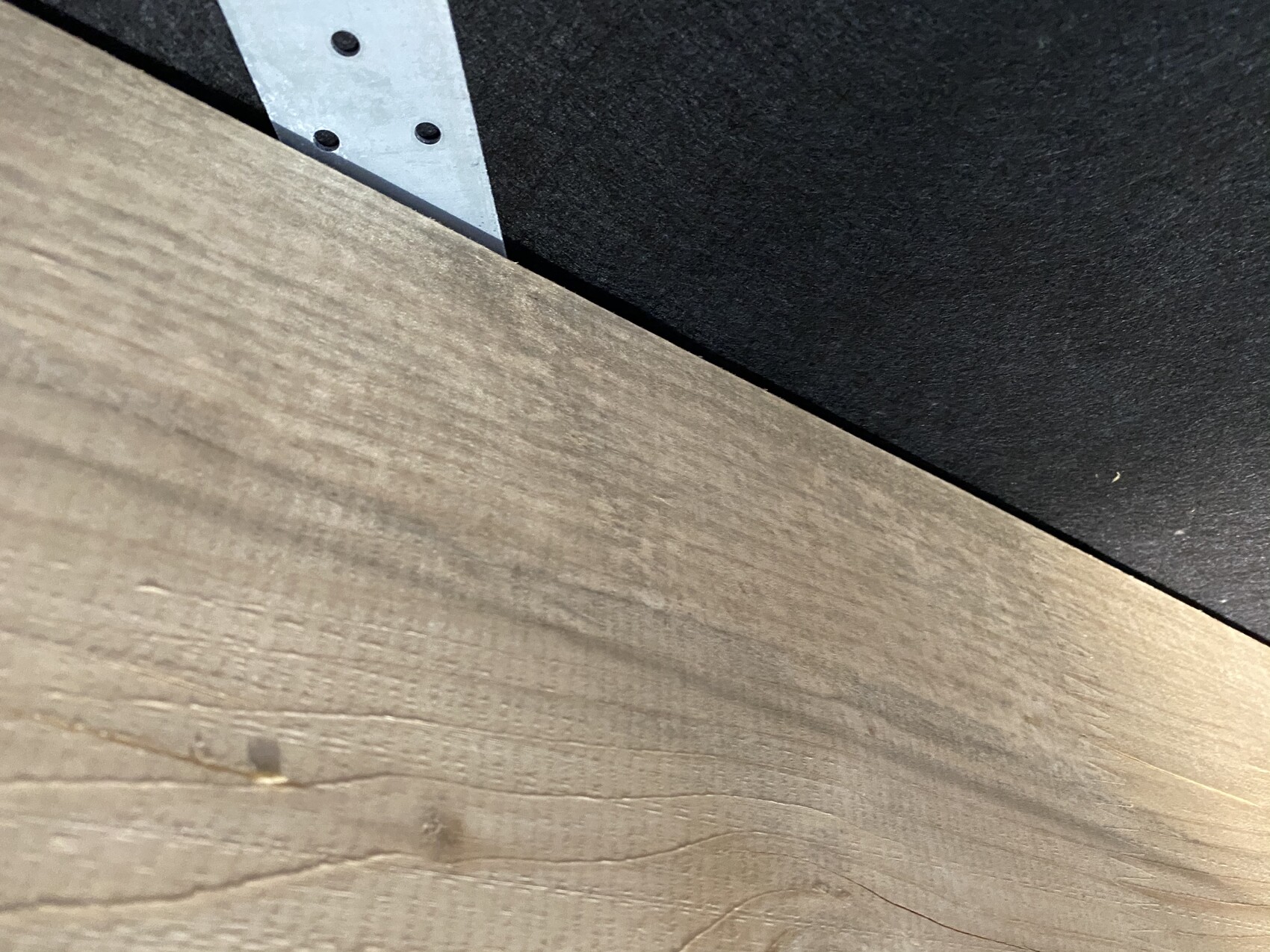
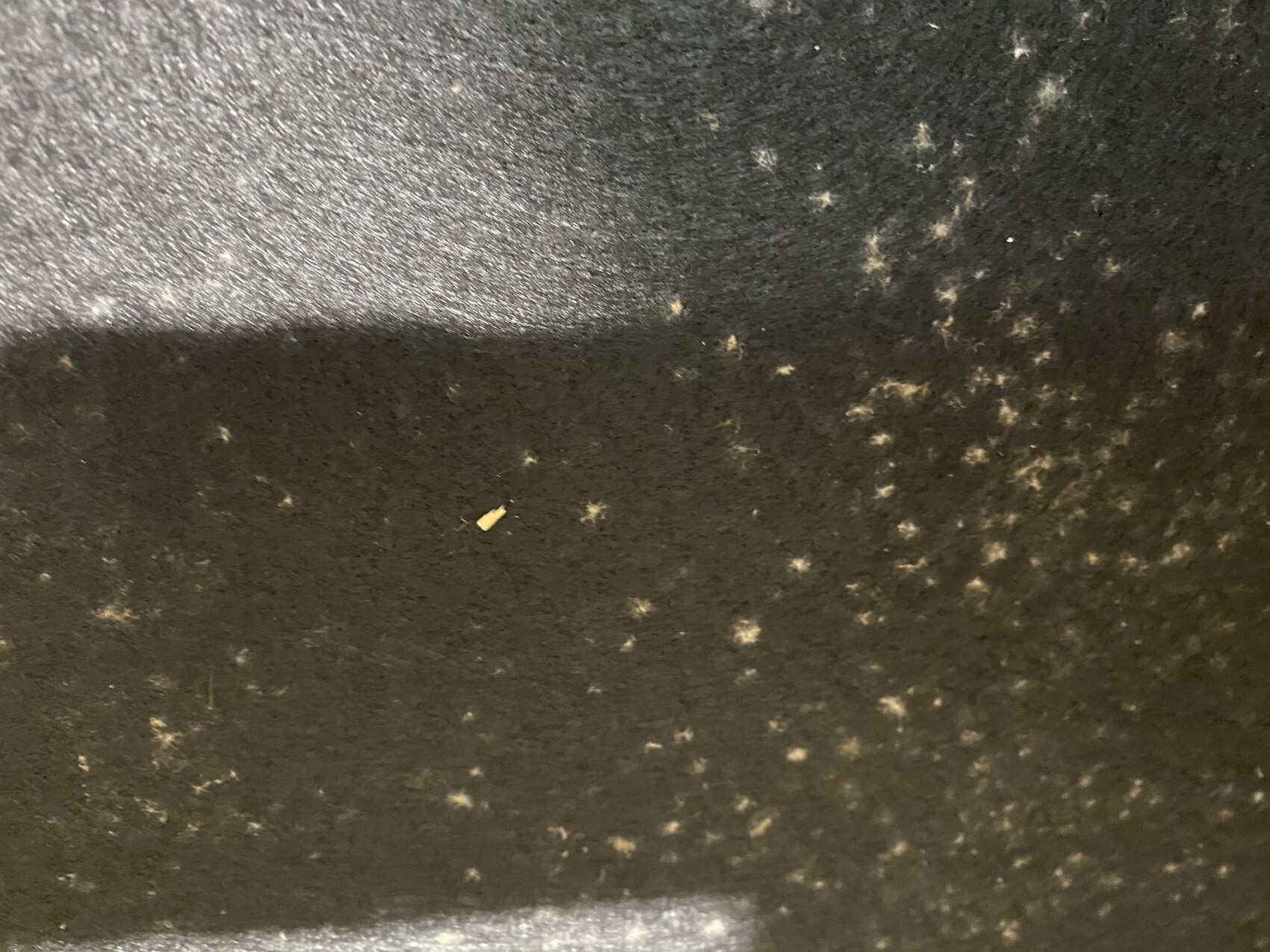
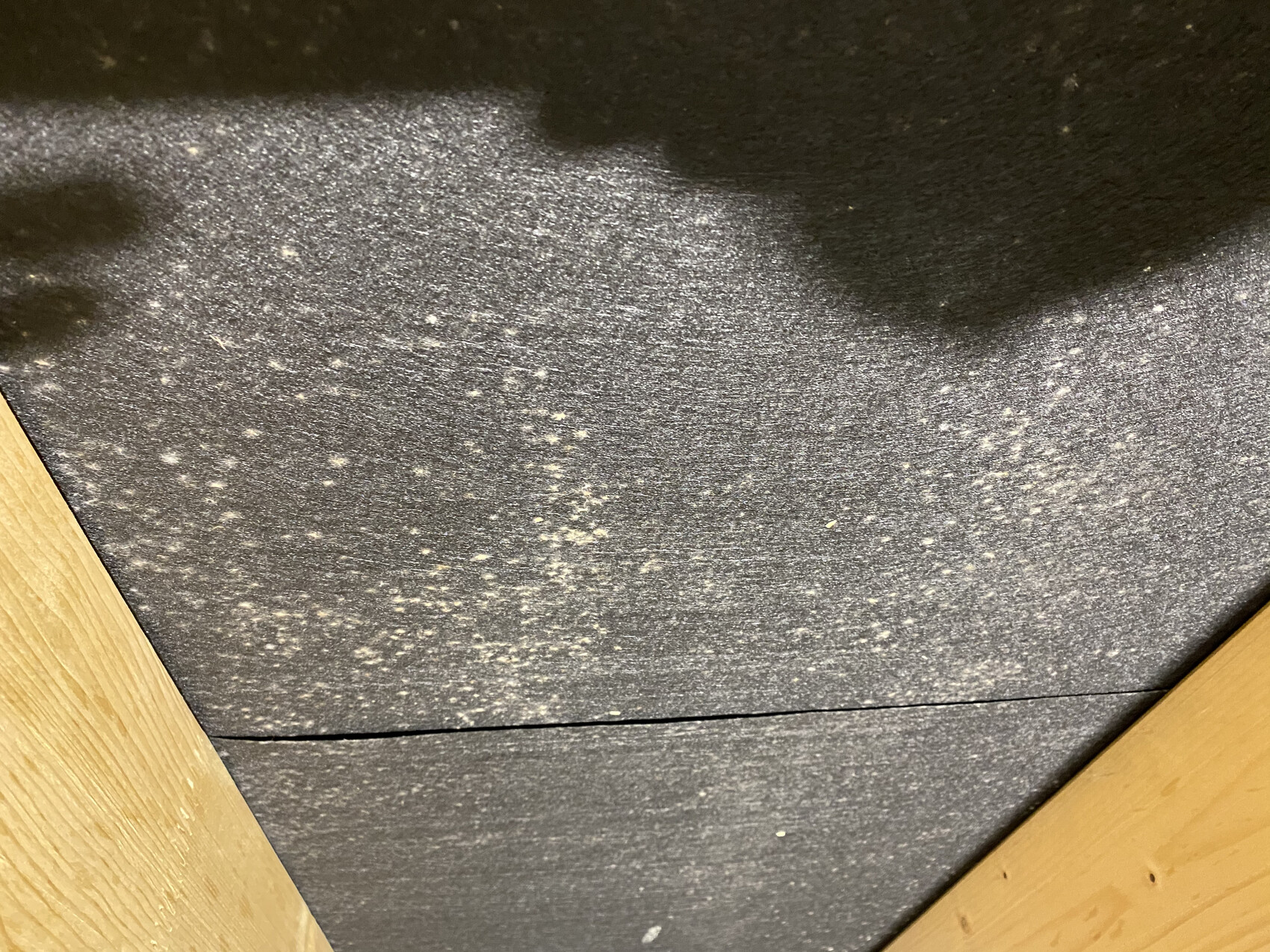
We plan to install the insulation between the rafters in our new build starting this weekend, now that the screed and plaster have dried for some time. However, I have noticed stains on the underlay membrane and the roof beams. Almost the entire attic is affected. Can anyone tell me what this might be and how to remove it?
Are the rafters damp? If so, I would wait before closing them up.
Was it not possible to install the insulation and vapor retarder before the interior plaster and screed? When were the interior plaster and screed applied? It’s likely that some condensation formed on the ceiling during drying since it was not insulated yet.
Was it not possible to install the insulation and vapor retarder before the interior plaster and screed? When were the interior plaster and screed applied? It’s likely that some condensation formed on the ceiling during drying since it was not insulated yet.
B
Brainstorming19 Feb 2021 07:31parcus schrieb:
Quite clever, especially if the attic space is not a heated living area,...Before you make such arrogant comments, let me clarify a few things:
Our plastering was done in December last year. The screed was installed in mid-January. Until then, we had no problems. The screed installer then told me that we should not walk on the screed for 7 days and keep all windows closed during this time. We followed these instructions.
After 7 days, I went up to the attic for the first time (which is intended to be living space and has underfloor heating, although it was not in operation until three weeks ago), and that’s when I noticed these stains. We then set up a dehumidifier, which has been running for almost three weeks. Since then, the stains have not worsened.
When I asked the roofer about the stains, he was completely shocked because he strongly disagreed with the screed installer’s advice regarding ventilation. But that’s typical in construction: you ask ten different people and get ten different opinions.
In any case, both the roofer and my architect (who only designed the plans and is not supervising the construction) said I shouldn’t worry about the stains. They said these are just surface spores that can be removed with high-concentration alcohol or a mold remover.
However, before I apply chemicals to the wood and the vapor barrier membrane, I was hoping to get some constructive suggestions here to verify these statements. Fortunately, some of you are taking my request seriously. Thank you for that!
I don’t understand why you shouldn’t ventilate during the screed drying process. Obviously, cross-ventilation is necessary. I agree with your roofer and architect on this. Get a mold remover (preferably with hydrogen peroxide or chlorine – follow the application instructions carefully!) or 96% ethanol (denatured alcohol) and remove the surface mold. Then monitor the area for about a week to see if any mold returns.
For wood, there are special transparent fungicidal coatings available.
For wood, there are special transparent fungicidal coatings available.
Similar topics