
Hello fellow homeowners,
This concerns an old building from 1909, a timber-framed structure with a natural stone vaulted cellar, which we have purchased to renovate. The experts say the cellar is fine, but I have a different gut feeling. Therefore, I would like to ask for your opinions:
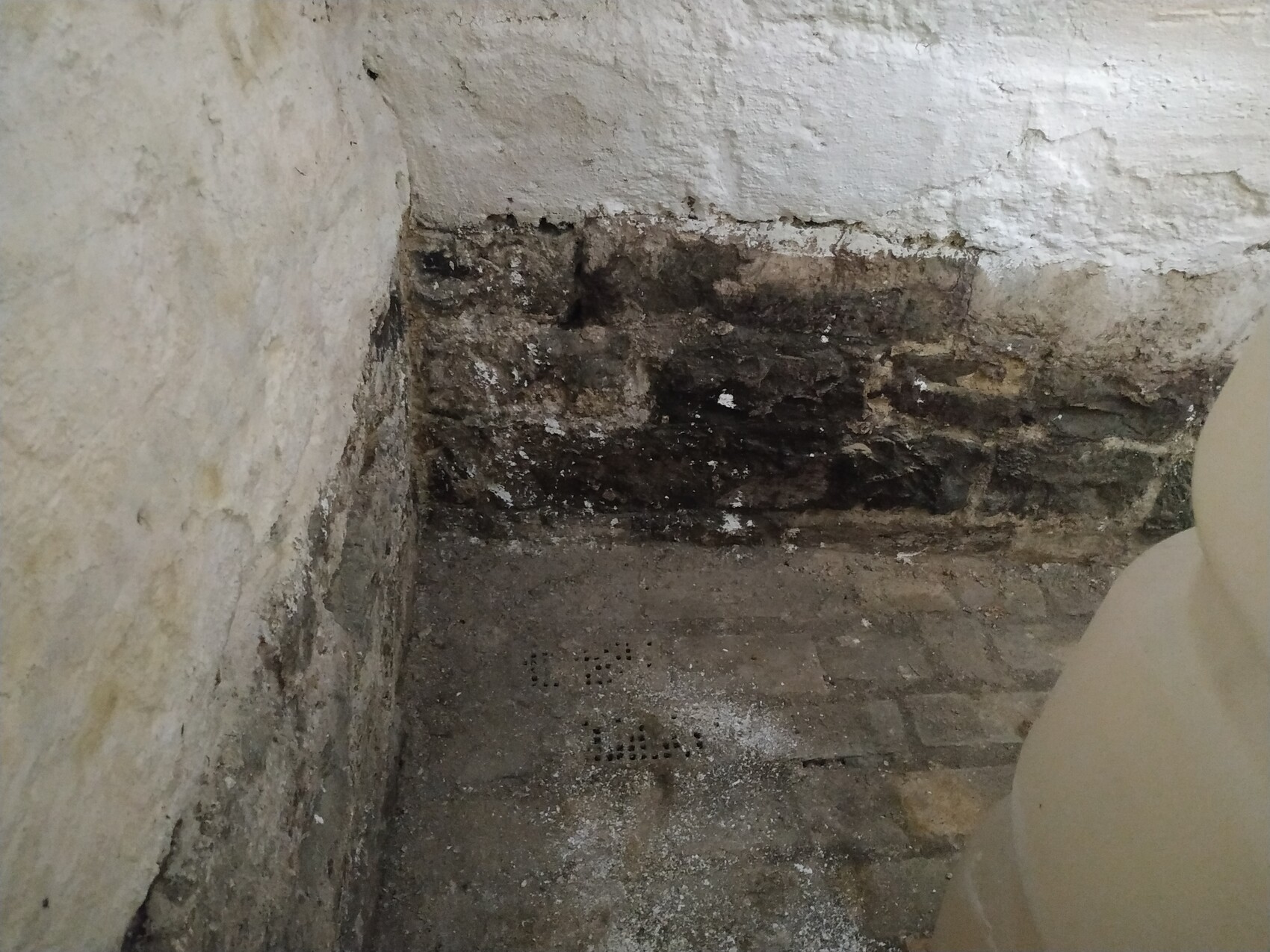
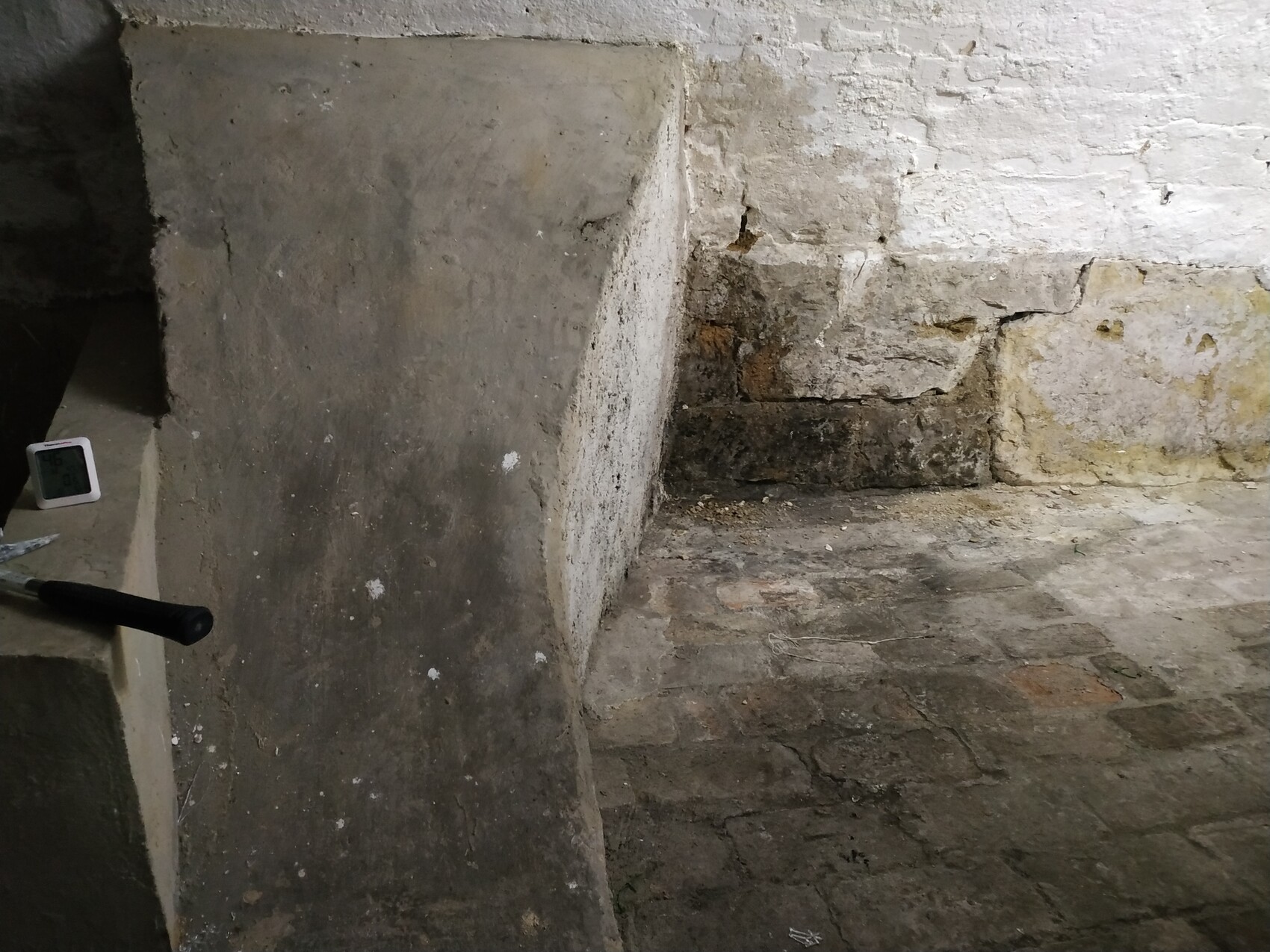
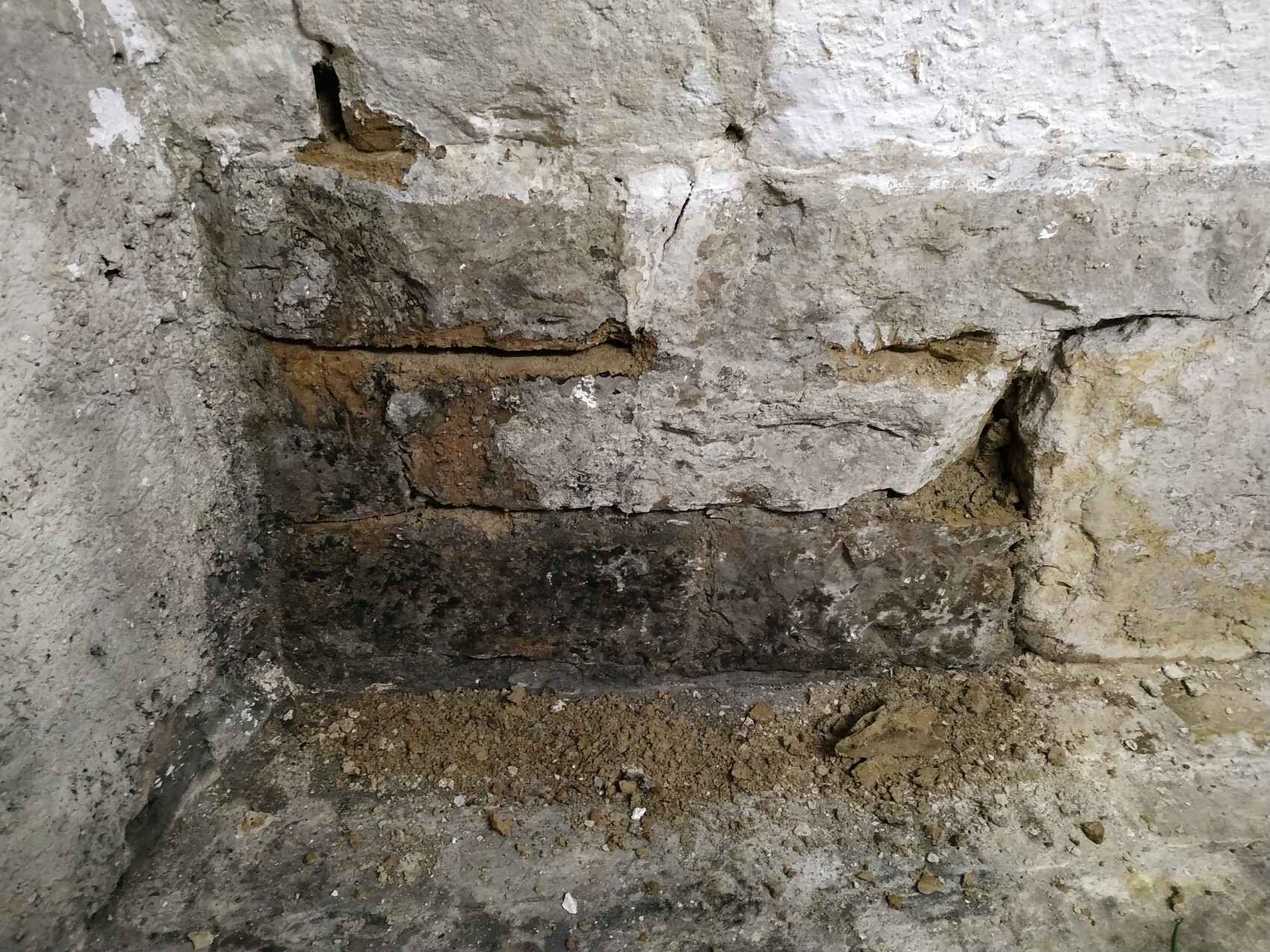
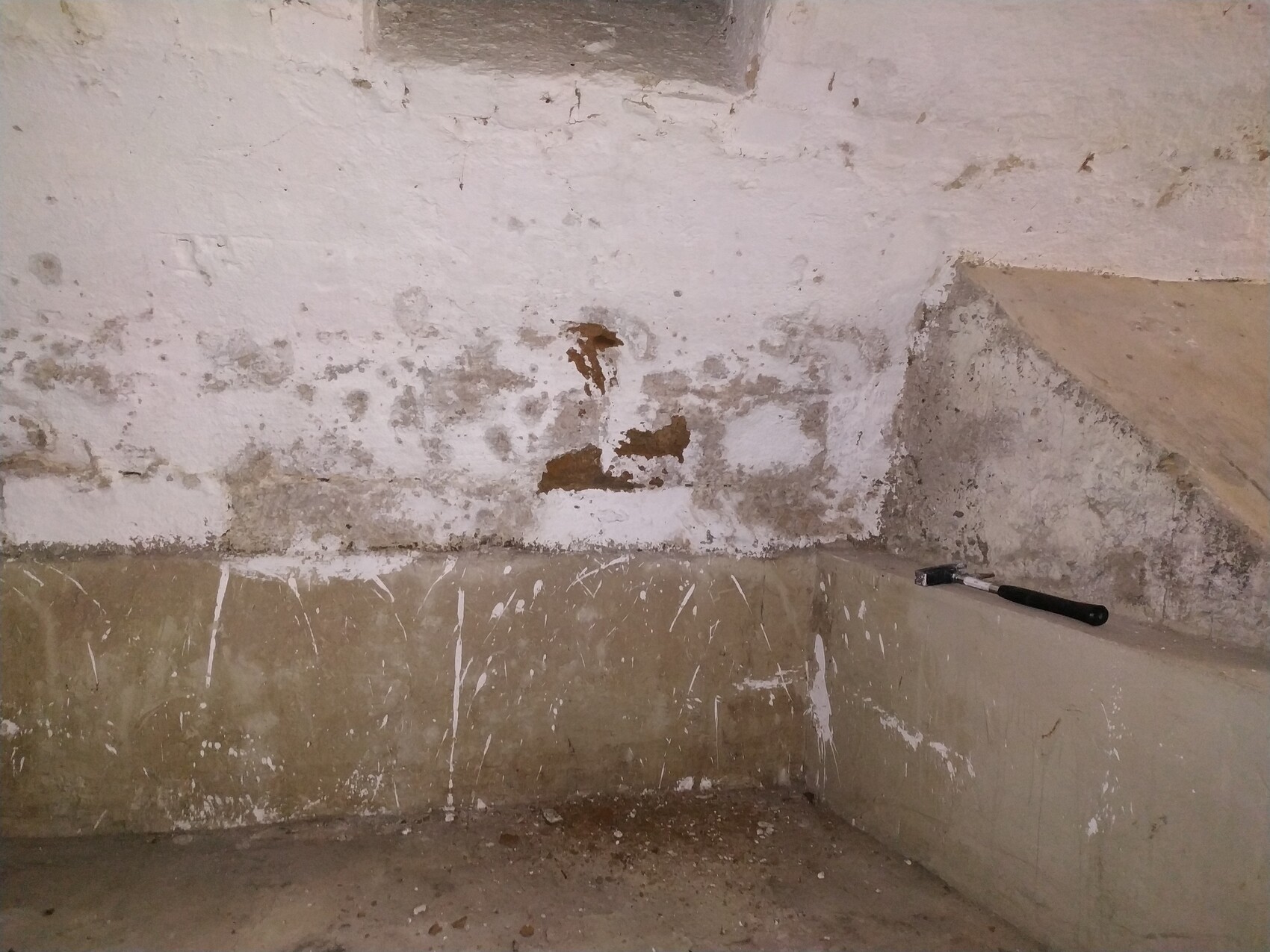
The cellar (approximately 30m² (320 sq ft)) and the cellar air now seem relatively dry. I currently measure about 6°C (43°F) at around 47% humidity. A moisture meter didn’t react at the walls either. According to a neighbor, it was already wet there, and some repairs were done. Specifically, a 0.5m (20 inch) high “sealing basin” was made from a cement wall on the inside of one wall. However, there are still two spots on the wall facing the slope where black mold growth is visible. (The mold samples are already in the lab.) The joints there are particularly damp/crumbling and can be lightly chiseled out with a hammer. Apparently, moisture still seeps in there, at least enough to make the wall wet/damp. The cellar has a slightly earthy/damp smell, which isn’t sharp but, in my opinion, should be eliminated.
The intended use of the cellar is only storage. However, I definitely want to prevent other cellar rooms or the upper floors from picking up the musty smell from the vaulted cellar. Also, I am concerned that the long-term load-bearing capacity of the wall might be affected.
Unfortunately, there are many approaches as to if and how to tackle this. Some solutions (such as from Isotech) seem to rely on insulating the cellar from the inside to prevent moisture from entering. But my gut feeling is that this cellar (at least this side) must be sealed from the outside. That means excavation, sealing, and installing a drainage system. Then the mold can be removed and the walls plastered inside, with the hope that it will stay dry afterwards.
Thank you very much for your input!
This concerns an old building from 1909, a timber-framed structure with a natural stone vaulted cellar, which we have purchased to renovate. The experts say the cellar is fine, but I have a different gut feeling. Therefore, I would like to ask for your opinions:
The cellar (approximately 30m² (320 sq ft)) and the cellar air now seem relatively dry. I currently measure about 6°C (43°F) at around 47% humidity. A moisture meter didn’t react at the walls either. According to a neighbor, it was already wet there, and some repairs were done. Specifically, a 0.5m (20 inch) high “sealing basin” was made from a cement wall on the inside of one wall. However, there are still two spots on the wall facing the slope where black mold growth is visible. (The mold samples are already in the lab.) The joints there are particularly damp/crumbling and can be lightly chiseled out with a hammer. Apparently, moisture still seeps in there, at least enough to make the wall wet/damp. The cellar has a slightly earthy/damp smell, which isn’t sharp but, in my opinion, should be eliminated.
The intended use of the cellar is only storage. However, I definitely want to prevent other cellar rooms or the upper floors from picking up the musty smell from the vaulted cellar. Also, I am concerned that the long-term load-bearing capacity of the wall might be affected.
Unfortunately, there are many approaches as to if and how to tackle this. Some solutions (such as from Isotech) seem to rely on insulating the cellar from the inside to prevent moisture from entering. But my gut feeling is that this cellar (at least this side) must be sealed from the outside. That means excavation, sealing, and installing a drainage system. Then the mold can be removed and the walls plastered inside, with the hope that it will stay dry afterwards.
- What is the right approach for such vaulted cellars? Is internal sealing effective, or is external sealing essential?
- Does drainage only make sense on the slope side, or does it have to be installed on all sides (other walls seem to have been spared for 100 years)?
- Is a floor seal/covering also necessary?
- What costs should be realistically expected here?
Thank you very much for your input!
 Winniefred16 Feb 2021 07:39
Are the holes in the floor in front of the wall a drain?
Winniefred schrieb:
Are the holes in the floor in front of the wall drains?I assume so, but I'm not sure. That’s a good question.Winniefred16 Feb 2021 14:26There are different methods for basement waterproofing. If you decide to do it, it should be fully sealed; otherwise, you might cause new problems. Personally, I wouldn’t do it.
I would clarify the issue with any possible drainage. Where water comes in, it can also go out. Think about hydrostatic pressure causing water to backflow. We have a similar drain in the laundry room floor of our basement, and after heavy rain, water was pushed up a few centimeters (inches), but it drained away quickly. However, if there’s a pipe leading out that isn’t sealed properly, and maybe an external (rain)water pipe runs along the wall, that could indicate the damaged area. This is just a thought and not a guarantee. If the neighbor’s house is close by, potential problems from that side should also be considered.
Regarding ventilation: continuously airing out at around -10°C (14°F) will probably cause more mold rather than prevent it. The key is to use shock ventilation, including in the basement. During transitional temperatures, you can ventilate for longer periods, but in summer and winter, brief but thorough airing is best. This is what I have found and follow myself.
I would clarify the issue with any possible drainage. Where water comes in, it can also go out. Think about hydrostatic pressure causing water to backflow. We have a similar drain in the laundry room floor of our basement, and after heavy rain, water was pushed up a few centimeters (inches), but it drained away quickly. However, if there’s a pipe leading out that isn’t sealed properly, and maybe an external (rain)water pipe runs along the wall, that could indicate the damaged area. This is just a thought and not a guarantee. If the neighbor’s house is close by, potential problems from that side should also be considered.
Regarding ventilation: continuously airing out at around -10°C (14°F) will probably cause more mold rather than prevent it. The key is to use shock ventilation, including in the basement. During transitional temperatures, you can ventilate for longer periods, but in summer and winter, brief but thorough airing is best. This is what I have found and follow myself.
 HausiKlausi16 Feb 2021 22:20
So, here we have a building from 1920, with a Prussian ribbed ceiling—more critical because of the exposed steel beams—and brick flooring. The humidity fluctuates, but I have it under control by now. And that leads to the main point: In my opinion, it is unrealistic to expect to fully control this issue through insulation alone. That would only be possible if you create a complete enclosure. This is practically impossible, as moisture also comes from below. The moisture (depending on the season and weather) was not just a problem back then but a feature, which, for example, favored the storage of fruits and vegetables. Under these conditions, I believe only a proper ventilation concept helps, possibly supported by heating. Two dew point-controlled fans placed diagonally, for example, with heat recovery systems combine both. This costs only a fraction of more extensive renovation work—and almost guarantees success. I cannot report from personal experience because I ventilate manually, but user reports show good results. (Of course, the exception is when water is pressing in from a slope; then measures must be taken from that side as well).
Winniefred17 Feb 2021 17:04You can also check whether it’s possible to install opposing basement windows to enable cross ventilation during shock ventilation. Regarding the rest, I agree with HausiKlausi.
Similar topics