
ᐅ Are construction joints in precast concrete basements acceptable?
Created on: 28 Oct 2020 08:19
K
KingJulien
Hello everyone,
Yesterday, I visited our precast basement for the first time before the concrete was poured for the basement ceiling. Two things stood out to me negatively. First, some of the joints seemed quite wide in my opinion. Second, it looks like two concrete elements got slightly damaged where they were joined during installation, and now the concrete is crumbling in that area.
When I asked, the site supervisor said that cast-in-place concrete will still be poured into the joints everywhere, and the crumbly spot will be filled and smoothed out.
Does anyone have experience with whether this is acceptable? For me, it’s less about the appearance (it’s a utility basement) and more about whether this might just be sloppy workmanship or even a structural concern.
We’ll see how it looks after the concrete pour. I’m meeting with the construction manager for the inspection this afternoon but wanted to get your opinions beforehand.
Regards,
King Julien
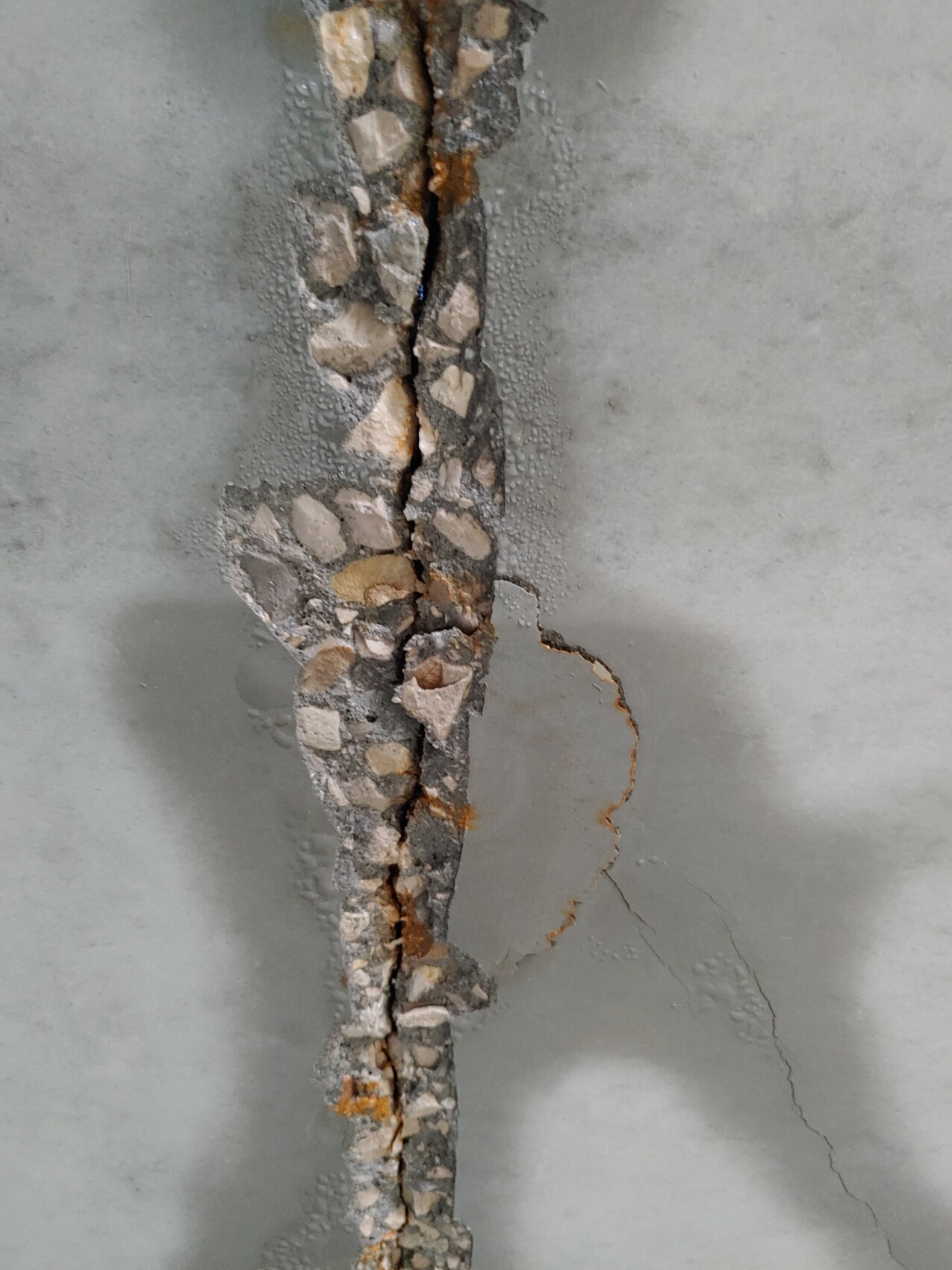
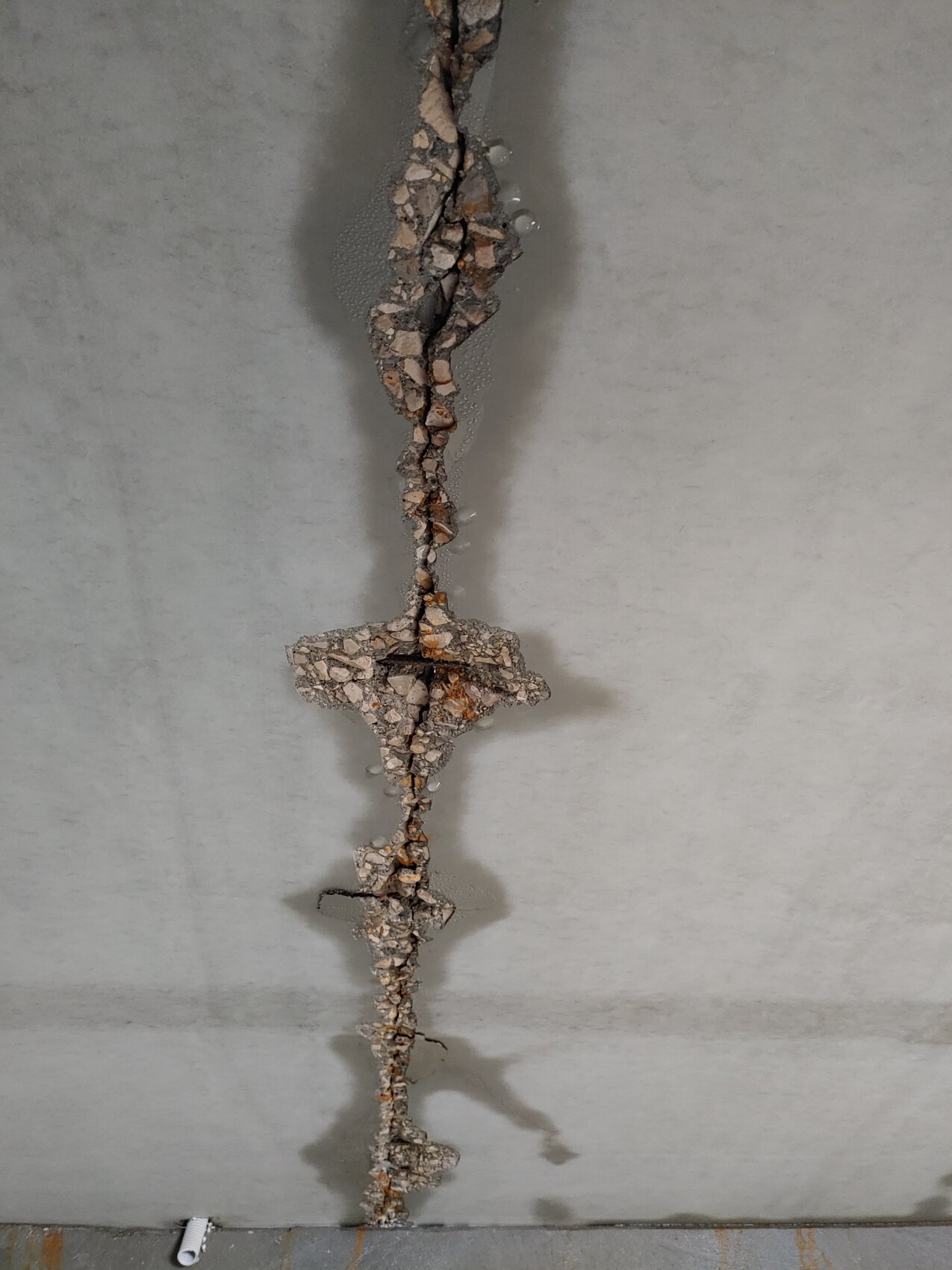
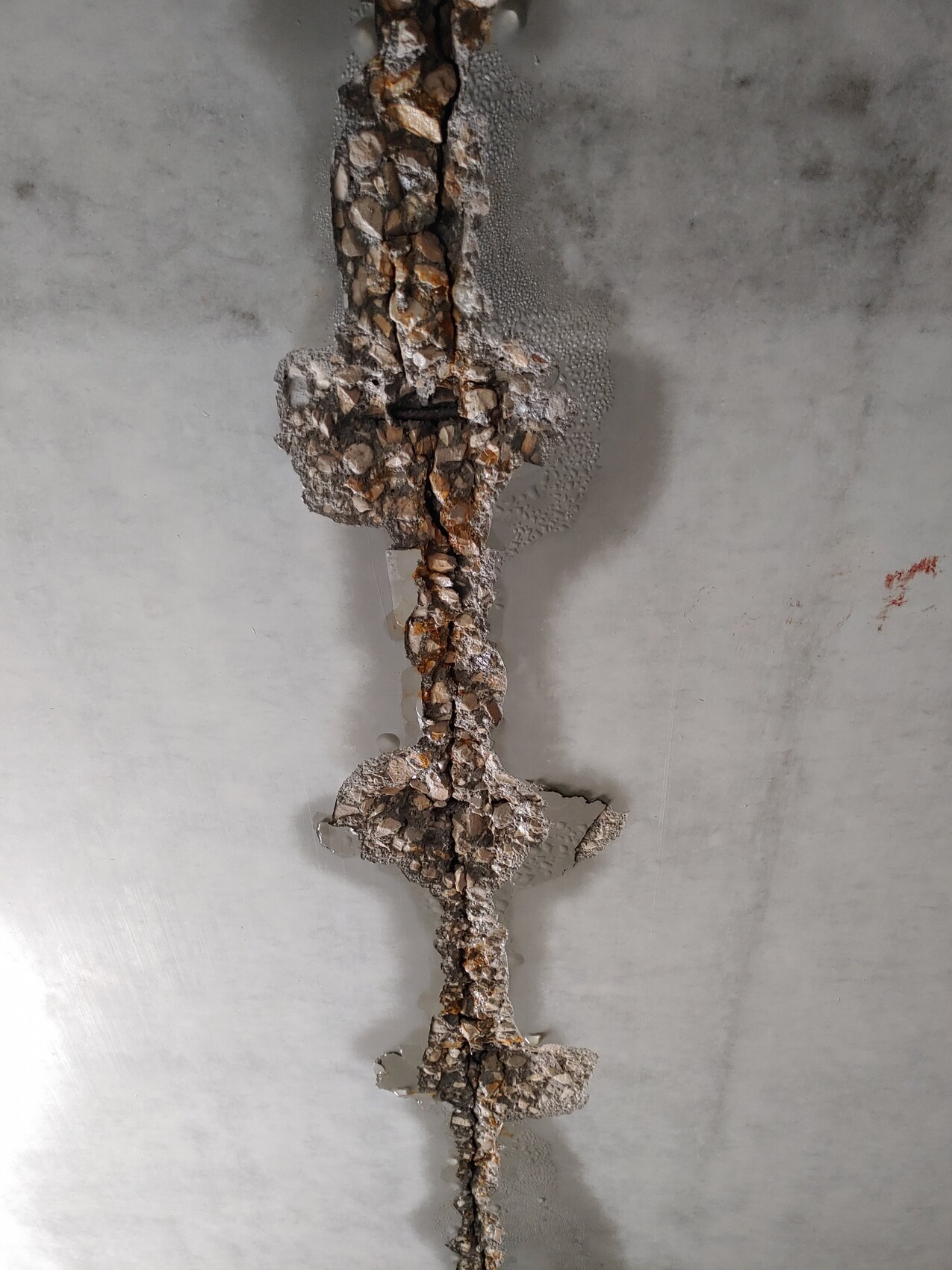
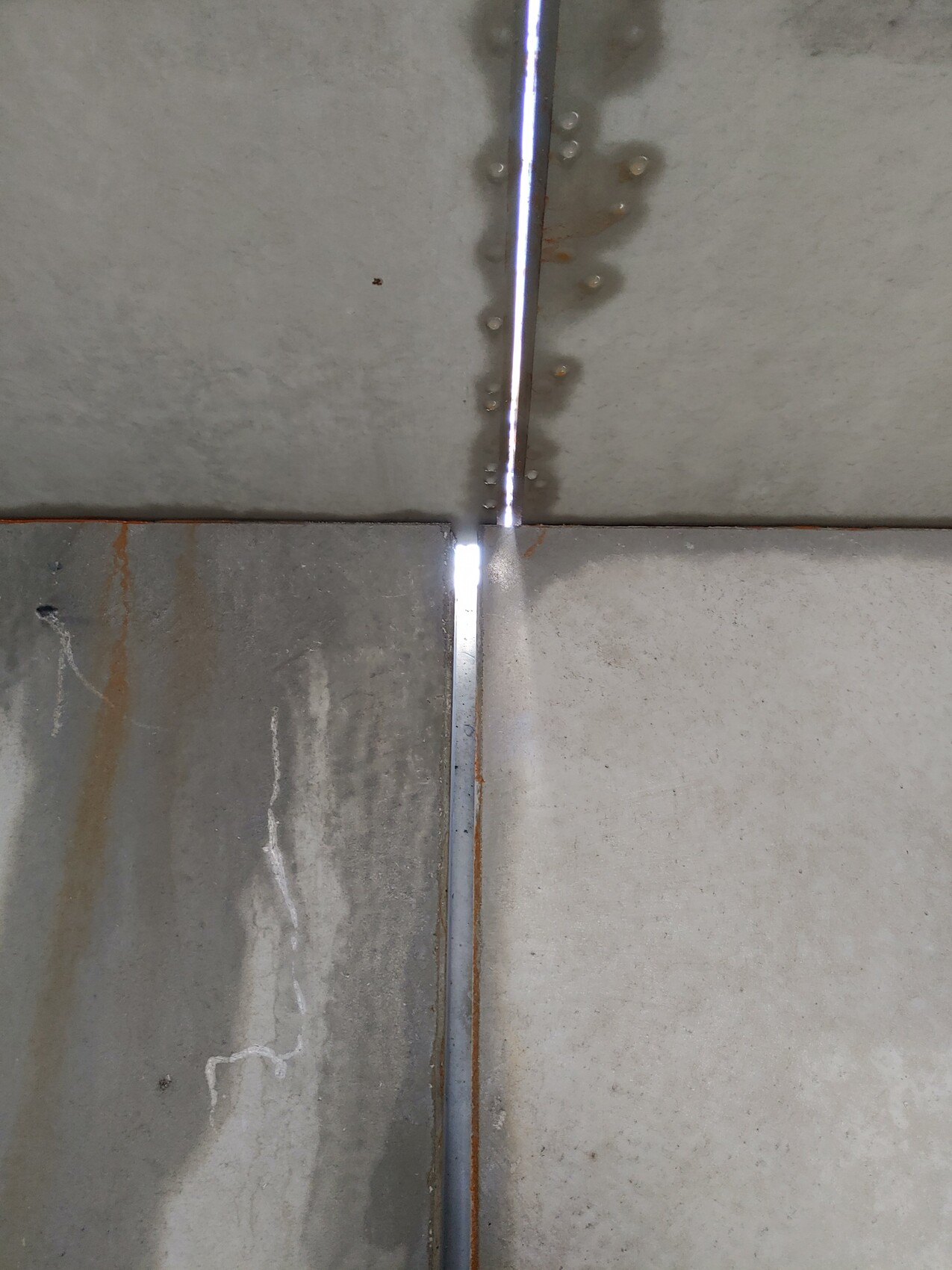
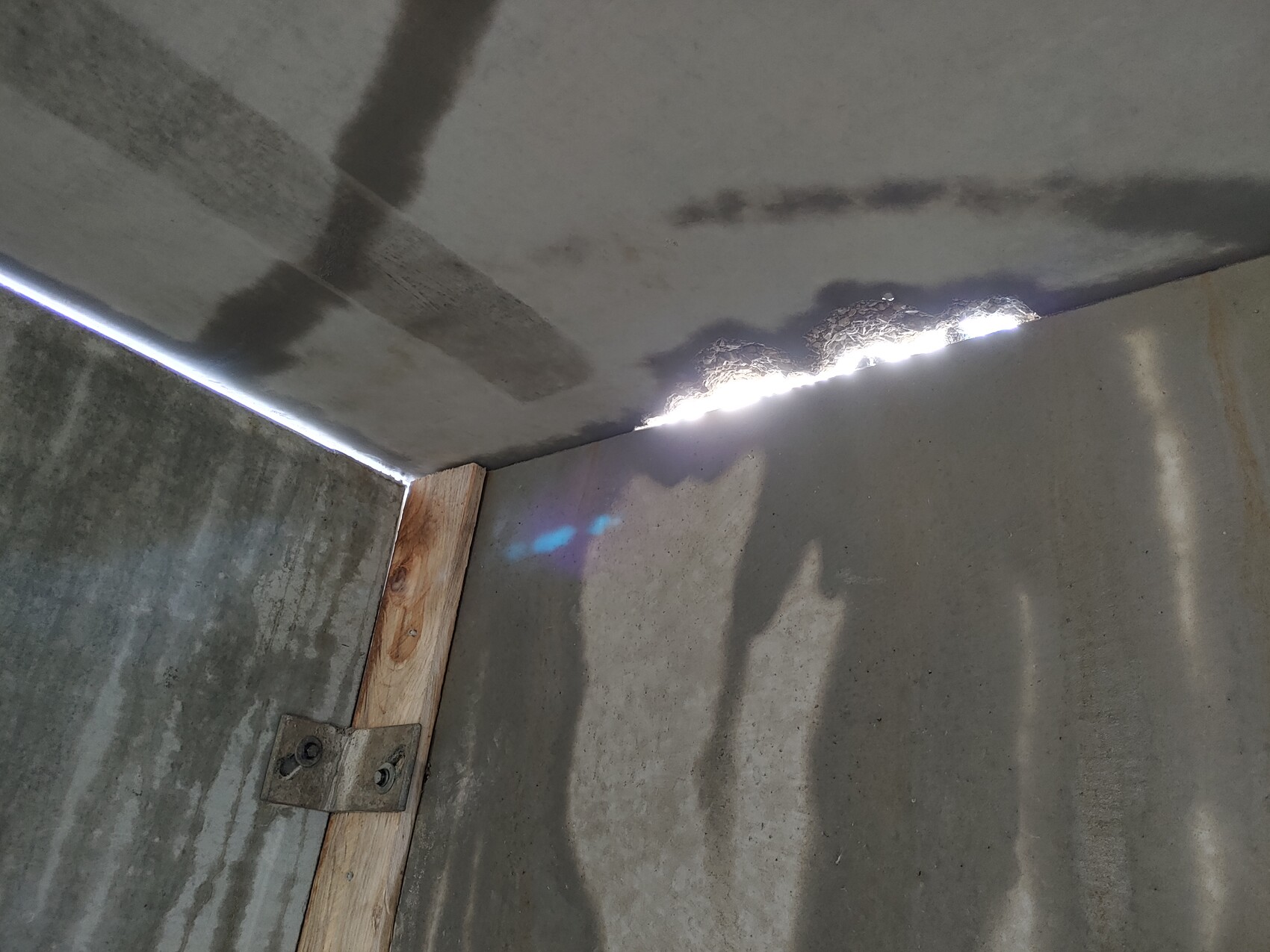
Yesterday, I visited our precast basement for the first time before the concrete was poured for the basement ceiling. Two things stood out to me negatively. First, some of the joints seemed quite wide in my opinion. Second, it looks like two concrete elements got slightly damaged where they were joined during installation, and now the concrete is crumbling in that area.
When I asked, the site supervisor said that cast-in-place concrete will still be poured into the joints everywhere, and the crumbly spot will be filled and smoothed out.
Does anyone have experience with whether this is acceptable? For me, it’s less about the appearance (it’s a utility basement) and more about whether this might just be sloppy workmanship or even a structural concern.
We’ll see how it looks after the concrete pour. I’m meeting with the construction manager for the inspection this afternoon but wanted to get your opinions beforehand.
Regards,
King Julien
 KingJulien29 Oct 2020 20:12
Jann St schrieb:
Okay, I’m not familiar with walls being concreted together with the ceiling like that, but as long as nothing cracks due to the increased concrete pressure below, everything should be fine. I don’t know exactly how they did it; I don’t remember the setup in detail. It’s also possible they filled the walls first, which would make sense. When I was on site, they were still waiting for the concrete pump. If it hadn’t been delayed, I probably wouldn’t have made it into the basement in time and wouldn’t have seen the crack left unfilled.
Jann St schrieb:
Load case “temporarily ponding seepage water” Literally: ... In the earth-contact area, the joints receive sealing against “ground moisture and freely flowing water” according to exposure class 2 of the WU guideline 2017...
Jann St schrieb:
Maybe it’s worth considering sealing the joints explicitly from the outside. From the outside? Unfortunately, it’s too late for that. I believe the insulation was already applied in the factory.
Jann St schrieb:
Do you have a contract excerpt about exactly what is required? Summary:
- 20 cm (8 inches) thick double-reinforced slab-on-grade, max. 14 kg/m² (2.9 lb/sq ft) steel content, more according to structural engineer with additional cost – for us it was 144 kg (318 lb) of extra steel in the slab.
- 24 cm (9.5 inches) exterior wall, reinforcement per structural design.
- 19 cm (7.5 inches) ceiling slab, max. 14 kg/m² (2.9 lb/sq ft) steel, smooth steel formwork finish on the underside.
- Sealing as described above.
Nice-Nofret schrieb:
Find a competent construction supervisor; it’s a worthwhile investment. Do you think it’s still worth hiring an expert for the basement inspection? There’s not much left to see on site, right? In that case, a photo documentation might be more useful. Would the approximately €500 (about $550) be better spent on an inspection planned in advance at a later stage of the build? I guess with the concrete and insulation done, the most important parts can no longer be inspected visually.
Heights and dimensions generally fit very accurately, verified by the general contractor’s site manager. I measured the formwork for the slab myself before concreting, and it was exactly right. This is especially relevant because recently there was a horror story about the “slab being the wrong size.”
Here are a few impressions, unfortunately a bit mixed up during upload.
1–2 before concreting
3–4 ceiling crack filled
5 wall joint filled
6 ceiling-to-wall transition
7–8 ceiling crack
9 wall joint
10 outside after concreting
PS: If I upload more pictures, this topic will soon have to move to the house photos thread.

KingJulien schrieb:
Here are a few impressions, unfortunately a bit mixed up while uploading.I know some people who are a bit strange, and sometimes I’m told I am too, but blacking out the markings on a folding ruler? – no way, right?https://www.instagram.com/11antgmxde/
https://www.linkedin.com/company/bauen-jetzt/
KingJulien30 Oct 2020 07:2811ant schrieb:
I know some people who are a bit quirky, and sometimes I am too (so they say), but blacking out the branding on a folding ruler? – no, really?Why not? That way, no one can complain. Besides, it’s been bleached.
I can gladly tell you the company in a private message if you like it so much that you want one too.
Oh wait... just checked: private messages aren’t allowed.
Hello,
I think we can first put your worries to rest. It is important that drainage mats or dimple boards are installed on the exterior insulation during construction to ensure water can drain freely. With your perimeter drainage in place, there really shouldn’t be any major issues.
In my opinion, the filled cracks are not a problem; the system can handle that.
Side note: Direction of ceiling tension – for ceilings with boards tensioned in one direction only, the load is transferred towards the nearest supporting walls, usually in rectangular floor plans. The other direction does not carry structural load but serves mainly for structural purposes (such as limiting deflection or cracks). A crack perpendicular to the load-bearing direction is therefore acceptable.
Regarding the joints, not much can be said at this point, but the described load case is the least stressful you could expect. The only question would be whether the chosen load case is realistic, but if the groundwater is far away and the drainage water is well managed, I think it is plausible.
Otherwise, the interior image looks good. The board at the top appears a bit rough, but that’s because the vapor barrier was installed while the surface was still fresh, which is absolutely correct for proper curing. Waiting too long to install the barrier can cause early shrinkage cracks, but the barrier does protect the surface.
I would not recommend an expert inspection at this point, as there is likely not much more to add. A photo documentation, if you have one, is of course always useful later on, especially if water intrusion occurs. Also, according to building regulations, you are entitled to a five-year warranty anyway (unless the contract specifies the VOB conditions).
If you have questions later on during further construction or finishing, feel free to contact me.
Best regards,
Jann
I think we can first put your worries to rest. It is important that drainage mats or dimple boards are installed on the exterior insulation during construction to ensure water can drain freely. With your perimeter drainage in place, there really shouldn’t be any major issues.
In my opinion, the filled cracks are not a problem; the system can handle that.
Side note: Direction of ceiling tension – for ceilings with boards tensioned in one direction only, the load is transferred towards the nearest supporting walls, usually in rectangular floor plans. The other direction does not carry structural load but serves mainly for structural purposes (such as limiting deflection or cracks). A crack perpendicular to the load-bearing direction is therefore acceptable.
Regarding the joints, not much can be said at this point, but the described load case is the least stressful you could expect. The only question would be whether the chosen load case is realistic, but if the groundwater is far away and the drainage water is well managed, I think it is plausible.
Otherwise, the interior image looks good. The board at the top appears a bit rough, but that’s because the vapor barrier was installed while the surface was still fresh, which is absolutely correct for proper curing. Waiting too long to install the barrier can cause early shrinkage cracks, but the barrier does protect the surface.
I would not recommend an expert inspection at this point, as there is likely not much more to add. A photo documentation, if you have one, is of course always useful later on, especially if water intrusion occurs. Also, according to building regulations, you are entitled to a five-year warranty anyway (unless the contract specifies the VOB conditions).
If you have questions later on during further construction or finishing, feel free to contact me.
Best regards,
Jann
KingJulien30 Oct 2020 08:52@Jann St
Thank you very much for your very helpful assessment! Quick, friendly, and professional support from an expert like you is a real asset to this forum!
I will now look into arranging an expert inspection during the further construction progress.
A soakaway system has been installed along the street; I hope there won’t be any issues with that. Otherwise... it’s just a utility basement.
Thanks to everyone and best regards
King Julien
Thank you very much for your very helpful assessment! Quick, friendly, and professional support from an expert like you is a real asset to this forum!
I will now look into arranging an expert inspection during the further construction progress.
A soakaway system has been installed along the street; I hope there won’t be any issues with that. Otherwise... it’s just a utility basement.
Thanks to everyone and best regards
King Julien
Where do you live?
You can, of course, always contact Dekra. They are also supporting us with my current specialist, which helps reduce disputes with the client during final inspection.
Additionally, I wouldn’t limit yourself to just inspection support but arrange for construction supervision as well. Most issues can no longer be verified at the final inspection stage.
Important points to check include the rough-in plumbing and electrical installation before the screed is poured or before closing the drywall, as well as an inspection of the proper waterproofing in the bathrooms.
I think about four appointments during construction are reasonable so the inspector can also give an assessment for the final inspection. There are independent site managers who can compare the actual construction with the contractual requirements, etc.
But maybe you can even be supported remotely in this regard.
Best regards and thanks for the positive feedback,
Jann
You can, of course, always contact Dekra. They are also supporting us with my current specialist, which helps reduce disputes with the client during final inspection.
Additionally, I wouldn’t limit yourself to just inspection support but arrange for construction supervision as well. Most issues can no longer be verified at the final inspection stage.
Important points to check include the rough-in plumbing and electrical installation before the screed is poured or before closing the drywall, as well as an inspection of the proper waterproofing in the bathrooms.
I think about four appointments during construction are reasonable so the inspector can also give an assessment for the final inspection. There are independent site managers who can compare the actual construction with the contractual requirements, etc.
But maybe you can even be supported remotely in this regard.
Best regards and thanks for the positive feedback,
Jann
Similar topics