
ᐅ Are construction joints in precast concrete basements acceptable?
Created on: 28 Oct 2020 08:19
K
KingJulien
Hello everyone,
Yesterday, I visited our precast basement for the first time before the concrete was poured for the basement ceiling. Two things stood out to me negatively. First, some of the joints seemed quite wide in my opinion. Second, it looks like two concrete elements got slightly damaged where they were joined during installation, and now the concrete is crumbling in that area.
When I asked, the site supervisor said that cast-in-place concrete will still be poured into the joints everywhere, and the crumbly spot will be filled and smoothed out.
Does anyone have experience with whether this is acceptable? For me, it’s less about the appearance (it’s a utility basement) and more about whether this might just be sloppy workmanship or even a structural concern.
We’ll see how it looks after the concrete pour. I’m meeting with the construction manager for the inspection this afternoon but wanted to get your opinions beforehand.
Regards,
King Julien
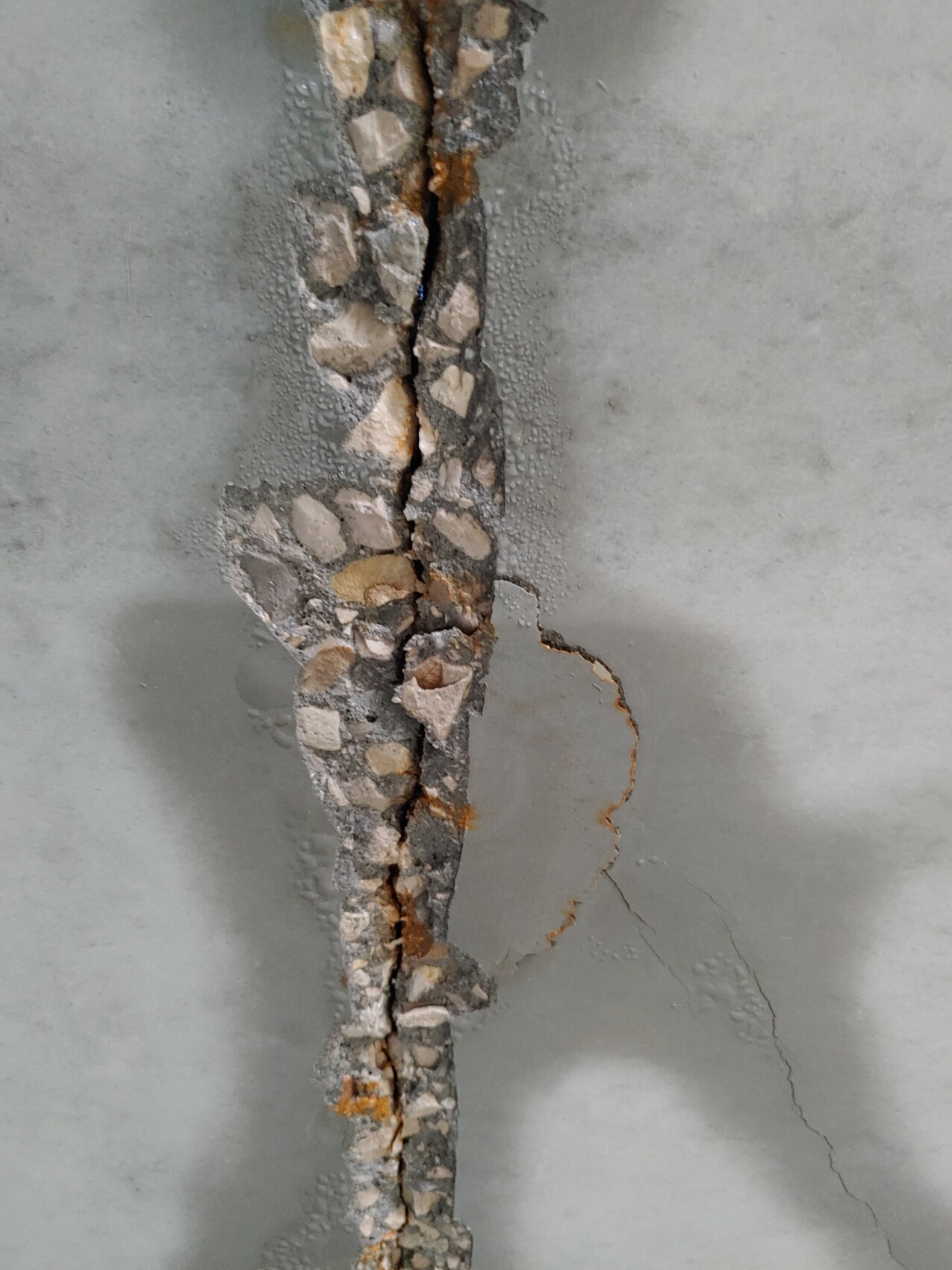
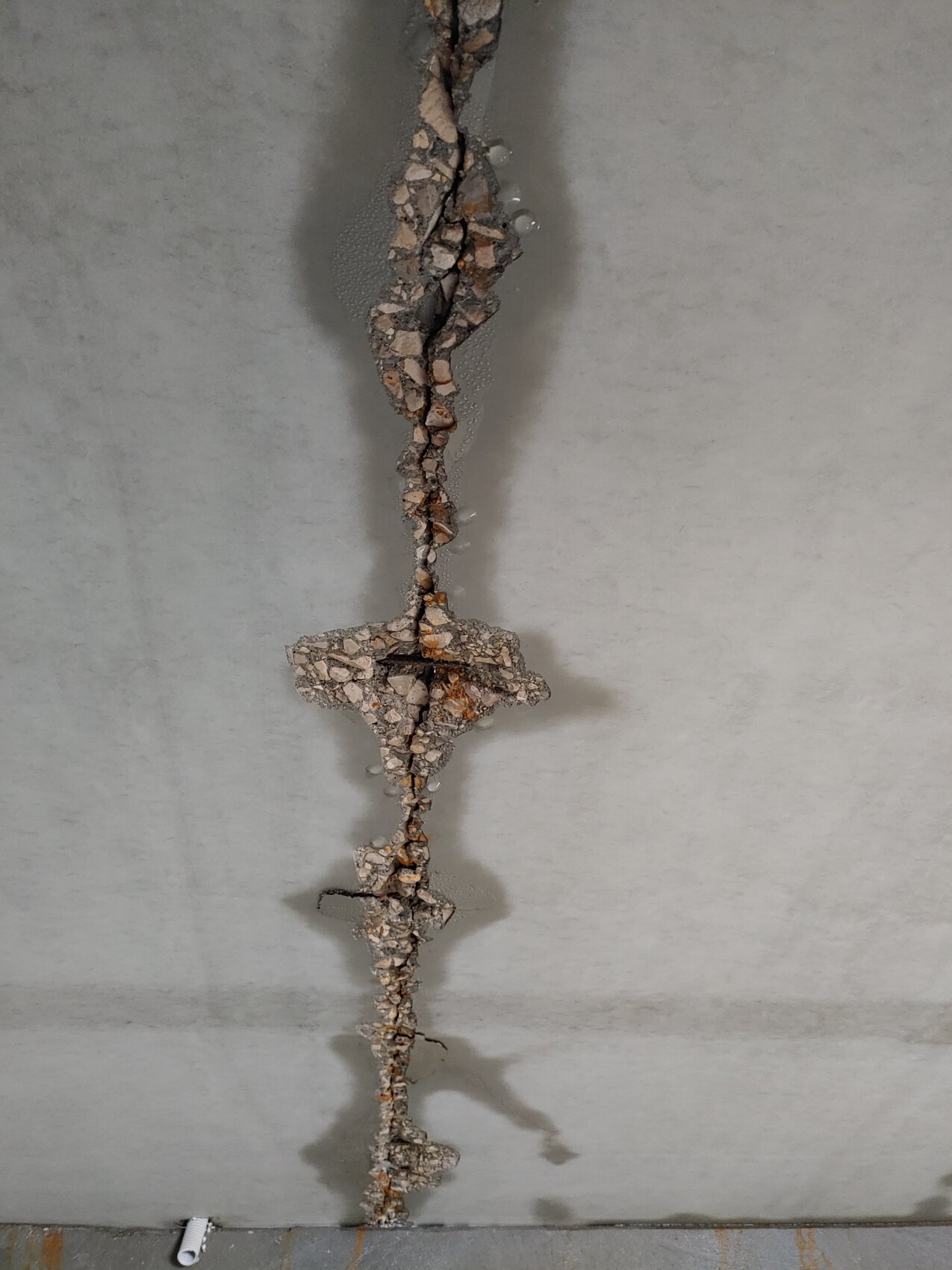
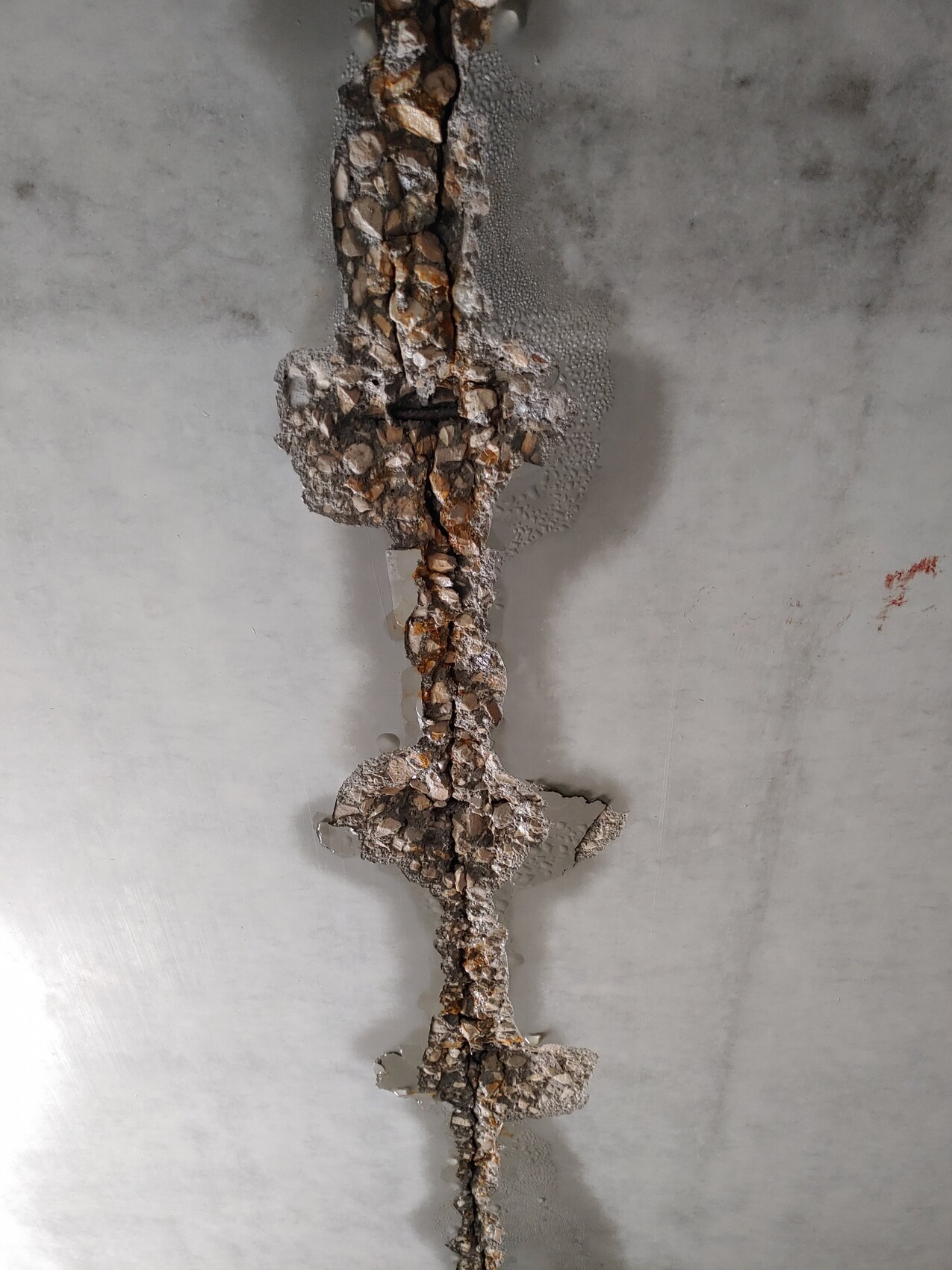
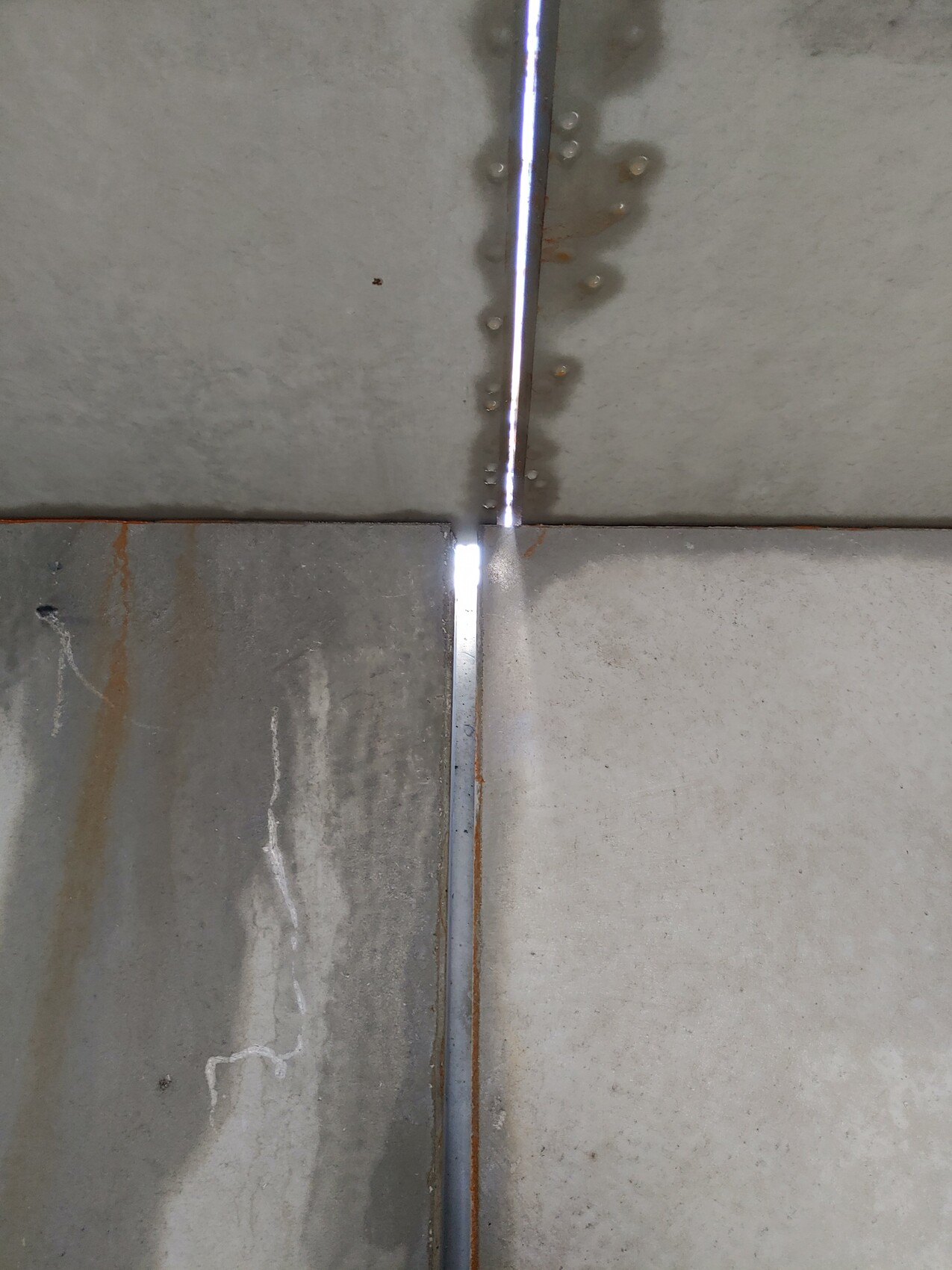
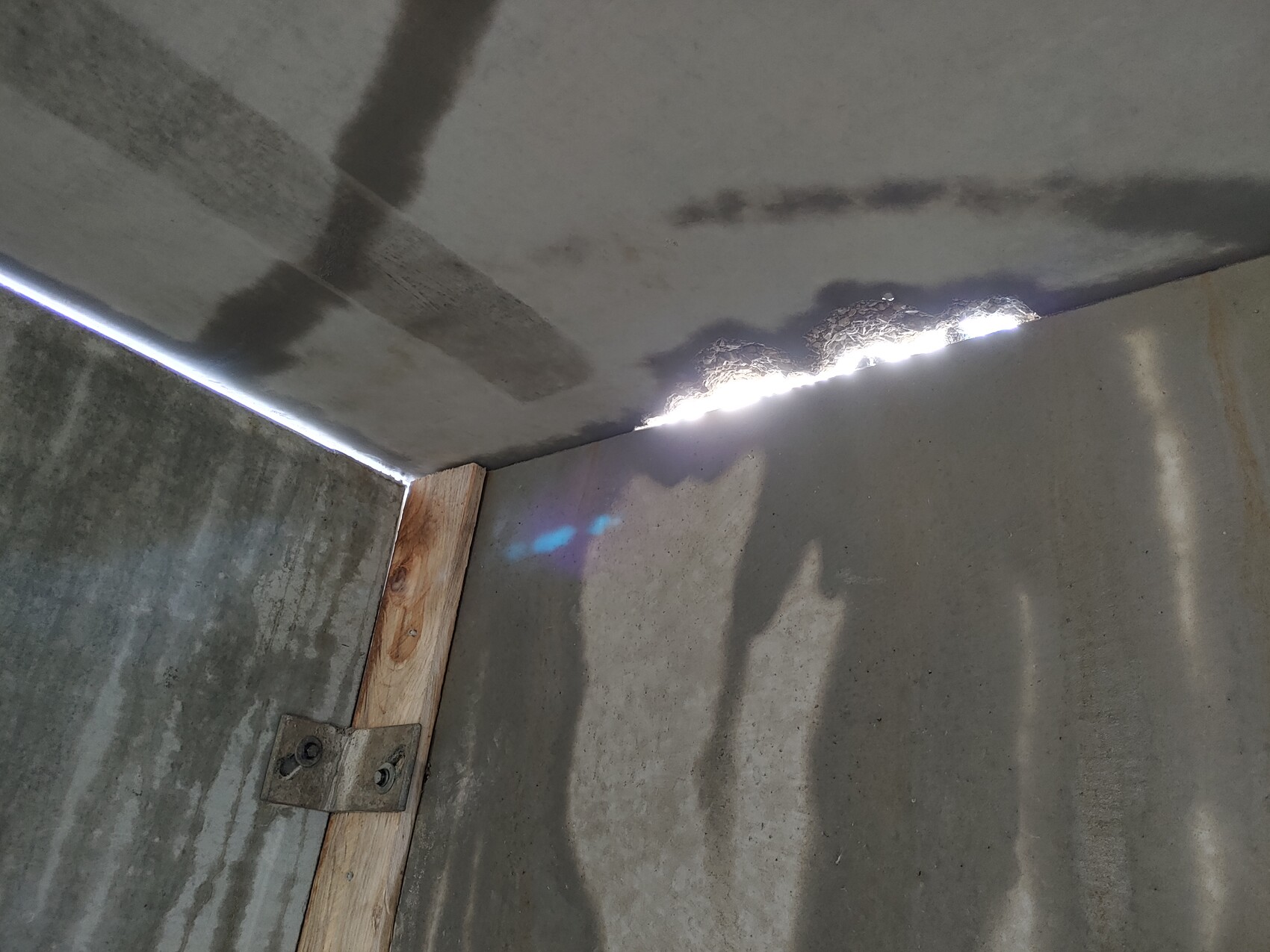
Yesterday, I visited our precast basement for the first time before the concrete was poured for the basement ceiling. Two things stood out to me negatively. First, some of the joints seemed quite wide in my opinion. Second, it looks like two concrete elements got slightly damaged where they were joined during installation, and now the concrete is crumbling in that area.
When I asked, the site supervisor said that cast-in-place concrete will still be poured into the joints everywhere, and the crumbly spot will be filled and smoothed out.
Does anyone have experience with whether this is acceptable? For me, it’s less about the appearance (it’s a utility basement) and more about whether this might just be sloppy workmanship or even a structural concern.
We’ll see how it looks after the concrete pour. I’m meeting with the construction manager for the inspection this afternoon but wanted to get your opinions beforehand.
Regards,
King Julien
 KingJulien28 Oct 2020 20:30
Also,
@11ant: This is a ceiling element. The elements form a kind of box with the walls, with reinforcement on top, onto which in-situ concrete is poured. This creates the basement ceiling and “solidifies” the hollow exterior walls. I don’t know the exact term for this, but I hope it’s clear.
The supposed handover today turned out to be a site meeting between the general contractor’s site manager and me. Apparently, the basement contractor does not do the acceptance directly like that… The site manager checked all the measurements to see if anything would prevent placing the house. I did not sign any handover protocol.
The general contractor’s site manager spoke with the basement contractor and learned how the damage happened. After setting the element in place, the lifting chain got caught on the reinforcement and apparently lifted it slightly, causing it to fall back down and develop a crack.
I also talked to the district manager of the basement contractor. He said the crack is unproblematic since it runs in the direction of the ceiling span (or opposite to the reinforcement direction), essentially like a joint. Structurally it should be safe, and I will receive a written statement/declaration of no concerns/whatever from the structural engineer. I had to interrupt the call for an appointment, so we will talk again tomorrow.
Today I took some more photos. Everything is now filled in. I don’t know how deep the filler goes, though. Maybe I will drill into one of the filler joints to check. Otherwise: two walls and one door are slightly out of level, and two corners are slightly off a right angle. I have no idea what the tolerances are for this.
What are my options now?
As I said, a formal handover is normally not planned. I only have a “construction status verification” form, where I can (and will) enter “remaining work/remarks.”
Ideally, I want to bring in a building surveyor short-term to do a mock handover with me or just professionally document the defects again. They could also tell me if the basement contractor is giving me nonsense. I assume they would also know what steps to take next.
Any other tips?
Alright, that’s it for today.
@11ant: This is a ceiling element. The elements form a kind of box with the walls, with reinforcement on top, onto which in-situ concrete is poured. This creates the basement ceiling and “solidifies” the hollow exterior walls. I don’t know the exact term for this, but I hope it’s clear.
The supposed handover today turned out to be a site meeting between the general contractor’s site manager and me. Apparently, the basement contractor does not do the acceptance directly like that… The site manager checked all the measurements to see if anything would prevent placing the house. I did not sign any handover protocol.
The general contractor’s site manager spoke with the basement contractor and learned how the damage happened. After setting the element in place, the lifting chain got caught on the reinforcement and apparently lifted it slightly, causing it to fall back down and develop a crack.
I also talked to the district manager of the basement contractor. He said the crack is unproblematic since it runs in the direction of the ceiling span (or opposite to the reinforcement direction), essentially like a joint. Structurally it should be safe, and I will receive a written statement/declaration of no concerns/whatever from the structural engineer. I had to interrupt the call for an appointment, so we will talk again tomorrow.
Today I took some more photos. Everything is now filled in. I don’t know how deep the filler goes, though. Maybe I will drill into one of the filler joints to check. Otherwise: two walls and one door are slightly out of level, and two corners are slightly off a right angle. I have no idea what the tolerances are for this.
What are my options now?
As I said, a formal handover is normally not planned. I only have a “construction status verification” form, where I can (and will) enter “remaining work/remarks.”
Ideally, I want to bring in a building surveyor short-term to do a mock handover with me or just professionally document the defects again. They could also tell me if the basement contractor is giving me nonsense. I assume they would also know what steps to take next.
Any other tips?
Alright, that’s it for today.
Hello,
Maybe I can help better with a few more pictures. If possible, I’d gladly give it a try. But first, a question:
Are the walls not cast with concrete beforehand but together with the ceiling?
Is there a chance of water coming in from the outside there?
In principle, the joints in both the walls and the ceilings are normal and not problematic. A "drain board" should be anchored there to prevent the concrete from leaking out.
If I can support you from a distance, I will do my best.
Please take pictures from several angles, including from above the ceiling and into the walls. Pictures of the walls from the outside would also be helpful.
Best regards,
Jann
Maybe I can help better with a few more pictures. If possible, I’d gladly give it a try. But first, a question:
Are the walls not cast with concrete beforehand but together with the ceiling?
Is there a chance of water coming in from the outside there?
In principle, the joints in both the walls and the ceilings are normal and not problematic. A "drain board" should be anchored there to prevent the concrete from leaking out.
If I can support you from a distance, I will do my best.
Please take pictures from several angles, including from above the ceiling and into the walls. Pictures of the walls from the outside would also be helpful.
Best regards,
Jann
KingJulien29 Oct 2020 07:16Jann St schrieb:
If I can support you from a distance, I will try.Thank you very much! I will upload some from yesterday when I have time.
N
Nice-Nofret29 Oct 2020 09:40Find a competent construction supervisor; this is a worthwhile investment.
KingJulien29 Oct 2020 13:29Jann St schrieb:
The walls are not poured before but together with the ceiling? The exterior walls were hollow and poured together with the ceiling.
However, the wall shown in the photo is an interior wall.
Jann St schrieb:
Is there expected to be water from outside? The groundwater is far away. We are installing a drainage system against rainwater.
The floor slab and walls are made of waterproof concrete, C25/30 grade (whatever that means).
Jann St schrieb:
Please take photos from several angles, including from above showing the ceiling and inside the walls. Also photos of the walls from the outside would be appreciated. Photos from inside are no longer possible, since it has already been poured.
But I’m happy to upload some more photos once I’m at the PC. Somehow it doesn’t work for me from my phone.
Okay, I’m not familiar with the walls being concreted together with the ceiling like that, but as long as nothing cracks from the increased concrete pressure at the bottom, everything should be fine.
It will probably stay dry, but I think that’s due to the exterior setup and the drainage, not the cellar structure itself. Maybe you could consider explicitly sealing the joints from the outside.
Do you have a contract excerpt detailing exactly what is being promised?
Best regards,
Jann
KingJulien schrieb:Yeah, well, it’s a tricky topic. Waterproof concrete basically doesn't really exist or isn’t much use on its own. The structure has to be watertight. But if it’s just rainwater, meaning the load case is "temporarily accumulating seepage water," and you have drainage for that, maybe that’s enough. What concerns me are the joints between the prefabricated elements since due to the construction method, a separation crack will form there unless an exceptionally strong, rigid bending connection was made.
Floor slab and walls are made of waterproof concrete, C25/30 grade (whatever that means)
It will probably stay dry, but I think that’s due to the exterior setup and the drainage, not the cellar structure itself. Maybe you could consider explicitly sealing the joints from the outside.
Do you have a contract excerpt detailing exactly what is being promised?
Nice-Nofret schrieb:Exactly! Often money is paid for things that never actually get done. As a layperson, you can never be sure that everything is built according to the latest standards. There are many pitfalls and often some financial issues, which is why an independent site manager really pays off. Even just for peace of mind.
Find a competent building supervisor; it’s a worthwhile investment.
Best regards,
Jann
Similar topics