
We have been using our Viessmann heat pump for a few weeks now. So far, it only needed to provide cooling and hot water, but now that the nights and days are getting colder, we noticed that the ground loop pipe has developed a thick layer of ice, especially in areas where there is little or no insulation on the pipe. During the day, the ice melts and drips, making the floor wet.
I thought this was due to insufficient insulation, and that fully and properly insulating the pipes should solve the problem. However, I recently read that while insulation may help prevent icing, it doesn’t address the root cause, and that this kind of ice buildup isn’t normal. Does anyone have experience with this?
I thought this was due to insufficient insulation, and that fully and properly insulating the pipes should solve the problem. However, I recently read that while insulation may help prevent icing, it doesn’t address the root cause, and that this kind of ice buildup isn’t normal. Does anyone have experience with this?
S
Stadtvilla1929 Sep 2020 21:21Can you tell me more about the heat pump, specifically the difference between the Fixed version and the other one? Feel free to message me privately. We signed our contract for the building services back at the end of 2018, and it specified a 333G unit. According to the company, Viessmann launched a new generation of heat pumps in early 2019, and the old 333G model is now called the 222G, while the 333G was completely redesigned. Is that correct? That’s why the company believes we received the system we originally purchased.
Well, in my opinion, if the contract states 333G, that’s what should be delivered. It’s like ordering a Golf and not wanting to receive a Polo just because they have the same engine now, that’s how I see it. But I guess that’s a different issue altogether.
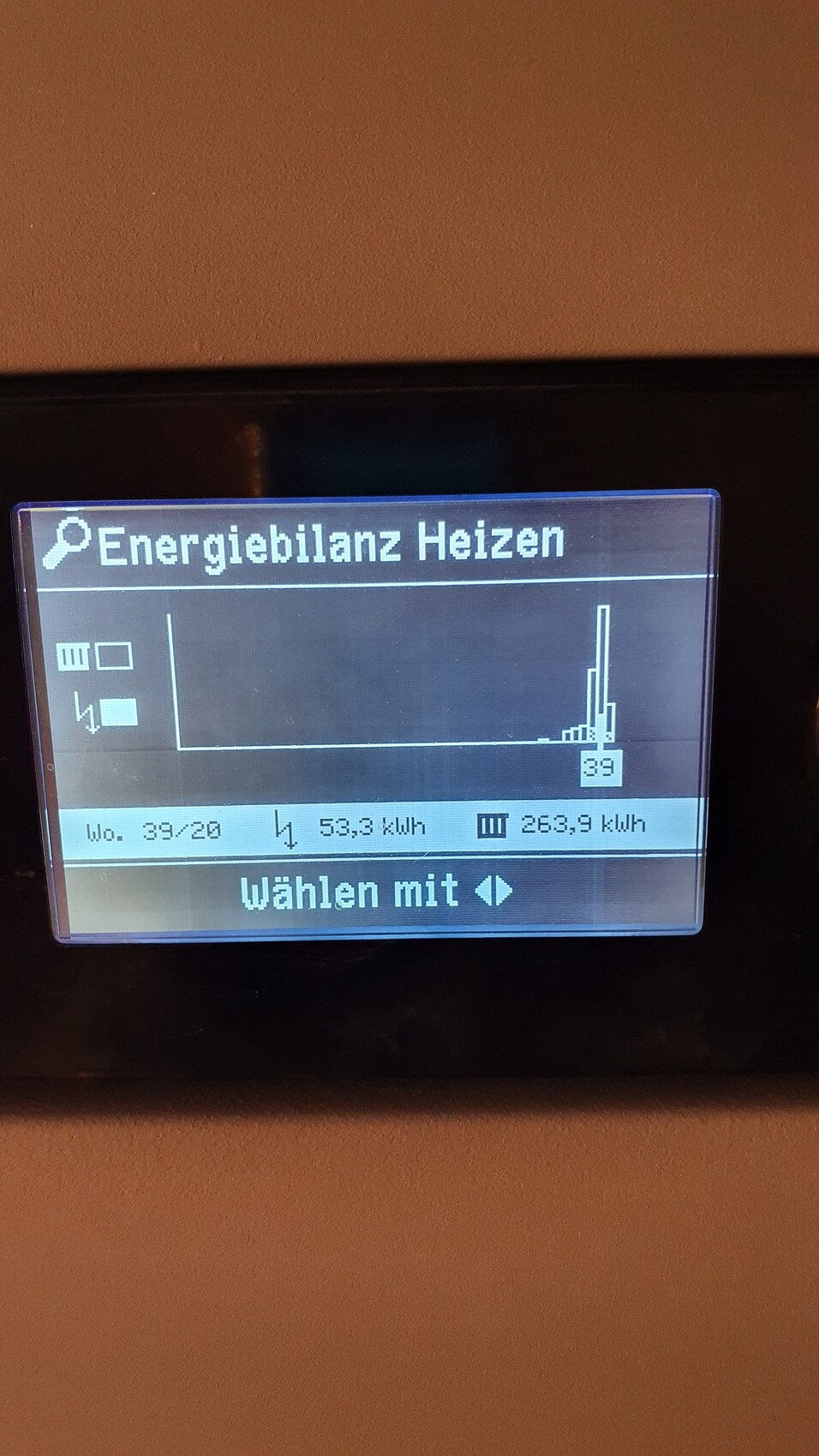
Here are a few pictures of the entire system and maybe some additional useful images I found in the menu—I’m not sure what can be interpreted from them. I’ll take a look at this forum, thanks!
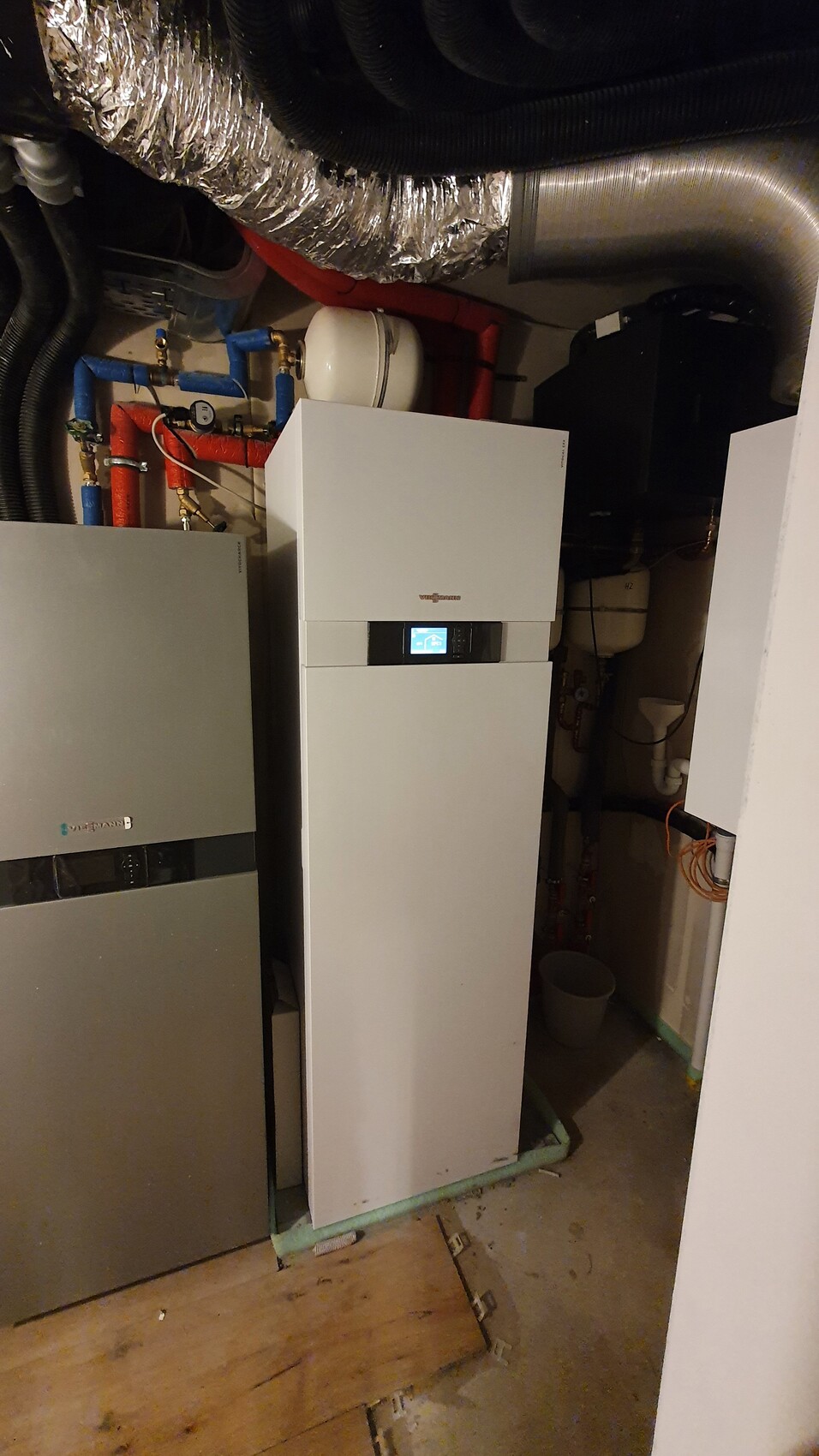
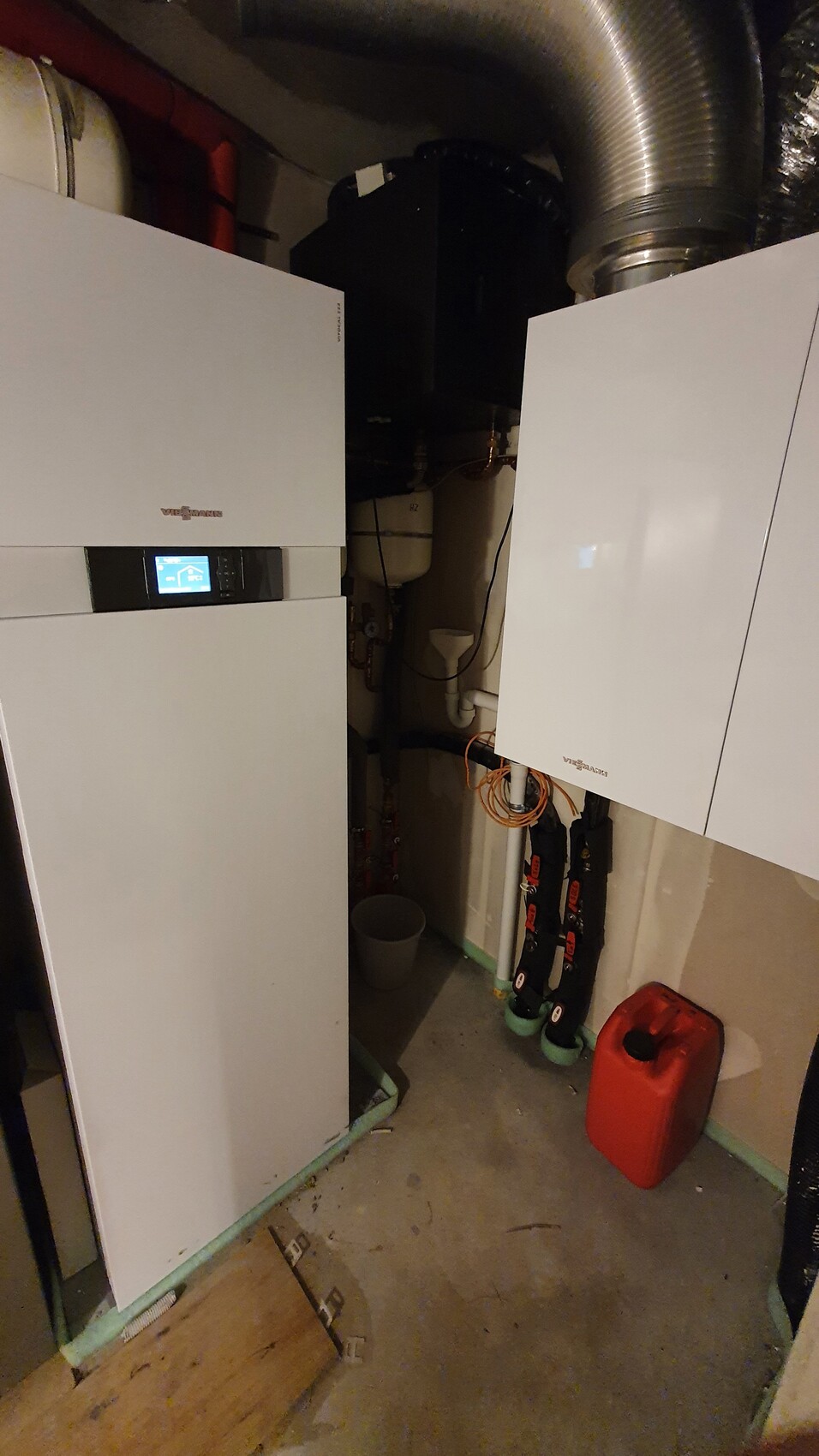
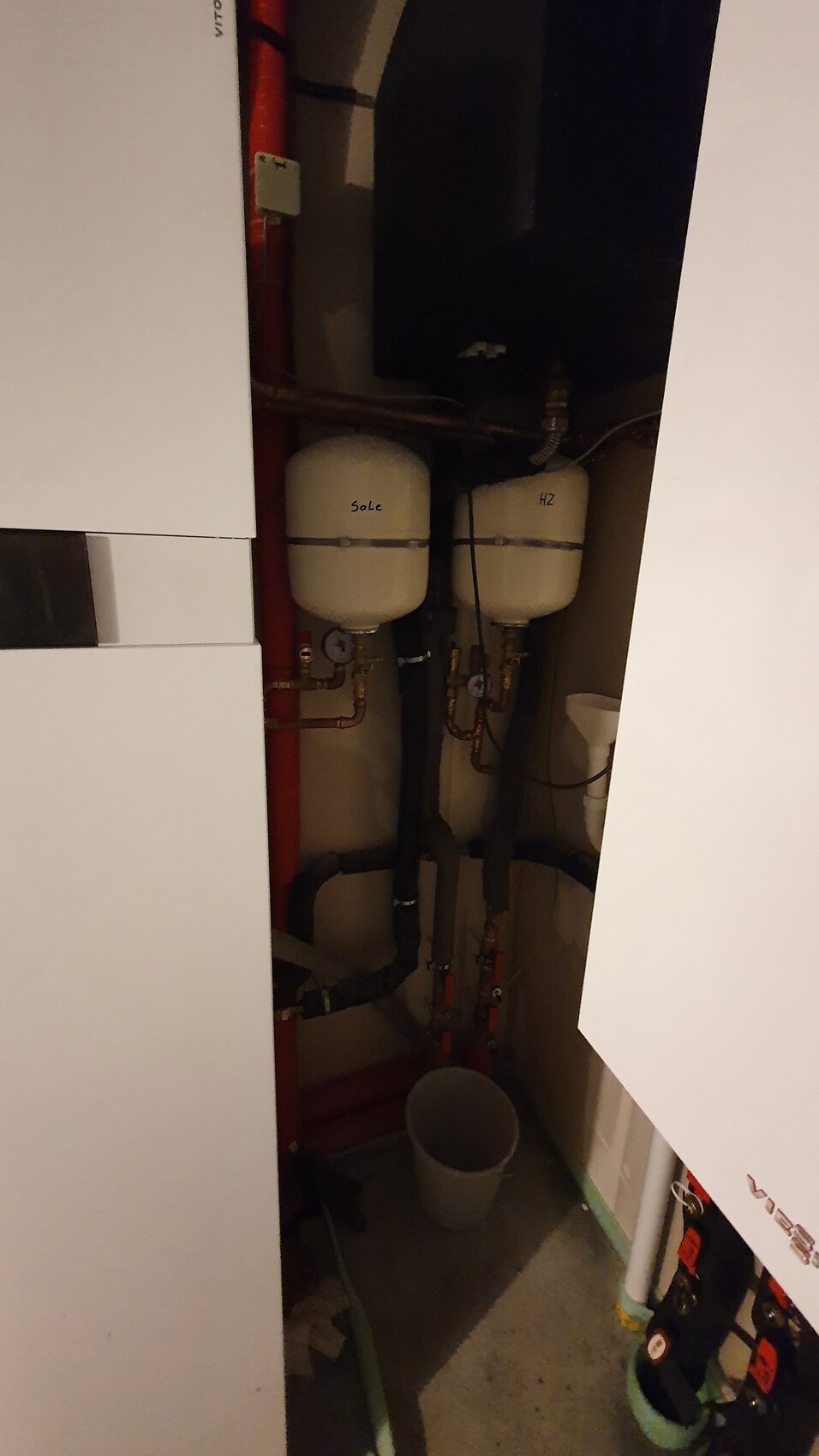
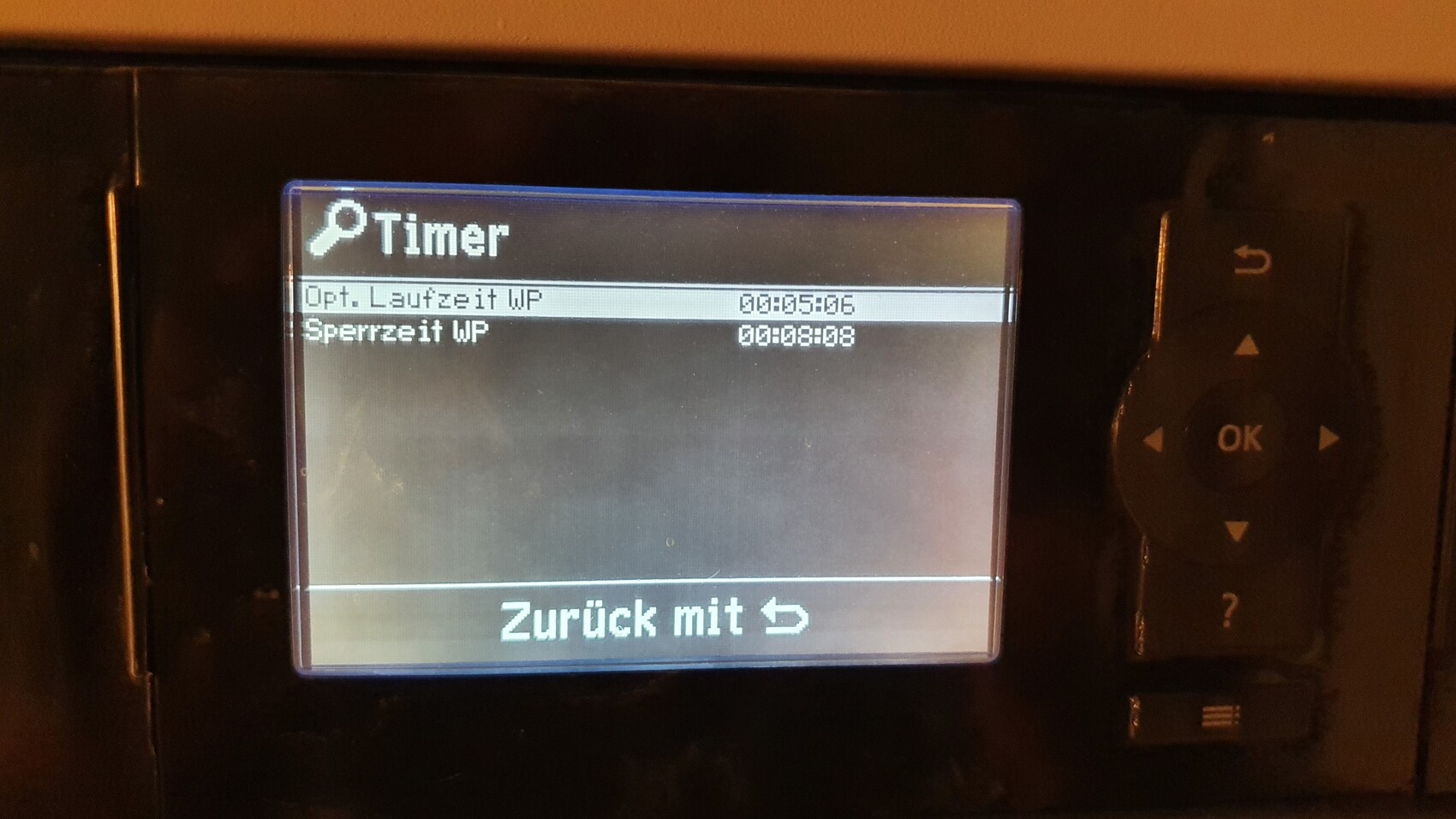
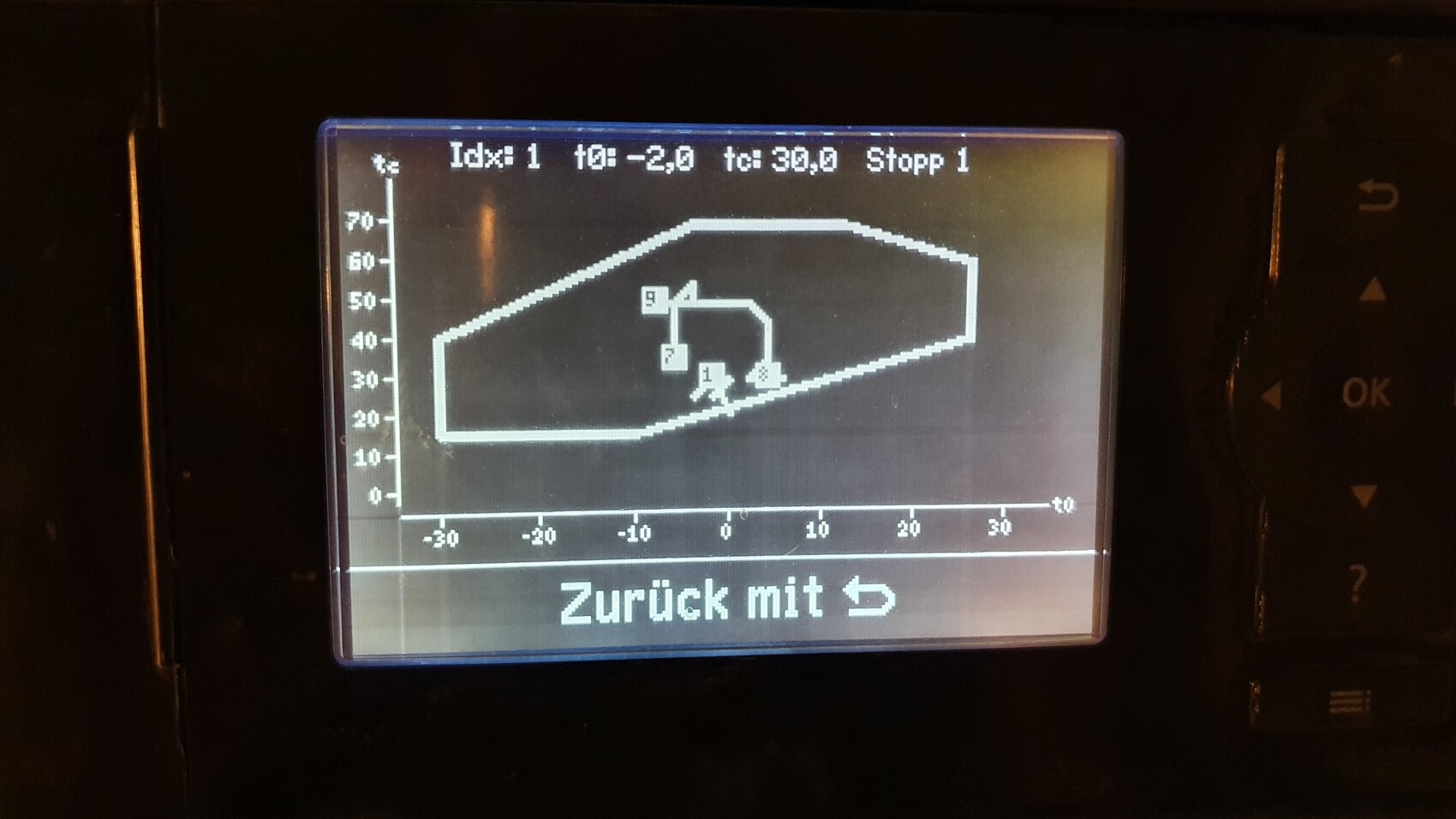
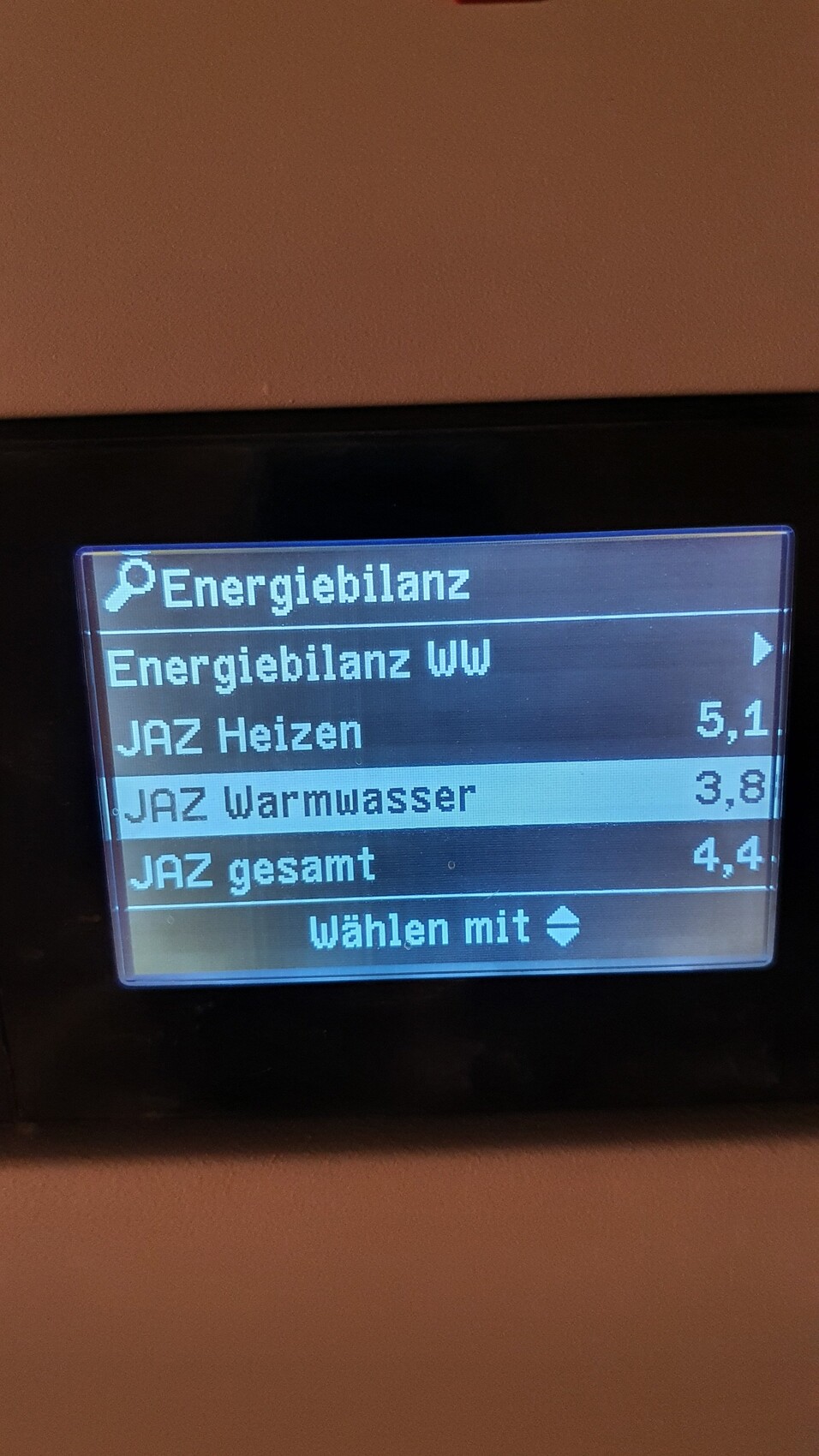
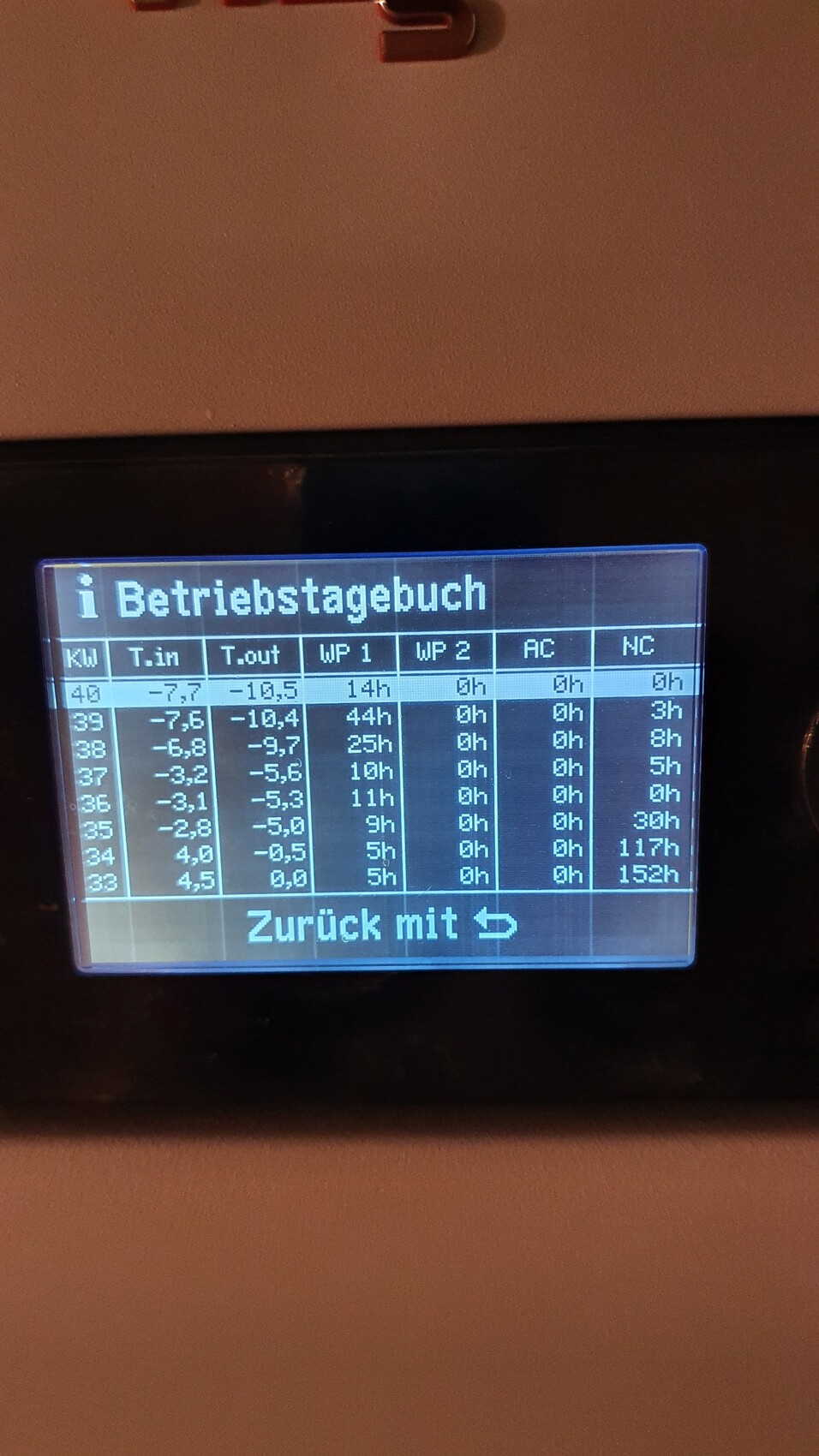
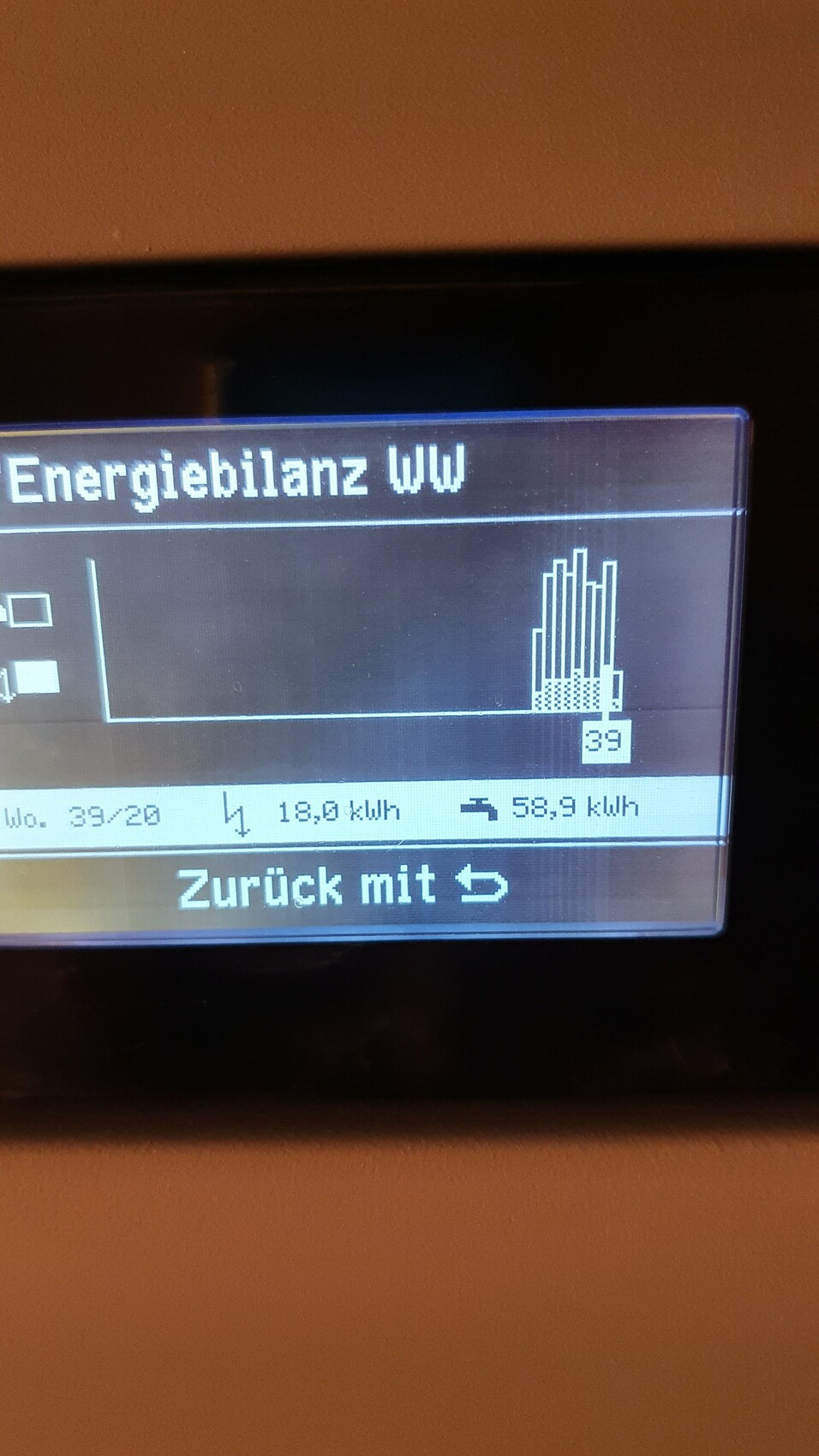
Well, in my opinion, if the contract states 333G, that’s what should be delivered. It’s like ordering a Golf and not wanting to receive a Polo just because they have the same engine now, that’s how I see it. But I guess that’s a different issue altogether.
Here are a few pictures of the entire system and maybe some additional useful images I found in the menu—I’m not sure what can be interpreted from them. I’ll take a look at this forum, thanks!
N
neo-sciliar30 Sep 2020 09:5144 hours of compressor runtime and 260 kWh in one week in September is not normal, and this also explains the freezing issue. Take a look at H.’s values. In the last 4 weeks, I’ve had a total compressor runtime of 6 hours. These are normal figures.
So the question is: why is the compressor running so much? I suspect you don’t have 30°C (86°F) inside the house, and your domestic hot water isn’t set to 60°C (140°F). What is the average runtime of the compressor? Does it run frequently for short periods, or rarely for long periods? What is your system setup – do you have a buffer tank or does it go directly into the underfloor heating? Are you seeing any error messages on the brine-to-water heat pump?
So the question is: why is the compressor running so much? I suspect you don’t have 30°C (86°F) inside the house, and your domestic hot water isn’t set to 60°C (140°F). What is the average runtime of the compressor? Does it run frequently for short periods, or rarely for long periods? What is your system setup – do you have a buffer tank or does it go directly into the underfloor heating? Are you seeing any error messages on the brine-to-water heat pump?
S
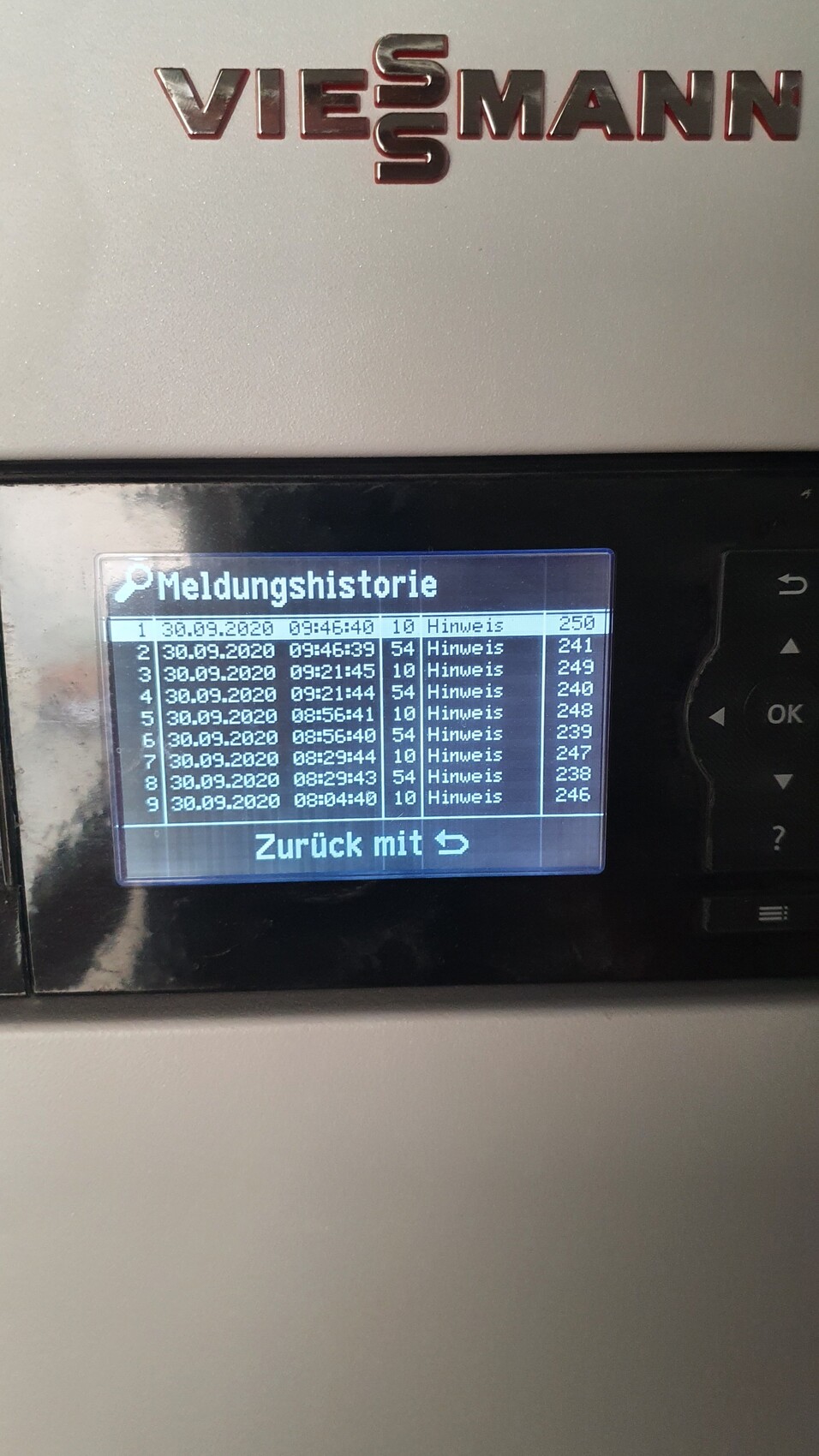
Stadtvilla1930 Sep 2020 10:06No, we have 22 degrees Celsius (72°F) inside the house and the hot water is set to 42 degrees Celsius (108°F). I believe it goes directly into the underfloor heating without a buffer tank. The system often runs only for short periods. Here is a picture of the error history. It’s always error code 54, indicating that the flow temperature is too low, and error code 10 means the compressor is off.
N
neo-sciliar30 Sep 2020 10:19Stadtvilla19 schrieb:
No, we have 22 degrees Celsius (72°F) inside the house and the hot water is set to 42°C (108°F). I believe it goes straight into the underfloor heating without a storage tank. The system often only runs briefly. Here is a picture of the error log. It’s always warning 54 that the flow temperature is too low, and warning 10 means the compressor is off. Something is fundamentally wrong. Try turning off the cooling completely; it might be interfering. Can you read out the settings for the control curves (flow and return)? Do you have any error codes?
Similar topics