
ᐅ Q2 Plaster Cracks / Minor Defects – Are They Considered Deficiencies or Acceptable?
Created on: 23 Jul 2020 14:07
K
kati1337
Hello everyone!
Now that the plaster is slowly drying, we have noticed some isolated cracks on a few walls. I am attaching some photos.
Do you think this is still within the normal range for Q2 plaster finish? Or should we raise this as an issue?
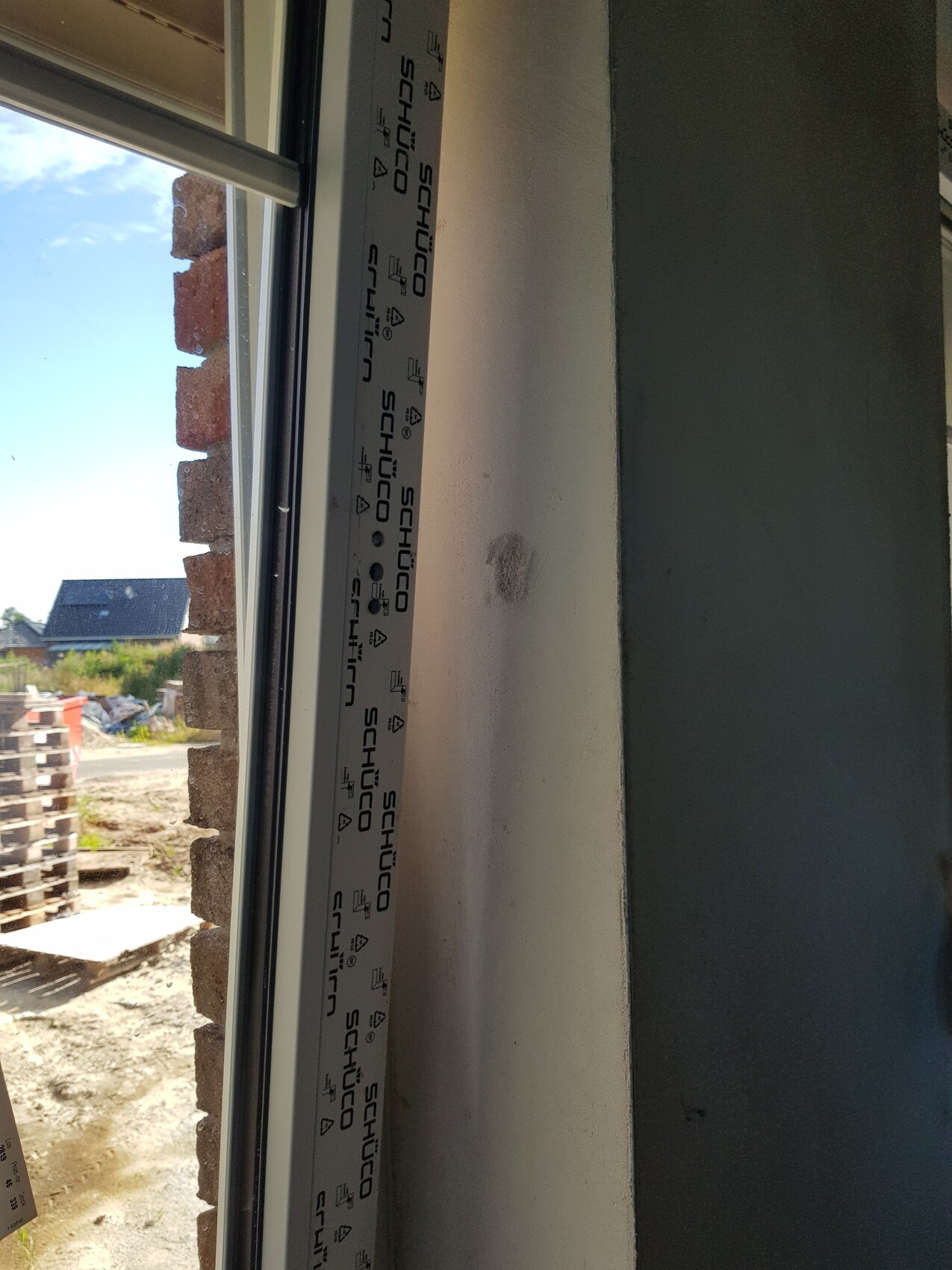
The one near the window is the only larger dent I have found so far, but I haven't been to the upper floor yet since the last two times at the site there was no ladder. I think someone might have bumped into it with something while the plaster was still wet?
Would you consider that a defect?
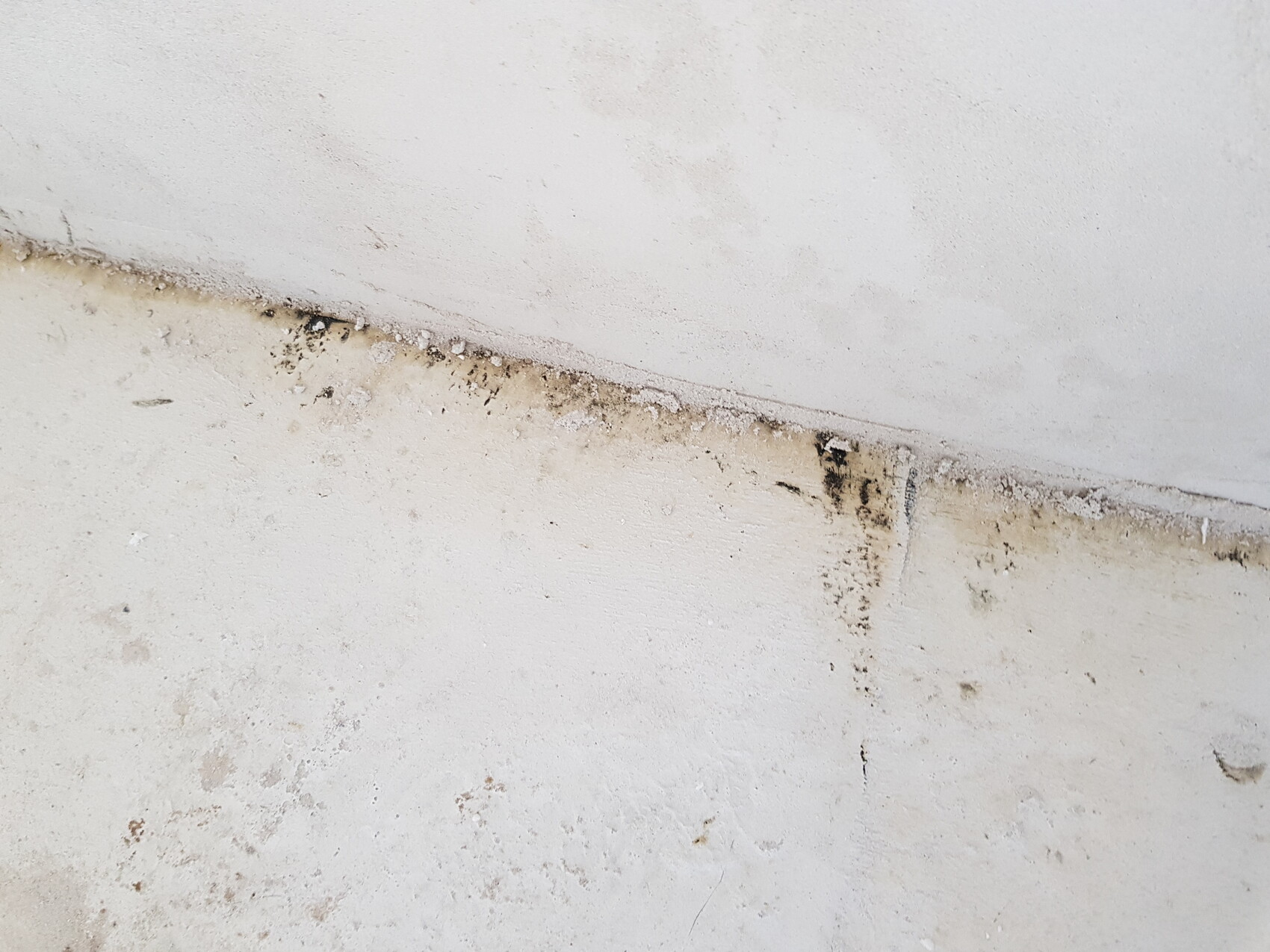
We also noticed some black discoloration on the ground floor floor – could that be mold? I find it hard to believe since it was only on the floor in the corners (no signs on walls or ceilings). If it is mold, does it matter if it’s under the screed? It shouldn’t come through later, right?
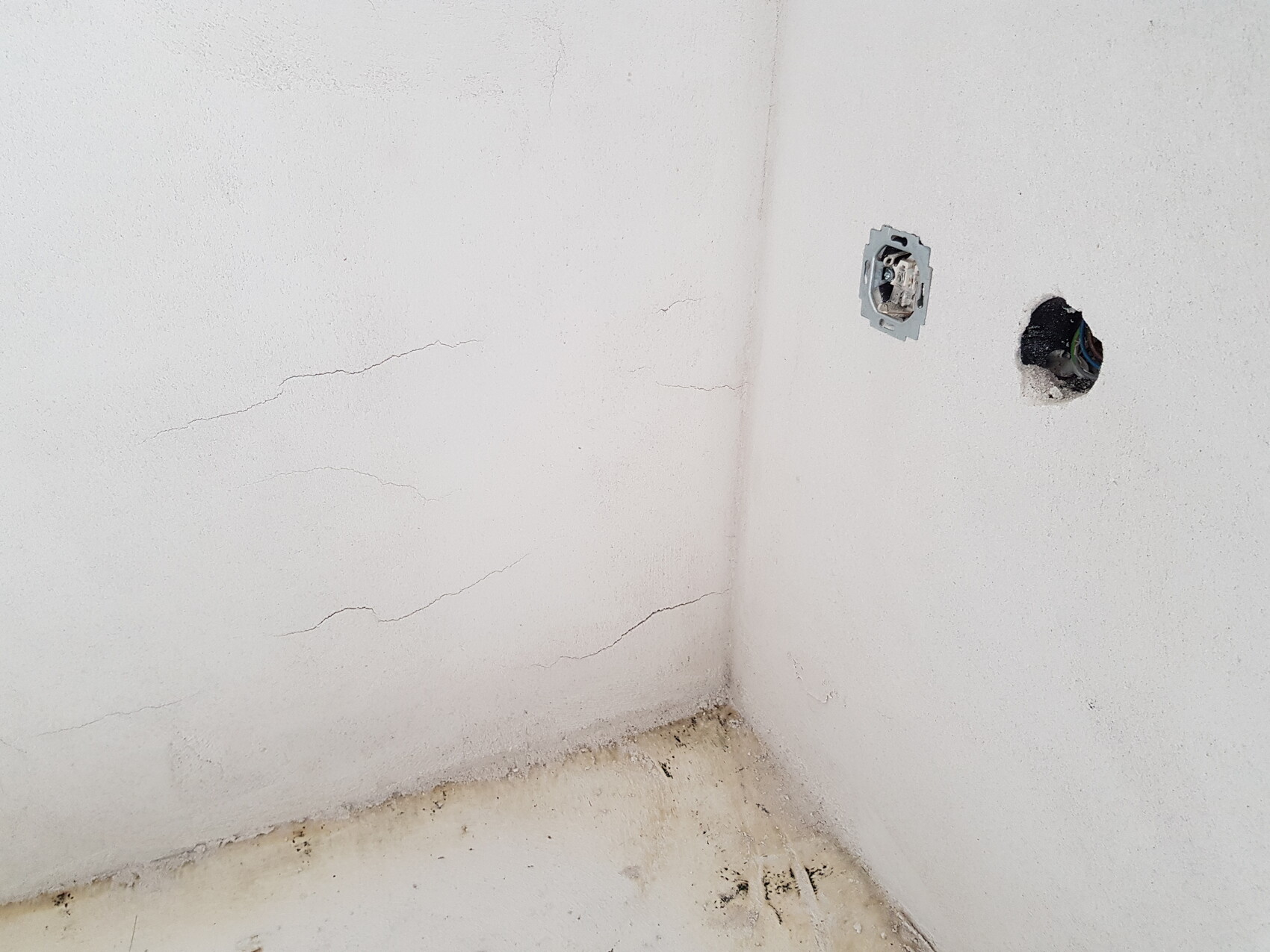
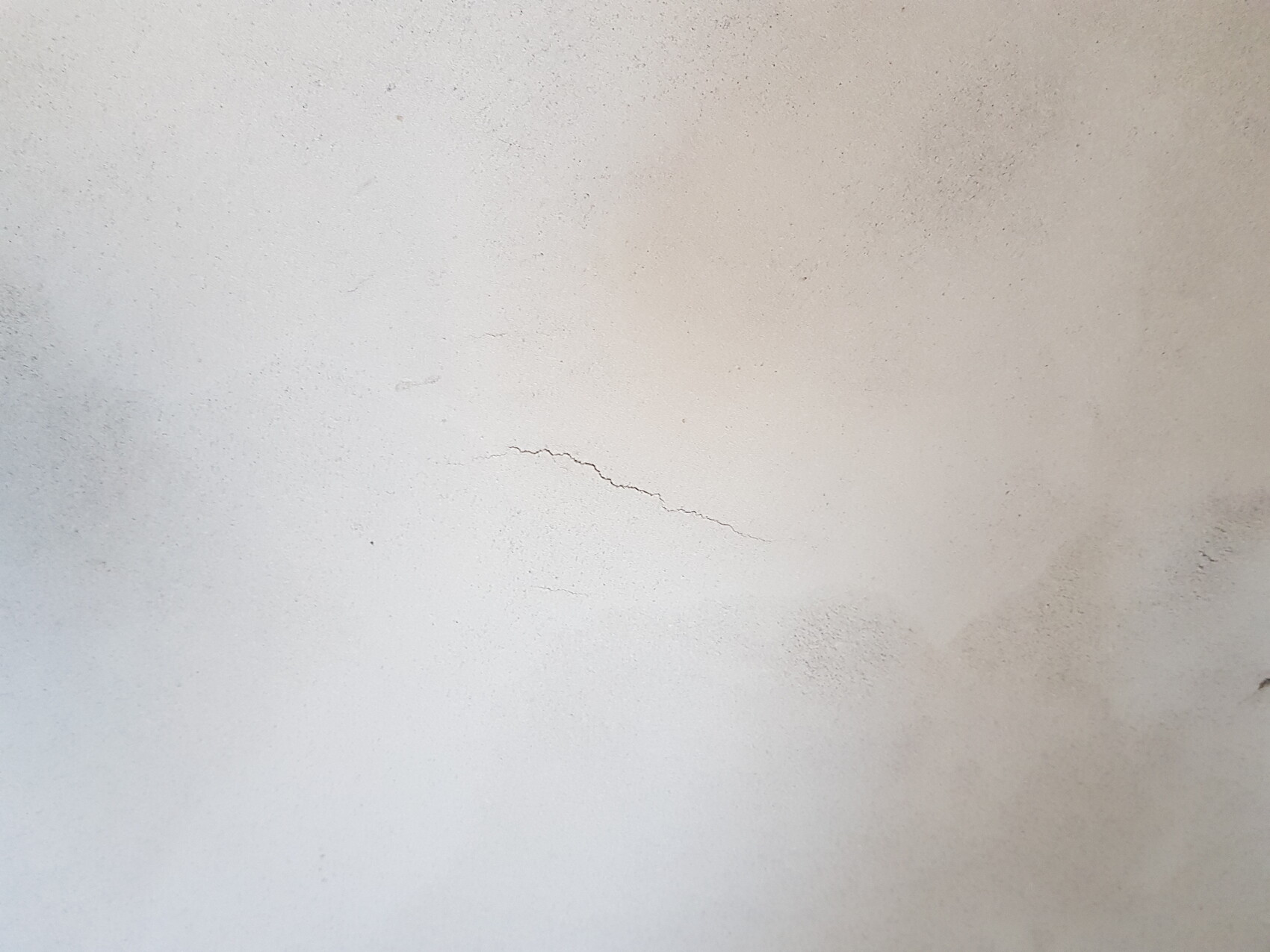
Now that the plaster is slowly drying, we have noticed some isolated cracks on a few walls. I am attaching some photos.
Do you think this is still within the normal range for Q2 plaster finish? Or should we raise this as an issue?
The one near the window is the only larger dent I have found so far, but I haven't been to the upper floor yet since the last two times at the site there was no ladder. I think someone might have bumped into it with something while the plaster was still wet?
Would you consider that a defect?
We also noticed some black discoloration on the ground floor floor – could that be mold? I find it hard to believe since it was only on the floor in the corners (no signs on walls or ceilings). If it is mold, does it matter if it’s under the screed? It shouldn’t come through later, right?
 bauenmk202027 Sep 2020 15:04
Especially with statements (which we are also familiar with) like “the painter will take care of that later...”, it is important to ask exactly what this means when you are the one doing the painting yourself.
All the Q values can be confusing. In the end, you can really only “feel” the Q.
All the Q values can be confusing. In the end, you can really only “feel” the Q.
bauenmk2020 schrieb:
In the end, you can really only "feel" the Q. Or the number: Q2 is a substrate level suitable for wallpaper or fleece coverings. These cover shrinkage and settlement cracks. If you do not want that and also want to avoid visible cracks, you need to order Q4.
I don’t agree with that... In Bavaria, 99% of people leave the plaster without wallpaper, and they all use Q2. I stick to my point: with a plasterer who knows his craft, you order Q2, and that’s sufficient without needing anything additional on top!
Fleece is only used here at joints where there is a high risk of tearing, for example, at the inspection shafts of the mechanical ventilation system.
Fleece is only used here at joints where there is a high risk of tearing, for example, at the inspection shafts of the mechanical ventilation system.

I know this completely differently here in the North. Even in our construction specifications, it states that Q2 is only suitable for textured wallpaper. For paintable fleece wallpaper, you would need a higher quality level.
It also seems to me that you can only really "feel" the difference.
Maybe it also depends on the expectations you have for the surface quality of your walls, and perhaps there are regional differences as well?
It also seems to me that you can only really "feel" the difference.
Maybe it also depends on the expectations you have for the surface quality of your walls, and perhaps there are regional differences as well?
Similar topics