
Hello dear forum,
I would like to get some opinions on the waterproofing of our house. Our site manager assures us that it is a "reasonable and watertight execution," arguing that "there is no other way to do it" and "this is how we've always done it, and we've never had any problems."
First, as a quote from the construction specification: "The joints remaining on the interior side between exterior components and the building structure (window frames) are to be completely filled with mineral fiber insulation according to DIN 18355. Alternatively, the installation may be carried out using assembly foam in accordance with the state of the art."
1. Our question is whether the waterproofing and installation of the windows were carried out professionally and according to standard practice (raindriven rain protection?).
Here are pictures of the same window at different stages of construction:
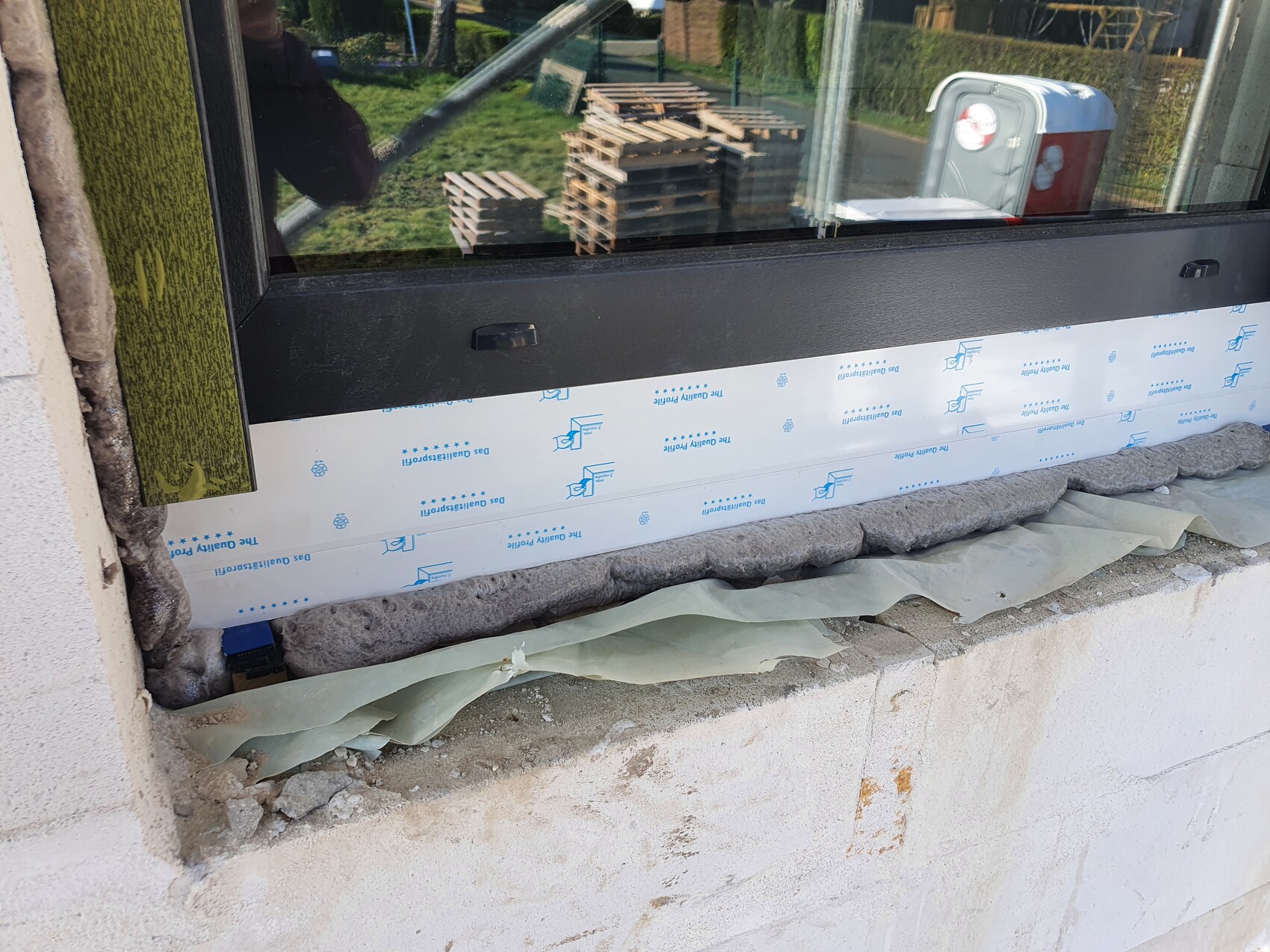
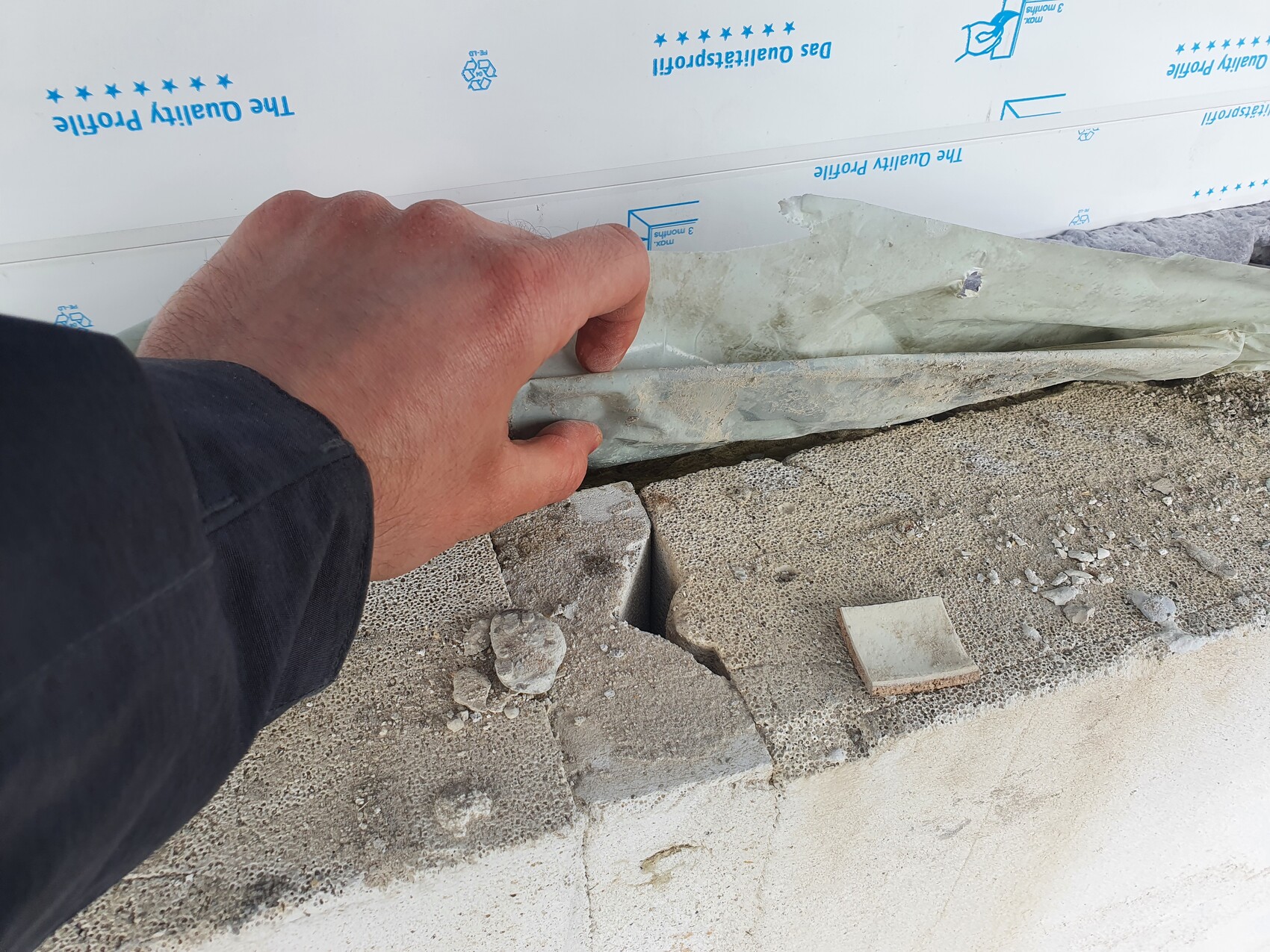
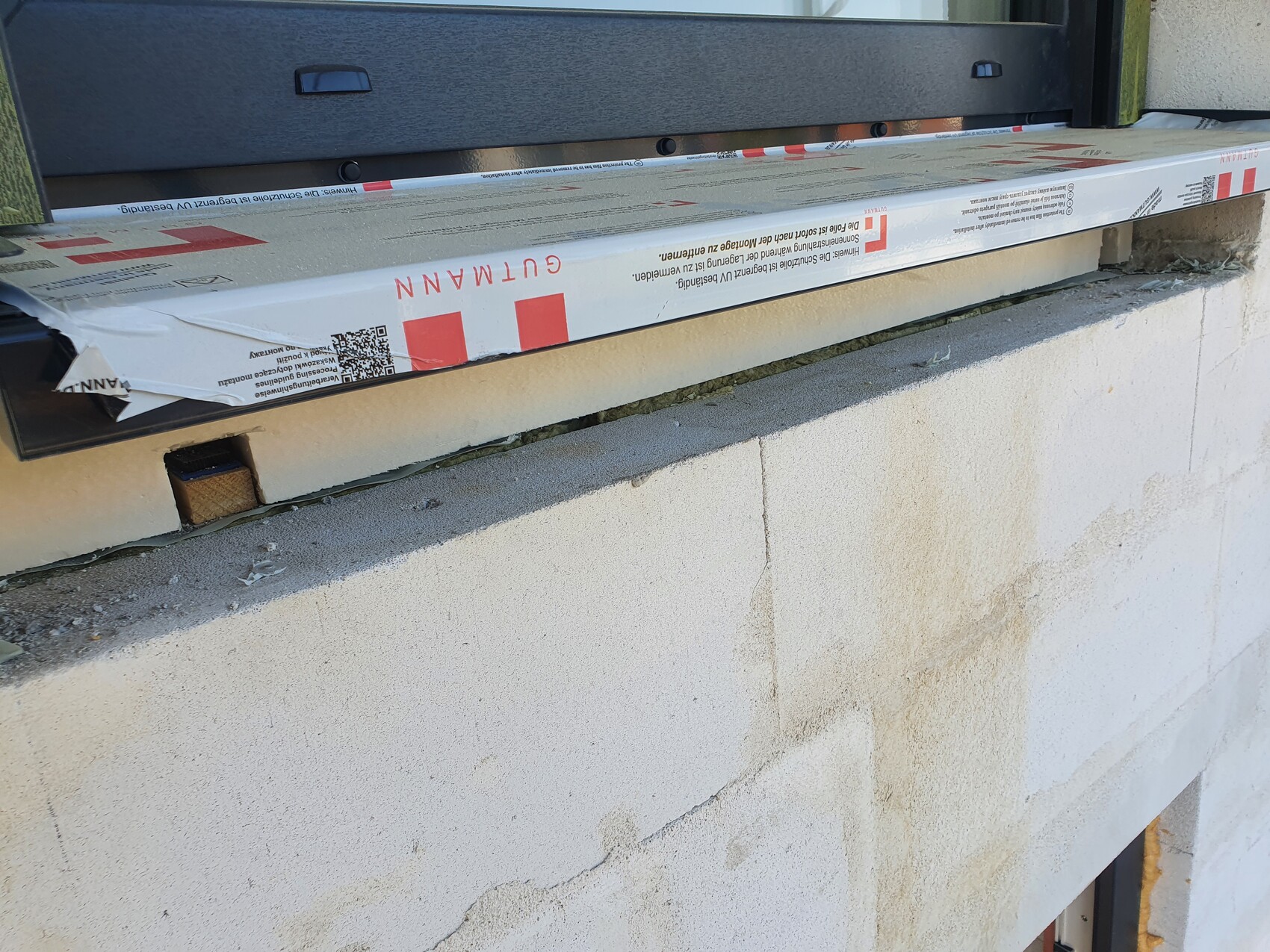
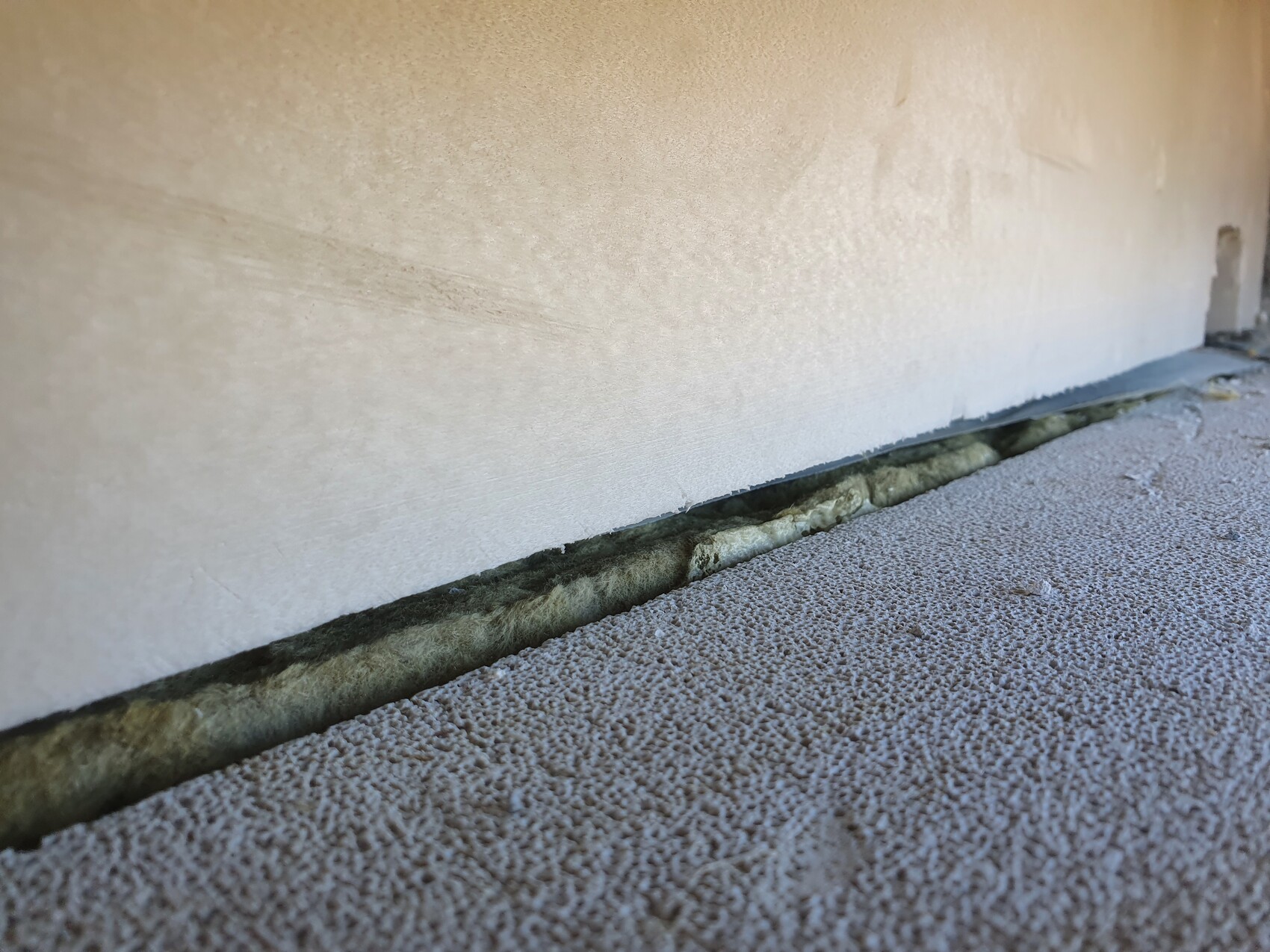
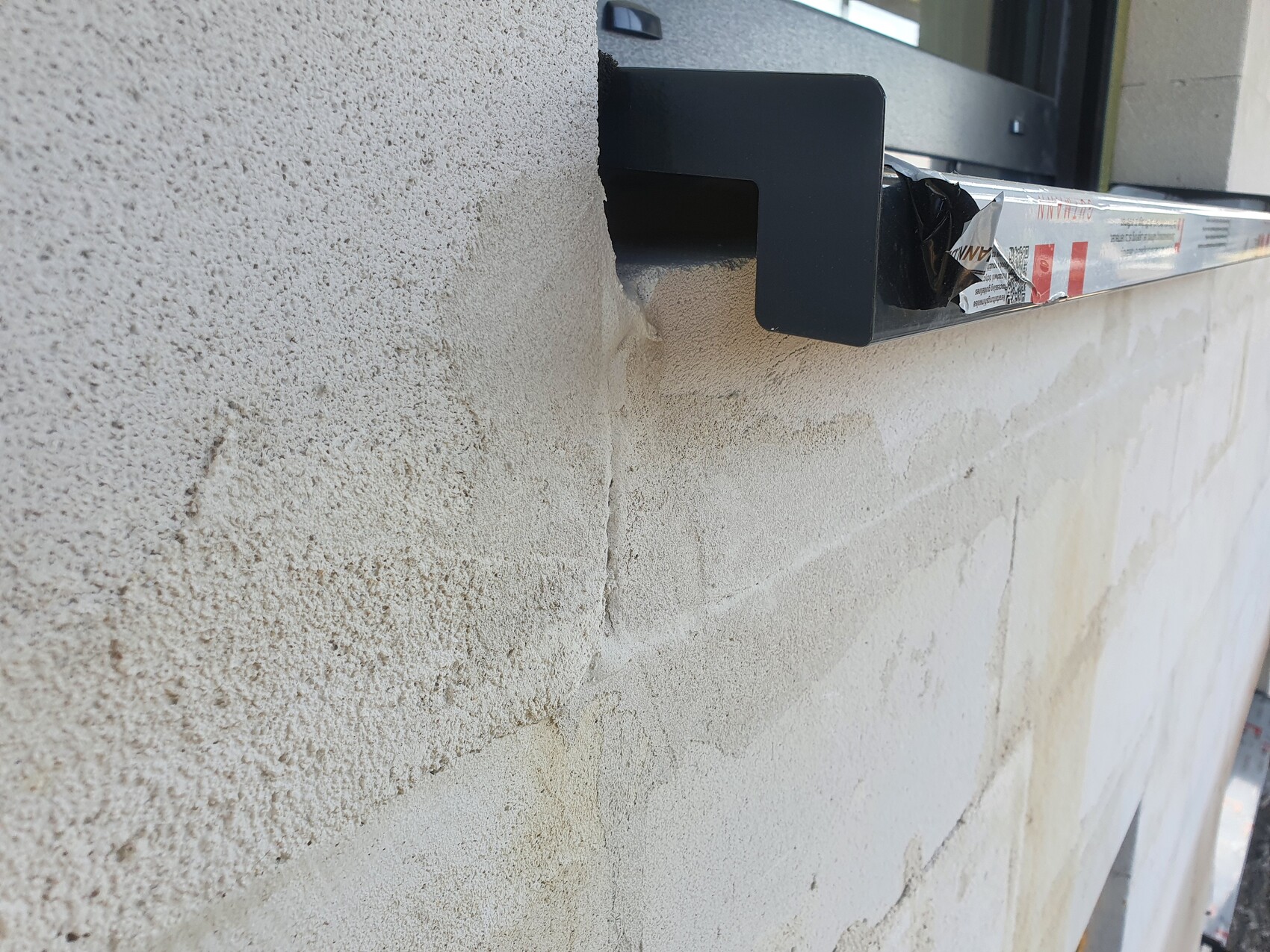
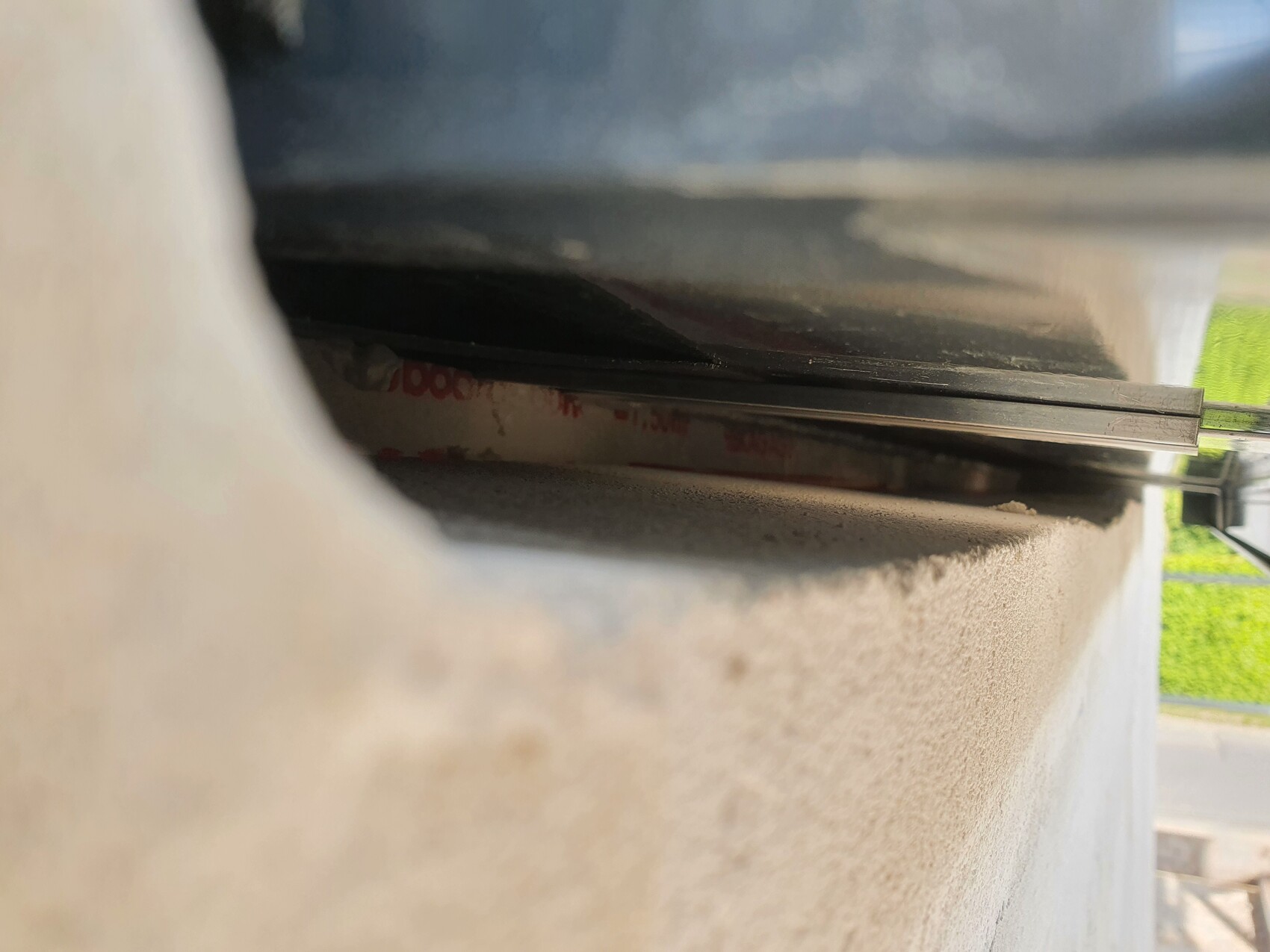
2. Should there have been a secondary waterproofing layer installed under the window sill, before the rigid foam insulation and masonry?
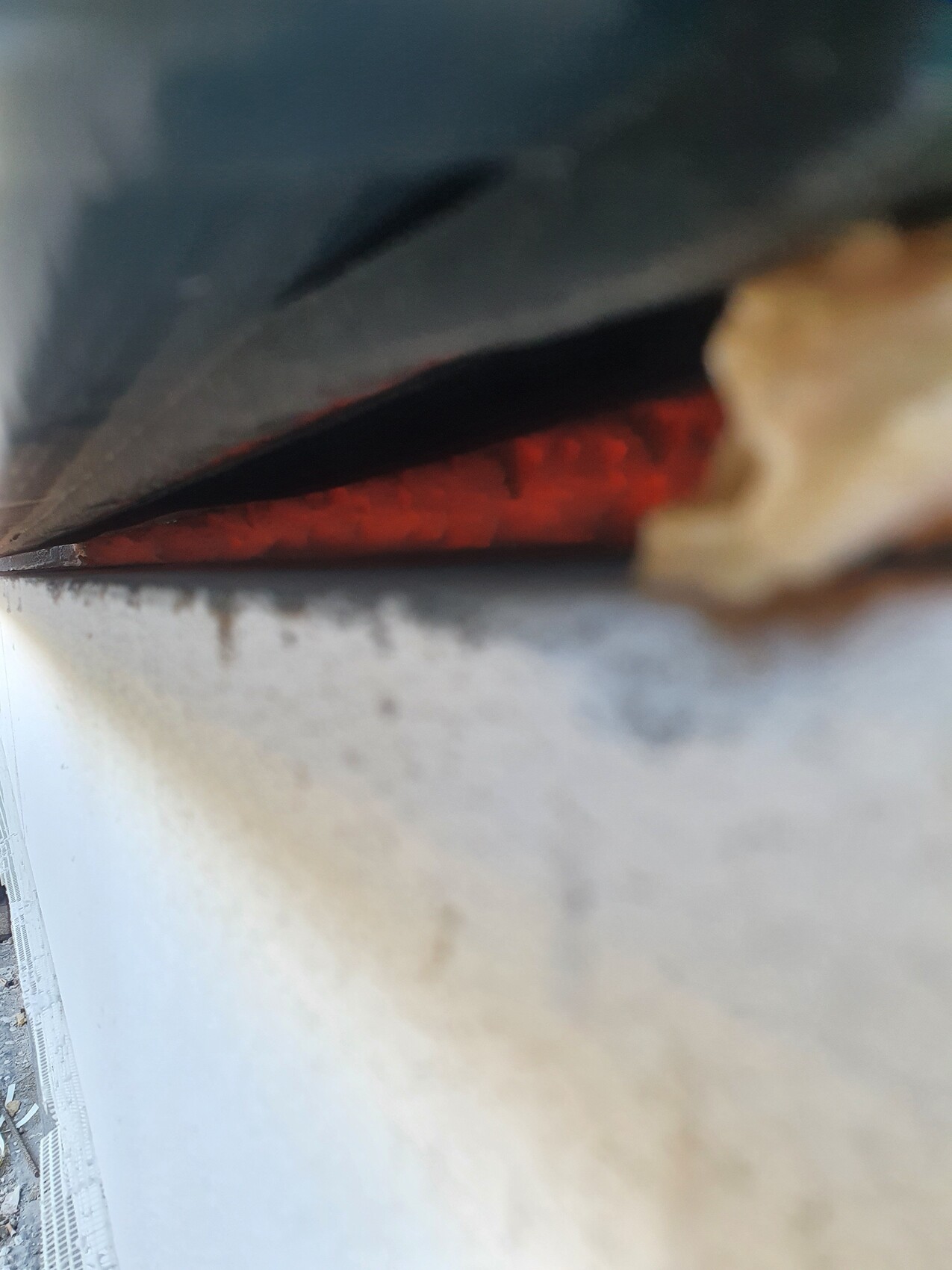
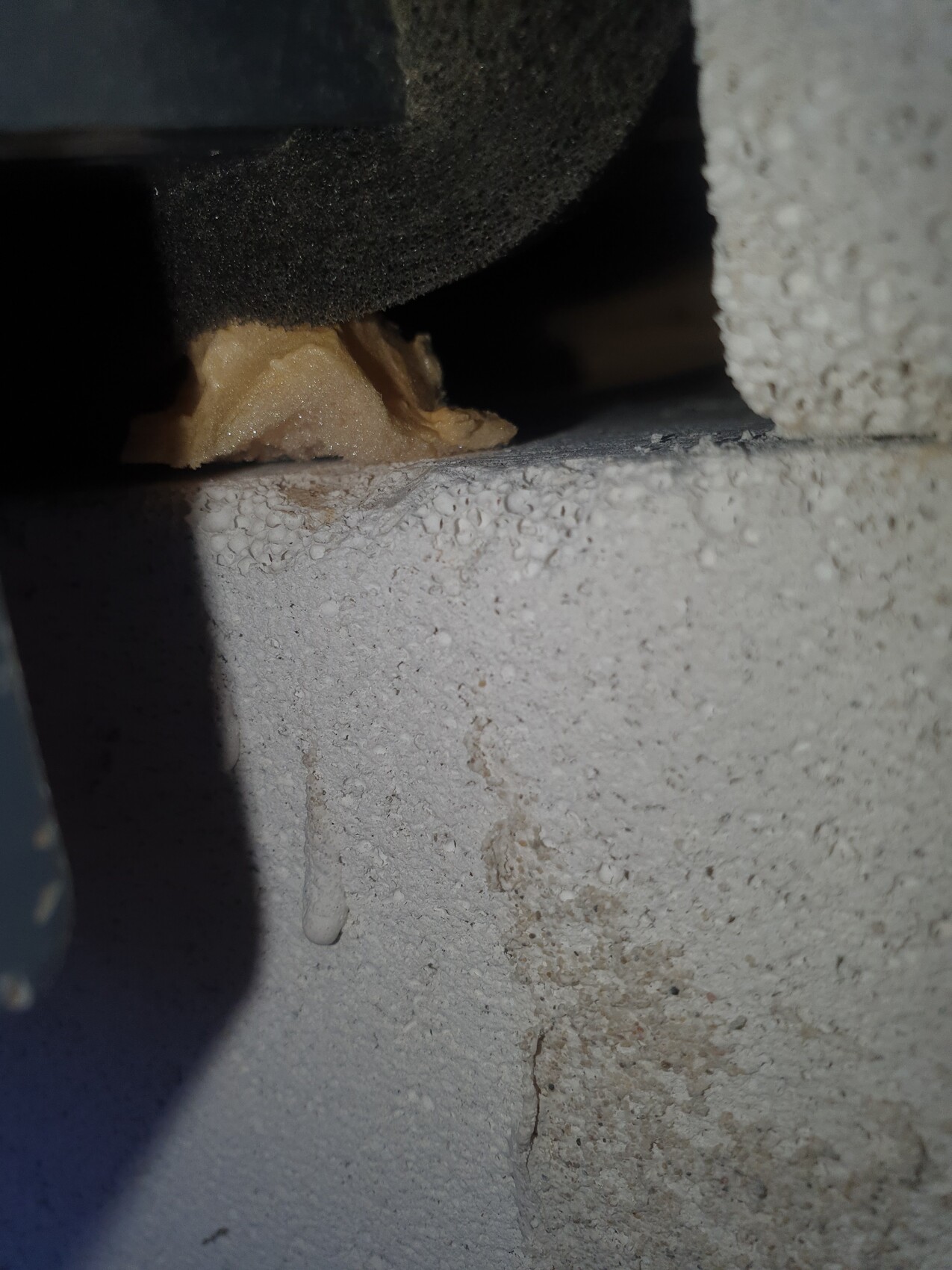
3. In the last picture (6), you can see the installation of all window sills. Below them is a sealing tape and, according to the site manager, "it is plastered over and everything is sealed" – is this sufficient?
Picture 7 before the sealing tape and 9 after sealing tape at the corners:
More pictures will follow in the next post:
I would like to get some opinions on the waterproofing of our house. Our site manager assures us that it is a "reasonable and watertight execution," arguing that "there is no other way to do it" and "this is how we've always done it, and we've never had any problems."
First, as a quote from the construction specification: "The joints remaining on the interior side between exterior components and the building structure (window frames) are to be completely filled with mineral fiber insulation according to DIN 18355. Alternatively, the installation may be carried out using assembly foam in accordance with the state of the art."
1. Our question is whether the waterproofing and installation of the windows were carried out professionally and according to standard practice (raindriven rain protection?).
Here are pictures of the same window at different stages of construction:
2. Should there have been a secondary waterproofing layer installed under the window sill, before the rigid foam insulation and masonry?
3. In the last picture (6), you can see the installation of all window sills. Below them is a sealing tape and, according to the site manager, "it is plastered over and everything is sealed" – is this sufficient?
Picture 7 before the sealing tape and 9 after sealing tape at the corners:
More pictures will follow in the next post:

tumaa schrieb:
Maybe I just have the wrong perspective ... I don't know As @hampshire and @rick2018 often point out here, you get - "like master, like servant" or "what you shout into the forest" - a certain influence on what quality of people you deal with and how they behave. Therefore, I don’t think your wrong lens has to be to blame if you know positive examples.
https://www.instagram.com/11antgmxde/
https://www.linkedin.com/company/bauen-jetzt/
parcus schrieb:
What kind of site manager is that, not an architect or construction engineer? We are building with a local construction company. He used to be a carpenter and roofer and has been a site manager for about 10 years now.
parcus schrieb:
To me, it sounds more like the client cut costs in the wrong place. I wouldn’t be surprised if there isn’t even a detailed execution plan and that the site manager might just be a skilled worker from perhaps the general contractor.
Sorry, that’s obviously just speculation.
But that wouldn’t happen if qualified professionals were on site.
Especially since this applies to the entire building, not just one trade where work is botched. I haven’t asked yet if there is a detailed execution plan. Yesterday, we had a meeting with a roofing expert because the eaves construction does not comply with industry standards (significant water pockets due to an excessively high wedge batten). Two site managers and a roofer assured us that the roof would be watertight for 50 years and that this method is commonly used on other buildings with low-pitched roofs (they really build a lot of houses here and have a very good reputation). The outcome was that the roofer stormed off the construction site angrily while we continued talking calmly. I’m confident the construction company will present a solution that complies with industry standards.
I casually mentioned the sealing of the floor-to-ceiling windows. The verbal feedback was that the expert considers the weak point to be the joint between the aluminum strip and the roller shutter guide rail. Both site managers said: “Nothing will happen there, we always order the aluminum strip directly from the factory.” They said sealing against driving rain wasn’t necessary there and that a drainage channel would be needed anyway. Nevertheless, suggestion 1 was: “We can remove the aluminum strip again if it’s in the way, so the water can run down the roller shutter guide rail.” Suggestion 2: “We can just drill a hole in the aluminum strip at the location of the roller shutter guide rail so the water can drain out.”
What bothers me is that I’m starting to feel like I’m being overly nitpicky. On one hand, I believe them when they say they always build this way and never have issues, because they are a large local company that builds many houses and has no bad reputation. The site manager is always reachable by phone and politely answers all my questions. On the other hand, I don’t want to pay so much money only to be the one left with problems, especially regarding the building’s airtightness, since all the stories and advice online have made me more aware (at least me).
Just to be able to sleep better, I’m thinking of consulting a masonry expert who is also knowledgeable about waterproofing. Unfortunately, there is no window installation expert nearby.
Mr.m00h schrieb:
I haven’t asked yet whether there is a construction execution plan. You can recognize it by the detailed drawings.
https://www.instagram.com/11antgmxde/
https://www.linkedin.com/company/bauen-jetzt/
What is the point of having site supervision if there is no detailed execution plan? Additionally, there are specialist plans such as the airtightness concept, ...
But if these are not commissioned,... in such cases, the client has to take responsibility. The role of the craftsmen is not planning but execution. Then bringing in experts afterwards... they would first need to request the planning documents as a basis and find out what details the craftsmen received.
You can only hope that the craftsmen raised concerns beforehand and therefore do not bear the costs, because they can only pass these on to other clients.
The rails were most likely delivered loose by the manufacturer, as is often the case with roller shutter rails. The manufacturers know exactly "why,"...
But if these are not commissioned,... in such cases, the client has to take responsibility. The role of the craftsmen is not planning but execution. Then bringing in experts afterwards... they would first need to request the planning documents as a basis and find out what details the craftsmen received.
You can only hope that the craftsmen raised concerns beforehand and therefore do not bear the costs, because they can only pass these on to other clients.
The rails were most likely delivered loose by the manufacturer, as is often the case with roller shutter rails. The manufacturers know exactly "why,"...
parcus schrieb:
if there is no execution plan... every tradesperson does what they think is right, and chaos follows. Then the next trade also wants to do what they think is right, but they can’t because the ideal path is already occupied by something else. So they have to go around, under, or over it. This costs at least extra working hours and often brings risks from chipping or chasing channels in the structure. We are no longer in 1980, when underfloor heating in every third screed was considered state-of-the-art, controlled residential ventilation had not yet been invented, and there was only one ceiling outlet per room for lighting. A modern house is basically a fully automated living space, and without detailed documentation of conduit and pipe routing, maintenance becomes a serious issue. You can no longer treat the shell construction phase as an improvised jam session. This is even more true for smart alecks who try to save the last penny by assembling an uncoordinated team.https://www.instagram.com/11antgmxde/
https://www.linkedin.com/company/bauen-jetzt/
parcus schrieb:
What is the point of managing construction if there is no execution planning? There are also specialist plans like the airtightness concept, ...
But if such things are not commissioned… in cases like this, the builder has to take responsibility. The job of the tradespeople is not planning, but execution. Then bringing in an expert… they would first need to ask for the planning as a basis and which details the tradesperson received.
One can only hope that the tradesperson raised concerns beforehand and therefore is not bearing the costs, as they can only shift them to other builders.
The rails were certainly delivered loosely from the manufacturer, as is often the case with roller shutter rails. The manufacturers know “why”...For me, it is obvious that you build a house based on a (construction) plan – it is rather unfortunate if such a plan does not exist, as the house then can hardly be done properly. If the general contractor (GC) assures me that everything is fine, I naturally trust them first and foremost; otherwise, I wouldn’t have chosen the GC from the start. But sometimes I question things too often and inform myself about specific executions. The big question one must generally ask when building is whether to trust the opinion of a tradesperson or GC who claims to have been doing everything that way for 10 years and has executed all their builds like that or not.
I am definitely sure that execution plans exist, as some tradespeople had such documents with them. Currently, however, I do not want to probe further because the eaves construction is being revised due to water pockets and everything there has to be redone. That’s another topic…
The aluminum rails under the floor-to-ceiling windows were requested by the GC to be preassembled at the factory. They tried several options and decided this was the best solution.
11ant schrieb:
..... This is even more critical for smart alecks who put together an inexperienced team while hunting for the last possible penny to save.That is obviously disastrous.
Similar topics