
ᐅ Breathable membrane at the ridge: open or closed with full rafter insulation?
Created on: 4 May 2020 18:43
H
hgerike
Our expandable attic was designed as a ventilated cold roof. In addition to ventilating the outer roofing layer, the not yet installed insulation layer is also ventilated. The underlay membrane was installed overlapping but open at the bottom of the eaves and at the ridge. This seems correct to me at first glance.
Conclusion
However, if I prevent ventilation of the insulation layer from below in the case of full rafter insulation, then the ridge must not remain open either. Otherwise, the moist air from the outer roofing layer would reach the insulation.
Questions
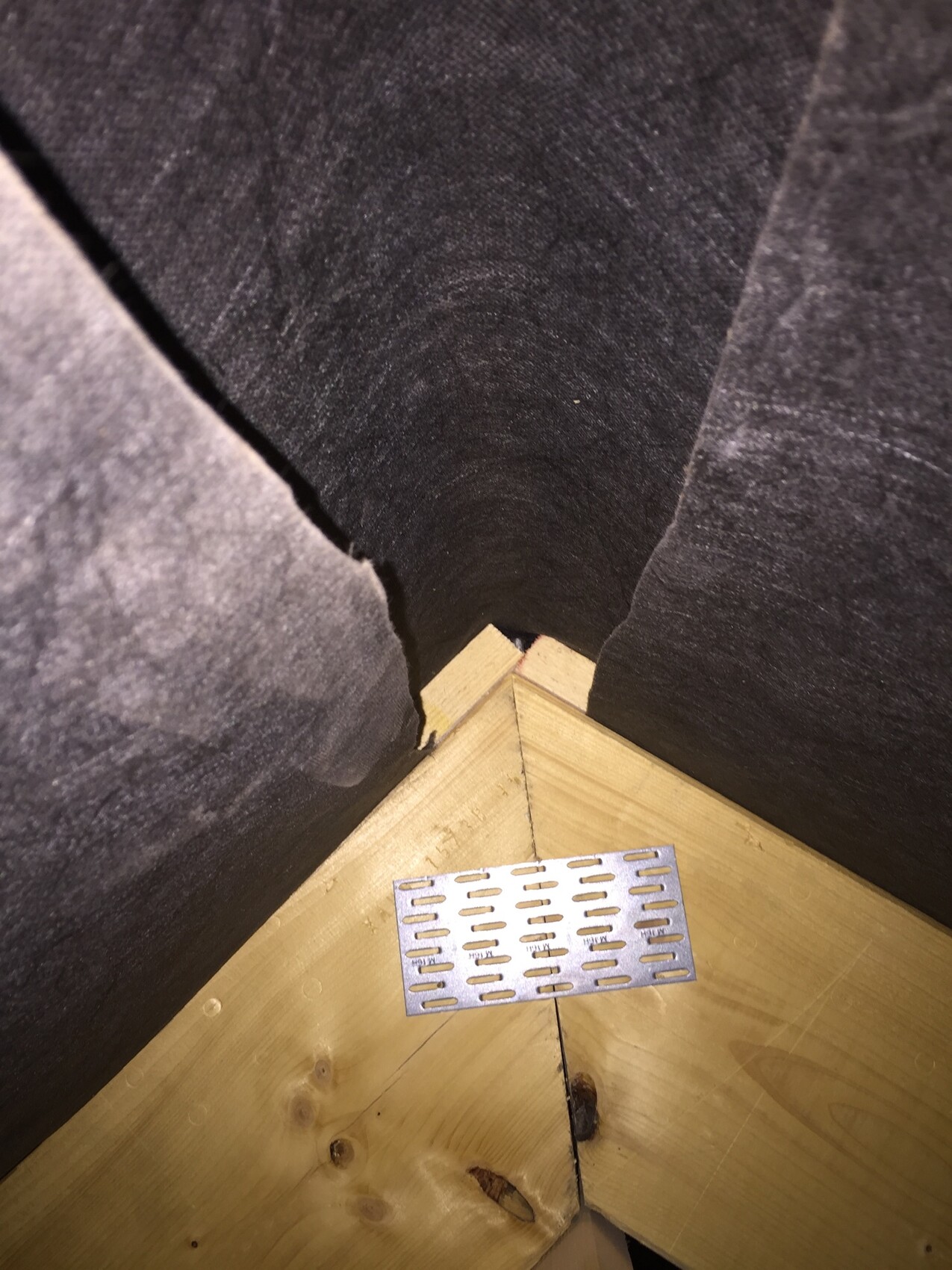
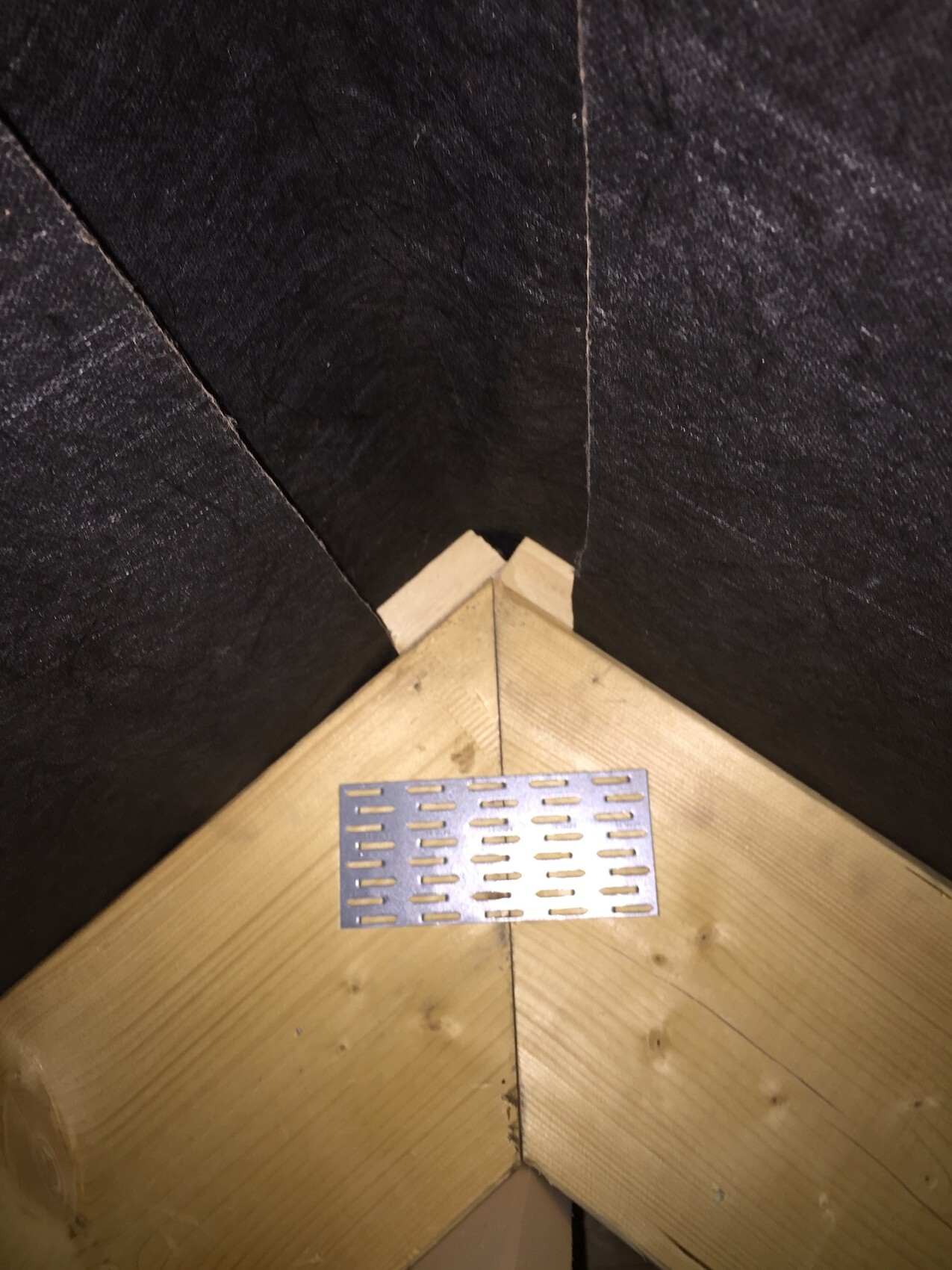
Conclusion
However, if I prevent ventilation of the insulation layer from below in the case of full rafter insulation, then the ridge must not remain open either. Otherwise, the moist air from the outer roofing layer would reach the insulation.
Questions
- Does the underlay membrane at the ridge need to be closed?
- If yes, how exactly? Should the overlapping parts be sealed with adhesive tape or should another layer of underlay membrane be adhered from below?
H
hauspeter5 May 2020 08:47parcus schrieb:
Isn't it supposed to be about moisture at all?As I understand it, a waterproofing membrane (USB) is meant to keep rain and snow away from the insulation layer to prevent it from getting wet.So, what exactly needs to be done? Should the waterproofing membrane be sealed at the ridge or not? What should be dismantled—should the DIN-compliant covering at the ridge be removed and the membrane installed sealed underneath the counter battens?
H
hauspeter5 May 2020 09:47parcus schrieb:
In this case, it’s also important that connecting the USB does not obstruct the ventilation.
Ultimately, a system change is necessary for the venting. Rain and snow are not affected by this; both systems work regardless.What exactly do you mean by system change, and what needs to be done?As it is now, it corresponds to a standard additional interior ventilation system, assuming the ventilated cavity is functioning properly.
See your photos.
The system with additional interior ventilation is no longer desired, so a system without it is needed.
Post a picture of such a system and you will see the difference and what needs to be done.
---
For liability reasons, I will not provide a solution here.
See your photos.
The system with additional interior ventilation is no longer desired, so a system without it is needed.
Post a picture of such a system and you will see the difference and what needs to be done.
---
For liability reasons, I will not provide a solution here.