
ᐅ Energy Saving Regulations for New Buildings from 2016 / Single Glazing / U-Values of Basement Windows
Created on: 21 Apr 2020 14:18
R
rtit266Hi,
we are currently building with a developer.
According to the building specifications, the construction is being carried out in compliance with the "enhanced requirements of the 2014 Energy Saving Ordinance (EnEV 2014) for new buildings from 2016 onward."
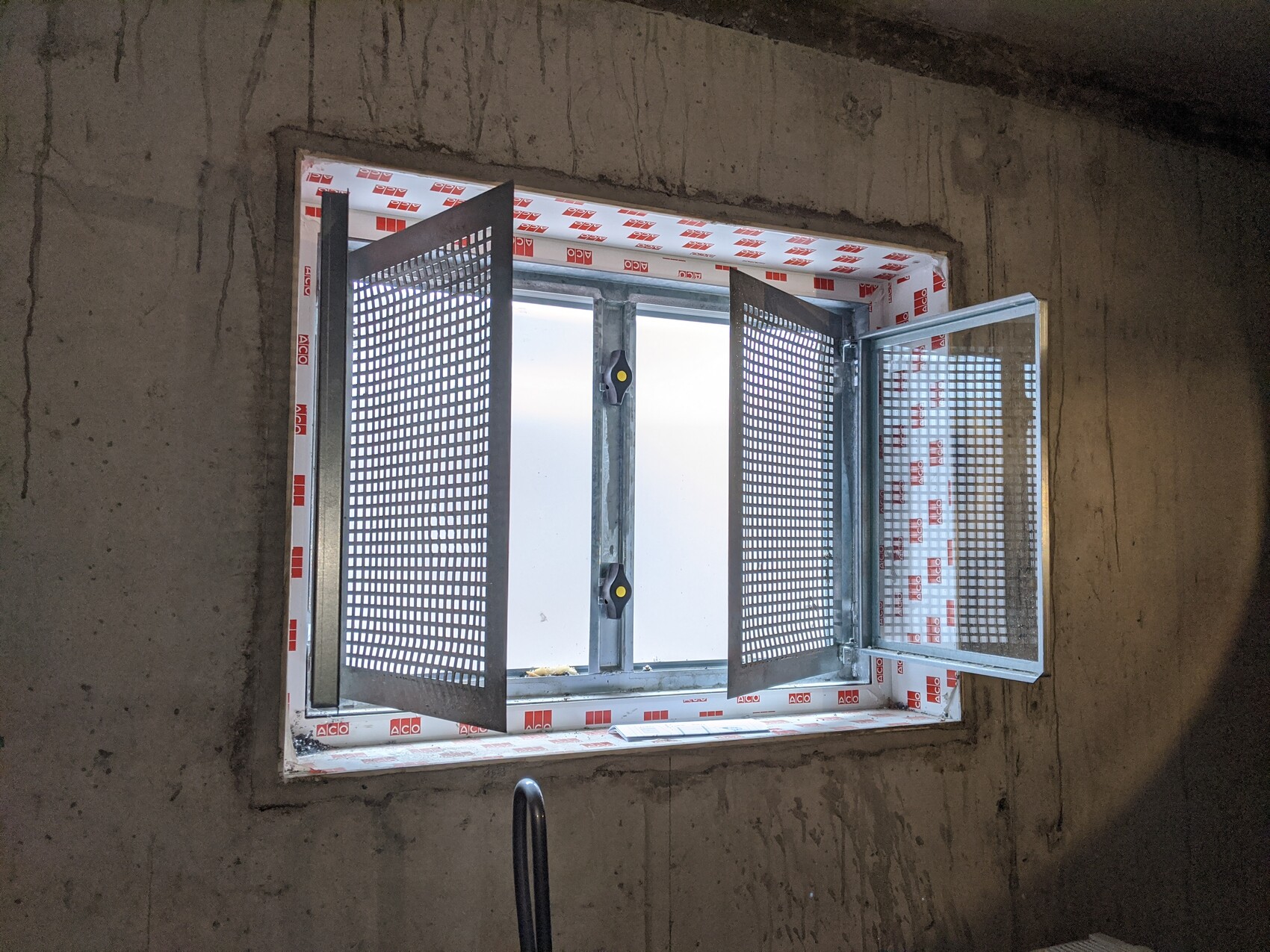
However, we noticed that the developer installed simple, single-glazed window units in the basement.
These window units are located underground, behind a light well.
The basement is not designated as living space, but it is heated.
Below these window units are radiators connected to an air-to-water heat pump.
Is a U-value of 1.3 W/(m²K) required for these basement window units under the Energy Saving Ordinance to meet the enhanced requirements of the 2014 Energy Saving Ordinance (EnEV 2014) for new buildings from 2016 onward?
Or are these window units sufficient and compliant with the requirements?
Best regards
rtit266
we are currently building with a developer.
According to the building specifications, the construction is being carried out in compliance with the "enhanced requirements of the 2014 Energy Saving Ordinance (EnEV 2014) for new buildings from 2016 onward."
However, we noticed that the developer installed simple, single-glazed window units in the basement.
These window units are located underground, behind a light well.
The basement is not designated as living space, but it is heated.
Below these window units are radiators connected to an air-to-water heat pump.
Is a U-value of 1.3 W/(m²K) required for these basement window units under the Energy Saving Ordinance to meet the enhanced requirements of the 2014 Energy Saving Ordinance (EnEV 2014) for new buildings from 2016 onward?
Or are these window units sufficient and compliant with the requirements?
Best regards
rtit266
rtit266 schrieb:
Radiators operated by an air-to-water heat pump Enjoy the electricity bills...
Single glazing has a U-value of about 5.0. However, it depends on the overall sum of the U-values of the entire building; if the rest compensates for it, then at least in the calculations it is acceptable. But you can imagine yourself that single glazing and steel profiles are impractical.
Is the basement within the thermal envelope? If not, the windows wouldn’t matter much, but then I don’t understand the purpose of the radiators...
Especially, how are the radiators operated? Was the supply temperature of the heat pump specifically increased for this? If so, it would be a disaster for efficiency with an air-to-water heat pump (even if you never use the radiators...).
You need to provide more information; otherwise, it’s hard to help here.
Especially, how are the radiators operated? Was the supply temperature of the heat pump specifically increased for this? If so, it would be a disaster for efficiency with an air-to-water heat pump (even if you never use the radiators...).
You need to provide more information; otherwise, it’s hard to help here.
rtit266 schrieb:
Only the two radiators in the basement, which are probably never used anyway. Everything else is underfloor heating.
But that’s not the point. Even if that’s not the main issue, as @Tego12 says, the heating system must be designed to function properly even if you don’t use the radiators, which will increase your electricity costs by about 30%.
Your actual question can’t be answered directly. As mentioned, for new builds the overall package counts, meaning the energy saving regulation calculation has to demonstrate that it works. Allowed or disallowed U-values only apply to existing buildings.
Similar topics