
ᐅ Single-family house floor plan, approximately 150 sqm, with east-facing garden
Created on: 9 Jan 2020 21:17
O
OWLer
Hello everyone,
after reading many threads here about how well-intentioned floor plans are expertly dissected, I’m now stepping out from the shadows. We plan to build this year and have already purchased the plot. We are currently in discussions with two providers. Provider 1 never really impressed us with their designs and plans very large houses without offering much living space. I’m bringing Provider 2 into the discussion here because, apart from the points mentioned below, we still like their design.
We hope the collective forum expertise will point out some pitfalls and maybe even help solve our hallway dilemma.
Sorry for the rough sketches of the measurements.
Development Plan / Restrictions
Plot size: 610 sqm (648 with purchased noise barrier)
Slope: approx. 70cm (28 inches) over 19m (62 feet), sloping from north to south
Site coverage ratio: 0.4
Floor area ratio: 0.8
Building envelope, building line and boundary: 3m (10 feet) from the street, 3m (10 feet) to neighbors north/south, building envelope 10m (33 feet) east-west
Edge development
Number of parking spaces
Number of stories: 2
Roof type: gable roof ≤45°
Architectural style
Orientation: ridge running north-south
Maximum heights / limits: max. ridge height 10.5m (34 feet), eaves max. 6.0m (20 feet)
Other requirements: On the east side, a noise barrier is built along half of the plot, with forest behind it. Due to the noise barrier, the garden is practically not visible from outside.
Clients’ Requirements
Style, roof type, building type: rather classic
Basement, number of floors: basement, 1.5 floors
Number of residents, age: currently 2 (ages 33 and 27 – planning 2 children)
Space requirements on ground floor: shower WC, open living space (kitchen, dining, living), study; upper floor: 2 kids’ rooms, bathroom, master bedroom (walk-in closet)
Office: home office (teaching profession)
Overnight guests per year: approx. 15
Open or closed architecture: rather open
Conservative or modern construction: conservative and brick-faced
Open kitchen, kitchen island: yes
Number of dining seats: 6
Fireplace: preferably yes, budget permitting
Music / stereo wall: no
Balcony, roof terrace: no
Garage, carport: carport / budget permitting
Utility garden, greenhouse: no
Further wishes / special features / daily routine, also reasons for why or why not something is desired
House Design
Designer: planner from a construction company
What do you particularly like? Why?
We really like the upper floor. Room sizes fit well. We can’t really assess the master bedroom on the south side yet. The kids’ rooms seem the right size and have a good layout in my opinion.
A guest room was not a requirement – apparently there was space on the upper floor. We are not unhappy about that.
The living-dining area really appeals to me. Kitchen opening to the terrace. My wife likes the pantry options with access to the garden, basement, and carport.
What don’t you like? Why?
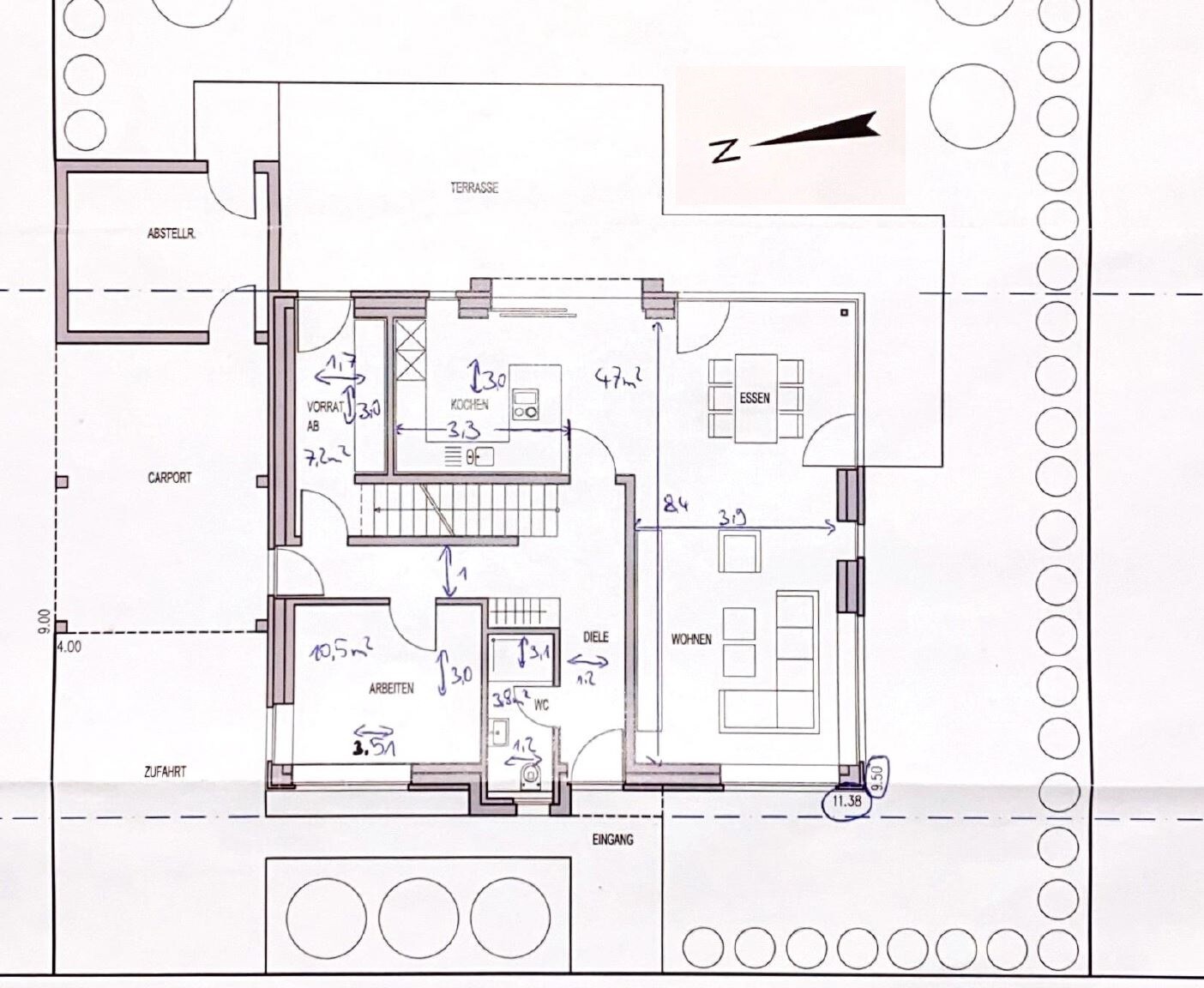
What we don’t like is the narrow corridors. I imagine 1.2m (4 feet) and 1m (3 feet) very cramped. Between the carport and along the stairs, this wouldn’t bother me so much, but the entrance definitely should be wider.
The master bedroom on the south side does not convince me much.
Price estimate according to architect/planner: >440k€
Personal price limit for the house, including fittings: approx. 440k€
Preferred heating system: gas heating required by the plot purchase contract.
If you had to give up something, which details / features could you do without:
I could do without the pantry and use that space for the WC instead. My wife, however, sees this differently.
Which features can you not give up:
The study on the ground floor is a must due to my teaching profession. The idea is to be able to drop things off in the study after returning from school, close the door, and have some downtime without needing to go upstairs or downstairs.
The basement is also essential. Many friends and acquaintances who have built in recent years do so mostly without basements. It takes iron discipline to keep utility rooms “tidy.” We manage that in our rental now but want to move away from that. We don’t want to become hoarders but want more space to spread out. Also, I want to be able to store all my tools in the basement and comfortably repair my bicycles.
Why was the design made the way it is?
Standard design from the planner?
Which wishes were implemented by the architect?
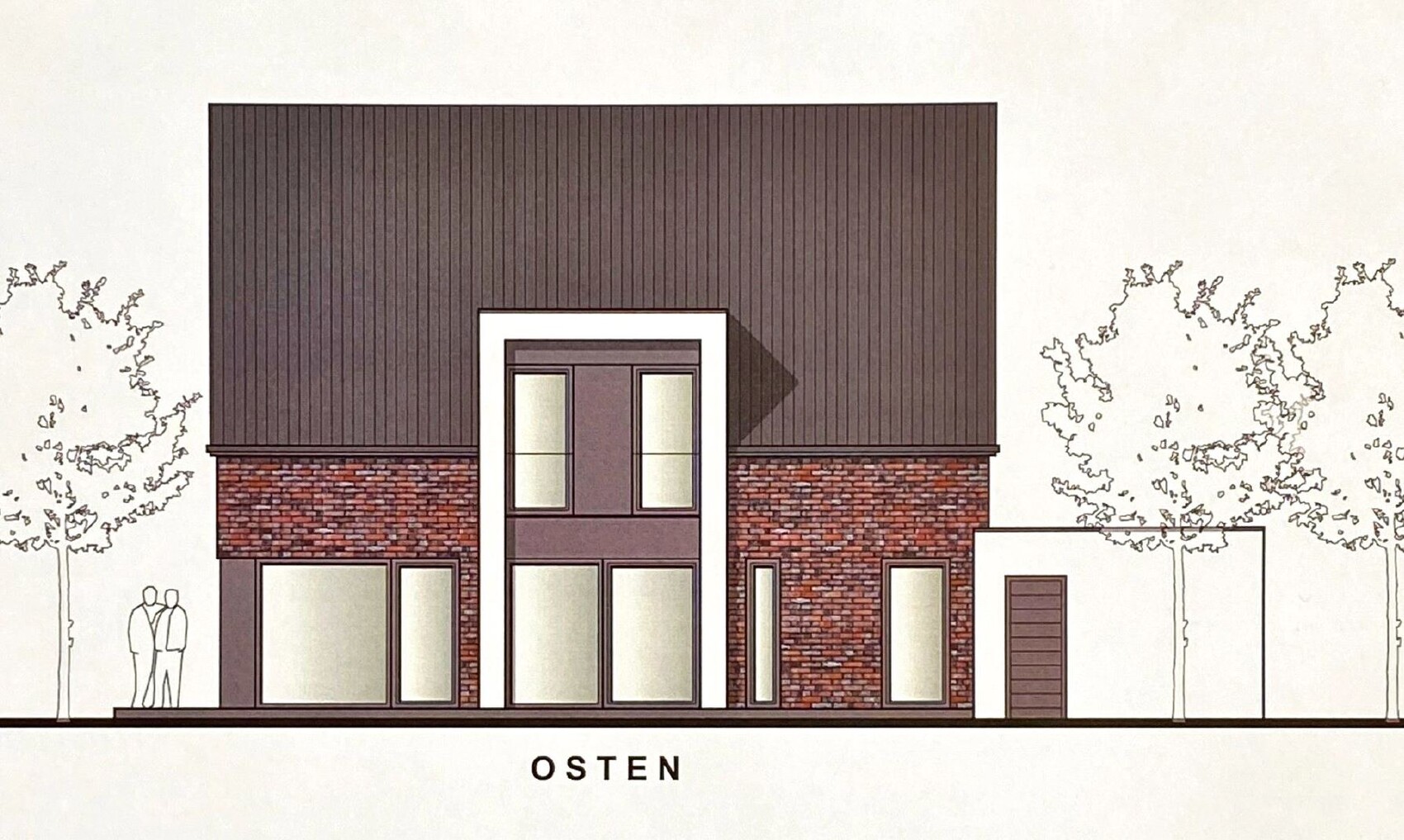
Large windows on the ground floor facing the garden, as it is not directly visible.
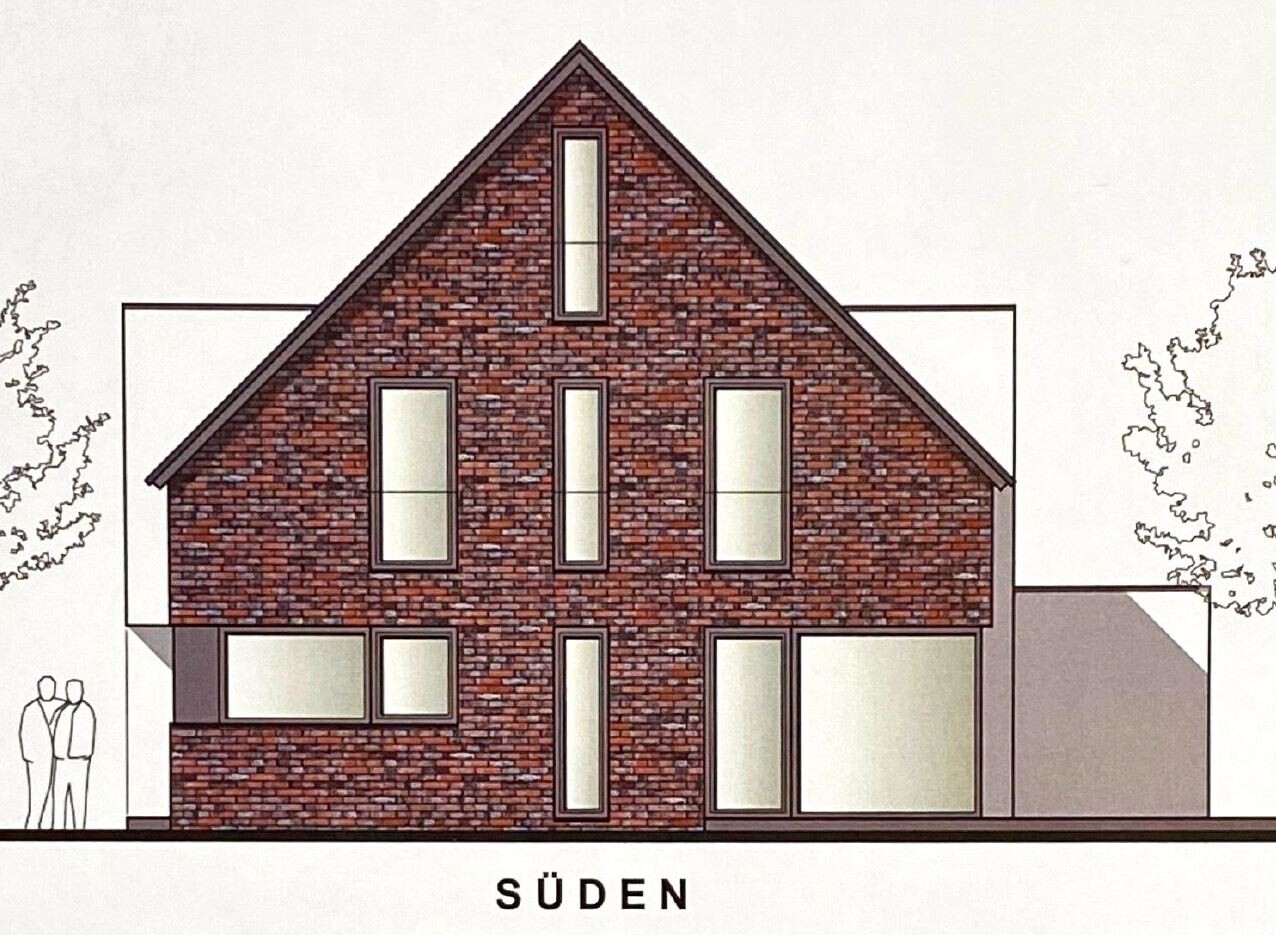
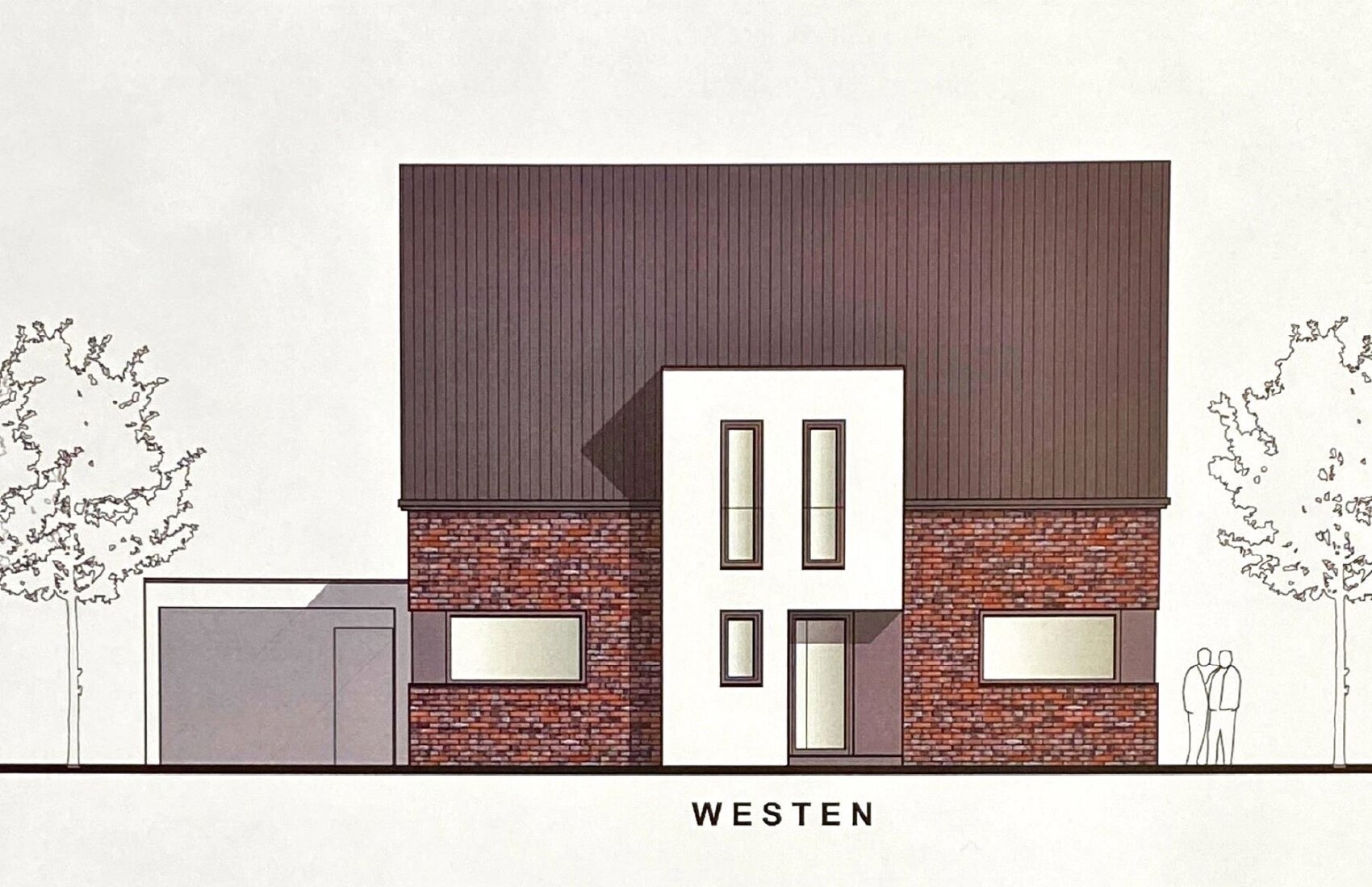
A bay window on the street side is mandatory for the look. The planned flat-roof bay will definitely be changed to a pitched roof. The plaster on the bay will be replaced by brick cladding. We find the bay window to the garden quite nice. Not a must-have, but it was part of the planning basis we provided and, in my opinion, positively impacts the kids’ rooms.
A mix of many examples from various magazines...
What makes it particularly good or bad in your eyes?
What is the most important / fundamental question about the floor plan, summarized in 130 characters?
How do you evaluate the usability of the pantry—does it work as well as we imagine it? What other ways, besides widening the house, do you see to widen the corridors? Does the indicated wardrobe area fit?
In principle, I would like to build it this way if only the narrow corridors weren’t an issue. Making the house 25-50cm (10-20 inches) wider is not technically feasible and probably financially difficult.

after reading many threads here about how well-intentioned floor plans are expertly dissected, I’m now stepping out from the shadows. We plan to build this year and have already purchased the plot. We are currently in discussions with two providers. Provider 1 never really impressed us with their designs and plans very large houses without offering much living space. I’m bringing Provider 2 into the discussion here because, apart from the points mentioned below, we still like their design.
We hope the collective forum expertise will point out some pitfalls and maybe even help solve our hallway dilemma.
Sorry for the rough sketches of the measurements.
Development Plan / Restrictions
Plot size: 610 sqm (648 with purchased noise barrier)
Slope: approx. 70cm (28 inches) over 19m (62 feet), sloping from north to south
Site coverage ratio: 0.4
Floor area ratio: 0.8
Building envelope, building line and boundary: 3m (10 feet) from the street, 3m (10 feet) to neighbors north/south, building envelope 10m (33 feet) east-west
Edge development
Number of parking spaces
Number of stories: 2
Roof type: gable roof ≤45°
Architectural style
Orientation: ridge running north-south
Maximum heights / limits: max. ridge height 10.5m (34 feet), eaves max. 6.0m (20 feet)
Other requirements: On the east side, a noise barrier is built along half of the plot, with forest behind it. Due to the noise barrier, the garden is practically not visible from outside.
Clients’ Requirements
Style, roof type, building type: rather classic
Basement, number of floors: basement, 1.5 floors
Number of residents, age: currently 2 (ages 33 and 27 – planning 2 children)
Space requirements on ground floor: shower WC, open living space (kitchen, dining, living), study; upper floor: 2 kids’ rooms, bathroom, master bedroom (walk-in closet)
Office: home office (teaching profession)
Overnight guests per year: approx. 15
Open or closed architecture: rather open
Conservative or modern construction: conservative and brick-faced
Open kitchen, kitchen island: yes
Number of dining seats: 6
Fireplace: preferably yes, budget permitting
Music / stereo wall: no
Balcony, roof terrace: no
Garage, carport: carport / budget permitting
Utility garden, greenhouse: no
Further wishes / special features / daily routine, also reasons for why or why not something is desired
House Design
Designer: planner from a construction company
What do you particularly like? Why?
We really like the upper floor. Room sizes fit well. We can’t really assess the master bedroom on the south side yet. The kids’ rooms seem the right size and have a good layout in my opinion.
A guest room was not a requirement – apparently there was space on the upper floor. We are not unhappy about that.
The living-dining area really appeals to me. Kitchen opening to the terrace. My wife likes the pantry options with access to the garden, basement, and carport.
What don’t you like? Why?
What we don’t like is the narrow corridors. I imagine 1.2m (4 feet) and 1m (3 feet) very cramped. Between the carport and along the stairs, this wouldn’t bother me so much, but the entrance definitely should be wider.
The master bedroom on the south side does not convince me much.
Price estimate according to architect/planner: >440k€
Personal price limit for the house, including fittings: approx. 440k€
Preferred heating system: gas heating required by the plot purchase contract.
If you had to give up something, which details / features could you do without:
I could do without the pantry and use that space for the WC instead. My wife, however, sees this differently.
Which features can you not give up:
The study on the ground floor is a must due to my teaching profession. The idea is to be able to drop things off in the study after returning from school, close the door, and have some downtime without needing to go upstairs or downstairs.
The basement is also essential. Many friends and acquaintances who have built in recent years do so mostly without basements. It takes iron discipline to keep utility rooms “tidy.” We manage that in our rental now but want to move away from that. We don’t want to become hoarders but want more space to spread out. Also, I want to be able to store all my tools in the basement and comfortably repair my bicycles.
Why was the design made the way it is?
Standard design from the planner?
Which wishes were implemented by the architect?
Large windows on the ground floor facing the garden, as it is not directly visible.
A bay window on the street side is mandatory for the look. The planned flat-roof bay will definitely be changed to a pitched roof. The plaster on the bay will be replaced by brick cladding. We find the bay window to the garden quite nice. Not a must-have, but it was part of the planning basis we provided and, in my opinion, positively impacts the kids’ rooms.
A mix of many examples from various magazines...
What makes it particularly good or bad in your eyes?
What is the most important / fundamental question about the floor plan, summarized in 130 characters?
How do you evaluate the usability of the pantry—does it work as well as we imagine it? What other ways, besides widening the house, do you see to widen the corridors? Does the indicated wardrobe area fit?
In principle, I would like to build it this way if only the narrow corridors weren’t an issue. Making the house 25-50cm (10-20 inches) wider is not technically feasible and probably financially difficult.

That’s right. We looked at the 5.5m (18 feet) dimension, and it happens to be exactly the same ratio as in our rental apartment. We find that very cozy and comfortable. Now we even have a wall to the neighboring apartment behind the dining table. In the floor plan, however, it would be a window wall, which would probably make it feel more spacious visually.
Of course, you could probably move the wall between the kitchen and the office by one brick row. But then the office would become quite narrow. I’d rather not do that.
Unfortunately, visiting the model park over the weekend didn’t work out. But that gives me time to get a laser distance meter. Hopefully, we’ll find a similar kitchen/dining area and get a real feel for the space.
We furnished the kids’ rooms with Pax wardrobes, desks, and beds. I actually think it’s pretty good.
Of course, you could probably move the wall between the kitchen and the office by one brick row. But then the office would become quite narrow. I’d rather not do that.
Unfortunately, visiting the model park over the weekend didn’t work out. But that gives me time to get a laser distance meter. Hopefully, we’ll find a similar kitchen/dining area and get a real feel for the space.
We furnished the kids’ rooms with Pax wardrobes, desks, and beds. I actually think it’s pretty good.
kaho674 schrieb:
I see the kitchen planning as very urgent now. Since you are free in the layout, you can still decide what you like and whether this will be enough—especially regarding the island and, in my opinion, the insufficient depth for the dining table. You can also set up cardboard models and simulate a room to get a better idea. For me, the dining area feels a bit too cramped; it wouldn’t be worth losing the office on the west side. kbt09 schrieb:
But you only changed the windows for the kitchen. That does nothing to the total depth of 550cm (5.5m / 18 feet) for dining/cooking at all. So, here’s the update. We’ve received feedback here in the forum and elsewhere that 5.5m (18 feet) is too tight. We then taped out the kitchen layout at my in-laws’ place and simulated the space with chairs to get a feel for the room size—and we see that it really is very tight.
Thanks for the advice—I guess I just didn’t want to admit it.
Now we’ve decided to drop the office on the ground floor, as has been suggested here several times. In nearly every scenario we consider, it always gets in the way. This way, the open living area will be quite large, which is fitting since this is the space where we’ll spend most of our time (apart from the 8 hours of sleep per day).

OWLer schrieb:
We then went ahead and taped the kitchen layout to the floor at my in-laws’ house using duct tape, simulated the space with chairs, and realized it is very tight.
Thanks for the tips—I just didn’t want to face the reality.
Congratulations on taking that step and realizing it!If we keep persuading you a bit more, we might still end up at #21.
Maybe not for #21, but I really like this design. I’ll send it as a hand sketch to GU1 and see what comes of it.
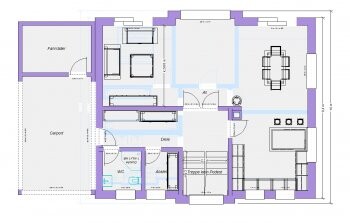
Unfortunately, it looks like we won’t be able to build the designs from GU2 that I posted here. A budget of over €500,000 (around $540,000) would be needed just for the house and additional costs. And that’s without even having an insulated basement—only a climate door and insulation under the ground floor. We tasked them with solving the discussed issues while reducing costs by more than 10%. However, I have little hope that we will be able to resolve this conflicting goal.
Unfortunately, it looks like we won’t be able to build the designs from GU2 that I posted here. A budget of over €500,000 (around $540,000) would be needed just for the house and additional costs. And that’s without even having an insulated basement—only a climate door and insulation under the ground floor. We tasked them with solving the discussed issues while reducing costs by more than 10%. However, I have little hope that we will be able to resolve this conflicting goal.
Similar topics