
P
pffreestyler8 Jan 2020 09:39Hello,
at some point, we want to finish our unfinished upper floor, and since I’m willing to learn, I want to gather information early instead of just doing what is common around here without questioning it. Here, wood stud walls with 5 x 8 cm (2 x 3 inches) KVH (structured squared timber) are typically used with the following build-up: 12.5 mm (1/2 inch) drywall, 15 mm (5/8 inch) OSB, 8 cm (3 inches) separation board as insulation, 15 mm (5/8 inch) OSB, and 12.5 mm (1/2 inch) drywall. In the bathroom, 22 mm (7/8 inch) OSB is used so that a heavy wall cabinet with a sink can be hung. I don’t think this is 100% optimal in terms of soundproofing.
How have you done it, or how is it done in your area, and how satisfied are you with it? My partner is rather sensitive to noise.
at some point, we want to finish our unfinished upper floor, and since I’m willing to learn, I want to gather information early instead of just doing what is common around here without questioning it. Here, wood stud walls with 5 x 8 cm (2 x 3 inches) KVH (structured squared timber) are typically used with the following build-up: 12.5 mm (1/2 inch) drywall, 15 mm (5/8 inch) OSB, 8 cm (3 inches) separation board as insulation, 15 mm (5/8 inch) OSB, and 12.5 mm (1/2 inch) drywall. In the bathroom, 22 mm (7/8 inch) OSB is used so that a heavy wall cabinet with a sink can be hung. I don’t think this is 100% optimal in terms of soundproofing.
How have you done it, or how is it done in your area, and how satisfied are you with it? My partner is rather sensitive to noise.
 Vicky Pedia8 Jan 2020 10:00
Would 11.5cm (4.5 inches) aerated concrete also be an option?
P
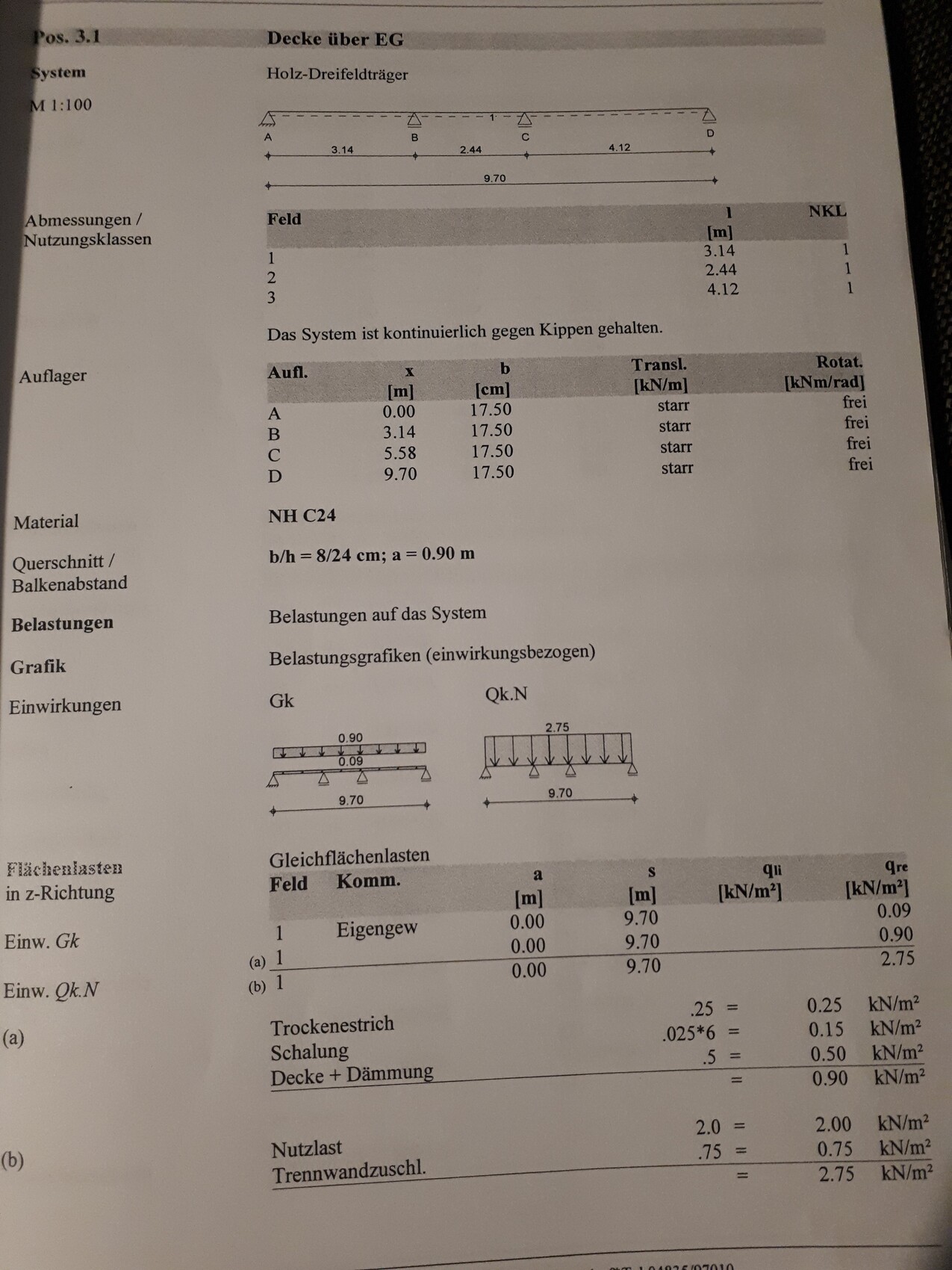
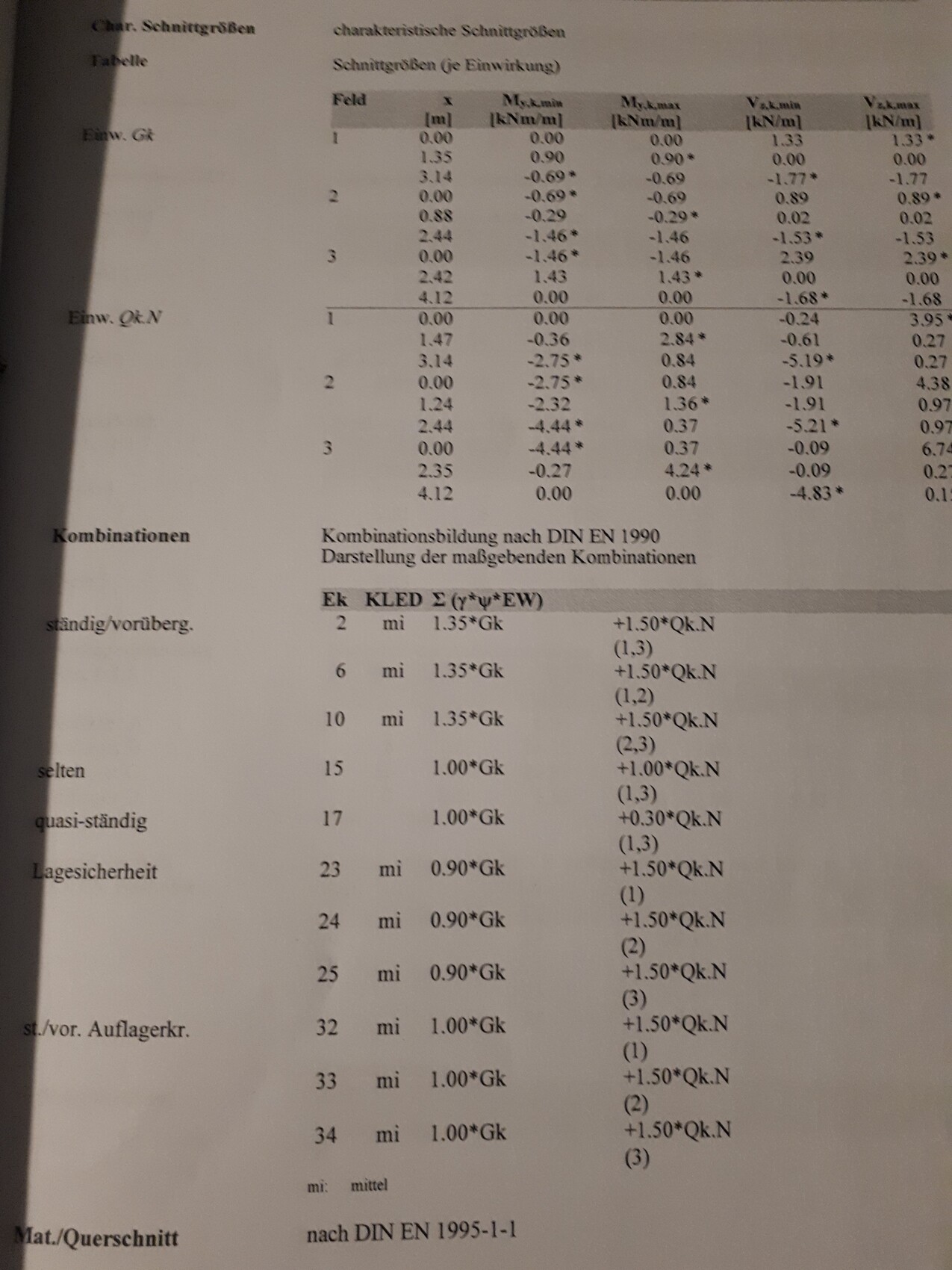
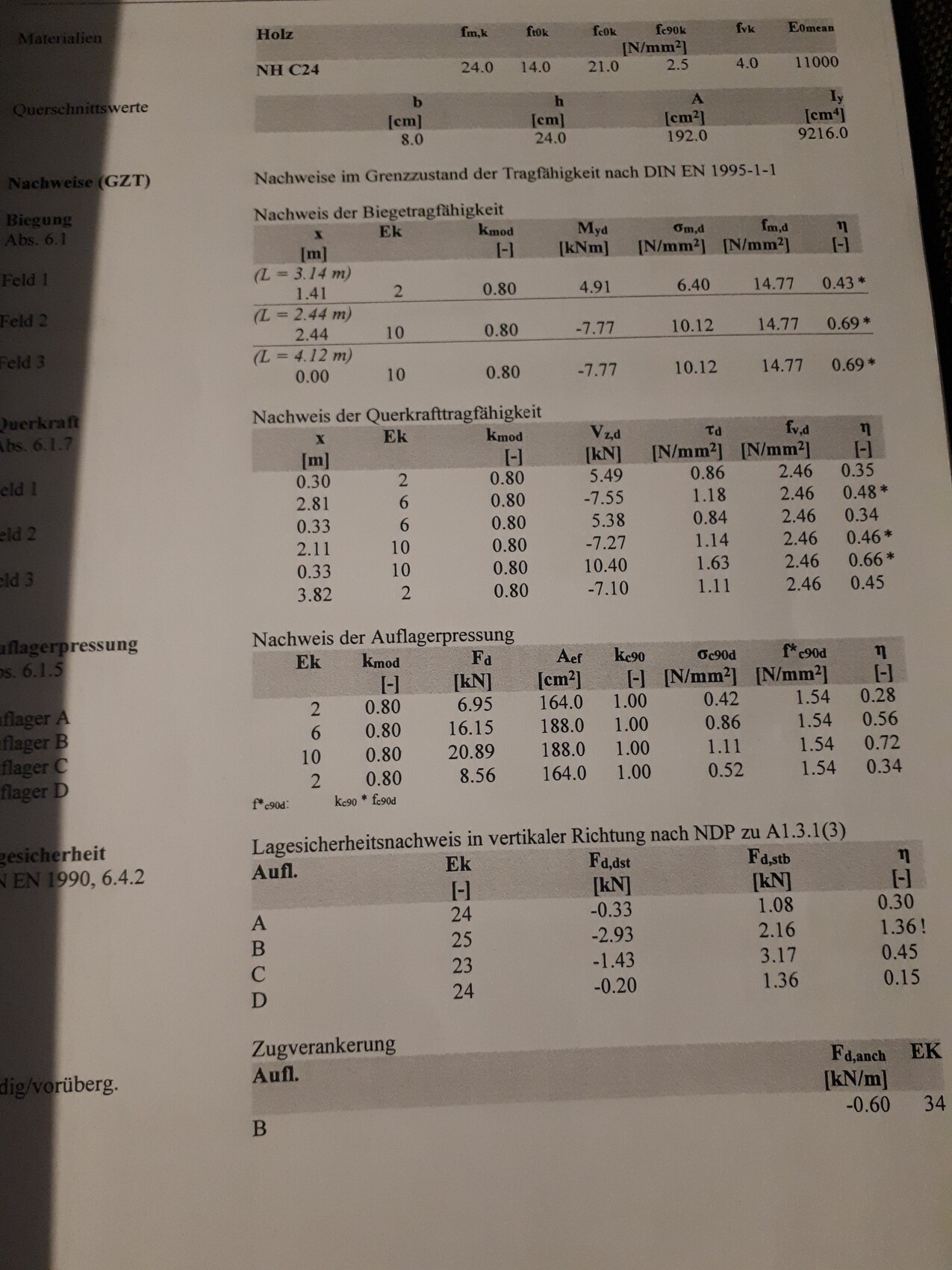
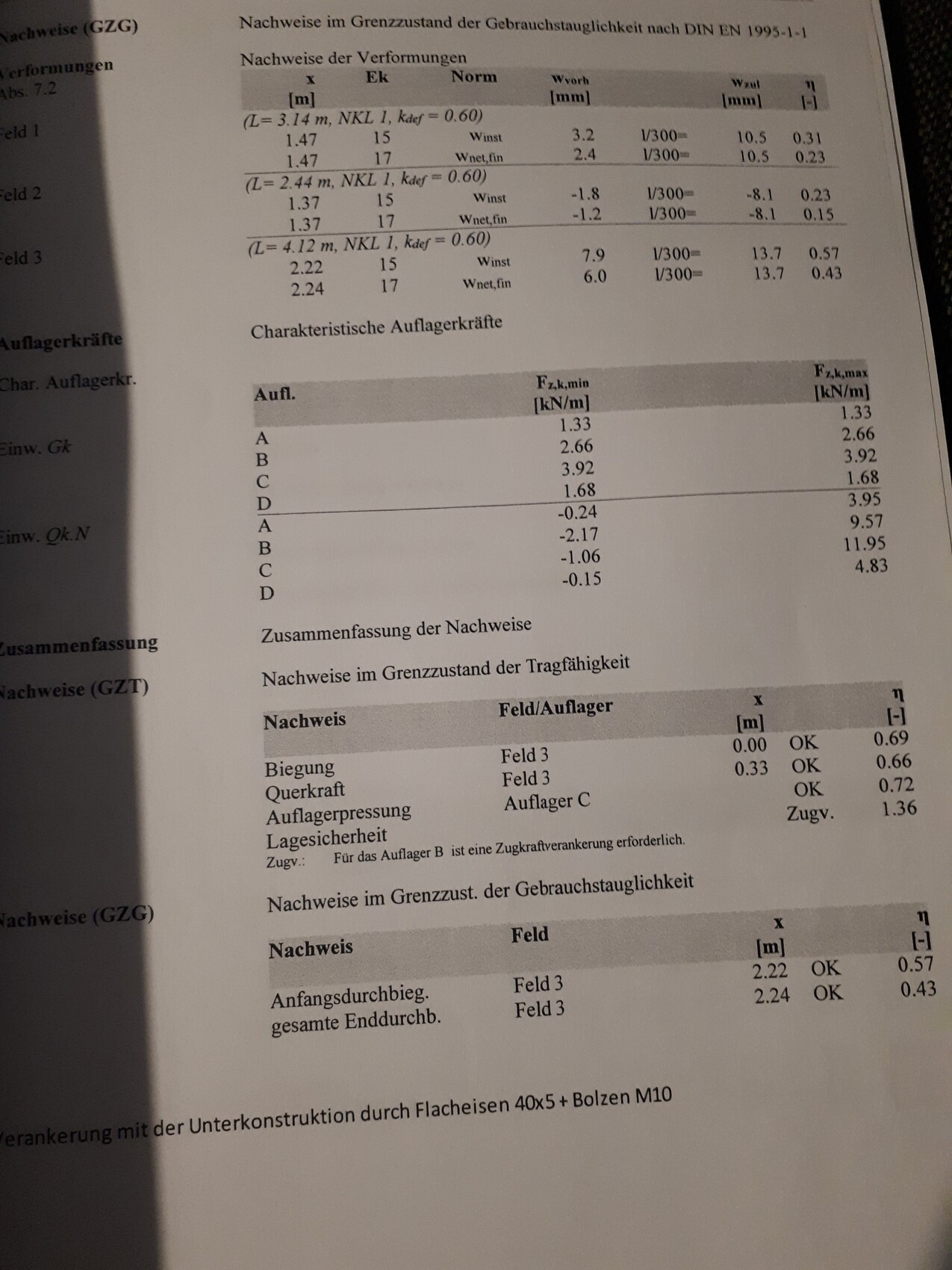
pffreestyler8 Jan 2020 10:40No worries, for the structural calculation of our wooden beam ceiling, we specified that we will use drywall later on. Therefore, we are now committed to using dry screed and cannot use wet screed. From what I have learned, this is not necessarily the best choice, but it’s common practice here if the space is not going to be finished right away. Maybe you can make sense of the data to see if aerated concrete would also be suitable.
That said, I wouldn’t use 11.5 cm (4.5 inches) aerated concrete anyway. I would rather choose 11.5 cm (4.5 inches) sand-lime brick.
That said, I wouldn’t use 11.5 cm (4.5 inches) aerated concrete anyway. I would rather choose 11.5 cm (4.5 inches) sand-lime brick.

With the same type of infill in the profiles and the same sheathing, I don’t see there being a huge difference between metal studs and timber battens.
That would, however, be a completely different weight category, and I interpret the exclusion of a wet screed as a sign against it.
https://www.instagram.com/11antgmxde/
https://www.linkedin.com/company/bauen-jetzt/
pffreestyler schrieb:
However, I wouldn’t use 11.5 cm (4.5 inches) aerated concrete anyway. I would rather go for 11.5 cm (4.5 inches) sand-lime brick.
That would, however, be a completely different weight category, and I interpret the exclusion of a wet screed as a sign against it.
https://www.instagram.com/11antgmxde/
https://www.linkedin.com/company/bauen-jetzt/
Vicky Pedia8 Jan 2020 14:01@11ant That’s why I asked. The stud frame probably doesn’t matter. Wood is easier for a layperson to work with and requires less specialized tools. Otherwise, the construction as suggested.
P
pffreestyler8 Jan 2020 14:25@11ant Ultimately, sand-lime brick and aerated concrete (e.g., Ytong) are not really up for consideration. The idea that wet screed wouldn’t work is just my assumption, as only dry screed was planned. To be sure, I would probably need to ask the structural engineer.
In the end, I’m looking for feedback on how others have implemented this and how satisfied they are with it. Building boards like Knauf Diamant or Silentboard aren’t popular without reason.
In the end, I’m looking for feedback on how others have implemented this and how satisfied they are with it. Building boards like Knauf Diamant or Silentboard aren’t popular without reason.
Similar topics