
ᐅ Single-family house (2 floors + finished basement + converted attic), approximately 200 sqm – modifications
Created on: 20 Oct 2019 21:50
G
grericht
Hello,
We are currently working with an architect on the design of our single-family home. Since we have three children, the house should accommodate several future scenarios. These include:
Plot:
Since the plot already has a building, and we want to keep the rear building (it is fully shaded by the apartment building, is in reasonable condition, and might provide future expansion potential—at least suitable for workshops and storage), and since the plot is not very large, we decided on a tall house with a small footprint.
About the house
We have already developed a fairly comfortable floor plan with our chosen architect. Our biggest concern is accidentally planning a wall or something else 5 cm (2 inches) too far to the left or right and then being unable to fit our furniture. I would appreciate it if you would be interested in looking over the current design and giving feedback.
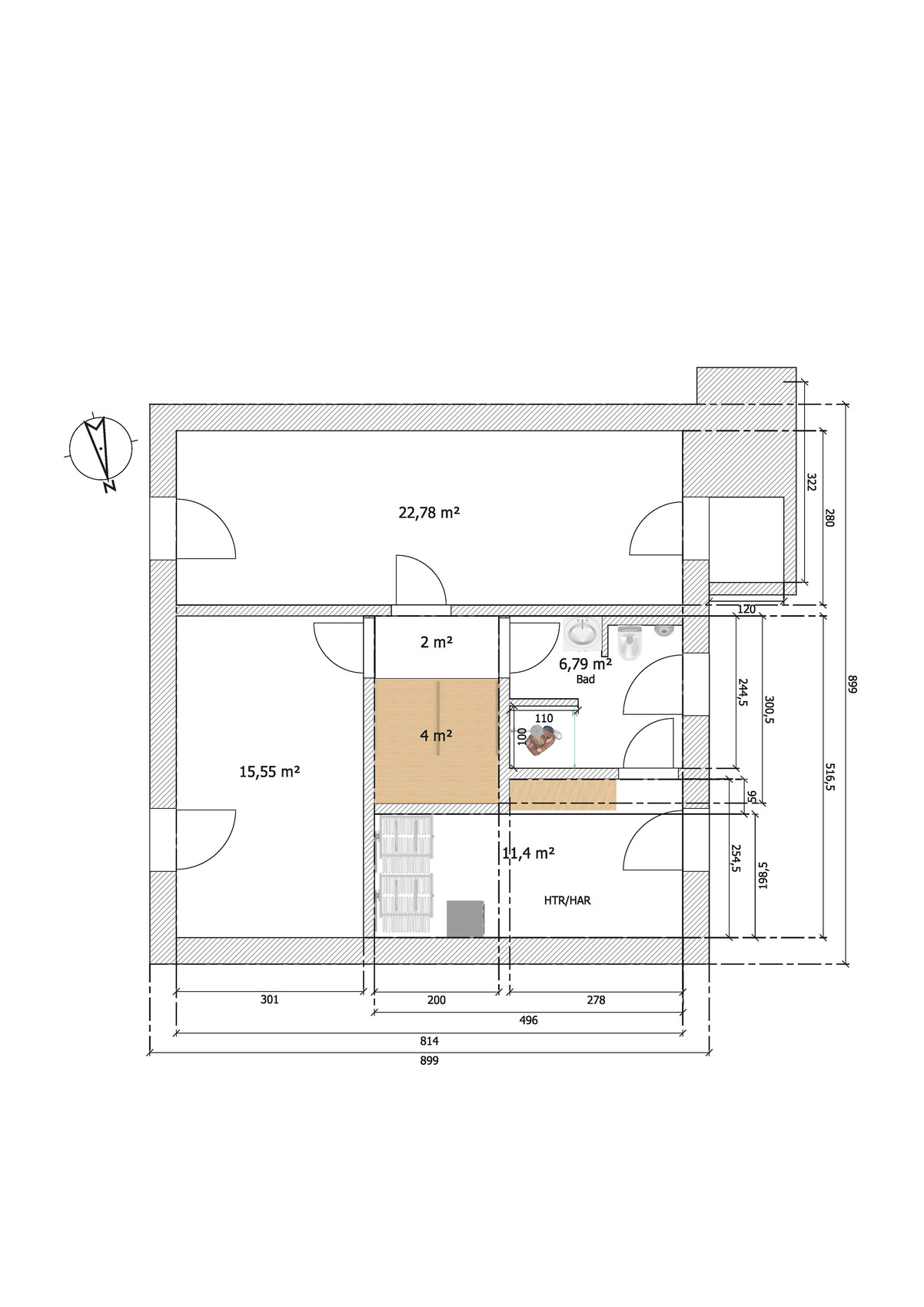
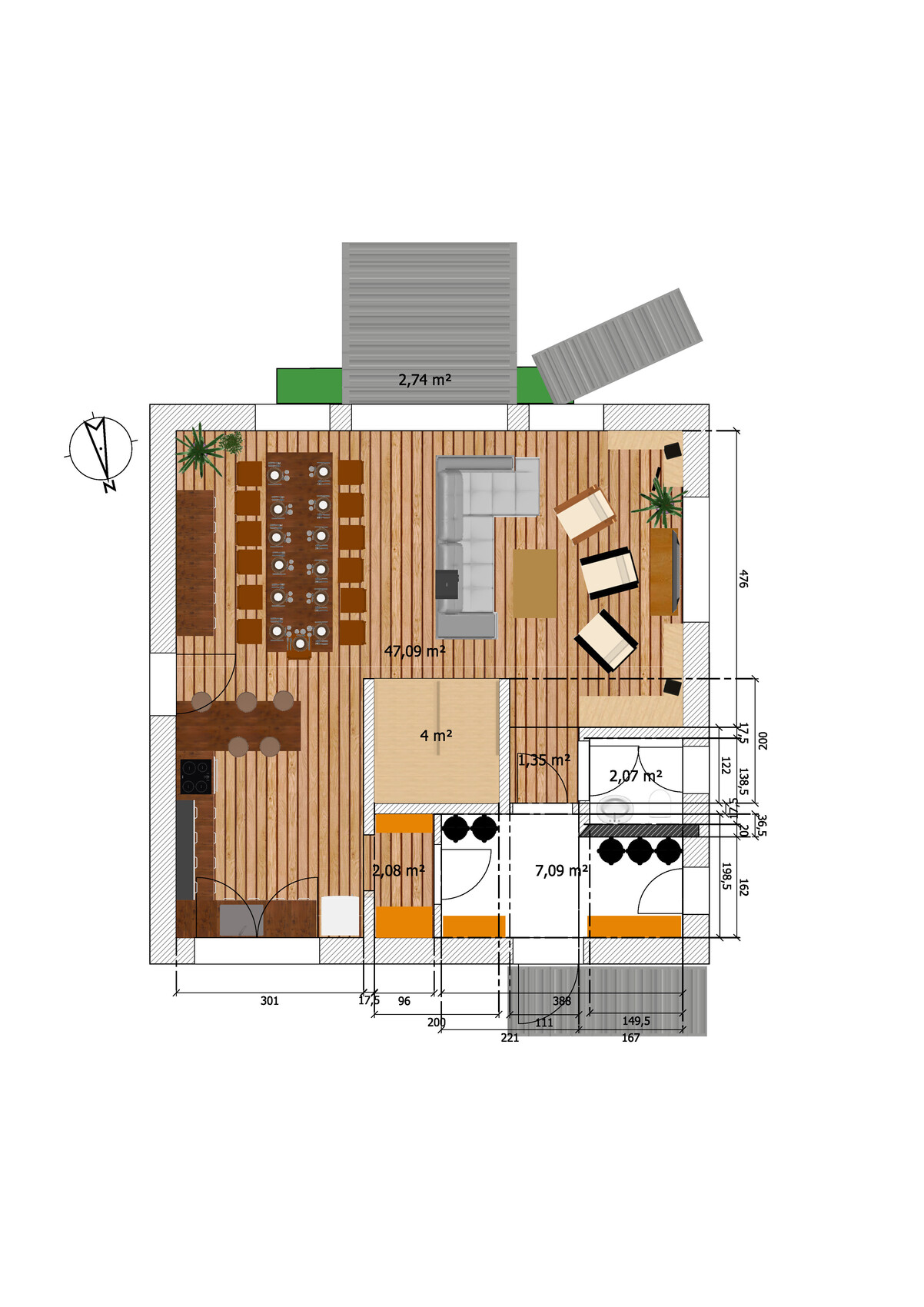
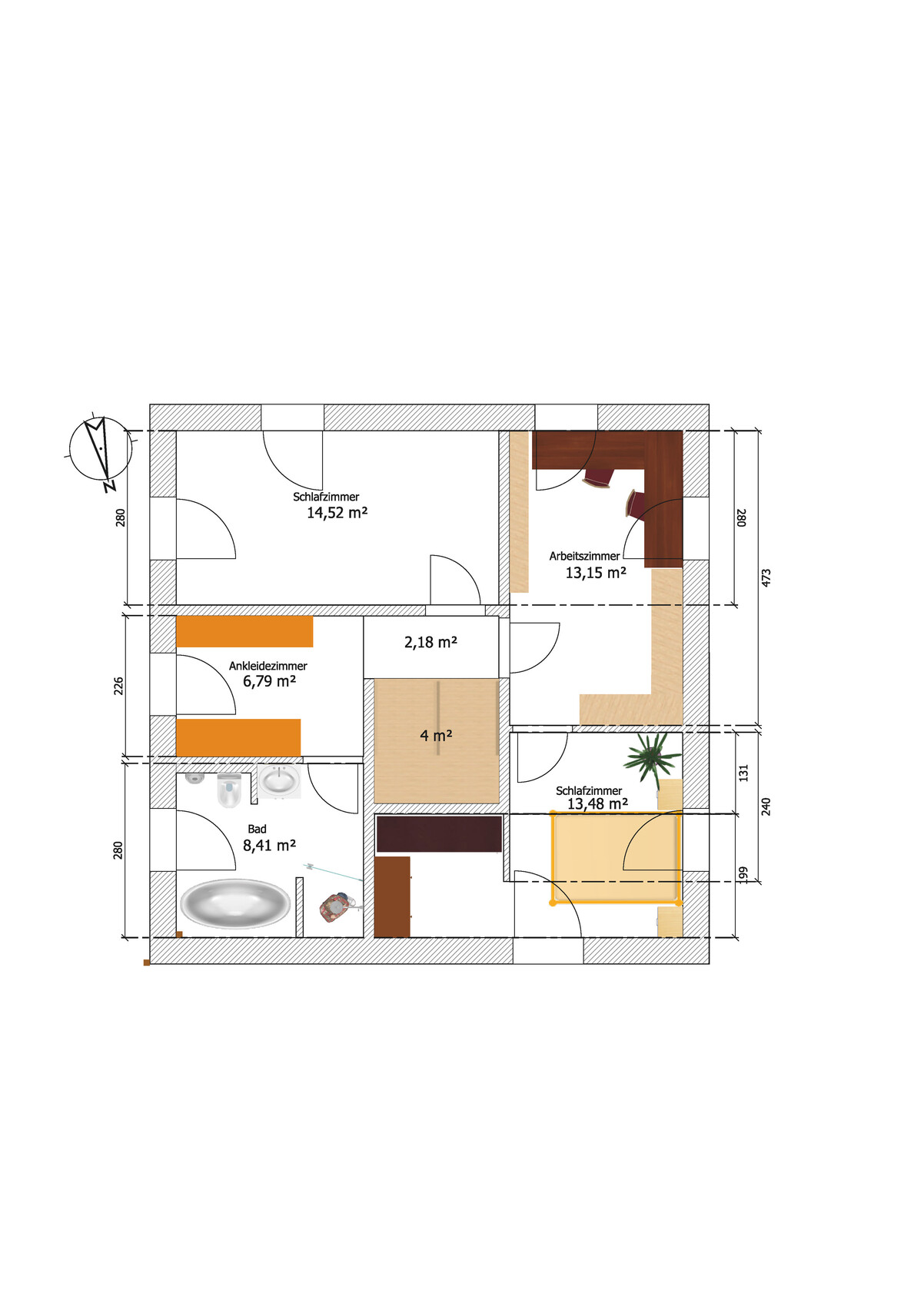
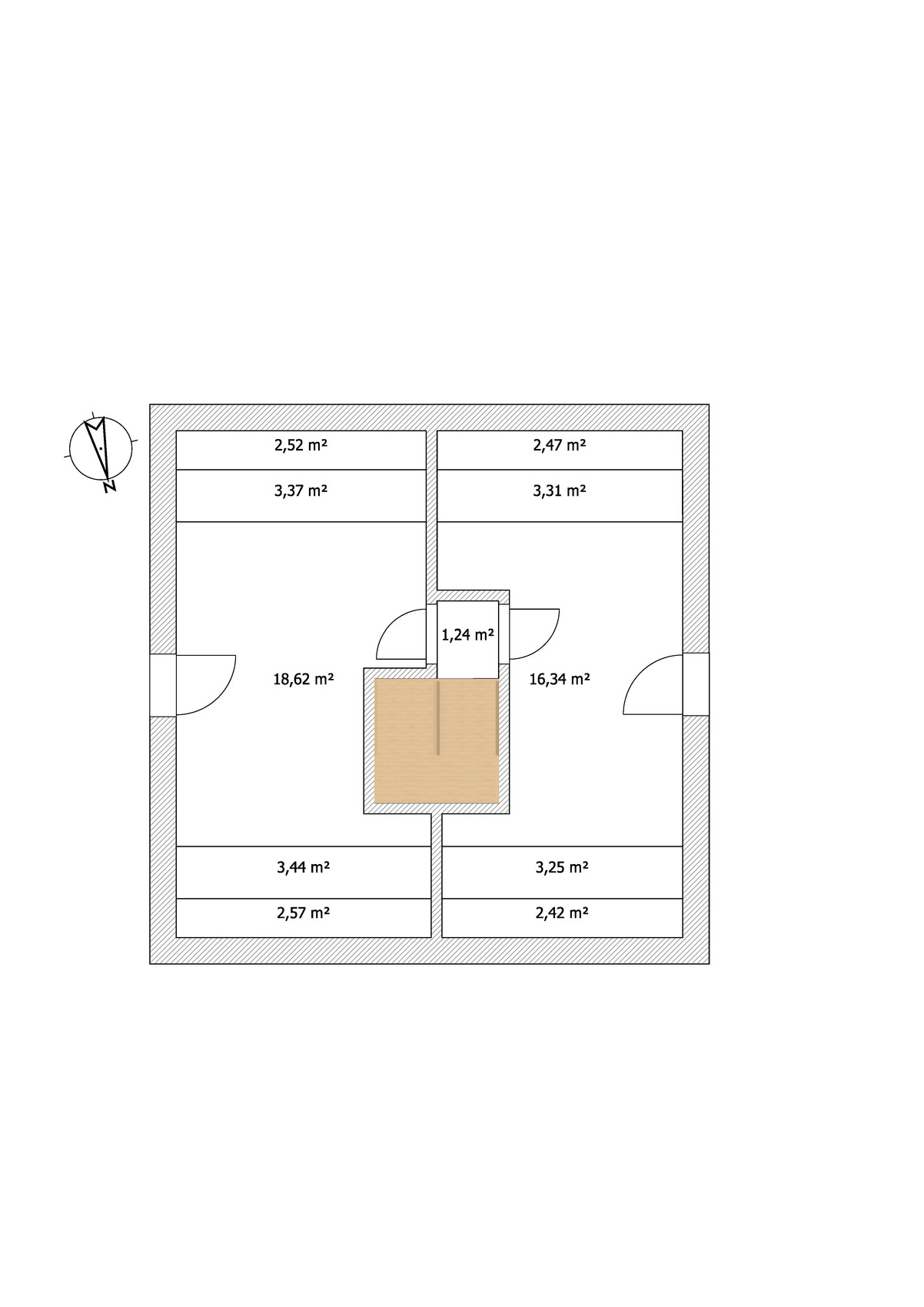
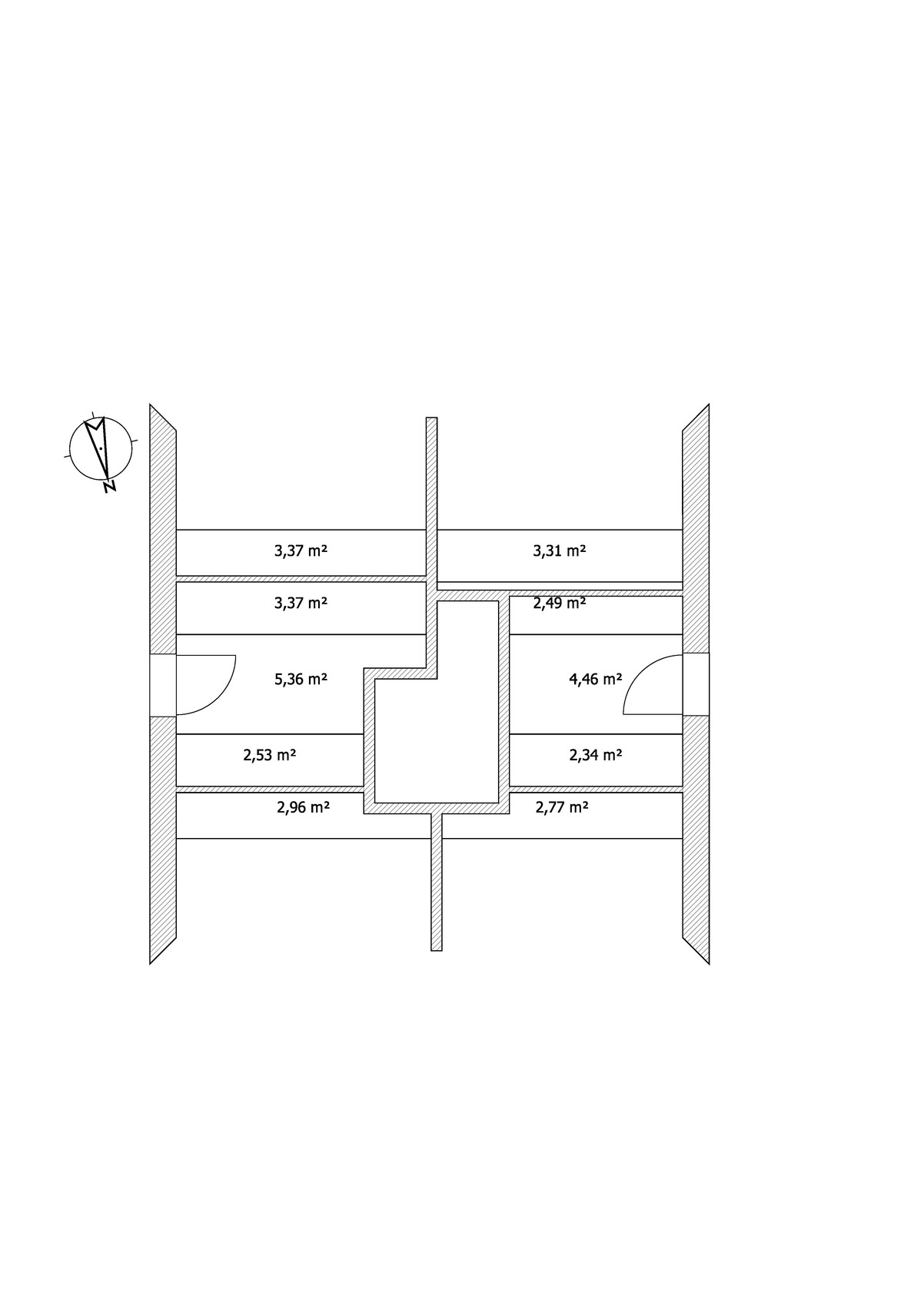
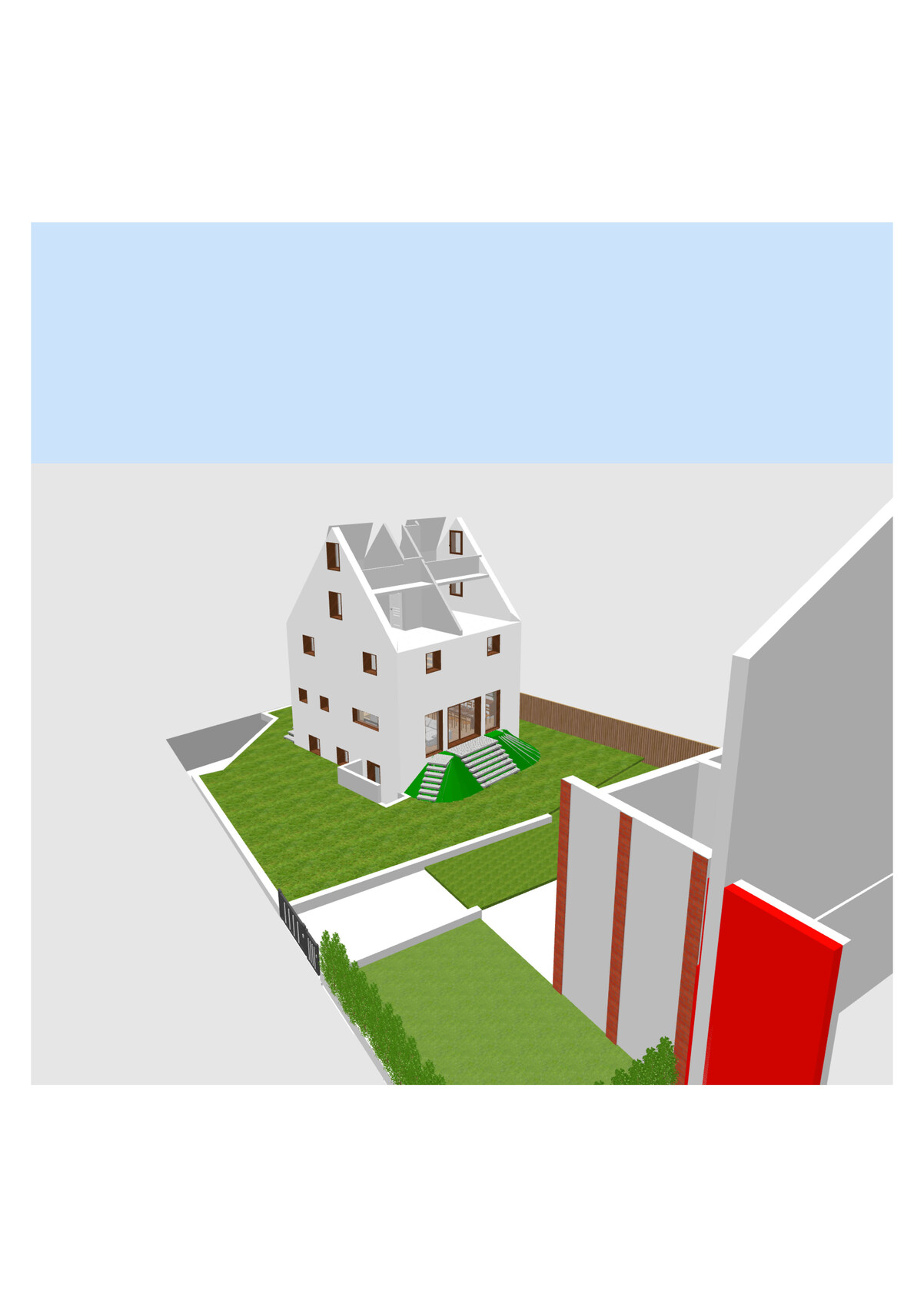
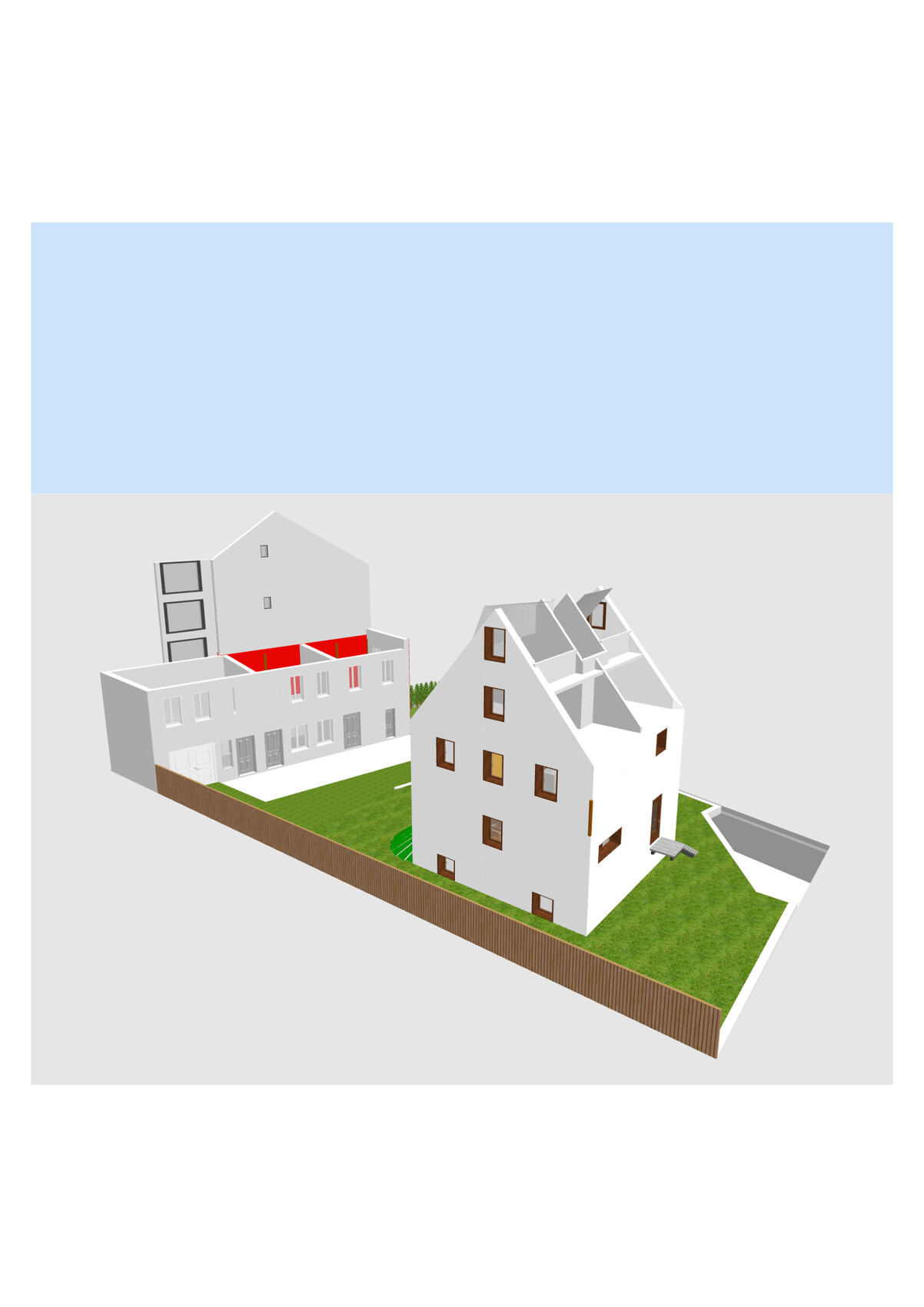
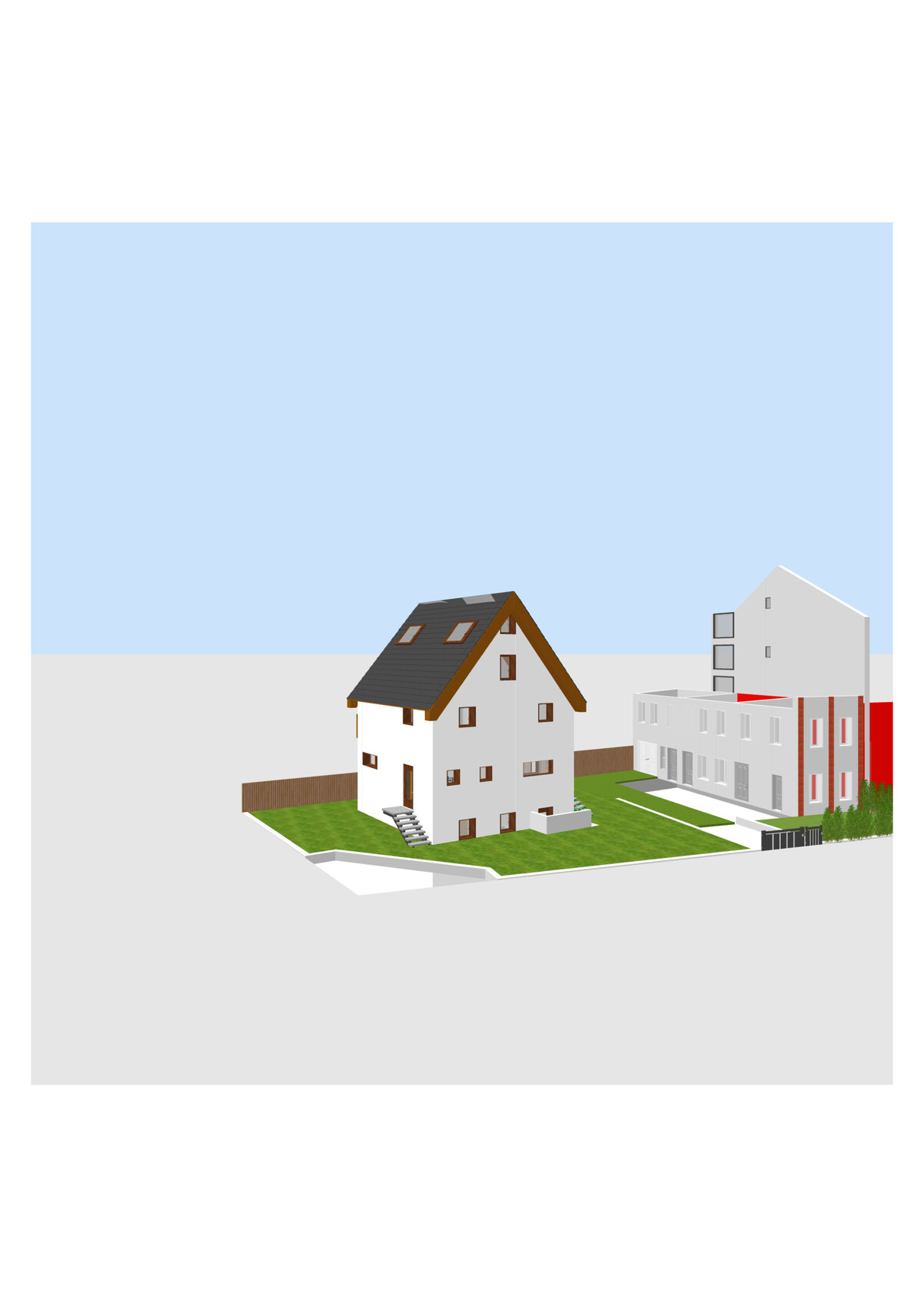
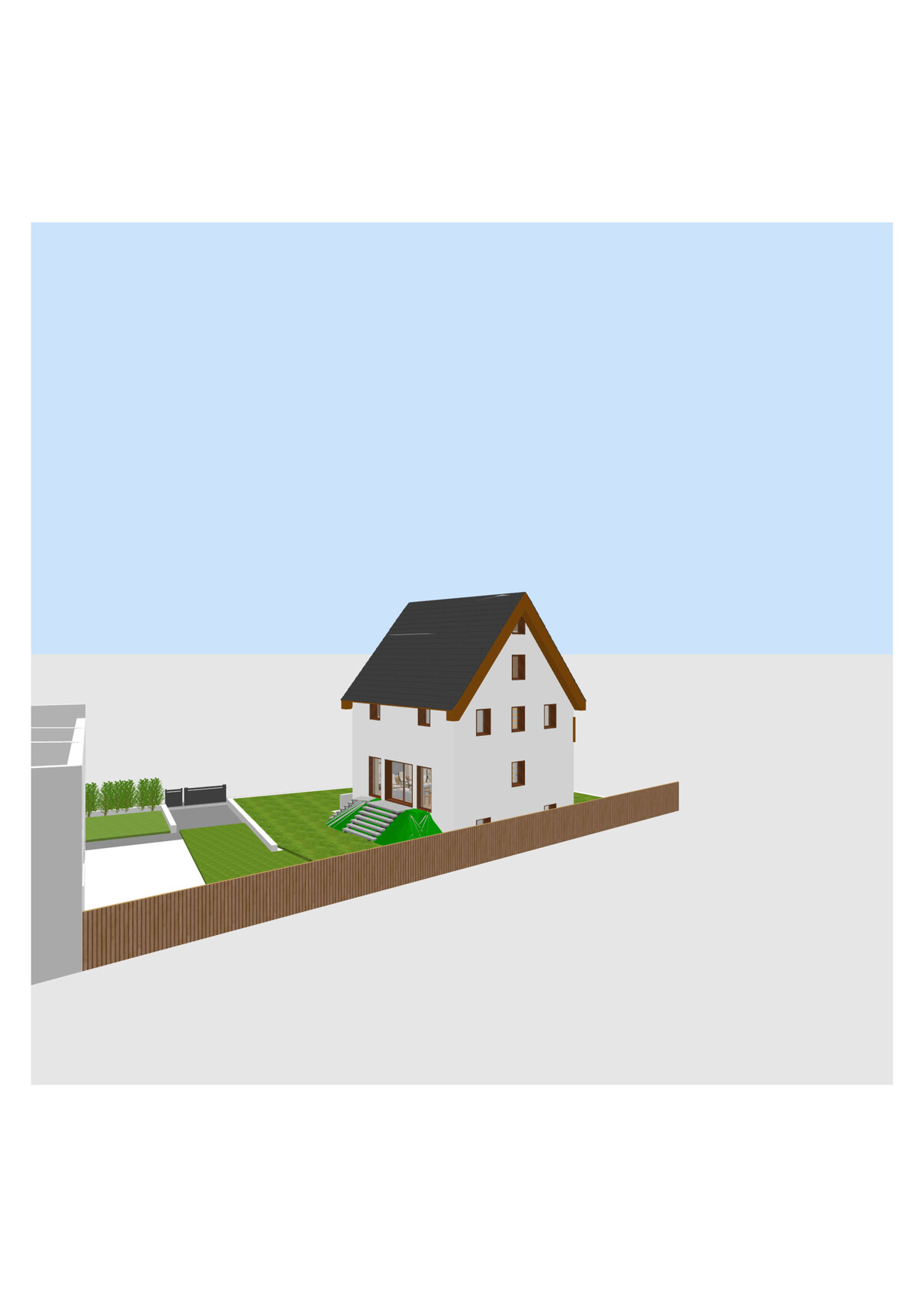
We are currently working with an architect on the design of our single-family home. Since we have three children, the house should accommodate several future scenarios. These include:
- Enough space for everyone
- At some point, the children will move out, and we will downsize to the living basement while renting out the rest
- One or two children might continue living with us (multi-generational living) – possibly in the basement with a separate entrance
- Possibly one child even starts a family in the house, and we move to the basement
Plot:
- 710 sqm (8,000 sq ft) close to the city center
- To the south is our rear building (two stories) attached to a 3.5-story apartment building (boundary development)
- To the north and west are the streets (a corner plot)
- Behind to the west is a large green plot with a single-family house
- To the north beyond the street are apartment buildings
- To the east there is a narrow parking lot followed by a green recreational garden area
- We have to keep a 6 m (20 ft) setback to the streets and the usual 3 m (10 ft) to the parking lot
Since the plot already has a building, and we want to keep the rear building (it is fully shaded by the apartment building, is in reasonable condition, and might provide future expansion potential—at least suitable for workshops and storage), and since the plot is not very large, we decided on a tall house with a small footprint.
About the house
- Eder XP9 or 10 (timber frame) in 42.5 or 49 cm (17 or 19 inches) thickness
- Living basement (150 cm (5 ft) below ground / 100 cm (3 ft) above ground) – if affordable (this allows for the utility room in the basement and more space on the ground floor for a large open-plan living/dining/kitchen area as the main living space)
- Knee wall either 150 cm (5 ft) or, if not much more expensive, a dormer wall above the full upper floor (both options allow the roof space to be used for two rooms; with the dormer, these rooms are very large and could even accommodate an attic instead of bunk beds)
- 50-degree roof pitch (for solar energy efficiency in winter)
- The basement should be designed to eventually allow for a small separate living unit
- Both bathrooms should have a standing toilet or urinal
- We definitely want a windbreak/entry vestibule
- The terrace should be raised with fill
- Underfloor heating with geothermal energy
- Solar energy planned for the future
We have already developed a fairly comfortable floor plan with our chosen architect. Our biggest concern is accidentally planning a wall or something else 5 cm (2 inches) too far to the left or right and then being unable to fit our furniture. I would appreciate it if you would be interested in looking over the current design and giving feedback.

I believe the issue is the 50-degree roof pitch. I think it’s great that you’re thinking sustainably and aiming for self-sufficiency. However, you still need to consider cost-effectiveness. I don’t think a 50-degree roof, which would extend over two stories in height, makes sense here. A basement, ground floor, upper floor, and a “flat” gable or hip roof would allow you to simply use a standard floor plan.
Please disregard the intermediate floor in the attic. Just imagine that we will build a tall and larger loft bed there (with a steep ladder) due to the height. This only affects the floor plan in the sense that the rooms don’t have to be very big because the bed will be elevated.
I am not a carpenter, but wood is my area of expertise. I know several carpenters among my friends and family whom I can rely on, although I haven’t needed to so far. In our apartment, we currently have a loft bed in a 20m² (215 sq ft) children’s room, next to a half-height play platform that the 2-year-old is not supposed to climb on, and above the platform, under the ceiling, there is a walkable/kneelable storage area.
I am not a carpenter, but wood is my area of expertise. I know several carpenters among my friends and family whom I can rely on, although I haven’t needed to so far. In our apartment, we currently have a loft bed in a 20m² (215 sq ft) children’s room, next to a half-height play platform that the 2-year-old is not supposed to climb on, and above the platform, under the ceiling, there is a walkable/kneelable storage area.
Pinky0301 schrieb:
I think the issue is the 50-degree roof pitch. I appreciate that you’re thinking sustainably and want to be self-sufficient. However, it’s still important to consider cost-effectiveness. I don’t believe a 50-degree roof, which would extend over two stories in height, makes much sense here.
A basement, ground floor, upper floor, and a "flat" gable or hip roof would allow for a standard floor plan. Besides sustainability (photovoltaics in winter), the 50-degree roof offers the advantage that the staircase can be built "closer" to the edge since the roof rises more steeply, allowing for a landing or loft bed space. We just want to make sure we actually use it!
The only drawbacks I know of are purely aesthetic—from the outside, it can look like church architecture. In terms of cost, it doesn’t cost (much) more than a 35–45-degree pitch. Slightly more wood and roofing tiles are needed, but the structural requirements differ since the roof exerts less outward pressure (at least that’s what we were told), although this is probably balanced out by the higher wind load.
By the way: a 50° gable roof is not that unusual. It differs by 5 degrees from 45°. Many people don’t even notice this at a quick glance. So, apart from the basement and the fact that we want to convert the attic, it is basically a standard floor plan. Similar layouts can be found in many catalogs. Usually, the entrance is at the bottom of the plan (but we definitely want an entrance area/mudroom that serves neither as a stairwell nor provides access to other rooms like the toilet). Often, the wall to the living room is closed off and separated by a door. We would, however, like to have just a little bit more openness there.
That’s why I had difficulty with the terminology. Because there were two floor plan variants: one with an attic floor and a 150cm (59 inch) knee wall, and the other with the wall built about 1 meter (3 feet) higher (I meant raising the knee wall) to create a floor without sloped ceilings. I found it confusing to call one an attic floor and the other an upper floor when the difference was so small, so I mistakenly mixed the terms and then referred to the floor above as the (roof/loft) space.
kaho674 schrieb:
Your upper floor is not directly under the roof. The attic is above that. So, it is not an attic floor.
That’s why I had difficulty with the terminology. Because there were two floor plan variants: one with an attic floor and a 150cm (59 inch) knee wall, and the other with the wall built about 1 meter (3 feet) higher (I meant raising the knee wall) to create a floor without sloped ceilings. I found it confusing to call one an attic floor and the other an upper floor when the difference was so small, so I mistakenly mixed the terms and then referred to the floor above as the (roof/loft) space.

grericht schrieb:
by the way: a 50° roof pitch isn't that unusual. It only differs by 5 degrees from 45°. Many people don’t even notice that at a quick glance. So it’s basically a standard floor plan, except for the basement and the fact that we want to convert the attic.The difference is that you have two full stories under the 50° roof. Typical single-family homes with steep roofs usually have a (rather low) knee wall on the upper floor, which creates very different proportions. I suspect that’s why your building looks much more like a multi-family house.
opalau schrieb:
The difference is that you have two full floors under the 50° (50-degree) roof. Typical single-family houses with steep roofs usually have an (often low) knee wall on the upper floor. This creates quite different proportions. I suspect that’s why your house looks much more like a multi-family building. But since there are 2.5 to 3.5-story multi-family buildings all around (aligned in the same row), it could look like we renovated an old building instead of a new one. The other houses don’t have a 50° (50-degree) gable roof but instead have one more floor with a 45° (45-degree) slope, then a change to around 30° (30-degree). We discussed a 2.5-story new build with a gable roof with the building permit/planning permission authority, and it was considered very harmonious.
Similar topics