
ᐅ Single-family house (2 floors + finished basement + converted attic), approximately 200 sqm – modifications
Created on: 20 Oct 2019 21:50
G
grerichtHello,
We are currently working with an architect on the design of our single-family home. Since we have three children, the house should accommodate several future scenarios. These include:
Plot:
Since the plot already has a building, and we want to keep the rear building (it is fully shaded by the apartment building, is in reasonable condition, and might provide future expansion potential—at least suitable for workshops and storage), and since the plot is not very large, we decided on a tall house with a small footprint.
About the house
We have already developed a fairly comfortable floor plan with our chosen architect. Our biggest concern is accidentally planning a wall or something else 5 cm (2 inches) too far to the left or right and then being unable to fit our furniture. I would appreciate it if you would be interested in looking over the current design and giving feedback.
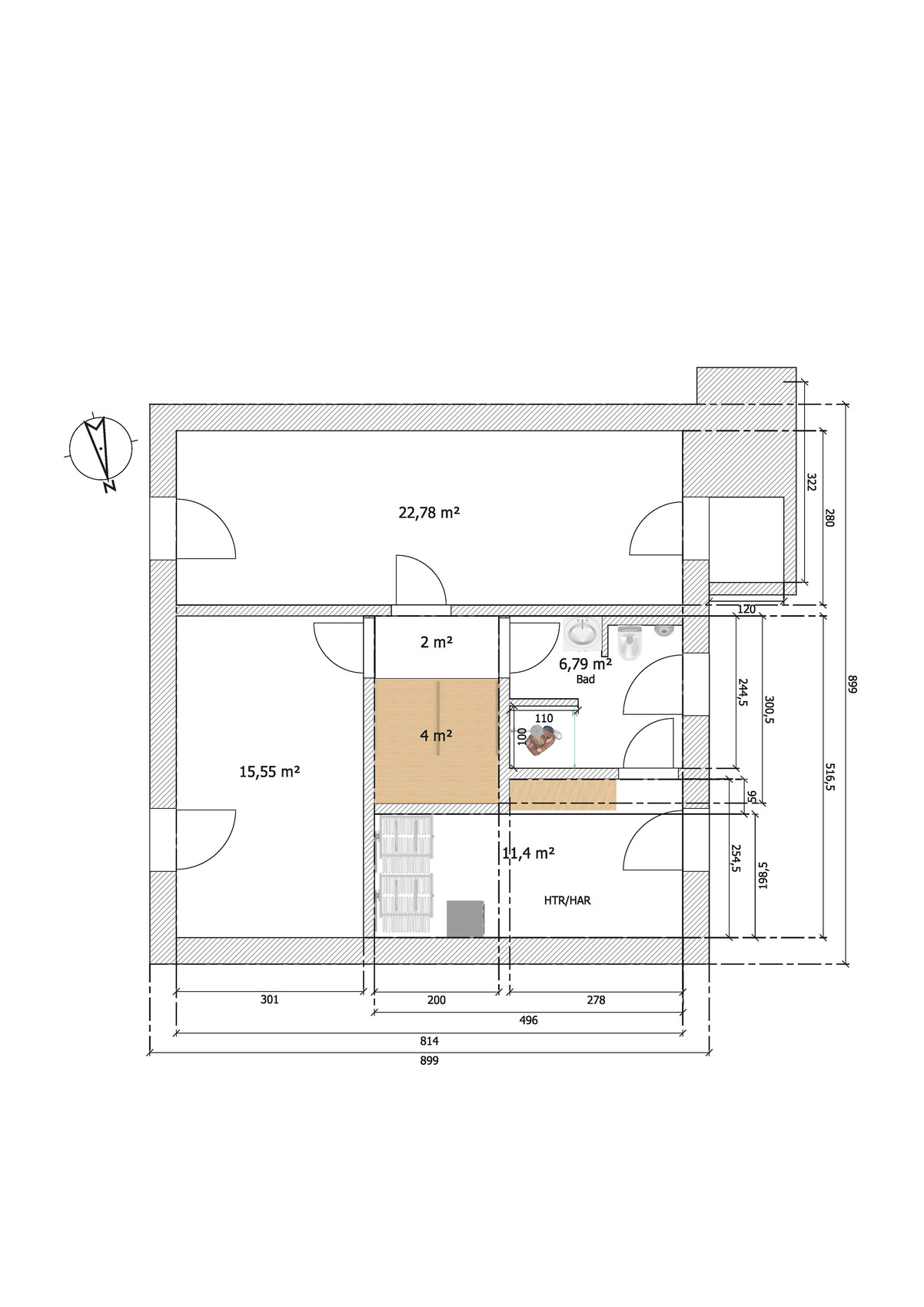
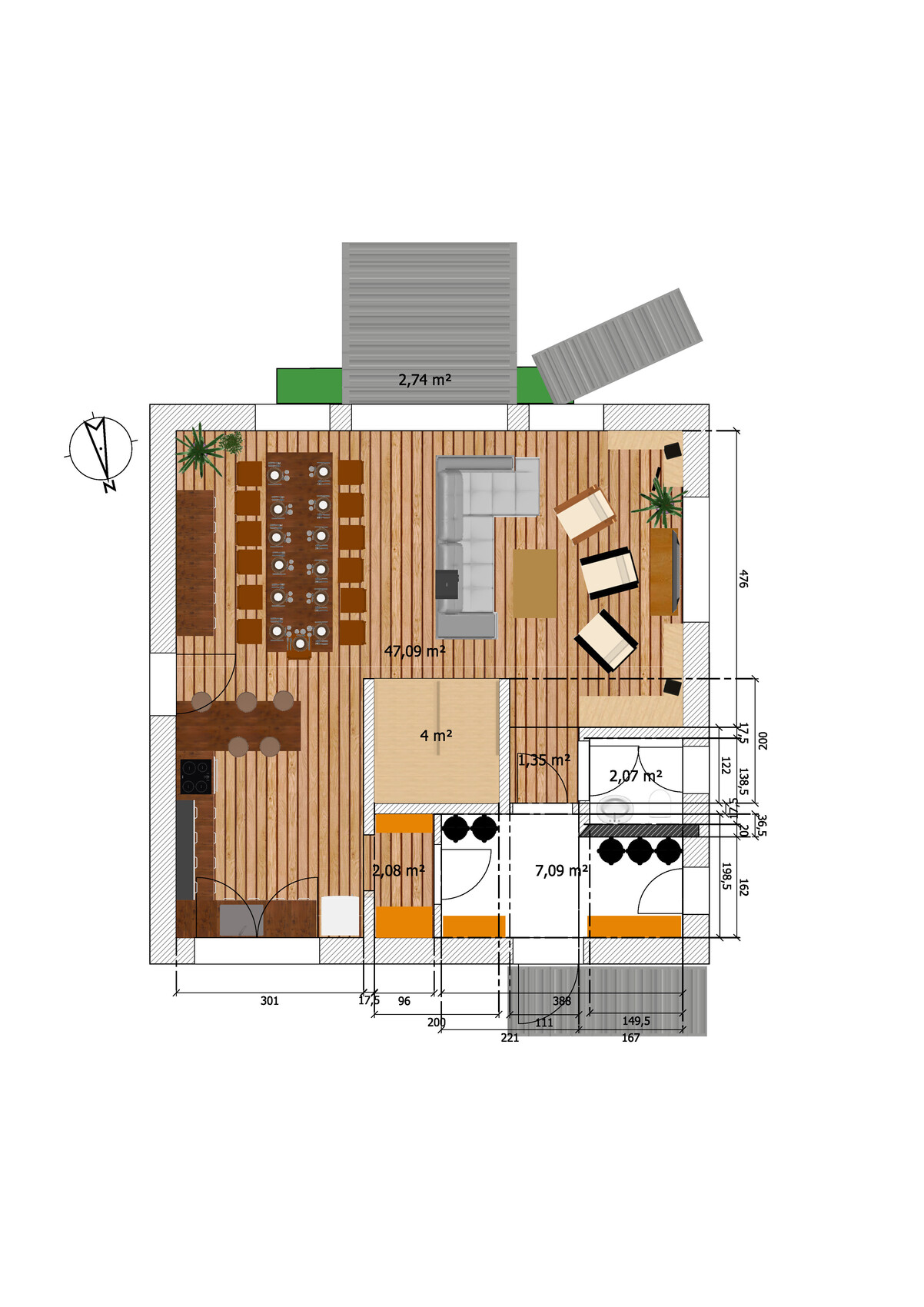
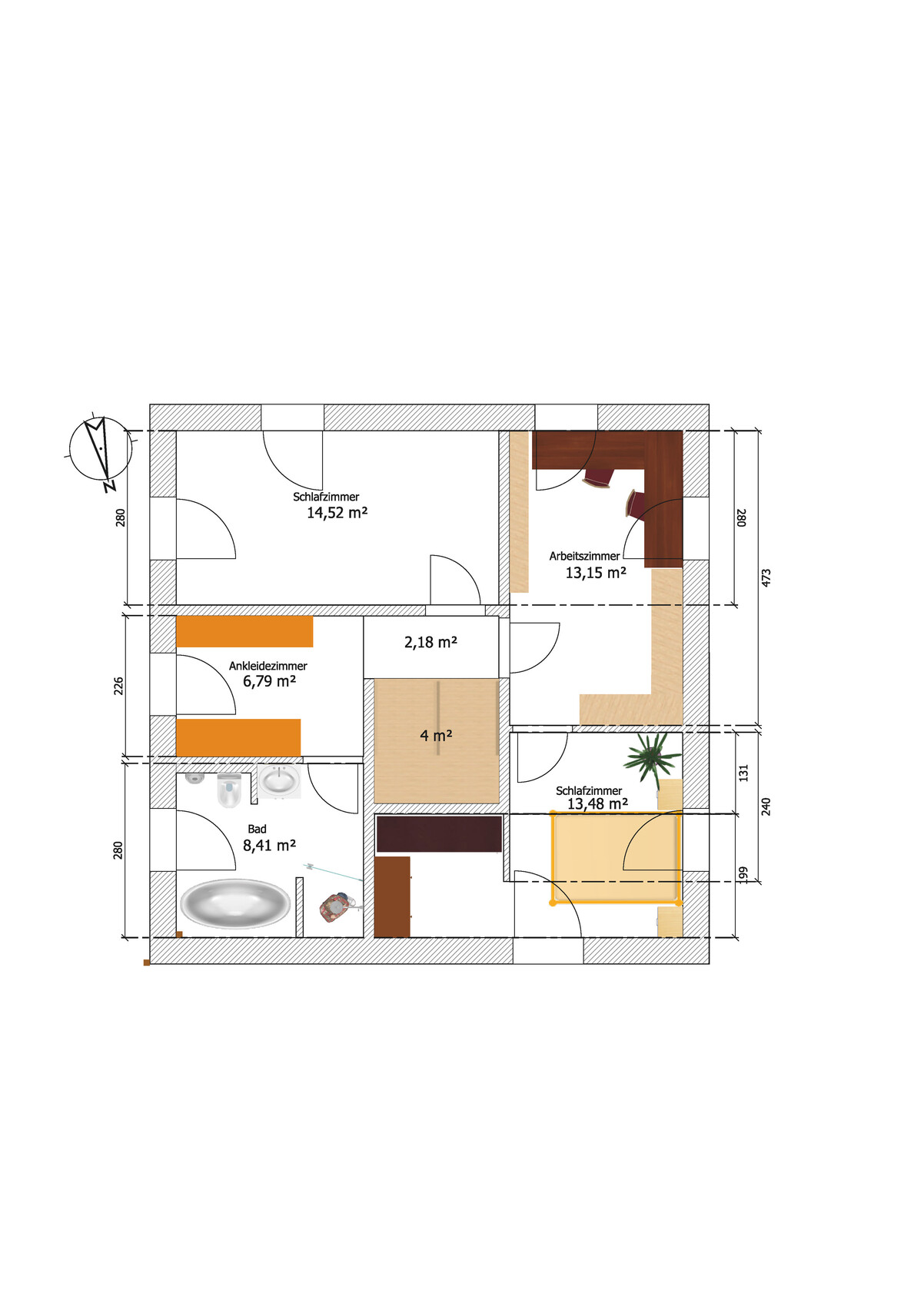
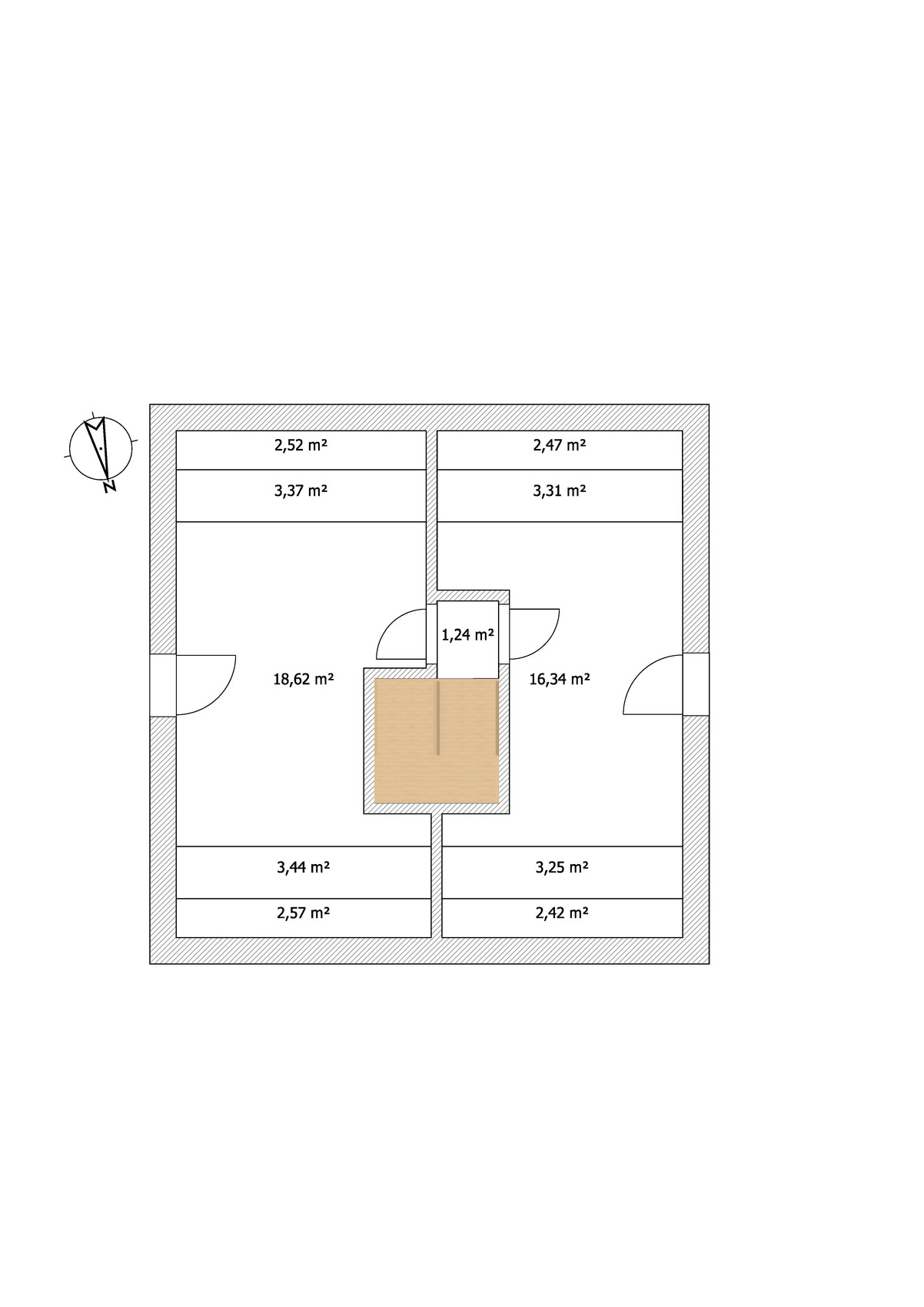
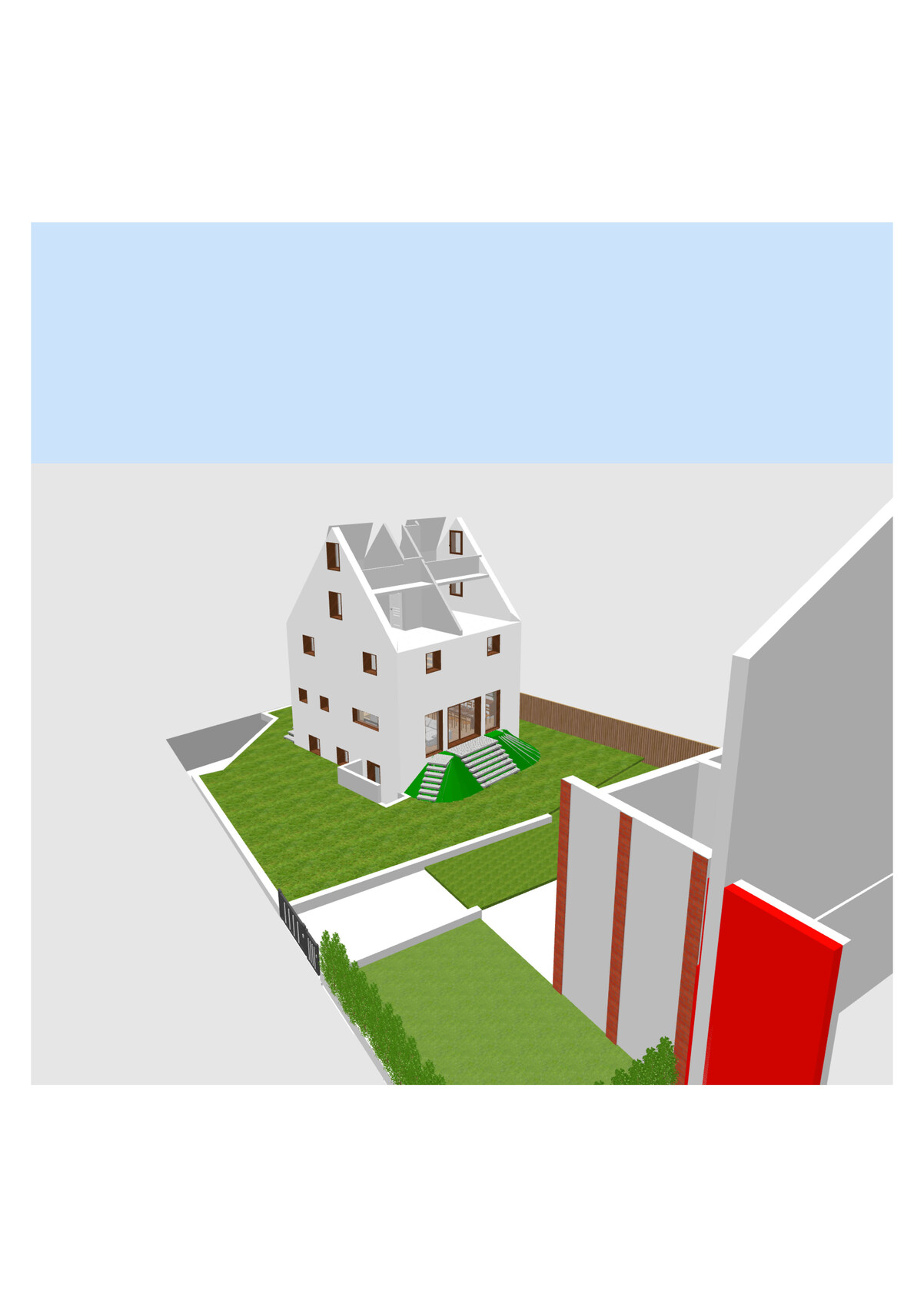
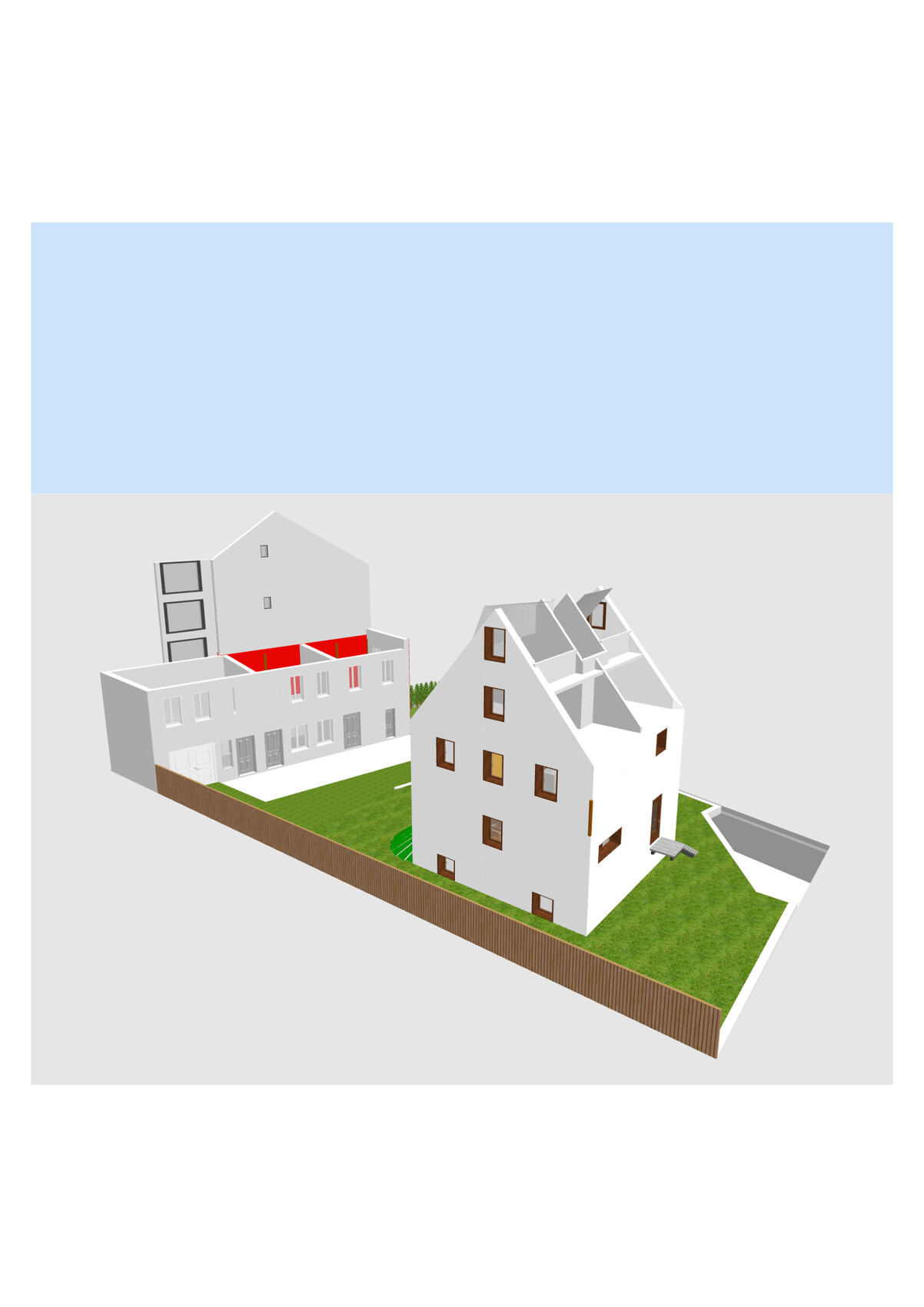
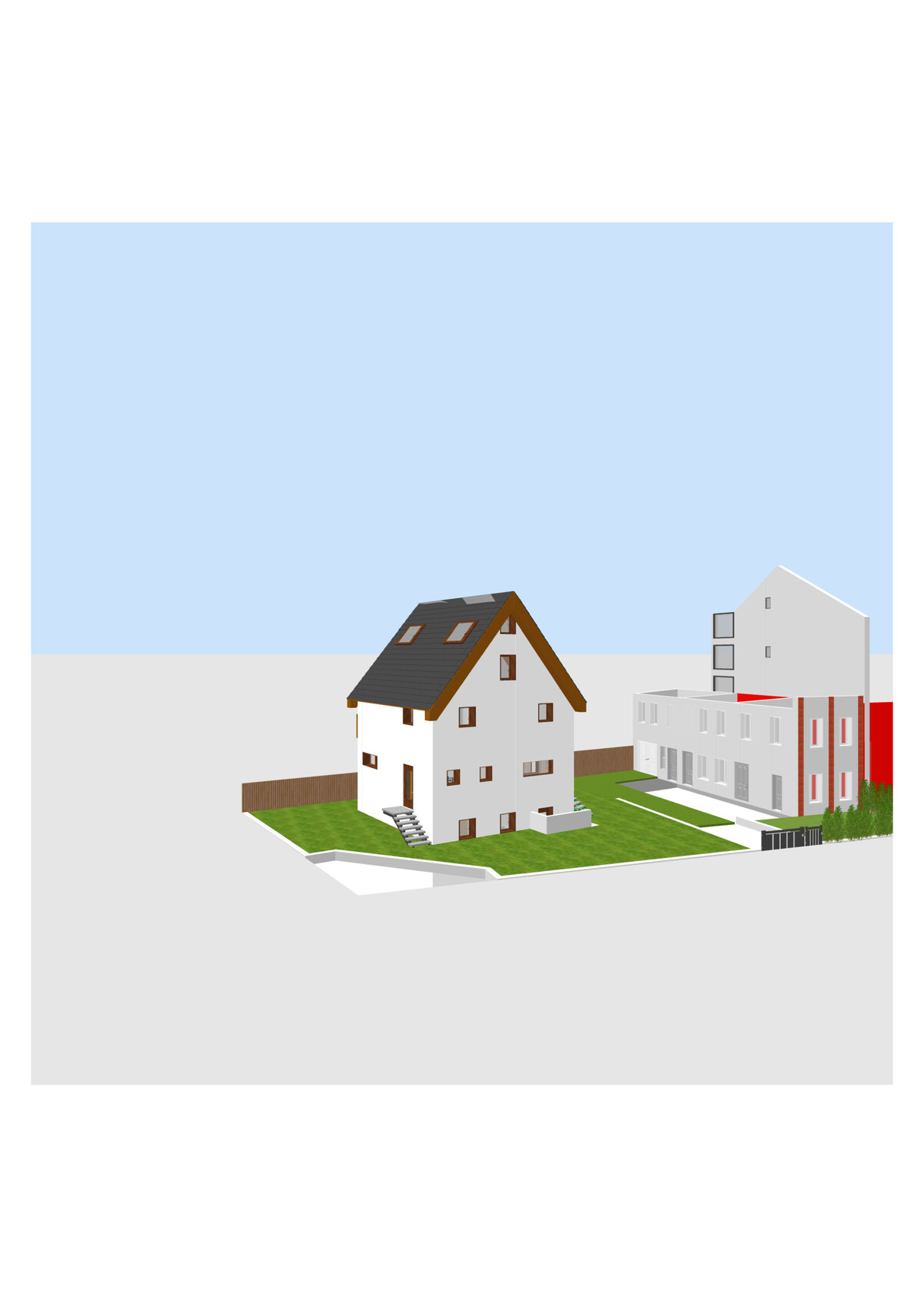
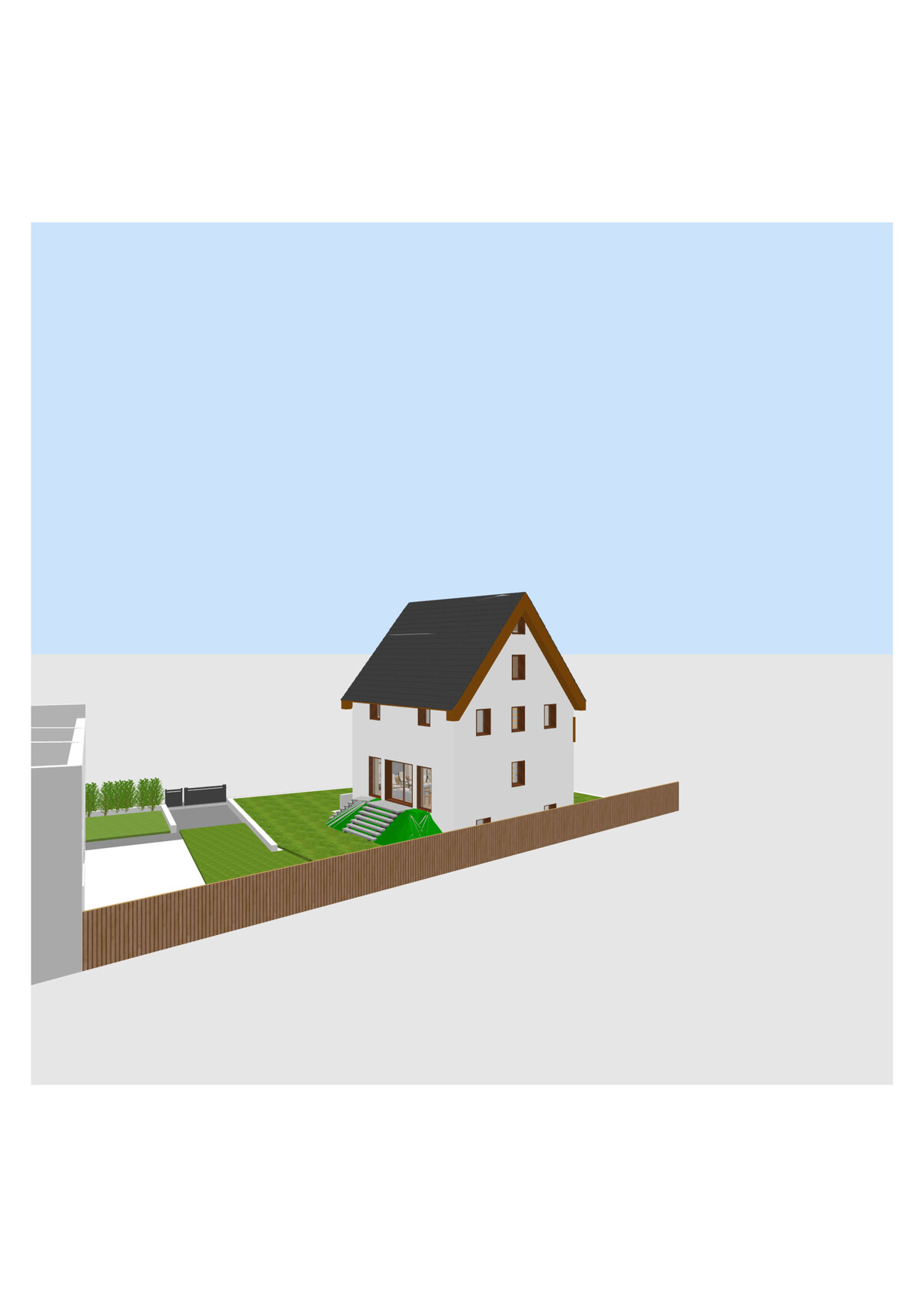
We are currently working with an architect on the design of our single-family home. Since we have three children, the house should accommodate several future scenarios. These include:
- Enough space for everyone
- At some point, the children will move out, and we will downsize to the living basement while renting out the rest
- One or two children might continue living with us (multi-generational living) – possibly in the basement with a separate entrance
- Possibly one child even starts a family in the house, and we move to the basement
Plot:
- 710 sqm (8,000 sq ft) close to the city center
- To the south is our rear building (two stories) attached to a 3.5-story apartment building (boundary development)
- To the north and west are the streets (a corner plot)
- Behind to the west is a large green plot with a single-family house
- To the north beyond the street are apartment buildings
- To the east there is a narrow parking lot followed by a green recreational garden area
- We have to keep a 6 m (20 ft) setback to the streets and the usual 3 m (10 ft) to the parking lot
Since the plot already has a building, and we want to keep the rear building (it is fully shaded by the apartment building, is in reasonable condition, and might provide future expansion potential—at least suitable for workshops and storage), and since the plot is not very large, we decided on a tall house with a small footprint.
About the house
- Eder XP9 or 10 (timber frame) in 42.5 or 49 cm (17 or 19 inches) thickness
- Living basement (150 cm (5 ft) below ground / 100 cm (3 ft) above ground) – if affordable (this allows for the utility room in the basement and more space on the ground floor for a large open-plan living/dining/kitchen area as the main living space)
- Knee wall either 150 cm (5 ft) or, if not much more expensive, a dormer wall above the full upper floor (both options allow the roof space to be used for two rooms; with the dormer, these rooms are very large and could even accommodate an attic instead of bunk beds)
- 50-degree roof pitch (for solar energy efficiency in winter)
- The basement should be designed to eventually allow for a small separate living unit
- Both bathrooms should have a standing toilet or urinal
- We definitely want a windbreak/entry vestibule
- The terrace should be raised with fill
- Underfloor heating with geothermal energy
- Solar energy planned for the future
We have already developed a fairly comfortable floor plan with our chosen architect. Our biggest concern is accidentally planning a wall or something else 5 cm (2 inches) too far to the left or right and then being unable to fit our furniture. I would appreciate it if you would be interested in looking over the current design and giving feedback.
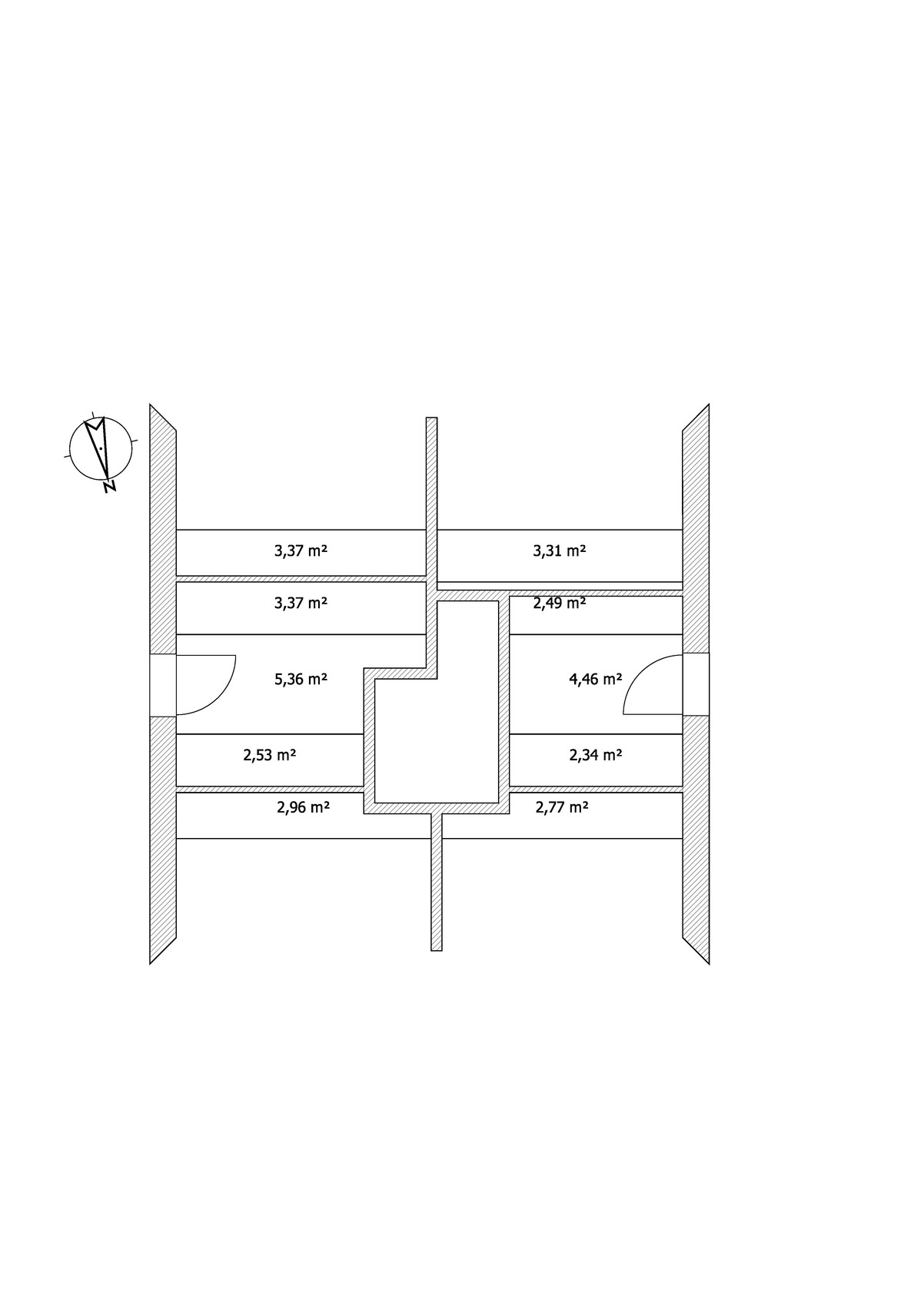
Here is the version with a knee wall at 150cm (59 inches) on the upper floor. Unfortunately, with this option, neither roof windows nor vertical windows facing north or south are possible on the upper floor. This changes the window arrangement and thus the possible furniture layouts upstairs. We are also concerned that the bedroom facing northeast might be quite dark.
Otherwise, the roof is about 130cm (51 inches) lower. Even if you build a loft bed or an attic space with 15cm (6 inches) thickness at a height of 2m (6 ft 7 in) within the roof, the peak height would only just reach 2m (6 ft 7 in). That is acceptable for a loft bed but not really suitable as additional living space.
With a knee wall, the height exceeds 3m (10 ft) at the attic/raised level/loft bed around 225cm (89 inches). Of course, the attic space is also significantly larger and more usable with a knee wall.
Therefore: if financially feasible, we definitely want to build up to the knee wall.
Since the basement and ground floor remain unchanged, I have not attached them again.
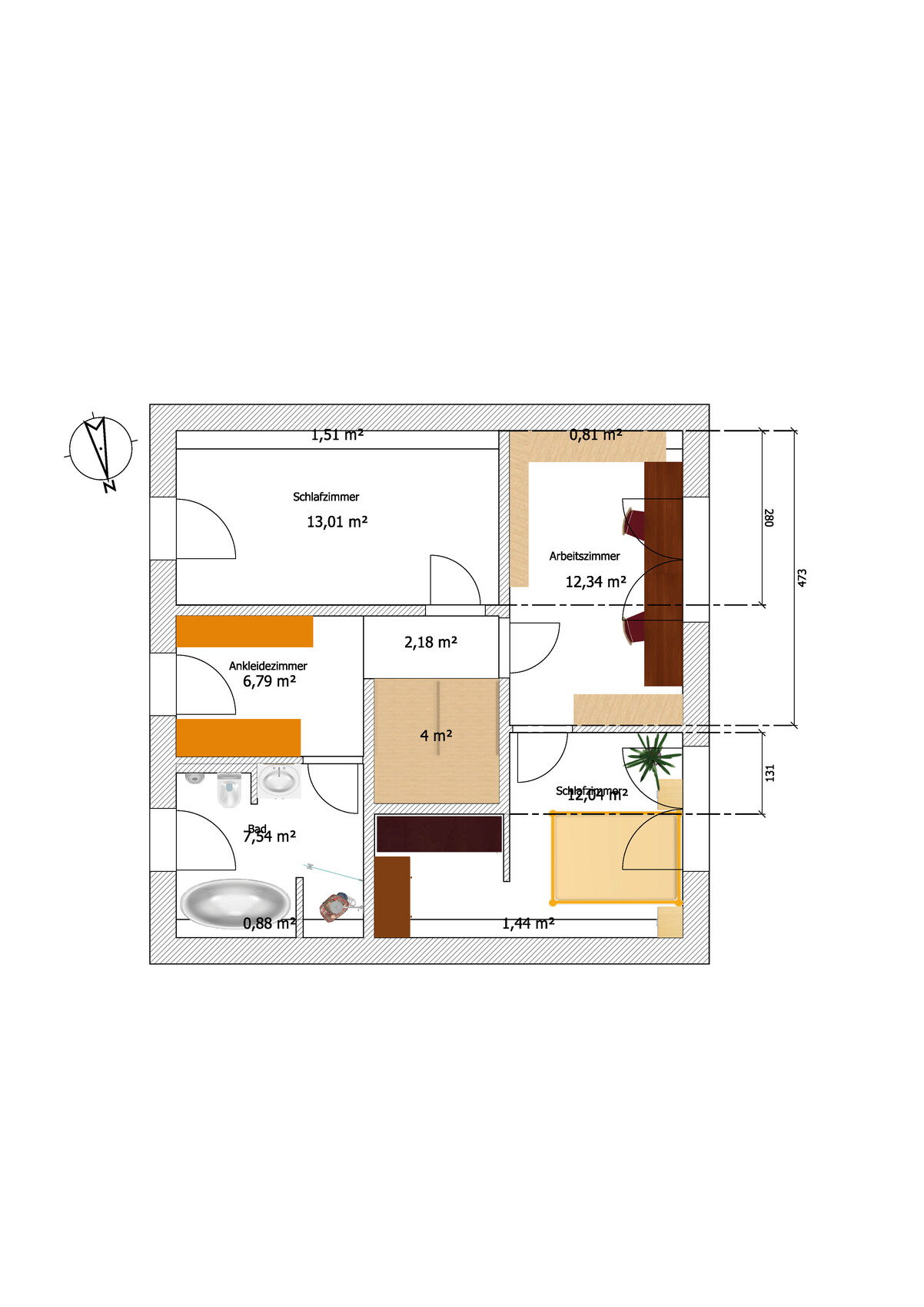
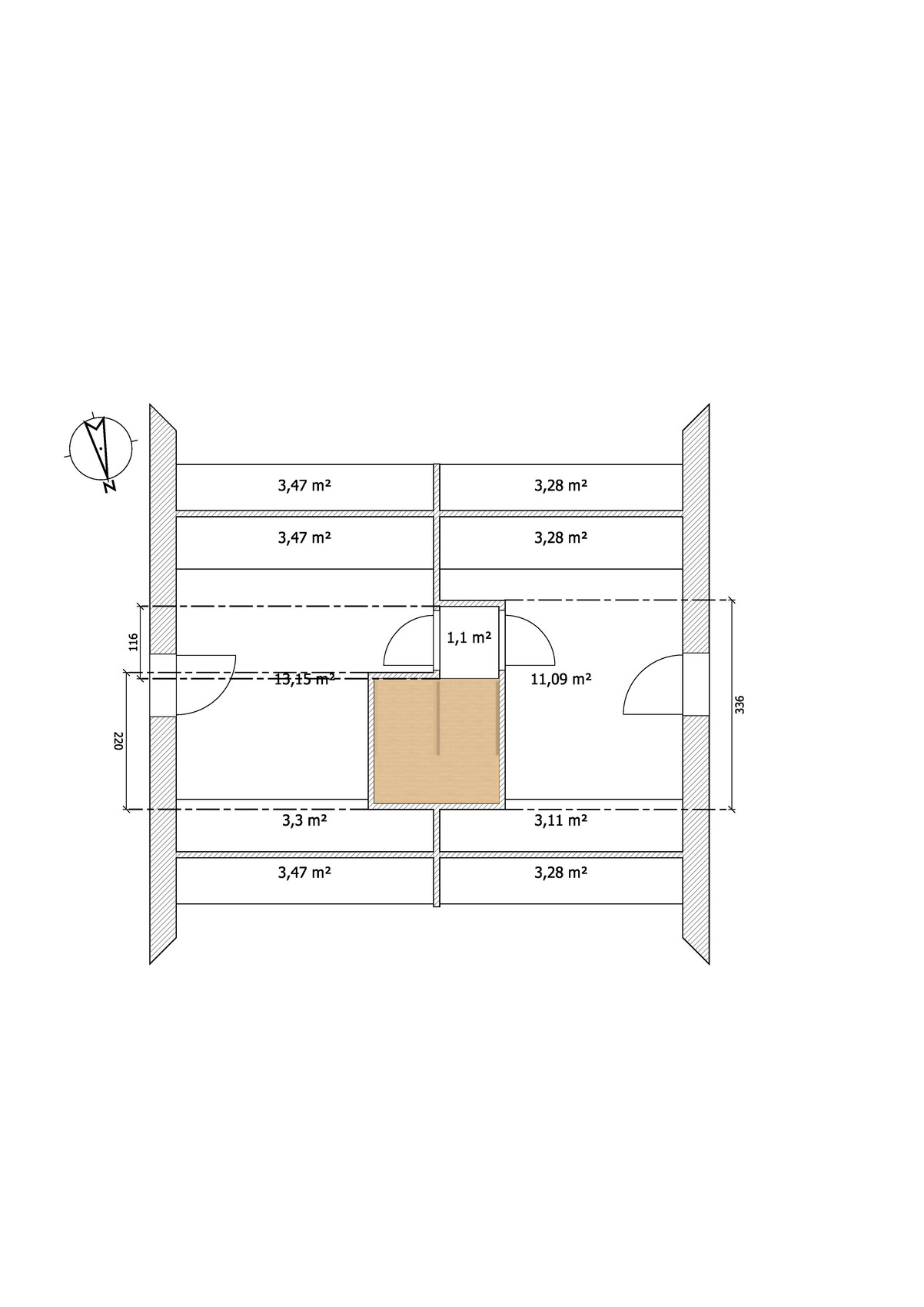
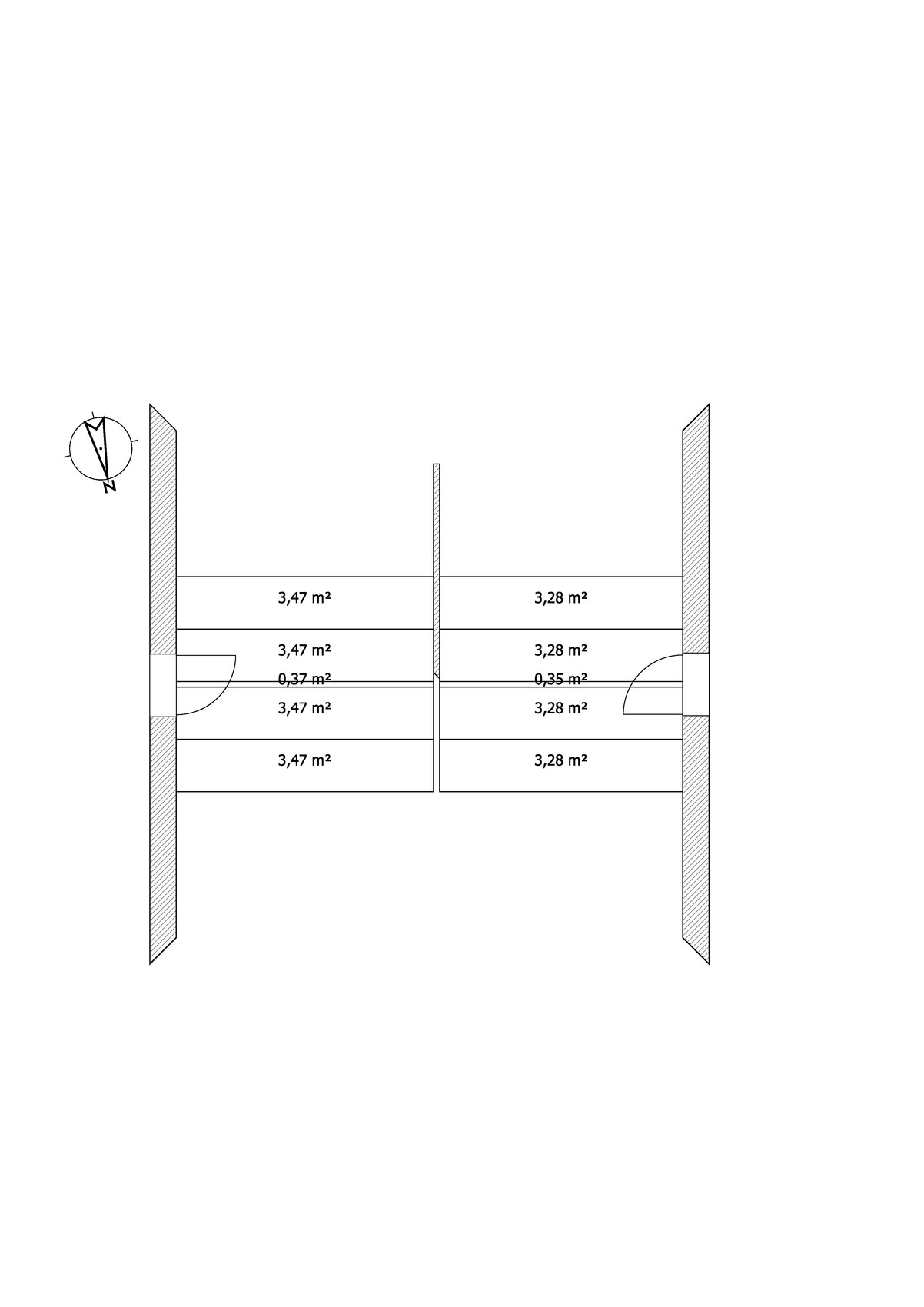
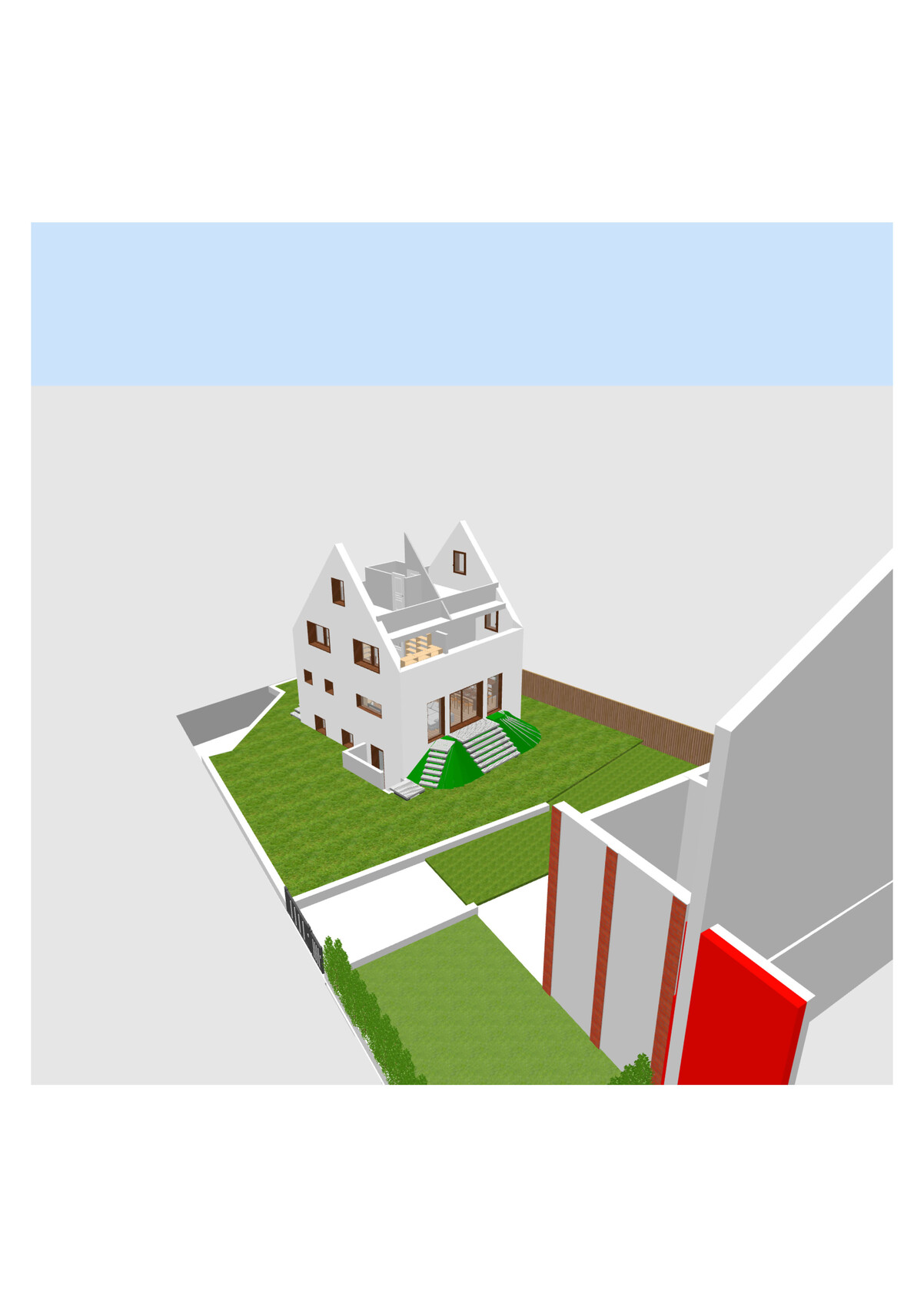
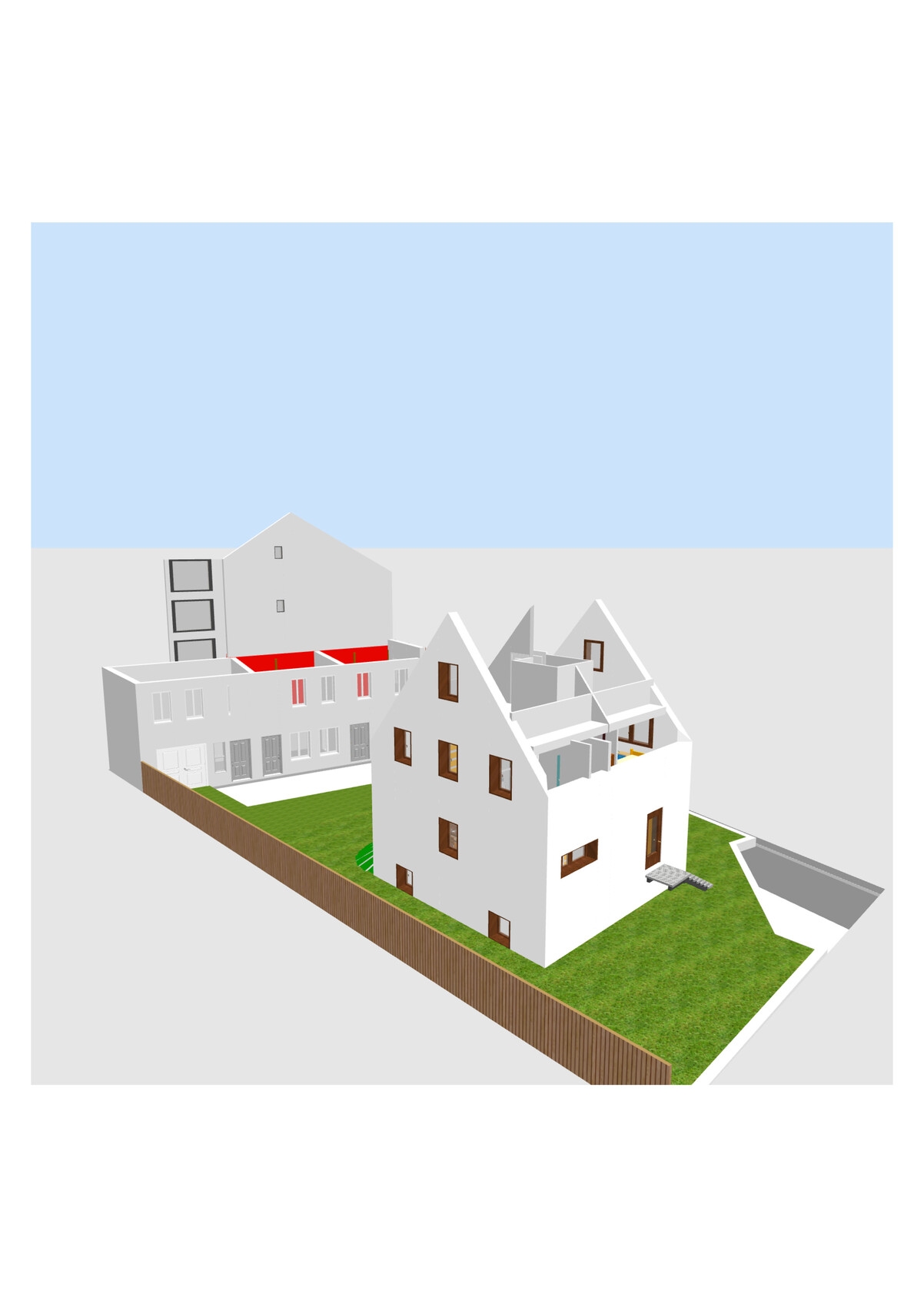
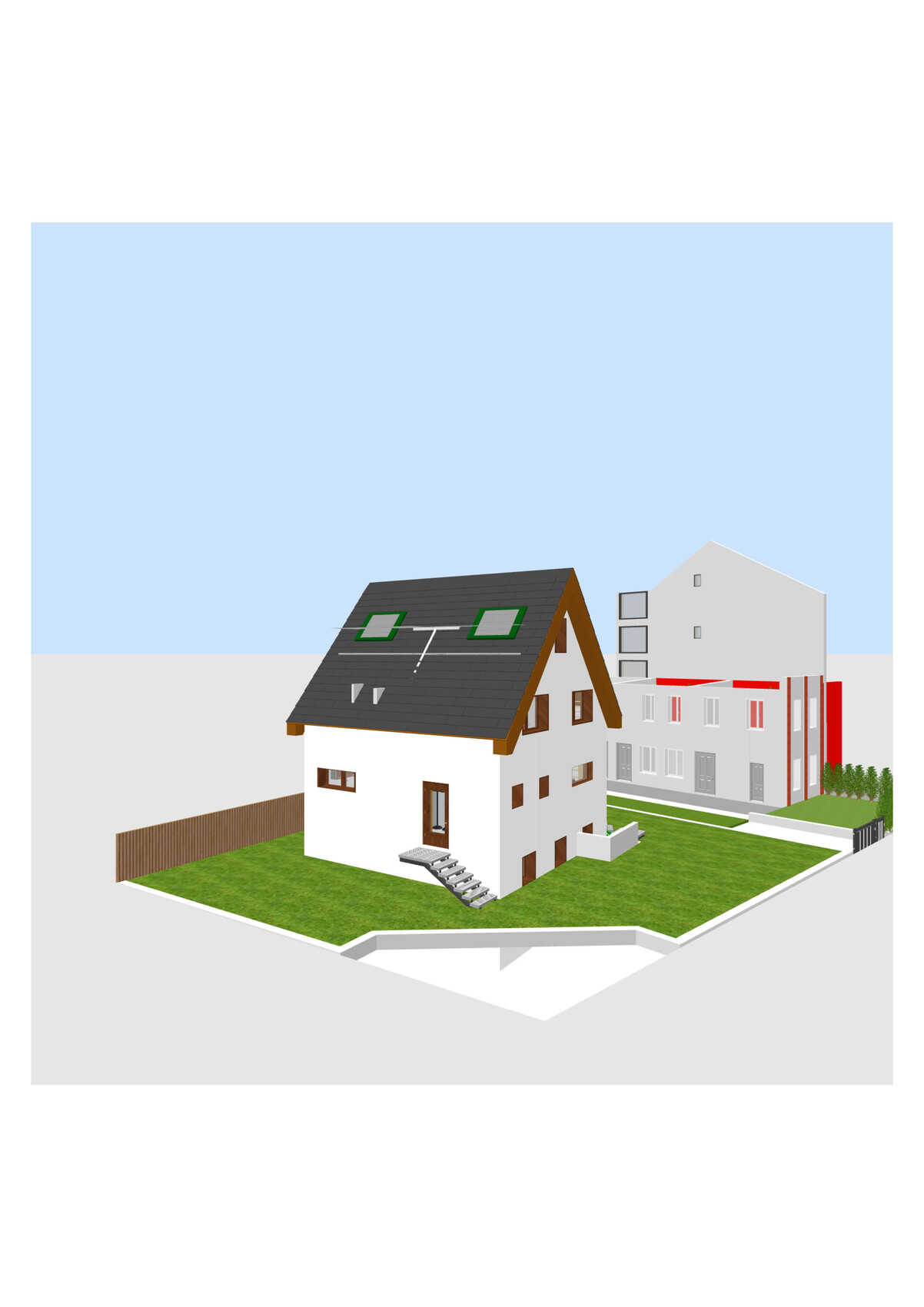
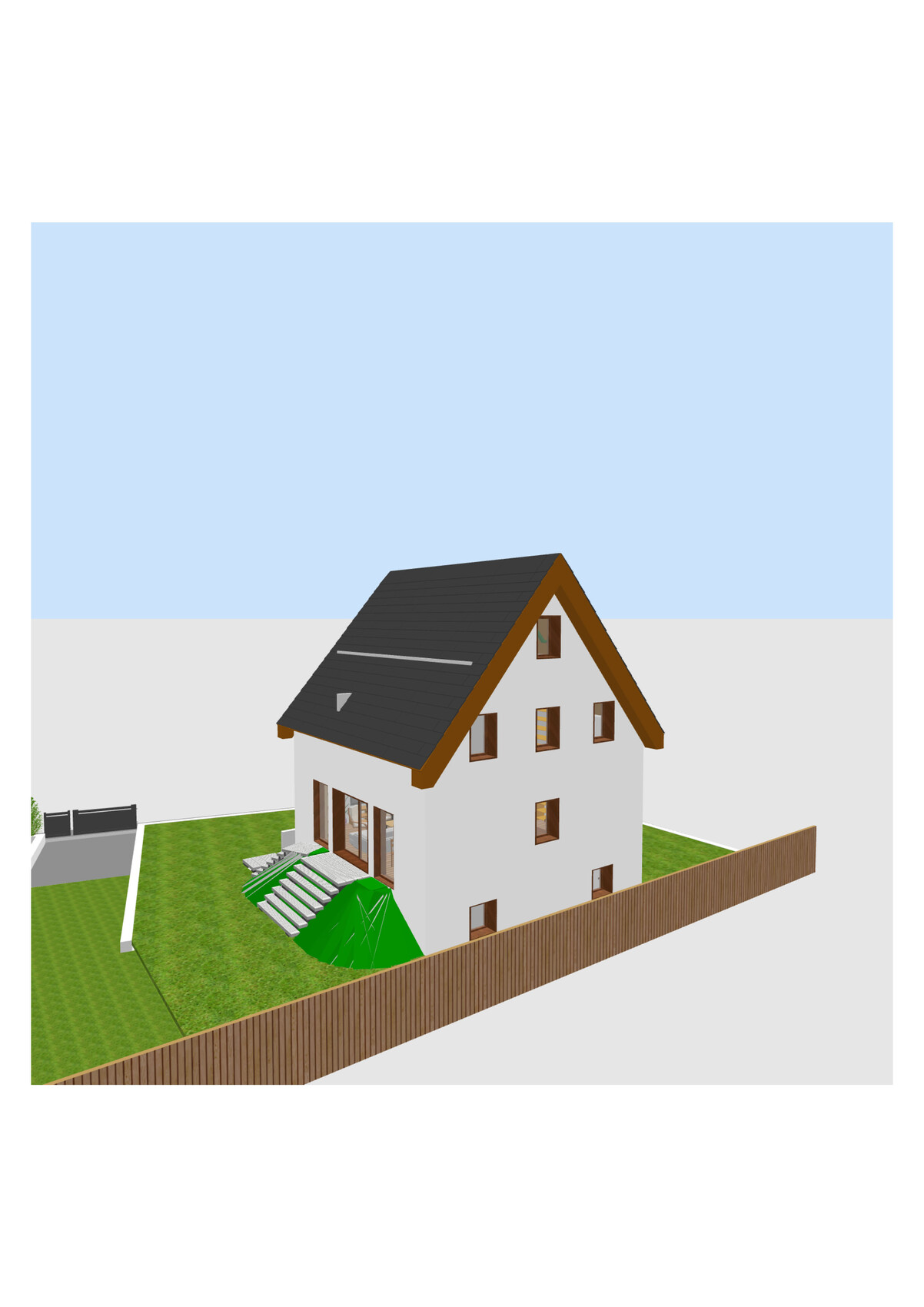
Otherwise, the roof is about 130cm (51 inches) lower. Even if you build a loft bed or an attic space with 15cm (6 inches) thickness at a height of 2m (6 ft 7 in) within the roof, the peak height would only just reach 2m (6 ft 7 in). That is acceptable for a loft bed but not really suitable as additional living space.
With a knee wall, the height exceeds 3m (10 ft) at the attic/raised level/loft bed around 225cm (89 inches). Of course, the attic space is also significantly larger and more usable with a knee wall.
Therefore: if financially feasible, we definitely want to build up to the knee wall.
Since the basement and ground floor remain unchanged, I have not attached them again.
Here is the questionnaire
Development Plan / Restrictions
Plot size: 710 sqm (7,645 sq ft)
Slope: no
Site coverage ratio
Floor area ratio
Building envelope, building line and boundary
Edge development: not allowed, only existing structures are protected
Number of parking spaces: 2 required, but this should not be a problem facing the street
Number of storeys: no specifications. Surroundings have between 1.5 and 3.5 storeys
No specifications / no development plan
Owners’ Requirements
Style, roof type, building type: value for money! We want a gable roof (cost/performance/photovoltaics)
Basement, floors: basement, ground floor, upper floor + attic (preferably 2 levels)
Number of people, ages: 5 people / 2*35 + 3 + 7 + 10
Space requirements on ground floor and upper floor
Office: family use or home office? both
Overnight guests per year: 10-15
Open or closed architecture: mixed
Conservative or modern design
Open kitchen, kitchen island: yes
Number of dining seats: up to 20
Fireplace: not necessary / possibly for a sauna in the basement and fireplace in the living room
Music / stereo wall: yes
Balcony, roof terrace: preferably a large garden
Garage, carport: not necessary
Utility garden, greenhouse
Other wishes / special features / daily routine, including reasons why certain things are wanted or not: clay plaster and ecological insulation materials in the roof
House Design
Who designed the plan: by us in coordination with the architect
What do you like most? nothing is completely perfect
What do you dislike? but everything is practically fine as it is
Price estimate from architect/planner: under 400,000 including ancillary construction costs (land already owned)
Personal price limit for the house, including ancillary construction costs: 400,000
Preferred heating technology: geothermal underfloor heating
If you have to give up, which details / extensions
-can you give up: knee wall
-can you not give up: basement
Why has the design turned out the way it is? e.g.
A mix of various prefabricated house designs combined with our specific requirements.
What do you think makes it especially good or bad? it is simply practical
What is the most important / fundamental question about the floor plan summarized in 130 characters?
Does anything not fit together at all or will we get “stuck” somewhere?
Development Plan / Restrictions
Plot size: 710 sqm (7,645 sq ft)
Slope: no
Site coverage ratio
Floor area ratio
Building envelope, building line and boundary
Edge development: not allowed, only existing structures are protected
Number of parking spaces: 2 required, but this should not be a problem facing the street
Number of storeys: no specifications. Surroundings have between 1.5 and 3.5 storeys
No specifications / no development plan
Owners’ Requirements
Style, roof type, building type: value for money! We want a gable roof (cost/performance/photovoltaics)
Basement, floors: basement, ground floor, upper floor + attic (preferably 2 levels)
Number of people, ages: 5 people / 2*35 + 3 + 7 + 10
Space requirements on ground floor and upper floor
Office: family use or home office? both
Overnight guests per year: 10-15
Open or closed architecture: mixed
Conservative or modern design
Open kitchen, kitchen island: yes
Number of dining seats: up to 20
Fireplace: not necessary / possibly for a sauna in the basement and fireplace in the living room
Music / stereo wall: yes
Balcony, roof terrace: preferably a large garden
Garage, carport: not necessary
Utility garden, greenhouse
Other wishes / special features / daily routine, including reasons why certain things are wanted or not: clay plaster and ecological insulation materials in the roof
House Design
Who designed the plan: by us in coordination with the architect
What do you like most? nothing is completely perfect
What do you dislike? but everything is practically fine as it is
Price estimate from architect/planner: under 400,000 including ancillary construction costs (land already owned)
Personal price limit for the house, including ancillary construction costs: 400,000
Preferred heating technology: geothermal underfloor heating
If you have to give up, which details / extensions
-can you give up: knee wall
-can you not give up: basement
Why has the design turned out the way it is? e.g.
A mix of various prefabricated house designs combined with our specific requirements.
What do you think makes it especially good or bad? it is simply practical
What is the most important / fundamental question about the floor plan summarized in 130 characters?
Does anything not fit together at all or will we get “stuck” somewhere?
grericht schrieb:
We are working with an architect on the design of our single-family home. Since we have three children, it should accommodate some future considerations. These include:And how are the unit(s) supposed to be separated later?
The architect isn’t seriously planning a stairwell of 2 x 2 meters (6.5 x 6.5 feet) for you, is he?
The separation should be designed to allow separate entrances for the basement and the ground floor. The basement includes a roughly 60sqm (645 sq ft) secondary apartment, where according to the current floor plan, the room facing south still needs to be divided into a small entrance area (which might also be achievable through a structural modification of the roofing over the access) and a small kitchenette.
The stairwell can then be closed off with a door in the living room. This way, family members can still have easy access to each other within the house.
The architect is planning a 2 x 2m (6.6 x 6.6 ft) staircase and has indicated this as the absolute minimum size. It is designed with 15 steps measuring approximately 17.9 to 18.5cm (7 to 7.3 inches) rise by 26cm (10.2 inches) run. However, I saw last night in the guidelines here that this is considered too small. But this isn’t the architect’s first house project?!
EDIT: It is a half-landing U-shaped staircase (which was not available in the Sweet Home 3D software plan).
The stairwell can then be closed off with a door in the living room. This way, family members can still have easy access to each other within the house.
The architect is planning a 2 x 2m (6.6 x 6.6 ft) staircase and has indicated this as the absolute minimum size. It is designed with 15 steps measuring approximately 17.9 to 18.5cm (7 to 7.3 inches) rise by 26cm (10.2 inches) run. However, I saw last night in the guidelines here that this is considered too small. But this isn’t the architect’s first house project?!
EDIT: It is a half-landing U-shaped staircase (which was not available in the Sweet Home 3D software plan).

Similar topics