
Hello,
The concrete slab was poured and covered with a sheet.
Now, without the sheet, the reinforcement is exposed in several areas of the slab. (Photos)
Is this a defect? What can be done?
The steel is visible in some places, and even the structure of the reinforcement mesh can be seen in certain spots.
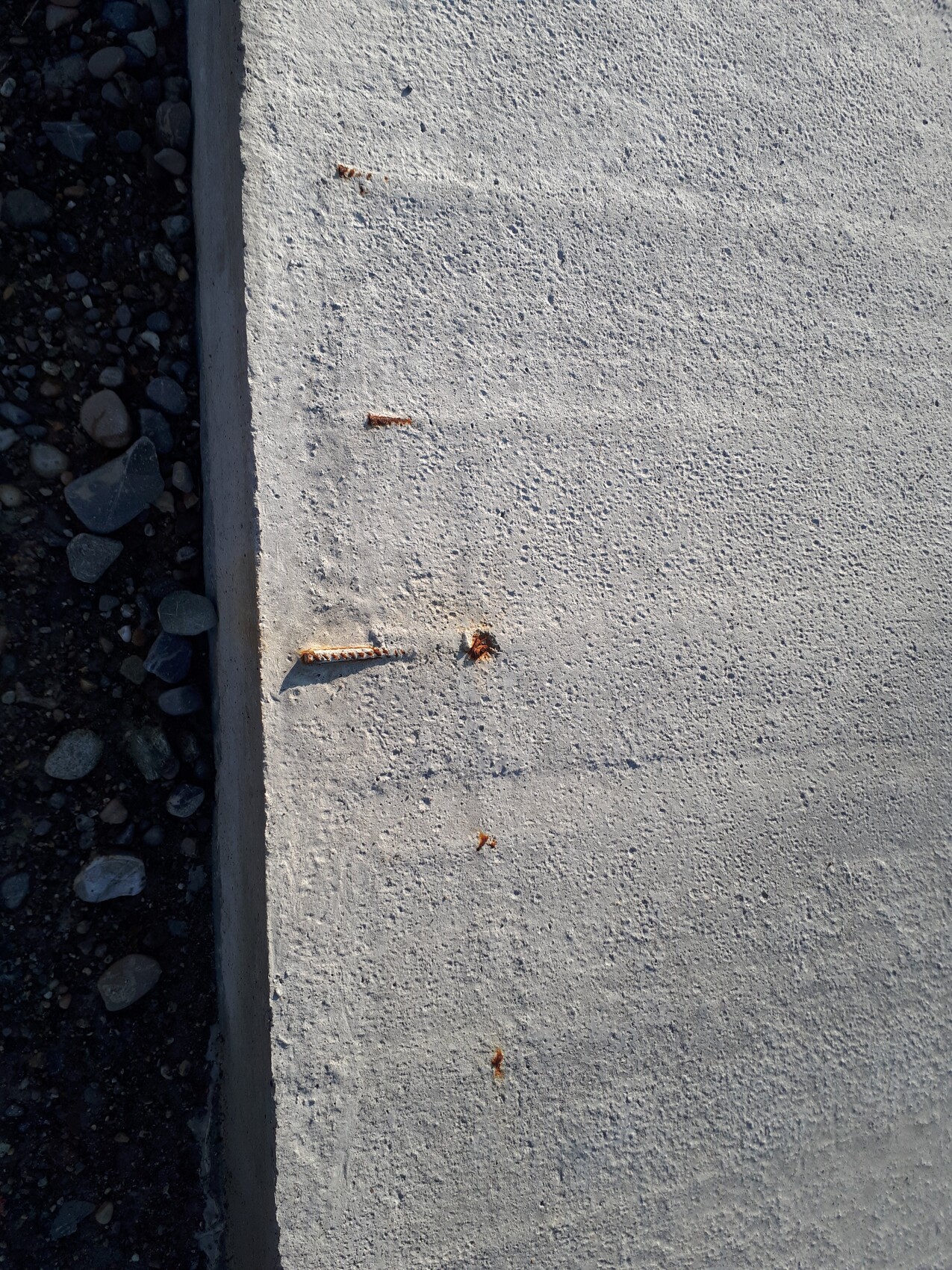
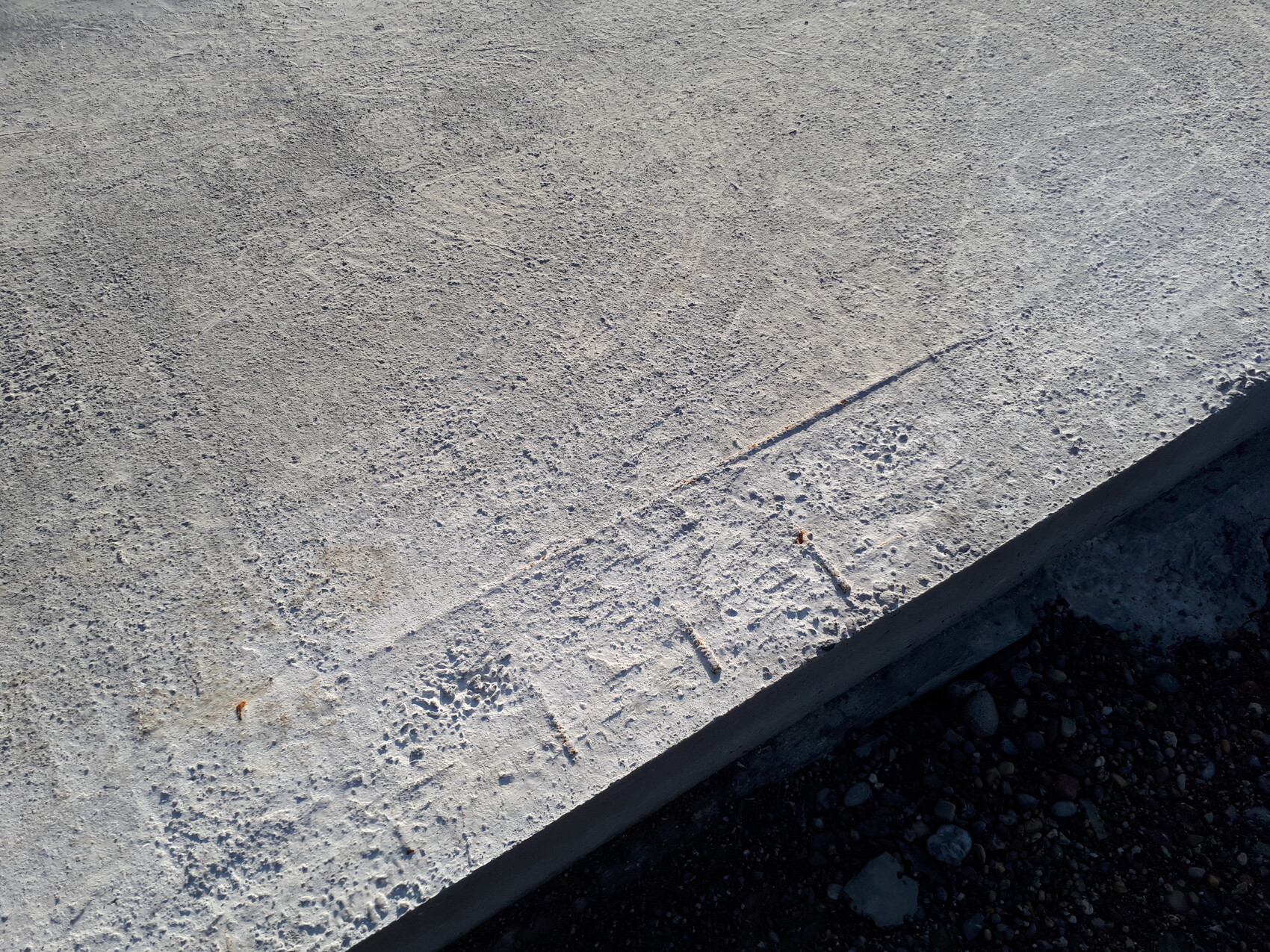
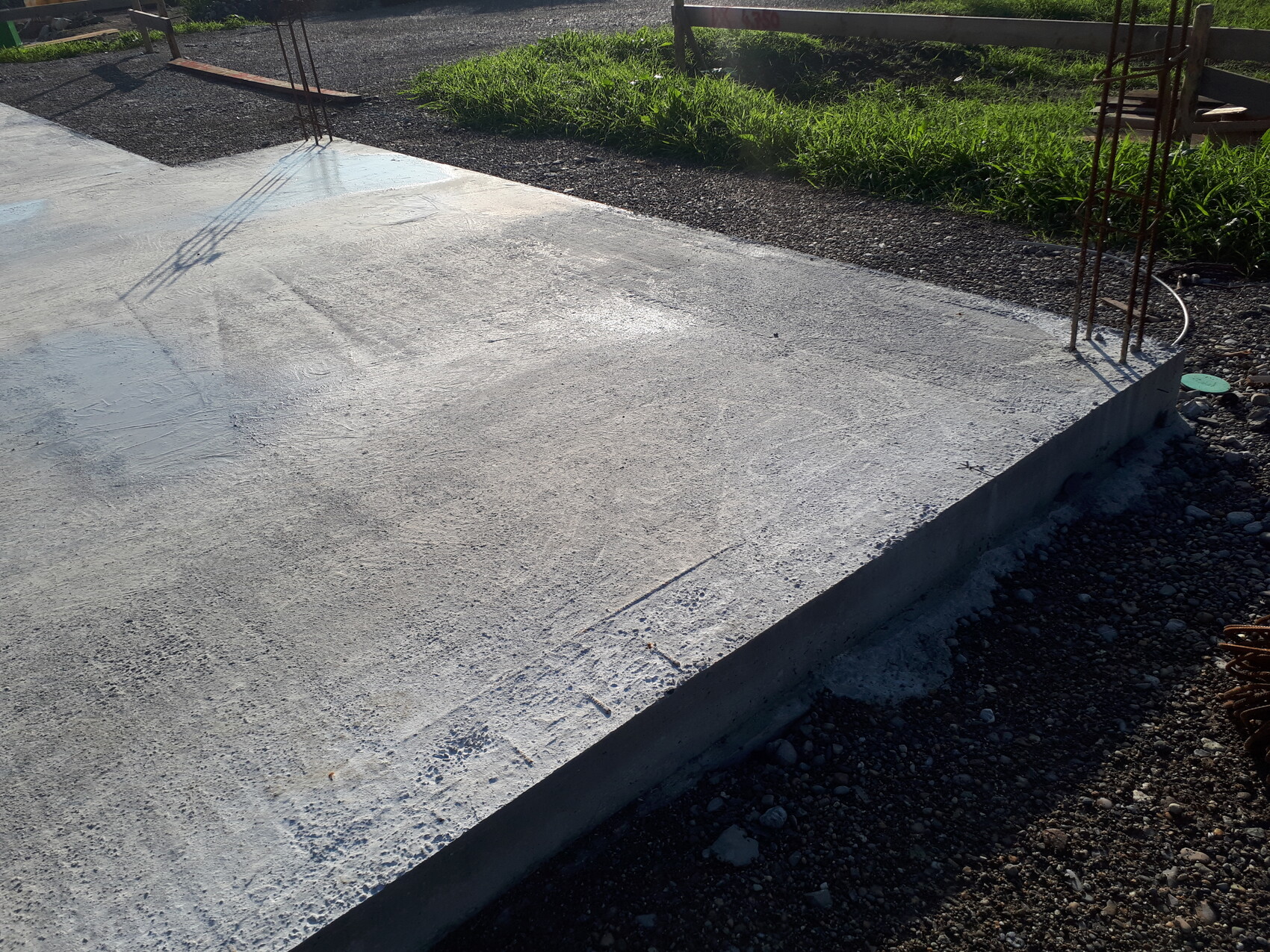
The concrete slab was poured and covered with a sheet.
Now, without the sheet, the reinforcement is exposed in several areas of the slab. (Photos)
Is this a defect? What can be done?
The steel is visible in some places, and even the structure of the reinforcement mesh can be seen in certain spots.
If it starts like that... moisture can get in. Then it begins to rust, which can cause the concrete to crack.
We had a similar issue on the upper floor. Because of too many pipes, we had to chisel away some of the ceiling at the junctions. A few pipes were installed and then re-covered with concrete. This was especially important to our site manager, and he emphasized it very often.
We had a similar issue on the upper floor. Because of too many pipes, we had to chisel away some of the ceiling at the junctions. A few pipes were installed and then re-covered with concrete. This was especially important to our site manager, and he emphasized it very often.

Tmsb2019 schrieb:
The reinforcement is exposed in several places on the concrete slab. (Pictures)
Is this a defect? Yes, this is definitely a defect. The concrete cover over the reinforcement is clearly insufficient here, as the rebar is not embedded within but almost on top of the slab. Either the slab is too thin (using the old volume calculation, a thicker slab is now required) and/or the reinforcement was placed too high (wrong spacers). The idea that the screed would somehow fix this or that it is acceptable relative to what will be built on top, with all due respect, is a joke. In my opinion, this situation calls for at least an expert assessment and documentation. This violates DIN standards and generally accepted rules of technology, and cannot be dismissed as a cosmetic issue. I would also regard it as an indicator to question the competence of the workers involved.
https://www.instagram.com/11antgmxde/
https://www.linkedin.com/company/bauen-jetzt/
11ant schrieb:
Yes, this is definitely a defect. The concrete cover over the reinforcement clearly does not meet the requirements here, as the reinforcement is not embedded within the concrete but almost on top of it. Either the slab is too thin (concrete quantity based on the old calculation method, with a thicker slab now required) and/or the reinforcement was installed too high (wrong spacers). The idea that the screed could somehow fix this or that it would be acceptable relative to what will be built on top is, frankly, a joke. I believe expert evidence collection is definitely necessary here. This is a violation of DIN standards and generally recognized technical rules, which cannot be dismissed as a cosmetic issue. I would also consider this as an indicator to question the workers’ competence. First of all, insulation will be installed on top of the slab before the screed.

Zaba12 schrieb:
First of all, insulation goes on there, not screed.No, first a vapor barrier goes on, for example bitumen. If you're going to be pedantic, please get it right...

I'll be direct: on our foundation slab, we had "only" 3 small spots at the edge (not on the top) where the reinforcement was slightly visible. Our supervising building inspector immediately pointed this out, which resulted in the 3 small areas being chipped out and sealed again with a special concrete sealing compound. Your exposed spots are a serious defect that must be properly repaired without any ifs or buts.
Similar topics