
Hello everyone.
I need your collective expertise once again.
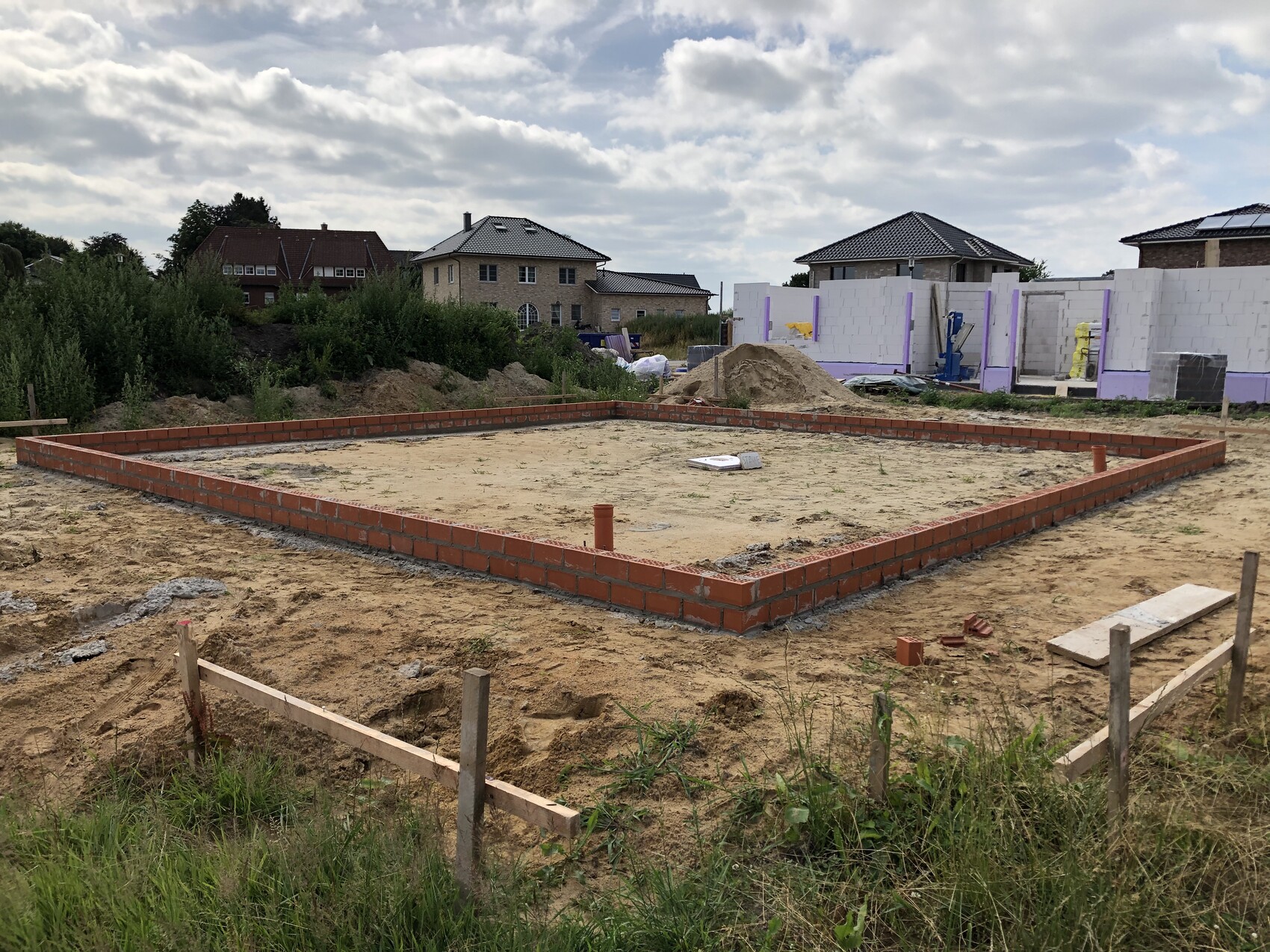
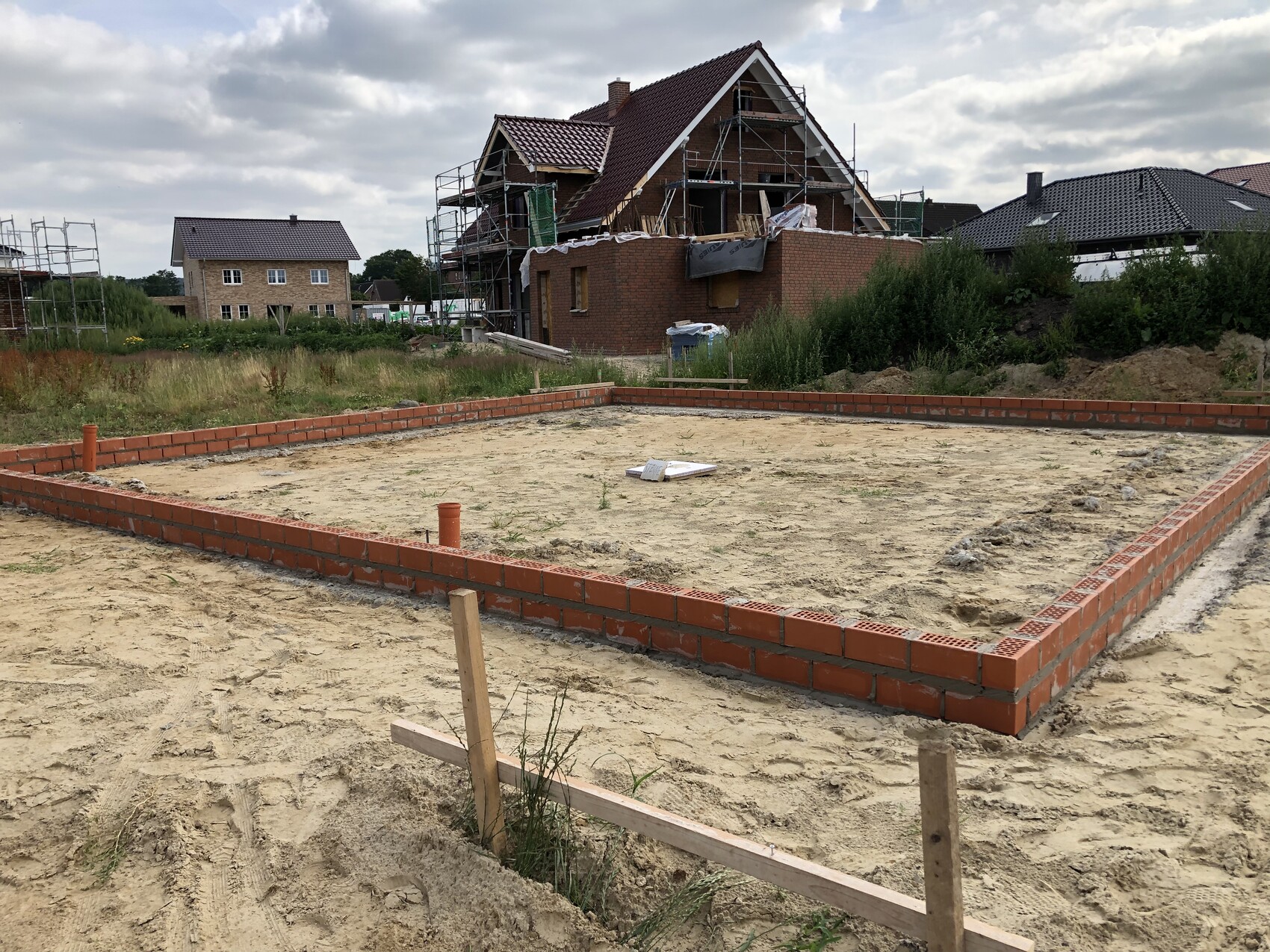
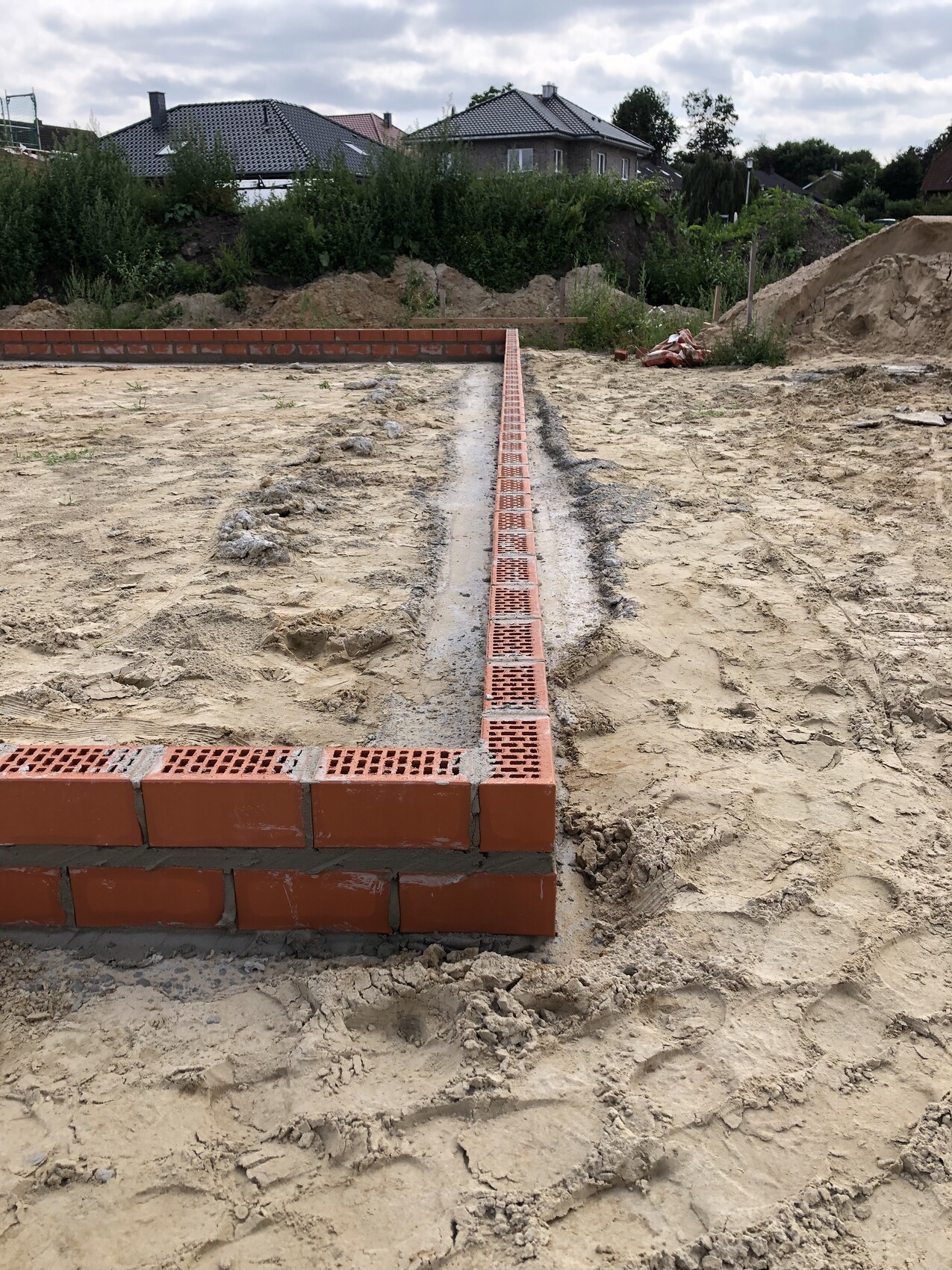
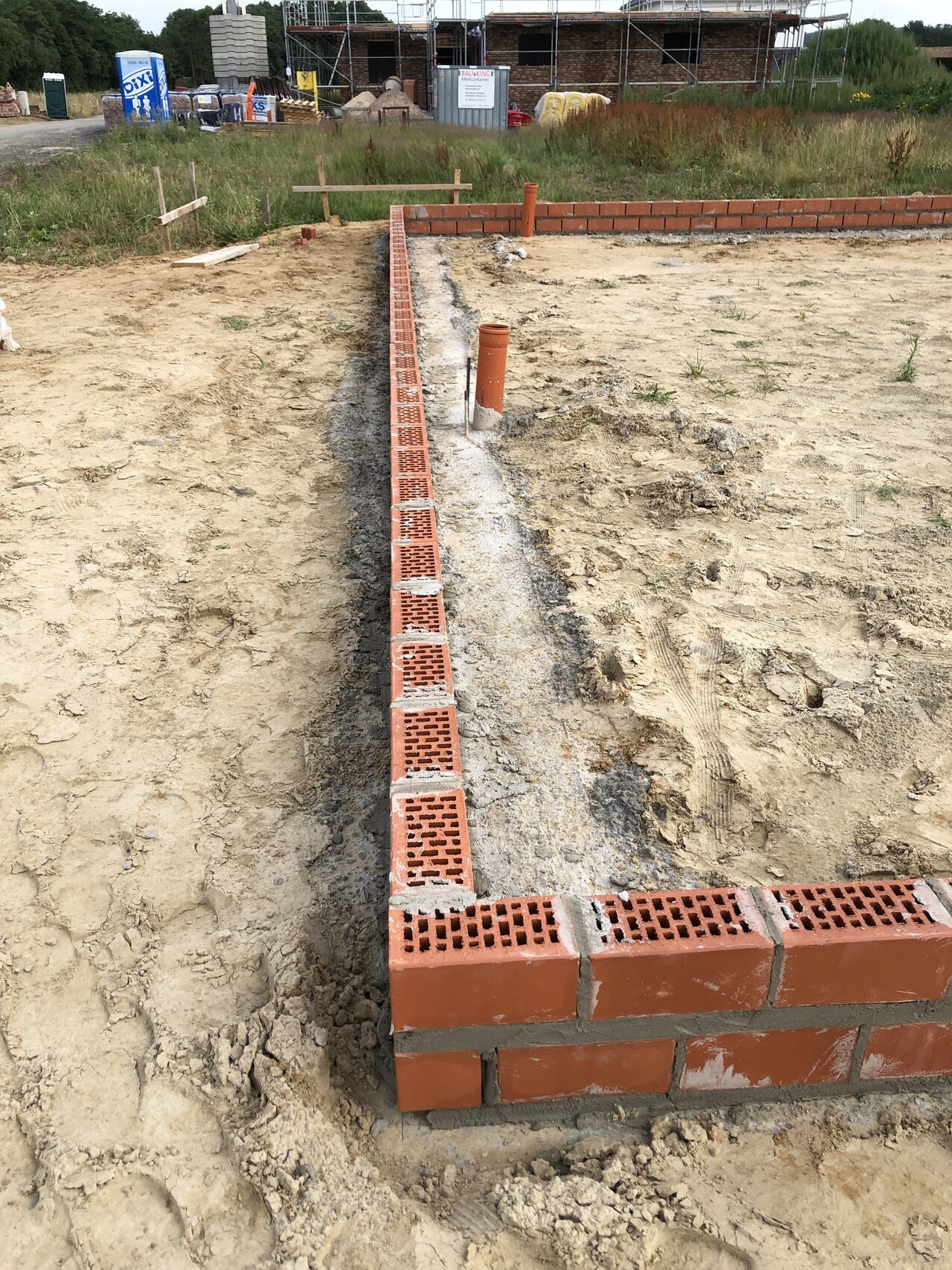
Today I visited the construction site to check the formwork of the foundation slab and found the following...
Is this normal? Is this an acceptable method? As soon-to-be homeowners, could this pose any disadvantages or maybe even advantages for us?
I would really appreciate any insights or experiences you can share.
I need your collective expertise once again.
Today I visited the construction site to check the formwork of the foundation slab and found the following...
Is this normal? Is this an acceptable method? As soon-to-be homeowners, could this pose any disadvantages or maybe even advantages for us?
I would really appreciate any insights or experiences you can share.
Joedreck schrieb:
It seems everyone understands that this does not meet the current state of the art. What practical effects does this have?
I am a layperson, so it would be nice if it could be explained with simply formulated examples. “Wash my fur, but don’t get me wet?”
The complex subject of lightning and surge protection, which grounding systems ultimately address, overwhelms even some electrical professionals, and their necessity is often disputed—much like protection devices—with the attitude of "It worked fine without it before".
If anyone can sum up the required information clearly in about ten lines, I commend them without envy. A user described as a rambling babbler is hardly suitable for this task and should leave the explanation to experts with clearer educational and didactic skills.
However, if no such authority appears, serious learners should familiarize themselves through relevant chapters in freely downloadable secondary literature, such as:
- DEHN lightning planner,
- VdB lightning protection installation manual,
- PDFs from Elektro+ or
- free articles in electrical industry journals like de, ep, Voltimum, etc.
Once basic concepts—especially earth resistance, equipotential bonding, or voltage gradient—are understood, the question can also be answered independently.
I have your points. But other than listing what you need to read, there wasn’t much more. That’s a shame, because those answers would be the most practically relevant.
Homeowners are not interested in dry theory. Everyone here already knows that poor workmanship happens quite often. What nobody knows, exactly because you’re not conveying the information well, is what practical consequences this can have for me.
If there are no practical disadvantages, then this discussion is purely academic.
So, once again, my sincere question: What practical disadvantages can result from work that does not meet the standards? Please explain it to me as simply as possible, as if I were a layperson, preferably with examples.
Homeowners are not interested in dry theory. Everyone here already knows that poor workmanship happens quite often. What nobody knows, exactly because you’re not conveying the information well, is what practical consequences this can have for me.
If there are no practical disadvantages, then this discussion is purely academic.
So, once again, my sincere question: What practical disadvantages can result from work that does not meet the standards? Please explain it to me as simply as possible, as if I were a layperson, preferably with examples.