
ᐅ Underfloor Heating Spacing, Missing Sections, and Bathtub Installation
Created on: 23 Jun 2019 14:39
M
M4rvin
Hi,
I wasn’t exactly sure which subforum to post in...
Our site manager asked us whether we want to place the bathtub directly on the screed or on the concrete slab. We hadn’t really thought about it until now, but we decided to go with the concrete floor.
Anyway, I was on site earlier and cut away the styrofoam, as the screed work is starting on Monday.
A few things caught my attention:
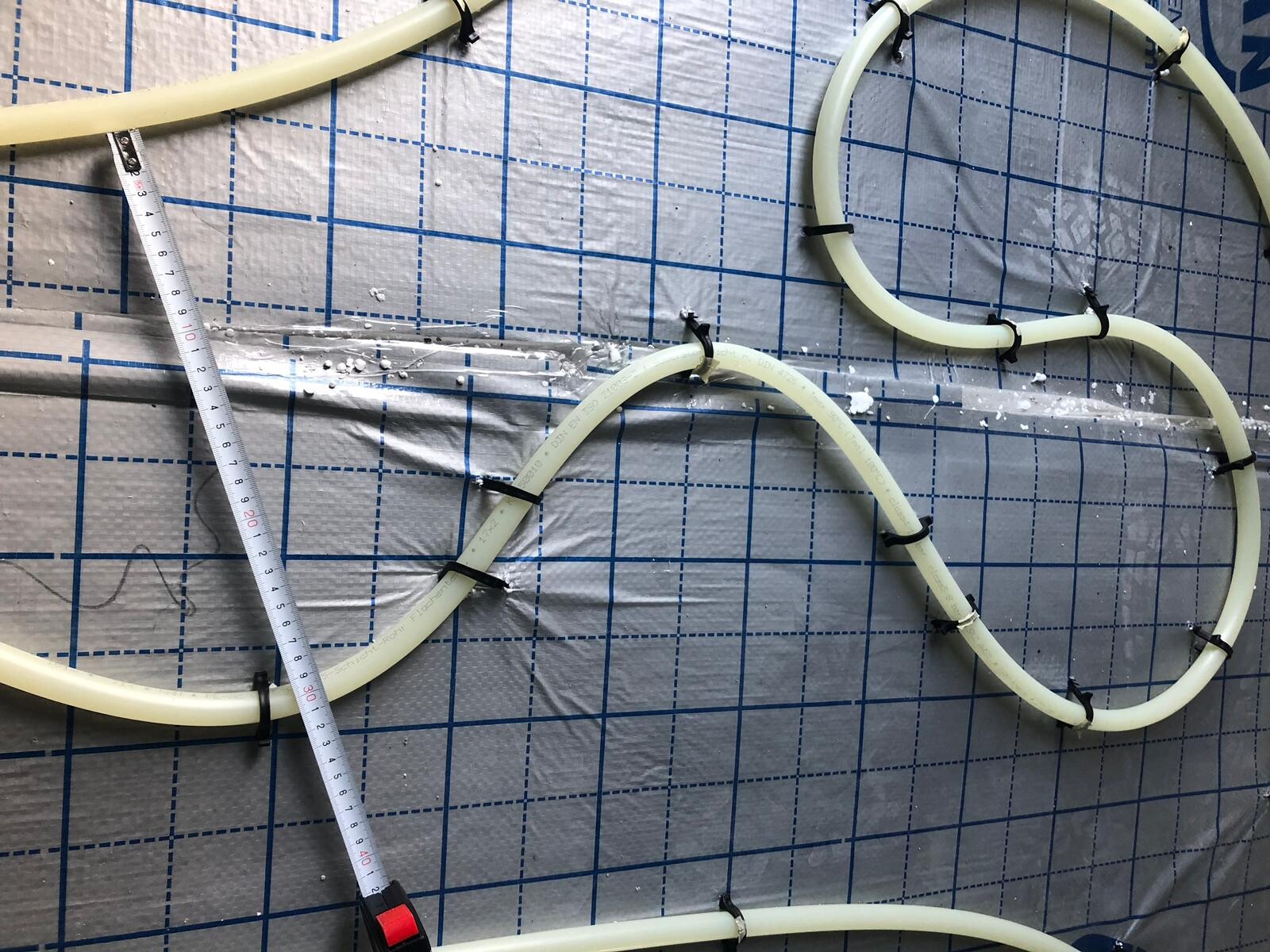
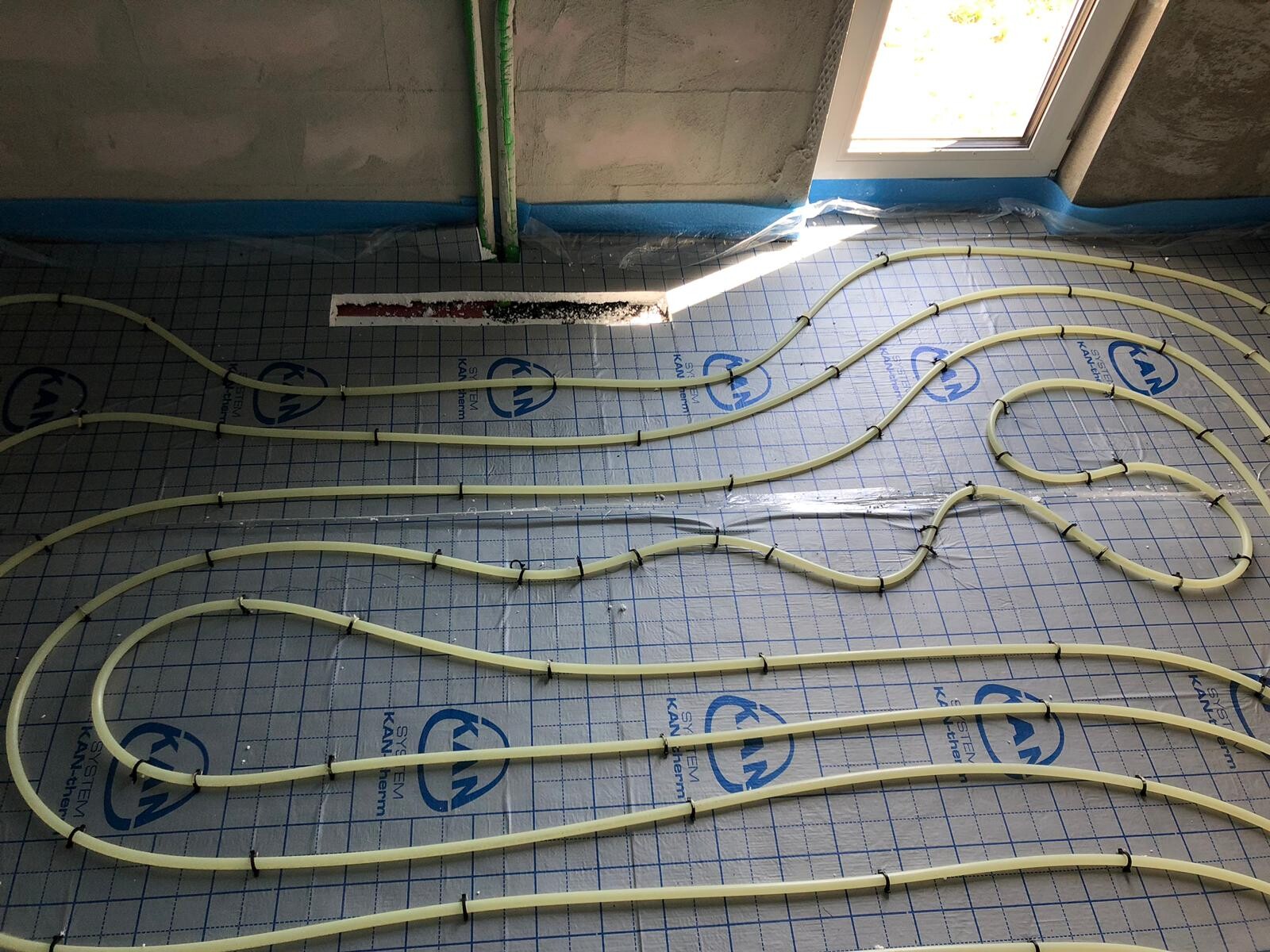
1) What should be the maximum spacing between the underfloor heating pipes? Some sections seem quite far apart, around 30cm (12 inches) to me.
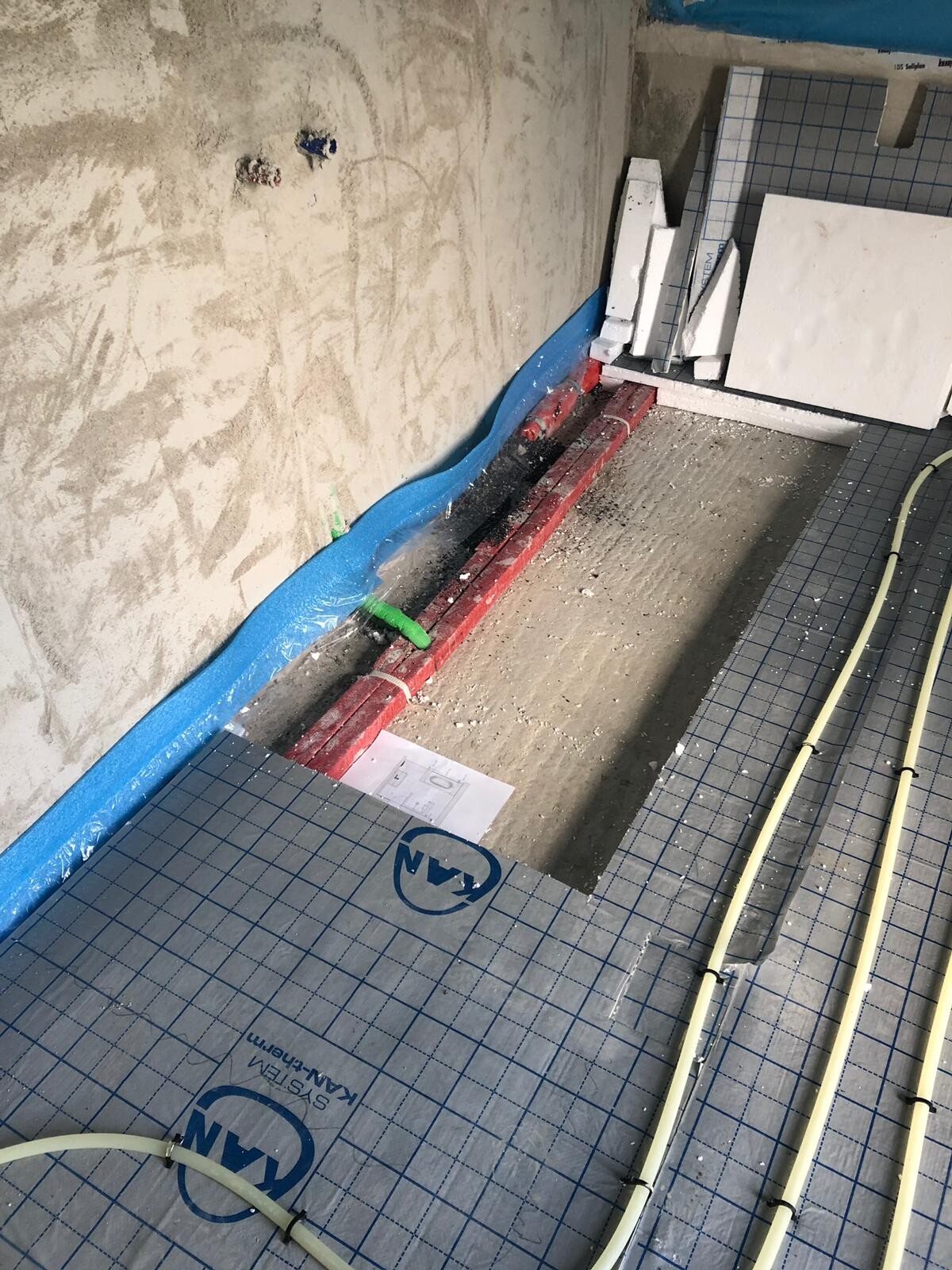
2) Is it common to leave some areas without pipes? (Like the spot in front of the bathtub, see picture)
3) Now that I removed the styrofoam around the bathtub, there are still some pipes underneath. Don’t they cause any issues? And why is such unstable styrofoam even placed between the floor and the screed?
Thanks in advance
Marvin
I wasn’t exactly sure which subforum to post in...
Our site manager asked us whether we want to place the bathtub directly on the screed or on the concrete slab. We hadn’t really thought about it until now, but we decided to go with the concrete floor.
Anyway, I was on site earlier and cut away the styrofoam, as the screed work is starting on Monday.
A few things caught my attention:
1) What should be the maximum spacing between the underfloor heating pipes? Some sections seem quite far apart, around 30cm (12 inches) to me.
2) Is it common to leave some areas without pipes? (Like the spot in front of the bathtub, see picture)
3) Now that I removed the styrofoam around the bathtub, there are still some pipes underneath. Don’t they cause any issues? And why is such unstable styrofoam even placed between the floor and the screed?
Thanks in advance
Marvin
B
benutzer 100424 Jun 2019 23:17How and where would you recommend installing infrared heating?
B
boxandroof25 Jun 2019 17:02BigFoot schrieb:
How and where do you recommend using infrared heating?In the bathroom for occasional quick heating, combined with a heat pump.If higher temperatures are needed in the bathroom on a permanent basis, the alternatives are:
a) equipping the bathroom with extensive water-based heating surfaces (walls/ceiling) and possibly insulating the bathroom internally against cold rooms
b) running the heat pump at a higher temperature permanently just for the bathroom, which is less efficient
If no special attention is given, option b) is usually the standard.
For us, a constant 21°C (70°F) in the bathroom is sufficient, and a dense floor heating layout without additional heating surfaces was enough. To allow higher temperatures occasionally when the baby is in the room, we installed the electric heater. We have used it about 2-3 times a year; it’s manageable without it.
Infrared heating feels like it warms up faster. With a conventional electric heater, we have to start heating 30-60 minutes in advance for any noticeable effect.

B
benutzer 100425 Jun 2019 19:36But then infrared in the mirror, ceiling, or wall?
Similar topics